
Climbing Kilimanjaro in January 2027 offers a prime window with generally dry and stable weather, making it an excellent time for ascents. The most recommended routes for January include the Machame Route (7 days) and the Lemosho Route (8 days) for their higher success rates due to gradual acclimatization. Expect daytime temperatures to range from 15-25°C (59-77°F) at lower elevations, dropping significantly to -10°C (14°F) or colder near the summit, with clear skies but potential for strong winds. Prices for a 2027 Kilimanjaro climb typically range from $1,700 to $3,500+ per person, depending on the route, duration, group size, and inclusions, with Top Guide Adventures offering comprehensive packages with dedicated support.
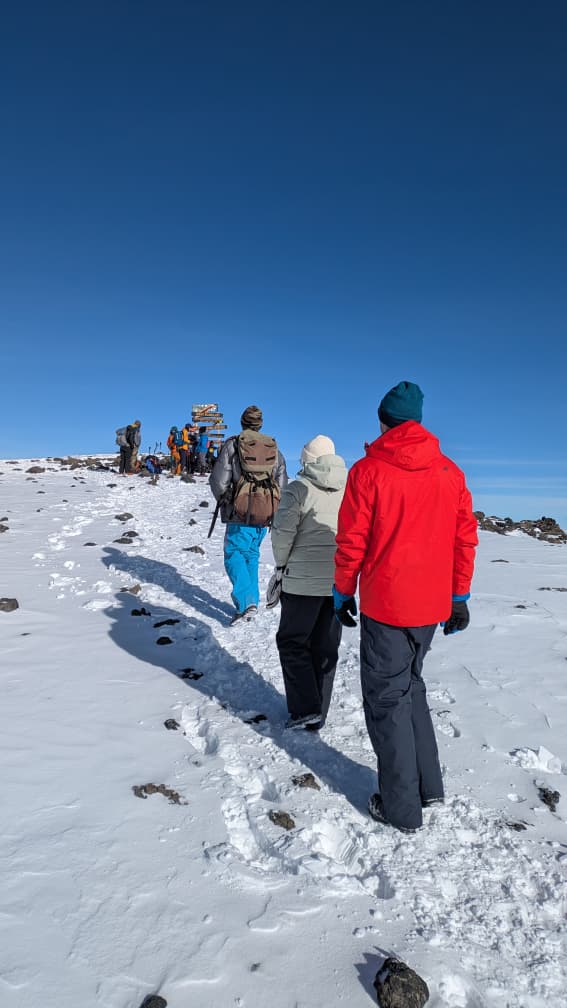


Kilimanjaro Climbing in January 2027: An Overview
The allure of Mount Kilimanjaro, Africa’s highest peak, draws thousands of adventurers each year. For those targeting a Kilimanjaro climb in January 2027, you are choosing one of the most favorable months for trekking. January falls within Kilimanjaro’s two main dry seasons, offering a greater chance of clear skies, less precipitation, and more stable trekking conditions compared to the wetter months. This makes it an ideal time to plan your expedition, whether you are aiming for a personal challenge or celebrating a milestone.
Top Guide Adventures, as one of Tanzania’s leading tour operators, specializes in crafting memorable Kilimanjaro experiences. We understand the nuances of climbing this magnificent mountain, especially during specific times of the year like January 2027. Our expertise ensures you are well-prepared, safe, and supported every step of the way, from initial planning to reaching Uhuru Peak and descending safely.
This guide is designed to provide you with all the essential information for your Kilimanjaro climbing adventure in January 2027. We will explore the best routes for this period, detail the expected weather patterns, discuss pricing structures and what to anticipate in terms of costs, and offer practical advice to maximize your chances of success and enjoyment. Whether you are a seasoned trekker or new to high-altitude mountaineering, understanding these factors is crucial for a successful and rewarding climb.
Why January is a Great Month for Kilimanjaro
January marks the beginning of the year and, crucially for Kilimanjaro climbers, it falls within the ‘long dry season’. This period typically runs from late December through February and is characterized by lower humidity, minimal rainfall, and a higher probability of clear, sunny days. While no month guarantees perfect weather on Kilimanjaro, January consistently offers some of the most stable conditions, making it a popular choice for trekkers worldwide.
The benefits of climbing Kilimanjaro in January 2027 include:
- Reduced Rainfall: Significantly less rain compared to the rainy seasons (March-May and November). This means drier trails, fewer muddy sections, and a more comfortable trekking experience.
- Clearer Skies: Generally, January offers excellent visibility, providing stunning panoramic views of the surrounding landscape and the African plains from higher altitudes. Sunrise and sunset views can be particularly spectacular.
- Moderate Temperatures: While the summit remains frigid, the lower and middle slopes tend to have pleasant daytime temperatures, making the initial stages of the trek enjoyable.
- Less Crowded Than Peak Season: While still a popular month, January can sometimes be slightly less crowded than the absolute peak months of July and August, offering a more serene trekking experience.
However, it’s important to remember that Kilimanjaro is a high-altitude mountain, and conditions can change rapidly. Even in the dry season, you can encounter unexpected weather, including mist, wind, and frost. The summit temperatures will always be below freezing, requiring appropriate gear.
Choosing Your Kilimanjaro Route for January 2027
Selecting the right route is one of the most critical decisions for your Kilimanjaro climb in January 2027. The route affects your acclimatization profile, scenery, difficulty, and ultimately, your success rate. For January, routes that offer longer itineraries and gradual ascent profiles are generally preferred to maximize acclimatization and comfort.
The Machame Route: A Popular Choice for 2027
Often referred to as the ‘Whiskey Route’ because trekkers often celebrate their success with a drink, the Machame Route is arguably the most popular route on Kilimanjaro. It is known for its scenic beauty and excellent acclimatization profile, making it a strong contender for your January 2027 climb.
- Duration: Typically 6, 7, or 8 days. For January 2027, we highly recommend the 7-day or 8-day Machame Route for optimal acclimatization. The 6-day option is possible but carries a higher risk of altitude sickness.
- Scenery: It traverses diverse landscapes, starting in lush rainforest and progressing through moorland, alpine desert, and Arctic zones. The route offers stunning views of the Western Breach and the Barranco Wall.
- Acclimatization: The Machame Route follows the ‘climb high, sleep low’ principle effectively, especially on the longer itineraries, which significantly increases your chances of reaching the summit.
- Difficulty: Moderate to challenging. The Barranco Wall scramble is a highlight but can be daunting for some.
- Success Rate: High, particularly on the 7 and 8-day options.
- Crowds: Can be busy, but January 2027 is generally manageable.
The Lemosho Route: Scenic Beauty and Good Acclimatization
The Lemosho Route is another excellent choice for a January 2027 Kilimanjaro climb, particularly for those prioritizing scenery and a more remote experience in the initial days.
- Duration: Usually offered in 7, 8, or 9-day variations. The 8-day Lemosho Route is the most recommended for thorough acclimatization.
- Scenery: Considered one of the most beautiful routes, Lemosho starts on the western side of Kilimanjaro, offering spectacular views as it traverses the mountain and eventually joins the Machame Route.
- Acclimatization: Excellent, due to its longer duration and gradual ascent, especially when combined with the Shira Plateau.
- Difficulty: Moderate to challenging.
- Success Rate: Very high, due to its superior acclimatization profile.
- Crowds: Less crowded in the initial days compared to Machame, but it merges with other routes later on.
The Marangu Route: The ‘Coca-Cola’ Option
The Marangu Route is the oldest and most established route. It’s known for its unique hut accommodation (rather than camping) and its gentler, more gradual slope. However, its rapid ascent profile is not ideal for acclimatization.
- Duration: 5 or 6 days. The 5-day option is strongly discouraged for a Kilimanjaro climb in January 2027 due to poor acclimatization and a very low success rate. The 6-day option is better but still less optimal than longer routes.
- Scenery: Pleasant, but generally considered less scenic than Machame or Lemosho.
- Acclimatization: Poor on the 5-day option. The 6-day option offers slightly better acclimatization but still lags behind routes like Machame or Lemosho.
- Difficulty: Moderate in terms of terrain, but the altitude can be challenging due to the rapid ascent.
- Success Rate: Significantly lower than other routes, especially on the 5-day trek.
- Accommodation: Huts available, which can be a draw for those seeking more comfort.
The Rongai Route: An Alternative for Dryness
The Rongai Route approaches Kilimanjaro from the north, near the Kenyan border. It is known for its dry conditions, making it a good alternative, especially if you are concerned about potential weather variations even within the dry season.
- Duration: Typically 6 or 7 days. The 7-day Rongai Route is recommended for better acclimatization.
- Scenery: Offers a different perspective, starting in arid scrubland before entering forest. It’s generally considered less scenic than Machame or Lemosho.
- Acclimatization: Good, similar to Machame, especially on the longer itineraries.
- Difficulty: Moderate.
- Success Rate: Good, comparable to Machame.
- Crowds: Usually less crowded than Marangu or Machame.
The Northern Circuit and Umbwe Route
The Northern Circuit is the longest route, offering the best acclimatization and highest success rates, typically over 9 days. It circumnavigates the mountain, providing diverse views. It is an excellent, albeit more expensive, option for January 2027 if time and budget allow.
The Umbwe Route is the shortest and steepest, making it the most challenging. It offers poor acclimatization and is only recommended for very experienced high-altitude trekkers. It is generally not advised for a Kilimanjaro climb in January 2027 unless combined with a longer itinerary.
Top Guide Adventures Recommendation for January 2027
For a Kilimanjaro climb in January 2027, Top Guide Adventures strongly recommends the 7-day or 8-day Machame Route or the 8-day Lemosho Route. These itineraries provide the best balance of scenic beauty, challenging trekking, and, most importantly, excellent acclimatization, significantly increasing your chances of a successful summit bid while minimizing the risks associated with altitude sickness.
Kilimanjaro Weather in January 2027: What to Expect
Understanding the weather is crucial for preparing for your Kilimanjaro climb in January 2027. As mentioned, January is part of Kilimanjaro’s long dry season. This generally translates to favorable conditions, but it’s essential to be prepared for the mountain’s microclimates and potential variations.
Temperature Ranges
Kilimanjaro’s temperatures vary drastically with altitude and time of day. In January 2027, you can expect:
- Base Camp (Moshi/Arusha): Pleasant, warm tropical climate, typically 20-30°C (68-86°F).
- Rainforest Zone (lower slopes): 15-25°C (59-77°F), often humid and can be misty or rainy, especially in the afternoons.
- Moorland Zone: 10-20°C (50-68°F), cooler and drier.
- Alpine Desert Zone: 5-15°C (41-59°F), significantly cooler, with strong sun during the day but dropping rapidly after sunset.
- Arctic Summit Zone (Uhuru Peak): -10°C to 5°C (14°F to 41°F). At night and during the summit push, temperatures can plummet to -15°C to -20°C (5°F to -4°F) or even colder, especially with wind chill.
Precipitation
January typically sees very little rainfall, especially on the northern side (Rongai Route). The southern slopes (Machame, Lemosho, Marangu) can still experience occasional showers, particularly in the afternoon, but these are usually brief. Snow is common only at the highest altitudes near the summit, especially during the pre-dawn summit push.
Wind
Wind is a significant factor, especially at higher altitudes and near the summit. January can experience moderate to strong winds, which can increase the perceived cold due to wind chill. Proper windproof gear is essential.
Visibility
January generally offers good visibility, providing stunning views. However, mist and clouds can form, particularly around the Shira Plateau and during the ascent of the Barranco Wall. The summit area can also be cloud-covered, but clear spells are frequent.
Packing for Kilimanjaro Weather in January 2027
Layering is key. You’ll need a robust waterproof and windproof outer shell, warm mid-layers (fleece or down), and moisture-wicking base layers. Thermal underwear, a warm hat, gloves, and a balaclava are essential for the summit night. Good quality, broken-in hiking boots are non-negotiable.
Kilimanjaro Climbing Prices and Costs for 2027
Understanding the costs associated with a Kilimanjaro climb in January 2027 is vital for budgeting. Prices can vary significantly based on the operator, route, duration, group size, and what is included in the package.
At Top Guide Adventures, we believe in transparent pricing. Our packages are designed to offer excellent value while ensuring your safety and comfort, utilizing high-quality equipment and experienced guides. We typically offer two main types of climbs:
- Group Climbs: These are scheduled departures where you join a group of like-minded trekkers. They are generally more affordable.
- Private Climbs: These are tailor-made for your group (friends, family) and offer more flexibility, though at a higher cost per person than group climbs.
Factors Influencing Kilimanjaro Climb Prices in 2027:
- Route Choice: Longer routes like Lemosho or Northern Circuit cost more due to more days, higher park fees, and more supplies. Shorter routes like Marangu (though not recommended for success) might appear cheaper but offer less value.
- Duration: A 7-day climb will cost more than a 5-day climb (again, 5-day is not recommended), and an 8-day climb will cost more than a 7-day. Longer durations mean more park fees, food, and crew wages.
- Operator’s Quality: Reputable operators like Top Guide Adventures invest in well-trained guides, adequate porters, quality camping equipment, and safety protocols (like carrying a portable toilet and emergency oxygen), which impacts the price. Cheaper operators often cut corners, compromising safety and crew welfare.
- Inclusions: What’s included in the price varies. Most reputable operators include park fees, camping/hut fees, rescue fees, food, water, experienced guides, assistant guides, cooks, porters, and transport to/from the mountain. Some may include items like bottled water, tips for the crew, or hotel stays before/after the climb.
- Group Size: Private climbs are more expensive per person than joining a scheduled group departure.
Typical Price Range for Kilimanjaro Climbs (2027):
For a Kilimanjaro climb in January 2027 with a reputable company like Top Guide Adventures, you can expect prices to fall within the following range:
- Budget/Standard Operators: $1,700 – $2,400 USD per person (often with fewer inclusions, potentially lower crew-to-client ratios, and basic equipment).
- Mid-Range/Quality Operators (like Top Guide Adventures): $2,400 – $3,500 USD per person for standard itineraries (e.g., 7-day Machame). This typically covers all essential services, quality gear, and good support.
- Luxury/Premium Operators: $3,500 – $5,000+ USD per person (offering higher-end equipment, more spacious tents, smaller group sizes, and additional amenities).
Note: These prices are estimates for 2027. It’s always best to request a detailed quote.
What’s Typically Included in Top Guide Adventures’ Kilimanjaro Packages (2027):
- Park Entrance Fees, Camping Fees, Rescue Fees
- Accommodation in tents (high-quality 4-season tents)
- Nutritious meals and purified drinking water during the climb
- All crew salaries (guides, assistant guides, cooks, porters)
- Portable toilet
- Climb Certificate
- Ground transport to and from the mountain
- Pre-climb briefing
- Emergency oxygen and extensive first-aid kit
What’s typically excluded: Flights, visas, travel insurance, personal climbing gear, tips for the crew, alcoholic beverages, and items of a personal nature.
Additional Costs to Consider for 2027:
- Tipping: This is a significant cultural norm and expected part of the cost. Budget approximately $250 – $350 USD per trekker for the entire crew (guides, assistant guides, cook, porters). Top Guide Adventures provides recommended tipping guidelines.
- Personal Gear: You’ll need to purchase or rent specific gear like a warm sleeping bag, waterproof jacket/trousers, hiking boots, and trekking poles.
- Travel Insurance: Mandatory for all climbers. Ensure it covers high-altitude trekking and emergency medical evacuation.
- Flights: International flights to Kilimanjaro International Airport (JRO).
- Visa: If required for your nationality.
- Pre/Post Climb Accommodation: Hotel stays in Moshi or Arusha before and after the climb.
- Vaccinations and Medications: Consult your doctor.
Preparing for Your Kilimanjaro Climb in January 2027
A successful Kilimanjaro climb in January 2027 requires thorough preparation, both physically and mentally. January’s dry weather is advantageous, but the altitude remains the primary challenge.
Physical Training
The most important aspect of training is building cardiovascular endurance. Focus on activities that simulate trekking:
- Hiking: Regular hikes, especially with a weighted backpack, are crucial. Aim for long hikes (4-6 hours) on weekends, ideally with significant elevation gain.
- Cardio: Engage in activities like running, cycling, swimming, or using an elliptical machine at least 3-4 times per week.
- Strength Training: Focus on leg strength (squats, lunges) and core stability.
- Altitude Simulation: If possible, spend time at higher altitudes before your trip.
Start your training at least 2-3 months before your January 2027 climb.
Acclimatization Strategy
This is paramount. Choose a longer route (7-8 days minimum), ascend slowly, stay hydrated, and avoid overexertion. Listen to your body and your guides. Symptoms of altitude sickness (headache, nausea, dizziness) should be reported immediately.
Mental Preparation
Kilimanjaro is physically demanding. Be prepared for long days of trekking, cold temperatures, and challenging conditions, especially on summit night. A positive attitude, determination, and understanding that you might feel unwell at times are vital.
Packing List Essentials for January 2027
A detailed packing list is essential. Here are some key items:
- Clothing: Layering system (base, mid, outer shells), waterproof/windproof jacket and pants, warm fleece, thermal underwear, hiking shirts, comfortable hiking pants.
- Footwear: Broken-in waterproof hiking boots, camp shoes/sandals, warm socks (wool or synthetic).
- Headwear: Warm beanie/hat, sun hat, balaclava/neck gaiter.
- Handwear: Warm gloves (liner and waterproof outer).
- Sleep System: Warm sleeping bag (-15°C to -20°C rating recommended for summit night), sleeping bag liner.
- Backpack: Daypack (30-40L) for essentials, duffel bag (80-90L) for porters.
- Trekking Gear: Trekking poles, headlamp with extra batteries, water bottles/hydration reservoir (at least 3L capacity), sunglasses.
- Personal Items: Sunscreen (SPF 30+), lip balm with SPF, insect repellent, personal first-aid kit, toiletries, hand sanitizer, camera, power bank.
- Documents: Passport, visa, flight details, insurance information, vaccination certificates.
Pre-Climb Checklist for January 2027 Climbers:
- Book Your Climb: Secure your spot with Top Guide Adventures for January 2027.
- Secure Flights: Book international flights to Kilimanjaro (JRO).
- Obtain Travel Insurance: Ensure it covers high-altitude trekking and evacuation.
- Consult Your Doctor: Discuss necessary vaccinations and altitude sickness medication (e.g., Diamox).
- Physical Training: Follow a consistent training program.
- Gear Acquisition: Purchase or rent essential gear. Test everything.
- Visa Application: If required for your nationality.
- Passport Validity: Ensure your passport is valid for at least six months beyond your stay.
- Pack Smart: Use our comprehensive packing list.
The Kilimanjaro Summit Night and Day in January
Summit night is the most challenging part of any Kilimanjaro climb, and your Kilimanjaro climb in January 2027 will be no different. Typically, you’ll begin your ascent from Kibo Huts (around 4,700m / 15,400ft) between midnight and 2 AM.
- The Ascent: This is a slow, steady climb in the dark, often on scree (loose rock). Temperatures will be at their lowest, likely between -10°C and -20°C, with significant wind chill. You’ll be walking in a single file line, guided by headlamps.
- Key Landmarks: You’ll pass Stella Point (around 5,756m / 18,885ft) on the crater rim, and then continue along the rim to Uhuru Peak (5,895m / 19,341ft), the highest point in Africa.
- Duration: The summit push can take anywhere from 5 to 9 hours, depending on your pace and the route.
- Weather in January: While dry, summit night in January can be extremely cold and windy. Clear skies often offer spectacular stargazing and views of the sunrise.
- Acclimatization’s Role: Proper acclimatization over the preceding days is critical for having the energy and capacity to complete this demanding final push.
Upon reaching Uhuru Peak, you’ll have a brief window to take photos and celebrate your achievement before descending. The descent is often faster but can be hard on the knees. Most climbers descend back to Kibo Huts for a short rest before continuing down to Barafu Camp or Mweka Camp.
Safety on Kilimanjaro in January 2027
Safety is paramount for any Kilimanjaro expedition. Top Guide Adventures prioritizes the well-being of our clients above all else.
Altitude Sickness (AMS)
Acute Mountain Sickness (AMS) is the most common risk. Symptoms include headache, nausea, dizziness, and fatigue. Early recognition and proper management are key. Our guides are trained to identify and treat AMS. Descending is the most effective treatment. Choosing a longer route (7-8 days) and proper acclimatization significantly reduces the risk.
Experienced Guides and Crew
Top Guide Adventures employs highly experienced guides who are certified in wilderness first aid and carry comprehensive medical kits, including supplemental oxygen. Our crew-to-client ratio is carefully managed to ensure adequate support.
Emergency Procedures
We have established emergency protocols in place, including communication plans and access to evacuation services. It is mandatory for all climbers to have comprehensive travel insurance that covers emergency medical evacuation from high altitudes.
Equipment Checks
Regular checks of equipment, especially for summit night (headlamps, boots, warm clothing), are conducted by our guides to ensure climbers are adequately prepared and safe.
Booking Your Kilimanjaro Climb in January 2027 with Top Guide Adventures
Choosing the right tour operator is as important as choosing the right route. Top Guide Adventures is dedicated to providing exceptional service, safety, and an unforgettable experience for your Kilimanjaro climb in January 2027.
We offer:
- Expert Guides: Local, highly trained, and experienced guides who know Kilimanjaro intimately.
- Quality Equipment: High-standard tents, sleeping mats, and other camping gear.
- Focus on Safety: Comprehensive safety protocols and equipment, including emergency oxygen.
- Ethical Treatment of Crew: We ensure our porters and guides are well-paid, properly equipped, and treated with respect.
- Personalized Support: From your initial inquiry to your return from the mountain, our team provides dedicated support.
- Transparent Pricing: Clear, all-inclusive packages with no hidden costs.
We are excited to help you plan your Kilimanjaro climbing adventure in January 2027. Whether you are looking to join a group or arrange a private climb, we have options to suit your needs.
For detailed itineraries, personalized quotes, and to discuss your specific requirements for a Kilimanjaro climb in January 2027, please do not hesitate to contact us:
- WhatsApp: +255 616 946642
- Email: topguideadventures@gmail.com
- Backup Email: info@topguideadventures.com
- Website: Top Guide Adventures
- Instagram: @top_guide_adventures
Let us be your trusted partner in conquering Kilimanjaro in January 2027. We look forward to helping you achieve your summit dreams!
Check Availability for Kilimanjaro Climbing In January : Routes, Weather, And Prices With Top Guide
Ready to compare dates, prices, and the best option for your group? Send the package name and travel month so the team can reply with a clear quote, availability, and what is included.
Kilimanjaro Climbing In October : Weather, Routes, And Planning 2026-2027
Planning a Kilimanjaro climb for October 2027? This guide details the excellent weather conditions, compares the most suitable routes like Machame and Lemosho, and provides essential...
View package details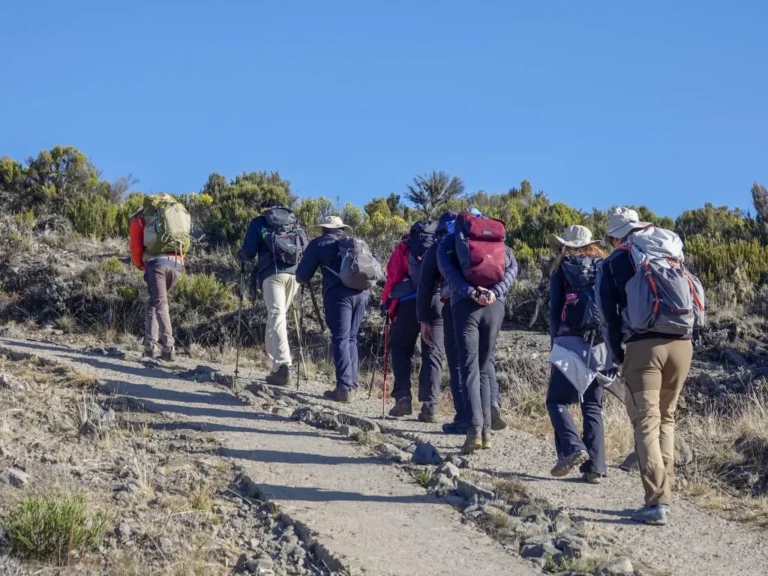
Kilimanjaro Bachelor Adventure Climbing Trip: Plan Your Ultimate Guys Getaway
A Kilimanjaro bachelor adventure climbing trip is an epic way for a groom and his friends to celebrate before the wedding. This guide covers everything from route selection and gear to...
View package details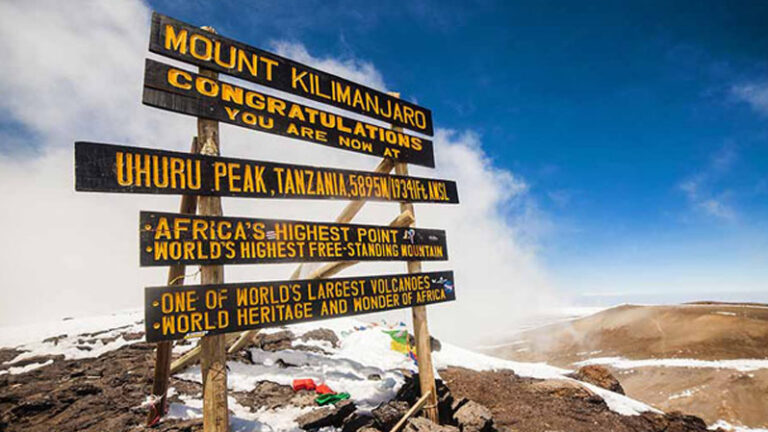
Kilimanjaro Graduation Climbing Challenge: Your Ultimate Guide 2026-2027
Achieve a milestone with a Kilimanjaro Graduation Climbing Challenge. This comprehensive guide from Top Guide Adventures covers everything you need to know for a successful ascent in...
View package details
Kilimanjaro Birthday Summit Climbing Package 2026-2027
Kilimanjaro Birthday Summit Climbing Package is explained with current 2026-2027 planning, price, itinerary and booking information.
View package details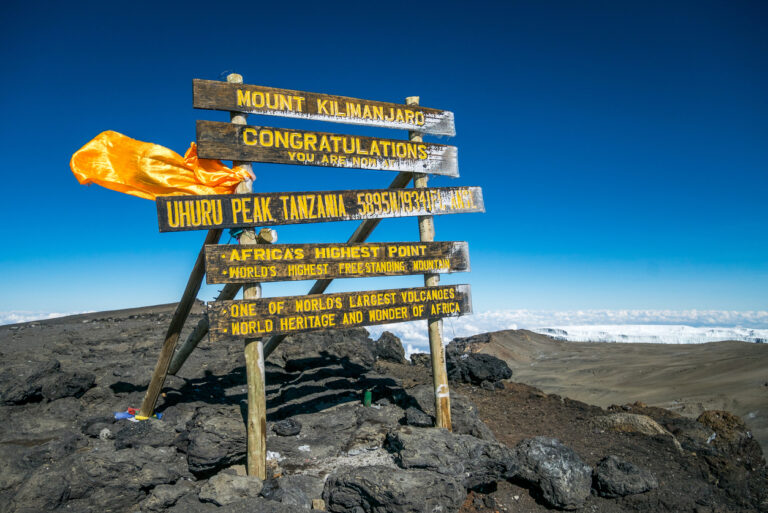
Best Kilimanjaro Month For Low Prices: Saving Money On Your Climb In 2026-2027
Planning a Kilimanjaro climb on a budget? Discover the best months for low prices in 2026-2027, focusing on off-peak seasons and how to maximize savings without compromising your experience.
View package details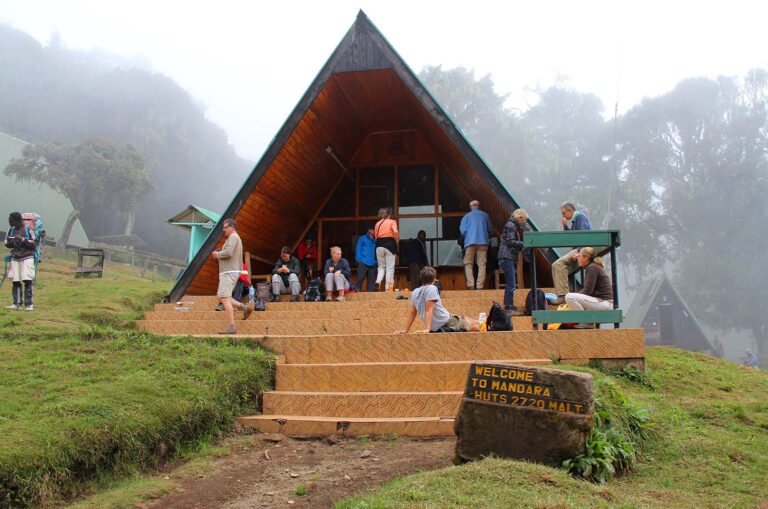
December Vs January Kilimanjaro Holiday Climb 2026-2027
December vs January Kilimanjaro Holiday Climb is explained with current 2026-2027 planning, price, itinerary and booking information.
View package details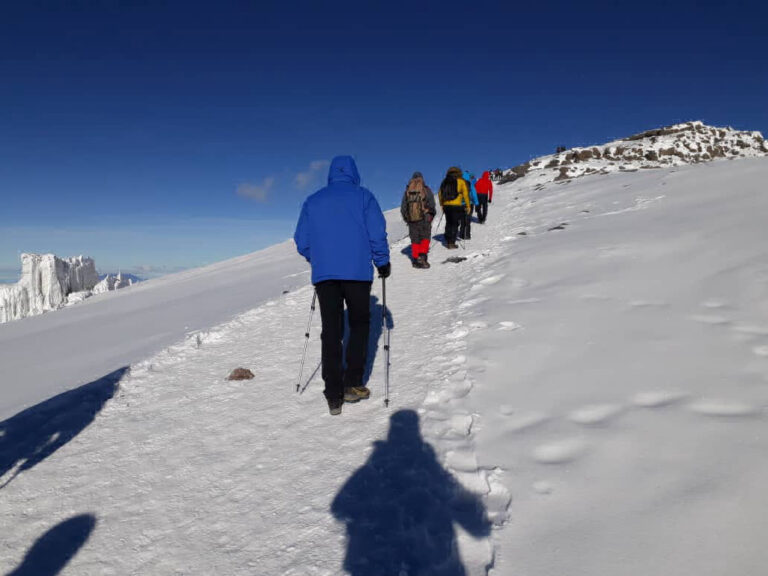
November Vs December Kilimanjaro Climbing Conditions Guide
Choosing between November and December for your Kilimanjaro climb? This guide details the distinct conditions, weather patterns, crowd levels, and cost considerations for each month...
View package details
September Vs October Kilimanjaro Weather Comparison 2026-2027
September vs October Kilimanjaro Weather Comparison is explained with current 2026-2027 planning, price, itinerary and booking information.
View package details
July Vs August Kilimanjaro Climbing: The Ultimate Comparison For 2026-2027
Choosing between July and August for your Kilimanjaro climb? This in-depth comparison details weather patterns, crowd levels, route popularity, and essential planning tips for 2026-2027 to...
View package details
June Vs July Kilimanjaro Weather And Crowds 2026-2027
June vs July Kilimanjaro Weather and Crowds is explained with current 2026-2027 planning, price, itinerary and booking information.
View package details
March Vs April Kilimanjaro Weather Comparison For Climbs 2026-2027
Choosing between March and April for your Kilimanjaro climb involves understanding subtle yet significant weather differences. Both months fall within Kilimanjaro's second-best trekking...
View package details
February Vs March Kilimanjaro Climbing Conditions 2026-2027
February vs March Kilimanjaro Climbing Conditions is explained with current 2026-2027 planning, price, itinerary and booking information.
View package detailsNo related package matches those filters. Clear one or more filters to see the other topic-matched options.



