
For January Kilimanjaro climbs in 2026 and 2027, the Machame Route and the Lemosho Route are generally considered the best choices due to their favorable acclimatization profiles and relatively good weather conditions, offering higher success rates compared to shorter routes during this period.
Kilimanjaro in January: A Prime Climbing Window
January marks the beginning of the dry season on Mount Kilimanjaro, following the short rains that often occur in late November and December. This makes it an excellent month for trekkers aiming to summit Africa’s highest peak. The weather in January typically features clear skies, cooler temperatures, and less rainfall, especially in the earlier half of the month. While it’s still a tropical mountain and conditions can change rapidly, January offers a more predictable and pleasant climbing experience than many other times of the year. For those planning their expedition for 2026-2027, understanding the nuances of Kilimanjaro routes in January is crucial for selecting the optimal path to success.
At Top Guide Adventures, we have extensive experience guiding climbers on Kilimanjaro throughout the year, and we consistently see excellent conditions and high success rates for January expeditions. Our focus is on ensuring you have the best possible chance of reaching the summit safely and enjoyably, which starts with choosing the right route for the season.
Understanding Kilimanjaro’s Climate in January
Kilimanjaro experiences distinct microclimates across its six altitudinal zones. January falls within the main dry season, which is characterized by:
- Clear Skies and Sunshine: Expect bright, sunny days, especially at lower and mid-altitudes. This provides excellent visibility for stunning views of the surrounding landscape and the summit itself.
- Lower Rainfall: While not completely devoid of precipitation, January sees significantly less rain than the shoulder seasons. Any rain is more likely to be light showers, often occurring in the late afternoon or at night, and typically at lower elevations.
- Cool to Cold Temperatures: Temperatures on Kilimanjaro vary dramatically with altitude. At the base, it can be warm and humid. As you ascend, temperatures drop significantly. Expect cool to cold conditions in the alpine desert zone (around 4000m) and freezing temperatures on summit night, often ranging from -10°C to -20°C (14°F to -4°F), sometimes even colder with wind chill.
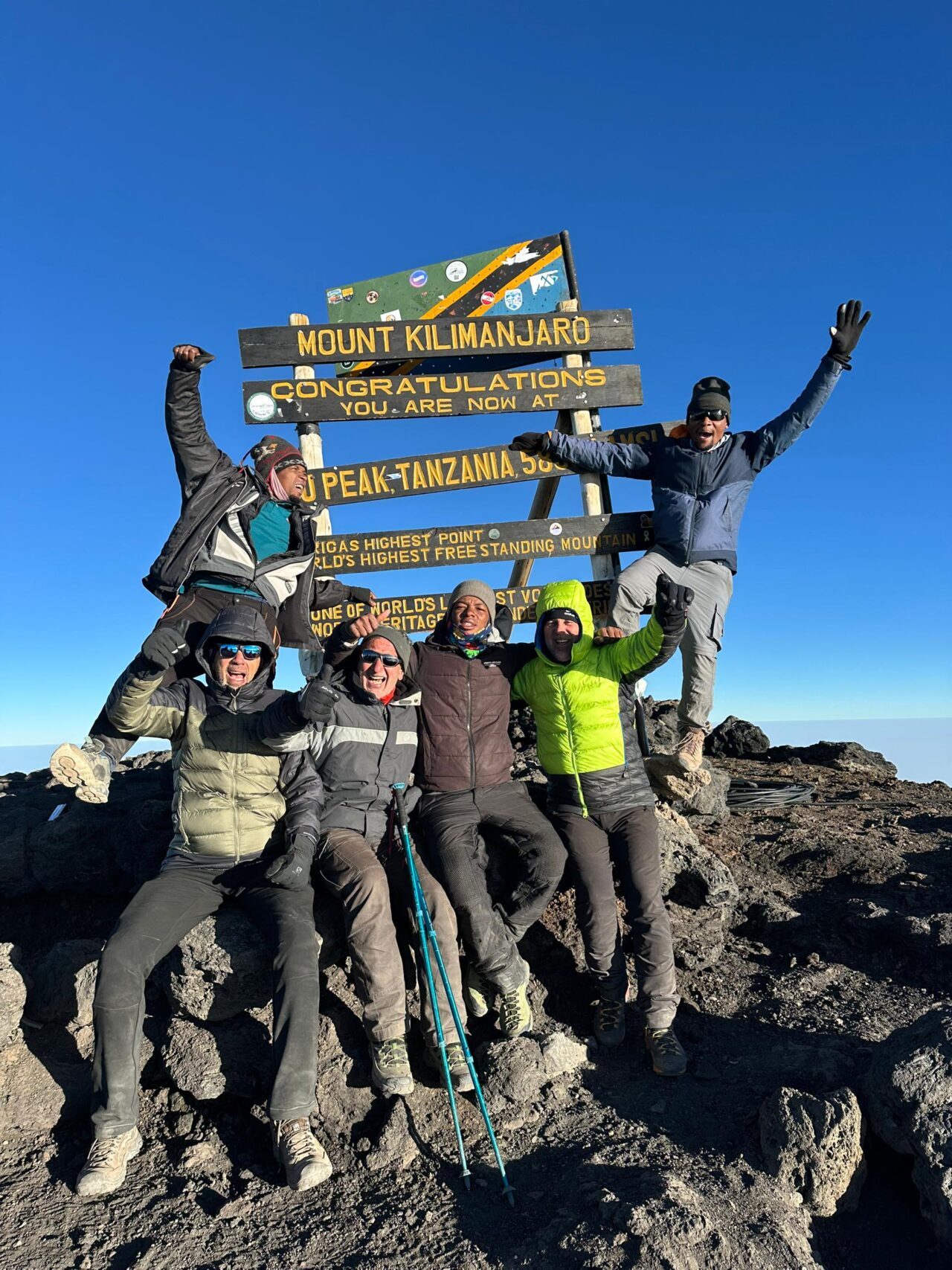
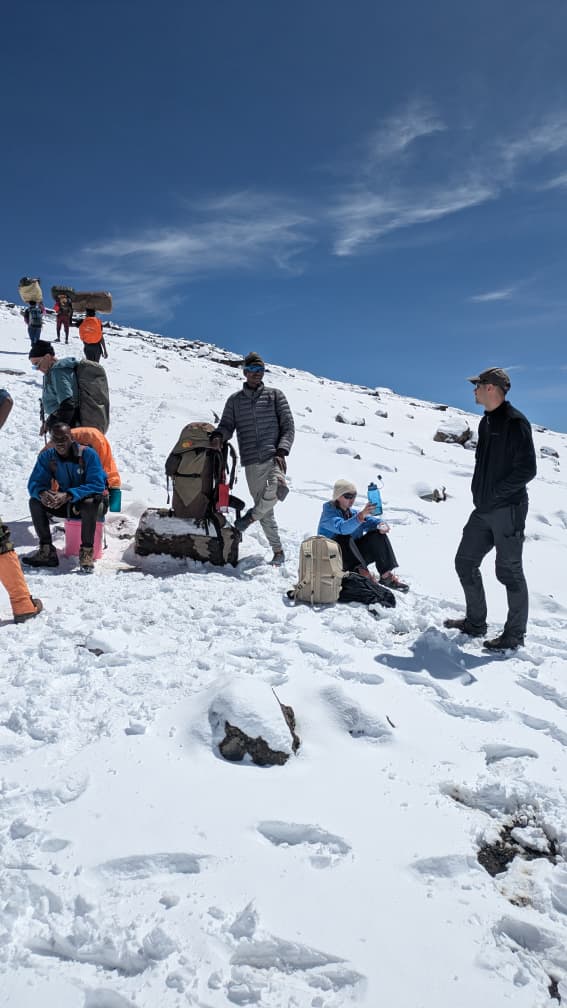
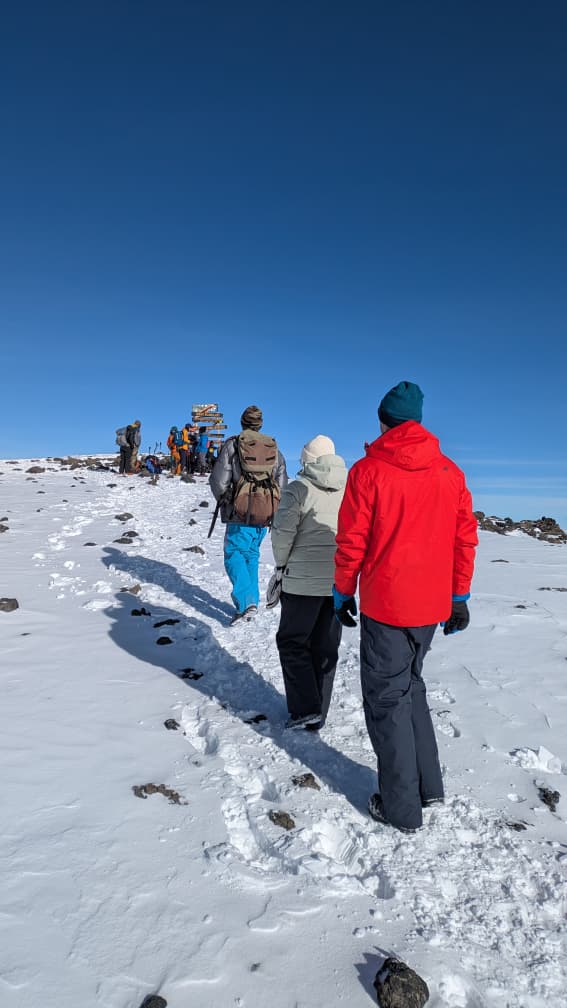
- Snow at the Summit: The crater rim and summit area (Uhuru Peak at 5,895m / 19,341ft) will almost certainly be covered in snow and ice, especially in January.
- Wind: While generally less windy than in the peak dry season (July-September), you can still encounter wind, particularly at higher altitudes and on summit night. Proper gear is essential.
The clear skies in January are a major advantage. They offer unparalleled stargazing opportunities and incredible sunrises and sunsets. The dry conditions mean trails are less muddy and slippery, making trekking more comfortable and reducing the risk of falls. However, the cold and potential for ice on the summit trail mean that proper gear and preparation are non-negotiable for a January climb.
Top Kilimanjaro Routes for January Climbs: A Detailed Look
When choosing a route for your January Kilimanjaro climb, several factors come into play: length, acclimatization profile, scenery, and chance of success. Longer routes generally offer better acclimatization, leading to higher summit success rates. For January, the following routes stand out:
1. Machame Route: The Most Popular Choice
The Machame Route is consistently the most popular route on Kilimanjaro, and for good reason. Its popularity stems from its excellent acclimatization profile, stunning scenery, and relatively high success rate. It’s often referred to as the “Whiskey Route” because it offers a more challenging, but more rewarding, climb than the Marangu route.
- Duration: Typically 6 or 7 days. For January climbs, we strongly recommend the 7-day Machame Route to maximize acclimatization and your chances of reaching Uhuru Peak.
- Starting Point: Machame Gate (1,800m / 5,905ft)
- Ending Point: Mweka Gate (1,640m / 5,380ft)
- Acclimatization Profile: Excellent. The Machame Route follows the “climb high, sleep low” principle effectively, which is crucial for altitude adaptation.
- Scenery: Diverse and spectacular, passing through rainforest, moorland, alpine desert, and arctic zones. You’ll trek through the dramatic Shira Plateau and witness the Barranco Wall.
- Difficulty: Moderate to challenging, especially the 7-day option. The terrain can be steep in places.
- Accommodation: Camping.
- Success Rate: High, especially on the 7-day itinerary (around 80-85%).
Why Machame is Great for January 2026-2027 Climbs:
The 7-day Machame Route provides ample time for your body to adjust to the increasing altitude. The clear skies of January mean you’ll enjoy impressive views as you traverse varied landscapes. The challenges, such as the Barranco Wall, become more manageable with good weather. The higher success rates make it a reliable choice for those serious about reaching the summit in January. For 2026-2027, booking this popular route well in advance is advisable.
Machame Route Itinerary (7-Day Example):
Day 1: Machame Gate to Machame Camp
Distance: 11 km / 7 miles
Time: 5-6 hours
Zone: Rainforest
Elevation Gain: 1,200m / 3,937ft
Details: After a scenic drive to Machame Gate, you’ll begin your trek through dense rainforest. The path is well-maintained but can be muddy.
Day 2: Machame Camp to Shira 2 Camp
Distance: 5 km / 3 miles
Time: 4-5 hours
Zone: Moorland
Elevation Gain: 700m / 2,297ft
Details: Ascend out of the rainforest into open moorland, offering expansive views. You’ll cross streams and navigate rocky terrain.
Day 3: Shira 2 Camp to Barranco Camp
Distance: 10 km / 6 miles
Time: 6-7 hours
Zone: Semi-desert
Elevation Gain: 400m / 1,312ft, then descent to 3,950m / 12,960ft
Details: This day involves significant elevation gain followed by a descent to Barranco Camp. The highlight is crossing the dramatic Shira Plateau.
Day 4: Barranco Camp to Karanga Camp
Distance: 5 km / 3 miles
Time: 3-4 hours
Zone: Semi-desert
Elevation Gain: 200m / 656ft
Details: The famous Barranco Wall scramble awaits! It’s a challenging but rewarding section, followed by a trek to Karanga Valley.
Day 5: Karanga Camp to Barafu Camp
Distance: 4 km / 2.5 miles
Time: 3-4 hours
Zone: Alpine Desert
Elevation Gain: 650m / 2,132ft
Details: A shorter day in terms of distance but a significant altitude gain, bringing you to Barafu Camp, the base for your summit attempt.
Day 6: Barafu Camp to Summit to Mweka Camp
Distance: 15 km / 9 miles (summit and descent)
Time: 7-8 hours (to summit), 4-5 hours (to Mweka Camp)
Zone: Arctic
Elevation Gain: 1,195m / 3,921ft (to summit), then descent
Details: The ultimate challenge! Start in the early hours for the summit push to Uhuru Peak. Descend back to Barafu Camp for a short rest before continuing down to Mweka Camp.
Day 7: Mweka Camp to Mweka Gate
Distance: 10 km / 6 miles
Time: 3-4 hours
Zone: Rainforest
Details: A pleasant walk through the forest to the Mweka Gate, where you’ll be greeted by your driver for the transfer back to your hotel.
2. Lemosho Route: The Scenic and Gradual Ascent
The Lemosho Route is renowned for its impressive scenery and excellent acclimatization, often considered one of the most beautiful routes on Kilimanjaro. It starts in the remote west and joins the Machame route from day 3. It’s a longer route, which significantly increases the chances of a successful summit bid.
- Duration: Typically 7 or 8 days. For January climbs, the 8-day Lemosho Route is highly recommended.
- Starting Point: Lemosho Gate (2,100m / 6,890ft)
- Ending Point: Mweka Gate (1,640m / 5,380ft)
- Acclimatization Profile: Excellent. The longer duration allows for superb acclimatization.
- Scenery: Arguably the most scenic route, passing through pristine forests, vast moorlands, and offering stunning views of the Shira Plateau and Kibo massif.
- Difficulty: Moderate to challenging, similar to Machame but with more gradual ascents in the initial days.
- Accommodation: Camping.
- Success Rate: Very high, especially on the 8-day itinerary (around 85-90%).
Why Lemosho is Ideal for January 2026-2027 Climbs:
The 8-day Lemosho route offers a slower pace and more time to acclimatize, which is invaluable in January when temperatures can be cold and the air thinner. The stunning landscapes, including the initial trek through untouched wilderness, provide a fantastic experience. The extended itinerary ensures you are well-rested and well-acclimatized for the demanding summit night. If you’re looking for the best combination of scenery, acclimatization, and success rates for a 2026-2027 January climb, the 8-day Lemosho is a top contender.
Lemosho Route Itinerary (8-Day Example):
Day 1: Lemosho Gate to Mti Mkubwa Camp
Distance: 6 km / 4 miles
Time: 3-4 hours
Zone: Rainforest
Elevation Gain: 450m / 1,476ft
Details: Begin at the Lemosho Gate and trek through the dense rainforest, home to various bird species and colobus monkeys.
Day 2: Mti Mkubwa Camp to Shira 1 Camp
Distance: 10 km / 6 miles
Time: 4-5 hours
Zone: Moorland
Elevation Gain: 1,000m / 3,281ft
Details: Ascend out of the forest into open moorland. You’ll reach the Shira Plateau, a vast, ancient caldera, and set up camp at Shira 1.
Day 3: Shira 1 Camp to Shira 2 Camp
Distance: 7 km / 4 miles
Time: 3-4 hours
Zone: Moorland
Elevation Gain: 350m / 1,148ft
Details: A relatively short day, allowing for acclimatization as you traverse the Shira Plateau, enjoying panoramic views.
Day 4: Shira 2 Camp to Barranco Camp
Distance: 10 km / 6 miles
Time: 6-7 hours
Zone: Semi-desert
Elevation Gain: 400m / 1,312ft, then descent to 3,950m / 12,960ft
Details: Today you will join the Machame route. You’ll ascend towards the Lava Tower (4,600m) before descending to Barranco Camp. This “climb high, sleep low” strategy is vital.
Day 5: Barranco Camp to Karanga Camp
Distance: 5 km / 3 miles
Time: 3-4 hours
Zone: Semi-desert
Elevation Gain: 200m / 656ft
Details: Tackle the iconic Barranco Wall, a challenging but rewarding scramble. The route then leads to Karanga Camp.
Day 6: Karanga Camp to Barafu Camp
Distance: 4 km / 2.5 miles
Time: 3-4 hours
Zone: Alpine Desert
Elevation Gain: 650m / 2,132ft
Details: A shorter day in terms of distance, but a significant altitude gain. You reach Barafu Camp, the staging point for the summit attempt.
Day 7: Barafu Camp to Summit to Mweka Camp
Distance: 15 km / 9 miles (summit and descent)
Time: 7-8 hours (to summit), 4-5 hours (to Mweka Camp)
Zone: Arctic
Elevation Gain: 1,195m / 3,921ft (to summit), then descent
Details: Summit night! Begin your ascent in the early hours to reach Uhuru Peak. After celebrating, descend to Barafu Camp for rest before continuing to Mweka Camp.
Day 8: Mweka Camp to Mweka Gate
Distance: 10 km / 6 miles
Time: 3-4 hours
Zone: Rainforest
Details: A final descent through the rainforest to Mweka Gate, where your adventure concludes.
3. Rongai Route: A More Remote Option
The Rongai Route approaches Kilimanjaro from the north, near the Kenyan border. It’s the second driest route on the mountain, making it a viable option for January, although it is generally less popular than Machame or Lemosho. It offers a different perspective and fewer crowds.
- Duration: Typically 6 or 7 days. A 7-day Rongai Route is recommended for better acclimatization.
- Starting Point: Rongai Gate (1,950m / 6,398ft)
- Ending Point: Marangu Gate (1,860m / 6,102ft)
- Acclimatization Profile: Moderate. The longer itinerary improves this.
- Scenery: Begins in drier, semi-arid country and gradually transitions to moorland and alpine zones. It offers a less dramatic ascent profile compared to the southern routes.
- Difficulty: Moderate. The initial days are gentler.
- Accommodation: Camping.
- Success Rate: Moderate to high (around 70-80% for 7 days).
Why Rongai Might Suit January Climbs:
Its reputation as a drier route is a significant plus for January. While January is a dry month, the north side can sometimes receive slightly less precipitation. It’s also less crowded, offering a more solitary experience. However, its acclimatization profile is not as strong as Machame or Lemosho, hence the recommendation for a 7-day trek. If you prefer fewer people and a different starting point, Rongai is a solid choice for 2026-2027.
Rongai Route Itinerary (7-Day Example):
Day 1: Rongai Gate to Sekimu Boma Camp
Distance: 6 km / 4 miles
Time: 3-4 hours
Zone: Farmland/Rainforest
Elevation Gain: 350m / 1,148ft
Details: Trek through farmland and forest, reaching the campsite on the edge of the moorland.
Day 2: Sekimu Boma Camp to Kikelewa Caves
Distance: 11 km / 7 miles
Time: 6-7 hours
Zone: Moorland
Elevation Gain: 1,000m / 3,281ft
Details: Ascend into the moorland zone, with impressive views of the plains of Kenya. Camp near Kikelewa Caves.
Day 3: Kikelewa Caves to Mawenzi Tarn Camp
Distance: 6 km / 4 miles
Time: 4-5 hours
Zone: Alpine Desert
Elevation Gain: 600m / 1,968ft
Details: A steep climb leads you to Mawenzi Tarn Camp, located beneath the dramatic spires of Mawenzi peak.
Day 4: Mawenzi Tarn Camp to Kibo South Camp (via saddle)
Distance: 12 km / 7.5 miles
Time: 6-7 hours
Zone: Alpine Desert
Elevation Gain: 150m / 492ft, then descent to 4,700m / 15,420ft
Details: Traverse the “saddle” between Mawenzi and Kibo, a stark, high-altitude desert landscape. This is a crucial acclimatization day.
Day 5: Kibo South Camp to Summit to Horombo Camp
Distance: 16 km / 10 miles (summit and descent)
Time: 7-8 hours (to summit), 4-5 hours (to Horombo Camp)
Zone: Arctic
Elevation Gain: 1,195m / 3,921ft (to summit), then descent
Details: The summit push begins in the early hours, aiming for Uhuru Peak. After reaching the top, descend to Horombo Camp.
Day 6: Horombo Camp to Marangu Gate
Distance: 20 km / 12 miles
Time: 5-6 hours
Zone: Moorland/Rainforest
Details: A long descent through moorland and rainforest back to Marangu Gate.
Day 7: (Optional buffer day for better acclimatization)
An optional 7th day can be added by spending an extra night at Mawenzi Tarn or Kibo South Camp, significantly improving acclimatization and success rates for your 2026-2027 January climb.
Routes to Consider Carefully for January
While the following routes can technically be climbed in January, they are generally not recommended for the best experience or highest success rates, especially for first-time Kilimanjaro climbers.
Marangu Route (Coca-Cola Route)
Marangu is the oldest and most established route. It’s the only route that offers accommodation in huts rather than tents. However, its major drawback is its rapid ascent profile, which leads to poor acclimatization and consequently, a lower success rate.
- Duration: 5 or 6 days.
- Acclimatization Profile: Poor. The 5-day option is notoriously difficult to summit due to rapid ascent.
- Success Rate: Significantly lower than longer routes (around 50% for 5 days, slightly better for 6 days).
- Scenery: Less varied and less scenic than Machame or Lemosho.
Why it’s less ideal for January: While January has good weather, the poor acclimatization means even with clear skies, altitude sickness is a significant risk. The 5-day option is almost a gamble. For 2026-2027, if you choose Marangu, the 6-day option is a minimum, but Machame or Lemosho remain superior for success and enjoyment.
Northern Circuit and Umbwe Route
Northern Circuit: This is the longest route (9 days) and offers the best acclimatization and highest success rates. It circles the mountain, providing unique views. While excellent, it might be overkill if you’re not specifically looking for the longest, most comprehensive trek. January weather is suitable, but its length might not appeal to everyone for a January climb.
Umbwe Route: This is the shortest, steepest, and most direct route. It’s known for its rapid ascent and challenging nature, making it suitable only for very experienced and well-acclimatized trekkers. Its poor acclimatization profile makes it a risky choice for any time of year, including January.
Factors Influencing Your January Climb Decision
Beyond the route itself, several other factors will shape your January Kilimanjaro experience. Top Guide Adventures helps clients navigate these complexities to ensure a well-prepared and successful climb for 2026-2027.
Acclimatization and Success Rates
This cannot be stressed enough. Altitude sickness (Acute Mountain Sickness – AMS) is the primary reason climbers fail to reach the summit. Longer routes that allow for gradual ascent and “climb high, sleep low” strategies significantly increase your chances of acclimatizing properly and reaching Uhuru Peak. In January, while the weather is good, the cold can make the physical exertion more taxing, making good acclimatization even more critical.
Key takeaway: Prioritize routes of 7 days or more for Kilimanjaro, especially in January. The 8-day Lemosho and 7-day Machame routes offer the best balance of acclimatization, scenery, and success rates.
Cost Considerations for 2026-2027 Climbs
Kilimanjaro climbing costs can vary significantly based on the route chosen, the duration, the operator’s quality, and inclusions. January is considered a peak season due to the good weather, which can sometimes mean slightly higher prices, but it’s not as extreme as the main dry season (July-September).
Typical Cost Factors:
- Park Fees: These are fixed by the Tanzanian government and are a significant portion of the cost.
- Route Length: Longer routes cost more due to more days of guide, porter, and cook services, plus extra food and equipment.
- Operator Quality: Reputable companies like Top Guide Adventures invest in experienced guides, quality equipment, good food, and fair wages for staff, which affects pricing.
- Inclusions: What’s included in the package (e.g., accommodation before/after the climb, transfers, gear rental, tips, meals).
- Group vs. Private: Shared group climbs are typically cheaper per person than private climbs.
For a 7-day Machame or 8-day Lemosho climb with a reputable operator like Top Guide Adventures in 2026-2027, expect costs to range generally from $2,000 to $3,500 USD per person for a mid-range to high-quality service. This typically includes park fees, camping equipment, meals on the mountain, guides, porters, cooks, and transfers. It’s crucial to compare what is included and the operator’s reputation rather than just looking at the lowest price.
What to Expect in a Standard January Kilimanjaro Package (Example):
- Park Entrance Fees
- Camping Fees
- Crater Fees (if applicable)
- Accommodation (hotels before/after climb)
- All Meals on the mountain
- Drinking Water on the mountain
- Tented Accommodation on the mountain
- Qualified English-speaking Guides
- Assistant Guides
- Porters to carry group gear
- Cook to prepare meals
- All Transfers (airport and hotel to park gate and back)
- Portable Toilet
- Basic First Aid Kit
Exclusions typically include: Flights, visa fees, travel insurance, personal gear, tips for the crew, alcoholic drinks, and personal expenses.
Packing for a January Climb
January’s weather requires careful packing. While days can be sunny and pleasant, nights and summit attempts are very cold. Layering is key.
Essential Gear:
- Base Layers: Moisture-wicking thermal underwear (merino wool or synthetic).
- Mid Layers: Fleece jackets or down vests for insulation.
- Outer Layer: Waterproof and windproof jacket and trousers (Gore-Tex or similar).
- Insulation Layer: A heavy down jacket for summit night and cold evenings.
- Headwear: Warm, waterproof hat that covers your ears, and a balaclava or neck gaiter for wind protection.
- Gloves: Thin liner gloves and heavy, waterproof, insulated gloves or mittens.
- Footwear: Broken-in, waterproof hiking boots with good ankle support. Warm, moisture-wicking socks (multiple pairs).
- Sleeping Bag: A 4-season (-15°C to -20°C comfort rating) sleeping bag.
- Trekking Poles: Highly recommended for stability and reducing strain on knees.
- Headlamp: With extra batteries.
- Sun Protection: High SPF sunscreen, sunglasses, lip balm with SPF.
- Hydration: Water bottles or a hydration reservoir (ensure it won’t freeze).
Top Guide Adventures can provide a detailed packing list and also offers rental services for some essential items like sleeping bags and trekking poles. Ensuring you have the right gear is critical for comfort and safety during a 2026-2027 January climb.
Physical Preparation
While no specific mountaineering skills are required, a good level of cardiovascular fitness is essential. January’s cold can make the physical demands feel greater. Focus on:
- Aerobic Exercise: Hiking, running, cycling, swimming for at least 3-4 times a week.
- Strength Training: Focus on legs and core.
- Practice Hikes: Go on long hikes with a backpack, preferably with hills or stairs, to simulate mountain conditions.
The better your physical condition, the more you can focus on enjoying the scenery and the experience, rather than just battling fatigue, especially during the challenging summit night in January.
Choosing a Tour Operator for Your January Climb
Selecting the right tour operator is paramount for a safe and successful Kilimanjaro climb. For your January 2026-2027 expedition, consider:
- Experience: How long have they been operating? Do they have specific experience with January climbs?
- Safety Record: Do they have well-trained guides certified in wilderness first aid? Do they carry oxygen and comprehensive medical kits?
- Staff Welfare: Do they pay their guides, porters, and cooks fair wages and treat them ethically? This is crucial for morale and performance.
- Inclusions and Transparency: Is it clear what is and isn’t included in the price?
- Reviews and Reputation: Look for independent reviews on platforms like TripAdvisor.
Top Guide Adventures prides itself on meeting and exceeding these standards. We are a trusted Tanzanian company committed to providing exceptional service, safety, and a memorable Kilimanjaro experience. We have guided countless climbers to the summit, many during January, and we are passionate about responsible tourism and supporting our local crew. We offer personalized attention, ensuring every client feels supported from booking through to their return from the mountain.
For inquiries about our 2026-2027 January climb packages, route options, or to get a personalized quote, please don’t hesitate to contact us:
Get in Touch with Top Guide Adventures:
- WhatsApp: +255616946642
- Email: topguideadventures@gmail.com
- Backup Email: info@topguideadventures.com
We are ready to help you plan the best Kilimanjaro routes for January 2026-2027 and ensure your climb is safe, successful, and unforgettable.
Frequently Asked Questions about January Kilimanjaro Climbs
What is the weather like on Kilimanjaro in January?
January falls within Kilimanjaro’s main dry season. Expect clear skies, abundant sunshine, and cooler temperatures, especially at higher altitudes. While generally dry, occasional light showers can occur, particularly at lower elevations. Summit night will be very cold, with temperatures often dropping below -10°C (14°F).
Are January climbs crowded on Kilimanjaro?
January is considered a popular climbing month due to the favorable weather. While it’s not as crowded as the peak dry season (July-September), you will encounter other trekkers. Routes like Machame and Lemosho will be busier than Rongai.
Which is the best route for a January Kilimanjaro climb?
The 7-day Machame Route and the 8-day Lemosho Route are generally considered the best for January climbs. They offer excellent acclimatization profiles, stunning scenery, and high success rates, which are crucial for a successful summit bid in January’s cold conditions.
What is the success rate for Kilimanjaro climbs in January?
Success rates in January are generally high, especially when using longer routes (7-8 days) with good acclimatization profiles like Machame and Lemosho. Rates can be upwards of 80-90% for these routes, compared to much lower rates on shorter, faster routes.
Is January a good time to climb Kilimanjaro for beginners?
Yes, January is a good time for beginners provided they choose a longer route (minimum 7 days) and are adequately fit and prepared. The good weather offers a more comfortable trekking experience, but the cold temperatures and altitude require respect and proper gear.
What should I pack for a January Kilimanjaro climb?
Packing for January requires careful attention to cold weather gear. Key items include layered clothing (base, mid, and waterproof/windproof outer layers), a heavy down jacket, warm hat and gloves, a 4-season sleeping bag, and waterproof, insulated hiking boots. Sun protection is also vital due to the clear skies.
Conclusion: Planning Your Best Kilimanjaro Routes for January 2026-2027
January presents an excellent opportunity for climbers to ascend Mount Kilimanjaro, offering clear skies and dry conditions. When planning your expedition for 2026-2027, prioritizing routes that ensure proper acclimatization is key to a safe and successful summit. The Machame Route (7 days) and the Lemosho Route (8 days) consistently emerge as the top choices for January climbs due to their proven track records in providing high success rates and enjoyable trekking experiences. The 7-day Rongai Route is also a viable, less crowded option.
At Top Guide Adventures, we are dedicated to helping you achieve your Kilimanjaro dream. Our experienced guides, robust safety protocols, and commitment to ethical trekking ensure you have the best possible support. We specialize in creating tailor-made experiences and are happy to discuss the best route for your January 2026 or 2027 climb, taking into account your fitness, experience, and preferences.
Don’t hesitate to reach out to our expert team to start planning your unforgettable Kilimanjaro adventure. We are here to answer all your questions and guide you every step of the way.
Contact Top Guide Adventures today:
- WhatsApp: +255616946642
- Email: topguideadventures@gmail.com
- Backup Email: info@topguideadventures.com
Let us help you conquer Kilimanjaro in January 2026-2027!
“,
“faq_schema”: [
{
“question”: “What is the weather like on Kilimanjaro in January?”,
“answer”: “January falls within Kilimanjaro’s main dry season. Expect clear skies, abundant sunshine, and cooler temperatures, especially at higher altitudes. While generally dry, occasional light showers can occur, particularly at lower elevations. Summit night will be very cold, with temperatures often dropping below -10°C (14°F).”
},
{
“question”: “Are January climbs crowded on Kilimanjaro?”,
“answer”: “January is considered a popular climbing month due to the favorable weather. While it’s not as crowded as the peak dry season (July-September), you will encounter other trekkers. Routes like Machame and Lemosho will be busier than Rongai.”
},
{
“question”: “Which is the best route for a January Kilimanjaro climb?”,
“answer”: “The 7-day Machame Route and the 8-day Lemosho Route are generally considered the best for January climbs. They offer excellent acclimatization profiles, stunning scenery, and high success rates, which are crucial for a successful summit bid in January’s cold conditions.”
},
{
“question”: “What is the success rate for Kilimanjaro climbs in January?”,
“answer”: “Success rates in January are generally high, especially when using longer routes (7-8 days) with good acclimatization profiles like Machame and Lemosho. Rates can be upwards of 80-90% for these routes, compared to much lower rates on shorter, faster routes.”
},
{
“question”: “Is January a good time to climb Kilimanjaro for beginners?”,
“answer”: “Yes, January is a good time for beginners provided they choose a longer route (minimum 7 days) and are adequately fit and prepared. The good weather offers a more comfortable trekking experience, but the cold temperatures and altitude require respect and proper gear.”
},
{
“question”: “What should I pack for a January Kilimanjaro climb?”,
“answer”: “Packing for January requires careful attention to cold weather gear. Key items include layered clothing (base, mid, and waterproof/windproof outer layers), a heavy down jacket, warm hat and gloves, a 4-season sleeping bag, and waterproof, insulated hiking boots. Sun protection is also vital due to the clear skies.”
}
]
}
“`
Check Availability for Best Kilimanjaro Routes For January Climbs 2026-2027
Ready to compare dates, prices, and the best option for your group? Send the package name and travel month so the team can reply with a clear quote, availability, and what is included.

Best Acclimatization Hikes Near Kilimanjaro For Climbs 2026-2027
Optimize your Kilimanjaro climb by selecting the best acclimatization hikes near the mountain. This guide details essential pre-climb training and routes for 2026-2027.
View package details
Kilimanjaro Route With The Gentlest Altitude Profile For Climbs 2026-2027
Choosing the right Kilimanjaro route is crucial for a successful and enjoyable climb, especially if you're concerned about altitude. The Marangu and Lemosho routes are often cited for their...
View package details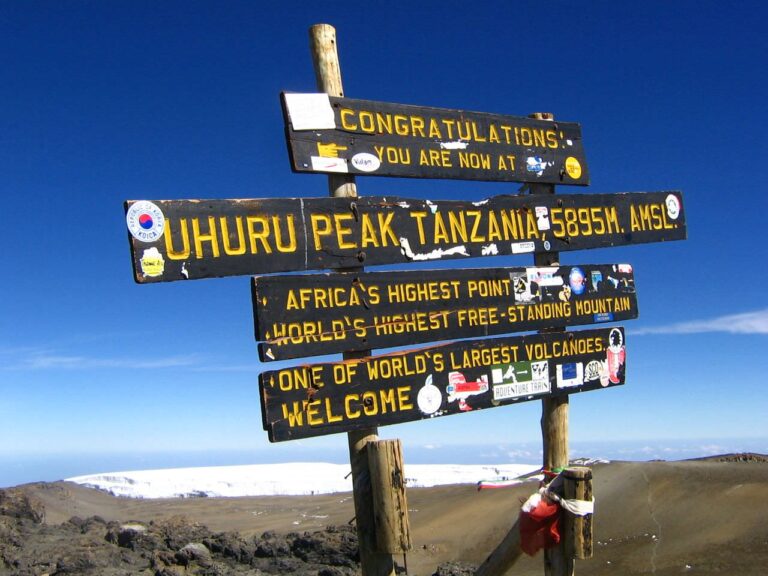
Best Kilimanjaro Month For Full-Moon Climbs In 2026-2027
Planning a Kilimanjaro climb under the glow of a full moon is a dream for many adventurers. This guide details the best months for full-moon ascents in 2026 and 2027, helping you choose the...
View package details
December Vs January Kilimanjaro Holiday Climb 2026-2027
December vs January Kilimanjaro Holiday Climb is explained with current 2026-2027 planning, price, itinerary and booking information.
View package detailsMarch Vs April Kilimanjaro Weather Comparison For Climbs 2026-2027
Choosing between March and April for your Kilimanjaro climb involves understanding subtle yet significant weather differences. Both months fall within Kilimanjaro's second-best trekking...
View package details
January Vs February: Best Month To Climb Kilimanjaro In 2026-2027
Choosing between January and February for your Kilimanjaro climb? This in-depth guide compares the weather, crowds, and overall experience to help you decide the best month for your...
View package details
8-Day Lemosho Route Kilimanjaro Climb In January | Top Guide Adventures
An in-depth guide to the 8-day Lemosho Route Kilimanjaro climb during January, detailing the itinerary, weather, costs, and preparation needed for a successful trek in 2026-2027. Expert...
View package details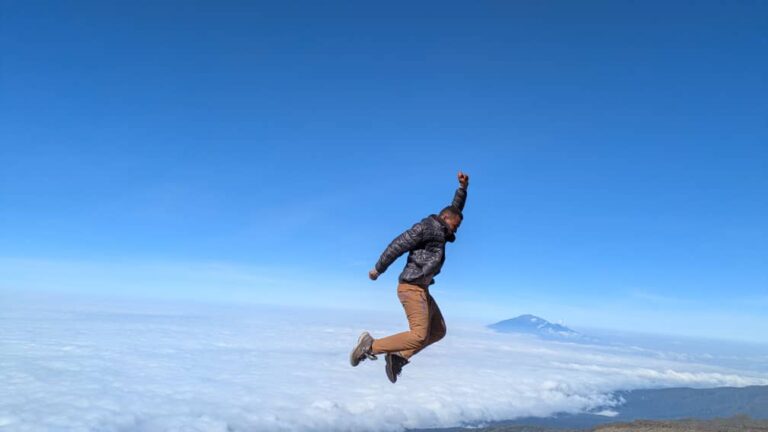
December Kilimanjaro Last-Minute Holiday Deals For Climbs 2026-2027
Planning a Kilimanjaro climb in December 2026 or 2027? Discover last-minute holiday deals, essential tips for winter ascents, and how Top Guide Adventures can make your dream a reality.
View package details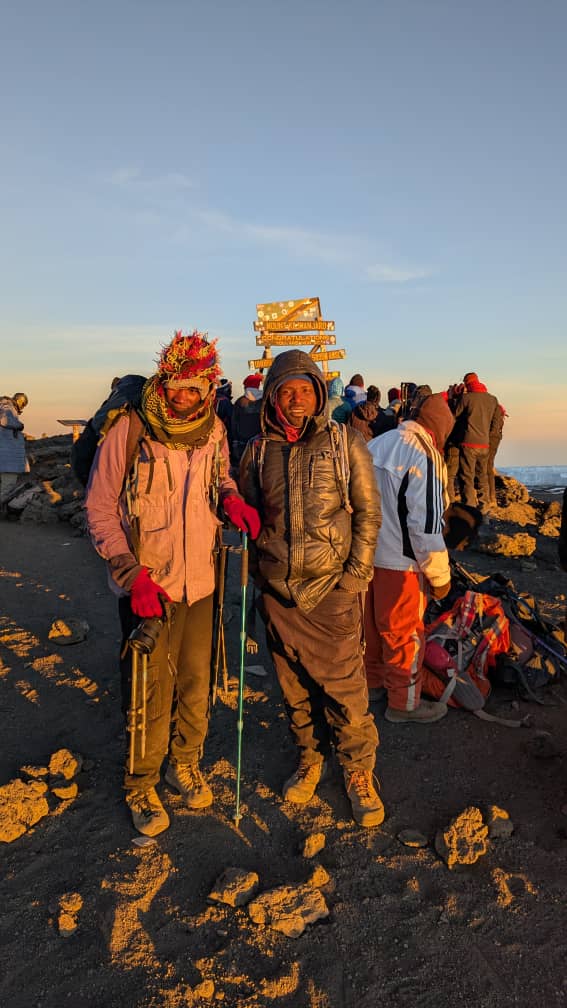
December Kilimanjaro Packing Checklist: Essential Gear For Climbs 2026-2027
Prepare for your December Kilimanjaro climb with our comprehensive packing checklist. This guide covers essential gear, clothing, and tips for conquering Africa's highest peak in the dry...
View package detailsHow Many Base Layers Do You Need For Kilimanjaro? A Complete Guide Climbers
Climbing Kilimanjaro requires careful gear selection. This guide breaks down the essential base layers needed to stay warm and dry on the mountain, with planning tips for 2026-2027...
View package details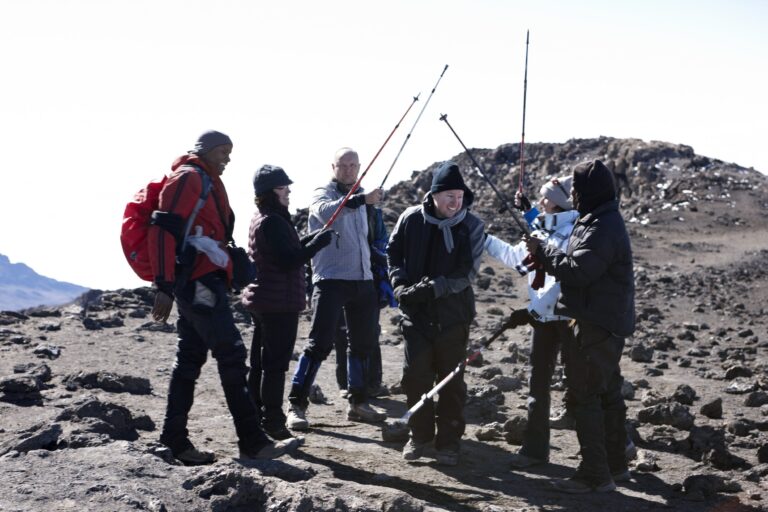
What Size Daypack Do You Need For Kilimanjaro? 2026-2027
What Size Daypack Do You Need for Kilimanjaro? is explained with current 2026-2027 planning, price, itinerary and booking information.
View package details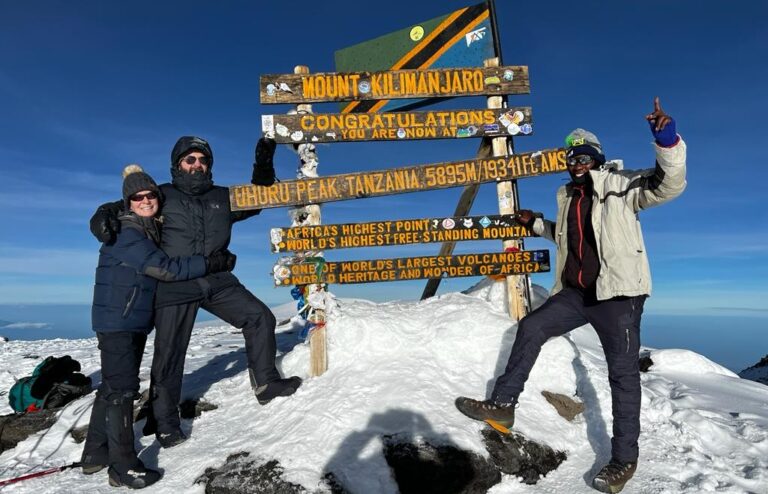
How To Pack A Duffel Bag For Kilimanjaro Porters 2026-2027
How to Pack a Duffel Bag for Kilimanjaro Porters is explained with current 2026-2027 planning, price, itinerary and booking information.
View package detailsNo related package matches those filters. Clear one or more filters to see the other topic-matched options.



