
A 7-day Machame Route Kilimanjaro climb in March offers a unique window for trekkers, balancing drier weather with fewer crowds compared to peak seasons. This duration provides a good acclimatization profile for reaching Uhuru Peak, making it a solid choice for those seeking success on Kilimanjaro in 2026 or 2027.

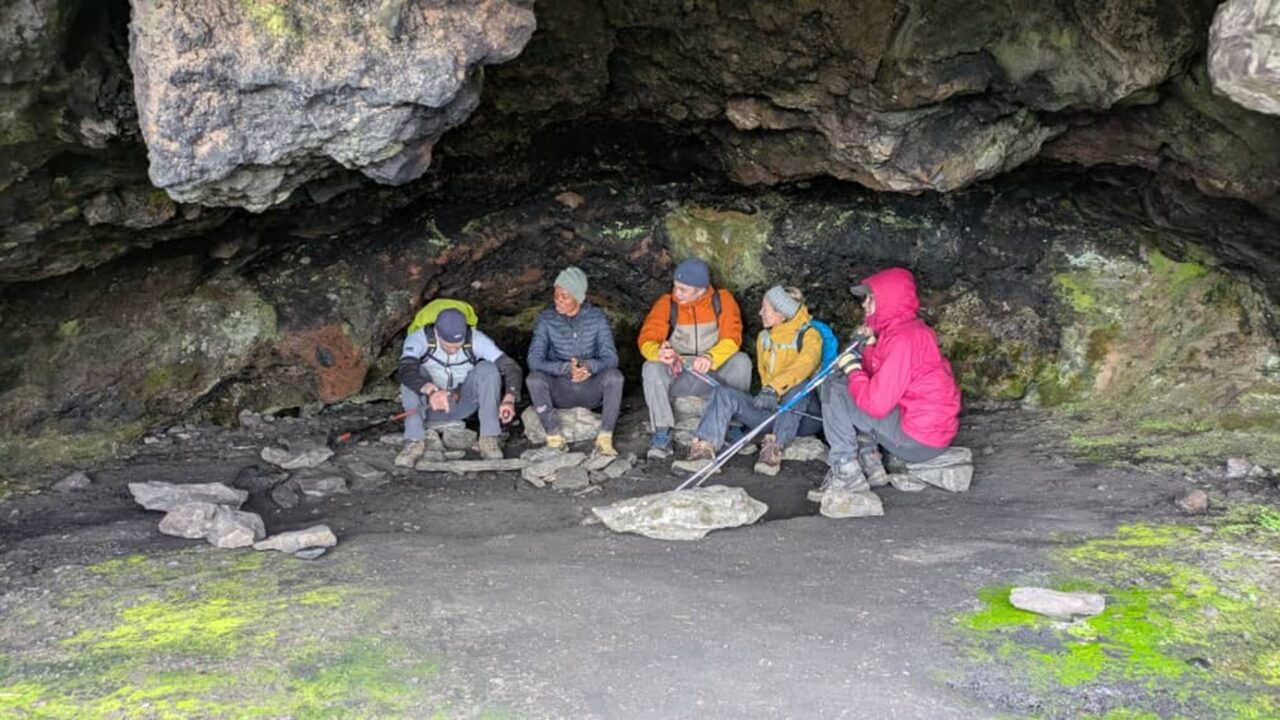

Why Choose March for Your 7-Day Machame Route Kilimanjaro Climb?
March falls within Kilimanjaro’s shoulder season, specifically bridging the end of the short rainy season and the start of the drier, longer dry season. This period is often overlooked, but it presents compelling advantages for trekkers considering a 7-day Machame Route Kilimanjaro climb in March 2026-2027. While the short rains typically conclude by mid-March, the latter half of the month often sees clearing skies and diminishing rainfall, paving the way for excellent trekking conditions. The landscape is usually vibrant and green from the recent rains, offering stunning photographic opportunities. Furthermore, with fewer climbers compared to the peak months of January-February and June-October, you’ll experience a more serene mountain environment. This means less competition for campsites and a greater sense of solitude on the trails, enhancing your overall Kilimanjaro experience.
For those planning their ascent in 2026 or 2027, March represents a strategic choice. It avoids the harshest rainy periods while offering more competitive pricing on some travel packages and potentially more flexibility in booking your preferred dates. The weather can be somewhat unpredictable, with occasional showers possible, but these are typically brief and followed by sunshine. The key is preparation and choosing a reputable operator like Top Guide Adventures, who understand how to navigate these transitional weather patterns effectively.
Understanding the Machame Route: A Seven-Day Perspective
The Machame Route, often nicknamed the “Whiskey Route” due to its popularity and steady ascent profile, is one of the most scenic and recommended paths up Kilimanjaro. Its popularity stems from its high success rates, largely attributed to its “climb high, sleep low” acclimatization strategy, which is naturally built into its longer itinerary options. A 7-day Machame Route Kilimanjaro climb offers an excellent balance, allowing sufficient time for acclimatization without extending the trek unnecessarily, which can increase costs and fatigue.
This 7-day itinerary is considered by many to be the optimal duration for the Machame Route. It provides adequate rest days and allows for a more gradual ascent, which is crucial for acclimatization and minimizing the risk of altitude sickness. The route begins in the lush rainforest, winds through moorland and alpine desert, and finally ascends the arctic zone to the summit. The additional day compared to the 6-day option provides an extra night at a higher altitude for better acclimatization, often spent at Kibo or Barafu Camp, before the final summit push.
When planning your March 2026 or March 2027 adventure, selecting the 7-day Machame Route is a wise decision for maximizing your chances of reaching Uhuru Peak comfortably and safely. Top Guide Adventures specializes in tailoring these treks to ensure optimal acclimatization and a memorable journey.
Your 7-Day Machame Route Itinerary for March
The 7-day Machame Route itinerary is structured to promote excellent acclimatization, a critical factor for summit success. Each day involves a significant ascent, but the progression is managed to allow your body to adjust to the thinning air. Here’s a typical breakdown for your 7-day Machame Route Kilimanjaro climb in March:
- Day 1: Machame Gate (1,800m/5,905ft) to Machame Camp (3,000m/9,842ft)
Distance: 11 km (6.8 miles)
Trekking Time: 5-7 hours
Habitat: Rainforest
Description: Your adventure begins after a scenic drive to Machame Gate. After completing park formalities, you’ll start your trek through the dense montane rainforest. The path can be muddy in March, so waterproof gear is essential. You’ll ascend steadily, with opportunities to spot monkeys and diverse birdlife. The camp is situated at the edge of the forest zone. - Day 2: Machame Camp (3,000m/9,842ft) to Shira Camp (3,850m/12,631ft)
Distance: 5 km (3.1 miles)
Trekking Time: 4-6 hours
Habitat: Moorland
Description: Today’s trek takes you out of the rainforest and into the heather and moorland zone. The trail involves a steep ascent, but the views begin to open up. You’ll cross a beautiful river gorge and reach Shira Camp, a plateau offering spectacular panoramic views, especially towards the Shira Ridge. This camp is exposed, so be prepared for potentially cooler temperatures in March. - Day 3: Shira Camp (3,850m/12,631ft) to Barranco Camp (3,970m/13,025ft) via Lava Tower (4,640m/15,223ft)
Distance: 10 km (6.2 miles)
Trekking Time: 6-8 hours
Habitat: Alpine Desert
Description: This is a crucial acclimatization day. You’ll climb steadily towards Lava Tower, a prominent volcanic rock formation. After a lunch break at Lava Tower, you’ll descend significantly to Barranco Camp. This “climb high, sleep low” strategy is vital for acclimatization. The landscape becomes more barren and rocky. Barranco Camp is located at the base of the impressive Barranco Wall. - Day 4: Barranco Camp (3,970m/13,025ft) to Karanga Camp (4,200m/13,780ft)
Distance: 5 km (3.1 miles)
Trekking Time: 3-5 hours
Habitat: Alpine Desert
Description: Today involves the famous Barranco Wall scramble. It’s not technical climbing but requires using your hands for balance over a steep, rocky section. The views from the top are rewarding. After descending the wall, you’ll trek through valleys and over ridges to Karanga Camp. This camp offers a good resting point before the final push to the summit zone. The air is noticeably thinner here. - Day 5: Karanga Camp (4,200m/13,780ft) to Barafu Camp (4,640m/15,223ft)
Distance: 4 km (2.5 miles)
Trekking Time: 3-5 hours
Habitat: Alpine Desert
Description: This is another relatively short day, designed to conserve energy for the summit attempt. You’ll ascend through a rocky landscape, with Barafu Camp situated on a barren, windswept ridge. The views of Kibo’s summit cone are impressive from here. You’ll have an early dinner and an early bedtime, preparing for the midnight start to your summit push. - Day 6: Barafu Camp (4,640m/15,223ft) to Summit (Uhuru Peak, 5,895m/19,341ft) and descend to Mweka Camp (3,100m/10,170ft)
Distance: 13 km (8.1 miles) total (5 km ascent, 8 km descent)
Trekking Time: 10-15 hours (7-9 hours ascent, 3-5 hours descent)
Habitat: Arctic and Rainforest
Description: The summit night is the most challenging part. You’ll start around midnight, trekking up steep scree slopes in the dark towards Stella Point (5,750m/18,865ft) on the crater rim. From Stella Point, it’s a further hour’s walk along the rim to Uhuru Peak, the highest point in Africa. Celebrate your achievement, take photos, and begin your descent, passing Barafu Camp and continuing down to Mweka Camp. This is a very long and demanding day. - Day 7: Mweka Camp (3,100m/10,170ft) to Mweka Gate (1,500m/4,921ft)
Distance: 10 km (6.2 miles)
Trekking Time: 3-5 hours
Habitat: Rainforest
Description: After breakfast, you’ll descend through the remaining rainforest to Mweka Gate. Here, you’ll receive your summit certificates. A vehicle will be waiting to transfer you back to your hotel in Moshi or Arusha. It’s time to celebrate your incredible accomplishment!
March Weather on Kilimanjaro: What to Expect
March is a transitional month on Kilimanjaro. It marks the end of the short rainy season (January-February) and the beginning of the drier period that leads into the main dry season (June-October). This means you can expect a mixed bag of weather conditions, but generally, it’s a favorable time to climb.
- Temperature: Temperatures vary dramatically with altitude. In the rainforest zone (Day 1), expect mild temperatures (15-25°C / 59-77°F). As you ascend, temperatures drop significantly. At Barranco Camp (around 4,000m), daytime highs might be around 10-15°C (50-59°F), but nights can plummet to -5°C (23°F) or lower. On summit night, temperatures at Uhuru Peak can be as low as -15°C to -20°C (5°F to -4°F), with wind chill making it feel even colder.
- Rainfall: While March is considered part of the shoulder season, the beginning of the month might still experience some rainfall, particularly in the lower rainforest sections. These showers are often brief and followed by sunshine. As March progresses, the likelihood of sustained rain decreases, and clear skies become more common, especially at higher altitudes. However, mountain weather is notoriously unpredictable, so always be prepared for rain, even in drier months.
- Cloud Cover: Early March can sometimes have more cloud cover, especially in the mornings. However, as the month advances, you’re likely to see more clear days, offering stunning views of the surrounding plains and Mount Meru. The summit itself is often above the cloud layer, providing incredible vistas.
- Wind: Wind is a constant factor on Kilimanjaro, especially at higher elevations and on exposed ridges like Shira and Barafu. Be prepared for strong winds, which can significantly lower the perceived temperature.
Key Takeaway for March Climbers: While March is generally a good month, especially the latter half, it’s crucial to pack for all conditions. Waterproof outer layers, warm insulating layers, and windproof gear are essential. The beauty of the lush landscape combined with manageable crowds makes a 7-day Machame Route Kilimanjaro climb in March 2026-2027 a compelling option.
Preparing for Your 7-Day Machame Route Climb in March
Successful preparation is key to enjoying your 7-day Machame Route Kilimanjaro climb in March and maximizing your chances of reaching the summit. This involves physical training, mental readiness, and meticulous gear selection.
Physical Training: Building Stamina and Strength
Kilimanjaro is a non-technical trek, but it demands significant physical endurance. The altitude is the primary challenge, but the sustained effort over several days also requires a good level of fitness. For your March 2026 or March 2027 climb:
- Cardiovascular Fitness: Focus on activities that build stamina, such as hiking, running, cycling, or swimming. Aim for at least 3-4 sessions per week in the months leading up to your trek.
- Hiking with a Pack: The most relevant training is hiking. Try to do regular hikes, ideally on hills or mountains, carrying a backpack similar to what you’ll use on Kilimanjaro (around 5-8 kg / 10-18 lbs). This simulates the actual trekking experience.
- Strength Training: Focus on leg strength (squats, lunges) and core strength, which will help with stability on uneven terrain and carrying your daypack.
- Acclimatization Practice: While you can’t fully replicate Kilimanjaro’s altitude, training at higher elevations if possible, or doing back-to-back long hikes on consecutive days, can help prepare your body for sustained effort.
Mental Preparation: The Altitude Factor
The psychological aspect of climbing Kilimanjaro cannot be underestimated. Altitude sickness can affect anyone, regardless of fitness level. Your mental strength will be tested, especially during the summit night.
- Understand Altitude Sickness: Educate yourself about the symptoms of Acute Mountain Sickness (AMS), High Altitude Cerebral Edema (HACE), and High Altitude Pulmonary Edema (HAPE). Know that our guides are trained to recognize these symptoms and will prioritize your safety.
- Positive Mindset: Maintain a positive attitude. Focus on one day at a time, one step at a time. Celebrate small victories along the way.
- Trust Your Guides: Our experienced guides are your most valuable asset. Trust their judgment, follow their instructions, and communicate any discomfort you feel.
- Patience and Persistence: The climb is a marathon, not a sprint. Be patient with yourself and the process. Persistence is key, especially during challenging moments.
Gear Essentials for a March Climb
Packing appropriately is crucial, especially for March’s variable weather. Layering is the most effective strategy. Here’s a checklist of essential gear for your 7-day Machame Route Kilimanjaro climb in March:
Clothing Layers:
- Base Layers: Moisture-wicking thermal tops and bottoms (merino wool or synthetic). Bring 2-3 sets.
- Mid Layers: Fleece jacket or pullover (e.g., Polartec 200 or 300). Bring 1-2.
- Insulation Layer: A warm down or synthetic insulated jacket (puffer jacket) is essential for cold evenings and summit night.
- Outer Shell (Waterproof & Windproof): A high-quality waterproof and breathable jacket (Gore-Tex or similar) and waterproof pants. This is critical for March.
- Trekking Pants: 2-3 pairs of comfortable, quick-drying trekking pants (avoid jeans).
- Trekking Shirts: 3-4 moisture-wicking short and long-sleeved shirts.
- Warm Hat: A fleece or wool hat that covers your ears.
- Sun Hat: A wide-brimmed hat for sun protection during the day.
- Gloves: A pair of warm fleece or wool gloves, and a pair of waterproof/windproof outer gloves. Consider liner gloves for dexterity.
- Socks: 5-7 pairs of warm hiking socks (wool or synthetic). Avoid cotton.
- Gaiters: To prevent debris and water from entering your boots.
Footwear:
- Hiking Boots: Broken-in, waterproof, sturdy hiking boots with good ankle support.
- Camp Shoes: Comfortable shoes or sandals for wearing around camp (e.g., Crocs, sneakers).
Equipment:
- Backpack: A comfortable daypack (30-40 liters) for carrying essentials (water, snacks, extra layers, sunscreen, camera).
- Duffel Bag: A large, waterproof duffel bag (80-100 liters) for your main gear, carried by porters.
- Sleeping Bag: A warm sleeping bag rated to at least -10°C to -20°C (0°F to -4°F). A 4-season bag is recommended for March.
- Sleeping Bag Liner: Adds warmth and keeps your bag clean.
- Trekking Poles: Highly recommended for stability and reducing strain on your knees, especially on descents.
- Headlamp: With extra batteries. Essential for summit night and around camp.
- Water Bottles/Hydration Reservoir: At least 3 liters capacity. Insulated bottles are useful in cold weather.
- Water Purification: Tablets or a filter (though boiled water is usually provided).
- Sunscreen: High SPF (30-50).
- Lip Balm: With SPF.
- Sunglasses: With UV protection.
- Personal First-Aid Kit: Include blister treatment, pain relievers, any personal medications.
- Toiletries: Biodegradable soap, toothbrush, toothpaste, wet wipes, hand sanitizer.
- Camera: With extra batteries and memory cards.
- Power Bank: For charging electronics.
- Snacks: High-energy snacks like energy bars, nuts, dried fruit.
- Book/Journal: For downtime.
- Passport & Visa: Keep in a waterproof pouch.
- Cash: For tips and personal expenses.
The Role of Acclimatization on the 7-Day Machame Route
Acclimatization is the process by which your body adjusts to lower oxygen levels at higher altitudes. It is the single most important factor for a successful and safe Kilimanjaro climb. The 7-day Machame Route Kilimanjaro climb is specifically designed to facilitate this process effectively, offering a better acclimatization profile than the shorter 5 or 6-day options.
How the 7-Day Machame Route Promotes Acclimatization:
- Gradual Ascent: The route progresses steadily, allowing your body time to adapt to increasing altitude with each day’s trek.
- “Climb High, Sleep Low”: Day 3 is a prime example. You ascend to Lava Tower (4,640m) but then descend to sleep at Barranco Camp (3,970m). This movement helps your body acclimatize more efficiently than simply sleeping at the highest point reached.
- Extended Time at Altitude: The 7-day itinerary provides an extra day compared to the 6-day version. This often translates to an additional night at a higher camp, such as Barafu Camp, allowing for better physiological adjustment before the demanding summit push. This is particularly beneficial for a March 2026 or March 2027 climb where weather might necessitate slightly slower progress.
- Slower Pace: Guides on the Machame Route, especially on the 7-day itinerary, tend to maintain a slower, more deliberate pace. This “pole pole” (slowly, slowly) approach is fundamental to acclimatization.
Recognizing and Managing Altitude Sickness:
Even with excellent acclimatization, altitude sickness (AMS) can occur. Early recognition and prompt action are vital. Symptoms can include:
- Headache
- Nausea and vomiting
- Dizziness
- Fatigue
- Loss of appetite
- Difficulty sleeping
If you experience mild symptoms, inform your guide immediately. They may recommend rest, increased fluid intake, or medication like Diamox (acetazolamide). If symptoms worsen or become severe (indicating HACE or HAPE), the only effective treatment is immediate descent. Top Guide Adventures prioritizes your safety above all else, and our guides are trained to manage these situations effectively during your 7-day Machame Route Kilimanjaro climb in March.
Why Choose Top Guide Adventures for Your March Kilimanjaro Climb?
Selecting the right tour operator is paramount for a safe, enjoyable, and successful Kilimanjaro climb. Top Guide Adventures stands out as one of Tanzania’s most trusted companies, offering unparalleled expertise and dedication to client care. For your 7-day Machame Route Kilimanjaro climb in March 2026-2027, choosing us means partnering with a team committed to your adventure.
Our Commitment to Your Success and Safety:
- Experienced & Certified Guides: Our guides are highly experienced, certified in wilderness first aid, and possess intimate knowledge of Kilimanjaro’s routes, weather patterns, and altitude management. They are trained to recognize and manage altitude sickness effectively.
- Quality Equipment & Logistics: We provide high-quality tents, sleeping mats, and ensure nutritious, delicious meals are prepared by our dedicated cooks. Our logistics are meticulously planned to support a smooth trek.
- Focus on Acclimatization: We strictly adhere to recommended acclimatization protocols. Our 7-day Machame Route itinerary is optimized for gradual ascent and “climb high, sleep low” principles.
- Safety First Approach: Your safety is our absolute priority. We carry comprehensive medical kits, supplementary oxygen on all climbs, and have established emergency evacuation procedures.
- Personalized Attention: As a smaller, dedicated company, we offer personal attention and support to every client. We understand that every trekker is unique and tailor our support accordingly.
- Fair Treatment of Staff: We are committed to the fair treatment and ethical employment of our guides, porters, and cooks, ensuring they are well-equipped, well-fed, and properly compensated. This ethical approach contributes to a more positive and professional team on the mountain.
- Proven Track Record: We have a strong history of successful climbs and satisfied clients. You can read reviews from fellow adventurers who have trusted us with their Kilimanjaro dreams. See our TripAdvisor reviews.
Why March is a Great Choice with Us:
While March is a shoulder season, our extensive experience allows us to navigate its unique conditions confidently. We understand how to prepare for potential showers, ensure you have the right gear, and leverage the benefits of fewer crowds. By choosing Top Guide Adventures for your 7-day Machame Route Kilimanjaro climb in March 2026-2027, you are choosing reliability, expertise, and a partner dedicated to making your Kilimanjaro dream a reality.
Comparing the 7-Day Machame Route with Other Options for March
While the 7-day Machame Route Kilimanjaro climb in March is an excellent choice, it’s helpful to understand how it compares to other routes and durations, especially when considering the specific conditions of March.
Machame Route vs. Other Routes in March
- Machame (7-Day) vs. Lemosho (8-Day): The Lemosho route is longer and generally considered more scenic, offering better acclimatization due to its duration. However, for a March climb, the 7-day Machame offers a very good acclimatization profile and is often more budget-friendly. Lemosho’s extra day might be beneficial in March if you want maximum acclimatization, but the 7-day Machame is highly effective.
- Machame (7-Day) vs. Marangu (5 or 6-Day): Marangu is the “Coca-Cola” route, known for its hut accommodation. However, it has a faster ascent profile, leading to lower success rates and poorer acclimatization compared to Machame. For March, the 7-day Machame is vastly superior in terms of safety and success probability.
- Machame (7-Day) vs. Rongai (7-Day): Rongai approaches from the north and is drier, making it a good option during wetter seasons. However, Machame is generally considered more scenic and offers better acclimatization opportunities due to its “climb high, sleep low” profile, especially on the 7-day itinerary. For March, Machame’s slightly higher rainfall potential is mitigated by its excellent acclimatization.
7-Day Machame vs. 6-Day Machame in March
The primary difference is the extra day. For a March 2026 or March 2027 climb:
- 7-Day Machame: Offers an additional night at a higher camp (often Barafu Camp), significantly improving acclimatization. This translates to higher summit success rates and a more comfortable experience. It’s the recommended option for most climbers.
- 6-Day Machame: Skips a camp, usually Karanga, going directly from Barranco to Barafu. While possible, it reduces acclimatization time and increases the risk of AMS. It can be slightly cheaper but is generally not recommended, especially for less experienced high-altitude trekkers.
For the specific conditions of March, where weather can be a bit more unpredictable and acclimatization is always key, the 7-day Machame Route Kilimanjaro climb provides the most robust and recommended approach for achieving your summit goals safely.
Costs and Budget Considerations for a March 2026-2027 Climb
The cost of a 7-day Machame Route Kilimanjaro climb in March can vary depending on the operator, inclusions, and the specific year (2026 or 2027). March falls into the shoulder season, which can sometimes offer slightly more competitive pricing compared to peak months, although reputable operators maintain consistent quality and safety standards year-round.
Factors Influencing Cost:
- Operator Reputation and Quality: High-quality operators who prioritize safety, use experienced guides, provide good equipment, and offer fair wages to their staff (like Top Guide Adventures) will generally cost more than budget operators. This investment is crucial for a safe and successful climb.
- Inclusions: Packages vary widely. Ensure you understand what is included: park fees, accommodation before and after the climb, meals on the mountain, gear rental (sleeping bags, poles), transfers, emergency oxygen, and rescue fees.
- Group Size: Private climbs are more expensive per person than joining a group.
- Duration: Longer routes are naturally more expensive due to additional days of park fees and crew costs. The 7-day Machame is a mid-range duration.
- Time of Year: While March is shoulder season, prices are generally stable for reputable operators. The primary cost drivers are park fees and operational expenses, which are set by the park authorities.
Typical Price Range (Estimate):
For a reputable operator like Top Guide Adventures offering a comprehensive 7-day Machame Route Kilimanjaro climb in March 2026 or March 2027, you can expect prices to typically range from $1,800 to $3,000 USD per person. This range reflects the quality of service, safety measures, and inclusions.
What is Usually Included:
- Kilimanjaro National Park entry fees (significant portion of the cost)
- All camping fees
- Experienced, certified guides and assistant guides
- Cooks and porters
- All meals on the mountain (breakfast, lunch, dinner, snacks)
- Boiled water for drinking
- Accommodation in Moshi/Arusha before and after the climb (often included, check package details)
- Airport transfers
- Portable toilet tent
- Emergency oxygen and comprehensive first-aid kit
- Climb Certificate
What is Usually Not Included:
- International flights
- Visa fees
- Travel and medical insurance (mandatory)
- Tips for guides, porters, and cooks (a significant part of crew income)
- Personal climbing gear (can often be rented)
- Lunches and dinners in town before/after the climb
- Alcoholic and soft drinks
- Vaccinations and medications
Budgeting for Tips:
Tipping is customary and expected. A general guideline for a 7-day climb is around $250-$350 USD per climber, distributed among the crew. Your tour operator will provide specific recommendations.
Booking for 2026-2027:
Booking your 7-day Machame Route Kilimanjaro climb in March 2026 or 2027 well in advance is highly recommended, especially if you have specific date preferences. This allows for better planning and secures your spot with your chosen operator. Contact Top Guide Adventures for a detailed, personalized quote tailored to your needs.
Tips for a Successful Summit Night on Your March Climb
Summit night is the culmination of your 7-day Machame Route Kilimanjaro climb and often the most challenging part. Success hinges on meticulous preparation, pacing, and mental fortitude. Here are essential tips for your summit attempt, particularly relevant for a March climb:
- Hydrate Religiously: Start increasing your fluid intake days before summit night. Drink water consistently, even if you don’t feel thirsty. Aim for 4-5 liters per day in the 24 hours leading up to the ascent. Dehydration exacerbates altitude sickness.
- Eat Well: Consume high-carbohydrate meals and snacks in the days leading up to the climb and especially at dinner before summit night. Your body needs fuel to endure the extreme effort and cold. Bring high-energy snacks (energy bars, gels, dried fruit, chocolate) for the ascent.
- Rest Adequately: Get as much sleep as possible in Barafu Camp before your midnight start. Some people find it hard to sleep due to excitement, nerves, or altitude. Even resting with your eyes closed is beneficial.
- Layer Up, Then Layer Down: Start dressed warmly enough for the initial cold. As you exert yourself on the ascent, you’ll warm up. Be prepared to remove outer layers to avoid sweating excessively, as damp clothing loses insulation and can lead to hypothermia. You’ll likely add layers again as you approach the summit and during breaks.
- Master the “Pole Pole” Pace: This is critical. Move incredibly slowly. Think about taking one step, then another. Your guides will set a sustainable pace, but listen to your body and communicate if you need to slow down further. Avoid overexertion.
- Use Trekking Poles: They provide stability on the loose scree and reduce the impact on your knees during the long descent.
- Manage Your Headlamp: Ensure your headlamp is bright and has fresh batteries. Conserve battery life by turning it off during longer breaks.
- Focus on Breathing: Consciously control your breathing. Try to sync your breath with your steps. Deep, rhythmic breathing helps oxygenate your body.
- Communicate with Your Guide: If you feel unwell, cold, tired, or are struggling, tell your guide immediately. They are there to help you and will make critical decisions based on your condition.
- Stay Positive: Summit night is mentally tough. Focus on reaching the next landmark, the next switchback, or simply the next step. Positive self-talk and encouragement from your guides and fellow climbers can make a huge difference.
- Protect Against the Cold: Wear your warm hat, gloves, and scarf. Consider hand and foot warmers. Ensure your sleeping bag is warm enough for the pre-summit rest.
- Summit Celebration: Enjoy the moment at Uhuru Peak! Take photos, soak in the views. But remember, the descent is still challenging and requires concentration.
By following these tips and trusting your guides, you significantly increase your chances of a successful and memorable summit experience on your 7-day Machame Route Kilimanjaro climb in March 2026-2027.
Post-Climb Celebrations and Recovery
Reaching Uhuru Peak is an extraordinary achievement, and the days following your descent are for well-deserved celebration and recovery. After completing your 7-day Machame Route Kilimanjaro climb in March, you’ll likely feel a mix of exhaustion, elation, and perhaps some muscle soreness.
Celebrating Your Success:
- Certificate Ceremony: Upon reaching Mweka Gate, you’ll receive your summit certificate, a tangible symbol of your accomplishment.
- Return to Hotel: Top Guide Adventures will transfer you back to your comfortable hotel in Moshi or Arusha. Enjoy a hot shower, a comfortable bed, and a delicious meal.
- Local Cuisine: Treat yourself to some local Tanzanian dishes. Nyama choma (grilled meat) is a popular celebratory meal.
- Reflect and Share: Take time to reflect on your journey. Share your experiences and photos with friends and family.
Recovery Tips:
- Rest: Allow your body ample time to recover. Avoid strenuous activities for a day or two after your descent.
- Hydration and Nutrition: Continue to drink plenty of fluids and eat nutritious meals to help your body repair.
- Gentle Stretching: Light stretching can help alleviate muscle soreness.
- Massage: Consider getting a sports massage to help relax tired muscles.
- Listen to Your Body: Don’t push yourself too hard. Your body has undergone significant stress.
Many climbers extend their trip to explore other wonders of Tanzania, such as a Serengeti safari or a relaxing holiday on the beaches of Zanzibar. Top Guide Adventures can help you plan these extensions seamlessly, making your Tanzanian adventure complete.
Planning Your 2026-2027 Kilimanjaro Adventure with Top Guide Adventures
The 7-day Machame Route Kilimanjaro climb in March 2026-2027 is an achievable and rewarding adventure. By choosing Top Guide Adventures, you are partnering with a team that is passionate about providing exceptional experiences with a strong emphasis on safety, client care, and environmental responsibility.
We understand that planning a major trek like Kilimanjaro involves many questions. Our team is here to provide you with all the information and support you need. From detailed itinerary planning and gear advice to answering questions about altitude, weather, and costs, we are dedicated to ensuring your climb is as smooth and enjoyable as possible.
Ready to book your dream climb?
Don’t hesitate to reach out to us for a personalized quote or to discuss your specific requirements for a March 2026 or March 2027 climb. We offer flexible options and can tailor your itinerary to best suit your needs.
Contact Top Guide Adventures today:
- WhatsApp: +255616946642
- Email: topguideadventures@gmail.com
- Backup Email: info@topguideadventures.com
- Website: www.topguideadventures.com
- Instagram: @top_guide_adventures
Let us help you make your 7-day Machame Route Kilimanjaro climb in March an unforgettable reality. We look forward to welcoming you to Tanzania!
Check Availability for 7-Day Machame Route Kilimanjaro Climb In March : Your Expert Guide 2026-2027
Ready to compare dates, prices, and the best option for your group? Send the package name and travel month so the team can reply with a clear quote, availability, and what is included.

7-Day Machame Route Kilimanjaro Climb In April : Your Expert Guide 2026-2027
Your comprehensive guide to undertaking a 7-day Machame Route Kilimanjaro climb during April. We cover itinerary details, essential gear, weather expectations, acclimatization strategies...
View package details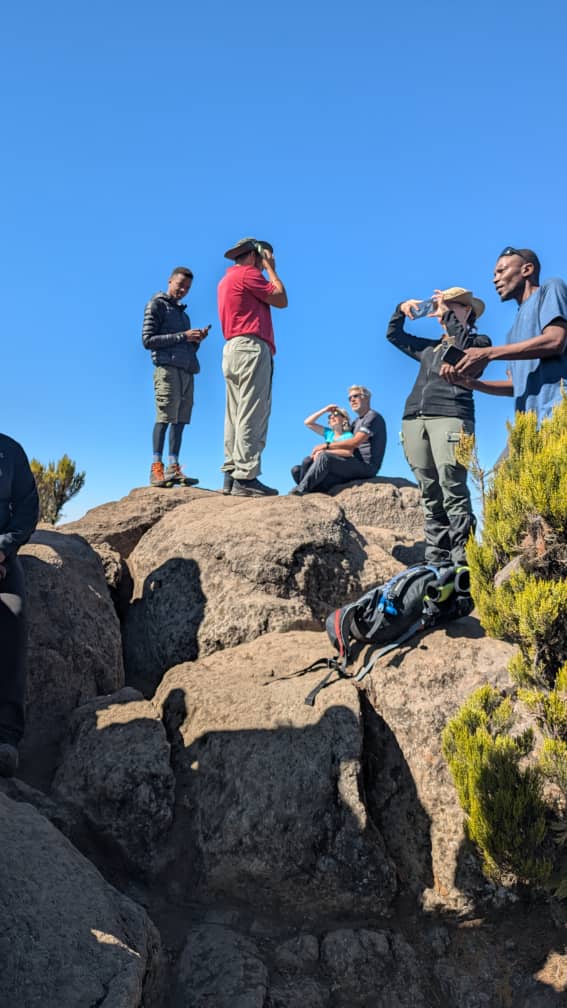
8-Day Lemosho Route Kilimanjaro Climb In March: Your Expert Guide 2026-2027
The 8-day Lemosho Route offers an excellent balance of acclimatization and scenic beauty for a Kilimanjaro climb in March. This guide covers everything from March weather patterns to...
View package details
7-Day Machame Route Kilimanjaro Climb In June : Your Expert Guide 2026-2027
A comprehensive guide to undertaking a 7-day Machame Route Kilimanjaro climb in June, detailing itinerary, weather, gear, and preparation for 2026-2027.
View package details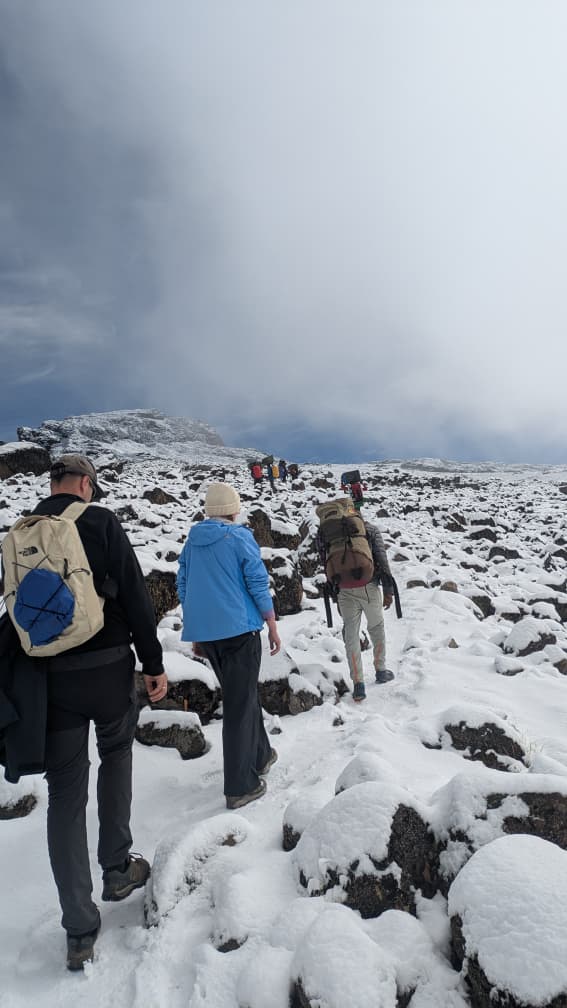
8-Day Lemosho Route Kilimanjaro Climb In May 2026-2027
An in-depth guide to the 8-day Lemosho Route Kilimanjaro climb during May, detailing itineraries, weather, costs, and preparation for your 2026-2027 adventure.
View package details
8-Day Lemosho Route Kilimanjaro Climb In April | Top Guide Adventures
The 8-day Lemosho Route offers a high success rate for summiting Kilimanjaro in April, known for its dry weather and fewer crowds. This comprehensive guide covers everything from...
View package details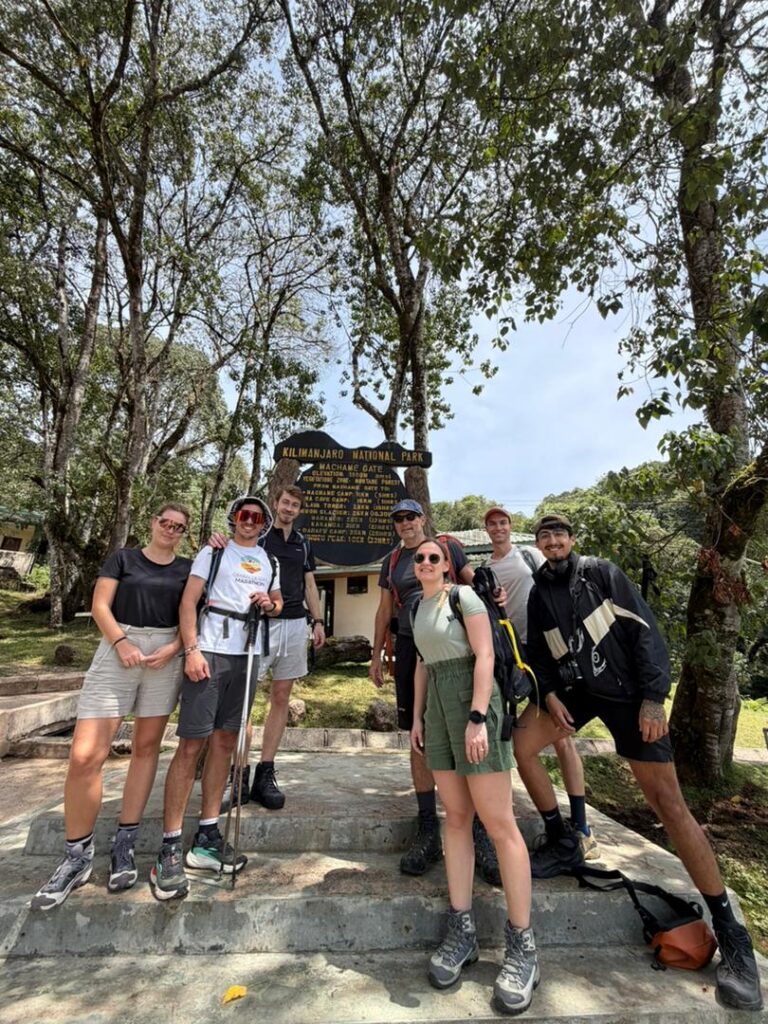
7-Day Machame Route Kilimanjaro Climb In January 2026-2027
Detailed guide to undertaking a 7-day Machame Route climb on Mount Kilimanjaro during January. Covers itinerary, weather expectations for 2026-2027, packing, costs, and preparation for this...
View package details6-Day Marangu Route Kilimanjaro Climb In March : Your Expert Guide 2026-2027
A 6-day Marangu Route Kilimanjaro climb in March offers a unique window with potentially clearer skies and fewer crowds, making it an attractive option for trekkers aiming for summit...
View package details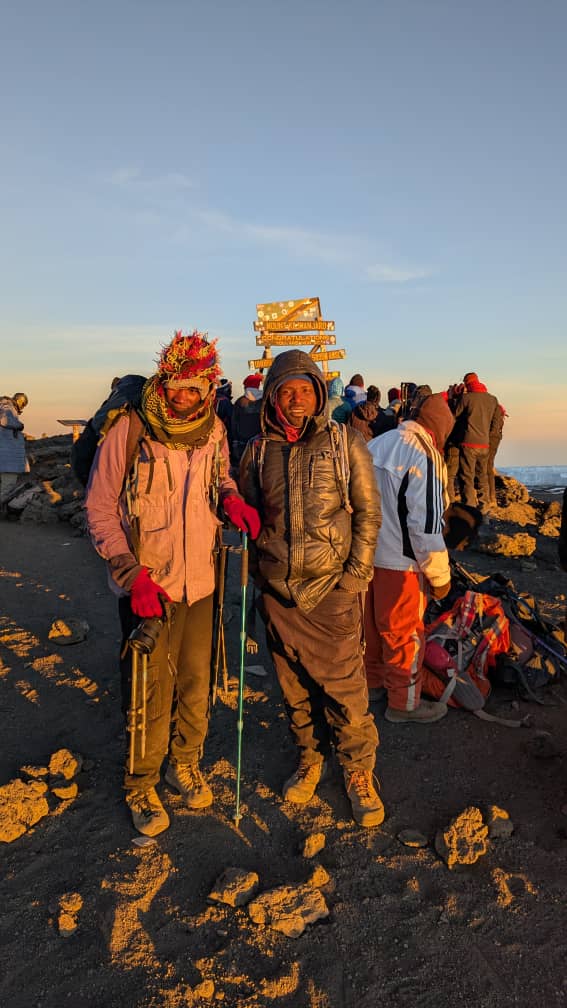
Best Kilimanjaro Route For March Climbs: Your Expert Guide 2026-2027
Planning a March climb of Kilimanjaro? This guide details the best routes, considering the unique weather patterns and optimal success rates for this shoulder season, helping you choose the...
View package details8-Day Lemosho Route Kilimanjaro Climb In June | Top Guide Adventures 2026-2027
The 8-day Lemosho Route offers a balanced approach to climbing Kilimanjaro in June, providing excellent acclimatization and stunning scenery. This guide details the itinerary, challenges...
View package details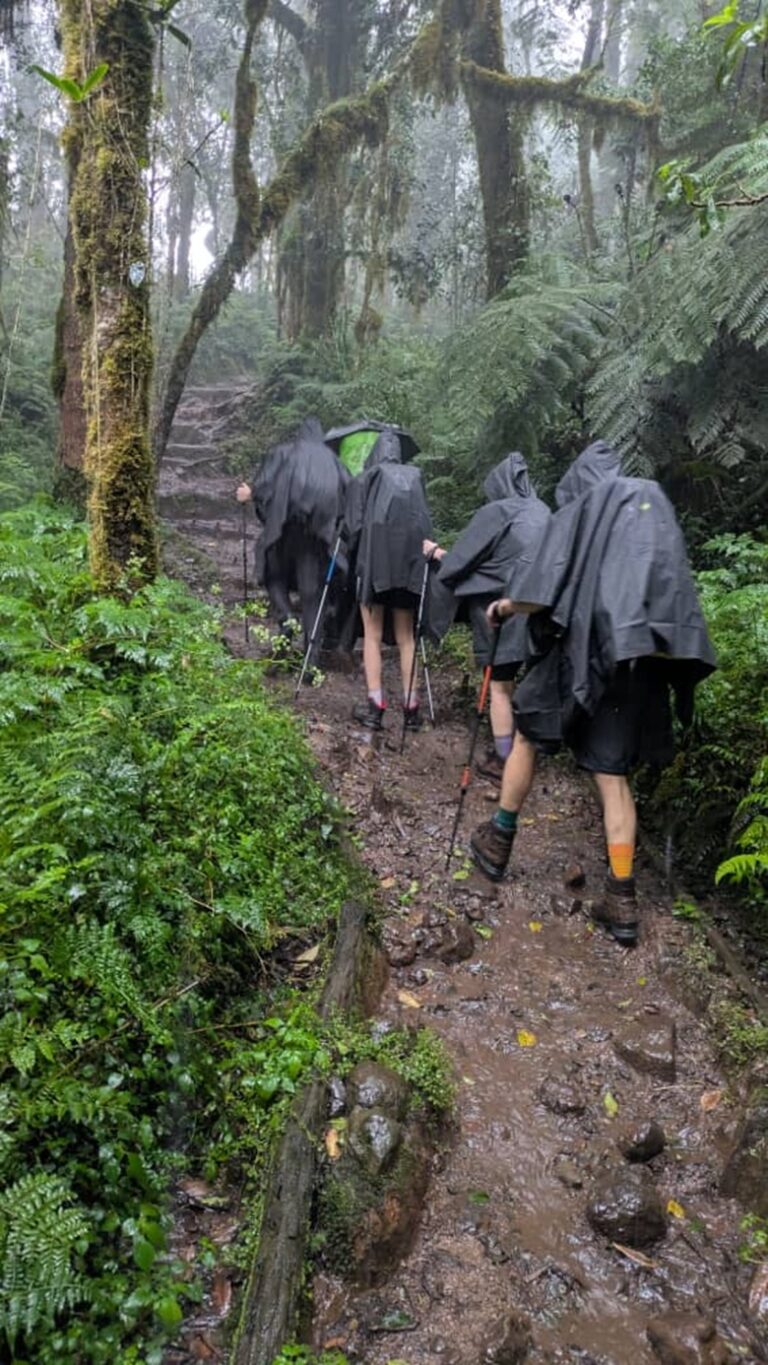
7-Day Machame Route Climb In February : Your Expert Guide 2026-2027
Discover everything you need to know for a 7-day Machame Route climb on Kilimanjaro in February. This guide covers weather, gear, acclimatization, and booking tips for your 2026-2027...
View package details7-Day Rongai Route Kilimanjaro Climb In January | Top Guide Adventures
Planning a 7-day Rongai Route Kilimanjaro climb in January offers excellent weather conditions for a successful ascent. This guide details the itinerary, preparation, and booking with Top...
View package details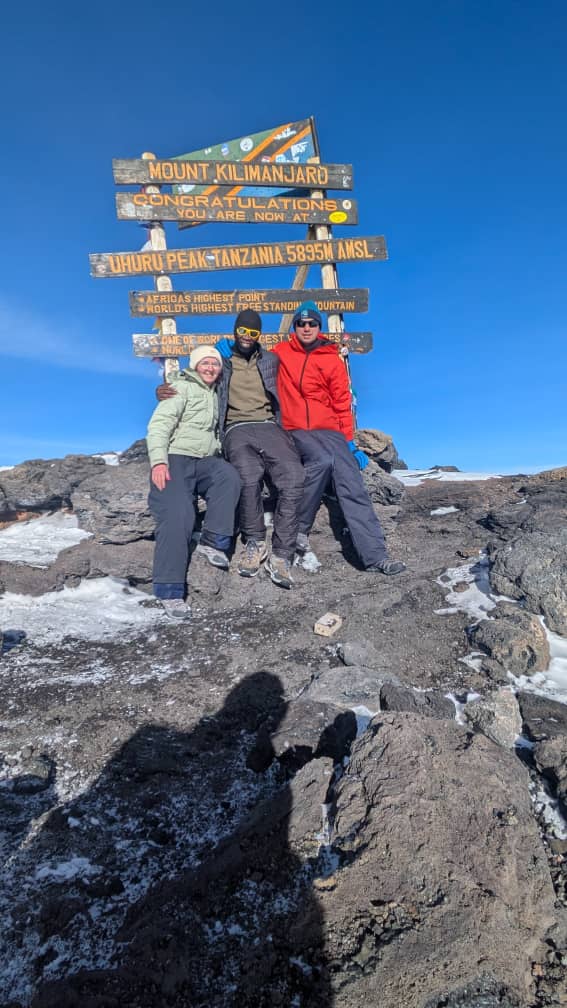
6-Day Marangu Route Kilimanjaro Climb In May | Top Guide Adventures 2026-2027
start a 6-day Marangu Route Kilimanjaro climb in May 2026-2027. This guide details the itinerary, weather expectations, essential packing, and what makes May an excellent time to ascend...
View package detailsNo related package matches those filters. Clear one or more filters to see the other topic-matched options.



