
A 7-day Machame Route climb in February offers a fantastic opportunity to ascend Mount Kilimanjaro with potentially clearer skies and fewer crowds than peak seasons, though you should prepare for cooler temperatures and possible rain or snow, especially at higher altitudes. February falls within Kilimanjaro’s shorter dry season, making it a viable and often rewarding choice for trekkers focused on the Machame’s scenic beauty and higher success rates due to its well-designed acclimatization profile.

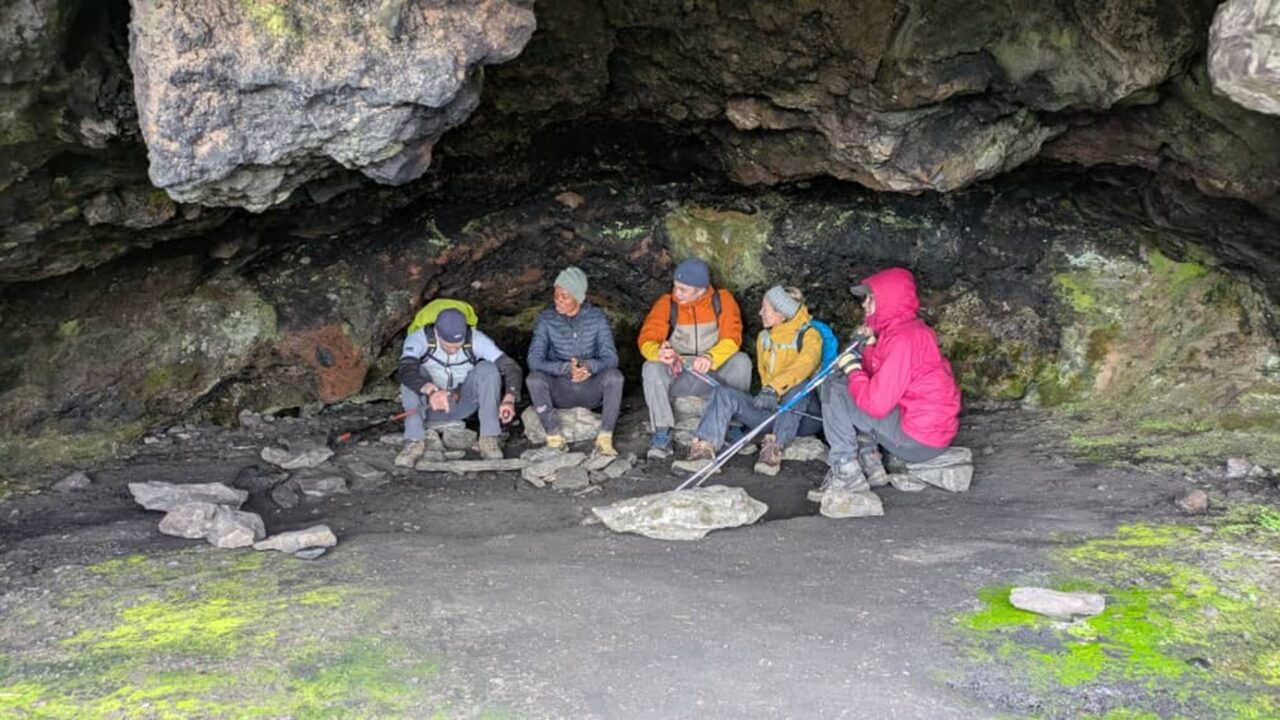

Why February is a Smart Choice for Your 7-Day Machame Route Climb
Choosing February for your 7-day Machame Route climb on Mount Kilimanjaro is a strategic decision that can offer significant advantages. While Kilimanjaro can be climbed year-round, each month presents unique conditions. February typically marks the tail end of the main dry season, often transitioning into the short rains. This means you can experience a mix of weather: generally clear, dry days, especially in the earlier stages of the trek, followed by potential afternoon showers or even snow as you ascend higher. The temperatures will be cooler than in the hotter months, particularly at night and on summit day, requiring careful preparation with appropriate gear. However, the trade-offs are often well worth it. February usually sees fewer trekkers on the mountain compared to the peak months of January and August. This can lead to a more serene and personal experience, allowing for greater interaction with guides and porters and a deeper appreciation of Kilimanjaro’s diverse ecosystems without the constant presence of large groups. For those planning for 2026-2027, February presents a compelling window for a successful and memorable ascent. The 7-day Machame Route, known for its excellent acclimatization profile and stunning scenery, is particularly well-suited for this time of year. Its ‘climb high, sleep low’ philosophy aids in adapting to the altitude, which is crucial regardless of the season. With Top Guide Adventures, you can expect expert guidance and support tailored to the specific conditions of a February climb, ensuring your safety and enjoyment every step of the way.
Understanding the Machame Route: The “Whiskey Route” Advantage
The Machame Route, affectionately known as the “Whiskey Route” (in contrast to the Marangu Route, the “Coca-Cola Route”), is one of Kilimanjaro’s most popular and highly recommended trekking paths. Its popularity stems from its excellent acclimatization profile, offering a high success rate, and its impressive scenery, traversing diverse ecological zones. The 7-day itinerary on the Machame Route is considered the optimal duration for this path, providing sufficient time for acclimatization while still being an achievable challenge for moderately fit individuals. This longer duration allows for a slower ascent, which is critical for the body to adapt to the increasing altitude, significantly reducing the risk of altitude sickness and boosting your chances of reaching Uhuru Peak. Unlike shorter routes, the 7-day Machame route offers a more gradual climb, allowing for more ‘pole pole’ (slowly, slowly) days, which are essential for success. The route begins in the lush rainforest, winds through moorlands and alpine deserts, and finally ascends the barren arctic zone, offering a spectacular journey through Kilimanjaro’s distinct climate belts. The path is generally well-maintained but can be steep and challenging in places, particularly on the Barranco Wall, which requires some scrambling. However, the logistical support and experienced guides provided by Top Guide Adventures ensure that these challenging sections are managed safely and efficiently. For a 7-day Machame Route climb in February, this route’s design is particularly beneficial. While February can bring cooler temperatures and occasional precipitation, the route’s varied terrain and the extended timeframe allow trekkers to experience these conditions gradually, with ample opportunities to rest and recover. The scenic beauty is often enhanced by dramatic cloud formations and, if you’re lucky, fresh snowfall dusting the higher reaches, creating a truly magical landscape.
The 7-Day Machame Itinerary: A Day-by-Day Breakdown
The 7-day Machame Route itinerary is meticulously designed to balance acclimatization, scenic exploration, and the ultimate goal of reaching Uhuru Peak. This extended duration is crucial for a successful ascent, particularly when climbing in February, where the conditions might demand a slightly slower pace to ensure proper adaptation. Here’s a typical day-by-day breakdown:
- Day 1: Machame Gate (1,800m/5,905ft) to Machame Camp (3,000m/9,842ft)
Distance: 11 km (6.8 miles) | Trekking Time: 5-7 hours
The adventure begins at the Machame Gate, where you’ll complete registration formalities. The trek starts immediately, descending into the dense rainforest. This initial phase is characterized by a steep but manageable path, often muddy in February, so waterproof boots and gaiters are essential. The elevation gain is significant, and the air is thick with humidity. You’ll be accompanied by the sounds of the forest and the calls of monkeys. Machame Camp is situated on the edge of the forest, offering a beautiful introduction to camp life. - Day 2: Machame Camp (3,000m/9,842ft) to Shira Camp (3,850m/12,631ft)
Distance: 5 km (3.1 miles) | Trekking Time: 4-6 hours
Today’s trek takes you out of the rainforest and into the heather and moorland zone. The path becomes less steep but continues to gain altitude steadily. You’ll encounter open landscapes with stunning views of the surrounding valleys and, weather permitting, Kilimanjaro’s snow-capped peak. Shira Camp is located on a vast, high-altitude plateau, offering spectacular sunset views. This camp is often exposed to wind, and temperatures drop considerably after dark, making warm layers vital for a February climb. - Day 3: Shira Camp (3,850m/12,631ft) to Barranco Camp (3,950m/12,959ft) via Lava Tower (4,600m/15,091ft)
Distance: 10 km (6.2 miles) | Trekking Time: 6-8 hours
This is a crucial acclimatization day, involving significant altitude gain and loss. You’ll trek east towards the Lava Tower, a striking volcanic plug, reaching an altitude of 4,600 meters. This ‘climb high, sleep low’ strategy is vital for acclimatization. After lunch at Lava Tower, you’ll descend to Barranco Camp. The descent can be challenging, especially if the weather is damp. Barranco Camp is situated in a stunning valley below the famous Barranco Wall. - Day 4: Barranco Camp (3,950m/12,959ft) to Karanga Camp (4,000m/13,123ft)
Distance: 5 km (3.1 miles) | Trekking Time: 3-5 hours
Today features the iconic Barranco Wall scramble. While it looks daunting, it’s a well-trodden path that requires some hands-on climbing but is manageable for most trekkers with good fitness and balance. The route is less about technical skill and more about careful footing and steady progress. After conquering the wall, the path continues through alpine desert landscapes towards Karanga Camp, a relatively short trekking day that allows for rest and further acclimatization. - Day 5: Karanga Camp (4,000m/13,123ft) to Barafu Camp (4,650m/15,255ft)
Distance: 4 km (2.5 miles) | Trekking Time: 3-5 hours
This is another day of steady ascent through an increasingly barren and rocky landscape. The air becomes thinner, and the temperature drops significantly. Barafu Camp is situated on a rocky ridge, serving as the base camp for the summit attempt. It’s a very exposed location, and the cold can be intense, especially in February. You’ll have an early dinner and aim to get as much rest as possible before the pre-dawn summit push. - Day 6: Barafu Camp (4,650m/15,255ft) to Uhuru Peak (5,895m/19,341ft) and down to Mweka Camp (3,100m/10,170ft)
Distance: 15 km (9.3 miles) | Trekking Time: 7-9 hours to summit, 4-5 hours to Mweka Camp
The summit attempt begins around midnight. You’ll trek through the night, navigating steep scree slopes in the dark, guided by your headlamps. The final ascent to Stella Point (5,756m/18,885ft) is the most challenging part, often in freezing temperatures and strong winds, with potential snow. From Stella Point, the path to Uhuru Peak is relatively gentle but demands significant effort due to the altitude and fatigue. Reaching the summit at sunrise is an unforgettable achievement. The descent is long and arduous, retracing your steps past Barafu Camp and continuing down to Mweka Camp, where you’ll enjoy a well-deserved rest. - Day 7: Mweka Camp (3,100m/10,170ft) to Mweka Gate (1,640m/5,380ft)
Distance: 10 km (6.2 miles) | Trekking Time: 3-4 hours
The final day involves a straightforward descent through the rainforest. The ground can be slippery, especially after recent rains. Upon reaching Mweka Gate, you’ll celebrate your achievement with your trekking team and receive your climbing certificates. A vehicle will be waiting to transfer you back to your hotel in Moshi or Arusha.
February Weather on Kilimanjaro: What to Expect
February on Kilimanjaro falls within the period known as the ‘short rains’ season, which typically runs from late November to March. However, it’s important to understand that “rainy season” on Kilimanjaro doesn’t usually mean continuous downpours like in many tropical regions. Instead, it often translates to clearer mornings with the possibility of rain or snow showers developing in the afternoon or evening, particularly at higher altitudes. The summit area, Uhuru Peak, can experience snow year-round, but February might see fresh snowfalls contributing to its iconic white cap. Temperatures are generally cooler than during the main dry seasons. Expect daytime temperatures to be cool to mild in the lower rainforest and moorland zones, perhaps ranging from 10°C to 20°C (50°F to 68°F). As you ascend into the alpine desert and arctic zones, temperatures will plummet dramatically. Nights at Barafu Camp or on summit night can easily drop to -10°C to -20°C (14°F to -4°F), with wind chill making it feel even colder. The ‘short rains’ can mean that paths, especially in the rainforest, can be muddy and slippery. This makes waterproof hiking boots, gaiters, and trekking poles essential gear for your 7-day Machame Route climb in February. Despite the potential for rain, February often offers clearer skies in the mornings, providing excellent visibility for the stunning landscapes and the summit. The reduced number of trekkers also means you’re less likely to encounter traffic jams on the trail. For a 2026-2027 climb, being prepared for these variable conditions is key to a comfortable and safe journey. Top Guide Adventures emphasizes thorough preparation for all weather scenarios, ensuring you have the right gear and knowledge to handle whatever Kilimanjaro presents.
Temperature and Precipitation Estimates for February
While precise weather forecasts for Kilimanjaro are impossible this far in advance, historical data and seasonal patterns provide a reliable guide for planning your 7-day Machame Route climb in February. The mountain’s weather is highly variable and changes drastically with altitude.
General February Conditions:
- Lower Slopes (Rainforest): Daytime temperatures typically range from 15°C to 25°C (59°F to 77°F). Expect high humidity and potential for rain showers, making the trails muddy.
- Middle Slopes (Moorland & Alpine Desert): Daytime temperatures can be between 5°C to 15°C (41°F to 59°F). Evenings and nights will be significantly colder, dropping to 0°C to 10°C (32°F to 50°F). Rain is possible, transitioning to sleet or light snow at higher elevations.
- Upper Slopes (Arctic Zone & Summit): Daytime temperatures are often around 0°C to 5°C (32°F to 41°F). Nights and summit attempts are extremely cold, typically ranging from -10°C to -20°C (14°F to -4°F), with wind chill exacerbating the cold. Snow is common, especially on summit night.
- Precipitation: February is part of the short rainy season. While not continuous, expect rain or snow showers, particularly in the afternoons. Mornings are often clearer. Average rainfall is moderate but can vary year to year.
- Visibility: Mornings generally offer good to excellent visibility, ideal for photography and enjoying the views. Afternoon clouds can obscure distant vistas.
Key takeaway for February climbers: Layering is essential. Be prepared for a wide range of temperatures and conditions, from damp rainforest to freezing summit winds.
Acclimatization Strategies for a Successful Climb
Altitude sickness, or Acute Mountain Sickness (AMS), is the most significant challenge on any Kilimanjaro climb. Effective acclimatization is paramount for success, and the 7-day Machame Route is specifically designed to facilitate this. However, personal physiology plays a huge role, and proactive strategies are essential, especially during the potentially cooler and wetter conditions of February. Top Guide Adventures prioritizes your safety and success through careful acclimatization management.
The Machame Route’s strength lies in its gradual ascent profile, often referred to as the “climb high, sleep low” principle. This means ascending to higher altitudes during the day for acclimatization benefits and then descending to a lower, warmer camp to rest and sleep. This process allows your body more time to adapt to the reduced oxygen levels. The 7-day itinerary maximizes this advantage:
- Gradual Altitude Gain: Each day’s trek is designed to increase your sleeping altitude by no more than 300-500 meters (approx. 1,000-1,600 feet). This is a critical factor in preventing AMS.
- “Climb High, Sleep Low”: Day 3 is a prime example, where you trek up to Lava Tower (4,600m) and then descend to Barranco Camp (3,950m). This significant altitude exposure followed by a lower sleep altitude is highly effective.
- Hydration: Drinking plenty of water is non-negotiable. Aim for 3-5 liters per day. Dehydration can mimic AMS symptoms, and staying hydrated aids your body’s adaptation. For a February climb, you might feel less thirsty due to cooler temperatures, making conscious effort crucial.
- Pacing (‘Pole Pole’): “Slowly, slowly” is the mantra on Kilimanjaro. Rushing can lead to exhaustion and altitude sickness. Listen to your guides; they will set a pace that allows for steady progress and optimal acclimatization.
- Diet: Eat well, even if your appetite is reduced by the altitude. High-carbohydrate meals provide energy. Your guides will ensure you have nutritious meals prepared.
- Avoiding Alcohol and Smoking: Both hinder acclimatization and should be avoided entirely during the trek.
- Recognizing Symptoms: Be aware of AMS symptoms: headache, nausea, dizziness, fatigue, and loss of appetite. Communicate any symptoms to your guide immediately. They are trained to assess and manage altitude sickness, which may involve medication (like Diamox, discussed with your doctor beforehand) or descent.
- Rest: Adequate sleep is vital, though it can be challenging at altitude. Conserve energy by resting during the day when possible.
For a 7-day Machame Route climb in February 2026-2027, maintaining these habits is even more important. The cooler temperatures might make you less inclined to drink or feel the heat, but your body’s need for hydration and careful pacing remains constant. Your experienced guides from Top Guide Adventures will constantly monitor your condition and the group’s overall well-being, making informed decisions to ensure the safest possible ascent.
Essential Gear for a February Kilimanjaro Climb
Packing correctly for a 7-day Machame Route climb in February is critical for comfort, safety, and success. The variable weather, from damp rainforest to freezing summit conditions, necessitates a comprehensive layering system and high-quality gear. Top Guide Adventures provides detailed packing lists to all clients, but here are the key items to focus on for a February expedition:
- Layering System: This is the most important aspect of your clothing. Aim for three main layers:
- Base Layers: Moisture-wicking thermal tops and bottoms (merino wool or synthetic). Bring at least two sets. Essential for retaining body heat and managing sweat.
- Mid Layers: Insulating layers such as fleece jackets or trousers, and a warm down or synthetic insulated jacket. These provide warmth.
- Outer Layer (Shell): Waterproof and windproof jacket and trousers. Gore-Tex or similar breathable, waterproof material is ideal. This protects you from rain, wind, and snow.
- Headwear:
- Warm, waterproof and windproof hat (covers ears).
- Sun hat or cap for lower altitudes.
- Balaclava or warm neck gaiter/buff for summit night and windy conditions.
- Handwear:
- Thin liner gloves (for dexterity).
- Warm, waterproof and insulated gloves or mittens (mittens are generally warmer). Bring a spare pair.
- Footwear:
- Waterproof Hiking Boots: Sturdy, broken-in, waterproof hiking boots with good ankle support. Crucial for muddy trails and potential snow.
- Camp Shoes/Sandals: Lightweight footwear for relaxing at camp.
- Socks: Several pairs of warm wool or synthetic hiking socks. Avoid cotton.
- Gaiters: Essential for keeping mud, stones, and snow out of your boots, especially on the Machame route.
- Trekking Poles: Highly recommended for stability on descents, reducing knee strain, and aiding balance on slippery or rocky terrain.
- Backpack: A comfortable daypack (30-40 liters) for essentials you need during the day (water, snacks, camera, rain gear, extra layer). Your main duffel bag will be carried by porters.
- Sleeping Bag: A 4-season sleeping bag rated to at least -15°C (5°F) is recommended for February climbs, especially for higher camps like Barafu.
- Headlamp: Essential for navigating camp at night and for the summit ascent. Bring extra batteries.
- Sun Protection: High SPF sunscreen, lip balm with SPF, and sunglasses (with UV protection). The sun is intense at altitude, even when cold.
- Hydration: Water bottles or a hydration reservoir (like CamelBak). Insulated covers are recommended to prevent water from freezing on summit night.
- Personal Items: Toiletries, personal first-aid kit, insect repellent (for lower rainforest sections), hand sanitizer, wet wipes.
- Camera and Power Bank: To capture the incredible views. Cold can drain batteries quickly, so a power bank is useful.
Top Tip for February: While rain gear is essential, consider bringing waterproof trousers that can be worn over your hiking trousers for added protection and warmth. Hand warmers and foot warmers can be a lifesaver on summit night.
Choosing Your Tour Operator: Top Guide Adventures for Your 2026-2027 Climb
Selecting the right tour operator is arguably the most critical decision you’ll make when planning your 7-day Machame Route climb in February 2026-2027. The quality of your guides, porters, cooks, equipment, safety protocols, and overall logistical support directly impacts your experience and success rate. Top Guide Adventures stands out as one of Tanzania’s most trusted and experienced companies, dedicated to providing exceptional Kilimanjaro climbing experiences.
Here’s why Top Guide Adventures is the ideal choice for your February climb:
- Experienced and Certified Guides: Our guides are not just climbers; they are highly trained professionals with extensive knowledge of Kilimanjaro’s routes, acclimatization principles, and emergency medical procedures. They are certified in Wilderness First Aid and carry comprehensive medical kits.
- Focus on Safety: Your safety is our paramount concern. We adhere to strict safety protocols, including regular health checks during the climb, carrying supplementary oxygen for emergencies, and ensuring our teams are well-equipped to handle various situations. We monitor weather conditions closely, especially during the short rainy season in February.
- Quality Equipment: We provide high-quality, well-maintained camping and trekking equipment, including tents, sleeping mats, and cooking gear. This is crucial for comfort and warmth during a February climb, where reliable gear can make a significant difference.
- Nutritious and Delicious Food: Our cooks are skilled in preparing varied and hearty meals designed to provide the energy needed for the climb. We cater to dietary requirements and ensure you have ample food and hot drinks throughout your trek.
- Fair Treatment of Staff: We are committed to the ethical treatment and fair wages of our guides, porters, and cooks. This ensures a motivated and dedicated team working for your success.
- Personalized Attention: As a company that prides itself on personal attention, we offer dedicated support from your initial inquiry through to your return. We are available to answer all your questions and tailor aspects of your trip where possible.
- Proven Success Rates: Our meticulous planning, focus on acclimatization, and experienced teams contribute to high success rates for our clients reaching Uhuru Peak.
- Local Expertise: Being a locally based company, we have an intimate understanding of Kilimanjaro and Tanzania, ensuring an authentic and well-managed experience.
When planning your climb for 2026 or 2027, choosing Top Guide Adventures means partnering with a team that genuinely cares about your journey. We understand the nuances of climbing in February and will prepare you thoroughly. Whether you’re looking for a private climb or interested in joining one of our scheduled group departures for the 7-day Machame Route climb, we have options to suit your needs. Contact us today to discuss your Kilimanjaro adventure.
Pricing and What’s Included
The cost of a 7-day Machame Route climb in February can vary based on the tour operator and the level of service provided. Top Guide Adventures offers competitive pricing that reflects the quality of service, safety standards, and the comprehensive support you receive. Our packages are designed to be transparent, with clear inclusions and exclusions.
Typical Inclusions for a 7-Day Machame Route Climb with Top Guide Adventures:
- Park and Conservation Fees (Kilimanjaro National Park, Conservancy fees)
- All camping and rescue fees
- Accommodation before and after the climb (optional, can be added)
- Professional, English-speaking guides (certified in Wilderness First Aid)
- Assistant guides (ratio of 1:2 guides to clients)
- Porters to carry all camping equipment and client luggage (usually up to 15kg per client)
- Cook for preparing all meals on the mountain
- All meals on the mountain (breakfast, lunch, dinner)
- Boiled drinking water
- All camping equipment (tents, sleeping mats, cooking gear)
- Portable toilet (for private groups)
- Transfer from/to Kilimanjaro International Airport (JRO) and Moshi/Arusha
- Crater fee (if applicable to route/package)
- Emergency oxygen and comprehensive first-aid kit
Typical Exclusions:
- International flights
- Visa fees
- Travel insurance (mandatory)
- Tips for guides, porters, and cooks (a significant part of their income)
- Personal climbing gear (sleeping bag, boots, clothing – can be rented)
- Lunches and dinners in Moshi/Arusha before and after the climb
- Soft drinks, alcoholic beverages, and personal expenses
- Optional tips for climbing crew (budget around $250-$350 per climber)
- Optional hot shower at specific camps
Pricing Considerations for 2026-2027:
For specific pricing for your 7-day Machame Route climb in February 2026-2027, we encourage you to contact us directly. Pricing is typically quoted per person based on the group size (private vs. group climb) and the specific inclusions. While February is not the absolute peak season, prices remain relatively consistent due to the fixed costs of park fees and operational expenses. We aim to provide the best value for a safe, high-quality Kilimanjaro experience. Expect prices to generally range from $1,800 to $2,800 USD per person for a 7-day Machame climb, depending on the operator’s service level and inclusions. Top Guide Adventures offers transparent pricing and excellent value for the quality of service provided.
Get a personalized quote today!
Preparing for Your Summit Night: The Ultimate Challenge
Summit night is the culmination of your 7-day Machame Route climb and undoubtedly the most physically and mentally demanding part of the entire expedition. For a February climb, the conditions can be particularly harsh, making preparation even more critical. This is where your layering, mental fortitude, and the support of your guides are most important.
The ascent typically begins around midnight from Barafu Camp (4,650m). You’ll be woken up by your guides, given a hot drink and a light breakfast, and then begin the trek in the dark. Here’s what to expect and how to prepare:
- The Darkness and Cold: You’ll be climbing for several hours in complete darkness, guided only by your headlamp. Temperatures will be well below freezing, often dropping to -15°C to -25°C (-5°F to -13°F) with wind chill. This is where your extreme cold weather gear, including insulated mittens, warm hat, balaclava, and thermal layers, is essential.
- The Terrain: The initial part of the ascent involves climbing steep scree slopes. The ground is loose, and each step forward can feel like you’re sliding half a step back. Your trekking poles will be invaluable here for stability and balance.
- Altitude Effects: As you gain altitude, the air becomes significantly thinner. You’ll feel the effects of oxygen deprivation more acutely. Breathing becomes more labored, and fatigue sets in quickly. This is why ‘pole pole’ is absolutely critical, even when you feel a desperate urge to move faster.
- Stella Point vs. Uhuru Peak: The first major objective is Stella Point (5,756m/18,885ft) on the crater rim. This is a significant achievement. From Stella Point, you’ll continue along the rim for approximately 1-2 hours to reach Uhuru Peak (5,895m/19,341ft), the true summit of Kilimanjaro. The path along the rim is less steep but can be exposed to strong winds and icy conditions.
- Mental Fortitude: Summit night is as much a mental battle as a physical one. You will likely feel exhausted, cold, and perhaps nauseous. Doubts may creep in. This is when you need to rely on your mental strength, focus on one step at a time, and trust your guides. They are experts at motivating climbers and helping them push through the toughest moments.
- Hydration and Nutrition: Even though it’s cold, staying hydrated is vital. Sip water regularly from your insulated bottle or hydration pack. Your guides may encourage you to eat small, high-energy snacks during breaks.
- Emergency Oxygen: Top Guide Adventures carries emergency oxygen for clients experiencing severe altitude sickness. Your guide will assess your condition and administer oxygen if deemed necessary.
- The Descent: Reaching Uhuru Peak is only half the journey. The descent is long, tiring, and can be hard on the knees. You’ll descend from Stella Point past Barafu Camp all the way to Mweka Camp (3,100m). While the descent is faster, fatigue increases the risk of falls.
Tips for Summit Night Success in February:
- Test Your Gear: Ensure all your cold-weather gear fits properly and is comfortable before summit night.
- Stay Warm: Keep moving, even if it’s just small movements. Avoid stopping for long periods.
- Communicate: Tell your guide immediately if you feel unwell or are struggling.
- Positive Mindset: Focus on the incredible achievement and the stunning sunrise you’ll witness.
- Rest at Barafu: Try to get as much sleep as possible before the midnight wake-up call.
With proper preparation and the expert support of Top Guide Adventures, your 7-day Machame Route climb in February 2026-2027 can culminate in a triumphant summit experience.
Post-Climb: Celebrating Your Achievement and Recovery
Completing your 7-day Machame Route climb is a monumental achievement that deserves celebration and careful recovery. After the arduous descent from Mweka Camp to Mweka Gate, you’ll be met by your waiting vehicle and transferred back to your hotel in Moshi or Arusha. This is the time to relax, reflect, and allow your body to recuperate.
Celebration:
- Certificate Ceremony: Upon reaching Mweka Gate, you’ll receive your climbing certificate from your guides, a tangible reminder of your incredible journey.
- Team Celebration: It’s customary to share a celebratory meal or drinks with your guides and porters at the hotel. This is a chance to express your gratitude and share stories from the mountain. Tipping is a crucial part of this celebration and a significant part of the crew’s earnings.
- Relaxation: Enjoy a hot shower, a comfortable bed, and a delicious meal. Many climbers opt for a leisurely day or two in Moshi or Arusha to recover fully before their onward journey.
Recovery:
- Hydration and Nutrition: Continue to drink plenty of fluids and eat nourishing food to help your body recover.
- Rest: Allow your body ample time to rest. Avoid strenuous activities for a few days.
- Muscle Soreness: Expect significant muscle soreness, especially in your legs. Gentle stretching can help.
- Foot Care: Check your feet for blisters or hot spots and treat them accordingly.
- Sunburn: The intense sun at altitude can cause severe sunburn. Apply moisturizer and after-sun lotion if needed.
- Altitude Symptoms: While most altitude symptoms disappear quickly upon descent, be aware of any lingering effects and consult a doctor if concerned.
For those planning their 2026-2027 climb, remember that recovery is an integral part of the overall adventure. Top Guide Adventures ensures a smooth transition from the mountain back to civilization, providing comfortable accommodation and support as you celebrate and recover.
Making Your Booking for 2026-2027
Ready to tackle your 7-day Machame Route climb in February 2026-2027? The process of booking with Top Guide Adventures is straightforward and designed to give you peace of mind. We recommend booking well in advance, especially if you have specific dates in mind, to secure your preferred climbing window and allow ample time for your own preparation.
How to Book:
- Contact Us: Reach out to us via email or WhatsApp to discuss your plans. Provide your desired climbing dates (e.g., February 2026 or February 2027), the number of people in your group, and any specific requests.
- Receive a Custom Quote: Based on your requirements, we will provide a detailed itinerary and a personalized quote outlining all inclusions and exclusions.
- Confirmation and Deposit: Once you’re happy with the proposal, we’ll send you a booking confirmation. A deposit is typically required to secure your booking.
- Pre-Trip Information: After booking, you’ll receive comprehensive pre-trip information, including detailed packing lists, training recommendations, and advice on visa requirements and travel insurance.
- Final Payment: The balance payment is usually due a few weeks before your climb commencement date.
Why Book Early for 2026-2027?
- Secures Your Dates: Especially for private climbs or specific group departure dates, booking early ensures availability.
- Allows for Preparation: Gives you sufficient time for physical training, gear acquisition, and planning your travel to Tanzania.
- Peace of Mind: Knowing your Kilimanjaro adventure is booked and confirmed allows you to focus on other aspects of your trip planning.
Don’t miss the opportunity to experience the magic of Kilimanjaro via the Machame Route in February. Whether you are planning for February 2026 or February 2027, Top Guide Adventures is here to make your dream climb a reality. We are committed to providing a safe, memorable, and successful expedition.
Contact Top Guide Adventures today to start planning your unforgettable 7-day Machame Route climb:
- WhatsApp: +255616946642
- Email: topguideadventures@gmail.com
- Backup Email: info@topguideadventures.com
Check Availability for 7-Day Machame Route Climb In February : Your Expert Guide 2026-2027
Ready to compare dates, prices, and the best option for your group? Send the package name and travel month so the team can reply with a clear quote, availability, and what is included.
Kilimanjaro Climb With A Personal Support Assistant: Your Ultimate Guide
Climbing Mount Kilimanjaro with a personal support assistant offers unparalleled safety, comfort, and focus on your summit goals. This guide details what a personal assistant entails, its...
View package details
Kilimanjaro Hydration Mistakes Climbers Make And How To Avoid Them 2026-2027
Proper hydration is critical for a successful Kilimanjaro climb. This guide details common hydration mistakes climbers make, from under-drinking to choosing the wrong fluids, and provides...
View package details
Kilimanjaro Summit-Night Mistakes To Avoid: Your Essential Guide For Climbs
Summit night on Kilimanjaro is the most challenging part of the climb. Avoiding common mistakes in acclimatization, gear, hydration, and pacing is crucial for success. This guide details...
View package details
Kilimanjaro Airport Vs Arusha For Climbers: The Definitive Guide 2026-2027
A comprehensive comparison of Kilimanjaro International Airport (JRO) and Arusha Airport (ARK) for trekkers planning a Mount Kilimanjaro climb, detailing pros, cons, and booking advice for...
View package details
Kilimanjaro Climb For Retired Couples: Planning Your Adventure 2026-2027
Planning a Kilimanjaro climb as a retired couple is an achievable and rewarding goal. This guide offers in-depth advice on route selection, physical preparation, essential gear, and the...
View package details
Can A 16-Year-Old Climb Kilimanjaro? Your Essential Guide 2026-2027
Discover if a 16-year-old can summit Kilimanjaro. This comprehensive guide covers age requirements, health, fitness, essential gear, and planning for younger trekkers aiming for Africa's...
View package details
Content For Parents And Young Climbers: Conquering Kilimanjaro Safely
Planning a Kilimanjaro climb with children or as a young climber requires special attention. This guide provides comprehensive content for parents and young adventurers, covering...
View package details
Kilimanjaro Tree-Planting Climbing Package Guide
Combine your dream Kilimanjaro climb with a meaningful conservation effort. Our Kilimanjaro Tree-Planting Climbing Package allows you to ascend Africa's highest peak while actively...
View package details
What Happens If It Rains Throughout Your Kilimanjaro Climb? 2026-2027
What Happens If It Rains throughout Your Kilimanjaro Climb? is explained with current 2026-2027 planning, price, itinerary and booking information.
View package details
Kilimanjaro Early-Bird Climbing Discounts For Adventures 2026-2027
Plan your 2026-2027 Kilimanjaro climb and take advantage of early-bird discounts. Top Guide Adventures offers savings for those who book in advance, ensuring a memorable and affordable...
View package details
Kilimanjaro Private Climb Price For One Person: Your Guide 2026-2027
Planning a solo ascent of Mount Kilimanjaro? This guide details the Kilimanjaro private climb price for one person, covering cost factors, inclusions, and essential planning for 2026-2027.
View package details
Kilimanjaro Wellness Retreat For Non-Climbers: Rejuvenate Near Africas
Experience the serene beauty and restorative power of Tanzania without the arduous climb. Our Kilimanjaro wellness retreats for non-climbers offer a unique blend of relaxation, cultural...
View package detailsNo related package matches those filters. Clear one or more filters to see the other topic-matched options.



