
For a March Kilimanjaro climb in 2026-2027, the Machame Route and the Lemosho Route generally offer the best balance of acclimatization, scenery, and a reasonable chance of good weather, though March falls within Kilimanjaro’s second rainy season. These longer routes provide more days for your body to adjust to the altitude, significantly increasing your success rate. While March is not the peak dry season, it offers fewer crowds and potentially more affordable options.
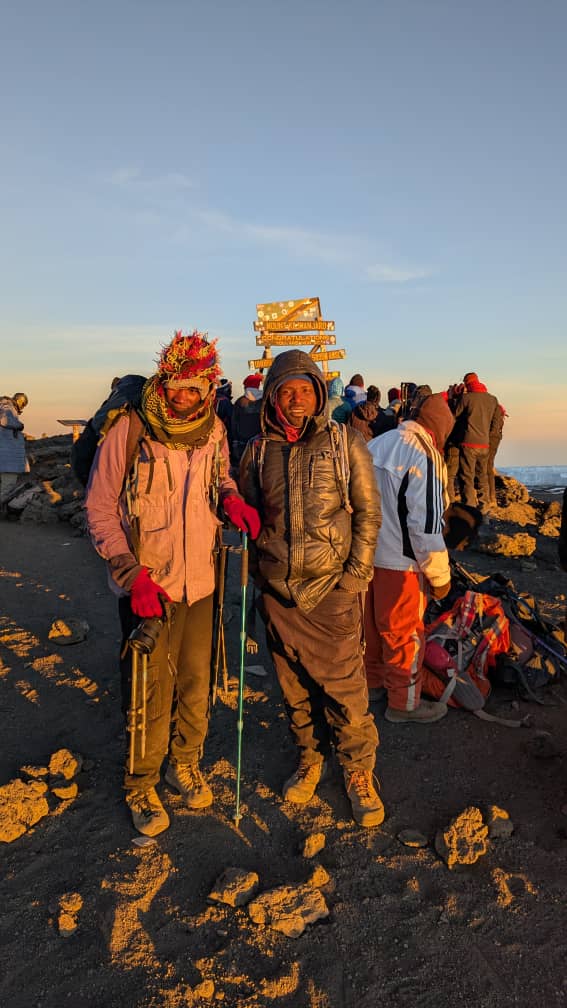

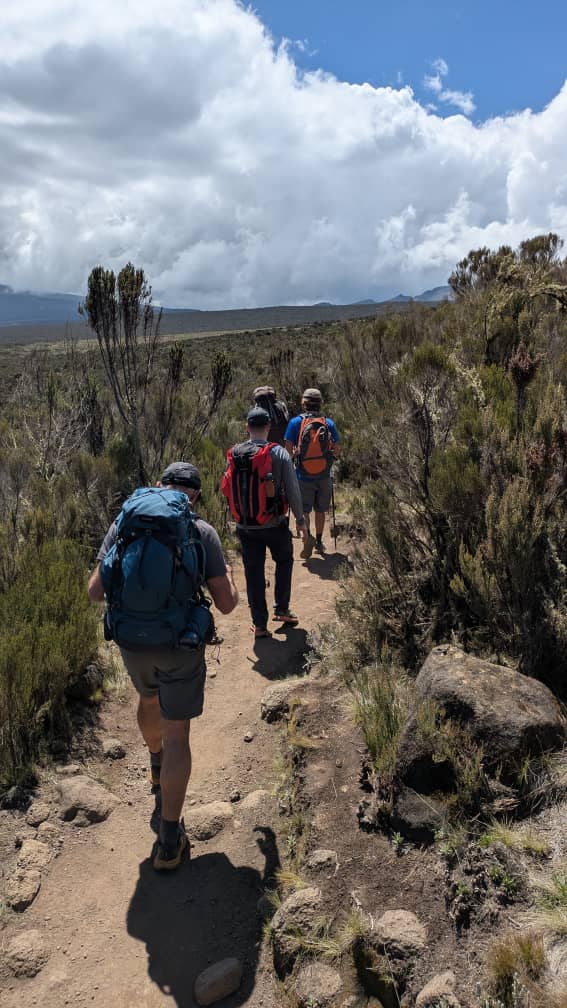
Understanding Kilimanjaro’s Climate in March
Kilimanjaro experiences distinct wet and dry seasons, and understanding these is crucial for planning any climb, especially for March. March sits at the cusp of the end of the short dry season and the beginning of the longer, more significant rainy season that typically runs from April through May. This means March can be a transitional month, offering a mixed bag of weather conditions.
The weather on Kilimanjaro is highly dependent on altitude. While the lower slopes might be experiencing rain, the higher reaches can be cold, windy, and even see snow. In March, you can expect:
- Rainfall: The lower and middle altitudes are prone to rain showers, which can be heavy at times. This often means muddy trails and reduced visibility in the rainforest and heather zones.
- Temperature: Temperatures will vary dramatically from the base to the summit. Expect tropical warmth in the rainforest, cooler conditions in the moorland and alpine desert zones, and sub-zero temperatures (often well below -10°C or 14°F) on summit night. March still experiences these significant temperature fluctuations.
- Cloud Cover: Cloud cover can be extensive, particularly in the afternoons, potentially obscuring the stunning views that Kilimanjaro is famous for. However, mornings can often be clear, offering impressive panoramas.
- Wind: Strong winds are common, especially at higher altitudes and on summit night. These can exacerbate the cold and make trekking more challenging.
- Snow: While not guaranteed, snow is possible, particularly near the summit and on the final ascent to Uhuru Peak.
Despite the potential for rain, March is often less crowded than the peak dry seasons (January-February and June-October). This can lead to a more serene trekking experience and, sometimes, more flexible pricing for tours in 2026 and 2027. The key to a successful March climb is choosing a route that offers excellent acclimatization and being prepared for varied weather conditions.
Kilimanjaro Routes: A March Perspective
When selecting the best Kilimanjaro route for March climbs, the primary considerations are acclimatization, scenery, and the probability of navigating through potentially wet conditions with minimal disruption. Longer routes are generally favored because they allow for a slower ascent, which is critical for high-altitude adaptation. This is particularly important in March when weather can be unpredictable, and a slower pace can help you wait out any adverse conditions or simply conserve energy.
The Machame Route: A Popular Choice for March
The Machame Route, often called the “Whiskey Route,” is one of the most popular and recommended routes for climbing Kilimanjaro, and it holds up well for March expeditions. It’s known for its scenic beauty and excellent acclimatization profile.
- Duration: Typically 6 or 7 days. The 7-day option is highly recommended for March to enhance acclimatization.
- Scenery: It traverses diverse ecological zones, offering stunning views from the Shira Plateau to the Barranco Wall.
- Acclimatization: Machame follows the “climb high, sleep low” principle effectively, especially on the 7-day itinerary. This is vital for success in any month, but particularly in March when the weather can be a factor.
- Difficulty: Moderate to challenging. The terrain can be steep in places, and the Barranco Wall requires some scrambling (though it’s not technical).
- Crowds: While popular, it’s generally less crowded than Marangu. In March, expect even fewer trekkers.
- Why it’s good for March: The longer duration allows for better adjustment to altitude and unpredictable weather. The route’s varied terrain means you experience different microclimates, and the well-established paths are generally manageable even with rain, though they can become muddy. The higher success rate due to its acclimatization profile makes it a solid choice for March 2026 or 2027 climbs.
The Lemosho Route: A Scenic and Successful Option
The Lemosho Route is another top contender for a March Kilimanjaro climb, renowned for its spectacular scenery and high success rates, largely due to its gradual ascent and longer duration.
- Duration: Typically 7 or 8 days. The 8-day option is strongly advised for March climbers.
- Scenery: Considered one of the most beautiful routes, Lemosho starts in the remote western wilderness, offering pristine views and a sense of solitude.
- Acclimatization: Excellent. It offers a slow, steady ascent, maximizing acclimatization opportunities.
- Difficulty: Moderate to challenging. Similar to Machame in terms of physical demands.
- Crowds: Significantly less crowded than Machame, especially in the initial days.
- Why it’s good for March: The extended duration is a major advantage for March. The route’s commitment to gradual ascent means your body has more time to adapt, which is invaluable when facing potentially wet conditions or colder temperatures. The views, when they appear, are among the best on the mountain. A longer Lemosho trek in March 2026 or 2027 provides a robust strategy against altitude sickness.
The Shira Route: Similar to Lemosho, Shorter Start
The Shira Route is very similar to Lemosho but begins at a higher altitude, making the initial days less about rainforest and more about the alpine moorland. It’s also a good option for March, but Lemosho is often preferred for its gentler start.
- Duration: Typically 7 or 8 days.
- Scenery: Beautiful, crossing the Shira Plateau.
- Acclimatization: Good, but the higher starting point means less time in the lower, warmer zones.
- Difficulty: Moderate to challenging.
- Crowds: Similar to Lemosho, less crowded than Machame.
- Why it’s good for March: The longer itineraries offer good acclimatization. However, starting at a higher altitude might not be ideal for everyone in March if the weather is particularly harsh on the upper slopes from the outset.
The Rongai Route: A Dry Side Option?
The Rongai Route approaches Kilimanjaro from the north, near the Kenyan border. It is often cited as being in a drier “rain shadow” of the mountain. While this can be an advantage, it’s important to remember that March is still part of the rainy season for Kilimanjaro overall, so “dry” is relative.
- Duration: Typically 6 or 7 days. The 7-day option is recommended.
- Scenery: Less varied than the southern routes, passing through drier scrubland for much of the ascent.
- Acclimatization: Moderate.
- Difficulty: Moderate.
- Crowds: Generally less crowded than Machame and Lemosho.
- Why it’s good for March: The potential for less rain on the approach is its main selling point. However, the descent is often via the Marangu route, which can be steep and muddy. The overall acclimatization profile is not as strong as Machame or Lemosho. If you’re looking for the absolute best chance to avoid rain, Rongai might seem appealing, but it’s not a guarantee, and the trade-off is less dramatic scenery and potentially less optimal acclimatization for a 6-day trek. For a 7-day Rongai in March 2026 or 2027, it’s a viable option, but longer southern routes often offer better overall odds for success and experience.
The Marangu Route: The “Coca-Cola” Route
The Marangu Route is the oldest and most established route. It’s known for its “huts” instead of camping, making it unique. However, it’s generally not the best choice for March, especially for maximizing success rates.
- Duration: 5 or 6 days.
- Scenery: Good, but less varied than Machame or Lemosho.
- Acclimatization: Poor. The direct ascent and lack of “climb high, sleep low” make it prone to altitude sickness. The 5-day option is particularly risky.
- Difficulty: Moderate, but the acclimatization issues make it feel harder for many.
- Crowds: Can be the most crowded due to its accessibility and hut accommodation.
- Why it’s not ideal for March: The short duration and poor acclimatization profile are significant drawbacks, especially during a month that can bring challenging weather. While the huts offer shelter, the risk of altitude sickness is higher, and the chances of summit success are lower compared to longer routes. For a March 2026 or 2027 climb, you would ideally want more days for acclimatization than Marangu typically offers.
The Northern Circuit and Northern Frontier Routes: Longer, More Remote
These routes (often variations or combinations, like the 9-day Northern Circuit) are the longest and offer the highest success rates due to their extensive acclimatization periods. They circle the mountain, providing a comprehensive experience.
- Duration: Typically 9 days or more.
- Scenery: Exceptional, offering panoramic views from all sides of the mountain.
- Acclimatization: The best available, due to the extended duration.
- Difficulty: Moderate to challenging, but the acclimatization significantly reduces the perceived difficulty related to altitude.
- Crowds: Very few trekkers.
- Why they are good for March: The sheer length of these routes is their greatest asset for any time of year, but especially during shoulder seasons like March. With 9 days or more, your body has ample time to adapt to the altitude, making summit success much more likely, even if the weather throws some rain or wind at you. They offer the most robust strategy for a challenging climb in March 2026 or 2027. The trade-off is a higher overall cost due to the longer duration.
Choosing the Best Kilimanjaro Route for March: Key Decision Factors
When pinpointing the best Kilimanjaro route for March climbs, consider these factors to align with your personal preferences and physical condition, especially for trips planned for 2026 and 2027.
1. Acclimatization and Success Rate
This is paramount. March falls into the second rainy season, meaning weather can be more unpredictable. A route with a longer duration and a “climb high, sleep low” profile is essential. The Machame (7-day) and Lemosho (7 or 8-day) routes are excellent choices. For the absolute highest success rate, consider the Northern Circuit (9+ days), although this comes at a higher cost.
Key takeaway: Longer routes = better acclimatization = higher success rate, especially crucial in March.
2. Weather Preparedness
While no route guarantees dry weather in March, some approaches might experience slightly less rain. The Rongai Route is often mentioned for its “drier side” approach. However, remember that the mountain’s weather is highly variable, and rain can occur on any route. The most important factor is not the route’s specific location but your preparedness. Ensure you have high-quality waterproof gear for your March 2026 or 2027 climb.
Key takeaway: Be prepared for rain regardless of the route; focus on gear and a route that allows for slower ascent.
3. Scenery and Experience
If stunning vistas are a priority, routes like Lemosho and the Northern Circuit offer unparalleled beauty. Lemosho’s initial days in the remote western wilderness are particularly memorable. Machame also provides diverse and dramatic landscapes. Rongai’s scenery is less varied, and Marangu is considered the least scenic.
Key takeaway: Lemosho and Northern Circuit offer the most diverse and beautiful scenery.
4. Crowd Levels
March is a shoulder season, so crowds are generally lower than in peak months. However, popular routes like Machame will still have more trekkers than less-trafficked ones like Rongai or the Northern Circuit. If solitude is important for your March 2026 or 2027 climb, consider Lemosho, Rongai, or the Northern Circuit.
Key takeaway: March is less crowded overall, but Lemosho, Rongai, and Northern Circuit offer more solitude than Machame.
5. Budget Considerations
Longer routes (like the Northern Circuit) and routes with more support (like Lemosho which often includes camping gear) tend to be more expensive. Shorter routes like Marangu might appear cheaper initially, but the lower success rate can lead to hidden costs if you need to repeat the climb. For March 2026 or 2027, a 7-day Machame or Lemosho trek often represents a good balance of cost, acclimatization, and success probability.
Key takeaway: Longer routes are more expensive but offer better value in terms of success and acclimatization.
Recommended Routes for March Climbs in 2026-2027
Based on the above factors, here are our top recommendations for the best Kilimanjaro route for March climbs:
- Top Recommendation: Lemosho Route (8 Days). This route provides exceptional acclimatization, stunning scenery, and a relatively low number of trekkers. The 8-day itinerary maximizes your body’s adaptation time, crucial for tackling the summit in March.
- Strong Contender: Machame Route (7 Days). A fantastic option with great acclimatization and beautiful scenery. The 7-day version is vital for March to ensure adequate time for ascent. It’s more popular than Lemosho but still manageable in March.
- Best for Solitude & Success: Northern Circuit (9 Days). If budget is less of a concern and you want the highest possible success rate and a more remote experience, this is the route. Its extended duration is ideal for mitigating altitude issues in March.
- Viable Alternative: Rongai Route (7 Days). If you are particularly concerned about rain and are willing to accept slightly less scenic variety and potentially less ideal acclimatization compared to the top southern routes, Rongai is an option. Ensure you opt for the 7-day itinerary for March 2026 or 2027.
Preparing for Your March Kilimanjaro Climb
A successful Kilimanjaro climb in March requires thorough preparation. Beyond choosing the right route, consider the following:
1. Gear and Clothing
This is critical for March. You need high-quality, waterproof, and windproof outer layers. Layering is key to managing temperature changes.
- Base Layers: Moisture-wicking thermals (merino wool or synthetic).
- Mid Layers: Fleece jackets or insulated down/synthetic jackets for warmth.
- Outer Layer: A waterproof and breathable jacket and trousers (Gore-Tex or similar). This is non-negotiable for March.
- Footwear: Broken-in, waterproof hiking boots. Bring warm, waterproof socks (wool).
- Headwear: Warm hat, sun hat, and a balaclava or neck gaiter for summit night.
- Handwear: Warm, waterproof gloves or mittens, plus liner gloves.
- Rain Gear: A good quality poncho or waterproof over-trousers and jacket.
- Trekking Poles: Highly recommended, especially for descents on potentially slippery trails.
- Headlamp: Essential for summit night and general use.
2. Physical Fitness
Kilimanjaro is a strenuous trek. You need to be in good cardiovascular shape. Focus on endurance training, including hiking with a weighted backpack on inclines. Strength training for your legs and core will also be beneficial. While fitness doesn’t prevent altitude sickness, it makes the trek more enjoyable and reduces fatigue, which can indirectly help with acclimatization.
3. Altitude Sickness (AMS) Prevention
The best prevention is a slow ascent on a longer route, as discussed. Staying hydrated, avoiding alcohol and strenuous activity on ascent days, and listening to your body are crucial. Some climbers choose to use Diamox (acetazolamide) after consulting their doctor. Discuss this with your healthcare provider well before your 2026 or 2027 trip.
4. Hydration and Nutrition
Drink plenty of water (3-5 liters per day). Your appetite may decrease at altitude, but it’s vital to eat well to maintain energy levels. High-carbohydrate meals are recommended. Your tour operator will provide balanced meals.
5. Mental Preparation
Climbing Kilimanjaro is as much a mental challenge as a physical one. Be prepared for uncomfortable conditions, fatigue, and the mental fortitude required to keep going, especially on summit night. Positive visualization and a strong will to succeed are powerful tools.
What to Expect on a March Climb with Top Guide Adventures
At Top Guide Adventures, we understand the nuances of climbing Kilimanjaro during different seasons. For your March 2026 or 2027 expedition, we prioritize safety, success, and an unforgettable experience. We recommend routes like Lemosho and Machame, offering 7 or 8-day itineraries to maximize your acclimatization and enjoyment.
When you book with us, you can expect:
- Experienced Guides: Our guides are highly trained in high-altitude trekking, first aid, and mountain rescue. They are adept at monitoring climbers for signs of altitude sickness and making critical decisions.
- Quality Equipment: We provide high-quality tents, sleeping mats, and cooking equipment. While we don’t provide personal gear like sleeping bags or clothing, we offer detailed packing lists tailored for Kilimanjaro’s varied conditions, essential for March.
- Nutritious Meals: Our cooks prepare varied and energy-rich meals to keep you fueled throughout your trek.
- Safety First: We carry comprehensive first-aid kits and emergency oxygen. Our guides are trained to manage emergencies effectively.
- Personalized Support: We offer tailored itineraries and personal attention to ensure your climb is as comfortable and successful as possible. We are committed to providing dedicated support for every client.
Choosing Top Guide Adventures means partnering with one of Best Tanzania’s trusted tour companies. We organize complete travel experiences across the country, including Kilimanjaro climbs, safaris, and Zanzibar holidays. Our commitment is to personal attention, care, and dedicated support for every client.
For inquiries about our March 2026 or 2027 Kilimanjaro climbing packages, group departures, or to discuss tailor-made journeys, please reach out:
- WhatsApp: +255616946642
- Email: topguideadventures@gmail.com
- Backup Email: info@topguideadventures.com
We also encourage you to check our TripAdvisor reviews to see what past clients have experienced.
Comparing Route Durations for March Climbs
The duration of a Kilimanjaro trek is one of the most critical factors influencing acclimatization and, therefore, success rates, especially during transitional months like March. Opting for a longer route in March 2026 or 2027 is a strategic decision to combat the increased risk of altitude sickness and unpredictable weather.
Why Longer is Better in March
March presents a unique challenge. While not the peak of the rainy season, it’s a period where moisture increases significantly. This can mean muddy trails, reduced visibility, and colder temperatures at altitude. A slower ascent allows your body more time to adjust to the thinning air, reducing the risk of Acute Mountain Sickness (AMS). It also provides a buffer; if a day has particularly poor weather, a longer itinerary offers more flexibility to wait it out or simply proceed at a more comfortable pace.
Short Routes (5-6 Days)
- Marangu (5-6 days): This is the shortest option. The 5-day Marangu is notoriously difficult due to its rapid ascent. The 6-day option is slightly better but still lacks sufficient acclimatization for most climbers, particularly in March. Its “huts” offer shelter from rain, which can be appealing, but the altitude risk is high.
- Rongai (6 days): The 6-day Rongai is also quite fast. While the 7-day Rongai improves acclimatization, the 6-day version might still be too quick for the conditions typical of March.
- Machame (6 days): The 6-day Machame is a popular choice but cuts short the ideal acclimatization profile. The 7-day Machame is significantly better for March.
Verdict for March: While possible, 5-6 day routes significantly increase the risk of AMS and summit failure in March. We strongly advise against them for March 2026 or 2027 climbs if success and enjoyment are priorities.
Medium Routes (7 Days)
- Machame (7 days): This is often considered the sweet spot for many climbers. It offers good acclimatization with its “climb high, sleep low” approach and varied scenery. For March, the 7-day Machame is a solid, well-rounded choice.
- Lemosho (7 days): Similar to Machame in duration, the 7-day Lemosho provides excellent acclimatization and arguably superior scenery in its initial stages. It’s a very strong contender for March.
- Shira (7 days): A good option, but Lemosho is often preferred for its gentler start.
- Rongai (7 days): The 7-day Rongai offers a better acclimatization profile than its 6-day counterpart and is a viable option for March, especially if you prefer the northern approach.
Verdict for March: 7-day routes like Machame, Lemosho, and Rongai are generally the best Kilimanjaro route for March climbs when balancing cost, acclimatization, and experience. Lemosho and Machame often edge out Rongai due to their more diverse scenery and proven acclimatization patterns.
Long Routes (8+ Days)
- Lemosho (8 days): This adds an extra day for acclimatization, which can make a significant difference in March. It provides a more relaxed pace and further reduces the risk of AMS.
- Northern Circuit (9 days): This is the longest standard route and offers the most gradual ascent and highest success rates. It circles the mountain, providing incredible views and a deep sense of accomplishment. For those prioritizing success and a more comfortable acclimatization experience in March 2026 or 2027, this is the ultimate choice.
- Other Extended Itineraries: Many operators offer extended versions of other routes (e.g., 8-day Machame, 8-day Rongai). Adding days to any route generally improves acclimatization.
Verdict for March: 8-day Lemosho and 9-day Northern Circuit are arguably the best Kilimanjaro route for March climbs if your primary goal is summit success and a comfortable acclimatization process. The added cost is justified by the increased probability of reaching Uhuru Peak.
Comparing the Best Routes for March in Detail
To help you make an informed decision for your March 2026 or 2027 Kilimanjaro adventure, let’s compare the top contenders more closely.
| Feature | Lemosho Route (8 Days) | Machame Route (7 Days) | Northern Circuit (9 Days) | Rongai Route (7 Days) |
|---|---|---|---|---|
| Duration | 8 Days | 7 Days | 9 Days | 7 Days |
| Acclimatization | Excellent | Very Good | Exceptional | Good |
| Success Rate (Est.) | ~90% | ~85% | ~95% | ~80% (for 7-day) |
| Scenery | Outstanding (pristine wilderness, diverse zones) | Excellent (varied landscapes, Barranco Wall) | Spectacular (full mountain views, remote areas) | Moderate (drier initially, less varied) |
| Crowds | Low (especially first few days) | Moderate (popular, but less in March) | Very Low | Low |
| Accommodation | Camping | Camping | Camping | Camping |
| Difficulty | Moderate – Challenging | Moderate – Challenging | Moderate (easier due to acclimatization) | Moderate |
| March Suitability | Excellent. Longest duration, best acclimatization. | Excellent. Great balance of duration, scenery, and cost. | Best for highest success and comfort, but highest cost. | Good. Potential for less rain, but less scenic and acclimatization is slightly less ideal than Lemosho/Machame 7/8 day. |
| Why Choose for March | Maximizes acclimatization for unpredictable weather. Offers a more relaxed pace. | Highly recommended for its proven success and value. 7 days is crucial. | Ultimate choice for guaranteed acclimatization and success. Ideal for those wanting a premium experience. | Good if avoiding rain is the absolute top priority, but accept trade-offs. Ensure 7-day option. |
Detailed Route Profiles for March Climbers
Lemosho Route (8 Days)
The Lemosho route begins with a scenic drive to the Lemosho Glades, followed by a trek through the dense rainforest. The first few days are relatively gentle, allowing for good initial acclimatization. The route then joins the Machame route, traversing the Shira Plateau. Key features include the climb up the Lava Tower and descent to Barranco Camp, the challenging but rewarding scramble up the Barranco Wall, followed by ascents to Karanga and Barafu Camps. Summit night is a long, arduous push to Uhuru Peak via Stella Point. The descent typically follows the Mweka trail. The 8-day itinerary provides an extra day to acclimatize, often inserted between Shira Camp and Barranco Camp, or at Karanga Camp, significantly boosting success chances for a March 2026 or 2027 climb.
Machame Route (7 Days)
The Machame route starts in the rainforest and ascends through moorland and alpine desert. It’s known for its “climb high, sleep low” profile, which is highly effective for acclimatization. The route shares some sections with Lemosho after their initial paths diverge. Highlights include the dramatic Barranco Wall, the stark beauty of the alpine desert, and the challenging final ascent. The 7-day Machame is crucial for March; the 6-day version is too rushed. The extra day allows for a more manageable pace and better adaptation.
Northern Circuit (9 Days)
This is the longest standard route, offering the most comprehensive acclimatization. It starts on the western side, similar to Lemosho, but then proceeds to circle the mountain for a full 360 degrees before joining the Mweka trail for descent. This extended circuit allows for an exceptionally slow and steady ascent, making it the route with the highest success rate, even during challenging months like March. The constant views and the feeling of traversing the entire mountain make it a unique experience, ideal for those seeking the ultimate Kilimanjaro adventure in 2026 or 2027.
Rongai Route (7 Days)
Approaching from the north, Rongai is often considered to have a drier microclimate, though this is not a guarantee in March. It offers a more remote trekking experience compared to the southern routes. The scenery is less dramatic initially, focusing on drier scrublands. The route eventually converges with the Marangu route for the final ascent. The 7-day itinerary is necessary for adequate acclimatization. While a decent option, it doesn’t typically offer the same level of scenic beauty or acclimatization profile as the longer Lemosho or Machame routes for a March climb.
Is March Truly a Bad Time to Climb Kilimanjaro?
The perception of March as a “bad” month to climb Kilimanjaro often stems from its position as the beginning of the major rainy season. However, this doesn’t mean it’s impossible or even necessarily unpleasant. It simply requires a different approach to planning and preparation.
The Positives of a March Climb:
- Fewer Crowds: You’ll likely encounter fewer trekkers on the mountain, leading to a more peaceful and personal experience. This can be a significant advantage for your 2026 or 2027 trip.
- Lush Scenery: The lower slopes can be exceptionally green and vibrant after the preceding rains.
- Potential for Lower Prices: As a shoulder season, you might find slightly more competitive pricing for tours, though this varies by operator.
- Still Possible to Summit: With the right route choice (longer is better), proper gear, and a bit of luck, summiting in March is very achievable.
The Challenges of a March Climb:
- Rainfall: Expect rain, especially in the rainforest and moorland zones. This means muddy trails and potentially wet camping conditions.
- Reduced Visibility: Clouds can obscure views, particularly in the afternoons.
- Colder Temperatures: Increased cloud cover and potential for rain can make higher altitudes feel colder.
- Slippery Trails: Mud and wet conditions can make trekking more challenging and increase the risk of slips.
Our expert advice for March 2026-2027: Do not be deterred by the “rainy season” label. Instead, view March as an opportunity for a less crowded climb. The key is to select a longer route (7+ days, ideally 8 or 9), ensure you have top-quality waterproof gear, and maintain a positive, adaptable attitude. The best Kilimanjaro route for March climbs will always prioritize acclimatization.
Booking Your March Kilimanjaro Climb for 2026-2027
When booking your March 2026 or 2027 Kilimanjaro climb, choosing a reputable operator is crucial. At Top Guide Adventures, we pride ourselves on our commitment to client safety, success, and providing an authentic Tanzanian experience. We understand the specific needs of climbers planning for March and tailor our recommendations and support accordingly.
Our packages typically include:
- Park fees and conservation fees
- Experienced, certified mountain guides and support crew
- All meals on the mountain
- Camping equipment (tents, mattresses)
- Porters for carrying group gear and personal luggage (usually up to 15kg)
- All transfers to and from Kilimanjaro National Park
- Emergency oxygen and comprehensive first-aid kits
We recommend booking your March 2026 or 2027 climb at least 6-12 months in advance, especially if you have specific date requirements. This allows us to secure permits and logistics efficiently.
March Kilimanjaro Climb Cost Considerations
The cost of a Kilimanjaro climb in March can vary significantly based on the route, duration, and operator. Generally, longer routes like the 8-day Lemosho or 9-day Northern Circuit will be more expensive than shorter routes. However, the increased cost is an investment in your safety and success rate, which is particularly important for a March climb. Expect prices for a reputable operator offering a 7-day Machame or Lemosho climb to range from $1,800 to $2,800 USD per person for 2026-2027. Longer routes or private climbs will be higher. Always ensure your quote includes all essential fees and services.
We are dedicated to offering complete travel experiences across Tanzania. Whether you’re planning your Kilimanjaro ascent, a thrilling safari in the Serengeti, or a relaxing holiday in Zanzibar, Top Guide Adventures is your trusted partner.
To discuss your ideal March Kilimanjaro climb for 2026 or 2027, or any other Tanzanian adventure, please get in touch:
- WhatsApp: +255616946642
- Email: topguideadventures@gmail.com
- Website: www.topguideadventures.com
Let us help you plan an incredible and successful Kilimanjaro climb in March!
Check Availability for Best Kilimanjaro Route For March Climbs: Your Expert Guide 2026-2027
Ready to compare dates, prices, and the best option for your group? Send the package name and travel month so the team can reply with a clear quote, availability, and what is included.
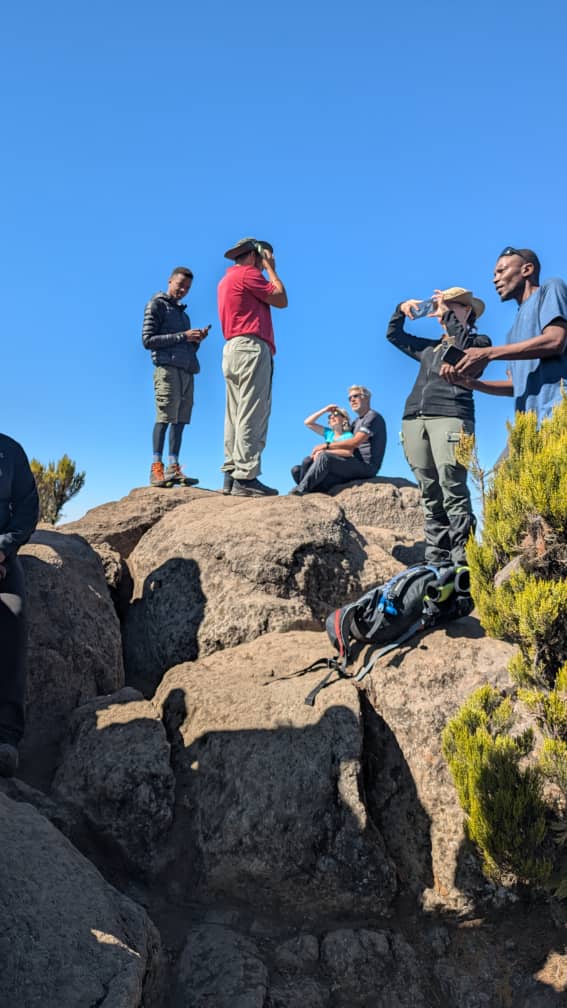
6-Day Marangu Route Kilimanjaro Climb In March : Your Expert Guide 2026-2027
A 6-day Marangu Route Kilimanjaro climb in March offers a unique window with potentially clearer skies and fewer crowds, making it an attractive option for trekkers aiming for summit...
View package details8-Day Lemosho Route Kilimanjaro Climb In March: Your Expert Guide 2026-2027
The 8-day Lemosho Route offers an excellent balance of acclimatization and scenic beauty for a Kilimanjaro climb in March. This guide covers everything from March weather patterns to...
View package details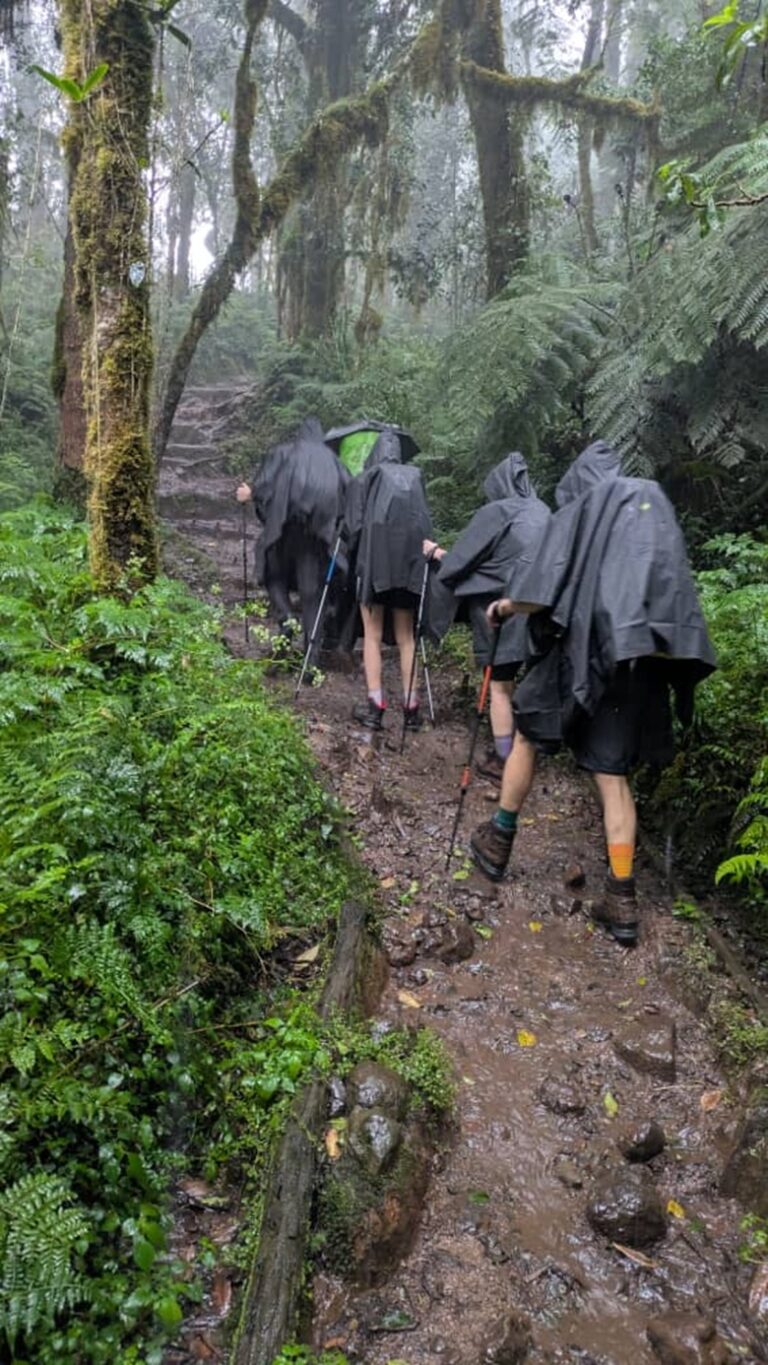
7-Day Machame Route Kilimanjaro Climb In March : Your Expert Guide 2026-2027
start an unforgettable 7-day Machame Route Kilimanjaro climb in March 2026-2027. This guide details the itinerary, weather, packing, and essential tips for a successful ascent with Top...
View package details
Kilimanjaro Climbing In March : Weather And Route Guide For Top Adventures
A comprehensive guide to climbing Mount Kilimanjaro in March 2027, covering weather conditions, recommended routes, essential gear, and preparation tips from Top Guide Adventures.
View package detailsBest Kilimanjaro Routes For June Climbs In | Top Guide Adventures 2026-2027
Planning a Kilimanjaro climb in June 2026 or 2027? This guide details the best routes, considering weather patterns, scenery, and acclimatization for a successful summit experience.
View package details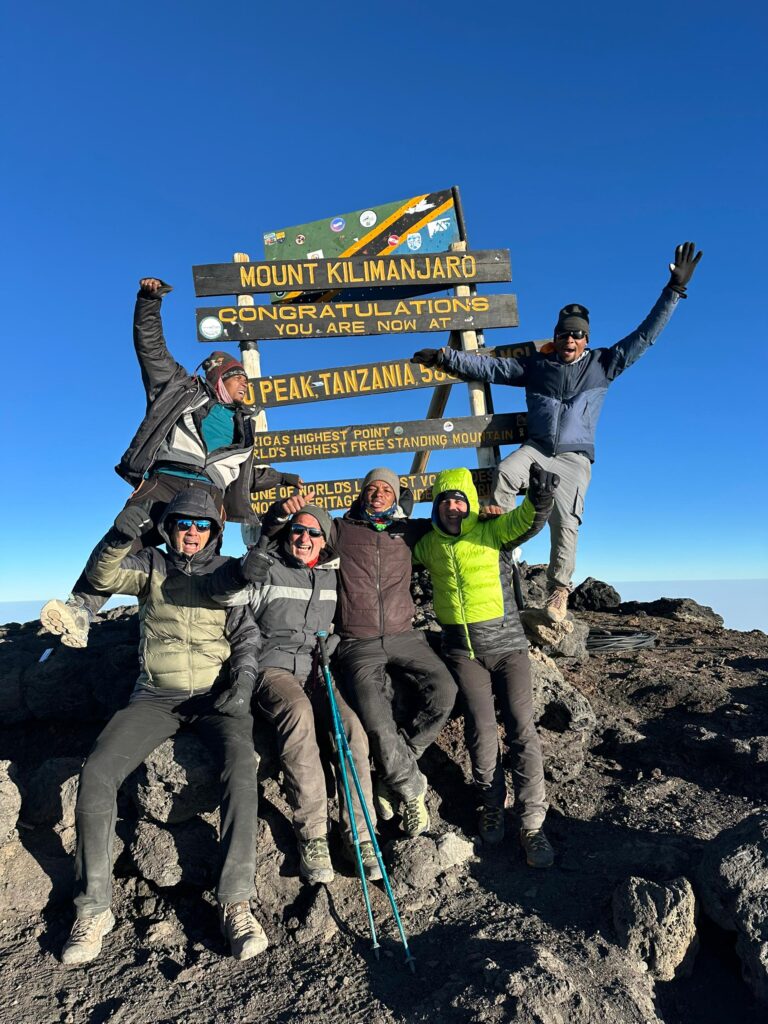
May Kilimanjaro Trail Conditions By Route: A Guide 2026-2027
Planning a Kilimanjaro climb in May 2026 or 2027? This comprehensive guide details the trail conditions for each route, helping you choose the best path for your adventure.
View package details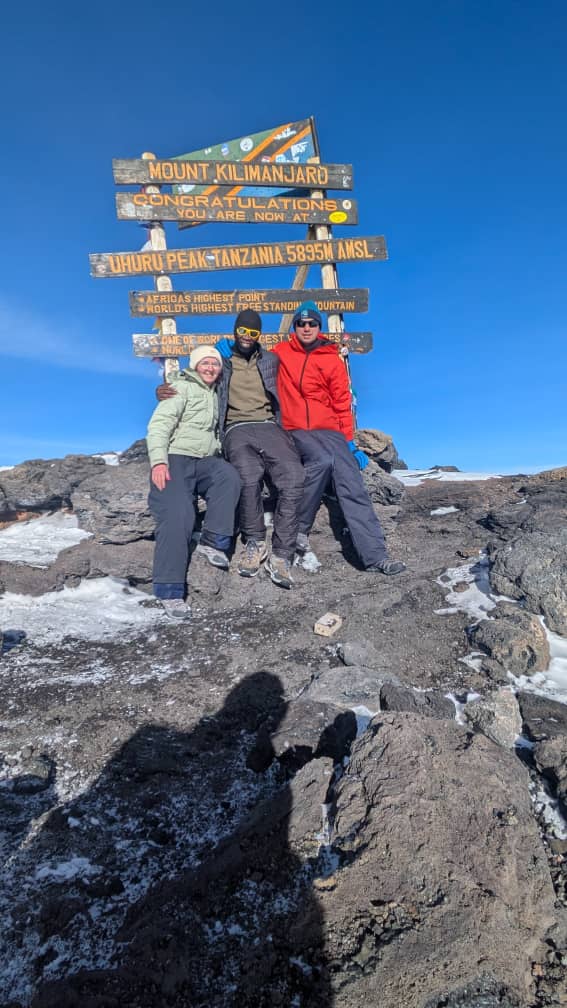
6-Day Marangu Route Kilimanjaro Climb In May | Top Guide Adventures 2026-2027
start a 6-day Marangu Route Kilimanjaro climb in May 2026-2027. This guide details the itinerary, weather expectations, essential packing, and what makes May an excellent time to ascend...
View package details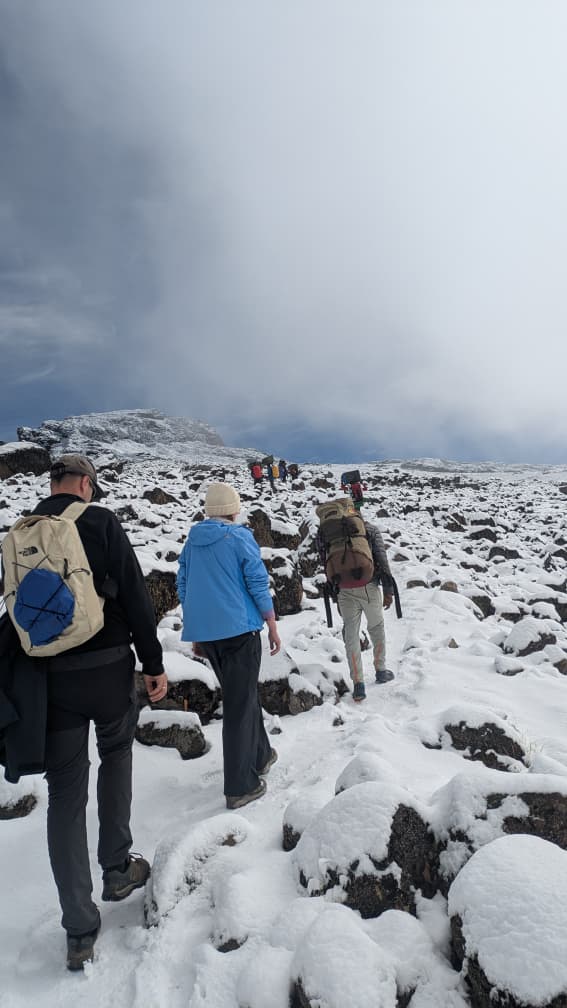
8-Day Lemosho Route Kilimanjaro Climb In May 2026-2027
An in-depth guide to the 8-day Lemosho Route Kilimanjaro climb during May, detailing itineraries, weather, costs, and preparation for your 2026-2027 adventure.
View package details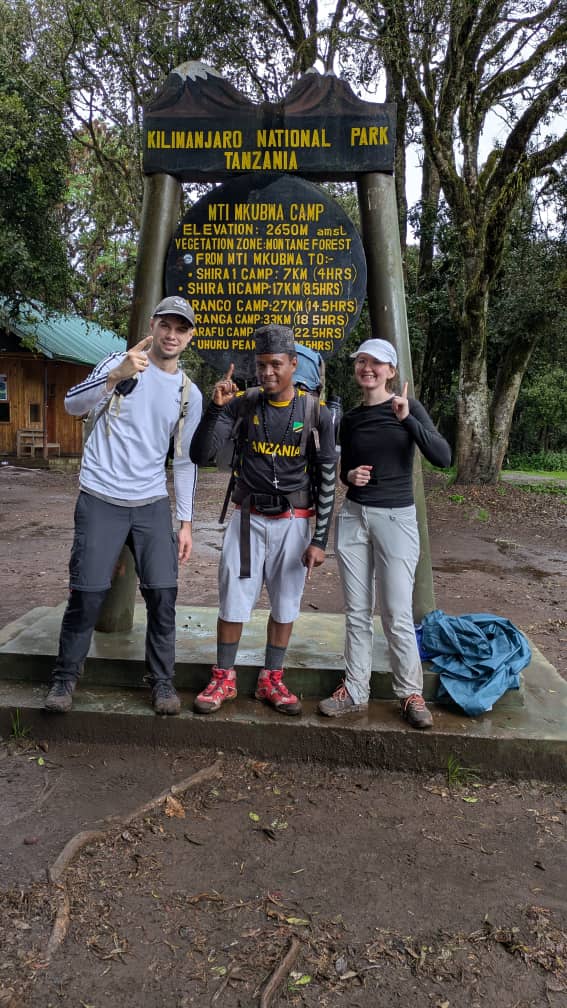
Kilimanjaro Climbing In May : Routes, Conditions, And Preparation 2026-2027
Climbing Kilimanjaro in May 2027 offers a prime window with moderate weather and fewer crowds. This guide details the most suitable routes like Machame and Lemosho, expected conditions, and...
View package details
April Kilimanjaro Low-Season Packages: Your Expert Guide To Climbs 2026-2027
Planning a Kilimanjaro climb in April? This guide covers everything you need to know about low-season packages, weather, routes, and preparation for your 2026-2027 trek.
View package details
April Kilimanjaro Summit Night Weather: Your Essential Guide For Climbs
Climbing Kilimanjaro in April? Understand the summit night weather conditions, including temperature ranges, precipitation risks, and wind chill. Expert advice for a successful 2026-2027...
View package details
How Wet Is Kilimanjaro In April? Your Complete Guide For Climbs 2026-2027
April on Kilimanjaro typically falls within the mountain's 'long rainy season,' meaning you can expect significant rainfall, especially at lower and middle elevations. While not impossible...
View package detailsNo related package matches those filters. Clear one or more filters to see the other topic-matched options.



