
May is a transition month on Kilimanjaro, often offering excellent trekking conditions with fewer crowds than peak seasons, though it marks the end of the dry season, meaning some routes may see increased rainfall, particularly later in the month. Generally, you can expect cooler temperatures and potentially muddy trails, especially on lower sections. The Machame, Lemosho, and Northern Circuit routes tend to offer the best overall conditions due to their gradual ascent profiles and varied microclimates, while the Marangu and Rongai routes might experience more consistent rain. For 2026 and 2027, May continues to be a favorable month for climbers seeking a balance of good weather and lower visitor numbers.
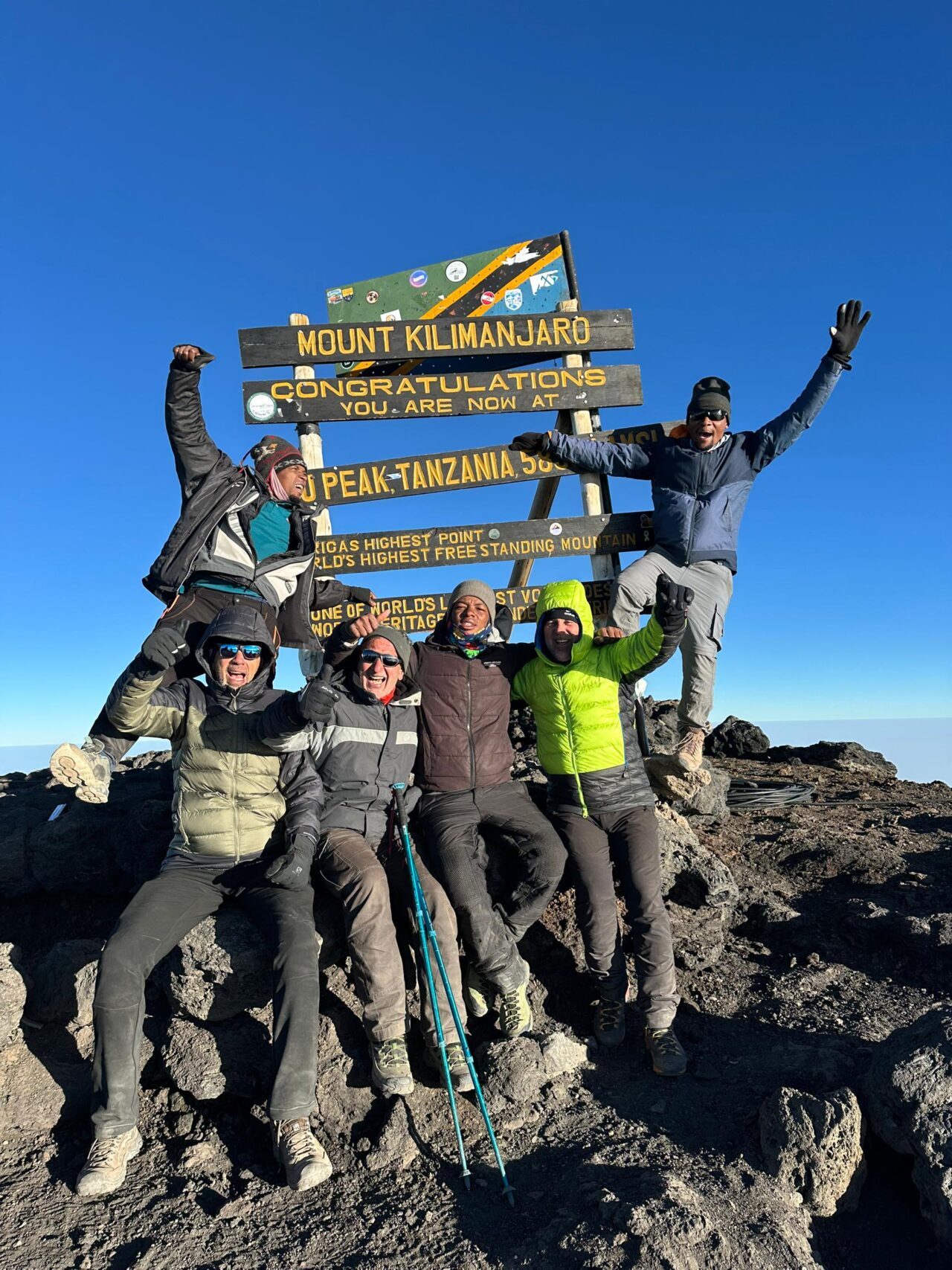
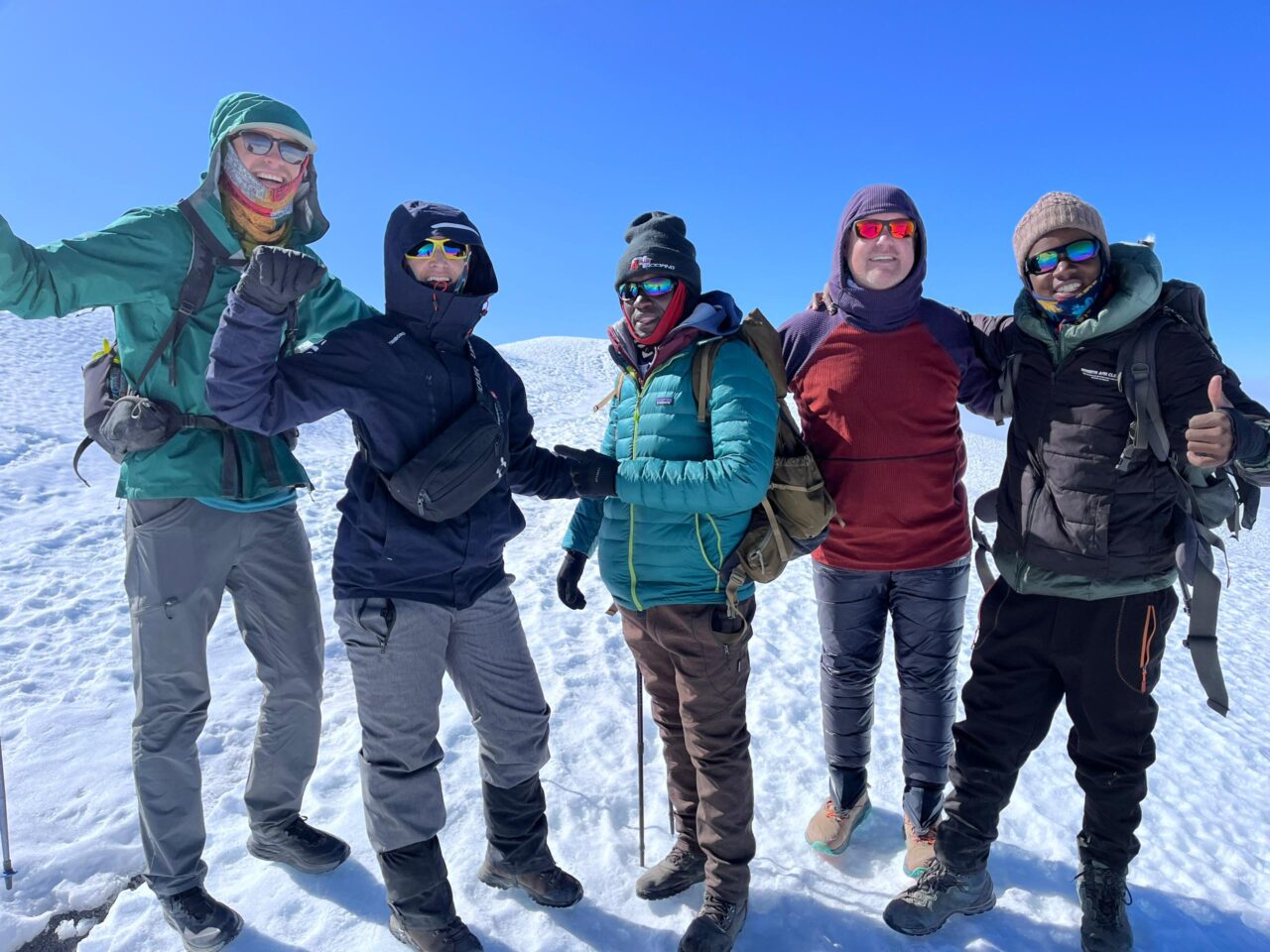
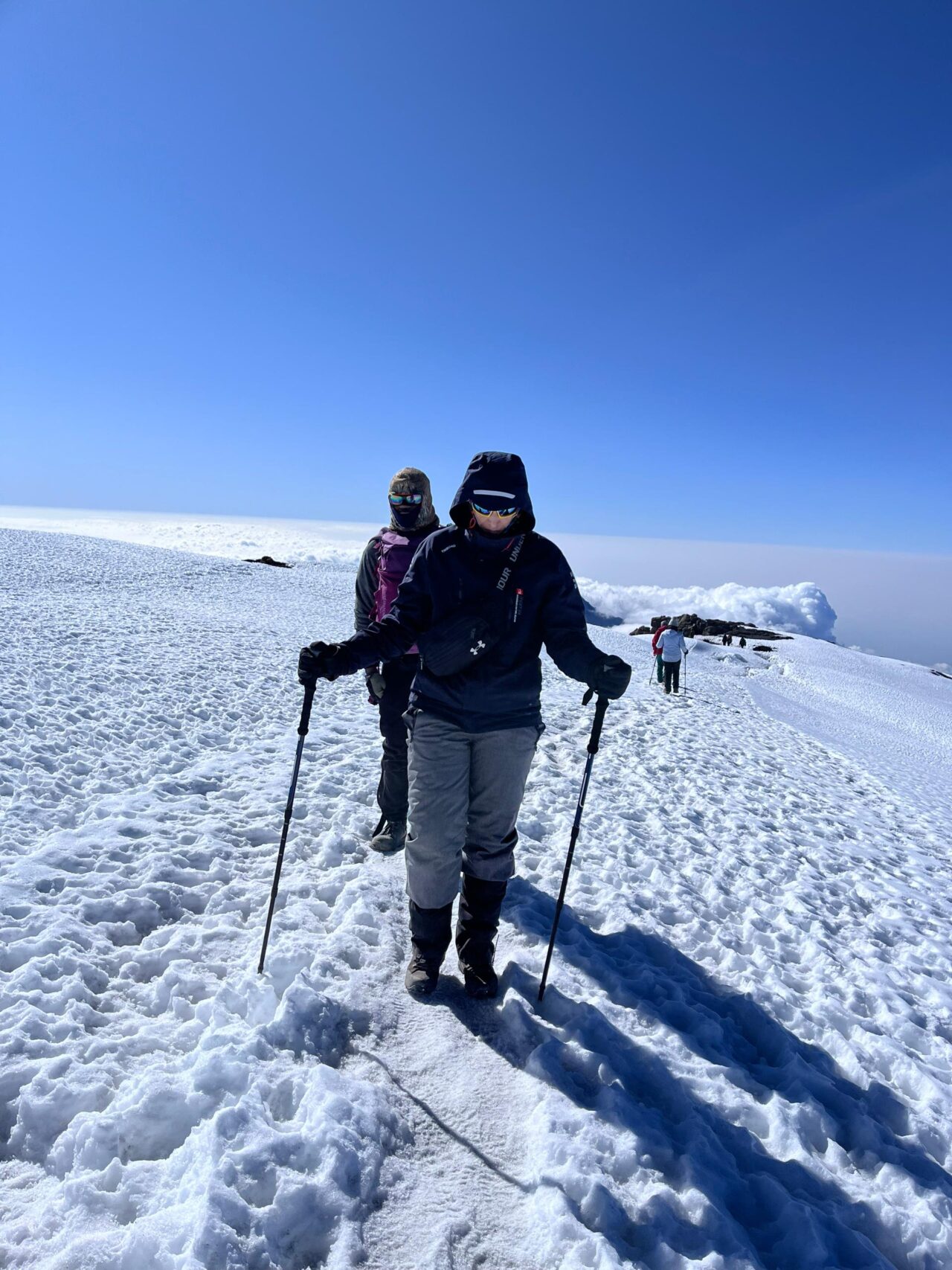
Kilimanjaro in May: A Detailed Look at Trail Conditions for 2026-2027
Choosing the right month for your Kilimanjaro ascent is crucial for a successful and enjoyable trek. May sits right on the cusp of the main dry seasons, offering a unique blend of advantages and considerations. As the second dry season begins to wane and the next rainy season hasn’t fully set in, May often presents a sweet spot for many climbers. This guide provides an in-depth look at the specific May Kilimanjaro trail conditions by route, helping you make an informed decision for your 2026 or 2027 adventure. We’ll break down what to expect regarding weather, trail surfaces, crowds, and overall climbing experience for each of the primary routes.
The allure of Kilimanjaro in May is its relative tranquility. Following the busier Easter period and preceding the main summer trekking season, May typically sees fewer climbers on the mountain. This means more solitude on the trails, less competition for campsites, and a more intimate connection with the mountain’s diverse ecosystems. However, this period also signals a shift in weather patterns. While early May can still retain the dryness of the preceding months, the latter half often sees an increase in precipitation, transitioning towards the wetter season.
Understanding these nuances is key. For instance, a route that remains accessible and relatively dry in early May might become more challenging by late May. We will explore these variations route by route, offering practical advice for packing and preparation for a Kilimanjaro climb in May 2026 or Kilimanjaro climb in May 2027.
Understanding Kilimanjaro’s Climate in May
Kilimanjaro’s weather is famously complex, dictated by its immense altitude and distinct climatic zones. May falls within the period known as the ‘second rainy season’ or sometimes a ‘short rainy season’. However, it’s important not to let this deter you. The intensity and duration of rain in May can vary significantly year to year, and even within the month. Early May often benefits from lingering dry conditions, while late May can see more frequent, though usually not persistent, rainfall.
Here’s a breakdown of general weather patterns you might encounter in May:
- Temperature: Expect cooler temperatures across all altitude zones compared to the drier, warmer months. Summit temperatures will be consistently below freezing, often ranging from -5°C to -15°C (23°F to 5°F), with wind chill making it feel even colder. Lower down, temperatures can range from 15°C to 25°C (59°F to 77°F) during the day, dropping significantly at night.
- Precipitation: While May is technically part of a rainy season, it’s often less intense than the main long rains of April. Rainfall is more likely to occur in the afternoons as cloud build-up progresses. You can expect showers, sometimes heavy, but often interspersed with clear periods. Snow is possible at higher altitudes, especially on the summit.
- Visibility: Cloud cover can be more prevalent in May, potentially obscuring summit views. However, clear mornings are common, offering stunning vistas before clouds gather. The lower cloud layers can also create dramatic and beautiful landscapes.
- Trail Conditions: Due to increased moisture, trails at lower and mid-altitudes can become muddy and slippery. Higher up, snow and ice can form, particularly on steep ascents or exposed sections.
For those planning a Kilimanjaro trek in May 2026 or May 2027, packing appropriate waterproof gear and sturdy, waterproof hiking boots is essential. Layering clothing is also key to managing the fluctuating temperatures and weather conditions.
May Trail Conditions by Kilimanjaro Route
Each of Kilimanjaro’s popular routes presents a unique experience, and their trail conditions in May can differ. We’ll examine the most common routes, highlighting the specific challenges and advantages they offer during this transitional month.
1. Machame Route: The “Whiskey Route” in May
The Machame Route is one of the most popular choices, known for its scenic beauty and high success rates, partly due to its ‘climb high, sleep low’ strategy. In May, its conditions are generally favorable, though with some specific considerations.
Weather & Temperature: Early May can still offer good weather, with cooler temperatures and the possibility of clear mornings. As the month progresses, expect increased cloud cover and a higher chance of afternoon showers, particularly in the rainforest and moorland zones. Temperatures will range from pleasant in the lower rainforest (15-20°C / 59-68°F) to freezing at higher camps and on summit night (-5 to -15°C / 23-5°F).
Trail Surface: The rainforest section, especially on days 1 and 2, is highly susceptible to mud in May. Sturdy, waterproof hiking boots with good ankle support are non-negotiable. Gaiters are also highly recommended to keep mud and water out of your boots. Above the rainforest, in the heath and alpine desert zones, the trails can become rocky and exposed. On summit night, expect ice and potentially snow on the scree slope leading to Stella Point and the crater rim.
Crowds: May is generally less crowded than the peak months of January-February or June-September. You’ll encounter fewer trekkers on the Machame Route, allowing for a more peaceful experience. Campsites will be less congested.
Ascent Profile & Difficulty: The Machame Route is challenging due to its steep sections, especially the Barranco Wall. However, its gradual acclimatization profile contributes to higher success rates. In May, the Barranco Wall can be muddy, requiring careful footing, but it is usually manageable. The summit night is always demanding, regardless of the month, due to altitude and cold.
Recommendation for May 2026/2027: The Machame Route remains a strong contender for May. Its excellent acclimatization makes it suitable for many climbers. Be prepared for mud on lower sections and potential ice/snow on summit night. Booking your Machame Route climb for May 2026 or May 2027 well in advance is still advisable for preferred dates and availability.
2. Lemosho Route: Scenic Beauty with May’s Touch
The Lemosho Route is celebrated for its stunning scenery and high success rates, offering a longer, more gradual acclimatization. Its conditions in May are similar to Machame but with an added element of remoteness in its initial stages.
Weather & Temperature: Similar to Machame, early May can be drier, while late May sees an increase in precipitation. The Lemosho route traverses diverse zones, so expect a range of temperatures from mild in the forest to extreme cold at the summit. Expect cool days and freezing nights, with higher chances of rain and mist in the afternoons as the month progresses.
Trail Surface: The initial sections through the rainforest can be very muddy in May. Good waterproof boots and gaiters are essential. As you ascend through the moorland and alpine desert, trails become rocky and sometimes indistinct. The terrain around Lava Tower and on the approach to the crater rim can be challenging, with potential for ice and snow during summit attempts in May.
Crowds: Lemosho is less crowded than Machame, especially in its early days. Even in May, you’ll find a sense of solitude, particularly on the first few days. The trails and campsites will be significantly less busy than during peak seasons.
Ascent Profile & Difficulty: Lemosho is a longer route (7-8 days), which significantly aids acclimatization. This makes it one of the best routes for success rates. The Barranco Wall is encountered, presenting similar conditions to the Machame Route. The overall difficulty is moderate to high, primarily due to the altitude and the final summit push.
Recommendation for May 2026/2027: Lemosho is an excellent choice for May, offering a beautiful and well-acclimatizing trek. The trade-off for its scenic beauty and lower crowds is a slightly higher cost due to its longer duration and remote starting point. Prepare for muddy conditions and the standard challenges of summit night. Consider Lemosho for your May 2026 or May 2027 Kilimanjaro climb if you prioritize scenery and acclimatization.
3. Northern Circuit: The Longest Route in May
The Northern Circuit is the longest and arguably the most scenic route, offering a full 360-degree traverse of Kilimanjaro. Its extended duration makes it ideal for acclimatization, and its conditions in May are generally good, though it shares the transitional weather patterns of other western routes.
Weather & Temperature: As with Lemosho and Machame, early May can be relatively dry, while late May sees an increase in rainfall. The route traverses varied altitudes, so expect a wide temperature range. The significant advantage is its longer duration, which can lead to better acclimatization and potentially more stable conditions on summit night, even with some precipitation.
Trail Surface: The initial rainforest sections can be muddy. The route offers varied terrain, from open moorlands to rocky alpine deserts. The northern side can sometimes be drier than the southern side, but May’s transitional weather means rain is still possible. Ice and snow are expected on summit night, especially on the approach to the crater rim.
Crowds: This is the least crowded route on Kilimanjaro. Even in busier months, you’ll experience significant solitude. In May, the Northern Circuit offers an almost guaranteed experience of trekking with very few other people, enhancing the feeling of being truly on an adventure.
Ascent Profile & Difficulty: The 9-day itinerary provides the best acclimatization profile on Kilimanjaro. This significantly increases success rates. While the overall trek is long, the gradual ascent makes it manageable for most fit individuals. The difficulty is moderate due to its length and the final summit push.
Recommendation for May 2026/2027: The Northern Circuit is an outstanding choice for May if you seek solitude, incredible scenery, and the best possible acclimatization. Its length allows more time to adapt to the altitude, mitigating some of the risks associated with transitional weather. Be prepared for mud lower down and cold/ice at altitude. Booking the Northern Circuit for May 2026 or May 2027 offers a premium experience.
4. Marangu Route: The “Coca-Cola Route” in May
The Marangu Route is unique for its hut accommodation and shorter duration options. May conditions on Marangu can be more variable due to its direct ascent and exposure.
Weather & Temperature: May is part of the secondary rainy season, and Marangu, being more exposed on the eastern side, can experience more consistent rain and mist compared to western routes. Temperatures will be cool to cold, with summit temperatures well below freezing. Expect rain, fog, and potentially snow at higher altitudes.
Trail Surface: The rainforest section is prone to significant mud in May. The higher alpine zones can be rocky, and snow and ice are common on summit night. The steeper sections of Marangu can become particularly slippery when wet or icy.
Crowds: Marangu is generally busier than routes like Lemosho or Northern Circuit, but in May, crowds will be noticeably lower than in peak seasons. The hut system means you’ll still see other climbers, but it won’t feel as congested as it can during other times of the year.
Ascent Profile & Difficulty: Marangu’s main drawback is its rapid ascent, particularly the 5-day option, which offers poor acclimatization and leads to lower success rates. The 6-day option is better but still less ideal than longer routes. In May, the challenging conditions can further reduce success rates, especially for those on shorter itineraries. The final ascent from Kibo Hut to the summit is long and steep.
Recommendation for May 2026/2027: While Marangu offers the comfort of huts, its acclimatization profile is less suited for challenging weather. If you choose Marangu in May, opt for the 6-day itinerary at a minimum. Be prepared for potentially wet and muddy conditions, and understand that success rates might be lower due to altitude and weather combined. Climbing Marangu in May 2026 or May 2027 requires careful preparation for rain and cold.
5. Rongai Route: The Dry Side in May
The Rongai Route approaches Kilimanjaro from the north, near the Kenyan border, making it the driest route on the mountain. This characteristic makes it a strong contender for May.
Weather & Temperature: While May is a transitional month, Rongai’s northern position often means it receives less rainfall compared to the southern routes. You can expect cooler temperatures, with freezing conditions on summit night. While less likely, rain and mist are still possible, especially later in the month.
Trail Surface: The trails on Rongai are generally less muddy than on the southern routes, even in May. The terrain is varied, starting with semi-arid landscapes before reaching the alpine zones. Summit night involves a steep ascent over scree, which can be icy or snowy in May.
Crowds: Rongai is one of the less crowded routes, and in May, you’ll experience even fewer people. This offers a more remote and peaceful trekking experience.
Ascent Profile & Difficulty: Rongai is a moderately difficult route, typically trekked over 6 or 7 days. The acclimatization is good, especially on the 7-day option. It offers a gentler ascent profile initially, making it feel less strenuous than some other routes.
Recommendation for May 2026/2027: Rongai is an excellent choice for May, particularly if you are concerned about rainfall. Its drier nature provides a significant advantage. The 7-day itinerary offers better acclimatization and is recommended. Prepare for cold on summit night and potential for some wet conditions, but overall, it’s a solid option. Choosing Rongai for your May 2026 or May 2027 Kilimanjaro climb is a strategic decision for potentially drier conditions.
Key Considerations for May Kilimanjaro Treks in 2026-2027
Beyond the route-specific conditions, several overarching factors are vital for a successful Kilimanjaro climb in May.
Packing for May: Essential Gear
Layering is paramount. You’ll need gear for tropical rainforests, alpine deserts, and arctic summit conditions.
- Waterproof Outerwear: A high-quality waterproof and breathable jacket and trousers are essential for rain and wind protection.
- Insulation: Fleece jackets, down jackets, and warm hats/gloves are crucial for cold temperatures, especially at night and on summit day.
- Base Layers: Moisture-wicking thermal underwear (merino wool or synthetic) is vital.
- Footwear: Waterproof hiking boots with good ankle support are non-negotiable. Consider breaking them in well before your trip. Bring extra socks (wool or synthetic).
- Gaiters: Highly recommended for muddy trails in May.
- Sun Protection: Sunglasses, sunscreen, and a wide-brimmed hat are still necessary, even with cloud cover.
- Headlamp: Essential for summit night.
- Water Bottles/Hydration System: Insulated carriers are helpful to prevent water from freezing.
- Trekking Poles: Aid stability, especially on slippery or steep terrain.
Acclimatization Strategies for May
May’s transitional weather can make acclimatization even more critical.
- Choose a Longer Route: Opt for at least a 7-day itinerary (preferably 8 or 9 days for Northern Circuit) to allow your body to adapt slowly.
- Ascend Gradually: ‘Pole pole’ (slowly, slowly) is the mantra. Avoid rushing.
- Hydrate: Drink plenty of water (3-4 liters per day).
- Eat Well: Maintain energy levels with regular meals.
- Avoid Alcohol and Smoking: These can hinder acclimatization.
- Listen to Your Body: Report any symptoms of altitude sickness to your guide immediately.
Potential for Mud and Slippery Trails
The most significant trail condition to prepare for in May is mud, particularly on the lower sections of the rainforest. Routes like Machame, Lemosho, and Marangu are most affected. This can slow your pace and increase the risk of slips and falls. Sturdy boots, gaiters, and trekking poles are your best defense. Higher up, melting snow and ice can create similar slippery conditions on steep ascents.
Summit Night in May: Cold and Potentially Icy
Summit night is the most challenging part of any Kilimanjaro climb, and May is no exception. Temperatures will be well below freezing, often dropping to -15°C (-5°F) or lower with wind chill. While heavy snowfall is less common than in the main rainy season, ice and hard-packed snow are frequently encountered on the scree slope from Barafu Camp to Stella Point and along the crater rim. This requires careful, deliberate steps. Having quality gloves, a warm hat, and insulated boots is vital.
Crowd Levels in May 2026 and 2027
One of the major draws of climbing Kilimanjaro in May is the significantly lower number of trekkers. This means:
- More serene trekking experience.
- Less competition for prime spots at campsites.
- More interaction with guides and porters.
- Greater opportunities for stunning photography without crowds.
This makes May an attractive option for those seeking a more personal and less crowded mountain experience. Planning your Kilimanjaro trip for May 2026 or May 2027 allows you to take advantage of these reduced crowds.
Comparing Routes for May Climbs: Which is Best?
When deciding on the best route for your May Kilimanjaro trail conditions experience, consider these comparative points:
| Route | Typical Duration (Days) | May Weather Outlook | Trail Condition (Mud/Ice) | Crowds | Acclimatization | Scenery |
|---|---|---|---|---|---|---|
| Machame | 6-7 | Moderate rain possible, cooler | High mud lower, ice possible summit | Moderate | Good | Excellent |
| Lemosho | 7-8 | Moderate rain possible, cooler | High mud lower, ice possible summit | Low | Very Good | Exceptional |
| Northern Circuit | 9 | Moderate rain possible, cooler | Moderate mud lower, ice possible summit | Very Low | Excellent | Outstanding |
| Marangu | 5-6 | Higher rain/mist possible, cooler | High mud lower, ice likely summit | Moderate | Poor (5-day) / Fair (6-day) | Good |
| Rongai | 6-7 | Lower rain likelihood, cooler | Lower mud lower, ice possible summit | Low | Good | Good |
For May 2026 or May 2027:
- Best for Lower Rain: Rongai is often cited as the driest, making it a strong choice.
- Best for Acclimatization & Scenery: Northern Circuit offers the longest, most gradual ascent and incredible views. Lemosho is a close second.
- Good All-Rounder: Machame provides a good balance of scenery, challenge, and acclimatization, though be prepared for mud.
- To Avoid: The 5-day Marangu route is generally not recommended for any month, but especially not during a transitional rainy period due to poor acclimatization and higher risk.
Costs and Availability for May 2026/2027 Kilimanjaro Climbs
May is considered part of the shoulder season for Kilimanjaro climbs. This can translate into slightly more competitive pricing compared to the absolute peak months (January-February, June-September). However, the cost of climbing Kilimanjaro is largely standardized due to park fees, which remain constant regardless of the month.
Price Factors:
- Route Length: Longer routes (like Lemosho or Northern Circuit) are more expensive due to more days of guide, porter, and cook services, plus higher park fees for extended stays.
- Group Size: Private climbs are more expensive per person than joining a group.
- Operator Quality: Reputable operators like Top Guide Adventures invest in experienced guides, quality equipment, and fair treatment of staff, which reflects in the price. Booking a reputable operator for your May 2026 or May 2027 climb is crucial for safety and success.
- Inclusions: Ensure your package includes park fees, accommodation before/after the climb, meals, equipment rental (if needed), and transfers.
Availability: While May has fewer crowds, popular operators still book up, especially for specific dates. It is highly recommended to book your Kilimanjaro climb for May 2026 or May 2027 at least 6-12 months in advance to secure your preferred route, dates, and operator. Early booking also allows more time for physical preparation and logistical planning.
Typical Kilimanjaro Climb Price Ranges (Estimate for 2026-2027)
Prices vary significantly based on the operator, route, and inclusions. These are general estimates per person for a standard package:
- Budget Operators: $1,500 – $2,000 (often fewer inclusions, potentially lower guide/porter ratios)
- Mid-Range Operators (e.g., Top Guide Adventures): $2,000 – $3,000 (good balance of quality, safety, and inclusions)
- Premium Operators: $3,000 – $5,000+ (higher end service, extra amenities, smaller groups)
Note: These prices typically exclude flights, visa fees, travel insurance, tips for the crew, and personal climbing gear.
For a personalized quote for your May 2026 or May 2027 Kilimanjaro adventure, please contact Top Guide Adventures.
Why Choose May for Your Kilimanjaro Ascent?
Despite being a transitional month, May offers compelling reasons to plan your climb:
- Fewer Crowds: Enjoy a more peaceful and personal experience on the mountain.
- Potentially Lower Prices: Some operators might offer slightly better rates during this shoulder season.
- Lush Scenery: The mountain can be particularly green and beautiful in the lower rainforest zones following the preceding rains.
- Good Success Rates: With the right route choice and preparation, success rates remain high.
The key is preparation and choosing the right route. By understanding the May Kilimanjaro trail conditions by route, you can mitigate potential challenges and maximize your chances of a successful and memorable climb.
Planning Your 2026-2027 May Kilimanjaro Climb with Top Guide Adventures
At Top Guide Adventures, we specialize in creating unforgettable Kilimanjaro experiences. We understand the nuances of climbing throughout the year, including the specific conditions you can expect in May. Our experienced guides and support crew are dedicated to your safety and success.
Whether you are considering the scenic Lemosho, the solitary Northern Circuit, the reliable Machame, the drier Rongai, or even Marangu, we can help you select the best route and itinerary for your May 2026 or May 2027 climb. We pride ourselves on our personal attention, care, and dedicated support for every client.
Why choose Top Guide Adventures for your May Kilimanjaro trek?
- Expert Guides: Our guides are highly experienced, certified, and knowledgeable about altitude, safety, and the mountain’s environment.
- Safety First: We carry comprehensive medical kits and ensure our guides are trained in first aid. We maintain excellent guide-to-client and porter-to-client ratios.
- Quality Equipment: We provide high-quality tents, sleeping mats, and ensure our crew is well-equipped.
- Sustainable Practices: We are committed to responsible tourism, ensuring fair treatment of our staff and minimizing our environmental impact.
- Tailor-Made Experiences: We can customize itineraries to meet your specific needs and preferences.
Don’t let the transitional nature of May deter you. With the right planning and a trusted partner, a Kilimanjaro climb in May can be an incredibly rewarding experience. We are here to answer all your questions and guide you through every step of the planning process.
Ready to plan your Kilimanjaro adventure for May 2026 or May 2027? Get in touch with our team today. You can reach us via WhatsApp at +255616946642, email us at topguideadventures@gmail.com, or use our backup email info@topguideadventures.com. Let’s make your dream of summiting Kilimanjaro a reality!
Check Availability for May Kilimanjaro Trail Conditions By Route: A Guide 2026-2027
Ready to compare dates, prices, and the best option for your group? Send the package name and travel month so the team can reply with a clear quote, availability, and what is included.

November Kilimanjaro Trail Conditions: Your Essential Guide 2026-2027
Climbing Kilimanjaro in November offers a unique experience with cooler temperatures, a higher chance of rain in the early days, and significantly fewer trekkers. This guide details trail...
View package details
7-Day Rongai Route Kilimanjaro Climb In May: Your Ultimate Guide 2026-2027
Your comprehensive guide to conquering Kilimanjaro via the Rongai Route in May over 7 days. Learn about the itinerary, what to pack, acclimatization, and why May is a great month for this...
View package details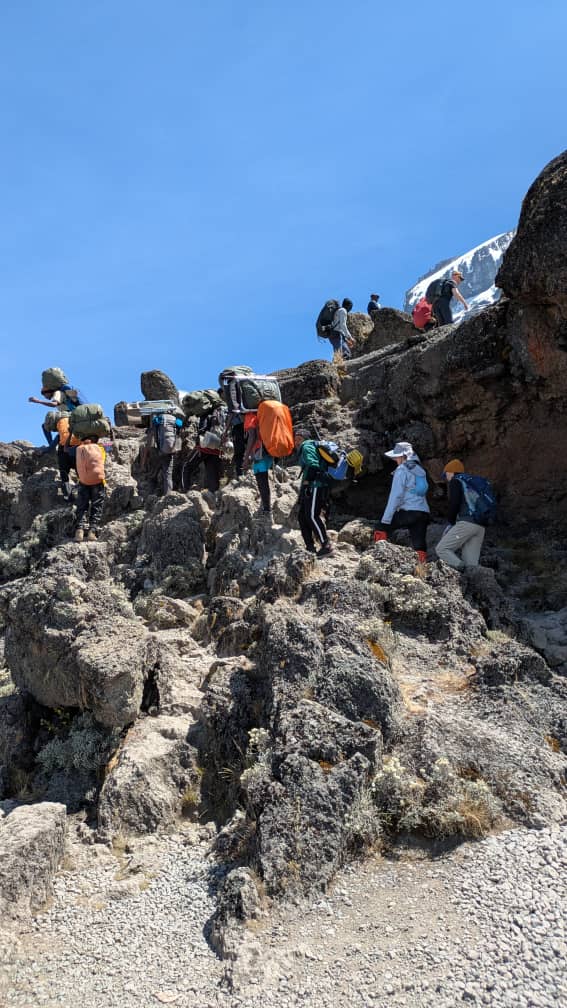
Best Kilimanjaro Route For A May Summit In : Your Expert Guide 2026-2027
Planning a Kilimanjaro climb in May? This guide details the best routes for a successful summit, considering weather patterns, acclimatization, and scenery for your 2026-2027 adventure.
View package details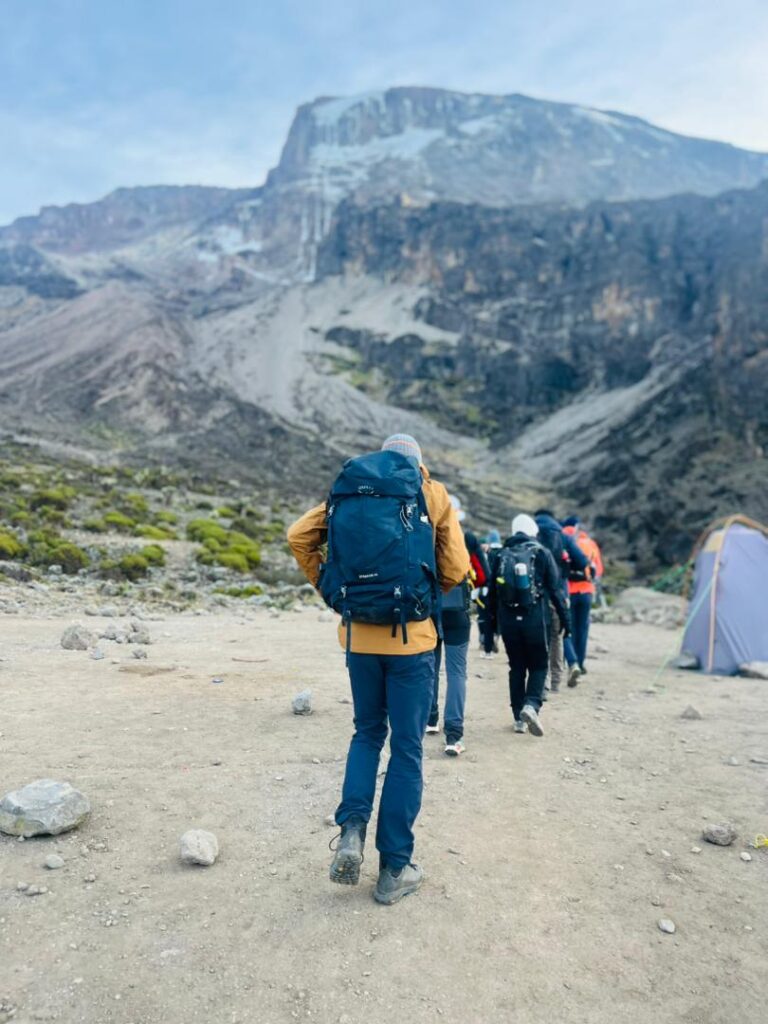
7-Day Rongai Route Kilimanjaro Climb In April: Your Expert Guide For 2026-2027
The 7-Day Rongai Route offers a unique and often drier approach to climbing Kilimanjaro, especially beneficial in April. This guide provides an in-depth look at the itinerary, essential...
View package details
December Kilimanjaro Trail Crowd Levels 2026-2027
December Kilimanjaro Trail Crowd Levels is explained with current 2026-2027 planning, price, itinerary and booking information.
View package details
6-Day Marangu Route Kilimanjaro Climb In December 2026-2027
Discover everything you need to know for a 6-day Marangu Route Kilimanjaro climb during December 2026-2027. This guide covers weather expectations, essential gear, itinerary details...
View package details8-Day Lemosho Route Kilimanjaro Climb In December | Top Guide Adventures
Discover the magic of an 8-day Lemosho Route Kilimanjaro climb in December. This guide details what to expect regarding weather, acclimatization, and preparation for your 2026-2027...
View package detailsYour 7-Day Machame Route Kilimanjaro Climb In December : Expert Guide
A comprehensive guide to undertaking a 7-day Machame Route Kilimanjaro climb during December. Learn about the conditions, best practices, and what to expect for your 2026-2027 adventure.
View package detailsBest Kilimanjaro Route For December : Your Ultimate Climbing Guide 2026-2027
Choosing the best Kilimanjaro route for a December climb requires understanding the unique weather patterns and operational considerations of this popular month. While December marks the...
View package details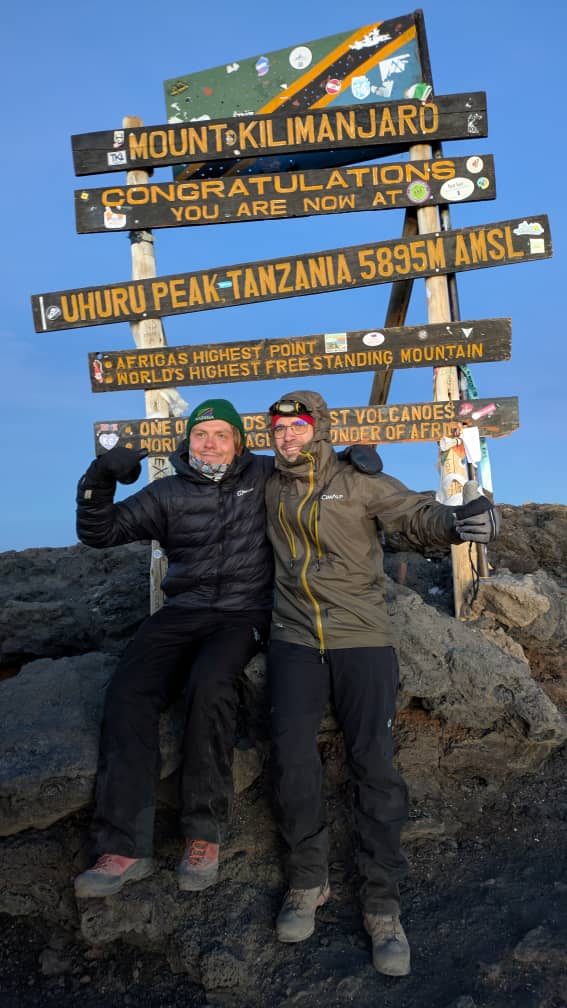
7-Day Machame Route Kilimanjaro Climb In November 2026-2027
start a 7-day Machame Route Kilimanjaro climb in November. This guide details the itinerary, weather, what to pack, costs, and why November is a great month for this challenging yet...
View package details8-Day Lemosho Route Kilimanjaro Climb In November | Top Guide Adventures
The 8-day Lemosho Route offers a high success rate and stunning scenery for your Kilimanjaro climb in November. This guide covers everything from weather to packing for your 2026-2027...
View package details
7-Day Rongai Route Kilimanjaro Climb In November 2026-2027
A detailed 2026-2027 guide to 7-Day Rongai Route Kilimanjaro Climb in November, with clear planning and booking information for travelers.
View package detailsNo related package matches those filters. Clear one or more filters to see the other topic-matched options.



