
Climbing Kilimanjaro in May typically means facing summit temperatures that can range from -7°C to -20°C (19°F to -4°F), often feeling colder due to wind chill. May falls within Kilimanjaro’s shoulder season, transitioning from the longer rainy season to drier conditions, meaning you can encounter unpredictable weather, including sunshine, rain, sleet, and snow, especially at higher altitudes. Proper preparation, including appropriate gear and an understanding of the climate, is crucial for a successful 2026-2027 ascent.

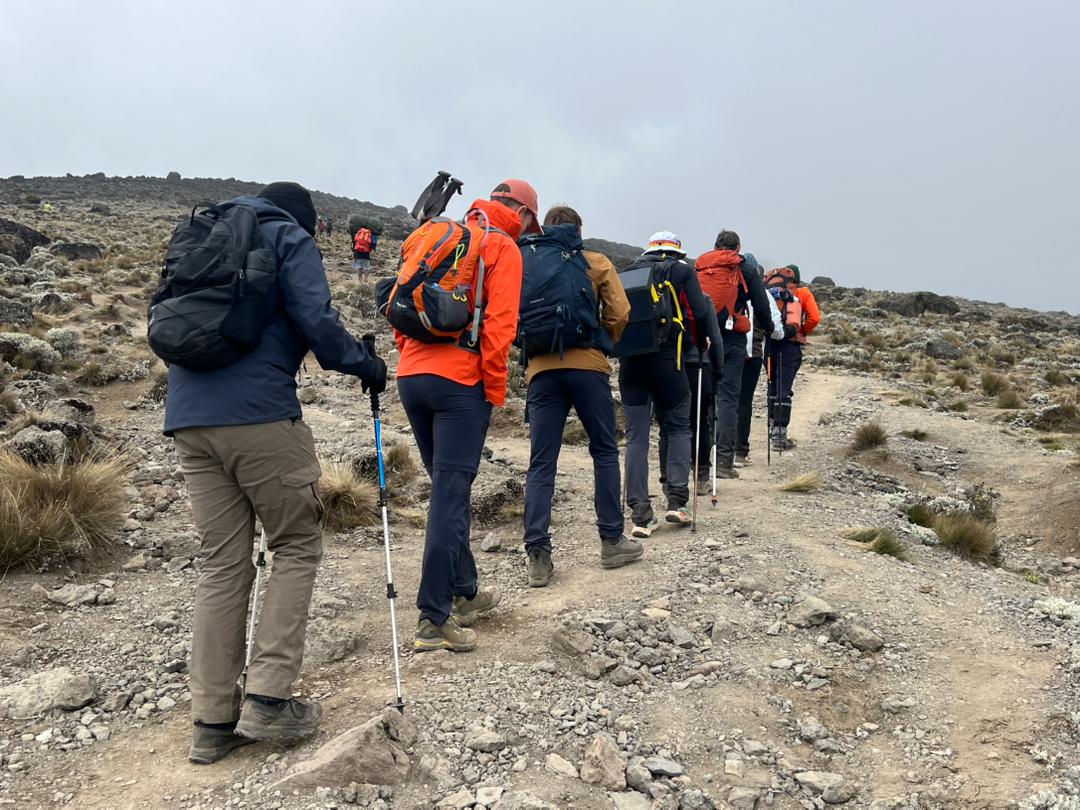
Understanding Kilimanjaro’s Climate in May
Mount Kilimanjaro, the Roof of Africa, presents a fascinating microclimate that changes dramatically with altitude and season. May is a pivotal month on the mountain. It often marks the tail end of the extended rainy season, which typically runs from March to May. This means that while you might see more sunny days than in April, there’s still a significant chance of precipitation, particularly in the lower and middle zones. However, as you ascend, the nature of the precipitation changes. Snow is common at the summit and on the upper slopes, regardless of the season, but May can bring heavier snowfalls than the drier months.
For climbers planning their expeditions in 2026 or 2027, understanding the nuances of May’s weather is key to a safe and enjoyable trek. The temperatures are a primary concern, especially on summit night. The summit, Uhuru Peak, sits at a staggering 5,895 meters (19,341 feet). At this altitude, the air is thin, and the sun’s rays are intense during the day, but temperatures plummet drastically once the sun sets or is obscured by clouds. May’s weather can be quite variable, offering a mix of conditions that require robust preparation.
Kilimanjaro’s Climatic Zones and May Conditions
Kilimanjaro is renowned for its distinct climatic zones, each with unique characteristics that influence temperature and weather patterns. During May, these zones experience the following:
- Cultivation Zone (800-1,800m / 2,600-5,900ft): This lower zone is characterized by lush vegetation, farms, and small villages. In May, temperatures here are pleasant, ranging from 20°C to 30°C (68°F to 86°F). Rainfall can be significant, contributing to the green landscape.
- Rainforest Zone (1,800-2,800m / 5,900-9,200ft): As you climb higher, you enter the dense rainforest. May here is often misty, humid, and wet. Temperatures typically range from 15°C to 25°C (59°F to 77°F). Expect frequent showers, which can make the trails muddy and slippery.
- Moorland Zone (2,800-4,000m / 9,200-13,100ft): The vegetation becomes sparser, with giant heathers, groundsels, and lobelias. In May, this zone can experience cooler temperatures, often between 10°C and 20°C (50°F to 68°F), with increasing chances of rain or sleet as you gain altitude.
- Alpine Desert Zone (4,000-4,500m / 13,100-14,750ft): Above the treeline, the landscape turns arid, resembling a desert. Temperatures in May here can drop significantly, ranging from 5°C to 15°C (41°F to 59°F) during the day, but falling close to or below freezing at night.
- Arctic Zone (4,500m+ / 14,750ft+): This is the zone above the vegetation line, encompassing the summit. Here, temperatures in May are consistently below freezing. Daytime highs might hover around 0°C (32°F), but nighttime temperatures, especially during summit attempts, frequently plunge to -7°C to -20°C (19°F to -4°F), with wind chill making it feel even colder. Snow and ice are prevalent.
Kilimanjaro Summit Temperature in May: The Cold Reality
The most critical aspect for any Kilimanjaro climber is understanding the conditions at the summit, Uhuru Peak. In May, the summit temperatures are a serious consideration. While daytime temperatures might feel somewhat manageable if the sun is out, the real challenge begins during the summit push, which typically starts around midnight. At this time, temperatures can be as low as -7°C (19°F) and often drop to -15°C (5°F) or even -20°C (-4°F).
The wind is a significant factor. Even if the air temperature is -10°C, a moderate wind can make it feel like -20°C or colder due to wind chill. This extreme cold necessitates specialized gear and a well-prepared mindset. Climbers must be ready for:
- Freezing conditions: Expect ice and snow on the trails, especially on the final ascent from Stella Point to Uhuru Peak.
- Wind: High winds are common at the summit, exacerbating the cold.
- Low Oxygen: The thin air at nearly 6,000 meters is a primary challenge, and the cold makes the physical exertion even more demanding.
Average Summit Temperatures and Wind Chill in May
To provide a clearer picture for your 2026-2027 Kilimanjaro planning, here’s a breakdown of expected summit temperatures and how wind affects them in May:
| Time of Day | Average Air Temperature (°C) | Average Air Temperature (°F) | Potential Wind Chill (°C) | Potential Wind Chill (°F) |
|---|---|---|---|---|
| Daytime (sunny) | -2 to 5 | 28 to 41 | -5 to 0 | 23 to 32 |
| Summit Night (midnight – 6 AM) | -7 to -15 | 19 to 5 | -15 to -25 | 5 to -13 |
| Extreme Low (rare, severe wind) | -20 or lower | -4 or lower | -30 or lower | -22 or lower |
These figures highlight why layering and high-quality cold-weather gear are non-negotiable for a May Kilimanjaro climb. The ability to manage body heat and protect extremities from frostbite is paramount.
May Weather Patterns on Kilimanjaro: Beyond Temperature
While temperature is a critical factor, May’s weather on Kilimanjaro is also defined by its precipitation patterns and overall variability. As a shoulder month, it bridges the wetter and drier seasons, leading to a mix of conditions.
Rainfall and Precipitation in May
May is typically the last month of the longer rainy season. This means that while the heaviest rains might have passed, you should still anticipate precipitation. The lower and middle slopes, particularly the rainforest zone, can experience frequent and sometimes heavy rainfall. This can lead to:
- Muddy Trails: The paths can become very slippery and challenging to navigate, especially on routes like Machame or Lemosho which traverse the rainforest extensively.
- Reduced Visibility: Clouds and mist are common, obscuring views and making the climb feel more enclosed.
- Increased Humidity: In the rainforest, the air can feel heavy and damp, which can be tiring.
As you ascend into the alpine desert and arctic zones, the precipitation often turns into sleet or snow. Snowfall is not uncommon at the crater rim and on the summit itself, even during what are considered drier months. In May, you might encounter fresh snow, which can make the final ascent more technical and require specialized footwear like gaiters and crampons (though crampons are usually only needed for very specific conditions and are often carried as a precaution).
Sunshine and Cloud Cover
Despite the potential for rain, May also offers periods of sunshine. These sunny spells can be beautiful, offering clear views of the surrounding landscapes and the mountain itself. However, sun exposure at altitude is intense. It’s crucial to use high SPF sunscreen, wear a wide-brimmed hat, and protect your eyes with UV-blocking sunglasses. Cloud cover can be variable. Mornings might be clear, with clouds rolling in during the afternoon. Summit night is often done in darkness, with only headlamps illuminating the path, but as dawn approaches, the sky can clear, offering spectacular sunrise views over the clouds.
Wind and Storms
Wind is a constant factor on Kilimanjaro, especially at higher altitudes. In May, strong winds can accompany weather systems moving across the mountain. These winds can significantly lower the perceived temperature, making the summit night particularly challenging. While major storms are less common than in the peak rainy season, sudden squalls can occur, bringing with them wind, rain, sleet, or snow.
Choosing a Route for May Kilimanjaro Climbs in 2026-2027
The choice of route can influence your experience of May’s weather. Some routes are known for being slightly drier or offering better acclimatization, which is beneficial when facing potentially challenging conditions.
Route Considerations for May Climbers
For a May climb, routes that offer more gradual acclimatization and potentially better shelter from prevailing winds are often favored. While no route is entirely immune to the weather, some may offer a slightly more comfortable experience.
- Machame Route: Known for its ‘climb high, sleep low’ strategy, which aids acclimatization. It’s a popular choice for its scenic beauty and good success rates. However, it passes through the rainforest early on, so expect muddy conditions. The success rate is generally high due to its design. For 2026-2027, it remains a top contender.
- Lemosho Route: Similar to Machame in its acclimatization profile and scenic beauty, Lemosho is often considered more remote and pristine. It also traverses the rainforest early.
- Marangu Route: The ‘Coca-Cola’ route is the only one with hut accommodation. While offering comfort, it has a steeper ascent profile and thus lower acclimatization and success rates. May can still see rain on this route, making the huts a welcome dry haven after trekking.
- Northern Circuit: This is the longest route and offers the best acclimatization. If you are concerned about altitude and weather, this route provides the most time to adjust, increasing your chances of success, especially in May. It circles the mountain, offering diverse views and potentially finding slightly better weather windows.
- Shira Route: Similar to Lemosho but starts at a higher altitude. Acclimatization can be a concern, so it might be less ideal for May if you’re not already well-acclimatized.
When booking your 2026 or 2027 Kilimanjaro expedition with Top Guide Adventures, discuss your concerns about May weather. Our experienced team can help you select the most suitable route based on your fitness, experience, and comfort with potential weather challenges.
Impact of Route on Summit Night in May
The route primarily impacts the ascent to the crater rim. All routes converge at Kibo Hut for the final push to the summit. Therefore, the conditions on summit night (temperature, wind, snow) are largely the same regardless of the route taken. The main differences lie in the acclimatization gained during the preceding days and the overall trail conditions in the lower and middle zones. A longer route like the Northern Circuit, with its superior acclimatization, can make the harsh conditions of summit night feel more manageable for your body in May 2026-2027.
Essential Gear for a May Kilimanjaro Climb
Packing appropriately is perhaps the most critical step in preparing for a May Kilimanjaro climb, especially concerning the summit temperatures. You need to be prepared for extreme cold, wind, and precipitation.
Layering System: The Key to Staying Warm
The principle of layering is fundamental. Avoid cotton, as it holds moisture and makes you cold. Instead, opt for synthetic or wool materials that wick moisture away from your body and insulate even when damp.
- Base Layer: Thermal underwear (long johns and long-sleeved tops) made of merino wool or synthetic fabrics. These wick sweat and provide initial warmth.
- Mid Layer: Fleece jacket or trousers, or a down/synthetic insulated jacket. This layer provides insulation. You might need multiple mid-layers depending on the temperature. A lightweight down vest is also excellent for core warmth.
- Outer Layer (Shell Layer): Waterproof and windproof jacket and trousers. These are your primary defense against rain, sleet, snow, and wind. Look for breathable fabrics like Gore-Tex.
Specific Gear for Summit Night in May
Summit night is the most demanding part of the climb, and the gear you use here is critical for survival and comfort in the May cold.
- Extreme Cold Sleeping Bag: Rated for at least -15°C to -20°C (0°F to -4°F). While you sleep in a tent at lower altitudes, you need this for Kibo Hut or any overnight stays near the summit, and it’s vital for staying warm during breaks on summit night.
- Insulated Parka/Down Jacket: A heavy-duty, insulated jacket is essential for standing still during breaks on summit night. It should be windproof and water-resistant.
- Warm Hat: A fleece or wool hat that covers your ears. Balaclavas are also highly recommended for protecting your face from wind and cold.
- Gloves: You’ll need several pairs. Thin liner gloves (wool or synthetic) for dexterity, and then heavy-duty, insulated, waterproof mittens or gloves. Mittens are generally warmer than gloves as they keep your fingers together.
- Socks: Thick wool or synthetic hiking socks. Bring several pairs. Liner socks can also help prevent blisters.
- Footwear: Sturdy, waterproof hiking boots that are well broken-in. Consider insulated boots if you are particularly sensitive to cold. Gaiters are essential to prevent snow and scree from entering your boots.
- Headlamp: A reliable headlamp with fresh batteries is crucial for summit night. Bring spare batteries.
- Trekking Poles: Highly recommended for stability on slippery terrain and for reducing strain on your knees, especially on descents.
- Thermos Flask: To keep water from freezing and to carry hot drinks for warmth on summit night.
Pro Tip for May Climbers
Consider hand and foot warmers. These small chemical packets can provide significant warmth during the coldest parts of summit night. They are inexpensive and can make a big difference to your comfort. Ensure you have enough for your 2026-2027 Kilimanjaro adventure.
Preparing for May Kilimanjaro Conditions: Training and Acclimatization
Beyond gear, physical and mental preparation is vital for a May Kilimanjaro climb, given the potential for extreme summit temperatures and variable weather.
Physical Training
The key to successful Kilimanjaro climbing is cardiovascular fitness and leg strength. Focus your training on:
- Aerobic Exercise: Regular activities like running, cycling, swimming, or hiking for at least 3-4 times a week. Aim for sessions of 45-60 minutes.
- Hiking with a Pack: Practice hiking on varied terrain, including hills and stairs, while wearing a weighted backpack (5-10 kg / 10-20 lbs). This simulates mountain conditions.
- Strength Training: Focus on lower body exercises like squats, lunges, and calf raises, as well as core strengthening exercises.
- Endurance: Long hikes, especially those lasting several hours, are crucial for building stamina.
Your training should ideally start 3-6 months before your planned 2026 or 2027 climb.
Acclimatization Strategies
Kilimanjaro is known for its rapid ascent, which can lead to altitude sickness. Proper acclimatization is more important than extreme fitness. Key strategies include:
- Choose a Longer Route: Routes like the Northern Circuit (9 days) or Lemosho/Machame (7-8 days) offer better acclimatization profiles than shorter routes.
- Ascend Slowly: Follow the principle of ‘pole pole’ (slowly, slowly). Your guides will ensure you maintain a slow, steady pace.
- Hydration: Drink plenty of water (3-4 liters per day). This helps your body adjust to the altitude.
- Avoid Alcohol and Smoking: These can exacerbate altitude sickness.
- Eat Well: Maintain a good intake of carbohydrates.
- Listen to Your Body: Communicate any symptoms of altitude sickness to your guide immediately.
For a May climb, where conditions can be tougher, good acclimatization is your best defense against the combined stresses of altitude and cold.
Health and Safety on Kilimanjaro in May
Prioritizing health and safety is paramount for any Kilimanjaro expedition, especially when dealing with the specific challenges of May’s weather.
Altitude Sickness (Acute Mountain Sickness – AMS)
AMS is the most common health risk on Kilimanjaro. Symptoms can include headaches, nausea, dizziness, fatigue, and loss of appetite. The best prevention is gradual ascent and proper acclimatization. If symptoms appear, inform your guide immediately. They are trained to assess the situation and may recommend rest, descent, or medication like Diamox. For your 2026-2027 Kilimanjaro adventure, understanding AMS is a critical part of your preparation.
Cold-Related Illnesses
The summit temperatures in May can lead to cold-related issues if not properly managed:
- Hypothermia: A dangerous drop in body temperature. Symptoms include shivering, confusion, slurred speech, and drowsiness. It can be prevented by wearing appropriate layers, staying dry, and consuming warm fluids.
- Frostbite: Freezing of skin and underlying tissues, most commonly affecting fingers, toes, ears, and nose. Prevention involves wearing protective gear (gloves, hats, balaclavas) and recognizing early signs (numbness, skin turning white or grayish).
Your guides are trained to monitor you for these conditions. However, being aware of the risks and your own body’s signals is crucial.
Importance of Experienced Guides and Support Crew
Choosing a reputable tour operator like Top Guide Adventures is vital for safety. Our guides are certified, experienced in high-altitude trekking, and trained in first aid. They are equipped to handle emergencies, monitor your health, and make critical decisions regarding your safety. A well-equipped and experienced support crew ensures you have nutritious meals, proper camp setup, and efficient logistics, allowing you to focus on the climb.
Safety First for Your 2026-2027 Climb
Always choose a tour operator that prioritizes safety, has a proven track record, and provides experienced, certified guides. For reliable and safe Kilimanjaro climbs, consider Top Guide Adventures. We ensure all our climbers are well-prepared and supported throughout their journey.
What to Pack: A Detailed May Kilimanjaro Checklist
Creating a comprehensive packing list is essential for a May Kilimanjaro trek. This list goes beyond the basics to address the specific challenges of the month’s temperatures and weather.
Clothing
- Base Layers: 2-3 sets thermal underwear (merino wool or synthetic)
- Mid Layers: 2-3 fleece jackets/trousers, 1 insulated down/synthetic jacket
- Outer Layer: 1 waterproof and windproof jacket (Gore-Tex or similar), 1 pair waterproof and windproof trousers
- Hiking Trousers: 2 pairs (quick-drying, comfortable)
- Hiking Shirts: 3-4 (long-sleeved, moisture-wicking)
- Insulated Parka/Down Jacket: Heavy-duty, for summit night
- Fleece Hat: Warm, covering ears
- Balaclava or Ski Mask: For face protection
- Gloves: 1 pair liner gloves, 1 pair insulated waterproof mittens/gloves
- Socks: 5-7 pairs thick wool/synthetic hiking socks
- Sock Liners: Optional, to prevent blisters
- Underwear: Moisture-wicking
Footwear
- Hiking Boots: Waterproof, broken-in, sturdy
- Camp Shoes/Sandals: For relaxing at camp
- Gaiters: Essential for keeping snow and scree out of boots
Equipment
- Backpack: 40-60 liter daypack for essentials on the trail
- Duffel Bag: 80-100 liter waterproof duffel bag for porters
- Sleeping Bag: Rated to -15°C to -20°C (0°F to -4°F)
- Trekking Poles: Adjustable, with rubber tips
- Headlamp: With spare batteries
- Water Bottles/Hydration Reservoir: At least 3 liters capacity
- Thermos Flask: For hot drinks
- Sunglasses: UV protection
- Sunscreen: High SPF (30-50+)
- Lip Balm: With SPF
- Insect Repellent: For lower altitudes
- Personal First-Aid Kit: Including any personal medications
- Toiletries: Biodegradable soap, toothbrush, toothpaste, wet wipes
- Towel: Quick-drying
- Camera: With spare batteries and memory cards
- Portable Charger/Power Bank: For electronics
- Snacks: Energy bars, nuts, dried fruit
- Hand/Foot Warmers: Disposable chemical warmers
Documents and Money
- Passport
- Visa (if required)
- Yellow Fever Certificate (if required)
- Travel Insurance details
- Flight tickets/details
- Cash (USD for tips and small purchases)
May Kilimanjaro Summit Temperature: What It Means for Your Climb
The temperatures in May, particularly on summit night, are a defining characteristic of climbing Kilimanjaro during this month. The extreme cold requires a serious approach to preparation and gear. It’s not just about enduring the cold; it’s about maintaining your body’s core temperature and protecting extremities from frostbite, which is a real risk at -20°C (-4°F) or colder with wind chill.
For those planning their climb in 2026 or 2027, remember that May is a transition month. While the rains might be lessening, the mountain is still carrying moisture, and cold fronts can bring significant snow. This means the trails can be icy and challenging. Your guides will assess conditions daily, but being prepared for the worst-case scenario in terms of cold and snow is the safest approach.
The Summit Experience in May
The summit experience in May can be both rewarding and punishing. If you have a clear night, the stars are incredible, and the sunrise from the crater rim is a spectacular sight. However, the cold, wind, and potential snow can detract from the experience if you are not adequately prepared. The physical exertion of walking in deep snow or on icy paths, combined with the extreme cold, makes summit night a true test of endurance. Success often comes down to meticulous preparation, a strong mindset, and the support of an experienced team.
Comparing May to Other Months for Kilimanjaro Climbs
Understanding how May compares to other months can help you make an informed decision about when to plan your 2026-2027 Kilimanjaro trek.
- Dry Seasons (June-October, January-February): These are considered the best months to climb Kilimanjaro. The weather is generally stable, with clear skies and less rainfall. Temperatures are cold at the summit, but the conditions are more predictable. Success rates are typically higher during these periods due to favorable weather.
- Rainy Seasons (March-May, November-December): These months experience more rainfall, particularly the longer rainy season from March to May. Temperatures at the summit are similar to the dry season, but the increased precipitation, mist, and muddy trails can make the climb more challenging and potentially reduce visibility and success rates.
May, as a shoulder month, offers a trade-off. You might experience fewer crowds than in the peak dry season, and the landscape is greener. However, you must be prepared for rain and potentially heavier snow at the summit compared to the dry months. The summit temperatures themselves are consistently cold year-round at altitude, but the accompanying weather in May can make them feel more extreme.
Pros and Cons of Climbing Kilimanjaro in May
Pros:
- Fewer crowds compared to peak dry seasons.
- Lush, green scenery in the lower rainforest zones.
- Potentially lower prices from some operators (though safety should never be compromised for cost).
- A unique experience for those who don’t mind variable weather.
Cons:
- Significant chance of rain and mist, especially in lower and middle zones.
- Potential for heavier snow at the summit, making the final ascent more challenging.
- Wind chill can make summit temperatures feel much colder.
- Muddy and slippery trails.
- Lower success rates for some due to challenging conditions.
For your 2026-2027 Kilimanjaro expedition, weigh these factors carefully. If you are well-prepared for the cold and wet, May can be a rewarding month.
Booking Your May Kilimanjaro Climb with Top Guide Adventures
When planning your Kilimanjaro adventure for 2026 or 2027, choosing the right tour operator is crucial, especially for a month like May where conditions require expert management. Top Guide Adventures is committed to providing safe, well-organized, and memorable Kilimanjaro climbs.
Why Choose Top Guide Adventures for Your May Climb?
- Experienced & Certified Guides: Our guides are highly trained in high-altitude trekking, first aid, and emergency procedures.
- Safety First Policy: We prioritize your safety with thorough briefings, constant monitoring, and well-equipped support teams.
- Quality Gear: We can advise on and sometimes provide essential gear, ensuring you are equipped for the May summit temperatures.
- Tailored Itineraries: We help you choose the best route and duration for your fitness and goals, considering the May climate.
- Sustainable Tourism: We are committed to responsible tourism practices.
- Personalized Service: From initial inquiry to post-climb, you receive dedicated support.
Contact us to discuss your May Kilimanjaro summit temperature and weather expectations for 2026-2027. We can help you plan the perfect climb.
WhatsApp: +255616946642
Email: topguideadventures@gmail.com
Backup Email: info@topguideadventures.com
Explore our Kilimanjaro climb options and group departures: Kilimanjaro Group Departures.
Final Thoughts on May Kilimanjaro Summit Temperatures
A Kilimanjaro climb in May is an adventure that requires respect for the mountain and its unpredictable weather. The summit temperatures, often plummeting below -7°C (-19°F) and feeling much colder with wind chill, are a significant factor. However, with meticulous preparation, the right gear, a focus on acclimatization, and the support of an experienced team like Top Guide Adventures, reaching Uhuru Peak in May is entirely achievable and incredibly rewarding. Plan ahead for 2026-2027, pack smart, train well, and embrace the challenge of Africa’s highest peak.
Check Availability for May Kilimanjaro Summit Temperature Guide: What To Expect In 2026-2027
Ready to compare dates, prices, and the best option for your group? Send the package name and travel month so the team can reply with a clear quote, availability, and what is included.
Kilimanjaro Summit-Night Mistakes To Avoid: Your Essential Guide For Climbs
Summit night on Kilimanjaro is the most challenging part of the climb. Avoiding common mistakes in acclimatization, gear, hydration, and pacing is crucial for success. This guide details...
View package details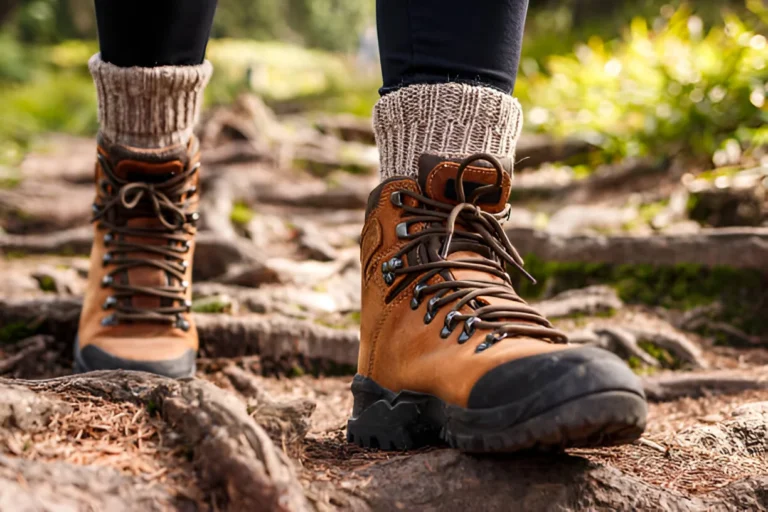
Kilimanjaro Training Mistakes That Reduce Summit Success 2026-2027
Kilimanjaro Training Mistakes that Reduce Summit Success is explained with current 2026-2027 planning, price, itinerary and booking information.
View package details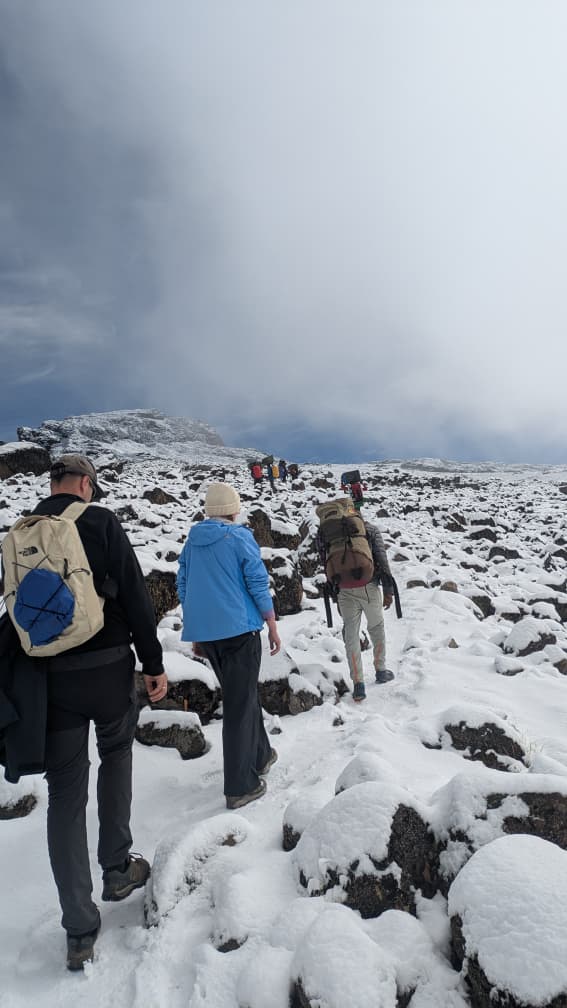
What Is Barafu Camp Like Before Summit Night On Kilimanjaro? 2026-2027
Barafu Camp is the high-altitude staging post on Kilimanjaro, situated just below the summit cone. It's a critical point where climbers rest and prepare for the final ascent to Uhuru Peak...
View package details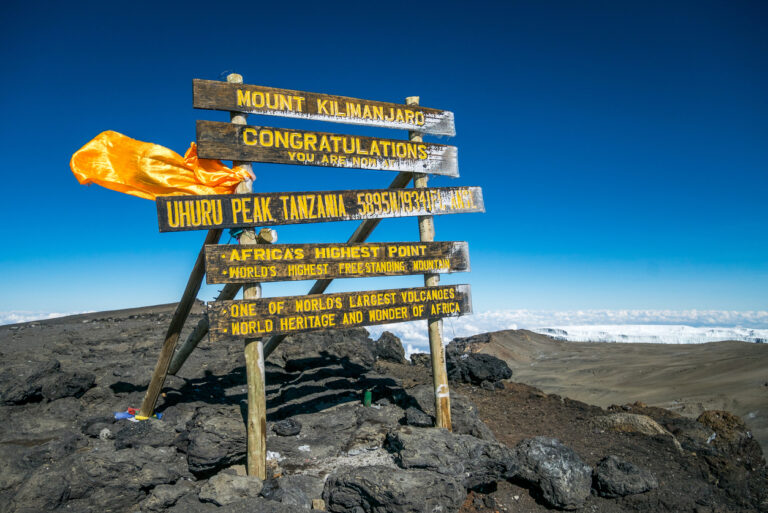
What Happens If You Miss Your Kilimanjaro Departure? Guide
If you miss your scheduled Kilimanjaro departure, your trek may be cancelled, and you could forfeit your deposit and payments. Rebooking is often possible but incurs additional costs and...
View package details
Kilimanjaro Leadership And Team-Building Expedition: Summit Success With Top
Elevate your team's potential on a Kilimanjaro Leadership and Team-Building Expedition. Top Guide Adventures crafts unique climbs designed to foster collaboration, resilience, and strategic...
View package details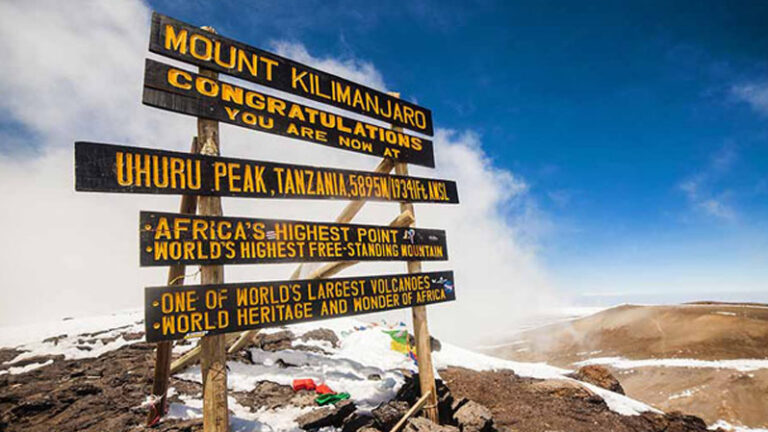
11-Day Kilimanjaro Acclimatization, Summit And Safari Package 2026-2027
11-Day Kilimanjaro Acclimatization, Summit and Safari Package is explained with current 2026-2027 planning, price, itinerary and booking information.
View package detailsKilimanjaro Food And Nutrition Mistakes: Avoid These To Summit Successfully
Proper nutrition is crucial for a successful Kilimanjaro climb. This guide details common food and nutrition mistakes climbers make, offering expert advice on what to eat, when to eat it...
View package details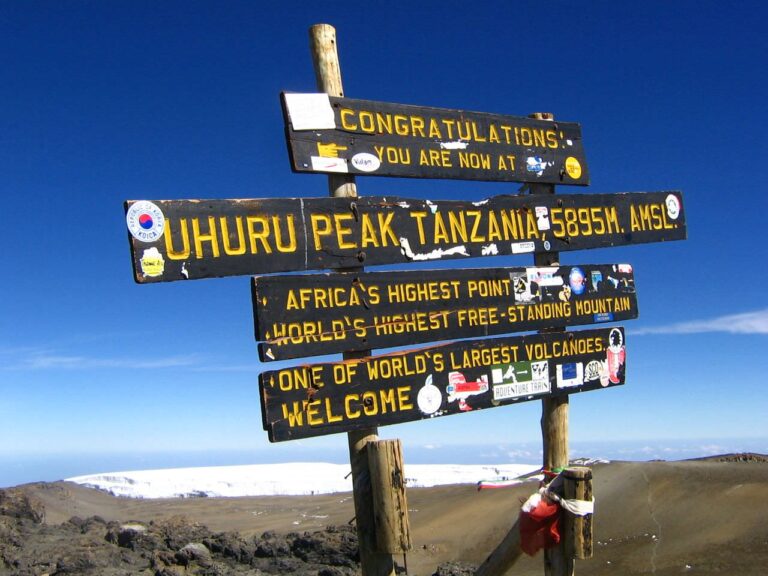
What Does Kilimanjaro Rainforest Look Like? A Trekkers Visual Guide 2026-2027
The Kilimanjaro rainforest is a vibrant, humid zone of dense vegetation, towering trees, and diverse plant life found on the mountain's lower slopes. It's the first major ecosystem trekkers...
View package details
Kilimanjaro Climb With A Personal Support Assistant: Your Ultimate Guide
Climbing Mount Kilimanjaro with a personal support assistant offers unparalleled safety, comfort, and focus on your summit goals. This guide details what a personal assistant entails, its...
View package details
How To Know Whether You Are Ready For Kilimanjaro: A Comprehensive Guide
Climbing Mount Kilimanjaro is a significant undertaking. This guide helps you evaluate your physical, mental, and logistical readiness to ensure a safe and successful trek in 2026 or 2027...
View package detailsKilimanjaro Hydration Mistakes Climbers Make And How To Avoid Them 2026-2027
Proper hydration is critical for a successful Kilimanjaro climb. This guide details common hydration mistakes climbers make, from under-drinking to choosing the wrong fluids, and provides...
View package details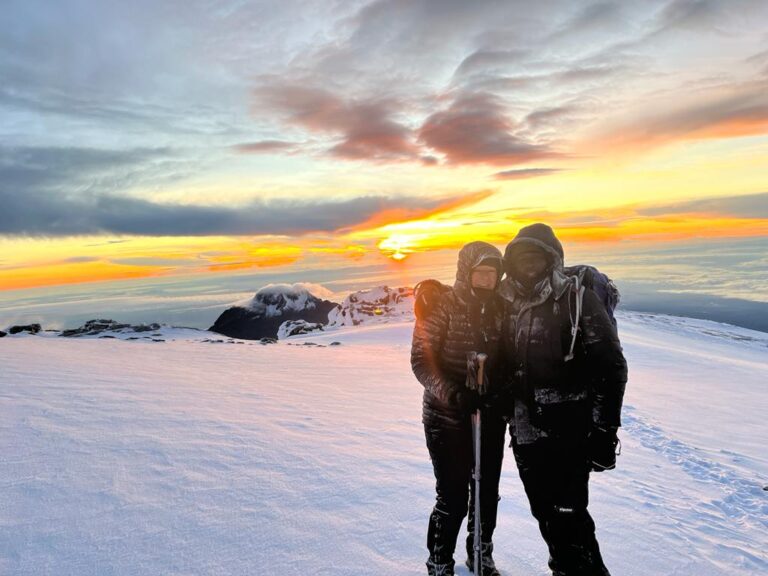
Kilimanjaro Altitude-Sickness Mistakes 2026-2027
Kilimanjaro Altitude-Sickness Mistakes is explained with current 2026-2027 planning, price, itinerary and booking information.
View package detailsNo related package matches those filters. Clear one or more filters to see the other topic-matched options.



