
Kilimanjaro weather and rainfall in May typically signal the transition from the heavy ‘long rains’ season to drier conditions, though lingering showers and cloud cover are still common, especially on lower elevations. Expect cooler temperatures at altitude, with averages ranging from 5-10°C (41-50°F) at the summit zone and 15-20°C (59-68°F) on the lower slopes. While May is not peak climbing season, it can offer fewer crowds and potentially lower prices for treks planned for 2026 or 2027, provided you are prepared for variable weather, including rain, mist, and sunshine.
Understanding Kilimanjaro’s Climate in May
Mount Kilimanjaro, standing at 5,895 meters (19,341 feet), boasts a diverse microclimate that changes dramatically with altitude. Its weather patterns are broadly categorized by distinct wet and dry seasons, influenced by its proximity to the equator and its massive size. May falls squarely within the transitional period between the two major rainy seasons. For trekkers considering a climb in May 2026 or May 2027, understanding these nuances is crucial for preparation and setting realistic expectations.
The “Long Rains” and May’s Transition
Tanzania experiences two main rainy seasons: the “short rains” from November to December and the “long rains” from March to May. May is the final month of this extended period of higher precipitation. This means that while the intensity of rainfall usually begins to decrease significantly as the month progresses, you should still anticipate wet conditions. The lingering moisture contributes to lush vegetation on the lower slopes, which can be beautiful but also means muddier trails. Higher up, precipitation is more likely to fall as snow or sleet. Cloud cover can also be more prevalent, potentially obscuring summit views.
Temperature Variations by Altitude in May
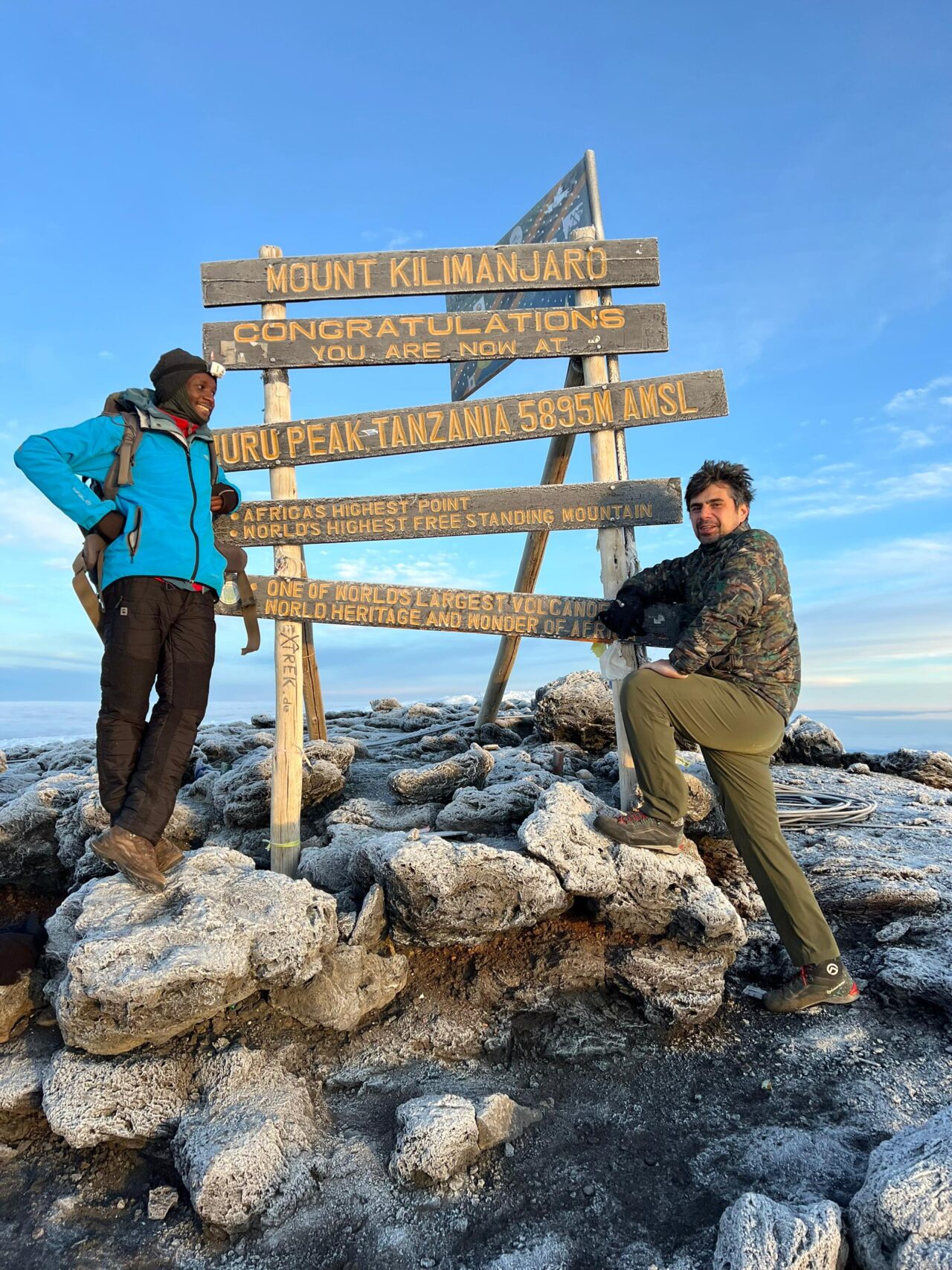
Kilimanjaro’s summit, Uhuru Peak, is perpetually cold. In May, temperatures here can range from approximately -7°C to 2°C (19°F to 36°F). These are the temperatures at night and in the early morning. During the day, especially with exertion, it might feel slightly warmer, but the wind chill factor is significant at these altitudes. As you descend, the temperatures rise considerably:
- Forest Zone (1,800m – 2,800m): Expect daytime temperatures between 15°C to 20°C (59°F to 68°F). Nights can be cooler, around 10°C (50°F).
- Moorland and Alpine Desert Zones (2,800m – 4,500m): Daytime temperatures might hover around 10°C to 15°C (50°F to 59°F), dropping significantly at night to near freezing.
- Arctic Summit Zone (above 4,500m): This is where the extreme cold is felt. Temperatures rarely rise above freezing, with significant wind chill.
Rainfall Patterns in May
While May is still considered part of the rainy season, it is generally wetter at the beginning of the month than at the end. You can expect moderate to significant rainfall, particularly in the afternoons. This can manifest as:
- Showers: Frequent, sometimes heavy, downpours are possible.
- Mist and Fog: Cloud cover is common, especially around the mid-altitudes, which can reduce visibility.
- Snow: Snowfall is possible at higher elevations, particularly above 4,000 meters.
The amount of rainfall varies depending on the specific year and the microclimate of the mountain’s different faces. Some May treks might experience mostly sunny mornings followed by afternoon showers, while others could face several consecutive days of persistent rain. It’s essential to be prepared for all eventualities.
Pros and Cons of Climbing Kilimanjaro in May
Choosing May for your Kilimanjaro adventure in 2026 or 2027 involves weighing the advantages against the disadvantages. Understanding these can help you make an informed decision that aligns with your priorities, whether it’s avoiding crowds, managing costs, or maximizing your chances of a successful summit.
Advantages of a May Climb
- Fewer Crowds: May is generally considered a shoulder month, falling between the peak dry seasons (January-February and June-October). This means fewer climbers on the trails and at the base camps, offering a more serene and personal trekking experience.
- Lush Scenery: The preceding rains result in vibrant, green landscapes, particularly in the lower forest zones. This can make for very picturesque trekking.
- Potentially Lower Costs: Due to lower demand, some tour operators might offer slightly reduced prices for May departures in 2026 or 2027. This is worth inquiring about when getting quotes.
- Good Acclimatization Conditions: While the weather can be challenging, the slower pace on less crowded trails can sometimes aid acclimatization.
Disadvantages of a May Climb
- Rainfall and Mud: The primary concern is the possibility of significant rain, which can lead to muddy, slippery trails, especially on the lower and middle sections of the mountain. This can slow your progress and make trekking more arduous.
- Cloud Cover and Reduced Visibility: Frequent cloud cover can obscure spectacular views, particularly from the summit. Sunrises and expansive panoramas might be less common.
- Colder Temperatures: While temperatures are generally cool, the combination of rain, wind, and cloud can make it feel significantly colder, especially at higher altitudes.
- Summit Success Rates: While not drastically lower than other months, challenging weather conditions can potentially impact summit success rates for some individuals. Proper preparation and a well-chosen operator are key.
Preparing Your Gear for Kilimanjaro in May
Proper gear is paramount for any Kilimanjaro climb, but especially so for May when unpredictable weather is the norm. Your packing list should focus on staying warm, dry, and comfortable. Investing in high-quality, waterproof, and breathable gear is essential. For your 2026 or 2027 May trek, consider the following:
Clothing: Layering is Key
The principle of layering is your best defense against Kilimanjaro’s fluctuating temperatures and weather. Aim for:
- Base Layers: Moisture-wicking thermal tops and bottoms (merino wool or synthetic). Avoid cotton.
- Mid Layers: Fleece jackets or sweaters for insulation.
- Outer Layer (Insulation): A warm down or synthetic insulated jacket for cold evenings and summit night.
- Outer Layer (Shell): Waterproof and windproof jacket and trousers are non-negotiable for May. Ensure they have good breathability (e.g., Gore-Tex).
- Trekking Trousers: Quick-drying, comfortable trekking pants. Consider zip-off options.
- Headwear: A warm fleece hat or beanie that covers your ears, and a sun hat or cap for sunny periods. A balaclava or neck gaiter is also highly recommended for summit night.
- Gloves: Lightweight liner gloves, waterproof outer gloves, and a pair of warm, insulated gloves or mittens.
Footwear: Dry and Comfortable Feet
Your feet are critical to your trek’s success. Ensure they are well-protected and comfortable:
- Hiking Boots: Waterproof, broken-in hiking boots with good ankle support are essential. They should be sturdy enough for rocky and potentially muddy terrain.
- Camp Shoes: Comfortable shoes or sandals for wearing around camp after a day’s trek.
- Socks: Several pairs of warm wool or synthetic hiking socks. Avoid cotton. Liner socks can help prevent blisters.
Other Essential Gear
- Backpack: A comfortable daypack (30-40 liters) for carrying essentials during the day (water, snacks, rain gear, camera). Your main luggage will be carried by porters.
- Duffel Bag: A large, waterproof duffel bag (80-100 liters) for your main gear, which porters will carry.
- Sleeping Bag: A four-season sleeping bag rated to at least -10°C (14°F), ideally -20°C (-4°F), is recommended for May.
- Water Bottles/Hydration Reservoir: Carry at least 3 liters of water. Insulated bottles or reservoirs are good to prevent water from freezing at high altitudes.
- Headlamp: With extra batteries, essential for navigating in the dark, especially on summit night.
- Sun Protection: High SPF sunscreen, sunglasses, and lip balm.
- Personal Items: Toiletries, personal first-aid kit, insect repellent (for lower forest zones), hand sanitizer.
- Trekking Poles: Highly recommended, especially for descents and muddy conditions.
- Waterproof Bags/Dry Sacks: To keep electronics, clothing, and sleeping bags dry inside your duffel bag.
Pack Smart for May
When packing for a May Kilimanjaro climb in 2026 or 2027, prioritize waterproof and quick-drying materials. Don’t underestimate the cold, especially on summit night. Consulting with your tour operator, like Top Guide Adventures, about their specific gear recommendations is always a wise step.
Choosing the Right Route for a May Climb
Kilimanjaro offers several routes, each with its own characteristics regarding difficulty, scenery, and acclimatization profile. For a May trek, some routes might be more advantageous than others due to their exposure to weather or trail conditions. Considering these factors can enhance your experience.
Route Considerations for May
While all routes are generally accessible in May, certain factors might make one preferable:
- Machame Route: Popular for its “climb high, sleep low” acclimatization profile, which is excellent for any time of year. However, it can be steeper and more challenging, potentially more so in muddy conditions common in May.
- Lemosho Route: Offers stunning scenery and good acclimatization. Its longer duration provides more time to adjust to the altitude. May can still present rain, but the varied terrain offers beautiful green landscapes.
- Marangu Route: Known as the “Coca-Cola” route, it’s the only one with hut accommodation. While comfortable, its ascent profile is less ideal for acclimatization, and the huts can feel damp during the rainy season.
- Rongai Route: This route approaches from the north, which is typically drier than the southern side. Therefore, Rongai might offer slightly better weather prospects in May, with potentially less rainfall. It’s also generally less crowded.
- Northern Circuit: The longest route, offering the best acclimatization and stunning views. Its longer duration means more exposure to varied weather, but the gradual ascent is a significant advantage.
For a May 2026 or May 2027 climb, the Rongai Route is often recommended for its drier approach. However, if stunning scenery and excellent acclimatization are top priorities and you are prepared for potential rain, the Lemosho or Northern Circuit routes remain excellent choices. The Machame route is also viable but might be more demanding in wet conditions.
Acclimatization and Route Choice
Regardless of the month, proper acclimatization is the most critical factor for summit success. Longer routes (7-8 days) generally offer better acclimatization than shorter ones (5-6 days). In May, where weather can be unpredictable and energy levels might be taxed by rain, a longer route that allows for a more gradual ascent is highly beneficial. This gives your body more time to adapt to the decreasing oxygen levels at higher altitudes.
Route Selection for May Treks
When planning your Kilimanjaro climb for May 2026 or 2027, consider the Rongai Route for potentially drier conditions, or opt for longer routes like the Lemosho or Northern Circuit for superior acclimatization, accepting that rain is possible. Discuss route options with your operator to find the best fit for your experience and risk tolerance regarding weather.
Daily Weather Expectations on the Mountain in May
Kilimanjaro’s weather is a dynamic entity, and May is no exception. While general patterns exist, each day’s conditions can vary significantly. Understanding what to expect on a typical day can help you prepare mentally and physically.
The Forest Zone (Day 1-2)
The initial days are spent trekking through the montane forest. In May, this zone is often lush and green, but trails can be very muddy and slippery. Expect frequent rain showers, mist, and high humidity. Temperatures are relatively mild, typically between 15-20°C during the day. Visibility can be poor due to fog, but the forest itself is beautiful. Waterproof gear is essential from the moment you start.
The Moorland Zone (Day 2-4)
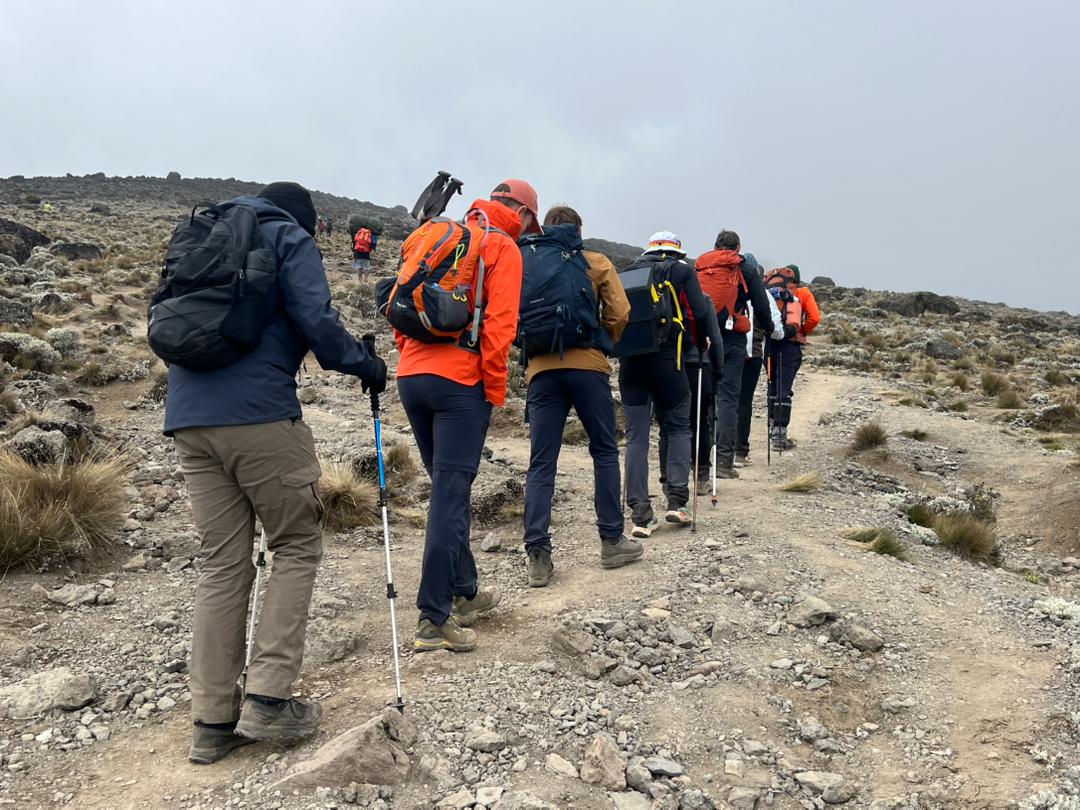
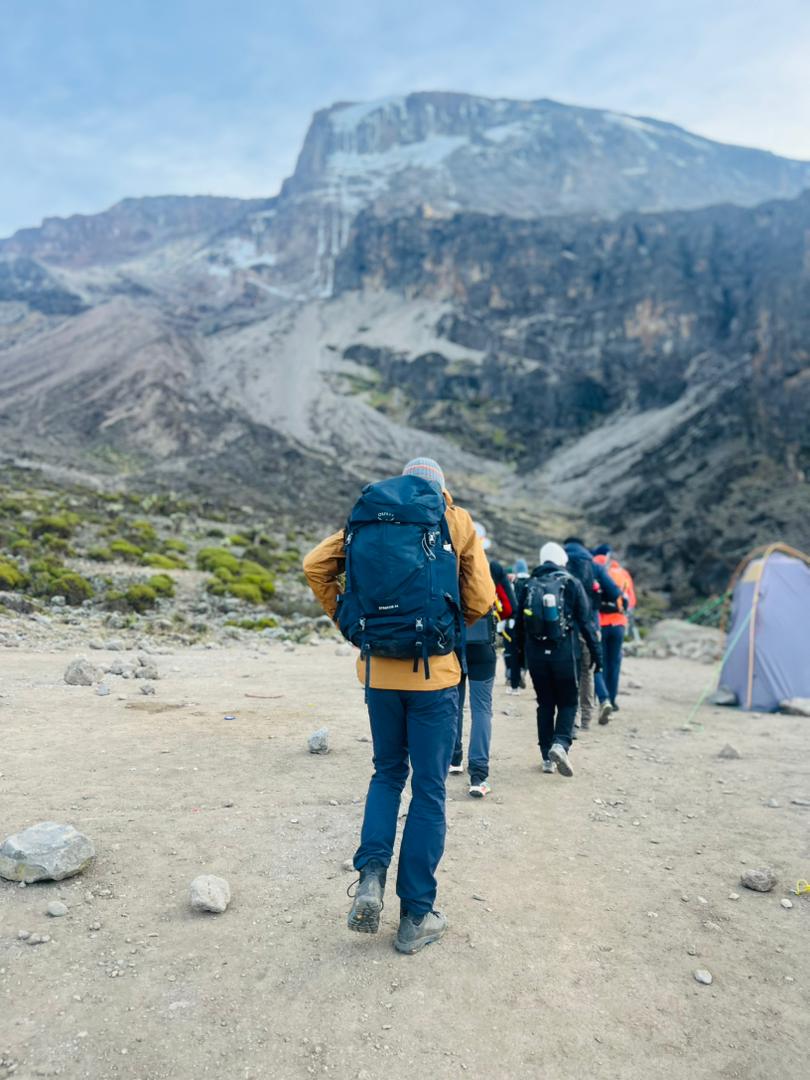
As you ascend into the moorland, the vegetation changes, and the terrain becomes more open and exposed. May can bring intermittent rain, wind, and cooler temperatures, often dropping below 10°C. Mornings might start clear, but clouds can quickly roll in, bringing rain or mist. The trails can remain muddy, and the wind can be a significant factor, making it feel colder.
The Alpine Desert Zone (Day 4-6)
This is a harsh, arid environment resembling a desert. While precipitation is generally less than in the lower zones, May can still see rain, sleet, or even light snow. Temperatures drop significantly, especially at night, often falling below freezing. Days can be sunny but windy and cold. Visibility can be good on clear days, offering dramatic landscapes, but clouds can quickly obscure the views.
The Arctic Summit Zone (Summit Night/Day)
Summit night is the most challenging part of the climb, and in May, it can be particularly demanding. You will likely encounter sub-zero temperatures, strong winds, and potentially snow or ice. The combination of extreme cold, altitude, and darkness requires robust gear and a determined spirit. Visibility from the summit can be excellent if the weather clears, offering a stunning sunrise over the clouds. However, persistent cloud cover or storms can significantly impact the experience and, in rare cases, lead to route closures for safety.
Daily Trekking in May
Be prepared for daily rain showers, mud, and wind throughout your May 2026 or 2027 Kilimanjaro climb. While summit night is always cold and challenging, the lower and mid-altitudes in May require specific attention to waterproof and warm clothing due to lingering wet conditions.
What to Expect from Rainfall in May
May is characterized by the tail end of Kilimanjaro’s main rainy season. While it’s not typically as wet as April, rainfall is still a significant factor to consider for any trek planned during this month.
Rainfall Intensity and Distribution
Rainfall in May is generally moderate to heavy. It often occurs in the afternoons and evenings, following potentially clearer mornings. The southern and eastern slopes of Kilimanjaro tend to receive more rainfall than the northern (Rongai) side. The forest and moorland zones experience the most significant precipitation, with rain often turning to sleet or snow at higher altitudes.
Impact on Trails
The most noticeable impact of May’s rainfall is on the trails. Expect:
- Mud and Slippery Conditions: Trails, especially in the forest and moorland, can become very muddy and slippery. This requires careful footing and can slow down your progress.
- River Crossings: Some routes involve stream or river crossings, which can be more challenging and water levels higher in May.
- Erosion: Heavy rains can contribute to trail erosion, though park authorities work to maintain them.
Water Sources
The increased rainfall means that water sources on the mountain are generally plentiful. However, all water consumed by trekkers must be purified (boiled, filtered, or treated with purification tablets) regardless of the season, as contamination is always a risk.
Average Rainfall Data (Illustrative)
While exact figures vary annually, May typically sees substantial rainfall. For context, compare it to drier months:
| Month | Average Rainfall (mm) – Lower Slopes |
| January | 30 |
| February | 40 |
| March | 180 |
| April | 200 |
| May | 150 |
| June | 30 |
| July | 20 |
| August | 20 |
| September | 40 |
| October | 80 |
| November | 120 |
| December | 100 |
Note: These are approximate averages and can vary significantly year to year. Higher altitudes receive different precipitation patterns (snow/sleet).
Prepare for Rain in May
Even though May marks a decrease from the peak rainy season, expect significant rainfall, muddy trails, and potential for mist. Your waterproof gear is your most important asset for a comfortable Kilimanjaro climb in May 2026 or 2027.
Maximizing Your Chances of Summit Success in May
Reaching the summit of Kilimanjaro is a significant achievement, and while weather in May can present challenges, it doesn’t preclude success. With careful planning, the right operator, and personal preparation, you can greatly increase your odds.
1. Choose a Reputable and Experienced Tour Operator
This is arguably the most critical factor. A good operator ensures:
- Quality Equipment: Providing sturdy tents, well-maintained gear, and ensuring porters have adequate equipment.
- Experienced Guides: Guides who are trained in first aid, acclimatization management, and emergency procedures. They can make crucial decisions regarding your safety and pace.
- Proper Itinerary: Offering routes and durations that prioritize acclimatization, especially important during potentially challenging weather months.
- Nutritious Food: Well-prepared meals to keep your energy levels up.
Top Guide Adventures, for example, has extensive experience guiding climbers on Kilimanjaro throughout the year. Their commitment to safety, quality, and client care makes them a reliable choice for a May 2026 or 2027 expedition.
2. Prioritize Acclimatization
Ascend slowly and steadily. Listen to your guides; they will advise on pace and when to rest. A longer itinerary (7-8 days) is highly recommended for May to allow your body ample time to adjust to the altitude. Avoid pushing yourself too hard, especially in the initial days when conditions can be demanding.
3. Stay Hydrated and Nourished
Drink plenty of fluids (3-4 liters per day) – water, herbal teas, or electrolyte drinks. This helps combat altitude sickness. Eat well at every meal, even if your appetite is reduced due to altitude. High-carbohydrate meals are recommended.
4. Maintain a Positive Mental Attitude
Kilimanjaro is as much a mental challenge as a physical one. Weather in May can be tough, but a positive outlook, focusing on the journey and the incredible landscapes, can make a huge difference. Celebrate small victories along the way.
5. Be Prepared for Summit Night
Summit night is the culmination of your trek. Start well-rested, well-fed, and well-hydrated. Dress in all your warm layers. Your guide will set a slow, steady pace. Take it one step at a time.
Summit Success Tips for May Climbers
For your May 2026 or 2027 Kilimanjaro climb, focus on choosing an experienced operator, prioritizing acclimatization with a longer itinerary, staying hydrated, and maintaining a strong mental attitude. These factors are crucial for overcoming the potential challenges of May’s weather and reaching Uhuru Peak.
What to Pack for Kilimanjaro in May: A Detailed Checklist
A comprehensive packing list is essential for comfort and safety during a May Kilimanjaro trek. Below is a detailed checklist, emphasizing items particularly important for the variable weather conditions of this month.
Clothing Checklist
- Base Layers: 2-3 sets of thermal tops and bottoms (merino wool or synthetic).
- Mid Layers: 2 fleece jackets or sweaters.
- Insulation Layer: 1 heavy down or synthetic insulated jacket (puffy jacket).
- Outer Shell: 1 high-quality waterproof and windproof jacket (e.g., Gore-Tex) with a hood.
- Outer Shell: 1 pair of waterproof and windproof trousers.
- Trekking Trousers: 2-3 pairs of quick-drying, comfortable trekking pants.
- Hiking Shirts: 3-4 moisture-wicking short-sleeved and long-sleeved shirts.
- Underwear: Moisture-wicking underwear.
- Warm Hat: 1 fleece or wool hat that covers the ears.
- Sun Hat: 1 wide-brimmed hat or cap for sun protection.
- Balaclava/Neck Gaiter: 1 warm neck gaiter or balaclava for face protection against wind and cold.
- Gloves: 1 pair of liner gloves, 1 pair of waterproof outer gloves, and 1 pair of warm insulated gloves or mittens.
Footwear Checklist
- Hiking Boots: 1 pair of sturdy, waterproof, broken-in hiking boots with ankle support.
- Camp Shoes: 1 pair of comfortable shoes, trainers, or sandals for camp.
- Hiking Socks: 5-7 pairs of warm wool or synthetic hiking socks.
- Liner Socks: 2-3 pairs to help prevent blisters.
Equipment Checklist
- Backpack: 1 comfortable daypack (30-40 liters) with a rain cover.
- Duffel Bag: 1 large (80-100 liters), waterproof duffel bag for porters.
- Sleeping Bag: 1 four-season sleeping bag (rated to -10°C to -20°C / 14°F to -4°F).
- Sleeping Bag Liner: Optional, adds warmth and keeps the bag clean.
- Water Bottles/Reservoir: Capacity for at least 3 liters. Insulated options are recommended.
- Headlamp: With extra batteries.
- Trekking Poles: Highly recommended.
- Sunglasses: High UV protection.
- Sunscreen: SPF 30 or higher.
- Lip Balm: With SPF.
- Personal First-Aid Kit: Include blister treatment, pain relievers, any personal medications.
- Toiletries: Biodegradable soap, toothbrush, toothpaste, wet wipes, hand sanitizer.
- Quick-Dry Towel: Small and lightweight.
- Camera: With extra batteries and memory cards.
- Power Bank/Portable Charger: For electronic devices.
- Dry Bags/Waterproof Pouches: For electronics, documents, and valuables.
- Snacks: High-energy snacks (energy bars, nuts, dried fruit).
Documents and Money
- Passport
- Visa (if applicable)
- Flight tickets
- Travel insurance details
- Yellow fever vaccination certificate (if required)
- Cash (USD is widely accepted for tips and incidentals)
May Kilimanjaro Packing Essentials
For your May 2026 or 2027 Kilimanjaro climb, prioritize waterproof outer layers, warm insulation, and sturdy, waterproof footwear. Don’t forget essentials like a 4-season sleeping bag, headlamp, and trekking poles. Proper preparation ensures comfort and safety regardless of the weather.
Travel Insurance for a May Kilimanjaro Climb
Adequate travel insurance is not just recommended; it’s a necessity for any Kilimanjaro climb, especially during a month like May when weather can be unpredictable and the risk of needing medical evacuation is present. Ensure your policy covers:
- High Altitude Trekking: Specifically cover trekking up to 6,000 meters.
- Medical Evacuation: This is crucial. Ensure it covers helicopter evacuation from remote areas, which can be extremely expensive if not covered.
- Medical Expenses: Cover for treatment of altitude sickness, injuries, or other medical emergencies.
- Trip Cancellation/Interruption: Protects your investment if you have to cancel or cut short your trip due to unforeseen circumstances (illness, family emergency).
- Lost or Delayed Baggage: Useful for ensuring your essential gear arrives on time.
Always read the fine print carefully to understand exclusions and coverage limits. For a May 2026 or May 2027 climb, confirm that the policy is valid for the entire duration of your trip and covers all planned activities.
Health and Safety Considerations for May Climbers
Climbing Kilimanjaro involves inherent risks, primarily related to altitude. May’s weather adds another layer of consideration.
Altitude Sickness (Acute Mountain Sickness – AMS)
AMS is the most common altitude-related illness. Symptoms include headache, nausea, dizziness, and fatigue. The best prevention is slow ascent and proper acclimatization. If symptoms worsen, descend immediately. Your guide is trained to recognize and manage AMS.
Hypothermia
With potential rain, wind, and cold temperatures in May, hypothermia is a real risk, especially on summit night. Staying dry and warm through effective layering is key. Recognize the early signs (shivering, confusion, drowsiness) and communicate them to your guide.
Injuries
Muddy and slippery trails in May increase the risk of slips, trips, and falls. Using trekking poles can help with stability. Ensure your hiking boots provide good ankle support.
Vaccinations and Medications
Consult your doctor or a travel clinic well in advance of your trip for recommended vaccinations (e.g., Hepatitis A, Typhoid, Yellow Fever) and malaria prophylaxis, especially for the lower altitudes. Discuss Diamox (acetazolamide) for altitude sickness prevention if appropriate.
Health and Safety First
For your May 2026 or 2027 Kilimanjaro adventure, prioritize health and safety by ensuring you have comprehensive travel insurance, understanding altitude sickness symptoms, and dressing appropriately to prevent hypothermia. Always follow your guide’s instructions.
Booking Your May Kilimanjaro Climb in 2026-2027
Planning your Kilimanjaro climb well in advance is recommended, especially if you have specific dates in mind for May 2026 or May 2027. Booking with a reputable company like Top Guide Adventures ensures a well-organized and safe expedition.
Why Book with Top Guide Adventures?
Top Guide Adventures is a leading Tanzanian tour operator known for:
- Local Expertise: Deep understanding of Kilimanjaro and Tanzania’s unique travel landscape.
- Safety Focus: Highly trained guides and commitment to client well-being.
- Quality Service: Personalized attention, excellent support, and value for money.
- Flexible Options: Offering various routes, durations, and tailor-made itineraries.
The Booking Process
To inquire about or book your Kilimanjaro climb for May 2026 or May 2027:
- Contact Us: Reach out via WhatsApp at +255616946642 or email at topguideadventures@gmail.com (backup email: info@topguideadventures.com).
- Consultation: Discuss your preferred dates, route, group size, and any special requirements.
- Quotation: Receive a detailed itinerary and quotation based on your preferences.
- Deposit and Confirmation: Secure your booking with a deposit.
- Pre-Trip Information: Receive comprehensive pre-departure information to help you prepare.
What’s Typically Included
A standard Kilimanjaro climb package with Top Guide Adventures usually includes:
- Park entrance fees, camping/hut fees, and rescue fees.
- All meals on the mountain.
- Accommodation in tents (or huts on Marangu).
- Experienced, licensed mountain guides.
- Assistant guides, porters, and cook.
- Campsite/hut equipment (tents, sleeping mats).
- Portable toilet (on most routes).
- Bottled water for the first day, then purified water.
- Transfer to/from the mountain gate and Moshi/Arusha.
What’s Typically Excluded
- Flights to Kilimanjaro International Airport (JRO).
- Visa fees.
- Travel and medical insurance.
- Personal gear (sleeping bag, clothing, boots, etc.).
- Tips for guides, porters, and cook (a significant part of their income).
- Soft drinks, alcoholic beverages, and personal expenses.
- Optional summit climb insurance (if required by your policy).
Plan Your May 2026-2027 Climb
Booking your Kilimanjaro adventure for May 2026 or May 2027 is straightforward. Contact Top Guide Adventures today for a personalized quote and expert advice. Secure your spot for a memorable climb with experienced professionals who prioritize your safety and enjoyment.
Conclusion: Is May a Good Month to Climb Kilimanjaro?
May presents a unique window for climbing Kilimanjaro. While it falls within the end of the ‘long rains,’ meaning you must be prepared for rain, mud, and cloud cover, it also offers significant advantages. The trails are less crowded, the landscapes are vibrantly green, and there’s potential for slightly more budget-friendly options. For trekkers who are well-prepared with appropriate waterproof gear, choose a longer route for better acclimatization, and partner with an experienced operator like Top Guide Adventures, a May 2026 or May 2027 climb can be incredibly rewarding. The key is to manage expectations regarding the weather and focus on thorough preparation. With the right approach, you can still achieve your dream of standing on the roof of Africa.
For personalized planning and expert guidance on your Kilimanjaro expedition, reach out to us via WhatsApp +255616946642 or email topguideadventures@gmail.com / info@topguideadventures.com. Let’s make your 2026-2027 Kilimanjaro adventure a reality!
Check Availability for Kilimanjaro Weather And Rainfall In May : Your Ultimate Guide 2026-2027
Ready to compare dates, prices, and the best option for your group? Send the package name and travel month so the team can reply with a clear quote, availability, and what is included.

November Kilimanjaro Summit Night Weather: What To Expect And How To Prepare
Climbing Kilimanjaro in November? This guide details the summit night weather, including temperature ranges, wind chill, precipitation chances, and crucial preparation tips for a successful...
View package details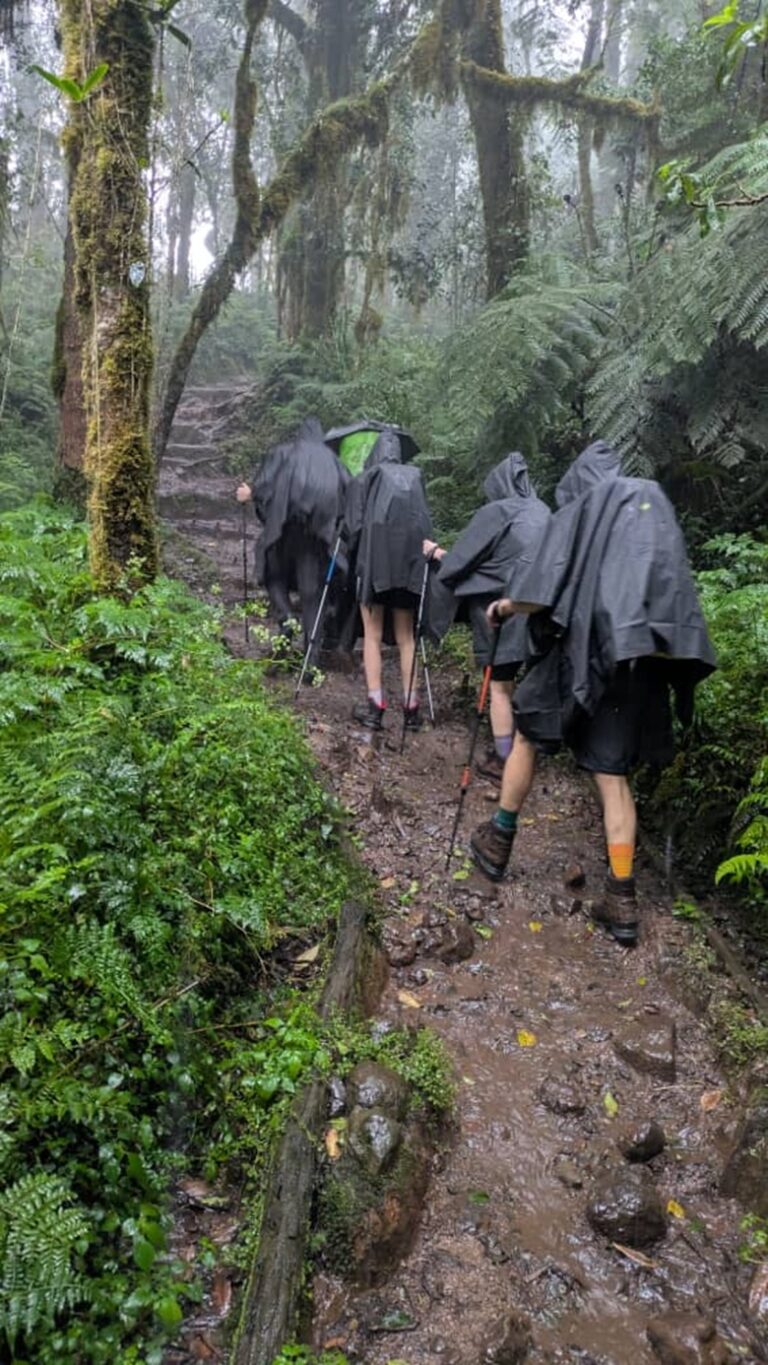
What To Pack For Kilimanjaro In May : Your Essential Gear Guide 2026-2027
Packing for Kilimanjaro in May requires careful consideration of its transitional weather. This guide covers everything you need, from base layers to waterproofs, ensuring a comfortable and...
View package details
May Kilimanjaro Climb For Solo Travellers: Your Expert Guide 2026-2027
Discover everything solo travellers need to know about climbing Kilimanjaro in May. This guide covers route selection, essential gear, training, safety, and typical costs for 2026-2027.
View package details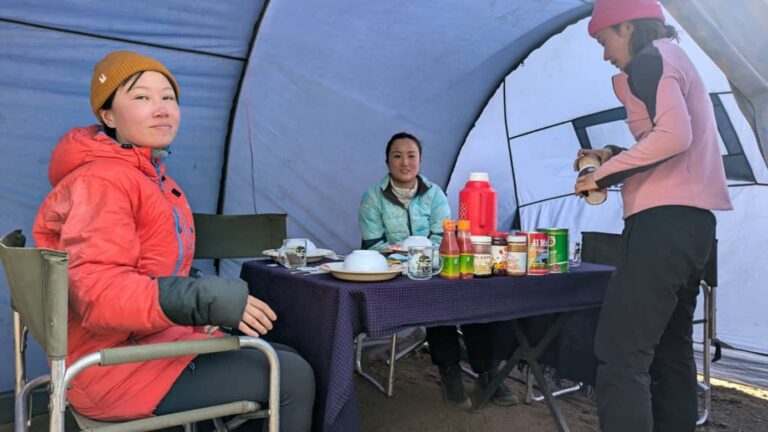
7-Day Rongai Route Kilimanjaro Climb In May: Your Ultimate Guide 2026-2027
Your comprehensive guide to conquering Kilimanjaro via the Rongai Route in May over 7 days. Learn about the itinerary, what to pack, acclimatization, and why May is a great month for this...
View package details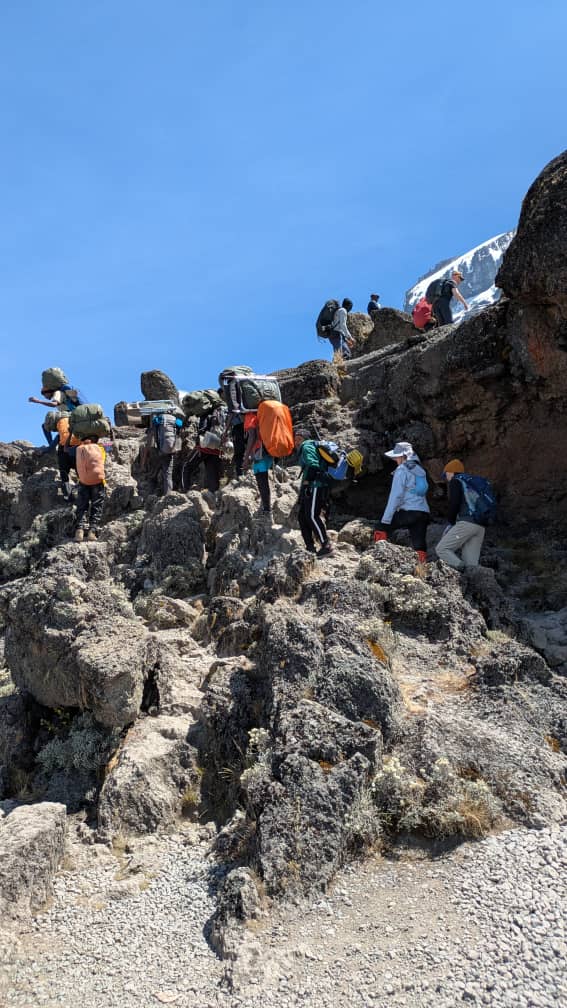
Best Kilimanjaro Route For A May Summit In : Your Expert Guide 2026-2027
Planning a Kilimanjaro climb in May? This guide details the best routes for a successful summit, considering weather patterns, acclimatization, and scenery for your 2026-2027 adventure.
View package details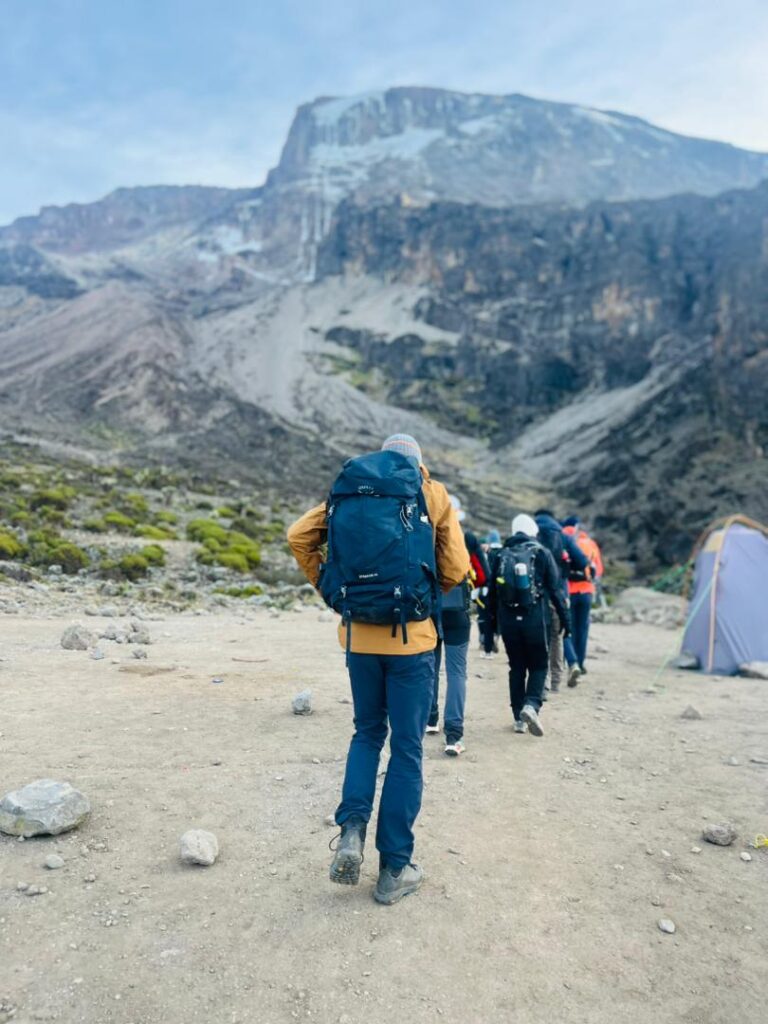
7-Day Rongai Route Kilimanjaro Climb In April: Your Expert Guide For 2026-2027
The 7-Day Rongai Route offers a unique and often drier approach to climbing Kilimanjaro, especially beneficial in April. This guide provides an in-depth look at the itinerary, essential...
View package details
March Kilimanjaro Climb For Couples: Your Ultimate Guide 2026-2027
Planning a Kilimanjaro climb for couples in March? This guide covers everything from ideal routes and weather conditions to essential packing advice and booking considerations for your...
View package detailsDecember Kilimanjaro Last-Minute Holiday Deals For Climbs 2026-2027
Planning a Kilimanjaro climb in December 2026 or 2027? Discover last-minute holiday deals, essential tips for winter ascents, and how Top Guide Adventures can make your dream a reality.
View package details
December Kilimanjaro Climb For Solo Travellers 2026-2027
December Kilimanjaro Climb for Solo Travellers is explained with current 2026-2027 planning, price, itinerary and booking information.
View package details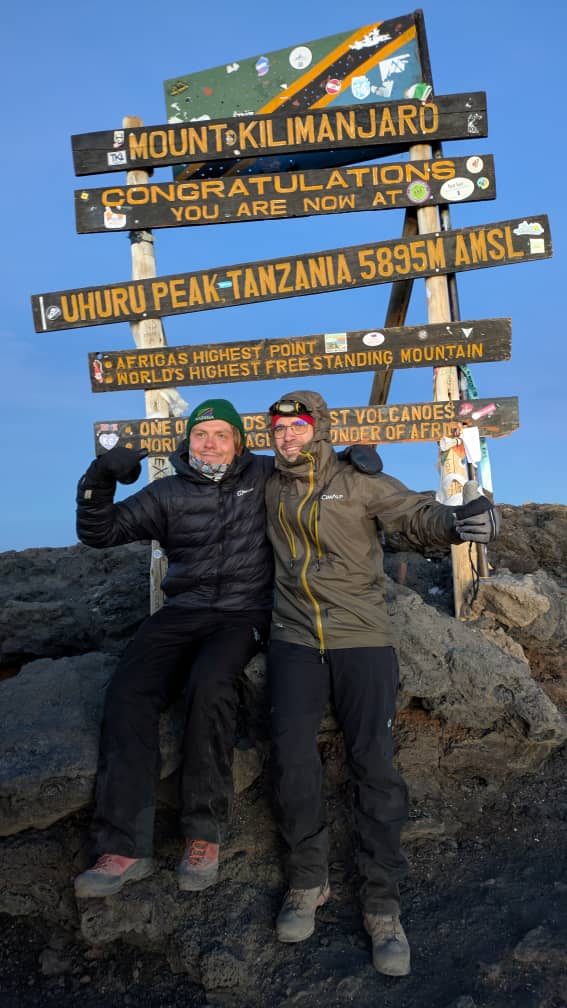
December Kilimanjaro Luxury Festive Expedition: Your Ultimate Guide 2026-2027
Experience a special December Kilimanjaro Luxury Festive Expedition in 2026-2027. This guide covers everything from route selection and peak weather to luxury accommodations and festive...
View package details
December Kilimanjaro Trail Crowd Levels 2026-2027
December Kilimanjaro Trail Crowd Levels is explained with current 2026-2027 planning, price, itinerary and booking information.
View package details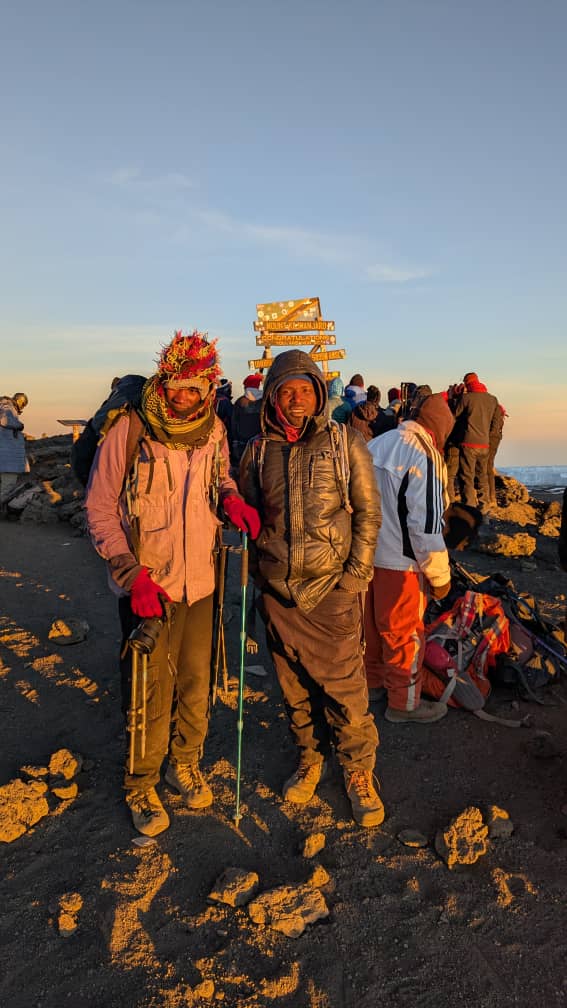
December Kilimanjaro Packing Checklist: Essential Gear For Climbs 2026-2027
Prepare for your December Kilimanjaro climb with our comprehensive packing checklist. This guide covers essential gear, clothing, and tips for conquering Africa's highest peak in the dry...
View package detailsNo related package matches those filters. Clear one or more filters to see the other topic-matched options.



