
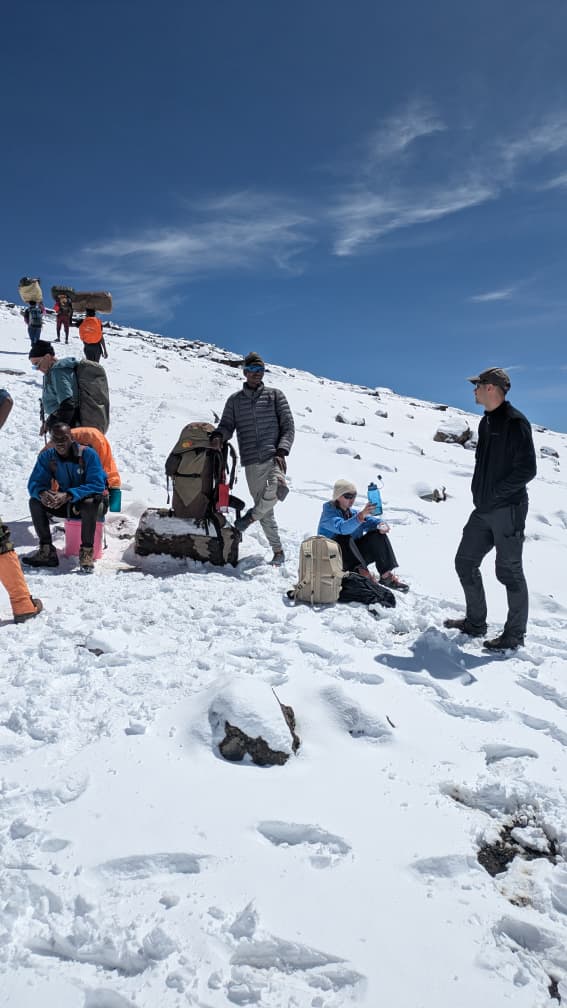
Climbing Kilimanjaro in late March offers a mixed bag of weather, typically marking the tail end of the long rainy season. You can expect lingering showers, particularly in the lower altitudes, interspersed with periods of clear skies and sunshine. Temperatures will be cooler than in the dry seasons, especially at higher elevations, and visibility can vary. Despite the potential for rain, late March can be a less crowded time to climb, offering a more serene experience, with opportunities for dramatic, mist-filled landscapes. Proper preparation, including appropriate gear for wet and cold conditions, is crucial for a successful late March Kilimanjaro climb in 2026 and 2027.

Understanding Kilimanjaro’s Climate in Late March
Kilimanjaro, standing tall at 5,895 meters (19,341 feet), is a mountain of microclimates. Its weather is not monolithic; it shifts dramatically with altitude and time of year. Late March falls within what is generally considered Kilimanjaro’s long rainy season, which typically spans from March to May. However, the “long rains” don’t mean continuous downpours. Instead, they characterize a period of increased precipitation, often in the form of afternoon showers or thunderstorms, which can clear up to reveal stunning skies.
For those considering a late March Kilimanjaro climb, understanding these nuances is key to preparation and managing expectations. While it’s not peak trekking season due to the weather, it can offer a more solitary experience on the mountain, away from the larger crowds of the dry seasons (June-October and December-February). The landscapes can be incredibly lush and vibrant due to the recent rains, offering a different kind of beauty.
The Transition from Rainy Season
Late March represents a transition. The peak of the long rains usually occurs in April. As March progresses, there’s a gradual decrease in rainfall intensity and frequency, though the mountain remains moist. This means that while you should prepare for rain, there’s also a good chance of experiencing drier spells, especially during the mornings. The key is to be ready for anything.
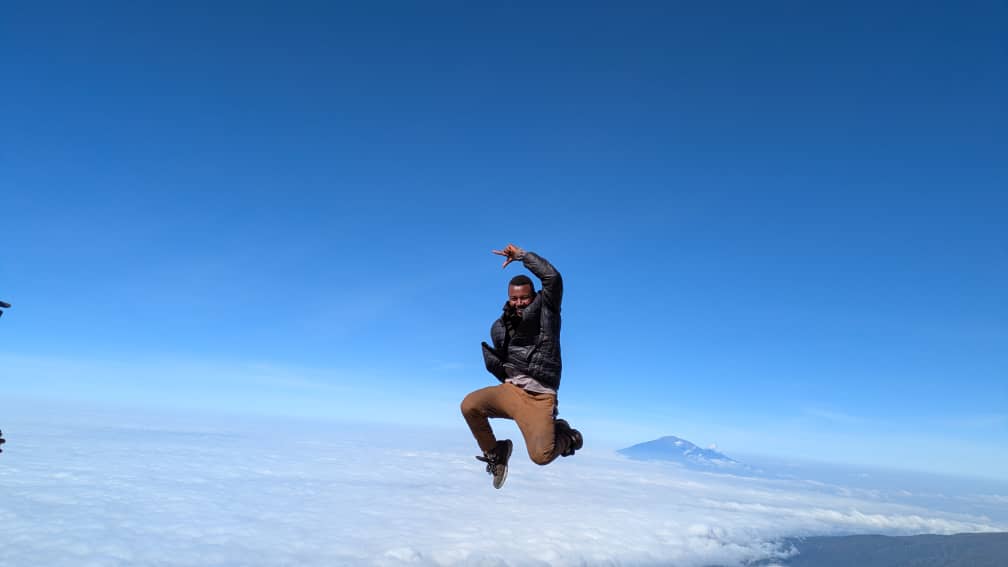
Visibility can be a significant factor. While clear days are possible, you might encounter fog, mist, and clouds, particularly on the lower slopes and in the rainforest zone. Higher up, above the clouds, the views can be spectacular, but the journey through the cloud layers adds to the challenge and the experience. For a late March Kilimanjaro climb, embracing the dramatic weather can enhance the adventure.
Temperature Ranges for Late March
Temperatures on Kilimanjaro vary drastically with altitude. In late March:
- Base Camp (e.g., Marangu Gate): Expect daytime temperatures around 20-25°C (68-77°F). Nights can be cooler, dropping to 10-15°C (50-59°F).
- Rainforest Zone (e.g., Mandara Huts): Daytime temperatures might be 15-20°C (59-68°F), with nights falling to 5-10°C (41-50°F).
- Moorland Zone (e.g., Horombo Huts): Daytime can be around 5-15°C (41-59°F), but nights will be cold, often near freezing point, 0-5°C (32-41°F).
- Alpine Desert Zone (e.g., Kibo Huts): Daytime temperatures are likely between 0-10°C (32-50°F).
- Summit (Uhuru Peak): Temperatures at night and during summit attempts can range from -5°C to -15°C (23°F to 5°F), potentially dropping lower with wind chill.
The precipitation can make it feel colder, so layering and waterproof gear are essential for your late March Kilimanjaro climb.
Choosing the Right Route for a Late March Climb
While most routes remain open year-round, some are better suited for the variable conditions of late March. Route selection impacts acclimatization, scenery, and crowd levels. For a late March Kilimanjaro climb, consider routes that offer a good balance of acclimatization and scenery, while also being less affected by potential heavy rains.
Recommended Routes
Machame Route: Often called the “Whiskey Route,” Machame is popular for its scenic beauty and excellent acclimatization profile. Its “climb high, sleep low” strategy is beneficial. In late March, it can be muddy in the lower sections, but its popularity means well-trodden paths. It’s a 6-day or 7-day trek.
Lemosho Route: This route is known for its stunning scenery, starting in the west and crossing the Shira plateau. It offers great acclimatization and is generally less crowded than Machame, especially in the initial days. The longer duration (7-8 days) aids acclimatization, which is beneficial when dealing with unpredictable weather.
Marangu Route: Also known as the “Coca-Cola Route,” this is the oldest and most established route. It’s the only route that offers dormitory-style accommodation in huts. While it’s the shortest (5-day option), it has a poorer acclimatization profile and can be quite busy. The huts offer shelter from rain, which is a plus for a late March Kilimanjaro climb, but the faster ascent might not be ideal for everyone.
Routes to Consider with Caution
Northern Circuit: This is the longest route, offering the best acclimatization and the highest success rates. It circumnavigates the mountain, providing diverse views. While excellent for acclimatization, its longer duration means more exposure to potential rain, but the varied scenery might compensate. It is generally less crowded.
Rongai Route: This route approaches from the north, making it drier than routes on the southern side. It’s a good option if you’re concerned about rain. It’s typically a 6 or 7-day trek. However, in late March, the southern side may already be starting to see improvements, while the north might still be affected by the tail end of the rainy season. It’s generally less scenic than Lemosho or Machame.
Umbwe Route: This is the most direct and steepest route, offering the least acclimatization and highest difficulty. It’s generally not recommended for beginners, and especially not for a late March Kilimanjaro climb due to its challenging nature in potentially wet and slippery conditions.
For 2026 and 2027 bookings, we recommend routes like Machame or Lemosho for their balance of acclimatization and scenery, provided you are prepared for the possibility of rain. Discussing your preferences with a reputable tour operator like Top Guide Adventures is crucial for selecting the best route for your late March trek.
Preparing Your Gear for a Late March Kilimanjaro Climb
The variable weather in late March means packing smart is paramount. You need to be prepared for everything from sunshine and mild temperatures to cold, wind, and heavy rain. Layering is the most effective strategy. Think in terms of base, mid, and outer layers.
Essential Clothing Layers
- Base Layers: Moisture-wicking thermal underwear (long johns and long-sleeved tops). Merino wool or synthetic fabrics are best. Avoid cotton.
- Mid Layers: Fleece jackets or sweaters provide insulation. You might need two different weights for varying conditions.
- Outer Layer (Shell): A waterproof and windproof jacket and trousers are non-negotiable. Gore-Tex or similar breathable, waterproof materials are ideal. This is your primary defense against the rain common in late March.
Footwear
- Hiking Boots: Waterproof, sturdy, well-broken-in hiking boots with good ankle support are essential. You’ll be trekking through potentially muddy and slippery terrain.
- Camp Shoes/Sandals: Lightweight and comfortable for around camp.
- Socks: Several pairs of warm, moisture-wicking hiking socks (wool or synthetic). Liner socks can help prevent blisters.
Headwear and Handwear
- Warm Hat: A fleece or wool hat that covers your ears.
- Sun Hat: A wide-brimmed hat for sun protection during clearer parts of the day.
- Gloves: A pair of warm, waterproof outer gloves and a thinner pair of liner gloves. You’ll need good dexterity for summit night.
- Buff/Neck Gaiter: Versatile for warmth and sun protection.
Other Essential Gear
- Backpack: A comfortable daypack (30-40 liters) for essentials you need during the day’s trek. A larger duffel bag (80-100 liters) for your main gear, carried by porters.
- Sleeping Bag: A 4-season sleeping bag rated to at least -15°C (5°F) is recommended for the cold nights, especially in the higher camps.
- Water Bottles/Hydration Reservoir: At least 2-3 liters capacity. Insulated covers are useful to prevent water from freezing on summit night.
- Headlamp: With extra batteries. Essential for early morning starts and summit night.
- Sunglasses: High UV protection.
- Sunscreen and Lip Balm: High SPF, even on cloudy days.
- Personal First-Aid Kit: Including blister treatment, pain relievers, and any personal medications.
- Trekking Poles: Highly recommended for stability on descents and ascents, especially on wet or slippery trails.
- Toiletries: Biodegradable soap, toothbrush, toothpaste, wet wipes, hand sanitizer.
- Camera and Power Bank: For capturing the incredible scenery.
- Waterproof Bags/Dry Bags: To protect electronics and essential items from moisture.
Top Guide Adventures provides a comprehensive packing list to all clients booking a late March Kilimanjaro climb. It’s vital to invest in good quality, waterproof gear. For 2026 and 2027 expeditions, ensure your gear is up-to-date and suitable for variable mountain conditions.
Acclimatization Strategies for Late March Treks
Altitude sickness (Acute Mountain Sickness – AMS) is a serious concern on Kilimanjaro, regardless of the season. However, in late March, the potential for fatigue due to trekking in wet conditions could make climbers more susceptible. Proper acclimatization is your best defense.
The Golden Rule: Pole Pole
This Swahili phrase means “slowly, slowly.” It’s the most crucial advice for ascending Kilimanjaro. Ascend at a pace that allows your body to adapt to the decreasing oxygen levels. Rushing increases the risk of AMS. Your guides will enforce this, but it’s important to understand and embrace it from the start of your late March Kilimanjaro climb.
Choose a Longer Route
As mentioned, longer routes like Lemosho (7-8 days) or the Northern Circuit (9-10 days) offer better acclimatization profiles than shorter routes like Marangu (5 days) or Machame (6 days). The extra days allow your body to adjust more gradually to the increasing altitude, significantly reducing the risk of AMS. For a late March Kilimanjaro climb in 2026 or 2027, prioritizing a longer itinerary is a wise decision.
Hydration and Nutrition
Drink plenty of fluids throughout the day – water, herbal teas, or rehydration salts. Aim for 3-4 liters per day. Avoid alcohol and caffeine, as they can contribute to dehydration. Eat well, even if your appetite is reduced by the altitude. High-carbohydrate meals are recommended. Your guides will ensure you have nutritious meals prepared.
Listen to Your Body and Your Guides
Pay close attention to any symptoms of AMS, such as headache, nausea, dizziness, or fatigue. Communicate any discomfort immediately to your guide. They are trained to recognize the signs and can advise on the best course of action, which may include descending if symptoms worsen. Never ascend further if you are experiencing moderate to severe AMS symptoms.
Medication (Consult Your Doctor)
Diamox (Acetazolamide) is a prescription medication that can help speed up acclimatization. Discuss its use with your doctor well before your trip. It’s not a substitute for proper acclimatization but can be a valuable aid for some individuals. Ensure you understand the dosage and potential side effects.
Potential Challenges and How to Overcome Them
A late March Kilimanjaro climb comes with its own set of challenges, primarily related to the weather. However, with the right mindset and preparation, these can be managed effectively.
Challenge: Rain and Mud
Issue: The lower and middle sections of the mountain can be very muddy and slippery due to the lingering rains. This can make trekking slower and more tiring, and increase the risk of slips and falls.
Solution:
- Waterproof Gear: High-quality waterproof jacket, trousers, and gaiters are essential.
- Trekking Poles: Provide stability on slippery surfaces.
- Good Footwear: Sturdy, waterproof boots with excellent grip.
- Patience: Accept that progress might be slower. Enjoy the lush, green scenery that the rain brings.
Challenge: Cold Temperatures
Issue: While not the coldest season, late March can still bring significant cold, especially at higher altitudes and during summit night. Rain can exacerbate the cold.
Solution:
- Layering: The key to managing temperature fluctuations.
- Warm Sleeping Bag: A 4-season bag is crucial.
- Thermal Underwear: Keeps you warm and wicks moisture.
- Warm Accessories: Hat, gloves, and scarf are vital.
Challenge: Reduced Visibility
Issue: Clouds and mist can obscure views, particularly in the rainforest and moorland zones. This can be disappointing if you’re expecting constant panoramic vistas.
Solution:
- Focus on the Experience: Embrace the dramatic, atmospheric beauty of mist-shrouded mountains.
- Look for Clear Spells: Mornings are often clearer. Views above the clouds can be spectacular.
- Choose Routes Wisely: Some routes, like Lemosho, offer unique views of the plateau.
Challenge: Lower Success Rates (Potentially)
Issue: While success rates are primarily determined by acclimatization and fitness, challenging weather can add to the difficulty, potentially impacting some climbers’ ability to reach the summit.
Solution:
- Choose Longer Routes: Prioritize acclimatization.
- Physical Fitness: Train adequately before your trip.
- Mental Fortitude: Be prepared for the challenge and stay positive.
- Experienced Guides: Rely on the expertise of your guides.
For your late March Kilimanjaro climb in 2026 or 2027, remember that thorough preparation is the best way to mitigate these challenges. Top Guide Adventures is committed to ensuring your safety and comfort throughout your trek.
Why Choose Late March for Your Kilimanjaro Climb?
Despite the potential for rain, there are compelling reasons why a late March Kilimanjaro climb might be the right choice for you.
Fewer Crowds
The shoulder seasons, including late March, are generally less crowded than the peak dry seasons. This means more space on the trails, in the camps, and a more intimate trekking experience. You’ll have more opportunities to connect with nature and your fellow trekkers without the constant presence of large groups.
Lush Green Scenery
The rains bring the mountain to life. The vegetation in the lower rainforest zone is incredibly vibrant and lush. While higher altitudes are stark, the initial stages of your trek will be a visual treat of rich greens, a stark contrast to the dry seasons.
Potentially Lower Prices
Some tour operators may offer slightly reduced prices during the shoulder seasons to attract trekkers. While quality should never be compromised, it’s worth exploring options for your late March Kilimanjaro climb in 2026 or 2027. Top Guide Adventures offers competitive pricing without sacrificing safety or quality.
Unique Photographic Opportunities
Mist, clouds, and dramatic skies can create incredibly atmospheric and unique photographic opportunities. The play of light and shadow, the dramatic cloud formations, and the vibrant flora can result in stunning, memorable images that differ from those captured in clear, dry weather.
If you are looking for a less crowded, more introspective experience and are prepared for variable weather, late March can be an excellent time for your Kilimanjaro climb.
Booking Your Late March Kilimanjaro Expedition in 2026-2027
When planning a late March Kilimanjaro climb, particularly for the upcoming years of 2026 and 2027, choosing the right tour operator is as important as choosing the right route or gear. Top Guide Adventures is a trusted local company with extensive experience in leading successful and safe expeditions on Kilimanjaro.
What to Look for in a Tour Operator
- Safety Record: A proven track record of safety, including well-trained guides and emergency protocols.
- Guide Qualifications: Guides should be certified in wilderness first aid and have extensive experience on Kilimanjaro.
- Equipment Quality: Ensure they provide high-quality tents, sleeping mats, cooking equipment, and have access to oxygen and medical kits.
- Itinerary Design: Look for operators who prioritize acclimatization with well-paced itineraries.
- Local Knowledge: As a Tanzanian company, Top Guide Adventures offers unparalleled local insight and support.
- Reviews and Reputation: Check independent reviews on platforms like TripAdvisor.
Top Guide Adventures’ Commitment
At Top Guide Adventures, we understand the challenges and rewards of climbing Kilimanjaro. We are dedicated to providing:
- Experienced, Certified Guides: Our guides are among the best in Tanzania, with years of experience and comprehensive training.
- Safety First Approach: We carry comprehensive medical kits, supplementary oxygen, and have established evacuation procedures.
- Quality Equipment: We invest in reliable, high-quality gear to ensure your comfort and safety.
- Excellent Acclimatization: Our itineraries are designed to maximize your chances of success through proper acclimatization.
- Personalized Service: We pride ourselves on offering personal attention, care, and dedicated support from the moment you inquire until after you return home.
Booking Process for 2026-2027
To book your late March Kilimanjaro climb with Top Guide Adventures for 2026 or 2027, the process is straightforward:
- Inquire: Contact us via WhatsApp at +255616946642, email at topguideadventures@gmail.com or info@topguideadventures.com, or through our website.
- Consultation: We will discuss your preferences, answer your questions, and help you choose the best route and dates.
- Quotation: You’ll receive a detailed quotation outlining inclusions and exclusions.
- Deposit: A deposit is required to secure your booking.
- Preparation: We will provide you with detailed pre-trip information, including packing lists and training advice.
We recommend booking your late March Kilimanjaro climb well in advance, especially for 2026 and 2027, to secure your preferred dates and routes. Early booking ensures availability and allows ample time for your preparation.
Frequently Asked Questions about Late March Kilimanjaro Climbs
What are the chances of rain during a late March Kilimanjaro climb?
Late March is at the tail end of Kilimanjaro’s long rainy season. While the heaviest rains typically occur in April, you should expect a significant chance of rain, especially in the lower rainforest and moorland zones. However, it’s not continuous, and often comes in the form of afternoon showers or thunderstorms. Mornings are frequently clearer.
Is late March a good time to climb Kilimanjaro for fewer crowds?
Yes, late March is considered a shoulder season and generally sees fewer trekkers compared to the peak dry seasons (June-October, December-February). This means a more peaceful and less crowded experience on the mountain.
What is the typical temperature range for a late March climb?
Temperatures vary greatly with altitude. At the base, expect pleasant days (20-25°C). As you ascend, temperatures drop significantly. Nights at higher camps can be near or below freezing (0-5°C), and summit night temperatures can range from -5°C to -15°C, with wind chill making it feel much colder.
Which Kilimanjaro route is best for late March?
For late March, routes that offer good acclimatization and are less affected by rain are recommended. The Lemosho or Machame routes (7-day options) are excellent choices. The Rongai route, approaching from the north, is known for being drier, but in late March, the southern side may already be improving. Longer routes are always better for acclimatization.
Do I need special gear for a late March climb?
Absolutely. You need comprehensive waterproof and windproof outer layers (jacket and trousers), warm mid-layers (fleece), thermal base layers, waterproof hiking boots, warm hats, and gloves. A 4-season sleeping bag is essential. Layering is key to managing the variable conditions.
What is the success rate for late March Kilimanjaro climbs?
Success rates are primarily determined by acclimatization, fitness, and preparation. While weather can add challenges, choosing a longer route (7+ days), training adequately, and listening to your guides significantly increases your chances of reaching the summit in late March. Reputable operators like Top Guide Adventures focus on safety and acclimatization to maximize success.
What are the main challenges of climbing in late March?
The primary challenges are rain, mud on the trails, and potentially cold temperatures exacerbated by dampness. Visibility can also be reduced by clouds and mist. However, these challenges are manageable with proper gear and preparation.
How far in advance should I book a late March 2026 or 2027 climb?
It is highly recommended to book your late March Kilimanjaro climb for 2026 or 2027 at least 6-9 months in advance. This ensures availability for your preferred route and dates, especially if you’re traveling in a group or have specific requirements. Early booking also allows ample time for physical training and gear acquisition.
A late March Kilimanjaro climb offers a unique adventure. While the weather patterns require careful planning and appropriate gear, the reward is a less crowded mountain, vibrant landscapes, and the satisfaction of conquering Africa’s highest peak during a transitional season. Top Guide Adventures is ready to help you plan your unforgettable late March Kilimanjaro climb in 2026 or 2027. Contact us today to start your journey!
Contact Top Guide Adventures:
WhatsApp: +255616946642
Email: topguideadventures@gmail.com or info@topguideadventures.com
“,
“faq_schema”: [
{
“question”: “What are the chances of rain during a late March Kilimanjaro climb?”,
“answer”: “Late March is at the tail end of Kilimanjaro’s long rainy season. While the heaviest rains typically occur in April, you should expect a significant chance of rain, especially in the lower rainforest and moorland zones. However, it’s not continuous, and often comes in the form of afternoon showers or thunderstorms. Mornings are frequently clearer.”
},
{
“question”: “Is late March a good time to climb Kilimanjaro for fewer crowds?”,
“answer”: “Yes, late March is considered a shoulder season and generally sees fewer trekkers compared to the peak dry seasons (June-October, December-February). This means a more peaceful and less crowded experience on the mountain.”
},
{
“question”: “What is the typical temperature range for a late March climb?”,
“answer”: “Temperatures vary greatly with altitude. At the base, expect pleasant days (20-25°C). As you ascend, temperatures drop significantly. Nights at higher camps can be near or below freezing (0-5°C), and summit night temperatures can range from -5°C to -15°C, with wind chill making it feel much colder.”
},
{
“question”: “Which Kilimanjaro route is best for late March?”,
“answer”: “For late March, routes that offer good acclimatization and are less affected by rain are recommended. The Lemosho or Machame routes (7-day options) are excellent choices. The Rongai route, approaching from the north, is known for being drier, but in late March, the southern side may already be improving. Longer routes are always better for acclimatization.”
},
{
“question”: “Do I need special gear for a late March climb?”,
“answer”: “Absolutely. You need comprehensive waterproof and windproof outer layers (jacket and trousers), warm mid-layers (fleece), thermal base layers, waterproof hiking boots, warm hats, and gloves. A 4-season sleeping bag is essential. Layering is key to managing the variable conditions.”
},
{
“question”: “What is the success rate for late March Kilimanjaro climbs?”,
“answer”: “Success rates are primarily determined by acclimatization, fitness, and preparation. While weather can add challenges, choosing a longer route (7+ days), training adequately, and listening to your guides significantly increases your chances of reaching the summit in late March. Reputable operators like Top Guide Adventures focus on safety and acclimatization to maximize success.”
},
{
“question”: “What are the main challenges of climbing in late March?”,
“answer”: “The primary challenges are rain, mud on the trails, and potentially cold temperatures exacerbated by dampness. Visibility can also be reduced by clouds and mist. However, these challenges are manageable with proper gear and preparation.”
},
{
“question”: “How far in advance should I book a late March 2026 or 2027 climb?”,
“answer”: “It is highly recommended to book your late March Kilimanjaro climb for 2026 or 2027 at least 6-9 months in advance. This ensures availability for your preferred route and dates, especially if you’re traveling in a group or have specific requirements. Early booking also allows ample time for physical training and gear acquisition.”
}
]
}
“`
Check Availability for Late March Kilimanjaro Climb And Weather Guide 2026-2027
Ready to compare dates, prices, and the best option for your group? Send the package name and travel month so the team can reply with a clear quote, availability, and what is included.
Kilimanjaro Climb With A Personal Support Assistant: Your Ultimate Guide
Climbing Mount Kilimanjaro with a personal support assistant offers unparalleled safety, comfort, and focus on your summit goals. This guide details what a personal assistant entails, its...
View package details
Kilimanjaro Hydration Mistakes Climbers Make And How To Avoid Them 2026-2027
Proper hydration is critical for a successful Kilimanjaro climb. This guide details common hydration mistakes climbers make, from under-drinking to choosing the wrong fluids, and provides...
View package details
Kilimanjaro Summit-Night Mistakes To Avoid: Your Essential Guide For Climbs
Summit night on Kilimanjaro is the most challenging part of the climb. Avoiding common mistakes in acclimatization, gear, hydration, and pacing is crucial for success. This guide details...
View package details
Kilimanjaro Airport Vs Arusha For Climbers: The Definitive Guide 2026-2027
A comprehensive comparison of Kilimanjaro International Airport (JRO) and Arusha Airport (ARK) for trekkers planning a Mount Kilimanjaro climb, detailing pros, cons, and booking advice for...
View package details
Kilimanjaro Climb For Retired Couples: Planning Your Adventure 2026-2027
Planning a Kilimanjaro climb as a retired couple is an achievable and rewarding goal. This guide offers in-depth advice on route selection, physical preparation, essential gear, and the...
View package details
Can A 16-Year-Old Climb Kilimanjaro? Your Essential Guide 2026-2027
Discover if a 16-year-old can summit Kilimanjaro. This comprehensive guide covers age requirements, health, fitness, essential gear, and planning for younger trekkers aiming for Africa's...
View package details
Content For Parents And Young Climbers: Conquering Kilimanjaro Safely
Planning a Kilimanjaro climb with children or as a young climber requires special attention. This guide provides comprehensive content for parents and young adventurers, covering...
View package details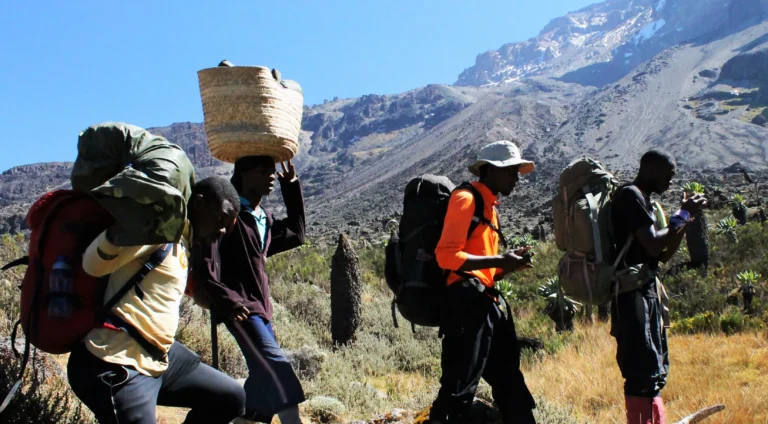
Kilimanjaro Tree-Planting Climbing Package Guide
Combine your dream Kilimanjaro climb with a meaningful conservation effort. Our Kilimanjaro Tree-Planting Climbing Package allows you to ascend Africa's highest peak while actively...
View package details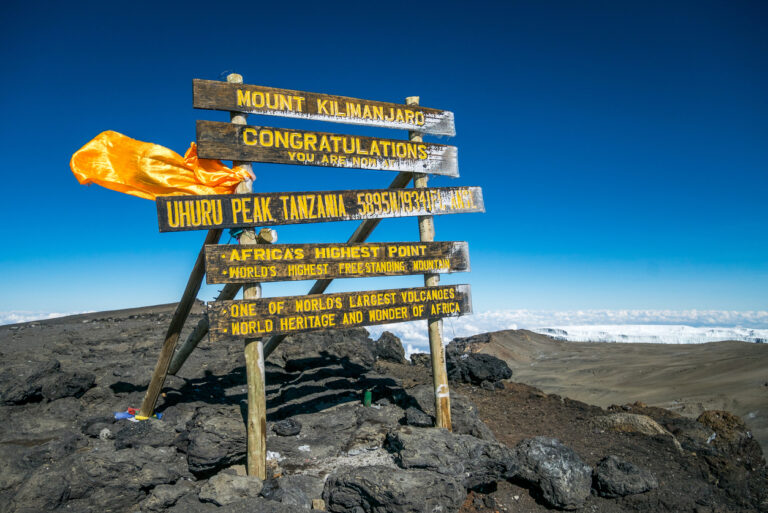
What Happens If You Miss Your Kilimanjaro Departure? Guide
If you miss your scheduled Kilimanjaro departure, your trek may be cancelled, and you could forfeit your deposit and payments. Rebooking is often possible but incurs additional costs and...
View package details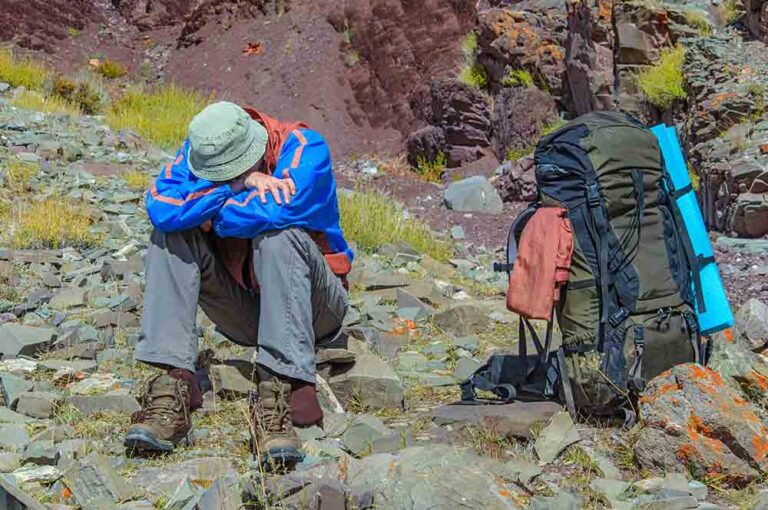
What Happens If It Rains Throughout Your Kilimanjaro Climb? 2026-2027
What Happens If It Rains throughout Your Kilimanjaro Climb? is explained with current 2026-2027 planning, price, itinerary and booking information.
View package details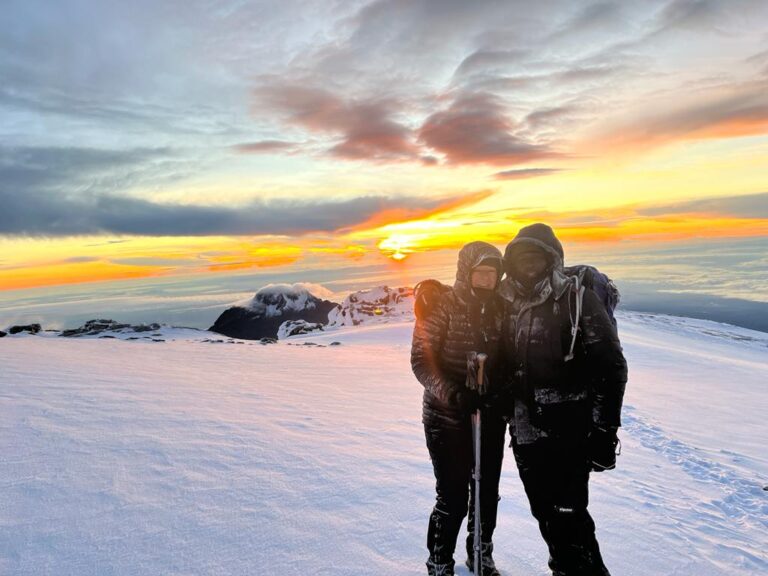
Kilimanjaro Early-Bird Climbing Discounts For Adventures 2026-2027
Plan your 2026-2027 Kilimanjaro climb and take advantage of early-bird discounts. Top Guide Adventures offers savings for those who book in advance, ensuring a memorable and affordable...
View package details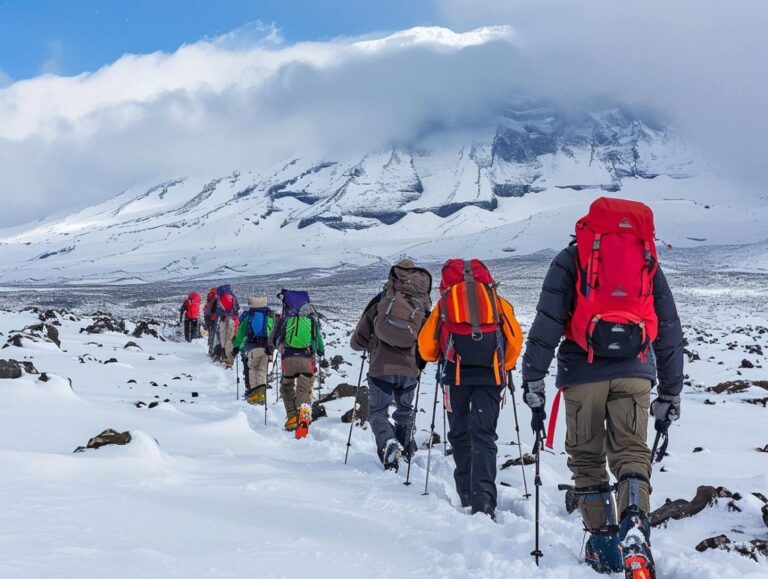
Kilimanjaro Private Climb Price For One Person: Your Guide 2026-2027
Planning a solo ascent of Mount Kilimanjaro? This guide details the Kilimanjaro private climb price for one person, covering cost factors, inclusions, and essential planning for 2026-2027.
View package detailsNo related package matches those filters. Clear one or more filters to see the other topic-matched options.



