
Early March Kilimanjaro climbing packages in 2026 and 2027 offer an excellent opportunity to summit Mount Kilimanjaro, benefiting from generally stable weather conditions, clear skies, and fewer crowds than the peak dry seasons, making it a prime time for a successful and enjoyable trek. Top Guide Adventures provides comprehensive packages for this period, typically including various routes like Machame, Lemosho, and Marangu, with essential services such as park fees, guides, porters, accommodation, and meals.

Why Early March is a Prime Time for Kilimanjaro Climbs
Choosing the right time to climb Kilimanjaro is crucial for both safety and enjoyment. Early March, marking the tail end of the shorter rainy season and the transition into the drier months, presents a compelling window for trekkers. While Kilimanjaro can be climbed year-round, the weather patterns in early March often provide a sweet spot, offering a balance of manageable conditions and fewer fellow climbers compared to the peak seasons of June-October. For those planning their expedition for 2026 or 2027, understanding the nuances of this period can significantly enhance your preparation and overall experience.
The meteorological situation in early March is typically characterized by a decrease in rainfall from the preceding short rains (usually January-February). This means trails are less likely to be muddy and slippery, improving traction and reducing the risk of travel delays. Furthermore, the skies often clear up after the rains, offering spectacular, unobstructed views of the mountain’s grandeur and the surrounding landscape. This clarity is invaluable for both the trekking experience and for capturing memorable photographs. While occasional brief showers can still occur, they are generally less frequent and intense than in February, making the climbing experience more consistent and predictable.
Another significant advantage of booking early March Kilimanjaro climbing packages is the potential for slightly lower crowd levels. The major dry seasons, particularly July to September, attract the largest numbers of climbers. By choosing early March, you can often enjoy a more serene trekking experience, with more personal space on the trails and at campsites. This can lead to a more peaceful and less rushed ascent, allowing for deeper appreciation of the natural environment and a greater sense of accomplishment.
Top Guide Adventures recognizes the unique appeal of this period and has tailored its early March Kilimanjaro climbing packages to maximize the benefits. Our expert guides are highly experienced in navigating the mountain’s conditions throughout the year, ensuring your safety and well-being are paramount. We focus on providing all-inclusive services that cover the essentials, allowing you to concentrate on the climb itself. From selecting the optimal route to arranging all logistical necessities, we aim to make your early March Kilimanjaro adventure a resounding success for 2026 and 2027 expeditions.
Comparing Kilimanjaro Routes for an Early March Climb
When planning an early March Kilimanjaro climbing package, the choice of route is paramount. Each route offers a different experience in terms of scenery, acclimatization profile, difficulty, and camping locations. For the conditions typically encountered in early March, certain routes might offer distinct advantages. Top Guide Adventures recommends routes known for their higher success rates and better acclimatization profiles, which are beneficial regardless of the season but especially important when weather can be slightly unpredictable.
The Machame Route: A Popular Choice for Early March
The Machame Route, often referred to as the ‘Whiskey Route’, is arguably the most popular route on Kilimanjaro. Its popularity stems from its scenic beauty, excellent acclimatization profile, and high success rate. For an early March Kilimanjaro climb, Machame is a solid choice. It’s a 7-day trek, though a 6-day option is also available, but 7 days is strongly recommended for better acclimatization. The route ascends from the south and circles around the western side of the mountain, offering diverse landscapes from rainforest to alpine desert. The ‘climb high, sleep low’ strategy is well-implemented on Machame, which is crucial for acclimatization. Even in early March, the trails can be wet, but Machame’s well-maintained paths and steady ascent help manage this.
Inclusions for Machame Route packages in early March 2026-2027 typically include:
- Park fees (National Park, Crater, Camping, Rescue)
- Professional guides and assistant guides
- Porters to carry main luggage
- All meals during the trek
- Accommodation in tents
- Boiled water for drinking
- Portable toilet
- Transfer to and from the mountain
- Emergency oxygen and first-aid kit
The Lemosho Route: Scenic Beauty and Good Acclimatization
The Lemosho Route is known for its stunning scenery and excellent acclimatization opportunities. It’s a longer route, typically 7 or 8 days, starting on the western side of Kilimanjaro and eventually merging with the Machame route. For an early March Kilimanjaro climbing package, Lemosho provides a more remote and less crowded experience, especially in its initial days. The extended duration aids in gradual acclimatization, which is a significant factor for success, particularly as the weather can be more variable during this transitional period. The views from the western side are impressive, and the route offers a higher chance of spotting wildlife in the forest zone.
An 8-day Lemosho trek is highly recommended for optimal acclimatization and enjoyment, especially for those considering an early March 2026 or 2027 climb. This extended itinerary allows for a slower pace, more rest days, and a better chance to adapt to the altitude. The route’s progression offers a diverse range of ecosystems, from lush rainforests to barren alpine deserts, culminating in the dramatic summit push.
The Marangu Route: The ‘Coca-Cola’ Trail
The Marangu Route, often called the ‘Coca-Cola’ Route, is the oldest and arguably the easiest route in terms of physical demands, primarily because it’s the only route that offers accommodation in dormitory-style huts rather than camping. It also features a unique ascent and descent path. While it’s generally considered to have a lower success rate due to its less optimal acclimatization profile (especially the 5-day option), it remains a popular choice for its comfort and faster ascent. For an early March Kilimanjaro climb, the huts provide a significant advantage if any rain occurs, offering shelter and warmth. However, the rapid ascent can still pose acclimatization challenges.
A 6-day Marangu itinerary, which includes an extra acclimatization day, is strongly advised for anyone considering this route in early March 2026-2027. This extra day significantly improves acclimatization and thus success rates. The lack of camping might appeal to those who prefer more basic comforts. However, the scenery on the descent is less varied than on camping routes, and the trail can be more crowded.
Other Routes to Consider
While Machame, Lemosho, and Marangu are the most common, other routes like Rongai and Northern Circuit are also viable for early March climbs. Rongai approaches from the north, offering a different perspective and often drier conditions, making it a good alternative if rain is a significant concern. The Northern Circuit is the longest route, offering the best acclimatization and most scenic views, but requires more time and is typically more expensive. For an early March Kilimanjaro climbing package, considering these alternatives can be beneficial depending on your priorities regarding scenery, crowd avoidance, and acclimatization.
Understanding Weather and Conditions in Early March
Kilimanjaro’s weather is notoriously variable, influenced by its massive size and altitude. Early March falls within a transitional period, moving from the short rainy season towards the main dry season. This means climbers can expect a mix of conditions, but generally, it’s a favorable time.
Rainfall Patterns
The short rains typically occur in January and February. By early March, the intensity and frequency of rainfall usually begin to decrease. However, brief, intermittent showers are still possible, especially in the lower forest zone. These showers are often followed by periods of sunshine. Higher up on the mountain, precipitation is more likely to fall as snow or sleet rather than rain, particularly near the summit. For early March Kilimanjaro climbing packages, it’s essential to pack waterproof gear, but the overall amount of rain is usually manageable compared to the peak rainy months.
Temperature Fluctuations
Temperatures on Kilimanjaro vary dramatically with altitude and time of day. In the rainforest zone (around 1,800-2,800 meters), daytime temperatures can be mild to warm (15-25°C), while nights can be cooler. As you ascend through the moorland and alpine desert zones, temperatures drop significantly. Above 4,000 meters, daytime temperatures can range from 5-15°C, and at night, they can plummet below freezing, often reaching -5°C to -15°C or even colder near the summit. On summit night, temperatures can drop to -20°C or lower, exacerbated by wind chill. Proper layering is absolutely critical for any Kilimanjaro climb in early March 2026-2027.
Visibility and Sky Conditions
One of the major advantages of early March is the clearing skies. After the rains, the atmosphere tends to be cleaner, offering excellent visibility. This means stunning panoramic views of Mount Meru, the Great Rift Valley, and the surrounding plains are often available. Sunrise and sunset views from the higher camps can be particularly spectacular. While clouds can still form, particularly in the afternoons, mornings are often clear and crisp, providing excellent conditions for trekking and photography. This makes the scenic aspects of the early March Kilimanjaro climbing packages particularly rewarding.
Wind Conditions
Wind is a constant factor on Kilimanjaro, especially at higher altitudes. While early March is generally not as windy as the peak dry season (June-October), strong gusts can still occur, particularly on exposed ridges and during the summit ascent. Wind chill can make the already cold temperatures feel significantly colder. Guides are adept at monitoring wind conditions and adjusting the pace or providing advice to climbers to mitigate its effects. Wearing windproof outer layers is essential for any early March expedition.
Preparing for Your Early March Kilimanjaro Climb
Successful Kilimanjaro climbs, especially during transitional seasons like early March, hinge on thorough preparation. This includes physical conditioning, mental readiness, and appropriate gear selection. Top Guide Adventures emphasizes a holistic approach to preparation for your early March Kilimanjaro climbing package in 2026-2027.
Physical Training
Kilimanjaro is a demanding trek, and while it doesn’t require technical mountaineering skills, a good level of cardiovascular fitness is essential. Focus on exercises that build endurance and strengthen your legs and core. Activities like hiking (especially with a weighted backpack), running, cycling, and swimming are beneficial. Aim for at least 3-4 training sessions per week in the months leading up to your climb. Practice hiking on varied terrain, including steep ascents and descents, to prepare your body for the mountain’s challenges. For an early March climb, ensure your training includes longer hikes to simulate multi-day trekking.
Acclimatization Strategy
Proper acclimatization is the single most important factor for reaching the summit. This is why Top Guide Adventures strongly recommends longer itineraries (7-8 days for most routes). During your trek, listen to your body, stay hydrated, and ascend slowly (‘pole pole’). Avoid overexertion, especially on the first few days. While early March weather can be favourable, altitude sickness (Acute Mountain Sickness – AMS) remains a risk for all climbers. Your guides will monitor you closely, but understanding the symptoms (headache, nausea, dizziness, fatigue) and reporting them immediately is vital.
Gear and Packing Essentials
Packing the right gear is critical for comfort and safety in the variable early March conditions. Layering is key to adapting to changing temperatures and weather. A comprehensive packing list provided by Top Guide Adventures should include:
- Base Layers: Moisture-wicking thermal underwear (merino wool or synthetic).
- Mid Layers: Fleece jackets or insulated vests for warmth.
- Outer Layer: Waterproof and windproof jacket and trousers (Gore-Tex or similar).
- Insulation Layer: A warm down or synthetic insulated jacket for extreme cold.
- Footwear: Broken-in, waterproof hiking boots with good ankle support.
- Socks: Several pairs of warm wool or synthetic hiking socks.
- Headwear: Warm beanie hat, sun hat, and a balaclava or neck gaiter for summit night.
- Gloves: Warm waterproof gloves or mittens, and thinner liner gloves.
- Sleep System: Warm sleeping bag (rated to at least -10°C or -20°C), though Top Guide Adventures often provides high-quality sleeping bags.
- Trekking Poles: Highly recommended for stability and reducing strain on knees.
- Headlamp: With extra batteries.
- Sun Protection: High SPF sunscreen, sunglasses, and lip balm.
- Hydration: Water bottles or hydration reservoir (ensure they won’t freeze).
- First-Aid Kit: Personal medications and basic first-aid supplies.
For an early March Kilimanjaro climbing package, focus on ensuring your waterproofs are in excellent condition and that you have sufficient warm layers. Even though it’s the transition out of the rains, being prepared for cold and wind is non-negotiable.
Vaccinations and Health
Consult your doctor or a travel clinic well in advance of your trip for recommended vaccinations and malaria prophylaxis. While Kilimanjaro itself is not a high-malaria risk area due to the altitude, you might be in malaria-prone areas before or after your climb (e.g., Arusha, Zanzibar). Diamox (acetazolamide) can be prescribed to aid acclimatization, but discuss its use and potential side effects with your doctor. Ensure you have adequate travel insurance that covers high-altitude trekking and emergency medical evacuation.
What to Expect on an Early March Kilimanjaro Expedition with Top Guide Adventures
Choosing Top Guide Adventures for your early March Kilimanjaro climbing package means partnering with a trusted local operator committed to providing a safe, well-supported, and memorable experience. Our operations are designed to maximize your chances of success while ensuring your comfort and well-being throughout the trek.
Daily Itinerary and Trekking Pace
Your daily routine on the mountain will involve waking up early, enjoying breakfast, and then trekking for several hours. The pace is always slow and steady (‘pole pole’) to aid acclimatization. Lunches are typically packed and eaten en route, or served at a scenic spot. After reaching the day’s campsite, you’ll have time to rest, hydrate, and enjoy dinner prepared by our camp chef. Evenings are spent relaxing, discussing the day’s trek with your guide, and preparing for the next day. The summit night is the most challenging, beginning very early (around midnight) for the final ascent to Uhuru Peak.
Guide and Porter Support
Our guides are highly trained, experienced professionals, certified in wilderness first aid and knowledgeable about Kilimanjaro’s flora, fauna, and geology. They are responsible for your safety, navigation, and acclimatization monitoring. Porters will carry the bulk of your gear (tents, food, sleeping bags), allowing you to carry only a daypack with essentials like water, snacks, rain gear, and warm layers. This support system is crucial for a comfortable and successful climb. For early March 2026-2027 expeditions, our teams are equipped to handle potential wet conditions and cold temperatures.
Campsite and Accommodation
On camping routes (Machame, Lemosho, Rongai, Northern Circuit), you will stay in comfortable tents. Top Guide Adventures provides high-quality, spacious tents, along with sleeping mats. We ensure that campsites are chosen strategically for their views and relative shelter. For the Marangu Route, accommodation is in basic but comfortable mountain huts. Regardless of the route, our crews set up a well-organized camp each day, including a mess tent for dining, which can be a welcome refuge during inclement weather in early March.
Meals and Hydration
Our experienced camp chefs prepare nutritious and delicious meals throughout your trek, catering to various dietary needs upon request. Meals typically include breakfast, lunch, and dinner, with hot drinks and snacks provided. Staying well-hydrated is critical for acclimatization. We provide boiled and purified water daily, and encourage climbers to drink at least 3-4 liters per day. For an early March Kilimanjaro climb, ensuring you drink enough even when it’s cold is important.
Safety and Emergency Procedures
Safety is our utmost priority. All our guides carry comprehensive first-aid kits and supplementary oxygen. They are trained to recognize and manage altitude sickness and other potential issues. In case of a serious emergency, we have established evacuation procedures, often involving rescue vehicles or specialized evacuation services. Our team maintains constant communication with our base in Moshi. Booking an early March Kilimanjaro climbing package with Top Guide Adventures ensures you are in capable hands.
Booking Your Early March Kilimanjaro Package for 2026-2027
Securing your early March Kilimanjaro climbing package well in advance is highly recommended, especially if you are planning for 2026 or 2027. This allows for better availability of preferred routes, dates, and potentially better pricing. Top Guide Adventures offers a range of packages designed to suit different preferences and budgets, all while maintaining our high standards of service and safety.
Package Options and Customization
We offer standard packages for popular routes like Machame and Lemosho, typically for 7 or 8 days. We also cater to individuals or groups seeking a more tailored experience. If you have specific dates in mind for an early March 2026 or 2027 climb, or require a customized itinerary, please contact us. We can adjust durations, combine routes, or arrange private climbs to meet your needs.
Our standard early March Kilimanjaro climbing packages generally include:
- Pre-climb briefing and gear check in Moshi
- All park entrance fees, camping/hut fees, and rescue fees
- Experienced, English-speaking guides and qualified support crew
- Porters for carrying main equipment
- All meals during the trek (breakfast, lunch, dinner)
- Quality camping equipment (tents, mess tent, table, chairs) or hut accommodation
- Boiled and purified drinking water
- Portable toilet for your group
- Transfer from/to Kilimanjaro International Airport (JRO) and Moshi
- Emergency oxygen and comprehensive first-aid kit
Exclusions typically include:
- International flights
- Visa fees
- Travel and medical insurance
- Gratuities for guides and porters
- Personal climbing gear (can often be rented)
- Tips for hotel staff
- Personal expenses (e.g., souvenirs, drinks)
Pricing Considerations for 2026-2027
Pricing for early March Kilimanjaro climbing packages can vary based on the route chosen, the duration of the trek, the number of people in your group (private vs. shared), and the level of service provided. Shorter routes like Marangu (5-day) are generally less expensive than longer, more scenic routes like Lemosho or Northern Circuit. Private climbs are more costly per person than group climbs. Top Guide Adventures strives to offer competitive pricing without compromising on safety or quality. For detailed pricing for 2026 and 2027, we encourage you to contact us directly. We believe in transparent pricing, and our quotes will clearly outline what is included.
Factors influencing cost for early March 2026-2027 packages:
- Route Length: Longer routes require more park fees and crew days.
- Group Size: Private climbs have higher per-person costs than joining a scheduled group departure.
- Accommodation: Hut accommodation (Marangu) vs. camping.
- Service Level: While we maintain high standards across the board, specific inclusions can vary.
Making Your Booking
To book your early March Kilimanjaro climbing package or to request a personalized quote for 2026 or 2027, please reach out to the Top Guide Adventures team. We are dedicated to providing you with all the information you need to make an informed decision and ensure your climb is a success. You can contact us via:
- WhatsApp: +255616946642
- Email: topguideadventures@gmail.com
- Backup Email: info@topguideadventures.com
We look forward to helping you plan an unforgettable Kilimanjaro adventure!
Frequently Asked Questions about Early March Kilimanjaro Climbs
Here are some common questions prospective climbers have about undertaking an early March Kilimanjaro climbing package.
Q1: Is early March a good time to climb Kilimanjaro?
A1: Yes, early March is generally considered a good time to climb Kilimanjaro. It falls at the end of the short rainy season, meaning rainfall is decreasing, and skies are often clearing, providing excellent visibility. While occasional showers are possible, they are usually brief, and the trails are less crowded than during the peak dry seasons.
Q2: What are the typical weather conditions in early March on Kilimanjaro?
A2: You can expect variable weather. Lower slopes might be wet from recent rains, but higher altitudes typically experience clearer skies. Temperatures will range from mild in the rainforest to well below freezing at the summit. Expect sunshine, but also be prepared for potential brief rain or snow showers, especially in the afternoons. Wind can be a factor, particularly on summit night.
Q3: Which Kilimanjaro route is best for an early March climb?
A3: Routes with better acclimatization profiles are always recommended. The 7 or 8-day Lemosho Route and the 7-day Machame Route are excellent choices for their scenic beauty and gradual ascent. The 6-day Marangu Route (using huts) can offer shelter if it rains, but ensure you opt for the longer itinerary for better acclimatization. The Rongai route, approaching from the north, can sometimes offer drier conditions.
Q4: How cold will it be in early March?
A4: Temperatures vary significantly with altitude. While daytime can be pleasant (5-15°C) in lower zones, nights and summit temperatures can drop drastically. Expect freezing temperatures (-5°C to -15°C or colder) at night above 4,000m, and potentially -20°C or lower on summit night due to wind chill. Proper layering with warm clothing is essential.
Q5: What should I pack for an early March Kilimanjaro climb?
A5: Pack for variable weather with a strong emphasis on layering. Key items include waterproof and windproof outer layers, warm mid-layers (fleece, down jacket), thermal base layers, waterproof hiking boots, warm socks, gloves, hats, and a warm sleeping bag. Ensure your gear is suitable for cold and potentially wet conditions.
Q6: Will there be many crowds in early March?
A6: Generally, early March sees fewer crowds than the peak dry seasons (June-October). This means a more peaceful trekking experience with more space at campsites and on the trails, though it’s not completely empty.
Q7: What is the success rate for early March climbs?
A7: Success rates for Kilimanjaro climbs are influenced more by acclimatization, fitness, and choosing longer routes than by the specific month. With proper preparation, choosing a 7 or 8-day itinerary, and listening to your guides, success rates for early March climbs are generally good, comparable to other favorable months.
Q8: Can I book an early March 2026 or 2027 Kilimanjaro package now?
A8: Yes, booking for 2026 and 2027 is advisable, especially for popular times or specific dates. Contacting Top Guide Adventures early ensures you can secure your preferred route and dates for an early March Kilimanjaro climbing package.
Final Thoughts on Your Early March Kilimanjaro Adventure
An early March Kilimanjaro climbing package offers a compelling blend of favorable conditions, manageable crowds, and stunning scenery. As the mountain transitions from the short rains to the dry season, trekkers can anticipate clearer skies, less frequent rainfall, and a serene environment. While preparation remains key, particularly regarding appropriate gear for variable weather and ensuring adequate acclimatization through longer itineraries, the rewards are substantial.
Top Guide Adventures is your trusted partner for this incredible journey. With our deep understanding of Kilimanjaro, experienced guides, and commitment to safety and client care, we are well-equipped to make your early March 2026 or 2027 Kilimanjaro climb a resounding success. We handle the logistics, from park fees and expert guides to comfortable camping and nutritious meals, allowing you to focus on the awe-inspiring experience of ascending Africa’s highest peak.
Don’t miss the opportunity to experience Kilimanjaro during this advantageous period. Reach out to us today to discuss your plans, get a personalized quote, and secure your spot for an unforgettable adventure. Your dream of standing on the Roof of Africa awaits!
Contact Top Guide Adventures:
- WhatsApp: +255616946642
- Email: topguideadventures@gmail.com
- Backup Email: info@topguideadventures.com
Check Availability for Early March Kilimanjaro Climbing Packages | Top Guide Adventures 2026-2027
Ready to compare dates, prices, and the best option for your group? Send the package name and travel month so the team can reply with a clear quote, availability, and what is included.
March Kilimanjaro Solo Traveller Group: Your Ultimate Guide For 2026-2027
Planning to climb Kilimanjaro solo in March? This guide connects you with group departures specifically for solo travellers, covering routes, costs, preparation, and what to expect in...
View package details
March Kilimanjaro Climb For Couples: Your Ultimate Guide 2026-2027
Planning a Kilimanjaro climb for couples in March? This guide covers everything from ideal routes and weather conditions to essential packing advice and booking considerations for your...
View package details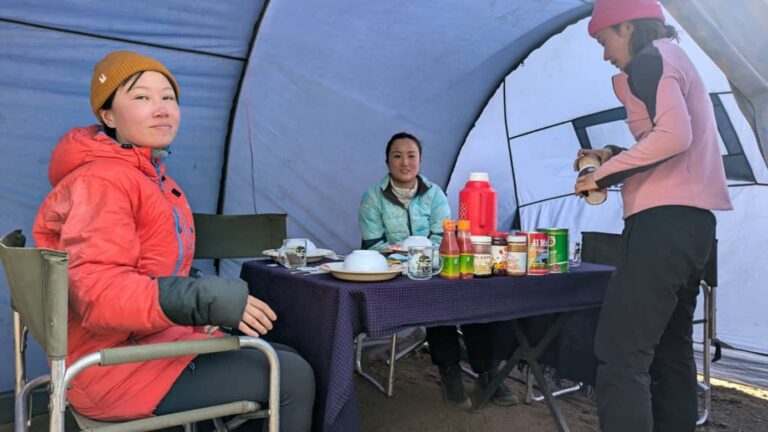
Best Kilimanjaro Route For December : Your Ultimate Climbing Guide 2026-2027
Choosing the best Kilimanjaro route for a December climb requires understanding the unique weather patterns and operational considerations of this popular month. While December marks the...
View package details
December Kilimanjaro Group Departures : Your Ultimate Climbing Guide 2026-2027
Planning a Kilimanjaro climb in December 2026? This comprehensive guide covers everything you need to know about group departures, including route options, weather expectations, packing...
View package detailsKilimanjaro Climbing In December : Your Complete Planning Guide 2026-2027
This guide provides an in-depth look at climbing Mount Kilimanjaro in December 2026, covering everything from weather patterns and best routes to essential gear and booking advice. Prepare...
View package details
November Kilimanjaro Climbing Cost And Discounts For 2026-2027
Planning a Kilimanjaro climb in November 2026 or 2027? This comprehensive guide details the expected costs, factors influencing pricing, and available discounts. Learn how to budget...
View package details
November Kilimanjaro Low-Season Climbing Deals 2026-2027
Climb Kilimanjaro in November for budget-friendly deals and fewer crowds. This guide covers routes, weather, packing, and how Top Guide Adventures can make your 2026-2027 low-season trek...
View package detailsNovember Kilimanjaro Private Climbing Package: Your Expert Guide For 2026-2027
Secure your November Kilimanjaro private climbing package for 2026-2027 with Top Guide Adventures. This comprehensive guide covers route options, weather expectations, essential...
View package details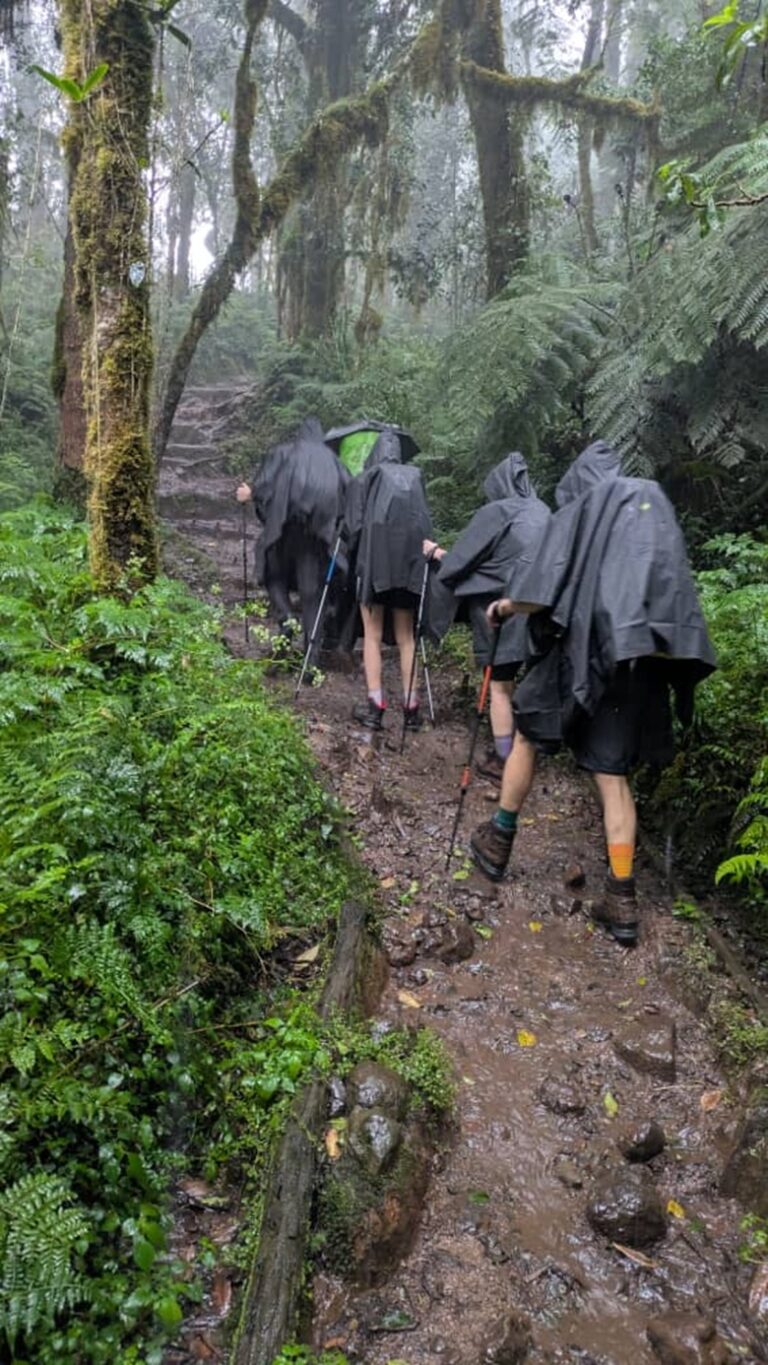
November Kilimanjaro Group Departures : Your Ultimate Climbing Guide 2026-2027
Discover the best November Kilimanjaro group departures for 2027 with Top Guide Adventures. This comprehensive guide covers everything you need to know for your climb, from route selection...
View package details
Kilimanjaro Climbing In November : Rain And Route Guide 2026-2027
Discover the nuances of climbing Mount Kilimanjaro in November 2027. This guide details the expected weather, optimal routes to navigate the rainy season, and essential preparation tips to...
View package details
Early October Kilimanjaro Climbing Packages: Your Guide To Summit Success
Planning an early October climb of Kilimanjaro? This guide covers everything you need to know about packages, routes, weather, and preparation for your 2026-2027 adventure.
View package details
Kilimanjaro Climbing Price For Five People: Group Costs 2026-2027
Understanding the Kilimanjaro climbing price for five people (5 pax) is crucial for group planning. This guide breaks down the costs for 2026-2027, covering route variations, inclusions...
View package detailsNo related package matches those filters. Clear one or more filters to see the other topic-matched options.



