
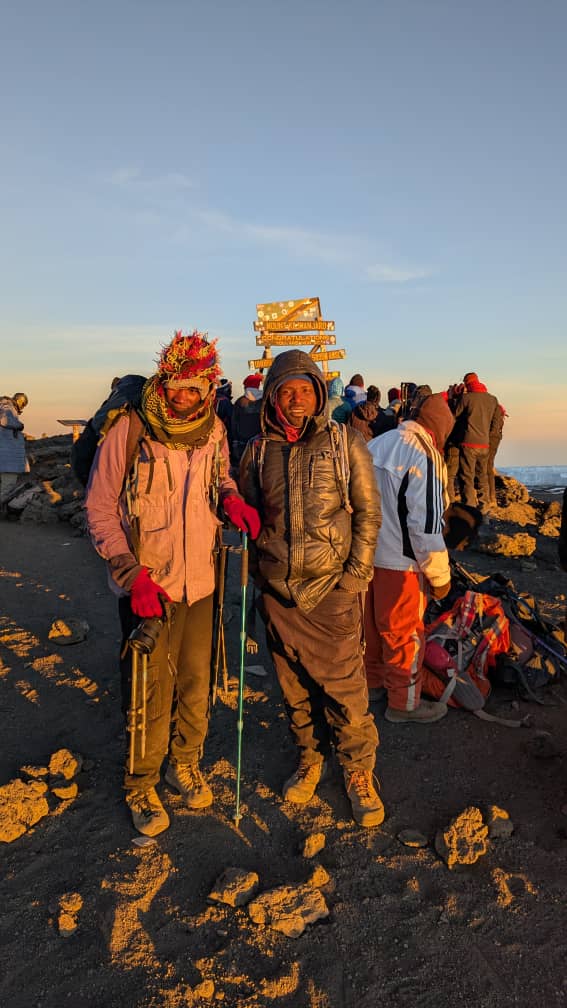
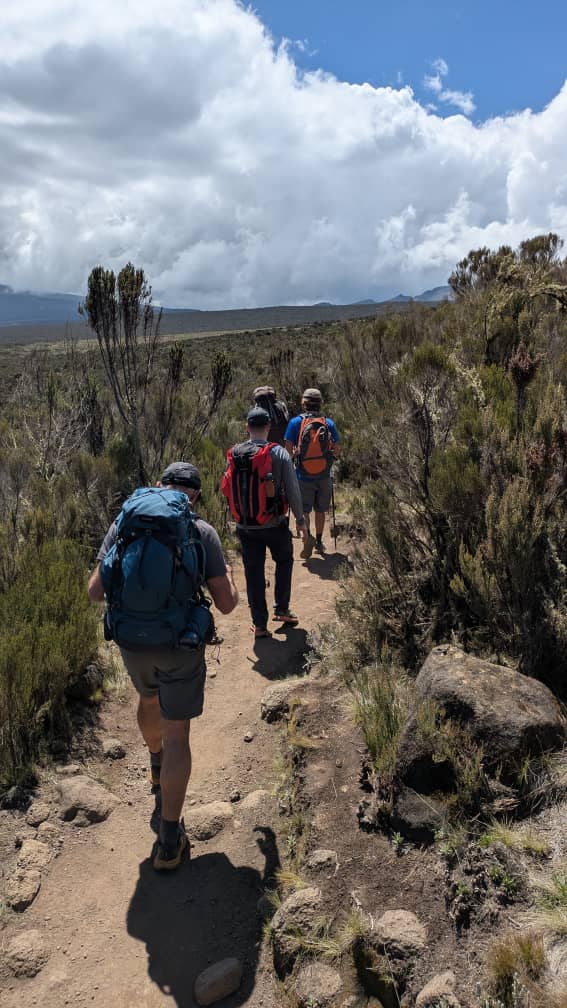
Climbing Mount Kilimanjaro in June 2027 offers excellent weather conditions with clear skies, moderate temperatures, and lower humidity, making it an ideal time for trekkers. June falls within Kilimanjaro’s dry season, providing stable conditions across most routes. Expect daytime temperatures around 15-25°C (59-77°F) at lower altitudes, dropping to -5 to -15°C (23-5°F) at the summit, with minimal rainfall. The months of June, July, and August are peak trekking seasons, so booking your expedition, especially for June 2027, well in advance is highly recommended to secure your preferred dates and guides.

Planning Your Kilimanjaro Climb for June 2027: The Ultimate Advantage
Mount Kilimanjaro, the Roof of Africa, stands as a monumental challenge and an unparalleled adventure for trekkers worldwide. For those setting their sights on reaching its Uhuru Peak, the summit of Kibo crater, Kilimanjaro climbing in June 2027 presents a strategic and rewarding choice. June is part of Kilimanjaro’s extended dry season, offering some of the most stable and pleasant weather patterns of the year for ascending the iconic mountain. This period generally provides clear skies, allowing for spectacular views of the surrounding landscape and the vast African plains below. Unlike the wetter months, June typically sees significantly less rainfall, reducing the chances of slippery trails and making the ascent safer and more enjoyable. The cooler temperatures, especially at higher altitudes, can be invigorating for well-prepared climbers.
As you plan for Kilimanjaro climbing in June 2027, it’s crucial to understand that this period is highly sought after. The combination of favorable weather and the general appeal of Kilimanjaro means that June, along with July and August, is considered a peak trekking season. This translates to higher demand for permits, guides, and accommodation in the gateway town of Moshi. Therefore, early planning and booking are not just recommended; they are essential for securing your preferred climbing route, departure dates, and a reputable tour operator like Top Guide Adventures. Booking at least 6-12 months in advance for June 2027 is a wise strategy to ensure availability and to give yourself ample time for physical preparation and logistical arrangements.
This guide is designed to be your comprehensive resource for Kilimanjaro climbing in June 2027. We will cover everything from the specific weather nuances of June, the best routes to consider for this month, essential packing lists, training regimens, and what to expect regarding costs and logistics. Our aim is to provide you with the knowledge and confidence needed to make informed decisions and to ensure your Kilimanjaro expedition is a resounding success. Top Guide Adventures specializes in creating personalized and supported trekking experiences, and we are here to help you navigate every step of your journey towards the summit.
Understanding June’s Weather on Kilimanjaro in 2027
When considering Kilimanjaro climbing in June 2027, understanding the specific weather patterns is paramount for preparation and safety. June marks the beginning of Kilimanjaro’s long dry season, which typically runs through August. This period is characterized by stable atmospheric conditions, making it one of the most popular times to climb the mountain.
Temperature Variations by Altitude in June
Kilimanjaro’s weather is a microcosm of its diverse ecosystems, with temperatures fluctuating dramatically based on altitude and time of day. In June:
- Base Camp (Moshi/Arusha): Expect pleasant, warm daytime temperatures, often ranging from 20-28°C (68-82°F). Evenings are cooler but generally comfortable.
- Lower Slopes (Rainforest Zone): During the day, temperatures might hover around 15-20°C (59-68°F). The humidity here is higher, and light rain showers are possible, though less frequent in June than in other months.
- Heath and Moorland Zones: As you ascend into these zones, daytime temperatures can range from 10-18°C (50-64°F). Nights become noticeably colder, potentially dropping to 0-5°C (32-41°F).
- Alpine Desert Zone: This is where the climate becomes harsh. Daytime temperatures can be surprisingly mild, around 5-10°C (41-50°F), but with strong sun exposure. Nights are frigid, typically falling between -5 and 0°C (23-32°F).
- Summit Zone (Crater Rim & Uhuru Peak): This is the most extreme environment. Daytime temperatures can be around -5 to 5°C (23-41°F), but the wind chill factor can make it feel much colder. At night, especially during the summit push, temperatures can plummet to -15°C (5°F) or even lower.
Precipitation and Sky Conditions in June
June is celebrated for its dry conditions. While occasional light showers can occur, especially in the lower rainforest belt, they are generally brief and do not significantly impede trekking. The primary advantage of June is the significantly reduced chance of prolonged rain or snow at higher altitudes. This means:
- Clear Skies: Expect more days with clear, unobstructed views of Kilimanjaro’s majestic peaks, including Kibo and Mawenzi. This offers stunning photographic opportunities and a clear line of sight for much of your trek.
- Reduced Trail Difficulty: Trails are typically drier and less muddy compared to the rainy seasons (March-May and November). This improves footing and reduces the risk of slips and falls.
- Visibility: Good visibility enhances the trekking experience, allowing you to appreciate the dramatic changes in landscape as you gain altitude.
Wind and Humidity
While June is dry, it can also be windy, particularly at higher elevations and on the exposed summit ridge. The wind chill can make the already cold temperatures feel significantly colder, especially during the summit night. Humidity levels are generally lower in June compared to the rainy season, which can be more comfortable for trekking, reducing the feeling of being constantly damp.
Why June 2027 is a Prime Choice
For Kilimanjaro climbing in June 2027, the weather forecast is overwhelmingly positive. The combination of minimal rain, clear skies, and manageable temperatures (with proper gear) makes it an excellent month for reaching the summit. The cooler temperatures at altitude can be beneficial for acclimatization for some climbers, and the dry trails offer a more consistent and less physically taxing experience. However, it’s important to remember that mountain weather is unpredictable, and being prepared for all conditions is always advised, regardless of the season.
Choosing the Best Kilimanjaro Route for June 2027 Trekkers
Selecting the right route is a critical decision for any Kilimanjaro climb, and for Kilimanjaro climbing in June 2027, certain routes offer distinct advantages due to the season’s weather and expected crowd levels. While most routes are viable, some are better suited for maximizing your chances of success and enjoyment during this dry period.
Popular Routes and Their Suitability for June 2027
The six main tourist routes to Kilimanjaro’s summit are Machame, Lemosho, Marangu, Rongai, Northern Circuit, and Umbwe. For June 2027, we recommend considering the following based on acclimatization profiles and scenic beauty:
- Machame Route: Often called the “Whiskey Route,” Machame is highly popular due to its excellent acclimatization profile, scenic beauty, and higher success rates. It offers diverse landscapes, ascending through rainforest, moorland, and alpine desert. Its “climb high, sleep low” strategy is particularly effective. In June, the trails are generally in good condition, and the clear skies offer fantastic views. It is a camping route, meaning you’ll be sleeping in tents. Machame route information is readily available for planning.
- Lemosho Route: This is arguably the most scenic route, starting in the west and traversing the Shira Plateau before joining the Machame route. Lemosho is longer, typically 7-8 days, which significantly aids acclimatization and increases success rates. Its remoteness in the initial days means fewer crowds, offering a more pristine experience. The longer duration is ideal for the stable weather of June 2027, allowing for a more relaxed ascent and better acclimatization. It’s also a camping route.
- Northern Circuit: The longest route (9-10 days), the Northern Circuit offers the highest acclimatization profile and therefore the highest success rates. It circles the mountain, offering unparalleled views from all sides, including the remote northern slopes. It is ideal for those seeking a less crowded experience and the best possible chance of reaching the summit. For Kilimanjaro climbing in June 2027, its comprehensive acclimatization makes it an excellent, albeit more time-consuming, choice. This is a camping route.
- Rongai Route: Rongai is the only route that approaches Kilimanjaro from the north, bordering Kenya. It’s a good alternative if weather is slightly less predictable, as its northern approach can sometimes offer slightly drier conditions. It’s a more gradual ascent, making it a good option for those concerned about altitude sickness. It is generally less crowded than Machame or Lemosho. It is a camping route.
Routes to Consider with Caution for June 2027
- Marangu Route: Known as the “Coca-Cola Route,” Marangu is the oldest and most established route. It’s unique for offering dormitory-style accommodation in huts rather than camping. It has two ascending options, with the shorter 5-day itinerary having a lower success rate due to rapid ascent and poor acclimatization. While the huts offer comfort, the faster ascent profile makes it less ideal for maximizing acclimatization, especially for those less experienced with high altitude. However, the dry conditions of June 2027 might mitigate some of the risks associated with slippery trails if rain were a factor.
- Umbwe Route: This is the shortest and steepest route, making it the most challenging. It has a very rapid ascent profile and poor acclimatization, leading to lower success rates and a higher risk of altitude sickness. It is generally not recommended for most climbers, especially those seeking a comfortable Kilimanjaro climbing in June 2027 experience.
Top Guide Adventures’ Recommendations for June 2027
For Kilimanjaro climbing in June 2027, Top Guide Adventures strongly recommends the Lemosho or Machame routes for their excellent balance of scenery, acclimatization, and success rates. The Northern Circuit is the premier choice for those with more time who prioritize acclimatization and a less crowded journey. These routes, typically offered over 7-8 days (Lemosho/Machame) or 9 days (Northern Circuit), provide the necessary time for the body to adapt to the extreme altitude, significantly increasing your chances of reaching Uhuru Peak safely.
When choosing your route for June 2027, consider:
- Duration: Longer routes (7+ days) offer better acclimatization.
- Scenery: Lemosho and Northern Circuit are exceptionally scenic.
- Crowds: Northern Circuit and Rongai tend to be less crowded.
- Accommodation: Camping (Machame, Lemosho, Rongai, Northern Circuit, Umbwe) vs. Huts (Marangu).
- Your experience: Are you a seasoned trekker or a first-timer?
Our team at Top Guide Adventures can help you select the perfect route based on your fitness, experience, and preferences for your June 2027 climb.
Training and Preparation for Kilimanjaro in June 2027
Successful Kilimanjaro climbing in June 2027 hinges significantly on adequate physical and mental preparation. While Kilimanjaro is not technically difficult, the altitude is extreme, and the sustained effort required over multiple days demands a good level of fitness. Starting your training early is key.
Physical Training Regimen
The primary focus of your training should be on cardiovascular endurance and leg strength, mimicking the demands of hiking uphill for extended periods with a backpack. Aim to start your training at least 3-6 months before your June 2027 climb.
- Cardiovascular Endurance: Engage in activities like running, cycling, swimming, or brisk walking for at least 3-5 times per week. Aim for sessions of 45-60 minutes.
- Hiking and Trekking: This is the most crucial element. Find local trails with significant elevation gain. Start with shorter hikes (2-3 hours) and gradually increase the duration and difficulty. Aim for at least one long hike (4-6 hours) per week, ideally with a weighted backpack (5-10 kg or 10-20 lbs) to simulate carrying your gear.
- Strength Training: Focus on lower body exercises such as squats, lunges, step-ups (with weight), and calf raises. Also, include core strengthening exercises (planks, crunches) as a strong core aids stability.
- Stair Climbing: If hiking trails are inaccessible, use stair climbers at the gym or find a local stadium with stairs. This is an excellent way to simulate uphill trekking.
- Altitude Simulation (Optional): If you live at high altitude, use it to your advantage. If not, consider using an altitude training mask for some workouts, though its effectiveness is debated.
Mental Preparation
The mental challenge of Kilimanjaro is often underestimated. The summit night, in particular, can be grueling. Prepare yourself mentally by:
- Understanding the Challenge: Educate yourself about altitude sickness, the physical demands, and the potential discomforts. Knowledge reduces anxiety.
- Visualizing Success: Imagine yourself reaching the summit and enjoying the experience.
- Building Resilience: During your training hikes, push yourself beyond your perceived limits. Learn to manage fatigue and discomfort.
- Positive Mindset: Cultivate a positive attitude. Your mental strength will be as important as your physical strength.
Acclimatization Strategies
Proper acclimatization is the single most important factor for a successful summit bid. Your chosen route plays a significant role, but personal strategies also matter:
- Choose a Longer Route: Routes like Lemosho, Shira, or the Northern Circuit (7-9 days) offer better acclimatization profiles than shorter routes.
- Ascend Slowly: “Pole pole” (slowly, slowly) is the mantra on Kilimanjaro. Avoid rushing your ascent.
- Hydration: Drink plenty of water (3-4 liters per day) even when you don’t feel thirsty. Dehydration can exacerbate altitude sickness symptoms.
- Avoid Alcohol and Smoking: These hinder acclimatization.
- Eat Well: Maintain a good intake of carbohydrates.
- Diamox (Acetazolamide): Consult your doctor about using Diamox. It can help speed up acclimatization but is not a substitute for proper ascent and hydration. Discuss its use and potential side effects well before your June 2027 trip.
Health and Medical Considerations
Before embarking on your Kilimanjaro climbing in June 2027 adventure:
- Consult Your Doctor: Discuss your plans with your physician, especially if you have any pre-existing medical conditions. Get a general health check-up.
- Vaccinations: Ensure your routine vaccinations are up to date. Yellow Fever vaccination may be required depending on your travel itinerary within Tanzania. Consult the CDC or your local health authority for current recommendations.
- Travel Insurance: Obtain comprehensive travel insurance that covers high-altitude trekking and emergency medical evacuation. This is non-negotiable.
- First-Aid Kit: Carry a personal first-aid kit with essentials like pain relievers, blister treatment, antiseptic wipes, bandages, and any personal medications. Your guide will also carry a comprehensive medical kit.
Top Guide Adventures emphasizes that preparation is key. By following a structured training plan and understanding the physiological challenges of high-altitude trekking, you will significantly enhance your chances of a safe and successful Kilimanjaro climbing in June 2027 experience.
Essential Gear and Packing List for June 2027 Climbers
Proper gear is crucial for comfort, safety, and success during Kilimanjaro climbing in June 2027. The weather can change rapidly, and layering is essential to manage temperature fluctuations. While your tour operator will provide some equipment (like tents and cooking gear), you are responsible for personal clothing and accessories.
Clothing: Layering is Key
Aim for lightweight, breathable, and quick-drying materials. Avoid cotton, as it retains moisture and takes a long time to dry, leading to chilling.
- Base Layers: Moisture-wicking thermal tops and bottoms (merino wool or synthetic). Bring 2-3 sets.
- Mid Layers: Fleece jackets or vests for insulation. Bring 1-2. A lightweight down or synthetic insulated jacket is also highly recommended for evenings and summit night.
- Outer Layer (Shell): Waterproof and windproof jacket and trousers. These should be breathable (e.g., Gore-Tex or similar). Essential for protection against rain, wind, and cold.
- Trekking Trousers: Lightweight, quick-drying hiking trousers (2-3 pairs). Avoid jeans. Convertible trousers can be useful.
- Trekking Shirts: Moisture-wicking short-sleeved and long-sleeved shirts (3-4 total).
- Insulated Jacket: A warm, puffy jacket (down or synthetic fill) is vital for summit night and cold evenings.
Footwear: Critical for Comfort and Safety
- Hiking Boots: Well broken-in, waterproof, ankle-supporting hiking boots are essential. Make sure they fit perfectly to avoid blisters.
- Camp Shoes/Sandals: Lightweight shoes or sandals to wear around camp after taking off your boots.
- Socks: Several pairs of warm, moisture-wicking hiking socks (wool or synthetic blend). Bring at least 5-6 pairs. Liner socks can help prevent blisters.
- Gaiters: Waterproof gaiters to prevent debris and water from entering your boots.
Headwear and Handwear
- Warm Hat: A wool or fleece hat that covers your ears. Essential for warmth at altitude.
- Sun Hat: A wide-brimmed hat or cap for sun protection during the day.
- Balaclava or Neck Gaiter: For protection against wind and cold, especially on summit night.
- Gloves: A pair of lightweight liner gloves and a pair of warm, waterproof outer gloves or mittens. Mittens are generally warmer than gloves.
Accessories and Miscellaneous
- Backpack: A comfortable daypack (30-40 liters) for carrying essentials during the day (water, snacks, rain gear, camera). Ensure it has a good hip belt and chest strap.
- Duffel Bag: A large, waterproof duffel bag (80-100 liters) for your main gear, which will be carried by porters. Ensure it’s durable and water-resistant.
- Sleeping Bag: A 4-season sleeping bag rated to at least -15°C (0°F) or -20°C (-4°F). Synthetic fill is often preferred as it performs better if it gets damp.
- Sleeping Bag Liner: Adds warmth and keeps your sleeping bag cleaner.
- Headlamp: With extra batteries. Essential for navigating camp at night and crucial for the summit push.
- Water Bottles/Hydration Reservoir: Carry at least 3 liters of water capacity. Insulated covers for bottles are recommended to prevent freezing.
- Sunglasses: High-quality sunglasses with UV protection.
- Sunscreen: High SPF (30-50+), broad-spectrum sunscreen.
- Lip Balm: With SPF.
- Toiletries: Biodegradable soap, toothbrush, toothpaste, wet wipes, hand sanitizer. A small trowel for digging catholes if necessary.
- Personal First-Aid Kit: As mentioned in the training section.
- Camera and Batteries: Extra batteries and memory cards. Keep electronics warm in your sleeping bag at night.
- Power Bank: To charge electronics if needed.
- Snacks: High-energy snacks like energy bars, nuts, dried fruit, and chocolate.
- Trekking Poles: Highly recommended for reducing strain on knees, especially during descents.
- Duct Tape: For gear repairs.
- Book/Journal: For downtime in camp.
- Passport and Visa: Keep copies separate from originals.
- Cash: For tips and personal expenses.
Renting Gear
Many items, such as sleeping bags, trekking poles, and warm jackets, can be rented in Moshi or from your tour operator. Top Guide Adventures can assist with gear rental arrangements for your Kilimanjaro climbing in June 2027 expedition, helping you save on purchasing expensive items you might only use once.
Remember to pack your daypack with essentials that you’ll need during the day’s trek, while your duffel bag will be carried by porters and only accessible at the end of the trekking day. Proper packing ensures you are prepared for the diverse and challenging conditions on Kilimanjaro.
Kilimanjaro Climbing Costs for June 2027: What to Expect
Understanding the costs associated with Kilimanjaro climbing in June 2027 is a vital part of the planning process. Prices can vary significantly depending on the tour operator, the chosen route, the duration of the climb, and the inclusions. As June is a peak season, prices may be slightly higher than in the shoulder or low seasons.
Key Cost Components
The total cost of your Kilimanjaro climb typically breaks down into several major categories:
- Park Fees: These are mandatory and set by the Tanzanian government. They include entry fees, camping/hut fees, and rescue fees. These are usually a significant portion of the overall cost and are often included in the tour package price. For 2026-2027, these fees are subject to change but are generally consistent.
- Tour Operator’s Package: This covers your guides (lead guide, assistant guides), porters, cooks, all meals on the mountain, camping equipment (tents, mess tent, toilet tent), rescue services, and transportation to and from the mountain gate. The quality of service, guide-to-client ratio, and porter welfare policies significantly influence operator pricing.
- Flights: International flights to Kilimanjaro International Airport (JRO) are not typically included in climb packages and are a separate expense.
- Visas: Depending on your nationality, a visa for Tanzania may be required.
- Travel Insurance: Comprehensive insurance covering high-altitude trekking and medical evacuation is essential and an additional cost.
- Personal Gear: While some items can be rented, you may need to purchase items like hiking boots, quality clothing layers, and a sleeping bag if you don’t own them.
- Tips: Tipping your mountain crew (guides, porters, cook) is customary and expected. This is a significant expense that should be budgeted for.
- Pre and Post-Climb Accommodation: Hotels in Moshi or Arusha before and after your climb.
- Personal Expenses: Souvenirs, drinks in town, etc.
Price Ranges for June 2027 Climbs
For Kilimanjaro climbing in June 2027, you can expect price ranges to fall broadly into these categories:
- Budget Operators: These typically offer the lowest prices, often by cutting costs on guide-to-client ratios, porter welfare, food quality, or equipment. While tempting, it’s crucial to research their safety records and ethical practices. Prices might range from $1,200 – $1,800 USD per person for a standard 7-day climb.
- Mid-Range Operators (Recommended): These operators strike a balance between quality service, safety, and cost. They usually offer good food, quality equipment, well-trained guides, and fair treatment of porters. This is where companies like Top Guide Adventures position themselves. For a 7-day climb in June 2027, expect prices between $1,800 – $2,800 USD per person. Longer routes like Lemosho or Northern Circuit will be at the higher end or above this range.
- Luxury/Premium Operators: These operators offer higher-end services, including more spacious tents, gourmet meals, private toilets, higher guide ratios, and potentially oxygen systems. Prices can range from $3,000 USD upwards per person.
Note: These are estimates for 2026-2027 and can fluctuate. Always ask for a detailed breakdown of what is included and excluded.
Typical Inclusions for a Mid-Range Kilimanjaro Climb Package (June 2027)
- Park fees (entry, camping, rescue)
- Experienced, licensed guides
- Assistant guides (ratio typically 1:2 or 1:3)
- Porters for carrying main gear
- Cook and all meals on the mountain
- Quality camping equipment (tents, mess tent, table, chairs)
- Boiled drinking water
- Ground transportation (Arusha/Moshi to Kilimanjaro gate and back)
- Basic medical kit
- Oxygen cylinders for emergency use
- Sleeping mats
Common Exclusions:
- International flights
- Tanzania visa
- Travel insurance (mandatory)
- Tips for guides, porters, and cook
- Personal gear (clothing, sleeping bag, etc.)
- Snacks, water, beer, and soft drinks beyond what’s provided
- Accommodation before and after the climb
- Emergency evacuation costs (covered by insurance)
- Optional monument fees (e.g., crater descent fee if applicable)
Tips for Budgeting
- Factor in All Costs: Don’t just look at the climb price. Include flights, insurance, visas, gear, and especially tips.
- Understand Inclusions: A cheaper package might exclude crucial items like park fees or proper food, leading to hidden costs.
- Tipping Guidelines: Budget approximately $250-$350 USD per climber for tips in June 2027. Your operator will provide specific guidelines.
- Book with Reputable Operators: While budget is a concern, prioritize safety and ethical treatment of staff. Companies like Top Guide Adventures ensure fair wages and good working conditions, which is reflected in their pricing.
For personalized quotes and detailed itineraries for your Kilimanjaro climbing in June 2027, contact Top Guide Adventures. We offer transparent pricing and exceptional service tailored to your needs.
Daily Itinerary Examples for June 2027 Climbs
To give you a clearer picture of what Kilimanjaro climbing in June 2027 entails, here are sample daily itineraries for two popular routes. These are based on standard durations and highlight the progression and daily challenges.
Sample 7-Day Machame Route Itinerary (June 2027)
The Machame route is a popular camping route known for its scenic beauty and good acclimatization profile.
- Day 1: Machame Gate (1,800m/5,905ft) to Machame Camp (3,050m/10,007ft)
Distance: 11 km (7 miles)
Time: 5-7 hours
Habitat: Rainforest.
Description: After an early breakfast and briefing, you’ll be driven to Machame Gate. After registration, you begin your trek through the dense rainforest. The trail is steep in places and can be muddy, especially in the morning. You’ll arrive at Machame Camp in the afternoon. - Day 2: Machame Camp (3,050m) to Shira Camp (3,850m/12,631ft)
Distance: 5 km (3 miles)
Time: 4-6 hours
Habitat: Heath and Moorland.
Description: A shorter distance but significant altitude gain. The trail ascends steeply out of the forest and onto a ridge. You’ll enjoy increasingly panoramic views as you cross a valley and stream before reaching the Shira Plateau and Shira Camp. - Day 3: Shira Camp (3,850m) to Barranco Camp (3,950m/12,959ft)
Distance: 10 km (6 miles)
Time: 6-8 hours
Habitat: Semi-desert.
Description: This day involves traversing the Shira Plateau, with stunning views of Kilimanjaro’s peaks. You’ll ascend towards the Lava Tower (4,600m/15,091ft) for lunch, a crucial acclimatization point. Afterwards, you descend to Barranco Camp. The dramatic descent offers spectacular scenery. - Day 4: Barranco Camp (3,950m) to Karanga Camp (4,000m/13,123ft)
Distance: 5 km (3 miles)
Time: 3-5 hours
Habitat: Alpine Desert.
Description: A short but challenging day featuring the famous Barranco Wall. This involves some scrambling and is a great test of your nerve and balance. The views from the top are rewarding. You’ll then descend slightly to Karanga Camp. - Day 5: Karanga Camp (4,000m) to Barafu Camp (4,650m/15,255ft)
Distance: 4 km (2.5 miles)
Time: 3-5 hours
Habitat: Alpine Desert.
Description: Today involves trekking across a stark, rocky landscape. The trail is less steep but the altitude makes it feel demanding. You’ll reach Barafu Camp by early afternoon, giving you time to rest and prepare for the summit attempt. - Day 6: Barafu Camp (4,650m) to Uhuru Peak (5,895m/19,341ft) and descend to Mweka Camp (3,100m/10,170ft)
Distance: 15 km (9 miles) total (7 km ascent, 8 km descent)
Time: 7-9 hours ascent, 4-6 hours descent.
Habitat: Arctic.
Description: The summit night begins around midnight. You’ll ascend via Stella Point and then continue to Uhuru Peak, the highest point in Africa. This is the most physically and mentally demanding part of the trek. After celebrating at the summit, you’ll descend back to Barafu Camp for a short rest before continuing down to Mweka Camp. - Day 7: Mweka Camp (3,100m) to Mweka Gate (1,650m/5,413ft)
Distance: 10 km (6 miles)
Time: 3-5 hours
Habitat: Rainforest.
Description: A relatively short and pleasant descent through the rainforest. You’ll reach Mweka Gate, where you’ll celebrate your achievement with your crew and receive your climbing certificate. Transport back to your hotel in Moshi awaits.
Sample 8-Day Lemosho Route Itinerary (June 2027)
The Lemosho route is longer, offering superior acclimatization and stunning scenery, especially in the initial days.
- Day 1: Londorossi Gate (2,360m/7,742ft) to Mti Mkubwa Camp (2,800m/9,186ft)
Distance: 6 km (4 miles)
Time: 3-4 hours
Habitat: Rainforest.
Description: Drive to Londorossi Gate, complete park formalities, and then a short drive to the Lemosho trail start. Trek through the beautiful rainforest to your first camp. - Day 2: Mti Mkubwa Camp (2,800m) to Shira 1 Camp (3,500m/11,483ft)
Distance: 8 km (5 miles)
Time: 5-7 hours
Habitat: Heath and Moorland.
Description: Continue through the rainforest, then emerge into the heath zone with stunning views of the plains. You’ll cross streams and ascend to Shira 1 Camp on the Shira Plateau. - Day 3: Shira 1 Camp (3,500m) to Shira 2 Camp (3,850m)
Distance: 5 km (3 miles)
Time: 3-4 hours
Habitat: Moorland.
Description: A gentle day walking across the expansive Shira Plateau, offering incredible views. You’ll reach Shira 2 Camp, a larger campsite with more extensive views. - Day 4: Shira 2 Camp (3,850m) to Barranco Camp (3,950m)
Distance: 7 km (4 miles)
Time: 7-9 hours
Habitat: Semi-desert.
Description: This is a challenging day with significant ascent and descent. You’ll climb towards the Lava Tower (4,600m) for acclimatization, then descend to Barranco Camp. This “climb high, sleep low” strategy is excellent for acclimatization. - Day 5: Barranco Camp (3,950m) to Karanga Camp (4,000m)
Distance: 5 km (3 miles)
Time: 3-5 hours
Habitat: Alpine Desert.
Description: Ascend the Barranco Wall, a dramatic scramble that requires concentration and a good head for heights. The views are spectacular. You’ll then descend slightly to Karanga Camp. - Day 6: Karanga Camp (4,000m) to Barafu Camp (4,650m)
Distance: 4 km (2.5 miles)
Time: 3-5 hours
Habitat: Alpine Desert.
Description: Trek across a barren, volcanic landscape. The altitude makes this day strenuous. You’ll reach Barafu Camp by early afternoon to rest and prepare for the summit push. - Day 7: Barafu Camp (4,650m) to Uhuru Peak (5,895m) and descend to Mweka Camp (3,100m)
Distance: 15 km (9 miles) total (7 km ascent, 8 km descent)
Time: 7-9 hours ascent, 4-6 hours descent.
Habitat: Arctic.
Description: Summit night! Depart Barafu Camp around midnight. Ascend via Stella Point to Uhuru Peak. After summit celebrations, descend past Barafu Camp to Mweka Camp for a well-deserved rest. - Day 8: Mweka Camp (3,100m) to Mweka Gate (1,650m)
Distance: 10 km (6 miles)
Time: 3-5 hours
Habitat: Rainforest.
Description: Descend through the rainforest to Mweka Gate, collect your summit certificates, and transfer back to your hotel in Moshi.
These itineraries demonstrate the progression of altitude gain and the daily trekking effort involved. For Kilimanjaro climbing in June 2027, the dry conditions will make these trails more manageable than during the wet seasons. Top Guide Adventures can customize any of these routes to better suit your schedule and preferences.
Safety and Altitude Sickness on Kilimanjaro in June 2027
Safety is the absolute priority on any Kilimanjaro expedition, and understanding altitude sickness is fundamental to a successful and healthy climb, especially during the peak season of June 2027.
Understanding Altitude Sickness (Acute Mountain Sickness – AMS)
AMS is a common condition that affects climbers ascending to high altitudes. It occurs when the body cannot adapt quickly enough to the lower oxygen levels at higher elevations. Symptoms can range from mild to severe and typically appear within 12-24 hours of reaching a new, higher altitude.
Symptoms of Mild AMS:
- Headache
- Nausea and vomiting
- Dizziness or lightheadedness
- Fatigue and weakness
- Loss of appetite
- Difficulty sleeping
Symptoms of Moderate to Severe AMS:
- Severe headache unresponsive to medication
- Persistent vomiting
- Decreased urine output
- Loss of coordination (ataxia) – difficulty walking in a straight line
- Confusion or disorientation
- Extreme fatigue
- Shortness of breath even at rest
- Swelling of hands, feet, or face (edema)
Severe forms of altitude sickness, such as High Altitude Pulmonary Edema (HAPE) and High Altitude Cerebral Edema (HACE), are life-threatening and require immediate descent and medical attention.
Prevention Strategies for June 2027 Climbers
The best way to manage altitude sickness is through prevention:
- Gradual Ascent: This is the most effective method. Choosing longer routes (7-9 days) allows your body more time to acclimatize. The “climb high, sleep low” principle, incorporated in routes like Machame and Lemosho, is vital.
- Hydration: Drink 3-4 liters of water daily. Dehydration can mimic AMS symptoms.
- Avoid Alcohol and Smoking: These impair acclimatization.
- Medication (Diamox): Consult your doctor about taking Acetazolamide (Diamox). It can significantly aid acclimatization but does not replace gradual ascent. It needs to be started 24-48 hours before ascent and continued during the climb. Discuss potential side effects.
- Listen to Your Body: Do not ignore symptoms. Report any discomfort to your guide immediately.
What to Do if You Develop AMS
The cardinal rule for managing AMS is: “If you feel sick, go down!”
- Inform Your Guide: Your lead guide is trained to recognize AMS symptoms. Communicate openly about how you feel.
- Do Not Ascend Further: If symptoms are present, do not go higher. Rest and see if symptoms improve.
- Descend: If symptoms persist or worsen, immediate descent is necessary. Even a descent of 300-1000 meters (1,000-3,000 feet) can make a significant difference. Your guide will make this decision based on your condition.
- Medical Support: Reputable operators like Top Guide Adventures carry oxygen cylinders and comprehensive medical kits. They have established protocols for emergency evacuations.
Safety Measures Provided by Top Guide Adventures
For your Kilimanjaro climbing in June 2027, Top Guide Adventures ensures the highest safety standards:
- Experienced Guides: Our guides are certified in wilderness first aid and high-altitude trekking. They are trained to monitor clients for AMS symptoms and make critical safety decisions.
- Appropriate Guide Ratios: We maintain a low client-to-guide ratio (often 1:3 or better) to ensure personalized attention.
- Oxygen Support: Emergency oxygen cylinders are carried on all climbs.
- Communication: Guides carry satellite phones or radios for emergencies.
- Pre-Climb Briefings: We provide detailed briefings on AMS and safety procedures before you start your trek.
- Quality Equipment: We use reliable tents, sleeping mats, and carry comprehensive medical kits.
While June offers good weather, altitude sickness remains a risk on any Kilimanjaro climb. By choosing a reputable operator, preparing adequately, and prioritizing safety, your Kilimanjaro climbing in June 2027 can be a safe and rewarding adventure.
Life on the Mountain: Food, Accommodation, and Crew
Your experience on Kilimanjaro is not just about the climb itself, but also the journey and the support system that accompanies you. Understanding what to expect regarding food, accommodation, and the mountain crew for your Kilimanjaro climbing in June 2027 expedition will help set your expectations.
Food on Kilimanjaro
Top Guide Adventures prides itself on providing nutritious and delicious meals designed to fuel your trek. Meals are prepared by experienced cooks and are generally served in a dedicated mess tent.
- Breakfast: Typically includes porridge, eggs, toast, sausages, fruits, and hot beverages like tea, coffee, and hot chocolate.
- Lunch: Often packed lunches for midday (sandwiches
Check Availability for Kilimanjaro Climbing In June : Complete Travel Guide 2026-2027
Ready to compare dates, prices, and the best option for your group? Send the package name and travel month so the team can reply with a clear quote, availability, and what is included.
12 closely related packages
Plastic-Free Kilimanjaro Climbing Tour 2026-2027
Plastic-Free Kilimanjaro Climbing Tour is explained with current 2026-2027 planning, price, itinerary and booking information.
View package details
Kilimanjaro Tree-Planting Climbing Package Guide
Combine your dream Kilimanjaro climb with a meaningful conservation effort. Our Kilimanjaro Tree-Planting Climbing Package allows you to ascend Africa's highest peak while actively...
View package details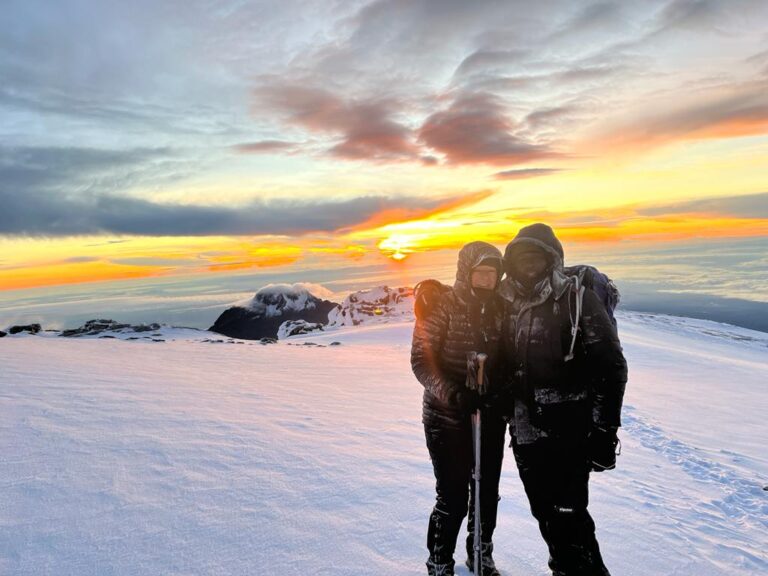
Kilimanjaro Early-Bird Climbing Discounts For Adventures 2026-2027
Plan your 2026-2027 Kilimanjaro climb and take advantage of early-bird discounts. Top Guide Adventures offers savings for those who book in advance, ensuring a memorable and affordable...
View package details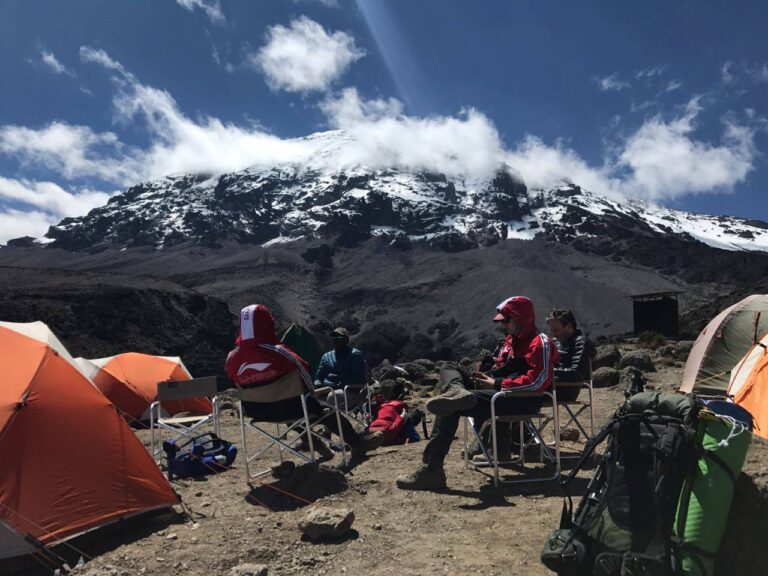
Kilimanjaro Climbing Price For Two People 2026-2027
Kilimanjaro Climbing Price for Two People is explained with current 2026-2027 planning, price, itinerary and booking information.
View package details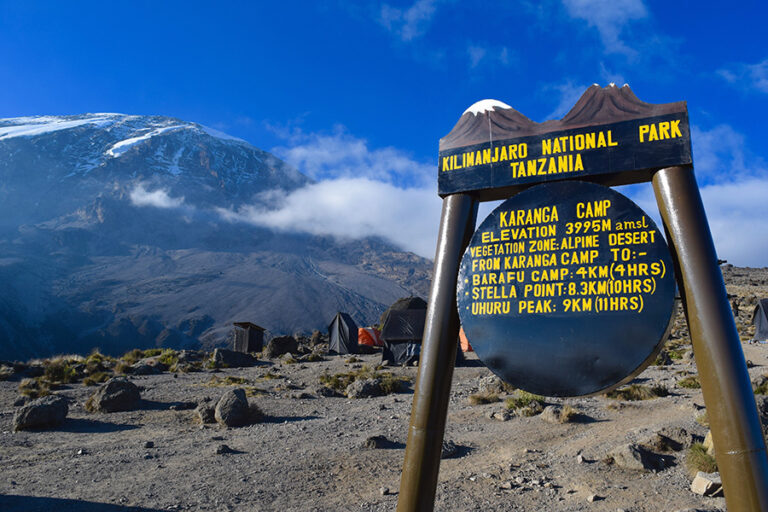
Kilimanjaro Safari Package For Non-Climbing Companions: Options & Experiences
For those accompanying climbers to Kilimanjaro but not ascending the peak, specialized safari packages offer a fantastic way to experience Tanzania's renowned wildlife and landscapes. These...
View package details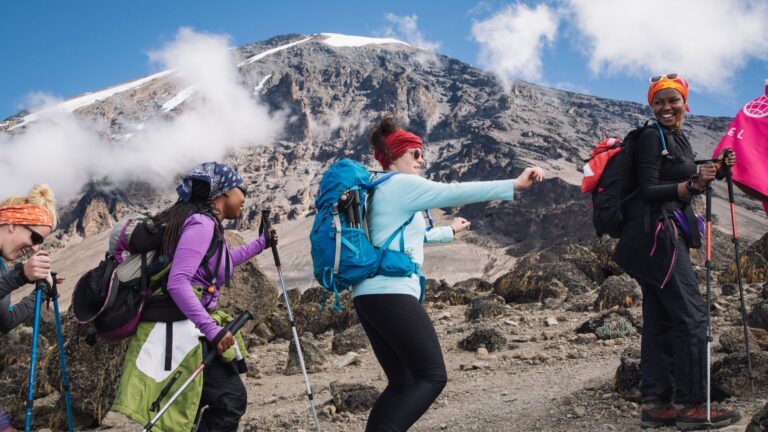
Kilimanjaro Climbing Support For Visually Impaired Travellers Guide
Climbing Kilimanjaro presents a unique challenge and reward, especially for visually impaired travellers. This guide details the specialized support, safety measures, and essential...
View package details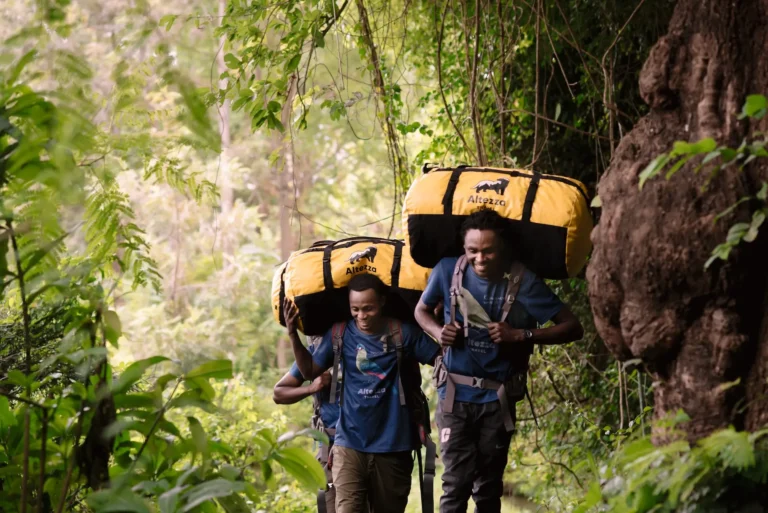
How To Read A Kilimanjaro Climbing Quote 2026-2027
How to Read a Kilimanjaro Climbing Quote is explained with current 2026-2027 planning, price, itinerary and booking information.
View package details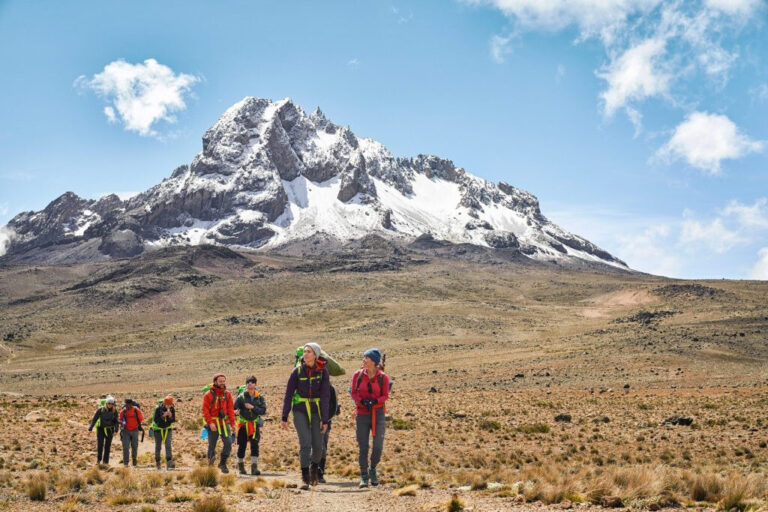
The Truth About Climbing Mount Kilimanjaro 2026-2027
The Truth about Climbing Mount Kilimanjaro is explained with current 2026-2027 planning, price, itinerary and booking information.
View package details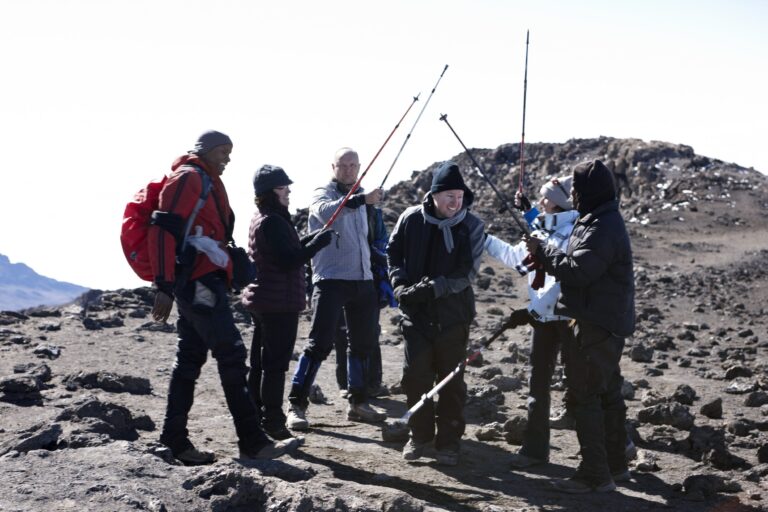
What Nobody Tells You About Climbing Kilimanjaro 2026-2027
What Nobody Tells You about Climbing Kilimanjaro is explained with current 2026-2027 planning, price, itinerary and booking information.
View package details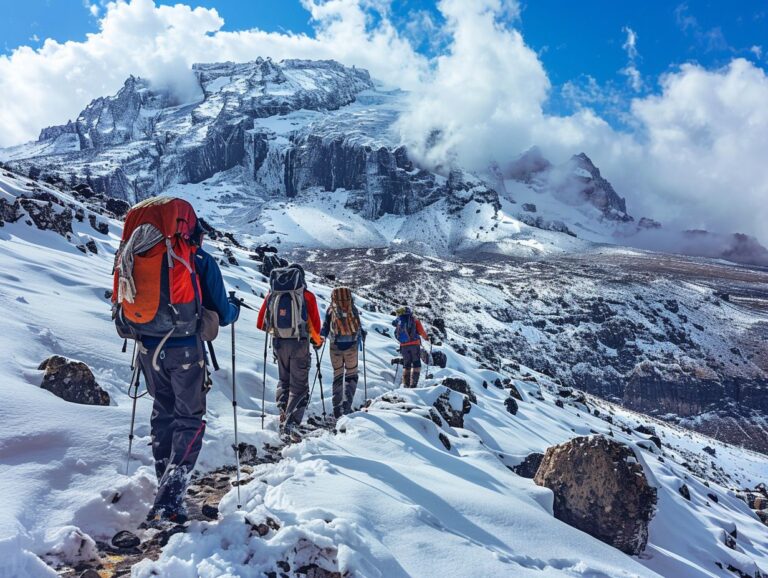
25 Kilimanjaro Climbing Mistakes First-Timers Make: Avoid Them In 2026-2027
Climbing Mount Kilimanjaro is a dream for many, but first-time trekkers can fall into common traps. This guide details 25 critical mistakes to avoid, from inadequate preparation and gear...
View package details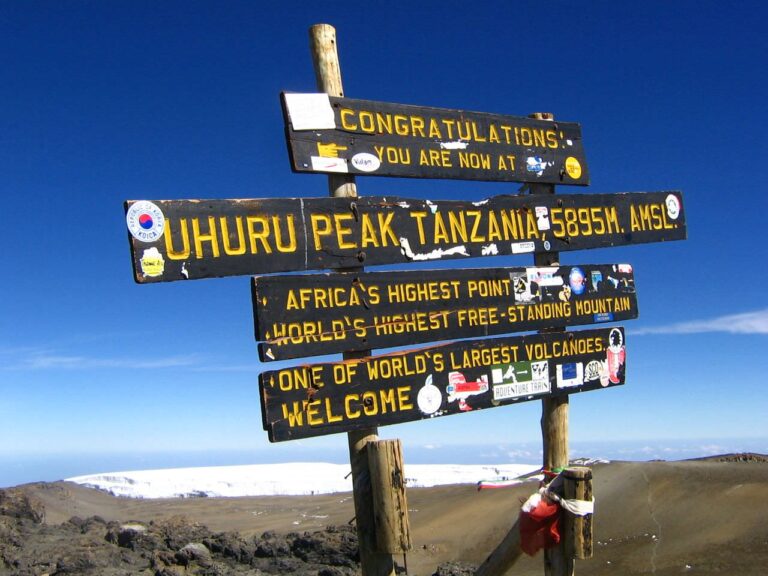
What Does Kilimanjaro Rainforest Look Like? A Trekkers Visual Guide 2026-2027
The Kilimanjaro rainforest is a vibrant, humid zone of dense vegetation, towering trees, and diverse plant life found on the mountain's lower slopes. It's the first major ecosystem trekkers...
View package details
Kilimanjaro Climb With A Personal Support Assistant: Your Ultimate Guide
Climbing Mount Kilimanjaro with a personal support assistant offers unparalleled safety, comfort, and focus on your summit goals. This guide details what a personal assistant entails, its...
View package detailsNo related package matches those filters. Clear one or more filters to see the other topic-matched options.



