
For a June climb on Mount Kilimanjaro in 2026 or 2027, the Machame Route and the Lemosho Route are often considered the best choices due to their favorable acclimatization profiles and relatively good weather conditions compared to other months. The longer Northern Circuit is also excellent for acclimatization and offers incredible scenery, making it a top contender for those prioritizing success and a more in-depth experience. June falls within Kilimanjaro’s dry season, offering clearer skies and less rain, but can still be cold at higher altitudes.
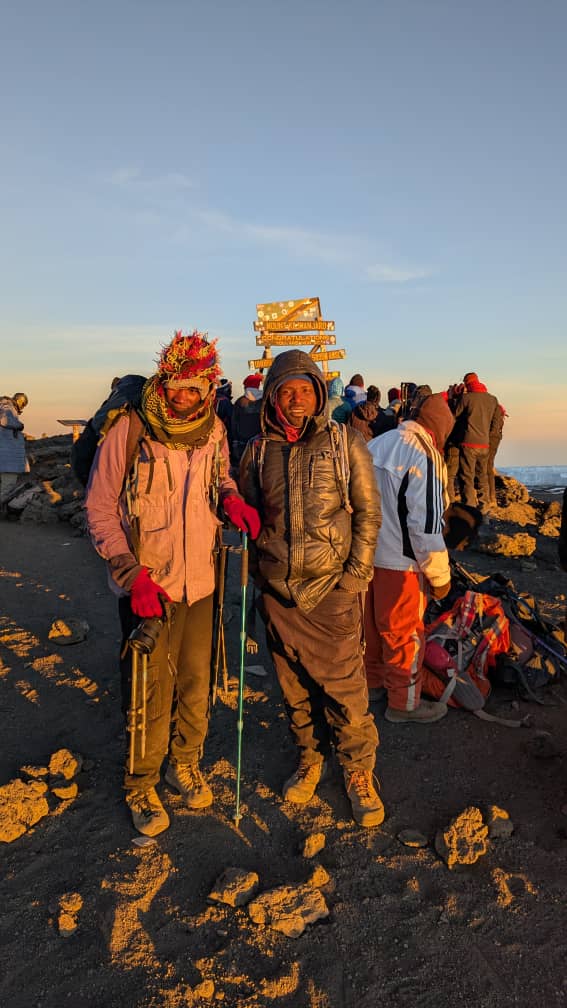

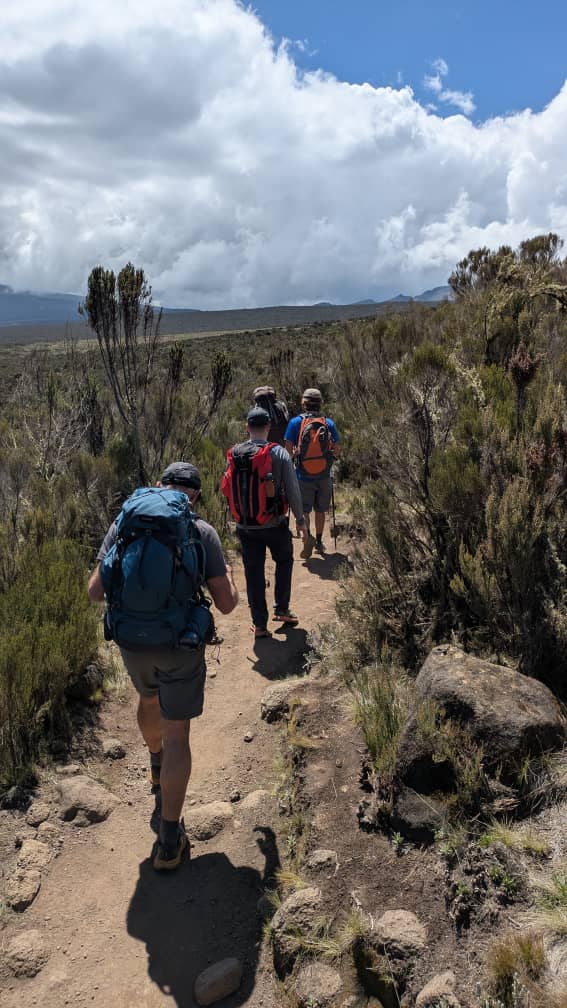
Choosing Your Best Kilimanjaro Route for June 2026-2027
Mount Kilimanjaro, Africa’s highest peak, calls to adventurers worldwide. For those planning a climb during the prime dry season of June, selecting the right route is paramount to your success and overall enjoyment. June marks the beginning of Kilimanjaro’s winter, which, while cooler, is characterized by significantly less rainfall, clearer skies, and excellent visibility. This makes it an ideal month for trekking. At Top Guide Adventures, we understand that every climber has unique priorities – whether it’s the highest possible success rate, the most scenic views, a specific budget, or a desire for a less crowded experience. This guide will help you navigate the best Kilimanjaro routes for your June 2026 or 2027 expedition.
The key considerations for a June Kilimanjaro climb revolve around acclimatization, weather, scenery, crowd levels, and route length. While June offers generally dry conditions, temperatures can drop significantly, especially on summit night. Therefore, routes that promote better acclimatization are often favored. We’ll explore the most popular and recommended routes, detailing their pros and cons specifically for a June ascent.
Understanding Kilimanjaro’s June Weather Patterns
Before diving into specific routes, it’s crucial to understand what to expect weather-wise in June. Kilimanjaro experiences distinct seasons, and June falls into the long dry season, which typically runs from late May through October. This period is highly sought after by trekkers for several compelling reasons:
- Reduced Rainfall: June sees very little rain, especially in the lower and middle altitudes. While higher elevations can still experience occasional showers or even snow flurries, especially on summit night, the overall risk of prolonged rain is low.
- Clear Skies and Visibility: The dry conditions usually translate to clear skies, offering spectacular panoramic views of the surrounding landscape, including Mount Meru and, on exceptionally clear days, even the Kenyan plains. The sunrise and sunset views from the mountain are often impressive.
- Cooler Temperatures: June is Kilimanjaro’s winter. This means cooler temperatures at all altitudes compared to the warmer, wetter months. Expect pleasant trekking temperatures in the lower zones, but be prepared for frost and freezing conditions above the tree line, particularly at the crater rim and summit. Nighttime temperatures can easily drop below freezing, often reaching -10°C (14°F) or colder near the summit.
- Lower Humidity: The dry air makes trekking more comfortable, reducing the feeling of oppressive heat in the lower sections and making breathing easier at higher altitudes.
While June offers advantages, it’s important to be prepared for the cold. Proper layering and high-quality gear are essential for comfort and safety. The clearer weather also means that visibility of the summit and surrounding peaks is generally excellent, enhancing the visual appeal of the climb.
Top Kilimanjaro Routes for June Climbs: A Comparative Look
When planning your best Kilimanjaro route for June, consider these factors: route length, daily ascent profile, acclimatization days, scenery, and popularity. We recommend routes that offer a gradual ascent and sufficient acclimatization days to maximize your chances of reaching Uhuru Peak. For 2026 and 2027 climbs, booking in advance is highly advisable, especially for June, as it’s a peak season.
1. Machame Route: The Popular Choice for June
The Machame Route is one of the most popular routes on Kilimanjaro, and for good reason. It offers a great balance of scenery, acclimatization, and success rates, making it an excellent choice for June climbers. It is often referred to as the “Whiskey Route” because it’s considered a bit tougher than the Marangu “Coca-Cola” route.
- Duration: Typically 6 or 7 days. For June climbs, we strongly recommend the 7-day Machame Route to ensure adequate acclimatization.
- Scenery: Machame is renowned for its stunning and diverse scenery. You’ll traverse through lush rainforests, moorlands, alpine deserts, and arctic zones, offering a rich visual experience. The route offers excellent opportunities to see Kilimanjaro’s diverse flora and fauna.
- Acclimatization: The 7-day Machame route follows the “climb high, sleep low” principle effectively, which is crucial for acclimatization. This gradual ascent helps your body adjust to the altitude, significantly increasing your chances of summit success.
- Success Rate: The 7-day Machame route boasts a high success rate, often reported to be around 70-80%, thanks to its well-designed acclimatization profile.
- Crowds: Being popular, Machame can be relatively busy, especially during peak seasons like June. However, its staggered start times and multiple camping spots help mitigate overcrowding on the trails themselves.
- Starting Point: Machame Gate (1,800m / 5,900ft)
- Ending Point: Mweka Gate (1,640m / 5,380ft)
Why Machame is great for June: The route’s excellent acclimatization is a major advantage during the cooler June conditions. The varied landscapes provide a beautiful backdrop, and the clear skies of June allow you to fully appreciate the dramatic terrain. The 7-day option is particularly well-suited for June to allow more time for the body to adapt.
2. Lemosho Route: The Scenic Gem for June
The Lemosho Route is often praised for its spectacular scenery and excellent acclimatization. It’s a longer route, typically 7 to 8 days, which provides ample time for the body to adjust to the extreme altitude, making it a top contender for the best Kilimanjaro route for June, especially for those who want a more in-depth and successful climb.
- Duration: Typically 7, 8, or even 9 days. We strongly recommend at least 8 days on the Lemosho Route for optimal acclimatization and enjoyment.
- Scenery: Lemosho is widely considered one of the most beautiful routes. It begins in the lush, remote western side of Kilimanjaro, offering impressive views of the Shira Plateau and the vast plains of the Serengeti. The initial days are spent traversing pristine rainforest.
- Acclimatization: Lemosho’s longer duration naturally leads to better acclimatization. The route’s “climb high, sleep low” opportunities are excellent, particularly on longer itineraries.
- Success Rate: Due to its superior acclimatization, Lemosho routes (especially 8-day and 9-day) boast some of the highest success rates on the mountain, often exceeding 85-90%.
- Crowds: Lemosho is less crowded than Machame, especially in the first few days. Crowds tend to merge with the Machame route after a few days, but the overall experience is more serene.
- Starting Point: Lemosho Gate (2,100m / 6,900ft)
- Ending Point: Mweka Gate (1,640m / 5,380ft)
Why Lemosho is great for June: The extended duration of Lemosho (8 or 9 days) is perfect for acclimatizing to the colder June temperatures. The route’s remote start offers a more peaceful trekking experience before joining busier trails. The incredible scenery is a significant bonus, and the high success rate is reassuring for any June climber preparing for 2026 or 2027.
3. Northern Circuit: The Ultimate Acclimatization Route
For those seeking the highest chance of summit success and a truly comprehensive Kilimanjaro experience, the Northern Circuit is unparalleled. It is the longest route on the mountain, circumnavigating Kilimanjaro entirely, and thus offers the best acclimatization possible.
- Duration: Typically 9 or 10 days. For a June climb in 2026 or 2027, a 9-day Northern Circuit itinerary is highly recommended.
- Scenery: This route offers the most diverse and stunning scenery. It starts on the western side (like Lemosho), traverses the northern slopes, and offers unique views of the mountain’s often-unseen northern face. You’ll experience rainforest, moorland, alpine desert, arctic zone, and the crater rim.
- Acclimatization: With its extended duration and gentle ascent profile, the Northern Circuit provides the most gradual acclimatization. It spends more time at higher altitudes, allowing your body to adapt thoroughly, which is invaluable for summiting, especially in the colder June conditions.
- Success Rate: The Northern Circuit boasts the highest success rates on Kilimanjaro, often upwards of 90-95%, attributed directly to its superior acclimatization.
- Crowds: It is the least crowded route, especially in the initial days, offering a more private and tranquil trekking experience.
- Starting Point: Lemosho Gate (2,100m / 6,900ft)
- Ending Point: Mweka Gate (1,640m / 5,380ft)
Why Northern Circuit is great for June: The sheer length and gradual ascent make this route ideal for adapting to the cold and altitude of June. The unparalleled acclimatization means you are better prepared for the summit push. The stunning, less-traveled northern slopes offer a unique perspective of Kilimanjaro, making the journey itself as rewarding as the summit.
4. Rongai Route: An Alternative for June
The Rongai Route approaches Kilimanjaro from the north, near the Kenyan border. It is the only route that approaches from the drier northern side, which can be an advantage, especially if there’s a chance of lingering rain showers from the end of the wet season in late May.
- Duration: Typically 6 or 7 days. A 7-day Rongai Route is recommended for better acclimatization in June.
- Scenery: Rongai offers varied scenery, starting in the drier scrubland on the north side, then moving into montane forest and alpine zones. It is generally considered less scenic than Machame or Lemosho in the initial stages but opens up dramatically as you ascend.
- Acclimatization: The 7-day Rongai route offers decent acclimatization, though slightly less optimized than Machame or Lemosho. The longer 7-day version improves this significantly compared to the 6-day option.
- Success Rate: Success rates are good, particularly on the 7-day itinerary, often comparable to Machame.
- Crowds: Rongai is one of the least crowded routes, offering a more solitary trekking experience, especially in the first few days.
- Starting Point: Rongai Gate (1,950m / 6,400ft)
- Ending Point: Mweka Gate (1,640m / 5,380ft)
Why Rongai is good for June: Its position on the drier northern side can be a slight advantage if the transition from the wet season is slow. It’s also less crowded, which can be appealing for some June climbers. However, it is generally considered less scenic than the western routes.
Routes to Consider Carefully for June
While Machame, Lemosho, and Northern Circuit are top choices, other routes like Marangu and Umbwe have specific characteristics that might make them less ideal for June, or require more careful consideration.
Marangu Route: The “Coca-Cola” Route
Marangu is the oldest and most established route. It’s unique for offering dormitory-style accommodation instead of camping.
- Duration: 5 or 6 days.
- Scenery: Considered less scenic than other routes, especially in the initial stages.
- Acclimatization: The 5-day Marangu route is notoriously poor for acclimatization, leading to significantly lower success rates. The 6-day option improves this but is still not ideal.
- Success Rate: Generally the lowest on the mountain due to poor acclimatization.
- Crowds: Can be very crowded.
- Why it might not be ideal for June: The poor acclimatization is a significant drawback, especially when combined with the colder June temperatures. While it’s often cheaper, the lower success rate and less scenic experience make it less appealing for many, particularly for a June climb in 2026 or 2027.
Umbwe Route: The Challenging Path
Umbwe is the shortest and steepest route, known for its direct, challenging ascent.
- Duration: Typically 5 or 6 days.
- Scenery: Very scenic, passing through dense forest.
- Acclimatization: Extremely poor. It ascends very rapidly, offering minimal acclimatization time.
- Success Rate: Very low, suitable only for experienced high-altitude trekkers with excellent acclimatization abilities.
- Crowds: Least crowded.
- Why it might not be ideal for June: The rapid ascent is risky at any time, but particularly challenging in June when cold temperatures add another layer of difficulty. It’s generally not recommended for most climbers aiming for a successful June summit.
Comparing Route Durations for June Climbs
The length of your trek is one of the most critical factors influencing acclimatization and summit success. For a June climb, longer is almost always better. Here’s a breakdown:
- 5-day routes (e.g., Marangu, Umbwe): Not recommended for June. The rapid ascent offers insufficient time for your body to adapt to the altitude, leading to a high risk of altitude sickness and low summit success rates.
- 6-day routes (e.g., Machame, Rongai): Better, but still borderline for optimal acclimatization in June. While possible, you are more likely to experience altitude-related challenges.
- 7-day routes (e.g., Machame, Lemosho, Rongai): A good balance for many climbers. This duration allows for a more gradual ascent and better acclimatization, significantly improving your chances of reaching Uhuru Peak. This is a popular choice for June climbs in 2026 and 2027.
- 8-day routes (e.g., Lemosho): Excellent for acclimatization. The extra day provides more “climb high, sleep low” opportunities and allows your body more time to adjust, further boosting success rates and reducing the risk of altitude sickness.
- 9-day (or 10-day) routes (e.g., Northern Circuit): The ultimate choice for acclimatization. These longer itineraries offer the most gradual ascent and the highest success rates, making them ideal for tackling Kilimanjaro, especially during the cooler June period.
At Top Guide Adventures, we prioritize your safety and success. Therefore, for June climbs in 2026 and 2027, we strongly advocate for 7-day or longer itineraries. The 8-day Lemosho or the 9-day Northern Circuit are our top recommendations for the best combination of acclimatization, scenery, and success.
Kilimanjaro Itinerary Considerations for June Climbers (2026-2027)
A well-structured itinerary is key to a successful Kilimanjaro climb, especially in June. Here’s what to look for when planning your trip:
Sample 7-Day Machame Route Itinerary (Ideal for June)
- Day 1: Machame Gate (1,800m) to Machame Camp (3,000m): Trek through rainforest.
- Day 2: Machame Camp (3,000m) to Shira 2 Camp (3,850m): Ascend through moorland, with “climb high, sleep low” opportunities.
- Day 3: Shira 2 Camp (3,850m) to Barranco Camp (3,950m): Cross the Shira Plateau, with a significant ascent but minimal change in sleeping altitude.
- Day 4: Barranco Camp (3,950m) to Karanga Camp (4,000m): Tackle the Great Barranco Wall, a challenging but rewarding day.
- Day 5: Karanga Camp (4,000m) to Barafu Camp (4,650m): Ascend through alpine desert, preparing for summit night.
- Day 6: Barafu Camp (4,650m) to Uhuru Peak (5,895m) and descent to Mweka Camp (3,100m): Summit night! Start very early, reach Stella Point then Uhuru Peak, and descend to Mweka Camp.
- Day 7: Mweka Camp (3,100m) to Mweka Gate (1,640m): Final descent through the forest.
Sample 8-Day Lemosho Route Itinerary (Excellent for June)
- Day 1: Londorossi Gate (2,100m) to Mti Mkubwa Camp (2,800m): Drive to gate, then trek through forest.
- Day 2: Mti Mkubwa Camp (2,800m) to Shira 1 Camp (3,600m): Continue through forest, opening up to moorland.
- Day 3: Shira 1 Camp (3,600m) to Shira 2 Camp (3,850m): Trek across the Shira Plateau.
- Day 4: Shira 2 Camp (3,850m) to Barranco Camp (3,950m): Cross the Shira Plateau and descend slightly before ascending to Barranco.
- Day 5: Barranco Camp (3,950m) to Karanga Camp (4,000m): Climb the Great Barranco Wall.
- Day 6: Karanga Camp (4,000m) to Barafu Camp (4,650m): Ascend through alpine desert.
- Day 7: Barafu Camp (4,650m) to Uhuru Peak (5,895m) and descent to Mweka Camp (3,100m): Summit day!
- Day 8: Mweka Camp (3,100m) to Mweka Gate (1,640m): Final descent.
Sample 9-Day Northern Circuit Itinerary (Best for June)
- Day 1: Londorossi Gate (2,100m) to Mti Mkubwa Camp (2,800m): Forest trek.
- Day 2: Mti Mkubwa Camp (2,800m) to Shira 1 Camp (3,600m): Forest to moorland.
- Day 3: Shira 1 Camp (3,600m) to Shira 2 Camp (3,850m): Across Shira Plateau.
- Day 4: Shira 2 Camp (3,850m) to Lava Tower (4,600m) and descent to Arrow Glacier Camp (4,800m): High altitude acclimatization.
- Day 5: Arrow Glacier Camp (4,800m) to Kibo South Camp (4,700m): Traverse western breach wall, then descend to Kibo South.
- Day 6: Kibo South Camp (4,700m) to Uhuru Peak (5,895m) and descent to Kibo North Camp (4,700m): Summit push via the northern approach.
- Day 7: Kibo North Camp (4,700m) to Third Cave Camp (3,400m): Descend the northern slopes.
- Day 8: Third Cave Camp (3,400m) to Millennium Camp (3,800m): A more relaxed day, following the Mweka descent path.
- Day 9: Millennium Camp (3,800m) to Mweka Gate (1,640m): Final descent.
These are sample itineraries. Top Guide Adventures can tailor any itinerary to your specific needs and preferences for your 2026 or 2027 June climb.
Altitude Sickness: Preparation and Prevention for June Climbs
Altitude sickness (Acute Mountain Sickness – AMS) is the primary concern for any Kilimanjaro trekker. While June’s weather is dry, the altitude remains the biggest challenge. Proper acclimatization is your best defense.
- Choose a longer route: As discussed, 7-day or longer routes are crucial for June.
- Ascend slowly: Follow the “pole pole” (slowly, slowly) principle.
- Stay hydrated: Drink plenty of water (3-4 liters per day).
- Eat well: Maintain energy levels with regular meals.
- Avoid alcohol and smoking: These can exacerbate altitude sickness.
- Consider Diamox: Consult your doctor about Acetazolamide (Diamox), a prescription medication that can aid acclimatization.
- Listen to your body: Report any symptoms (headache, nausea, dizziness) to your guide immediately.
The colder temperatures in June can sometimes mask early symptoms of AMS, as fatigue and cold can feel similar. It is vital to be extra vigilant and communicate openly with your guide about how you are feeling.
Gear and Packing for a June Kilimanjaro Climb
June is Kilimanjaro’s winter, so packing for cold weather is essential. Layering is key. You’ll need robust gear to handle freezing temperatures, especially on summit night.
Essential Gear for June Climbs:
- Base Layers: Moisture-wicking thermal underwear (merino wool or synthetic).
- Mid Layers: Fleece jackets or insulated jackets for warmth.
- Outer Layer: Waterproof and windproof jacket and pants (Gore-Tex or similar).
- Insulation Layer: A heavy down or synthetic insulated jacket for extreme cold.
- Headwear: Warm, insulated hat that covers the ears; a balaclava or face mask for wind protection.
- Gloves: Heavy waterproof mittens or gloves, plus thinner liner gloves.
- Footwear: Broken-in, waterproof hiking boots; several pairs of warm hiking socks (wool); camp shoes or trainers for evenings.
- Sleeping Bag: A 4-season sleeping bag rated to at least -15°C (0°F) or -20°C (-4°F) is recommended for June.
- Trekking Poles: Essential for stability and reducing strain on knees.
- Headlamp: With extra batteries.
- Sun Protection: High SPF sunscreen, lip balm with SPF, sunglasses (with UV protection).
- Hydration: Water bottles or hydration reservoir (ensure it’s insulated to prevent freezing).
- First-Aid Kit: Personal medications, blister treatment, pain relievers.
Top Guide Adventures provides a detailed packing list upon booking, and we can assist with gear rental for essential items like sleeping bags and warm jackets if needed for your 2026 or 2027 climb.
Cost Considerations for June Kilimanjaro Climbs (2026-2027)
The cost of a Kilimanjaro climb can vary significantly depending on the route, duration, operator, and inclusions. June, being part of the peak season, may see slightly higher prices than the shoulder or low seasons, but generally offers excellent value due to the favorable weather.
Factors influencing cost include:
- Route Length: Longer routes cost more due to more days of park fees, crew wages, and supplies.
- Operator Type: Local operators like Top Guide Adventures often provide better value and direct support compared to international resellers.
- Inclusions: What’s included (e.g., meals, accommodation before/after, gear rental, tips, park fees)? Ensure a comprehensive package.
- Group Size: Private climbs are more expensive per person than group climbs.
For a 7-day Machame or Lemosho climb with a reputable local operator like Top Guide Adventures in 2026 or 2027, expect prices to range roughly from $1,800 to $2,800 USD per person. Longer routes like the 9-day Northern Circuit will be at the higher end of this spectrum or slightly above, typically from $2,200 to $3,500+ USD per person. These estimates generally include park fees, camping equipment, experienced guides and porters, meals on the mountain, and transfers.
It is crucial to compare itineraries and inclusions carefully. Be wary of suspiciously low prices, which often indicate compromises on safety, equipment, crew welfare, or park fees. Top Guide Adventures is committed to ethical trekking practices, ensuring fair wages for our crew and high-quality services.
Top Guide Adventures – Sample Pricing Logic (2026-2027)
- 7-Day Machame/Lemosho: Starting from approx. $1,950 USD per person (shared group)
- 8-Day Lemosho: Starting from approx. $2,250 USD per person (shared group)
- 9-Day Northern Circuit: Starting from approx. $2,550 USD per person (shared group)
- Private Climbs: Custom quotes available.
Note: Prices are indicative for 2026-2027 and can vary based on group size, specific inclusions, and booking time. Park fees are subject to change by Kilimanjaro National Park Authority. Contact us for a personalized quote.
Why Choose Top Guide Adventures for Your June 2026-2027 Kilimanjaro Climb?
As a leading local tour operator in Tanzania, Top Guide Adventures is dedicated to providing an exceptional and safe Kilimanjaro climbing experience. We specialize in complete travel arrangements across Tanzania, offering personal attention, care, and dedicated support for every client.
- Local Expertise: We are based in Tanzania, giving us unparalleled knowledge of Kilimanjaro and its routes.
- Experienced Guides: Our guides are highly trained, certified, and possess extensive experience in high-altitude trekking and wilderness first aid.
- Safety First: We carry extensive medical kits, including a portable hyperbaric chamber and oxygen, and have strict safety protocols.
- Ethical Trekking: We ensure our porters and guides are well-paid, well-fed, and properly equipped, adhering to the guidelines of Kilimanjaro Porters Assistance Project (KPAP).
- Personalized Service: We offer tailor-made journeys and ensure individual attention, from initial planning to your return home.
- High Success Rates: Our focus on acclimatization, quality equipment, and experienced guides contributes to our excellent summit success rates.
We organize not just Kilimanjaro climbs but also Tanzania safaris, Serengeti and Ngorongoro tours, Zanzibar holidays, and more. Let us help you plan your unforgettable adventure for 2026 or 2027.
Booking Your June Kilimanjaro Climb
June is a popular month for climbing Kilimanjaro due to the dry weather, so booking your 2026 or 2027 expedition well in advance is highly recommended. Early booking ensures availability on your preferred route and dates, and allows ample time for preparation.
Contact Top Guide Adventures today to discuss your dream Kilimanjaro climb. Our team is ready to answer all your questions and help you choose the best Kilimanjaro route for your June climb.
Reach us via:
WhatsApp: +255616946642
Email: topguideadventures@gmail.com
Backup Email: info@topguideadventures.com
Let us make your Kilimanjaro adventure in 2026 or 2027 a reality!
Check Availability for Best Kilimanjaro Routes For June Climbs In | Top Guide Adventures 2026-2027
Ready to compare dates, prices, and the best option for your group? Send the package name and travel month so the team can reply with a clear quote, availability, and what is included.
Kilimanjaro Summit-Night Mistakes To Avoid: Your Essential Guide For Climbs
Summit night on Kilimanjaro is the most challenging part of the climb. Avoiding common mistakes in acclimatization, gear, hydration, and pacing is crucial for success. This guide details...
View package detailsKilimanjaro Questions To Ask During Your Briefing For Climbs 2026-2027
Before embarking on your Kilimanjaro adventure, a thorough briefing is crucial. This guide outlines the most important questions to ask your tour operator to ensure you're fully prepared...
View package details
30 Things To Know Before Booking Kilimanjaro: Your Expert Guide For Climbs
Your ultimate checklist for booking a Kilimanjaro climb in 2026-2027. This guide covers everything from choosing the right route and understanding costs to essential gear and preparation...
View package details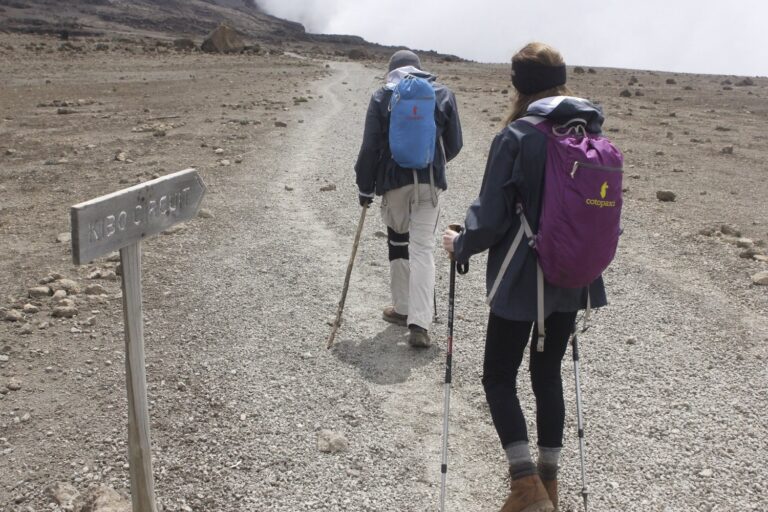
Kilimanjaro Standard Camp Vs Luxury Your Ultimate Comparison For Climbs
Choosing between standard and luxury camping on Kilimanjaro significantly impacts your trek experience. This guide breaks down the key differences in accommodation, meals, equipment, and...
View package details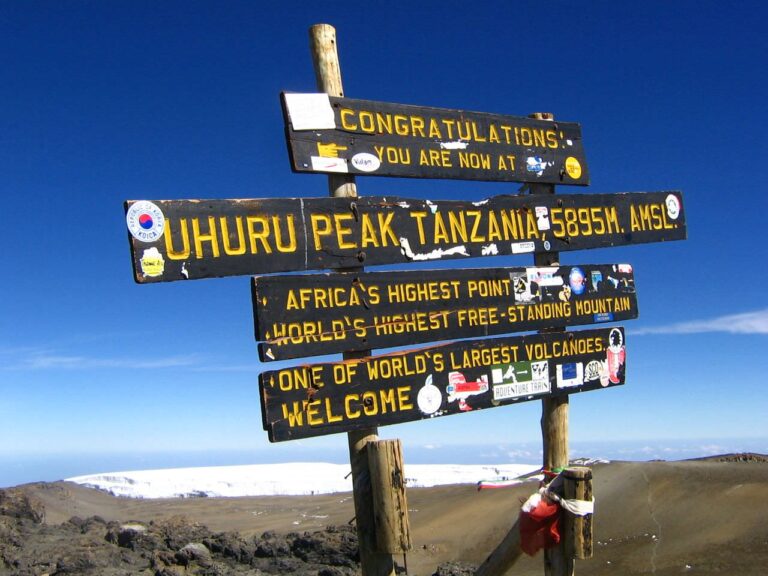
What Does Kilimanjaro Rainforest Look Like? A Trekkers Visual Guide 2026-2027
The Kilimanjaro rainforest is a vibrant, humid zone of dense vegetation, towering trees, and diverse plant life found on the mountain's lower slopes. It's the first major ecosystem trekkers...
View package details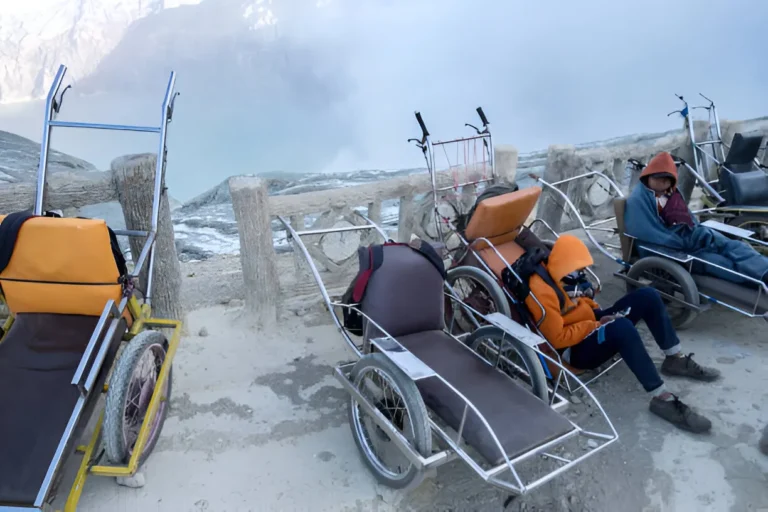
Kilimanjaro Climb With A Personal Support Assistant: Your Ultimate Guide
Climbing Mount Kilimanjaro with a personal support assistant offers unparalleled safety, comfort, and focus on your summit goals. This guide details what a personal assistant entails, its...
View package details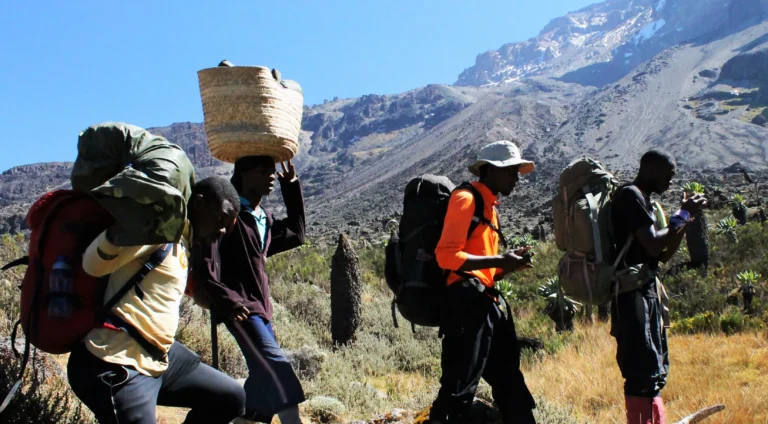
How To Know Whether You Are Ready For Kilimanjaro: A Comprehensive Guide
Climbing Mount Kilimanjaro is a significant undertaking. This guide helps you evaluate your physical, mental, and logistical readiness to ensure a safe and successful trek in 2026 or 2027...
View package details
Kilimanjaro Hydration Mistakes Climbers Make And How To Avoid Them 2026-2027
Proper hydration is critical for a successful Kilimanjaro climb. This guide details common hydration mistakes climbers make, from under-drinking to choosing the wrong fluids, and provides...
View package details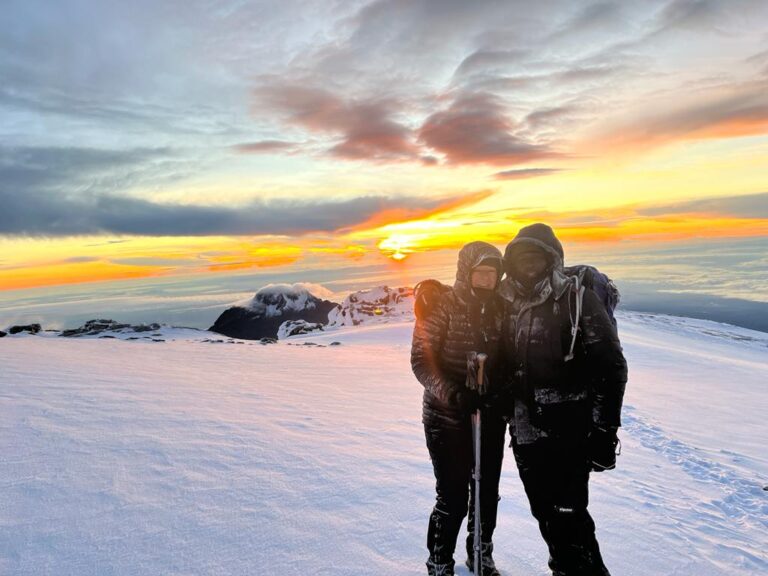
Kilimanjaro Altitude-Sickness Mistakes 2026-2027
Kilimanjaro Altitude-Sickness Mistakes is explained with current 2026-2027 planning, price, itinerary and booking information.
View package details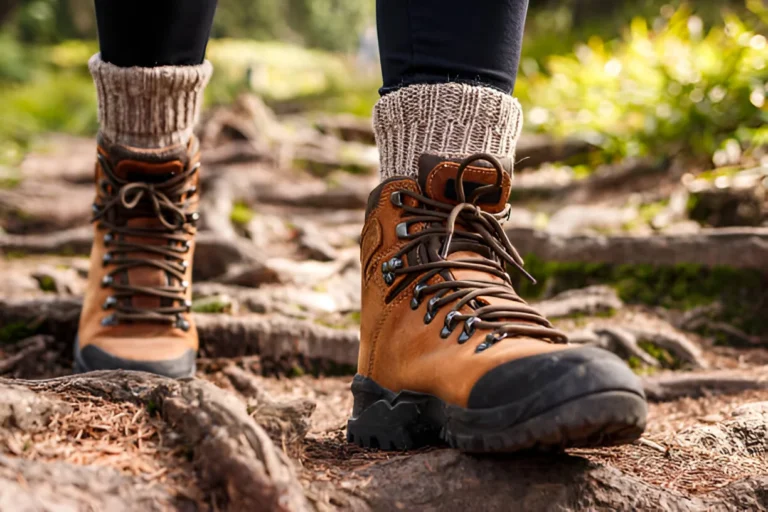
Kilimanjaro Training Mistakes That Reduce Summit Success 2026-2027
Kilimanjaro Training Mistakes that Reduce Summit Success is explained with current 2026-2027 planning, price, itinerary and booking information.
View package details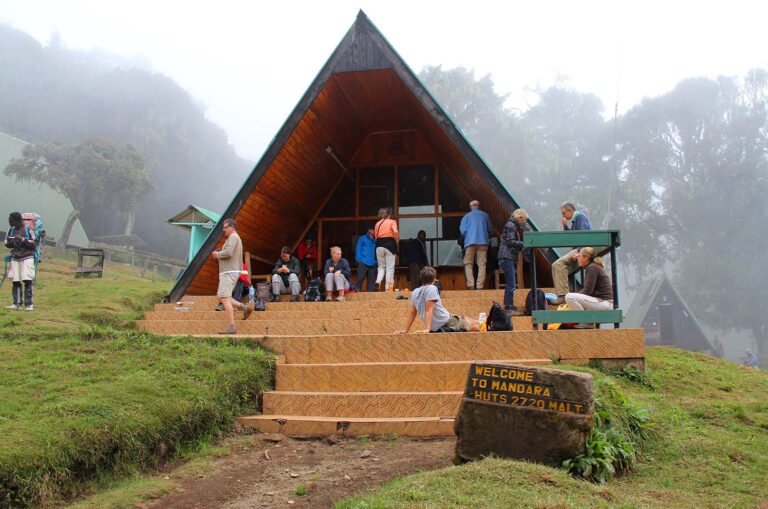
Kilimanjaro Personal Porter Vs Standard Support 2026-2027
Kilimanjaro Personal Porter vs Standard Porter Support is explained with current 2026-2027 planning, price, itinerary and booking information.
View package details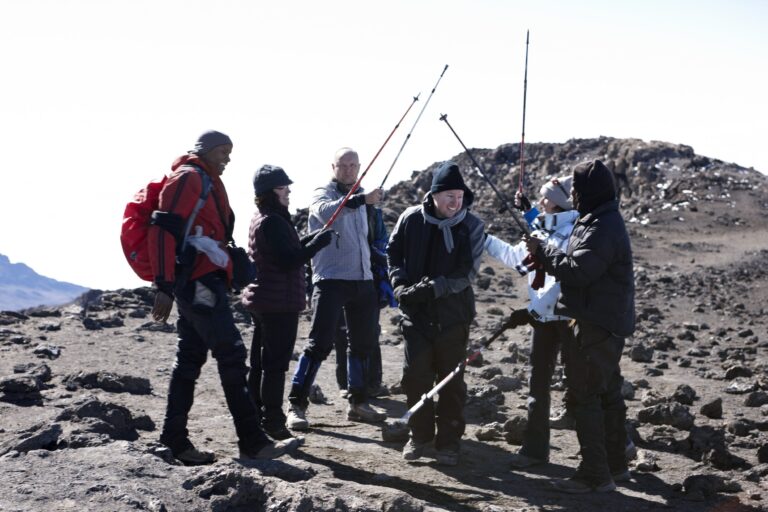
Kilimanjaro Airport Vs Arusha For Climbers: The Definitive Guide 2026-2027
A comprehensive comparison of Kilimanjaro International Airport (JRO) and Arusha Airport (ARK) for trekkers planning a Mount Kilimanjaro climb, detailing pros, cons, and booking advice for...
View package detailsNo related package matches those filters. Clear one or more filters to see the other topic-matched options.



