
An 8-day Lemosho Route Kilimanjaro climb in June offers a fantastic opportunity to summit Africa’s highest peak, benefiting from the dry season’s clear skies and good visibility. This extended duration is ideal for proper acclimatization, significantly increasing your chances of reaching Uhuru Peak. June is part of Kilimanjaro’s shoulder season, providing a good balance of favorable weather and fewer crowds compared to the peak months of July and August. Top Guide Adventures specializes in expertly guided Lemosho Route climbs, ensuring safety, comfort, and a memorable experience for your 2026 or 2027 adventure.
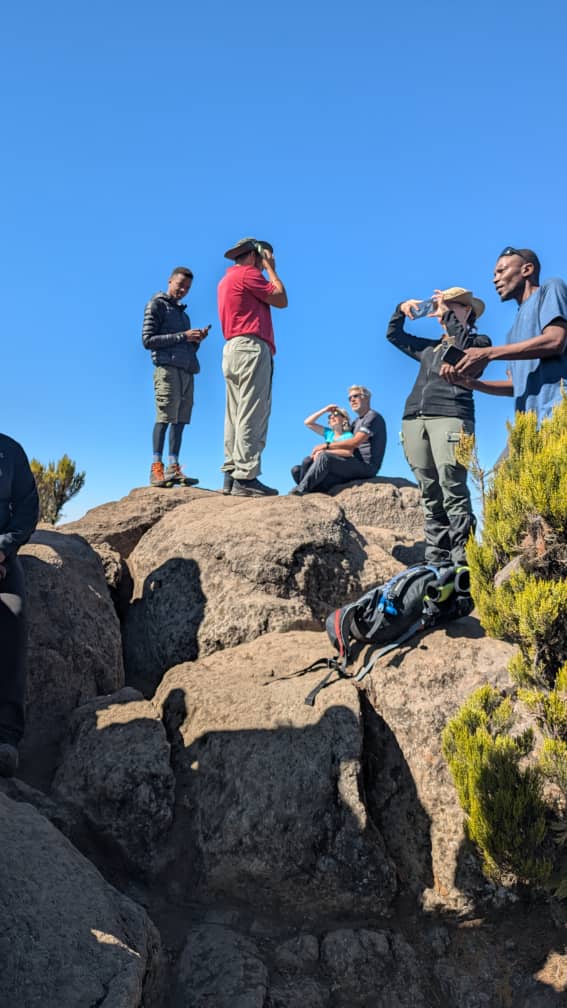


Why Choose the 8-Day Lemosho Route for Your June Kilimanjaro Climb
When planning your Kilimanjaro ascent, the choice of route is paramount. The 8-day Lemosho Route stands out as a premier option, particularly for those aiming to climb in June. This route is renowned for its scenic beauty, gradual ascent profile, and high success rates, all of which are amplified by the favorable conditions typically found in June. As one of Tanzania’s most trusted tour operators, Top Guide Adventures has extensive experience guiding clients on the Lemosho Route, ensuring every aspect of your climb is managed professionally.
June: An Ideal Month for Kilimanjaro Trekking
June marks the beginning of Kilimanjaro’s dry season, following the shorter ‘rainy season’ of April and May. This transition brings about significant advantages for trekkers:
- Clear Skies and Excellent Visibility: June typically offers crisp, clear skies, providing impressive panoramic views from the summit and along the trail. This means you can fully appreciate the diverse landscapes of Kilimanjaro, from rainforest to alpine desert and the arctic zone.
- Reduced Rainfall: While occasional showers are possible, June generally sees much less rainfall than the preceding months. This makes for more comfortable trekking conditions, with less mud and slippery trails.
- Moderate Temperatures: Daytime temperatures on the lower slopes are pleasant, while higher altitudes remain cold, especially at night and on summit day. June’s temperatures are manageable with appropriate gear.
- Fewer Crowds than Peak Season: While the dry season is popular, June often experiences slightly fewer trekkers than the absolute peak months of July and August. This can lead to a more serene and personal trekking experience.
The Lemosho Route Advantage: Scenery and Acclimatization
The Lemosho Route is celebrated for its beauty and its strategic path that promotes excellent acclimatization. It begins on the western side of Kilimanjaro, offering a more remote and less-traveled start through pristine montane forests. The 8-day itinerary is particularly well-suited for acclimatization because:
- Gradual Altitude Gain: The route’s progression allows your body to adjust to increasing altitudes more effectively. The longer duration means more ‘climb high, sleep low’ opportunities, which are crucial for preventing altitude sickness.
- Diverse Ecosystems: You’ll traverse through varied landscapes, from lush rainforests teeming with wildlife to open moorlands, alpine deserts, and the rugged volcanic terrain near the summit.
- Scenic Western Approach: The initial days on Lemosho offer some of the most beautiful and untouched scenery on the mountain, including stunning views of the Shira Plateau.
- Merger with Machame: After a few days, the Lemosho Route joins the popular Machame Route, benefiting from its well-established paths and support infrastructure while retaining its unique starting charm.
The 8-Day Lemosho Route Itinerary: A Day-by-Day Breakdown
Top Guide Adventures meticulously plans each day of the 8-day Lemosho Route itinerary to maximize your chances of success and enjoyment. This detailed plan ensures adequate rest, nutrition, and acclimatization.
Day 1: Lemosho Glades (2,100m/6,890ft) to Shira 1 Camp (3,610m/11,844ft)
Start Point: Lemosho Gate (2,100m/6,890ft)
End Point: Shira 1 Camp (3,610m/11,844ft)
Trekking Time: Approx. 5-7 hours
Distance: Approx. 10 km / 6 miles
Your adventure begins with a scenic drive from Moshi to the Lemosho Gate. After completing park formalities, you’ll start a trek through dense rainforest. The trail is generally gentle, but the altitude gain is significant on this first day. Your guides will focus on a slow, steady pace. You’ll likely encounter diverse birdlife and possibly monkeys. The camp is situated on the Shira Plateau, offering expansive views.
Day 2: Shira 1 Camp (3,610m/11,844ft) to Shira 2 Camp (3,850m/12,631ft)
Start Point: Shira 1 Camp (3,610m/11,844ft)
End Point: Shira 2 Camp (3,850m/12,631ft)
Trekking Time: Approx. 4-6 hours
Distance: Approx. 7 km / 4 miles
Today involves a relatively short trek across the Shira Plateau. The terrain is open moorland, with rolling hills and stunning vistas. You’ll ascend gradually, further aiding acclimatization. Shira 2 Camp is located higher on the plateau, offering more dramatic views and a taste of the alpine environment. The cold can be noticeable here, especially as the sun sets.
Day 3: Shira 2 Camp (3,850m/12,631ft) to Barranco Camp (3,970m/13,025ft) via Lava Tower
Start Point: Shira 2 Camp (3,850m/12,631ft)
End Point: Barranco Camp (3,970m/13,025ft)
Trekking Time: Approx. 6-8 hours
Distance: Approx. 10 km / 6 miles
This is a crucial acclimatization day. You’ll ascend significantly, passing Lava Tower (4,630m/15,190ft) around midday. After a break and lunch at Lava Tower, you will descend to Barranco Camp. This ‘climb high, sleep low’ strategy is highly effective for acclimatization. The landscape transitions into a unique alpine desert, dotted with giant senecios and lobelias. Barranco Camp is located at the base of the impressive Barranco Wall.
Day 4: Barranco Camp (3,970m/13,025ft) to Karanga Camp (4,000m/13,123ft)
Start Point: Barranco Camp (3,970m/13,025ft)
End Point: Karanga Camp (4,000m/13,123ft)
Trekking Time: Approx. 4-5 hours
Distance: Approx. 5 km / 3 miles
Today’s main challenge is the ascent of the Barranco Wall, a dramatic cliff face that requires scrambling but is not technical climbing. Your guides will assist you, and the views from the top are rewarding. After descending the wall, you’ll trek through a rocky landscape towards Karanga Camp. This day is shorter, allowing for rest and recovery before the next stage.
Day 5: Karanga Camp (4,000m/13,123ft) to Barafu Camp (4,640m/15,223ft)
Start Point: Karanga Camp (4,000m/13,123ft)
End Point: Barafu Camp (4,640m/15,223ft)
Trekking Time: Approx. 4-5 hours
Distance: Approx. 4 km / 2.5 miles
The landscape becomes increasingly barren and rocky as you approach Barafu Camp, the base camp for the summit push. The trail is steep and challenging, with thin air. You’ll arrive at Barafu Camp in the afternoon, where you’ll have an early dinner and rest. Acclimatization is key here; staying hydrated and resting is crucial. The cold is intense, and the views of the summit cone are awe-inspiring.
Day 6: Summit Day! Barafu Camp (4,640m/15,223ft) to Uhuru Peak (5,895m/19,341ft) and descend to Mweka Camp (3,100m/10,171ft)
Start Point: Barafu Camp (4,640m/15,223ft)
End Point: Uhuru Peak (5,895m/19,341ft), then descend to Mweka Camp (3,100m/10,171ft)
Trekking Time: Approx. 7-8 hours to summit, 4-6 hours to Mweka Camp
Distance: Approx. 5 km / 3 miles to summit, 11 km / 7 miles to Mweka Camp
This is the ultimate challenge. You’ll begin your ascent around midnight, trekking in the dark with headlamps. The climb is steep and slow, through scree and rock. Reaching Stella Point on the crater rim is a major milestone, followed by the final push to Uhuru Peak, the roof of Africa. After celebrating your achievement, you’ll descend back to Barafu Camp for a short rest and then continue down to Mweka Camp, a significant descent into the montane forest zone.
Day 7: Mweka Camp (3,100m/10,171ft) to Mweka Gate (1,640m/5,381ft)
Start Point: Mweka Camp (3,100m/10,171ft)
End Point: Mweka Gate (1,640m/5,381ft)
Trekking Time: Approx. 3-4 hours
Distance: Approx. 10 km / 6 miles
After breakfast, you’ll complete the final descent through the rainforest to Mweka Gate. The air is warmer and more humid here. Upon arrival, you’ll be greeted by your drivers and transferred back to your hotel in Moshi. This is a time for celebration and rest after your incredible journey.
Day 8: Rest and Departure
Location: Moshi
Activities: Rest, optional souvenir shopping, departure.
Enjoy a well-deserved rest day in Moshi. You can opt for optional activities like visiting local markets or simply relax at your hotel before your onward journey or flight home.
Preparing for Your 8-Day Lemosho Kilimanjaro Climb in June 2026-2027
Successful preparation is key to a rewarding Kilimanjaro experience. For an 8-day Lemosho Route climb in June 2026 or 2027, consider the following:
Physical Training and Fitness
Kilimanjaro is a challenging trek, not a technical climb, but it demands excellent cardiovascular fitness and stamina. Focus on:
- Cardiovascular Endurance: Engage in activities like hiking (with a backpack), running, cycling, or swimming for at least 3-4 times a week. Aim for longer sessions (2-3 hours) on weekends.
- Strength Training: Focus on leg strength (squats, lunges) and core stability. This will help you navigate steep ascents and descents.
- Hiking Practice: The best preparation is hiking on varied terrain, ideally with hills or mountains, wearing the boots and backpack you intend to use. Practice with elevation gains and descents.
- Mental Preparation: Kilimanjaro is as much a mental challenge as a physical one. Understand the risks, prepare for discomfort, and cultivate a positive, resilient mindset.
Acclimatization Strategies
The 8-day Lemosho Route is designed for good acclimatization, but personal strategies enhance this:
- Ascend Slowly: Adhere to your guide’s pace. Rushing is the biggest mistake.
- Hydration: Drink plenty of fluids (water, herbal teas). Aim for 3-4 liters per day. Avoid alcohol and caffeine, which can dehydrate you.
- Eat Well: Consume nutritious meals and snacks, even if your appetite is reduced.
- Avoid Overexertion: Listen to your body and rest when needed.
- Consider Diamox: Consult your doctor about Acetazolamide (Diamox) as a preventative measure for altitude sickness.
Essential Gear for June Climbs
Packing appropriately is vital for comfort and safety, especially in June’s variable conditions. Top Guide Adventures provides a comprehensive gear list, but key items include:
- Layering System: Base layers (thermal underwear), mid-layers (fleece), and outer layers (waterproof and windproof jacket and pants).
- Insulated Jacket: A warm down or synthetic jacket for cold evenings and summit night.
- Trekking Boots: Broken-in, waterproof, high-ankle boots.
- Headwear: Warm hat, sun hat, and balaclava/neck gaiter.
- Gloves: Warm, waterproof gloves and liner gloves.
- Sleeping Bag: A 4-season sleeping bag rated to at least -15°C (0°F).
- Headlamp: With extra batteries.
- Sunglasses: With UV protection.
- Sunscreen and Lip Balm: High SPF.
- Water Bottles/Hydration Reservoir: At least 3 liters capacity.
- Trekking Poles: Highly recommended for stability and reducing knee strain.
- Personal First-Aid Kit: Including blister treatment and personal medications.
- Snacks: High-energy snacks like energy bars, nuts, and dried fruit.
Travel Insurance
Comprehensive travel insurance is mandatory for all Kilimanjaro climbs. Ensure your policy covers:
- High-altitude trekking up to 6,000 meters.
- Emergency medical evacuation (including helicopter evacuation).
- Trip cancellation and interruption.
Top Guide Adventures can advise on reliable insurance providers. Ensure your policy is valid for your planned climb dates in 2026 or 2027.
Vaccinations and Health Advice
Consult your doctor or a travel clinic 4-6 weeks before your trip for recommended vaccinations and malaria prophylaxis. While Kilimanjaro itself is malaria-free due to its altitude, you may need protection for other parts of your Tanzania trip (e.g., safari). Your doctor can provide personalized advice.
What to Expect on Your 8-Day Lemosho Kilimanjaro Climb
The 8-day Lemosho Route provides a rich and rewarding experience. Understanding what to expect can help manage expectations and enhance enjoyment.
Daily Trekking Routine
A typical day on Kilimanjaro involves:
- Early Wake-up: Usually around 6:30-7:00 AM.
- Breakfast: A hearty breakfast prepared by your cook.
- Trekking: Setting off for the day’s hike, typically lasting 4-8 hours. Guides set a slow, steady pace (‘pole pole’).
- Lunch: A packed lunch is often enjoyed en route.
- Arrival at Camp: Reaching the campsite in the afternoon.
- Evening Routine: Hot drinks and snacks upon arrival, followed by dinner. Guides will brief you on the next day’s plan.
- Sleep: Early bedtime to conserve energy.
Food and Hydration on the Mountain
Top Guide Adventures prides itself on providing nutritious and delicious meals prepared by experienced cooks. Expect a varied menu:
- Breakfast: Porridge, eggs, toast, pancakes, fruit.
- Lunch: Sandwiches, salads, soup, pasta.
- Dinner: Soups, stews, rice dishes, chicken, pasta, vegetables.
- Snacks: Biscuits, popcorn, fruit.
Drinking water is sourced from streams and purified by your crew. You’ll also be encouraged to drink herbal teas and other fluids.
The Role of Your Guide and Crew
Your success and safety depend heavily on your dedicated team:
- Guides: Highly trained in mountain rescue, first aid, and acclimatization. They monitor your health closely and make critical decisions regarding your safety.
- Assistant Guides: Support the lead guide and assist climbers.
- Cooks: Prepare all meals on the mountain.
- Porters: Carry all equipment, food, and supplies, allowing you to trek with a light daypack.
Tipping your crew is customary and greatly appreciated. Top Guide Adventures provides recommended tipping guidelines.
Dealing with Altitude Sickness (AMS)
Altitude sickness is a risk on any high-altitude trek. Symptoms can include headache, nausea, dizziness, and fatigue. Your guides are trained to recognize and manage AMS:
- Communication is Key: Inform your guide immediately if you feel unwell.
- Descent is the Best Cure: If symptoms are severe, descent is the only effective treatment.
- Prevention: Follow acclimatization strategies diligently.
The 8-day Lemosho route’s gradual ascent profile significantly mitigates AMS risk.
Choosing Top Guide Adventures for Your 2026-2027 Climb
Selecting the right tour operator is crucial for a safe and successful Kilimanjaro climb. Top Guide Adventures offers a superior experience, backed by years of expertise and a commitment to client well-being.
Why Top Guide Adventures?
- Experienced Guides: Our guides are certified, highly experienced, and deeply knowledgeable about Kilimanjaro.
- Safety First: We prioritize your safety with comprehensive medical kits, oxygen cylinders, and strict safety protocols.
- Quality Equipment: We provide high-quality tents, sleeping mats, and ensure our porters are well-equipped and treated ethically.
- Excellent Food: Our cooks prepare delicious and nutritious meals to keep you energized.
- Ethical Treatment of Staff: We ensure fair wages and good working conditions for our entire crew.
- Personalized Service: From initial inquiry to post-climb follow-up, we offer dedicated support.
Customization and Support
While the 8-day Lemosho Route is a popular standard itinerary, Top Guide Adventures can tailor aspects to your needs. Whether you’re looking for a private climb or have specific dietary requirements, we work with you to create your ideal Kilimanjaro adventure for 2026 or 2027.
Booking Your 2026-2027 Kilimanjaro Climb
Booking your 8-day Lemosho Route Kilimanjaro climb in June with Top Guide Adventures is straightforward. We recommend booking well in advance, especially for climbs in popular months like June, July, and August for 2026 and 2027, to secure your preferred dates.
Contact us today to discuss your Kilimanjaro dream:
- WhatsApp: +255616946642
- Email: topguideadventures@gmail.com
- Backup Email: info@topguideadventures.com
We are committed to providing you with an unforgettable Kilimanjaro experience, offering personal attention, care, and dedicated support every step of the way. Explore our website for more information on our services, including Tanzania safaris and Zanzibar holidays.
Frequently Asked Questions About the 8-Day Lemosho Route in June
Here are some common questions about climbing Kilimanjaro via the 8-day Lemosho Route in June.
Is June a good month to climb Kilimanjaro?
Yes, June is an excellent month. It marks the beginning of the dry season, offering clear skies, good visibility, and less rainfall. While it can be cooler than July/August, the weather is generally very favorable for trekking.
What are the chances of summit success on the 8-day Lemosho Route?
The 8-day Lemosho Route has one of the highest success rates among Kilimanjaro routes, often exceeding 85-90%. This is due to its gradual ascent profile, which allows for superior acclimatization, and its longer duration compared to shorter routes.
How cold does it get on Kilimanjaro in June?
Temperatures vary significantly with altitude. On the lower slopes, daytime temperatures can be pleasant (15-20°C / 59-68°F). However, at higher altitudes, especially above 4,000m and on summit night, temperatures can drop well below freezing, ranging from -5°C to -20°C (23°F to -4°F) or even colder with wind chill.
What is the difference between the 7-day and 8-day Lemosho Route?
The primary difference is an extra acclimatization day. The 8-day itinerary typically adds an extra day on the Shira Plateau or between Shira and Barranco camps, allowing for slower ascent and more ‘climb high, sleep low’ opportunities. This significantly boosts acclimatization and success rates, making it the preferred choice for most trekkers.
Do I need to be an experienced mountaineer to climb Kilimanjaro?
No, you do not need prior mountaineering experience. Kilimanjaro is a non-technical trek. However, a good level of physical fitness and stamina is essential, and prior hiking experience, especially in mountainous terrain, is highly recommended.
What are the main risks of climbing Kilimanjaro?
The primary risk is Acute Mountain Sickness (AMS). Other potential risks include hypothermia, frostbite, dehydration, exhaustion, and injuries such as sprains or falls. Your guides are trained to manage these risks.
How much should I tip my Kilimanjaro crew in 2026-2027?
Tipping is customary and a significant part of the crew’s income. Recommended amounts vary but typically range from $250-$350 USD per climber for the entire crew (guides, assistant guides, cook, porters) for an 8-day climb. Top Guide Adventures will provide specific guidelines upon booking.
What is the success rate for the 8-day Lemosho Route with Top Guide Adventures?
Top Guide Adventures consistently achieves high summit success rates, typically well over 90% for the 8-day Lemosho Route. This is a testament to our experienced guides, focus on acclimatization, quality equipment, and client care.
Can I climb Kilimanjaro in June 2026 or 2027 with a private group?
Absolutely. Top Guide Adventures specializes in organizing private Kilimanjaro climbs. We can arrange an 8-day Lemosho Route climb for your group on dates that suit you in 2026 or 2027. Contact us to discuss your private group’s needs.
What should I pack for the 8-day Lemosho Route in June?
Packing involves layering for variable conditions. Essential items include waterproof/windproof outer layers, warm insulated jacket, thermal base layers, sturdy broken-in hiking boots, warm hat and gloves, a 4-season sleeping bag, and trekking poles. A detailed packing list will be provided by Top Guide Adventures upon booking.
The Unforgettable Experience of an 8-Day Lemosho Kilimanjaro Climb
Reaching Uhuru Peak is an achievement that resonates for a lifetime. The 8-day Lemosho Route provides the ideal platform for this monumental journey. The combination of challenging ascents, stunning natural beauty, and the camaraderie of your trekking team creates an unparalleled adventure. June’s favorable weather conditions in 2026 and 2027 offer a prime window to experience the magic of Kilimanjaro.
Top Guide Adventures is dedicated to making your dream of climbing Kilimanjaro a reality. Our commitment to safety, expert guidance, and exceptional client care ensures that your 8-day Lemosho Route Kilimanjaro climb in June will be a safe, successful, and profoundly memorable expedition. We look forward to welcoming you to Tanzania and guiding you to the roof of Africa.
Ready to plan your 2026 or 2027 Kilimanjaro adventure? Contact Top Guide Adventures:
- WhatsApp: +255616946642
- Email: topguideadventures@gmail.com
- Visit our website: www.topguideadventures.com
Check Availability for 8-Day Lemosho Route Kilimanjaro Climb In June | Top Guide Adventures…
Ready to compare dates, prices, and the best option for your group? Send the package name and travel month so the team can reply with a clear quote, availability, and what is included.
Kilimanjaro Climb With A Personal Support Assistant: Your Ultimate Guide
Climbing Mount Kilimanjaro with a personal support assistant offers unparalleled safety, comfort, and focus on your summit goals. This guide details what a personal assistant entails, its...
View package details
Kilimanjaro Hydration Mistakes Climbers Make And How To Avoid Them 2026-2027
Proper hydration is critical for a successful Kilimanjaro climb. This guide details common hydration mistakes climbers make, from under-drinking to choosing the wrong fluids, and provides...
View package details
Kilimanjaro Summit-Night Mistakes To Avoid: Your Essential Guide For Climbs
Summit night on Kilimanjaro is the most challenging part of the climb. Avoiding common mistakes in acclimatization, gear, hydration, and pacing is crucial for success. This guide details...
View package details
Kilimanjaro Airport Vs Arusha For Climbers: The Definitive Guide 2026-2027
A comprehensive comparison of Kilimanjaro International Airport (JRO) and Arusha Airport (ARK) for trekkers planning a Mount Kilimanjaro climb, detailing pros, cons, and booking advice for...
View package details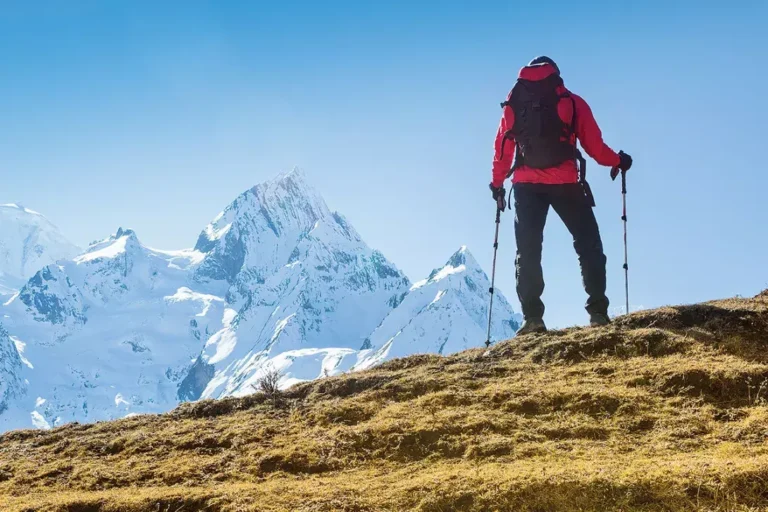
Kilimanjaro Climb For Retired Couples: Planning Your Adventure 2026-2027
Planning a Kilimanjaro climb as a retired couple is an achievable and rewarding goal. This guide offers in-depth advice on route selection, physical preparation, essential gear, and the...
View package details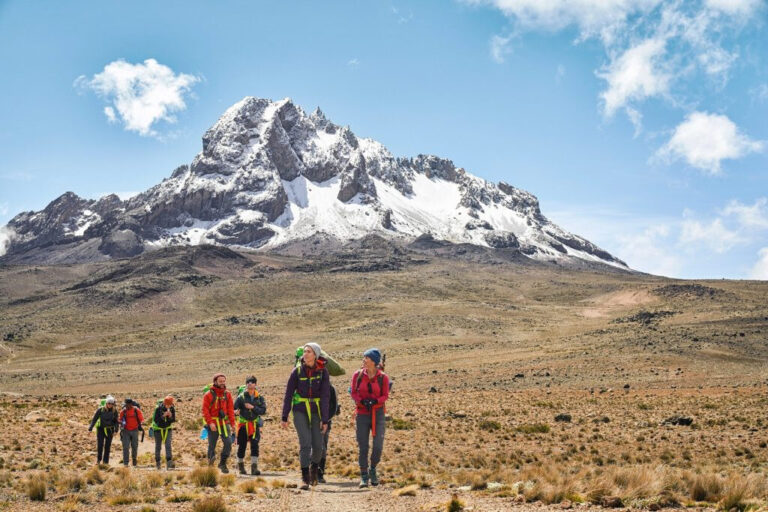
Can A 16-Year-Old Climb Kilimanjaro? Your Essential Guide 2026-2027
Discover if a 16-year-old can summit Kilimanjaro. This comprehensive guide covers age requirements, health, fitness, essential gear, and planning for younger trekkers aiming for Africa's...
View package details
Content For Parents And Young Climbers: Conquering Kilimanjaro Safely
Planning a Kilimanjaro climb with children or as a young climber requires special attention. This guide provides comprehensive content for parents and young adventurers, covering...
View package details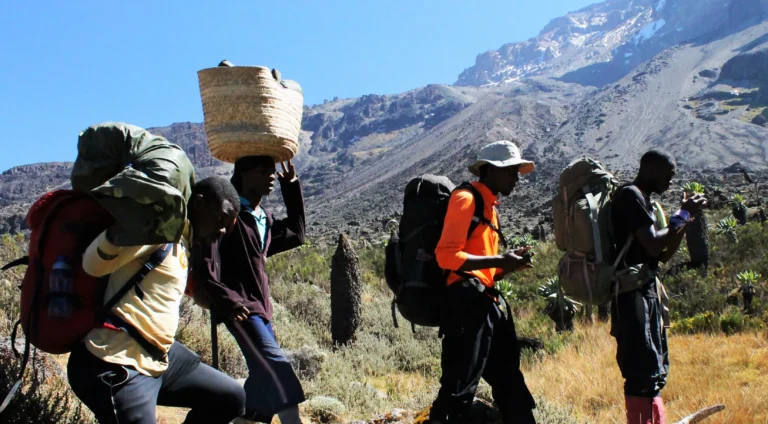
Kilimanjaro Tree-Planting Climbing Package Guide
Combine your dream Kilimanjaro climb with a meaningful conservation effort. Our Kilimanjaro Tree-Planting Climbing Package allows you to ascend Africa's highest peak while actively...
View package details
What Happens If It Rains Throughout Your Kilimanjaro Climb? 2026-2027
What Happens If It Rains throughout Your Kilimanjaro Climb? is explained with current 2026-2027 planning, price, itinerary and booking information.
View package details
Kilimanjaro Early-Bird Climbing Discounts For Adventures 2026-2027
Plan your 2026-2027 Kilimanjaro climb and take advantage of early-bird discounts. Top Guide Adventures offers savings for those who book in advance, ensuring a memorable and affordable...
View package details
Kilimanjaro Private Climb Price For One Person: Your Guide 2026-2027
Planning a solo ascent of Mount Kilimanjaro? This guide details the Kilimanjaro private climb price for one person, covering cost factors, inclusions, and essential planning for 2026-2027.
View package details
Kilimanjaro Wellness Retreat For Non-Climbers: Rejuvenate Near Africas
Experience the serene beauty and restorative power of Tanzania without the arduous climb. Our Kilimanjaro wellness retreats for non-climbers offer a unique blend of relaxation, cultural...
View package detailsNo related package matches those filters. Clear one or more filters to see the other topic-matched options.



