
Climbing Kilimanjaro during Christmas typically means encountering the start of the short rainy season, with cooler temperatures at higher altitudes and a higher chance of precipitation, especially in the afternoons. While the summit window is still generally favorable, expect conditions to be colder than the preceding dry season, with average temperatures on summit night ranging from -7°C to -20°C (19°F to -4°F), and potential for rain or snow showers on lower slopes. Planning for 2026-2027 climbs requires packing appropriate gear for variable weather, including waterproofs, warm layers, and sturdy boots, while understanding that the festive period offers a unique, albeit challenging, trekking experience.
Understanding Kilimanjaro’s Climate Zones and Christmas Timing
Mount Kilimanjaro, a dormant volcano in Tanzania, is not just a mountain; it’s a world unto itself, characterized by distinct ecological zones that shift dramatically with altitude. Understanding these zones is fundamental to grasping the Kilimanjaro weather during Christmas. As you ascend, you traverse from the cultivated foothills to lush rainforest, then to heath and moorland, alpine desert, and finally, the arctic summit zone. Each zone experiences unique microclimates, and the transition between them is heavily influenced by the prevailing weather patterns of the season. The Christmas period, roughly from mid-December to early January, falls into a transitional phase in Kilimanjaro’s climate calendar.
Tanzania generally experiences two main rainy seasons: the long rains from March to May and the short rains from November to mid-December. The Christmas period sits at the tail end of the short rains and the cusp of the main dry season (January to February). This means that while you might avoid the heaviest downpours of the short rains, there’s still a considerable possibility of encountering rain, particularly on the lower and middle sections of the mountain. However, this period also benefits from the increasing clarity and drier conditions that herald the approaching dry season, making it a viable, albeit sometimes wetter, time to climb.
The Short Rains and Their Impact on Christmas Climbs
The short rains, often referred to as the ‘Vuli’ rains, are typically less intense and shorter-lived than the long rains. They are characterized by scattered showers, often occurring in the afternoons and evenings, with mornings frequently remaining clear and sunny. For climbers tackling Kilimanjaro during Christmas in 2026 or 2027, this means that while you should be prepared for wet conditions, it doesn’t necessarily mean continuous rain for days on end. The rainforest zone, typically between 1,800 and 2,800 meters (5,900 to 9,200 feet), is where the impact of these rains is most noticeable. The trails can become muddy and slippery, requiring careful footing and waterproof gear.
However, the advantage of climbing during this period is that the rains often bring a vibrant green to the landscape. The air is usually fresh, and the humidity, while present, is often less oppressive than during other times. Furthermore, as the short rains subside towards the end of December and into January, the weather tends to stabilize, offering clearer skies and better visibility for those aiming for the summit. Many trekkers find the dramatic, cloud-swept vistas of the rainforest and the crisp air of the alpine zones to be a unique and rewarding experience, even with the occasional shower.
Transition to the Dry Season: What to Expect Post-Christmas
As December progresses into January, Kilimanjaro transitions into its main dry season. This is generally considered the best time for climbing due to the high probability of clear skies, minimal rainfall, and excellent visibility. For those planning a climb that extends beyond Christmas into the New Year of 2027, the weather conditions are likely to improve significantly. The dry season offers more stable weather patterns, which are crucial for a safe and enjoyable summit attempt. Nights remain cold, especially at higher altitudes, but the days are often bright and sunny.
The transition period means that the first half of December might still be influenced by the short rains, while the latter half and the lead-up to New Year’s Day often showcase the beginning of the dry season’s stable conditions. This duality is important for packing and preparation. While the core of the Christmas week might still see some rain, the latter part of your trek, especially if it spans into 2027, could offer progressively clearer and drier weather. This makes the Christmas period a potentially good compromise for trekkers who want to experience the festive season while still having a reasonable chance of good climbing weather.
Kilimanjaro Weather Patterns by Altitude During Christmas
Kilimanjaro’s weather is a story of altitude. The mountain’s immense height creates a series of distinct climate zones, each with its own temperature range and precipitation patterns. Understanding these variations is key to preparing for the Kilimanjaro weather during Christmas. Even within the Christmas period, the conditions you experience can differ drastically between the base camp and the summit.
Rainforest Zone (1,800m – 2,800m / 5,900ft – 9,200ft)
During Christmas, the rainforest zone is typically the wettest part of your climb. Expect frequent, often heavy, rainfall. Mornings can be misty and humid, with showers becoming more common in the afternoon and evening. Temperatures here are relatively mild, ranging from 15°C to 25°C (59°F to 77°F) during the day, dropping to around 7°C to 15°C (45°F to 59°F) at night. The trails can be very muddy and slippery, so good waterproof boots and trekking poles are essential. Despite the rain, the lush vegetation is often at its most vibrant, offering stunning scenery.
Heath and Moorland Zone (2,800m – 4,000m / 9,200ft – 13,100ft)
As you ascend into the heath and moorland zone, the vegetation thins out, and the weather becomes more unpredictable. Temperatures start to drop significantly, with daytime highs between 5°C and 15°C (41°F to 59°F) and nighttime lows potentially reaching freezing point, especially at the upper end of this zone. Rainfall may decrease compared to the rainforest, but you might encounter mist, fog, and occasional sleet or snow showers, particularly at higher elevations. The Kilimanjaro weather during Christmas here is characterized by starker landscapes and more exposed conditions.
Alpine Desert Zone (4,000m – 5,000m / 13,100ft – 16,400ft)
This is a harsh, semi-arid environment with very little vegetation. The air becomes noticeably thinner, and the temperature plummets. Daytime temperatures can range from 0°C to 10°C (32°F to 50°F), but nights are bitterly cold, often falling well below freezing, between -5°C and -10°C (23°F to 14°F). While precipitation is less frequent here than in the lower zones, any that does fall is likely to be snow or ice. The Kilimanjaro weather during Christmas in the alpine desert is dominated by extreme cold, strong winds, and dry, thin air. This zone includes the last camps before the summit push.
Arctic Summit Zone (Above 5,000m / 16,400ft)
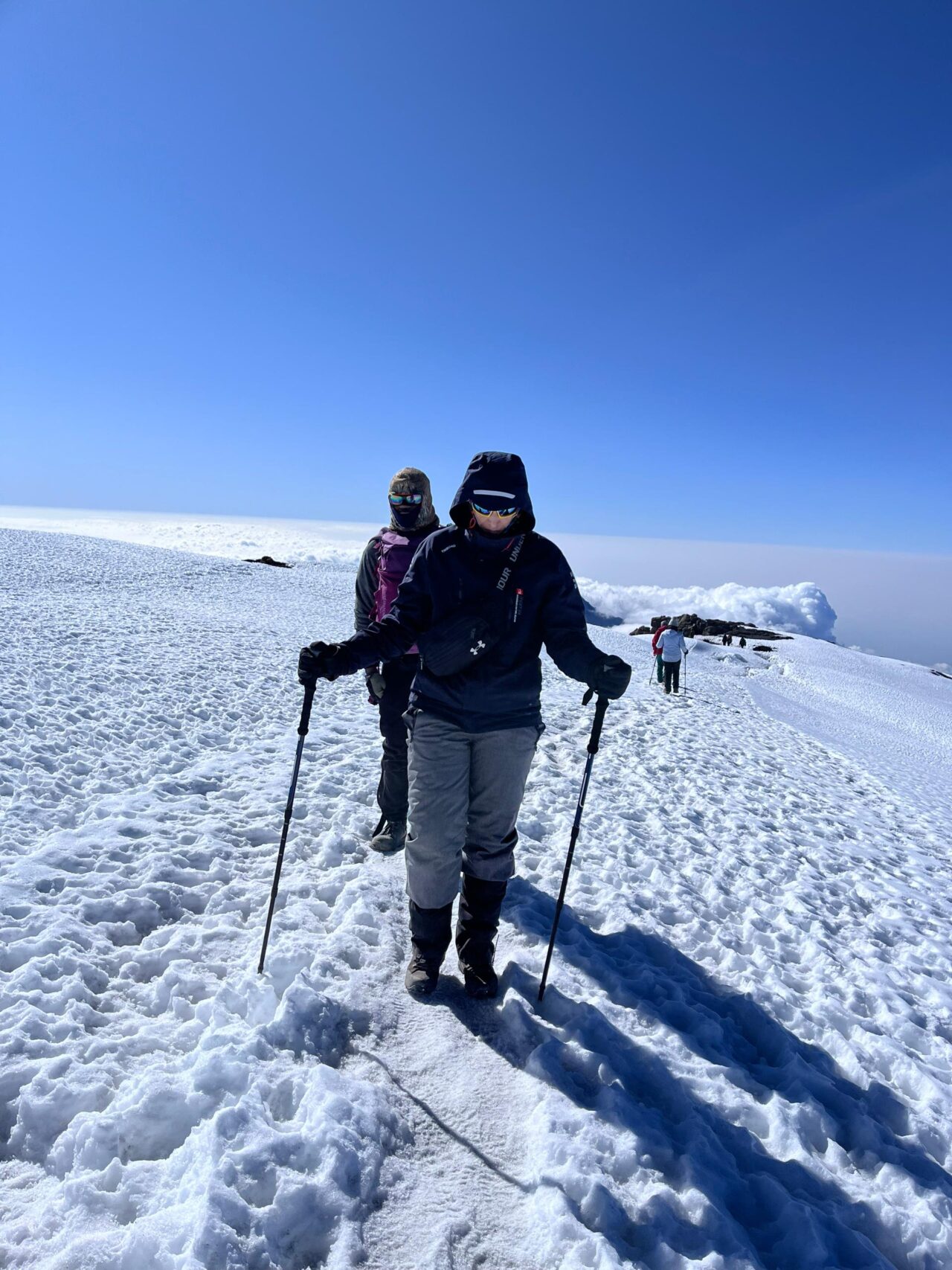
The summit zone, including Uhuru Peak (5,895m / 19,341ft), is an arctic environment. Temperatures here are consistently below freezing. On summit night, expect conditions to range from -7°C to -20°C (19°F to -4°F), and with wind chill, it can feel significantly colder. Snow and ice are prevalent. While the Christmas period might offer clearer skies for the summit push than the rainy season, the extreme cold is a constant factor. Visibility can be excellent if the weather is clear, offering spectacular views of the sunrise and surrounding peaks, but hypothermia is a serious risk, demanding specialized gear and careful acclimatization.
Temperature Ranges on Kilimanjaro During Christmas (2026-2027)
When planning a Kilimanjaro climb during the Christmas holidays, understanding the expected temperature ranges is critical for effective gear selection and preparation. The Kilimanjaro weather during Christmas is influenced by the transition from the short rainy season to the dry season, meaning temperatures can fluctuate. While the lower slopes might remain relatively mild, the higher altitudes, especially the summit, will be extremely cold.
For a 2026 or 2027 Christmas trek, here’s a general breakdown of temperature expectations across the zones:
- Rainforest (approx. 1,800m – 2,800m): Daytime: 15°C – 25°C (59°F – 77°F). Nighttime: 7°C – 15°C (45°F – 59°F). Expect higher humidity due to rain.
- Heath/Moorland (approx. 2,800m – 4,000m): Daytime: 5°C – 15°C (41°F – 59°F). Nighttime: 0°C – 5°C (32°F – 41°F). Frost is possible at higher elevations.
- Alpine Desert (approx. 4,000m – 5,000m): Daytime: 0°C – 10°C (32°F – 50°F). Nighttime: -5°C – -10°C (23°F – 14°F). Significant temperature drops after sunset.
- Arctic Summit Zone (above 5,000m): Summit Night/Day: -7°C – -20°C (19°F to -4°F), with wind chill making it feel much colder.
It’s important to note that these are average ranges. Actual temperatures can vary based on specific weather conditions on any given day, cloud cover, and wind. The key takeaway for Kilimanjaro weather during Christmas is to be prepared for a wide spectrum, from mild and wet on the lower slopes to extreme cold and potential snow at the summit. Layering is your best strategy to manage these temperature variations effectively throughout your climb.
Precipitation and Visibility on Kilimanjaro at Christmas
The amount of precipitation and the clarity of visibility are two of the most significant factors influencing a Kilimanjaro climb, and they are particularly noteworthy for the Kilimanjaro weather during Christmas. As mentioned, this period sits at the tail end of the short rains, meaning precipitation is a distinct possibility, especially on the lower and middle sections of the mountain.
Rainfall Patterns
For Christmas 2026 and 2027 climbs, expect the possibility of rain, particularly in the rainforest zone. These showers are often localized and may not last all day, but they can make trails muddy and slippery. As you ascend, the form of precipitation changes. In the heath and moorland, you might encounter sleet or light snow. The alpine desert and summit zones are typically dry but extremely cold, with any precipitation falling as snow or ice. While the short rains are generally less intense than the long rains, they can still affect the trekking experience. However, the advantage is that the rains often clear the air, leading to improved visibility in the days that follow, especially as you move into January.
Visibility Considerations
Visibility on Kilimanjaro can change rapidly due to cloud cover and weather patterns. During the Christmas period, particularly in the early part of December, mist and clouds can be common in the rainforest and moorland zones, sometimes obscuring views. However, as the short rains taper off and the dry season begins, visibility generally improves. The mornings are often the clearest part of the day, especially at higher altitudes. Summit attempts are usually made in the very early hours of the morning, aiming to reach the peak for sunrise. If the weather is clear, the sunrise from Uhuru Peak is a spectacular sight, with unparalleled visibility across the plains of Africa and the curvature of the Earth. However, cloudy or foggy conditions can significantly reduce visibility, making the summit experience more about the personal achievement than the panoramic views.
For a 2026 or 2027 Christmas climb, it’s wise to pack a reliable rain gear set and be prepared for reduced visibility on lower sections. However, don’t let the possibility of rain deter you; many trekkers find the dramatic, atmospheric conditions part of the adventure. The improving visibility as you approach the dry season often compensates for any early-December wetness.
Choosing a Route: Impact of Christmas Weather
While all routes ascend Kilimanjaro, they traverse different ecological zones and offer varying acclimatization profiles. The Kilimanjaro weather during Christmas can influence route choice, primarily due to how each route handles potential precipitation and temperature variations.
Marangu Route (Coca-Cola Route)
The Marangu route is the oldest and most popular. It’s also the only route that offers dormitory-style accommodation in huts rather than camping. During Christmas, this route’s lower sections will likely be wet and muddy. The huts offer shelter from the rain, which can be a significant advantage. However, the Marangu route has a relatively fast ascent profile, which can lead to poorer acclimatization, a risk that is amplified if weather conditions are challenging. Visibility can be affected by clouds in the rainforest and moorland sections.
Machame Route (Whiskey Route)
The Machame route is known for its scenic beauty and excellent acclimatization profile, often called the “Whiskey Route.” It’s a camping route. During Christmas, the rainforest section will be muddy, and the higher sections can experience cold, wind, and possible snow. Its “climb high, sleep low” strategy is beneficial for acclimatization, which is crucial when dealing with potentially variable weather. The views from Machame can be spectacular when clear, but mist is common during the short rainy season. The Machame Route is a popular choice for those who prioritize acclimatization, even during the Christmas period.
Lemosho and Shira Routes
These routes are longer and offer superb acclimatization and scenery, often starting from the west side of the mountain. They are camping routes. For a Christmas climb, expect similar weather patterns to Machame in terms of rain on lower slopes and cold at altitude. Their longer duration generally leads to better acclimatization, which is always advantageous, especially when weather can be unpredictable. The western side can sometimes experience slightly different weather patterns than the southern routes, but generally, the altitude-based climate zones still apply. The Lemosho route, in particular, is highly recommended for its scenic beauty and acclimatization benefits, making it a strong contender for a Christmas 2026 or 2027 trek.
Rongai Route
The Rongai route approaches Kilimanjaro from the north, near the Kenyan border. It’s known for being drier than the southern routes, as it lies in the rain shadow of Kilimanjaro’s peak. This can be a significant advantage for a Christmas climb, as you might encounter less rain on the lower and middle sections compared to routes like Marangu or Machame. However, it still ascends through the same climate zones, so the upper reaches and summit will be cold and potentially snowy. Rongai is a good option if minimizing rain exposure on the approach is a priority for your Christmas 2026/2027 trek.
Northern Circuit and Umbwe Route
The Northern Circuit is the longest route, offering the best acclimatization and stunning views from the north side. The Umbwe route is the shortest, steepest, and most challenging, with poor acclimatization. For a Christmas climb, the Northern Circuit’s length would provide excellent acclimatization, mitigating some of the risks associated with variable weather. The Umbwe route is generally not recommended for inexperienced climbers, and this risk is heightened during potentially challenging weather conditions like those that can occur at Christmas. The Kilimanjaro weather during Christmas, while potentially wetter than the dry season, is manageable on longer routes that prioritize acclimatization.
In summary: While the core weather patterns (cold at altitude, potential rain on lower slopes) are consistent across routes during Christmas, the Rongai route offers a drier approach. Longer routes like Lemosho, Northern Circuit, and Machame offer better acclimatization, which is invaluable when dealing with the transitional weather of the Christmas period.
Preparing Your Christmas Kilimanjaro Packing List
Packing correctly is paramount for any Kilimanjaro climb, but it takes on added importance when trekking during the Christmas period due to the transitional weather. The Kilimanjaro weather during Christmas demands a versatile packing list that accounts for potential rain, significant temperature drops, and cold nights. Your gear needs to keep you warm, dry, and comfortable across multiple climate zones.
Essential Gear for a Christmas Climb:
- Layering System: This is non-negotiable. Pack moisture-wicking base layers (synthetic or merino wool), insulating mid-layers (fleece or down jacket), and a waterproof/windproof outer shell.
- Waterproof Outerwear: A high-quality, breathable waterproof and windproof jacket and trousers are essential. These will protect you from rain and wind, especially at higher altitudes.
- Insulation: A warm down or synthetic insulated jacket is crucial for summit night and cold evenings. A fleece jacket or vest is also recommended for mid-layers.
- Headwear: A warm, insulated hat that covers your ears is vital for cold nights and summit attempts. A sun hat or cap for daytime use at lower altitudes is also needed. A balaclava or neck gaiter is useful for protecting your face from wind and cold.
- Gloves: Pack at least two pairs: thin liner gloves for dexterity and warm, waterproof outer gloves or mittens for summit night.
- Footwear: Sturdy, waterproof hiking boots that are well broken-in are essential. Bring several pairs of warm, moisture-wicking hiking socks (wool or synthetic). Camp shoes or comfortable trainers for evenings are also recommended.
- Sleeping Bag: A 4-season sleeping bag rated to at least -15°C (5°F) or -20°C (-4°F) is highly recommended for Christmas climbs, especially for higher camps.
- Backpack: A comfortable daypack (30-40 liters) for carrying essentials during the day (water, snacks, extra layers, rain gear). Your main duffel bag will be carried by porters.
- Trekking Poles: Highly recommended for stability on slippery trails (especially when muddy or icy) and for reducing strain on your knees.
- Sun Protection: Sunscreen (high SPF), sunglasses, and lip balm with SPF are important, as the sun is intense at high altitudes, even when cold.
- Headlamp: A reliable headlamp with extra batteries is essential for summit night and for navigating around camp after dark.
- Water Bottles/Hydration Reservoir: At least 2-3 liters capacity. Insulated covers are useful to prevent water from freezing.
- Toiletries: Basic toiletries, including wet wipes and hand sanitizer, are essential. Consider biodegradable soap.
- Personal First-Aid Kit: Include any personal medications, blister treatment, pain relievers, and basic wound care.
- Camera and Batteries: Ensure you have spare batteries, as cold temperatures drain them quickly.
Special Considerations for Christmas:
- Warmth is Key: Prioritize your sleeping bag and insulated jacket. Summit night temperatures are extreme.
- Waterproofing: Don’t skimp on waterproof jacket and trousers. The rainforest can be very wet.
- Foot Care: Dry feet are happy feet. Bring multiple pairs of socks and consider gaiters to keep mud and snow out of your boots.
By packing thoughtfully, you can ensure that the Kilimanjaro weather during Christmas, whether it brings rain or crisp, cold air, doesn’t hinder your journey to the Roof of Africa. For 2026-2027 treks, investing in good quality, multi-functional gear will pay dividends.
Summit Night: The Ultimate Kilimanjaro Weather Challenge at Christmas
Summit night on Kilimanjaro is the most demanding part of the trek, and the Kilimanjaro weather during Christmas presents unique challenges. This is when you ascend from the high camps (like Kibo Hut or Barafu Camp) to Uhuru Peak, typically starting around midnight. The goal is to reach the summit by sunrise.
Extreme Cold and Wind Chill
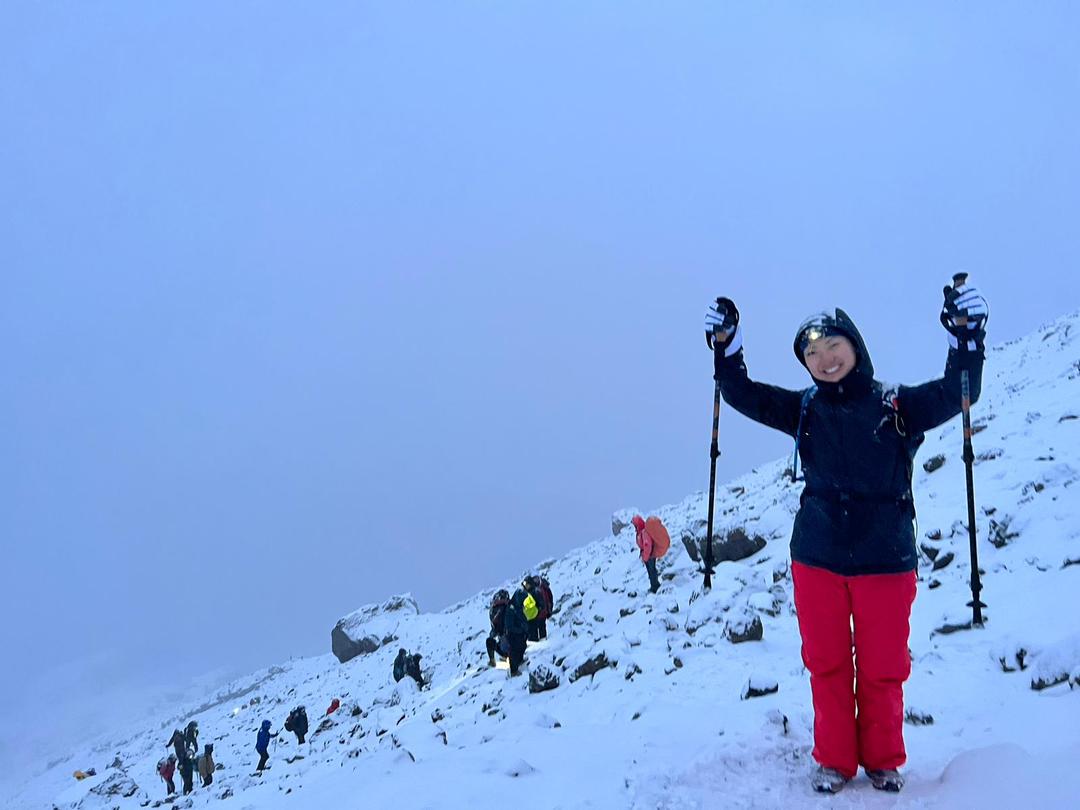
During Christmas, summit night temperatures are consistently below freezing. Expect temperatures to range from -7°C to -20°C (19°F to -4°F). However, the real challenge often comes from the wind. High winds at this altitude can create significant wind chill, making the perceived temperature much colder. This is why a robust windproof outer layer and adequate insulation are absolutely critical. Hypothermia is a serious risk, and being prepared for the extreme cold is paramount for a safe summit attempt during the Christmas season.
Snow and Ice Conditions
While the Christmas period is transitioning into the dry season, it’s still possible to encounter snow and ice on the summit path, especially if recent precipitation has occurred. The scree slopes can become icy, and the glacial areas near the crater rim will be covered in snow. This makes traction difficult. Wearing sturdy, waterproof hiking boots with good grip is essential. Trekking poles with snow baskets (if available) can provide extra stability. Crampons are generally not needed unless there’s exceptionally heavy ice, but microspikes can be a lifesaver in icy conditions. Your guide will assess the conditions and advise accordingly.
Visibility on Summit Night
Visibility on summit night can be a mixed bag. If the weather is clear, you will be treated to an absolutely impressive sunrise over the African continent. The stars can be incredibly bright in the thin, clear air. However, clouds and mist can roll in, significantly reducing visibility. In such conditions, you might only be able to see a few meters ahead. Your guide will navigate using GPS and their extensive experience. The focus shifts from the views to maintaining pace, staying warm, and reaching the summit safely. Even with limited visibility, the experience of standing on Africa’s highest point under the vast night sky is unforgettable.
Acclimatization and Pace
Summit night is a test of acclimatization and endurance. The combination of extreme altitude, cold, and potential for difficult conditions means that pace is crucial. Moving slowly and steadily (“pole pole”) is vital to conserve energy and allow your body to adapt to the altitude. Short breaks are taken for hydration and quick checks of gear, but extended stops are discouraged due to the rapid temperature drop and risk of hypothermia. For a Christmas 2026 or 2027 climb, ensuring you have followed a good acclimatization schedule on the ascent is the single most important factor for a successful and safe summit night.
Why Climb Kilimanjaro During Christmas? The Pros and Cons
Choosing to climb Kilimanjaro during the Christmas holidays is a unique decision. It combines the challenge of a major trek with the festive spirit. Understanding the advantages and disadvantages can help you decide if it’s the right time for your 2026-2027 adventure.
The Pros:
- Festive Atmosphere: While you won’t have traditional Christmas decorations, there’s a special camaraderie among climbers and guides during the holiday season. Many groups and guides make an effort to celebrate in their own way, perhaps with a special meal or a small gift exchange.
- Unique Experience: Summiting Kilimanjaro on Christmas Day or Boxing Day is an unforgettable way to mark the holidays, offering a profound sense of accomplishment and a departure from the usual celebrations.
- Potentially Fewer Crowds (Early December): The very beginning of December might see slightly fewer trekkers than the peak dry seasons of January or February. However, the period around Christmas and New Year is popular.
- Improving Weather: As the short rains subside and the dry season begins, the latter half of December and early January often offer increasingly stable and clearer weather, with good visibility for the summit.
- Vibrant Scenery: The short rains can leave the lower rainforest zone exceptionally green and lush.
The Cons:
- Variable Weather: The primary drawback is the transitional weather. You are likely to encounter rain on the lower slopes and potentially colder, more unpredictable conditions than during the peak dry seasons.
- Increased Crowds (Late December/New Year): The period around Christmas and New Year is a popular time for holidays worldwide, and Kilimanjaro attracts many trekkers aiming for these dates. Trails and camps can be busier.
- Extreme Cold on Summit Night: While always cold, the specific conditions can vary. Being prepared for the coldest possible scenario is essential.
- Higher Prices: Due to the holiday season, some tour operators might have slightly higher prices for Christmas and New Year departures in 2026-2027. It’s advisable to book well in advance.
- Limited Festive Amenities: Don’t expect Christmas feasts or decorations. The focus is on the trek. Any ‘celebrations’ will be simple and initiated by the group and guides.
Ultimately, climbing Kilimanjaro during Christmas offers a blend of challenge and unique celebration. The Kilimanjaro weather during Christmas requires thorough preparation, but the rewards of a festive summit and a memorable holiday experience are significant. For 2026-2027, if you are well-prepared, it can be a truly special time to undertake the climb.
Booking Your Christmas Kilimanjaro Climb: 2026-2027 Considerations
Booking a Kilimanjaro climb for the Christmas period requires careful planning, especially if you’re targeting 2026 or 2027. Popularity, potential price variations, and the need for specific weather preparation all play a role.
Choosing a Reputable Tour Operator
Selecting a trustworthy tour operator is the most crucial step. Look for companies with a strong safety record, experienced guides, ethical treatment of porters, and good reviews. For Christmas departures in 2026-2027, book with a company that clearly outlines:
- Inclusions: What is covered in the price (park fees, accommodation, food, guides, porters, rescue fees)?
- Exclusions: What is not covered (tips, personal gear, travel insurance, visas)?
- Group Size: Are you looking for a private climb or a shared group? Shared groups can be more economical.
- Safety Protocols: Emergency procedures, oxygen availability, and guide training.
- Itinerary Details: Ensure the chosen route has a suitable acclimatization profile for the Kilimanjaro weather during Christmas.
Companies like Top Guide Adventures specialize in Kilimanjaro climbs and can provide detailed itineraries and support. It’s wise to communicate your specific concerns about Christmas weather when inquiring.
Booking Window for 2026-2027 Christmas Treks
Christmas and New Year are peak holiday periods. For a 2026 or 2027 Christmas climb, you should aim to book at least 6-12 months in advance. This is especially true for popular routes and for securing specific departure dates around the holidays. Many operators offer fixed group departures, and these can fill up quickly. Booking early ensures availability and often allows you to secure better pricing before any potential holiday surcharges are applied.
Pricing and What to Expect
The cost of a Kilimanjaro climb varies significantly based on the route, duration, operator, and inclusions. For a Christmas climb in 2026-2027, expect prices to be at the higher end of the average range, typically from $1,500 to $3,500+ per person for standard packages. This range often includes park fees, accommodation before/after the climb, meals on the mountain, guide and porter salaries, and rescue fees. Be wary of extremely low prices, as these can sometimes indicate compromises on safety, equipment, or porter welfare.
Factors influencing price for Christmas treks:
- Holiday Surcharges: Some operators may add a surcharge for climbs falling on Christmas Day or New Year’s Day.
- Route Choice: Longer routes with better acclimatization (e.g., Lemosho, Northern Circuit) are generally more expensive due to more days on the mountain.
- Operator Level: Premium operators offering higher service standards, better equipment, and more experienced guides will command higher prices.
Travel Insurance and Visas
Comprehensive travel insurance is mandatory for all Kilimanjaro climbs. Ensure your policy covers:
- High-altitude trekking (up to 6,000 meters).
- Emergency medical evacuation and repatriation.
- Trip cancellation and interruption.
For Tanzania, most nationalities require a visa. Check the latest requirements for your country well in advance of your 2026-2027 trip. You can often obtain a visa on arrival or apply online.
Final Preparations for Your Christmas Climb
Once booked, focus on physical training and gear acquisition. Start training several months before your climb, focusing on cardiovascular fitness and strength training. Test your gear, especially your boots and rain gear, before you travel. Confirm all details with your tour operator, including airport transfers and pre-climb briefings. For a Christmas 2026 or 2027 climb, being meticulously prepared will enhance your safety and enjoyment of the Kilimanjaro weather during Christmas.
Frequently Asked Questions About Christmas Kilimanjaro Climbs
Is it safe to climb Kilimanjaro during Christmas?
Yes, it is generally safe to climb Kilimanjaro during Christmas, provided you choose a reputable operator, are well-prepared physically, have appropriate gear, and follow your guide’s instructions. Safety is paramount, and experienced guides are trained to handle various conditions. The main consideration is the transitional weather, which requires careful preparation.
Will it be very crowded on Kilimanjaro during Christmas 2026-2027?
The period around Christmas and New Year is popular, so expect moderate to high crowds on the popular routes. While not as crowded as peak dry seasons like January, it is a busy time. Booking well in advance is recommended to secure your preferred dates and route.
What are the chances of summiting on Christmas Day?
The chance of summiting on Christmas Day depends on your chosen itinerary’s length and your acclimatization progress. If your climb is scheduled to reach the summit around December 25th, the weather conditions will be similar to other days in late December – potentially wet lower down, cold at altitude, with a chance of snow. Success is primarily dependent on acclimatization and physical condition, not the specific date.
Can I arrange a special Christmas meal on the mountain?
While traditional Christmas feasts are not feasible, many tour operators will make an effort to provide a slightly more festive meal on Christmas Eve or Christmas Day, perhaps with some special treats. This is usually a simple gesture, but it adds to the holiday spirit. Discuss this possibility with your tour operator when booking your 2026-2027 climb.
What are the biggest risks of climbing Kilimanjaro in December?
The biggest risks are altitude sickness (AMS), hypothermia, and injuries due to slippery trails. The transitional Kilimanjaro weather during Christmas can exacerbate these risks if not properly managed. Good acclimatization, appropriate gear, and listening to your body and guides are key to mitigating these risks.
Climbing Kilimanjaro during Christmas offers a unique and rewarding experience, blending adventure with the spirit of the holidays. While the Kilimanjaro weather during Christmas presents transitional conditions—potential rain on lower slopes and extreme cold at the summit—thorough preparation, a reputable tour operator, and the right gear can ensure a safe and memorable journey for your 2026-2027 trek. If you’re ready to take on the Roof of Africa this festive season, Top Guide Adventures is here to help plan your unforgettable expedition. Contact us via WhatsApp +255616946642 or email us at topguideadventures@gmail.com or info@topguideadventures.com to start planning your Christmas 2026-2027 Kilimanjaro adventure.
Check Availability for Kilimanjaro Weather During Christmas: Your Guide 2026-2027
Ready to compare dates, prices, and the best option for your group? Send the package name and travel month so the team can reply with a clear quote, availability, and what is included.
September Vs October Kilimanjaro Weather Comparison 2026-2027
September vs October Kilimanjaro Weather Comparison is explained with current 2026-2027 planning, price, itinerary and booking information.
View package details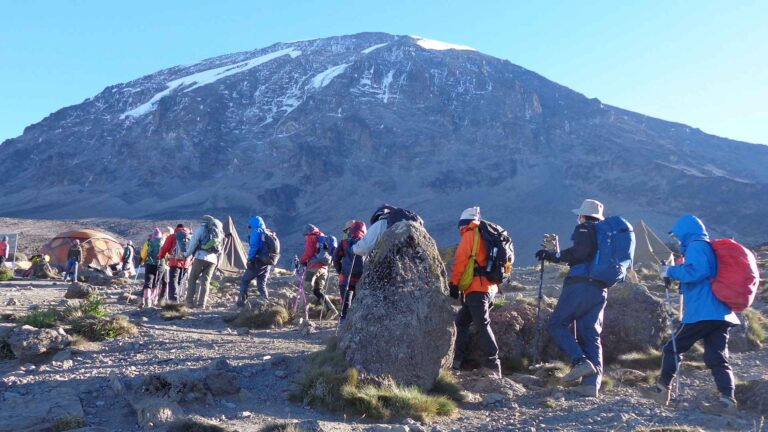
June Vs July Kilimanjaro Weather And Crowds 2026-2027
June vs July Kilimanjaro Weather and Crowds is explained with current 2026-2027 planning, price, itinerary and booking information.
View package details
March Vs April Kilimanjaro Weather Comparison For Climbs 2026-2027
Choosing between March and April for your Kilimanjaro climb involves understanding subtle yet significant weather differences. Both months fall within Kilimanjaro's second-best trekking...
View package details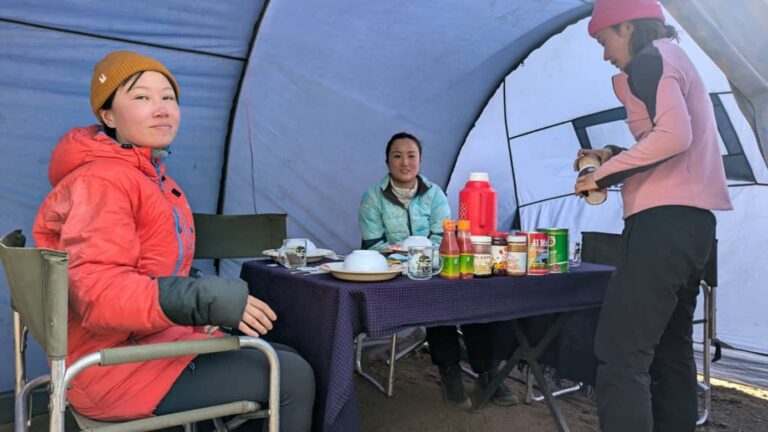
December Kilimanjaro And Zanzibar Christmas Package : Your Ultimate Holiday
Combine the thrill of climbing Mount Kilimanjaro with the relaxation of a Zanzibar Christmas. This guide details packages for December 2026 and 2027, offering adventure and festive cheer.
View package details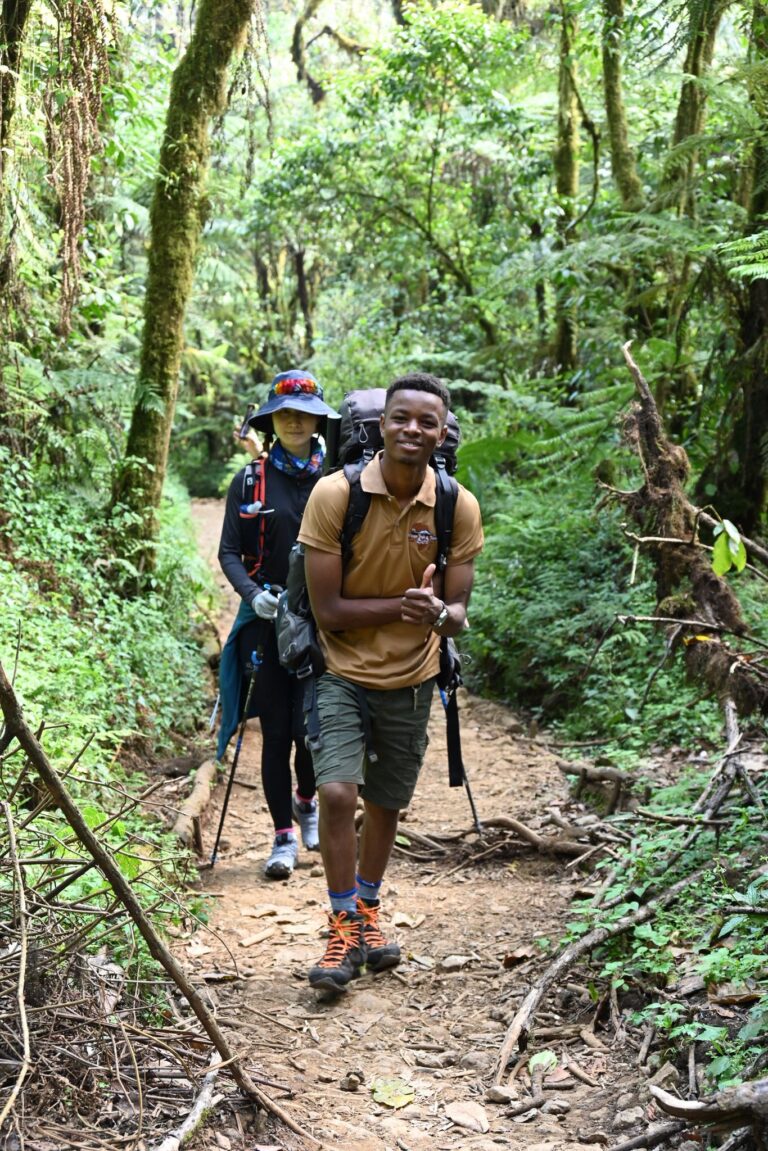
Christmas Day At Uhuru Peak Kilimanjaro: A Festive Climb In 2026-2027
Climbing Kilimanjaro to reach Uhuru Peak on Christmas Day is a unique and unforgettable experience. This guide covers what to expect, from festive traditions on the mountain to essential...
View package details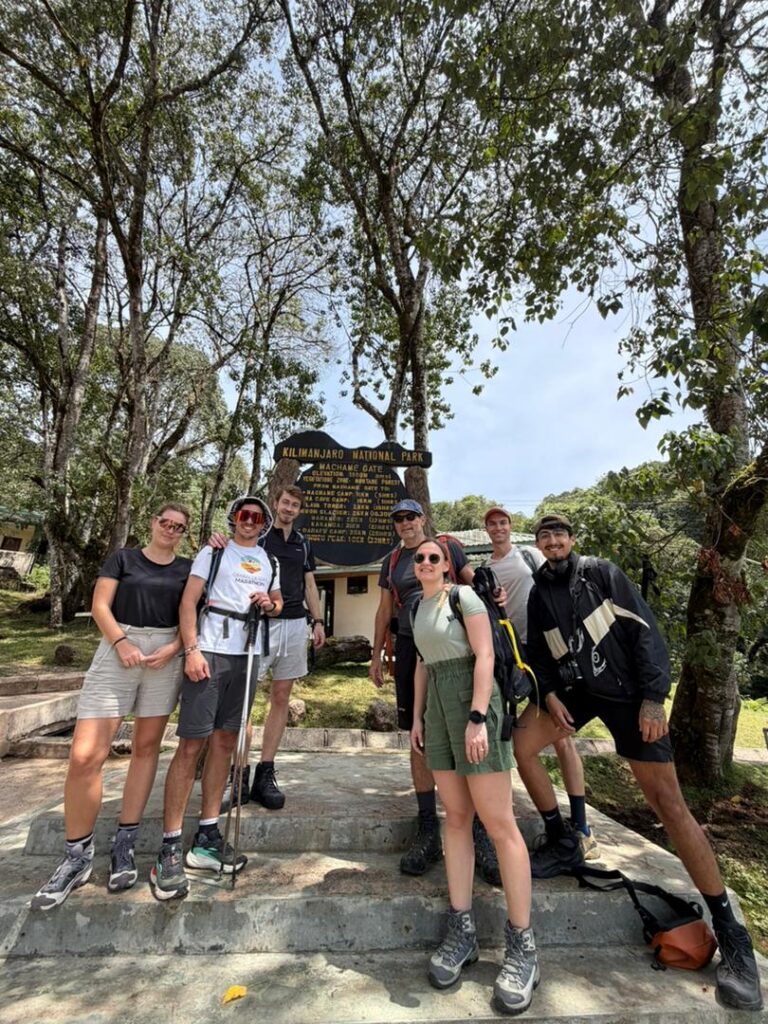
Christmas Kilimanjaro Climbing Package : Your Ultimate Guide 2026-2027
Discover everything you need to know about climbing Mount Kilimanjaro during the Christmas season with a comprehensive package guide for 2026-2027. Learn about routes, preparation, and what...
View package details
November Kilimanjaro Summit Night Weather: What To Expect And How To Prepare
Climbing Kilimanjaro in November? This guide details the summit night weather, including temperature ranges, wind chill, precipitation chances, and crucial preparation tips for a successful...
View package detailsBest Kilimanjaro Route In November : Your Expert Guide 2026-2027
Planning a Kilimanjaro climb in November? This guide details the best routes, considering the transition from the short rainy season, offering insights into weather patterns, crowd levels...
View package detailsOctober Kilimanjaro Climb: Fewer Crowds, Great Weather 2026-2027
Planning an October Kilimanjaro climb offers a sweet spot with fewer trekkers and ideal weather conditions. Learn why October is a fantastic month for reaching Uhuru Peak and how to make...
View package details
Kilimanjaro Climbing In October : Weather, Routes, And Planning 2026-2027
Planning a Kilimanjaro climb for October 2027? This guide details the excellent weather conditions, compares the most suitable routes like Machame and Lemosho, and provides essential...
View package detailsKilimanjaro Weather And Visibility In September 2026-2027
Kilimanjaro Weather and Visibility in September is explained with current 2026-2027 planning, price, itinerary and booking information.
View package details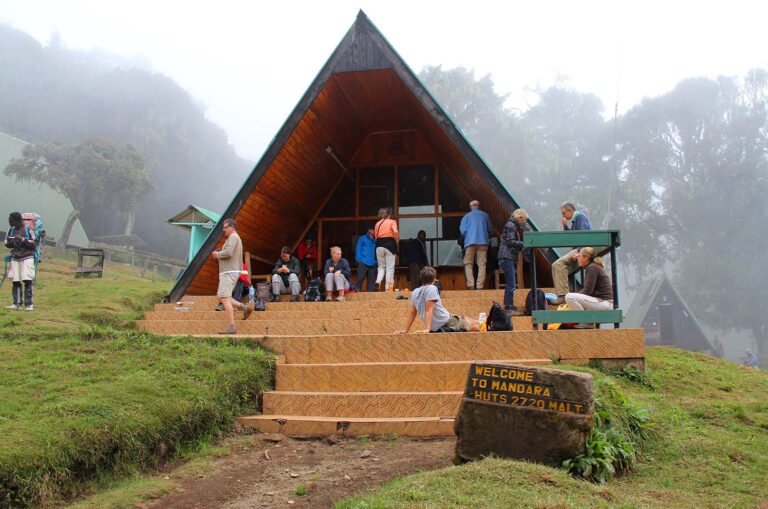
August Vs September: Best Kilimanjaro Summit Month In 2026-2027
Choosing between August and September for your Kilimanjaro climb involves weighing distinct advantages. While both months fall within the dry season, subtle differences in weather patterns...
View package detailsNo related package matches those filters. Clear one or more filters to see the other topic-matched options.



