
Fred Distelhorst became the oldest man to summit Mount Kilimanjaro on July 26, 2022, at the age of 87, completing the trek via the challenging Mweka route. His ascent stands as a testament to human endurance, meticulous preparation, and an unyielding spirit, inspiring adventurers worldwide.
Fred Distelhorst: An Unprecedented Kilimanjaro Summit at 87
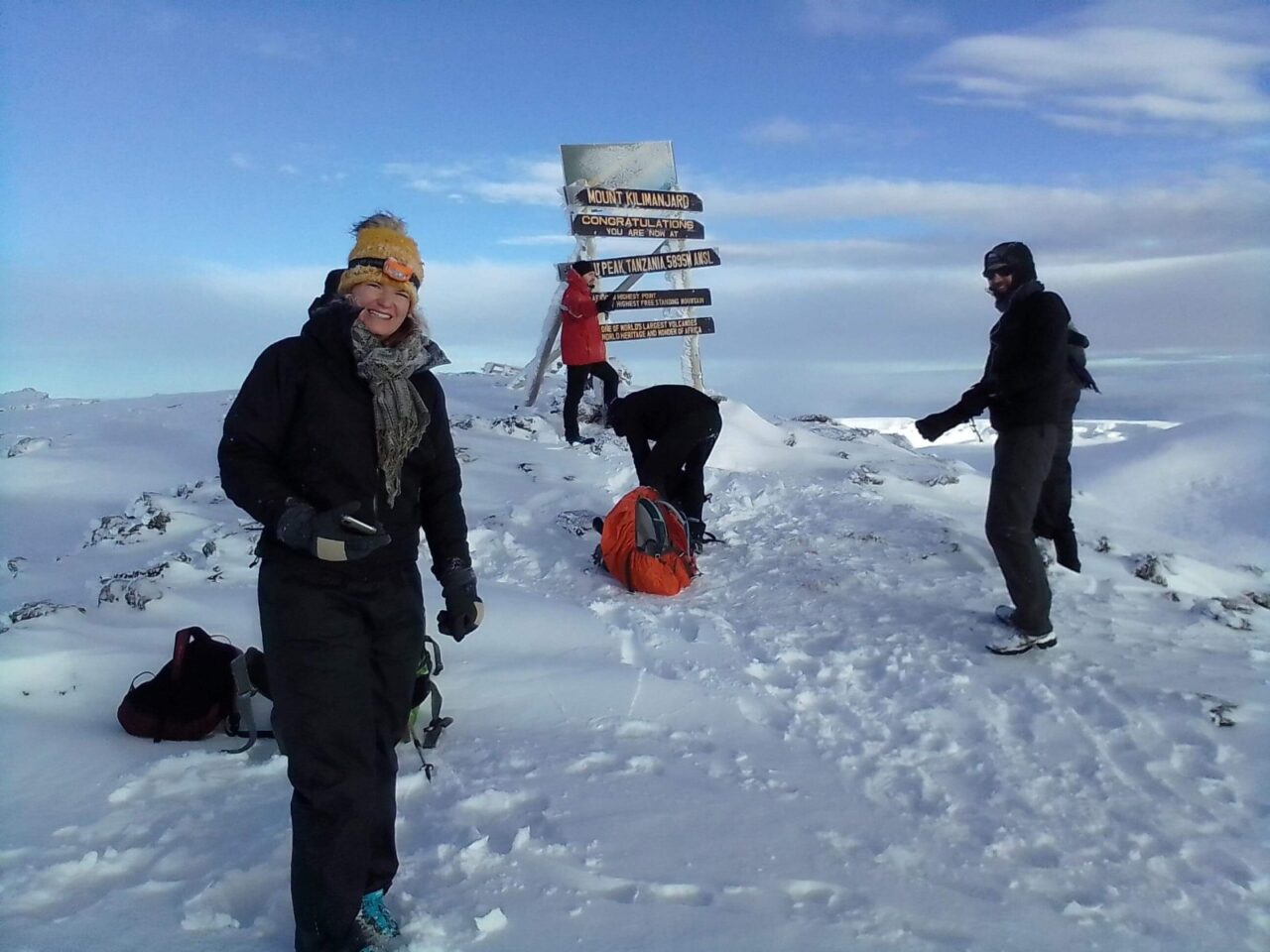
The silhouette of Mount Kilimanjaro, Africa’s highest peak, has long drawn adventurers seeking to test their limits. While many dream of reaching its summit, few achieve it, and even fewer do so at an advanced age. Fred Distelhorst’s ascent in July 2022, at the remarkable age of 87, etched his name into the annals of mountaineering history. He is officially recognized as the oldest man to summit Kilimanjaro, a feat that demanded extraordinary physical and mental fortitude.
Distelhorst’s journey to the Roof of Africa was not merely a personal challenge; it became a beacon of inspiration. His story highlights that age is often just a number when passion, determination, and proper planning align. For climbers considering a Kilimanjaro expedition in the coming years, such as for 2026 or 2027, Distelhorst’s achievement offers a powerful reminder of what is possible.
The Journey to the Summit: Fred Distelhorst’s Kilimanjaro Expedition
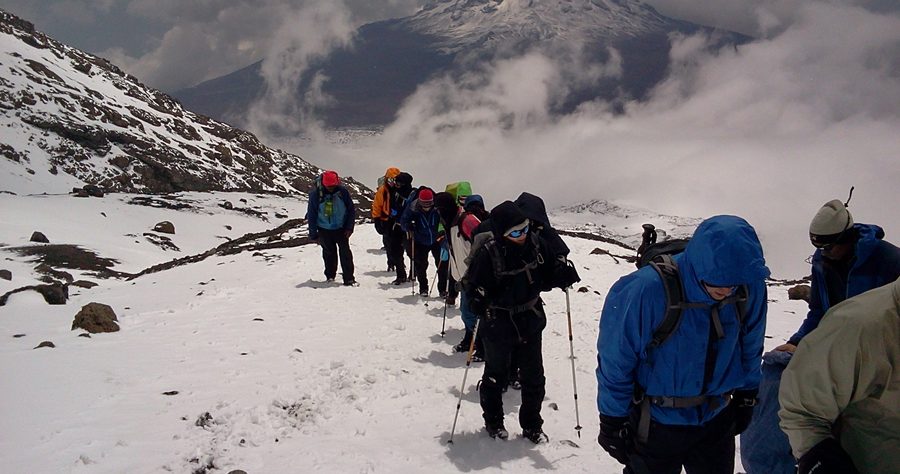
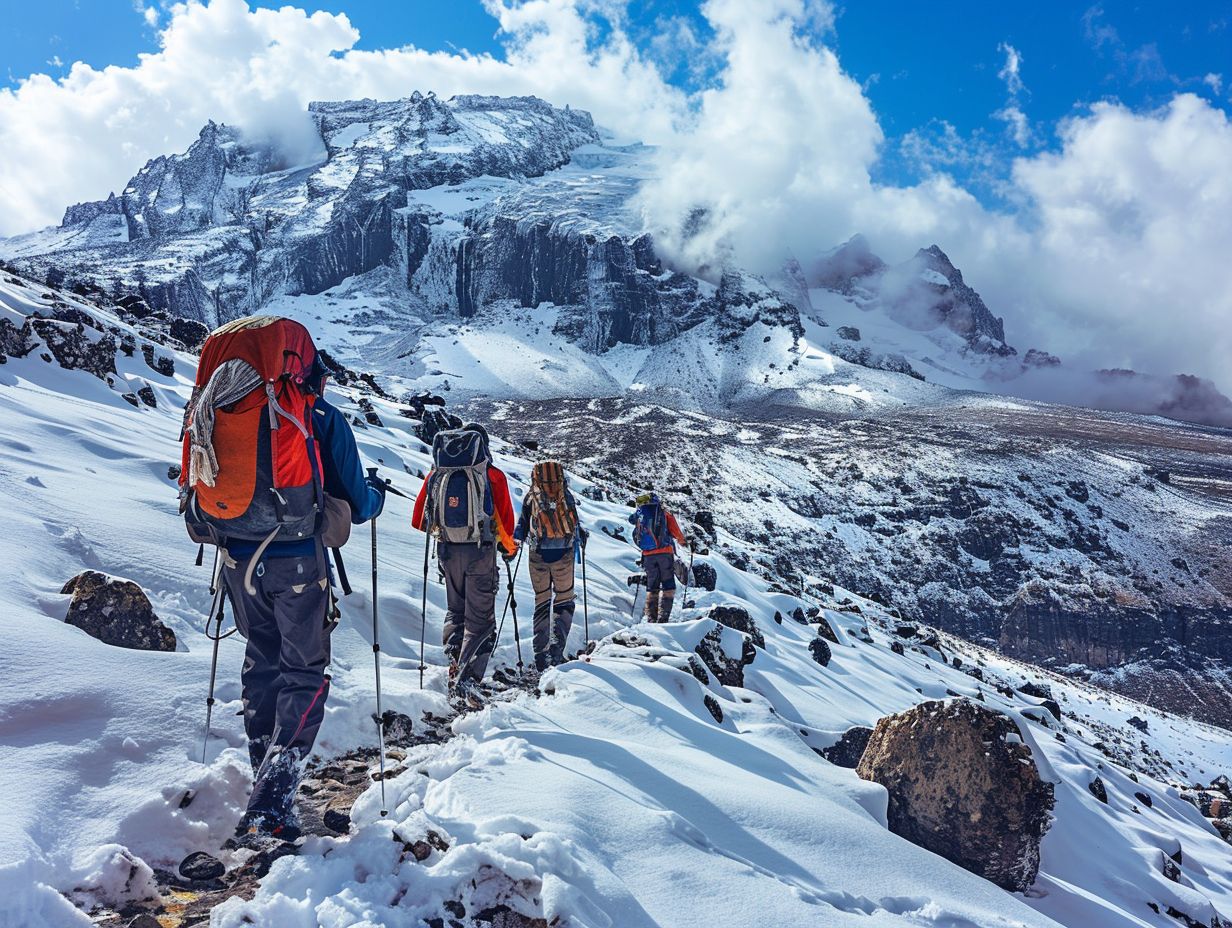
Fred Distelhorst’s successful summit was the culmination of careful planning and execution. Reaching Uhuru Peak at 5,895 meters (19,341 feet) is a significant undertaking for anyone, regardless of age. For an 87-year-old, the considerations become even more critical. Distelhorst chose the Mweka route, a less common but direct path, known for its steepness. This decision likely factored into his overall expedition strategy, possibly chosen for its shorter duration or specific logistical advantages he sought.
The climb typically involves several days, allowing for acclimatization, which is paramount to success and safety. Distelhorst’s expedition was supported by a dedicated team, including experienced guides and porters, ensuring his safety and well-being throughout the arduous trek. The success of such an ascent hinges not only on the climber’s personal strength but also on the expertise and support provided by the guiding company.
Choosing the Right Route for Senior Climbers
While Fred Distelhorst chose the Mweka route, it’s important to note that for many, especially those concerned about age or physical condition, other routes offer better acclimatization profiles. For instance, the Machame route or the Lemosho route are widely recommended for their gradual ascent, which significantly improves the chances of reaching the summit comfortably and safely. These routes provide more time for the body to adjust to the decreasing oxygen levels at higher altitudes, a crucial factor for all climbers, and especially for older individuals.
When planning a Kilimanjaro climb for 2026 or 2027, especially if you are a senior climber or have concerns about altitude, discussing route options with an experienced tour operator is essential. A well-chosen route, combined with appropriate training and a reputable guide service, can make the difference between success and failure, and more importantly, between a safe and a dangerous experience.
The Importance of Acclimatization
Altitude sickness, or Acute Mountain Sickness (AMS), is a serious concern on Kilimanjaro. Symptoms can range from mild headaches and nausea to severe, life-threatening conditions like HAPE (High Altitude Pulmonary Edema) and HACE (High Altitude Cerebral Edema). Proper acclimatization is the single most effective way to prevent AMS.
This involves ascending slowly, allowing your body time to adapt to the lower oxygen levels. Guides monitor climbers closely for signs of AMS and will recommend descent if symptoms become severe. For older climbers like Fred Distelhorst, a slower pace and a route that prioritizes acclimatization are vital. Distelhorst’s successful summit underscores the possibility of overcoming these challenges with proper preparation and support.
Preparing for Kilimanjaro: Lessons from Fred Distelhorst’s Achievement
Fred Distelhorst’s feat offers invaluable insights into preparing for a Kilimanjaro climb, particularly for older adventurers or those with concerns about their physical condition. His success is a testament to a comprehensive approach that likely included physical training, mental preparation, and meticulous logistical planning.
Physical Training Regimen
Climbing Kilimanjaro requires significant cardiovascular fitness and leg strength. For Distelhorst, this likely involved a tailored training program designed to build endurance and strengthen the muscles needed for prolonged hiking, especially uphill. Key elements of such a program typically include:
- Cardiovascular Exercise: Regular activities like brisk walking, hiking with a backpack, cycling, or swimming to improve heart and lung capacity.
- Strength Training: Focusing on leg muscles (quadriceps, hamstrings, calves) and core strength through exercises like squats, lunges, and step-ups.
- Hiking Practice: Gradually increasing the duration and elevation gain of hikes, ideally in terrain similar to Kilimanjaro, carrying a weighted backpack to simulate trek conditions.
- Consistency: Adhering to a training schedule for several months leading up to the climb is crucial.
For senior climbers, it’s advisable to consult with a doctor or a physical therapist before starting any rigorous training program. They can help design a safe and effective plan tailored to individual health conditions and fitness levels.
Mental Preparation and Resilience
The psychological aspect of climbing Kilimanjaro cannot be overstated. The summit push, often undertaken overnight in cold and windy conditions, is mentally demanding. Fred Distelhorst’s determination at 87 speaks volumes about his mental resilience. This involves:
- Positive Mindset: Cultivating a belief in one’s ability to succeed.
- Patience: Understanding that the climb is a slow and steady process, often with long hours of walking.
- Coping Strategies: Developing techniques to manage discomfort, fatigue, and challenging weather conditions.
- Focus on the Goal: Keeping the ultimate objective of reaching the summit in sight.
Visualizing the success and breaking down the climb into smaller, manageable segments can also aid mental fortitude. For any climber planning for 2026 or 2027, mental preparation is as important as physical training.
Health and Medical Considerations for Older Climbers
Fred Distelhorst’s successful summit at 87 highlights the importance of comprehensive health management. For older climbers, this involves:
- Medical Consultation: A thorough check-up with a physician to assess overall health, cardiovascular fitness, and any pre-existing conditions. Discussing the specific demands of high-altitude trekking is essential.
- Altitude Medication: Consulting with a doctor about the potential use of Diamox (acetazolamide) to help prevent or alleviate altitude sickness symptoms.
- Hydration and Nutrition: Maintaining optimal hydration and a balanced diet before and during the climb is crucial for energy levels and bodily function at altitude.
- Pacing: Adopting a slow and steady pace (‘pole pole’ in Swahili) is paramount.
Distelhorst’s achievement demonstrates that with proper medical clearance and careful management, age should not be an insurmountable barrier to reaching Kilimanjaro’s summit.
The Role of the Tour Operator: Ensuring Safety and Success
Fred Distelhorst’s climb was undoubtedly facilitated by a professional and experienced tour operator. For any Kilimanjaro expedition, especially for those with specific concerns like age or fitness, the choice of operator is critical. Top Guide Adventures, a trusted name in Tanzania, understands the nuances of organizing safe and successful climbs for all types of adventurers.
A reputable company will provide:
- Experienced Guides: Certified guides trained in high-altitude trekking, first aid, and identifying/treating altitude sickness.
- Appropriate Itineraries: Routes and schedules designed to maximize acclimatization and minimize risks.
- Quality Equipment: Ensuring climbers have access to reliable camping gear, oxygen if necessary, and medical kits.
- Support Staff: Adequate numbers of porters to carry gear and cook staff to provide nutritious meals.
- Emergency Protocols: Clear plans for evacuation and medical emergencies.
When planning your Kilimanjaro adventure for 2026 or 2027, partnering with a company like Top Guide Adventures ensures you receive the personalized attention and dedicated support needed to make your dream a reality, safely and memorably. Their expertise is invaluable for tailoring an expedition to individual needs, including those of senior climbers.
Fred Distelhorst’s Legacy and Inspiration for Future Climbers
Fred Distelhorst’s record as the oldest man to summit Kilimanjaro transcends the simple act of reaching a mountain peak. It represents the triumph of the human spirit over perceived limitations. His story resonates deeply with people of all ages, encouraging them to pursue their goals with passion and perseverance.
For many, Kilimanjaro is a bucket-list destination. Distelhorst’s achievement serves as powerful motivation, especially for those who might doubt their own capabilities due to age or other factors. It underscores the idea that with the right preparation, support, and mindset, significant challenges are attainable.
Inspiring Different Age Groups
- Senior Adventurers: Distelhorst’s climb offers direct inspiration, proving that age is not a definitive barrier to achieving ambitious physical goals. It encourages older individuals to stay active and pursue lifelong dreams.
- Younger Climbers: His story instills an appreciation for perseverance and dedication, teaching younger generations that success requires hard work and commitment, regardless of age.
- Anyone Facing Challenges: More broadly, Distelhorst’s triumph is a metaphor for overcoming any significant life obstacle. It demonstrates the power of setting a goal and working relentlessly towards it.
The “Pole Pole” Philosophy
A key element of climbing Kilimanjaro is the Swahili phrase “pole pole,” meaning “slowly, slowly.” This isn’t just about pacing; it’s a philosophy of mindful progress. Fred Distelhorst’s careful, deliberate ascent embodied this principle. It’s a valuable lesson for all aspects of life: achieving significant goals often requires patience, consistent effort, and an appreciation for the journey itself.
For those planning a climb in 2026 or 2027, adopting the “pole pole” mindset can enhance both the experience and the likelihood of success. It encourages climbers to enjoy the stunning scenery, connect with their surroundings, and focus on each step rather than solely on the distant summit.
Planning Your Kilimanjaro Climb: Considerations for 2026-2027
Inspired by Fred Distelhorst’s incredible achievement, are you considering your own Kilimanjaro adventure for 2026 or 2027? Planning is key to a safe and successful trek. Here’s a breakdown of essential factors:
Best Time to Climb
Kilimanjaro can be climbed year-round, but certain periods offer more favorable weather conditions. The two main dry seasons are typically:
- January to March: Generally clear skies, but can be cold, especially at higher altitudes.
- June to October: Another dry season with moderate temperatures, though can be windy.
The rainy seasons (April-May and November-December) can make trails muddy and increase the risk of poor visibility. For optimal conditions in 2026 and 2027, aim for the dry seasons.
Choosing Your Route
As discussed, route selection significantly impacts your acclimatization and overall experience. Popular routes include:
- Marangu Route: Often called the “Coca-Cola” route, it’s the oldest and one of the most direct, with hut accommodation. Lower acclimatization rate.
- Machame Route: Known as the “Whiskey” route, it’s popular for its scenic beauty and good acclimatization profile. Offers camping.
- Lemosho Route: A longer, more scenic route offering excellent acclimatization, starting in the west.
- Shira Route: Similar to Lemosho but starts at a higher altitude.
- Rongai Route: Approaches from the north, drier and less crowded, good for rainy seasons.
- Northern Circuit: The longest route, offering the best acclimatization and highest success rates.
- Mweka Route: Primarily used for descent, though Fred Distelhorst used it for ascent, indicating a specific expedition plan.
For senior climbers or those concerned about altitude, longer routes like Lemosho or Northern Circuit are often recommended for 2026-2027 climbs.
Climbing Costs and What’s Included
The cost of climbing Kilimanjaro can vary widely depending on the route, duration, company, and inclusions. Generally, expect costs to range from $2,000 to $4,500+ per person for a standard climb. This typically includes:
- Park fees (a significant portion of the cost)
- Accommodation before and after the climb
- All meals during the trek
- Guide and porter services
- Tents and camping equipment
- Emergency oxygen and first-aid kit
Exclusions often include:
- International flights
- Visas
- Travel insurance (mandatory)
- Tips for guides and porters (a significant expense)
- Personal gear (clothing, sleeping bags, etc.)
- Lunches and drinks outside of meals on the mountain
When comparing options for your 2026 or 2027 climb, carefully review what is included. Top Guide Adventures offers transparent pricing and detailed itineraries, ensuring you know exactly what to expect. You can inquire directly for a personalized quote.
Booking Your Expedition
Booking your Kilimanjaro climb well in advance is highly recommended, especially for popular dates in the 2026-2027 seasons. This allows for:
- Securing your preferred dates and route.
- Ample time for training and preparation.
- Better flight availability and pricing.
A typical booking window is 6-12 months prior to the climb. For specific group departures or private climbs in 2026-2027, contacting a reputable tour operator like Top Guide Adventures early is the best approach.
Key Takeaways for Aspiring Climbers Inspired by Fred Distelhorst
Fred Distelhorst’s record as the oldest man to summit Kilimanjaro offers crucial lessons:
- Age is not a definitive limit: With proper preparation and support, significant achievements are possible at any age.
- Preparation is paramount: A tailored physical training regimen, mental resilience, and health management are non-negotiable.
- Route choice matters: Select a route that prioritizes acclimatization, especially if you are an older climber or have concerns about altitude.
- Expert guidance is vital: Partner with a reputable tour operator for safety, logistics, and support.
- Embrace “Pole Pole”: Adopt a patient, steady approach to enjoy the journey and maximize your chances of success.
Beyond the Summit: Fred Distelhorst’s Impact and Future Climbs
Fred Distelhorst’s story is more than just a record; it’s an ongoing source of inspiration. His successful summit at 87 has undoubtedly encouraged many others to reconsider their own perceived limitations. The narrative of the oldest man to summit Kilimanjaro will continue to motivate individuals planning their adventures for years to come, including those targeting 2026 and 2027.
For those inspired by Distelhorst, the next step is thoughtful planning. Understanding the commitment required, the best times to go, and the essential preparations is crucial. Whether you are a seasoned adventurer or embarking on your first major trek, Kilimanjaro offers an unparalleled experience.
If you’re ready to plan your own Kilimanjaro expedition, perhaps aiming for a summit in 2026 or 2027, seeking expert advice is the best way to start. Top Guide Adventures is dedicated to providing personalized support for every client, ensuring your climb is as safe and memorable as Fred Distelhorst’s record-breaking ascent. We organize everything from Kilimanjaro climbs to Tanzania safaris and Zanzibar holidays, offering complete travel experiences with personal attention.
Feel free to reach out to us with any questions or to start planning your dream adventure. You can contact us via WhatsApp at +255616946642, email us at topguideadventures@gmail.com, or use our backup email info@topguideadventures.com. Let us help you achieve your summit goals, inspired by the incredible spirit of adventurers like Fred Distelhorst.
“,
“faq_schema”: [
{
“question”: “Who is Fred Distelhorst and what is his Kilimanjaro record?”,
“answer”: “Fred Distelhorst is an adventurer who holds the record for being the oldest man to summit Mount Kilimanjaro. He achieved this remarkable feat on July 26, 2022, at the age of 87, completing his climb via the Mweka route.”
},
{
“question”: “What is the significance of Fred Distelhorst’s achievement?”,
“answer”: “His climb is significant because it demonstrates that age is not necessarily a barrier to achieving ambitious physical goals. It serves as a powerful inspiration for people of all ages, particularly senior adventurers, proving that with proper preparation, determination, and support, reaching the summit of Kilimanjaro is possible even at an advanced age.”
},
{
“question”: “Which route did Fred Distelhorst take to summit Kilimanjaro?”,
“answer”: “Fred Distelhorst summited Kilimanjaro via the Mweka route. While less common for ascents, this route is known for its directness and steepness. For many climbers, especially those concerned about acclimatization, other routes like Machame or Lemosho are often recommended.”
},
{
“question”: “What are the key preparations for climbing Kilimanjaro, especially for older climbers?”,
“answer”: “Key preparations include a tailored physical training program focusing on cardiovascular health and leg strength, mental resilience, thorough medical consultations, understanding and managing altitude sickness (potentially with medication like Diamox), maintaining hydration and nutrition, and adopting a slow, steady pace (‘pole pole’). For older climbers, consulting with doctors and choosing a route with better acclimatization profiles is crucial.”
},
{
“question”: “What is the best time to climb Kilimanjaro in 2026-2027?”,
“answer”: “The best times to climb Kilimanjaro are during the dry seasons: January to March and June to October. These periods generally offer clearer skies and more stable weather conditions, improving the chances of a successful and enjoyable trek for your planned 2026 or 2027 expedition.”
},
{
“question”: “How much does it cost to climb Kilimanjaro, and what is typically included?”,
“answer”: “Climbing Kilimanjaro typically costs between $2,000 and $4,500+ per person, varying by route and operator. Inclusions usually cover park fees, guide and porter services, meals during the trek, and camping equipment. Exclusions often include international flights, visas, travel insurance, and tips. It’s essential to review the detailed inclusions and exclusions of any tour package for 2026-2027.”
},
{
“question”: “How can I book a Kilimanjaro climb with Top Guide Adventures for 2026 or 2027?”,
“answer”: “To book a Kilimanjaro climb with Top Guide Adventures for 2026 or 2027, you can contact them directly via WhatsApp at +255616946642, email at topguideadventures@gmail.com, or info@topguideadventures.com. Booking in advance is recommended for securing your preferred dates and routes.”
}
]
}
“`
Check Availability for Oldest Man To Summit Kilimanjaro – Fred Distelhorst 2026-2027
Ready to compare dates, prices, and the best option for your group? Send the package name and travel month so the team can reply with a clear quote, availability, and what is included.
Oldest Person To Summit Kilimanjaro: Anne Lorimors Record-Breaking Climb
Anne Lorimor made history by becoming the oldest person to summit Mount Kilimanjaro at the age of 89. This article explores her incredible achievement, the challenges involved, and how...
View package details
Kilimanjaro Easter Holiday Summit Package | Top Guide Adventures 2026-2027
Secure your Kilimanjaro Easter Holiday Summit Package for 2026 or 2027 with Top Guide Adventures. This guide covers everything you need to know about climbing Africa's highest peak during...
View package details
Kilimanjaro Couples’ Summit Challenge: Your Ultimate Guide For 2026-2027
start an unforgettable Kilimanjaro Couples' Summit Challenge. This comprehensive guide covers everything couples need to know for a successful climb in 2026-2027, from choosing the best...
View package details
Kilimanjaro Anniversary Summit Expedition: Celebrating Milestones In 2026-2027
start an unforgettable Kilimanjaro Anniversary Summit Expedition in 2026 or 2027. This guide covers route selection, preparation, and what to expect for couples or groups celebrating a...
View package details
Kilimanjaro Birthday Summit Climbing Package 2026-2027
Kilimanjaro Birthday Summit Climbing Package is explained with current 2026-2027 planning, price, itinerary and booking information.
View package details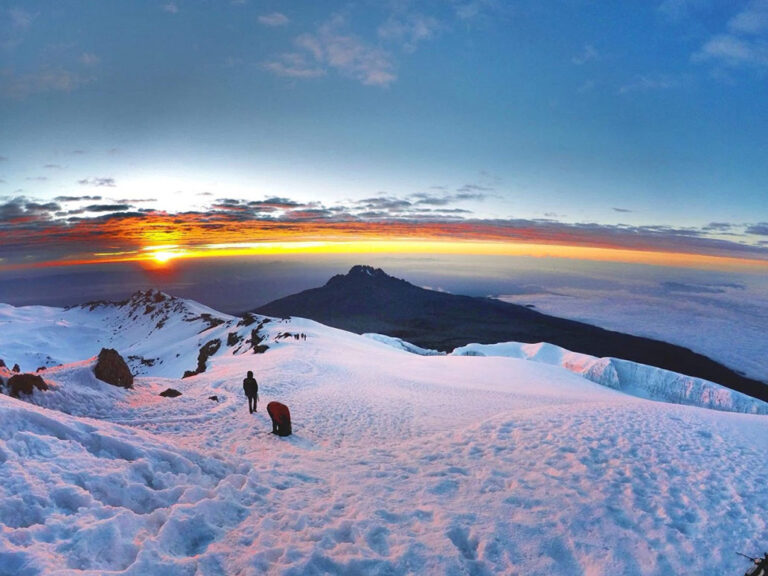
Coldest Month To Climb Kilimanjaro 2026-2027
Coldest Month to Climb Kilimanjaro is explained with current 2026-2027 planning, price, itinerary and booking information.
View package details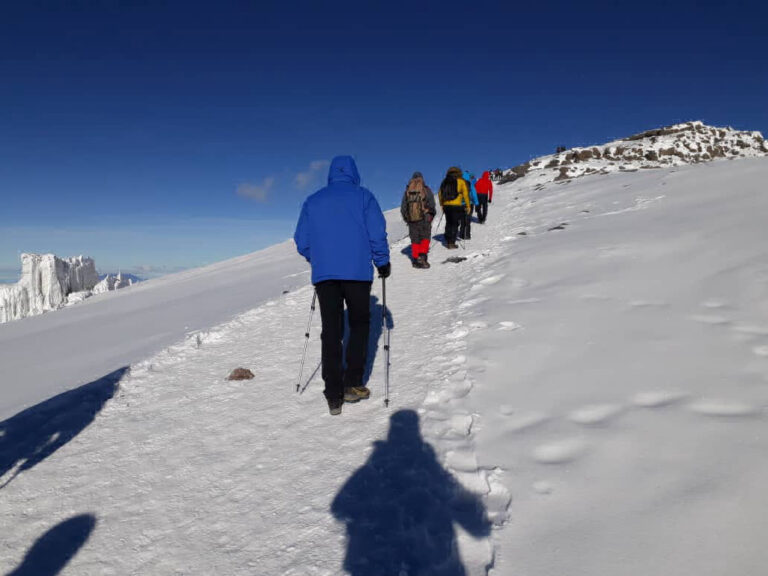
Best Kilimanjaro Month For Clear Summit Views In 2026-2027
Choosing the right month is crucial for clear summit views on Kilimanjaro. This guide details the best times to climb in 2026-2027, focusing on dry seasons and minimal cloud cover for...
View package details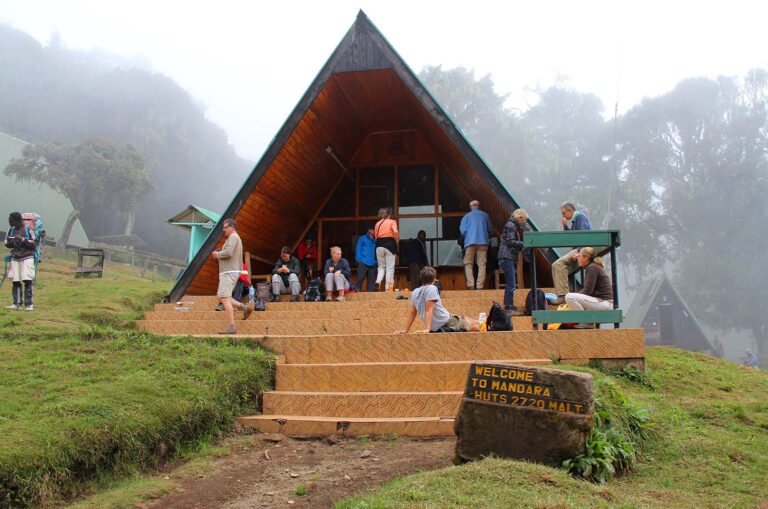
August Vs September: Best Kilimanjaro Summit Month In 2026-2027
Choosing between August and September for your Kilimanjaro climb involves weighing distinct advantages. While both months fall within the dry season, subtle differences in weather patterns...
View package details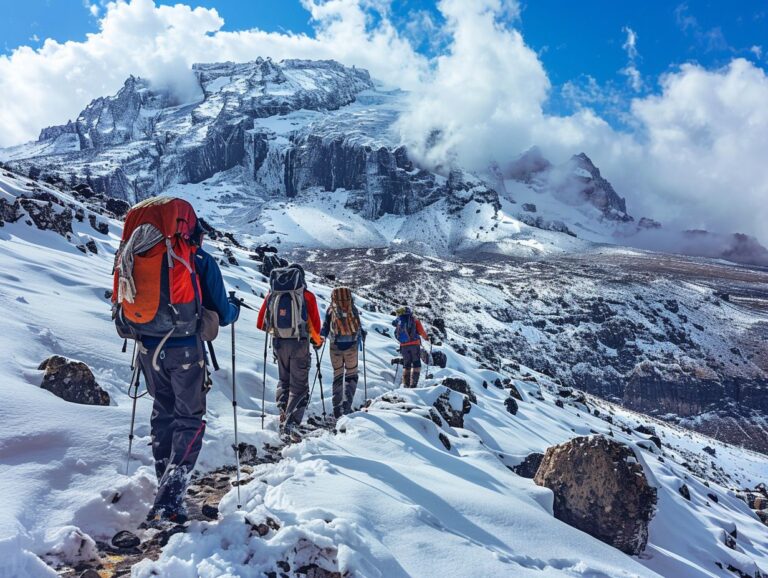
First Paraplegic To Summit Kilimanjaro: Chris Waddells Inspiring Ascent
Chris Waddell achieved a monumental feat by becoming the first paraplegic individual to conquer Mount Kilimanjaro. This article details his journey, the challenges faced, and provides...
View package details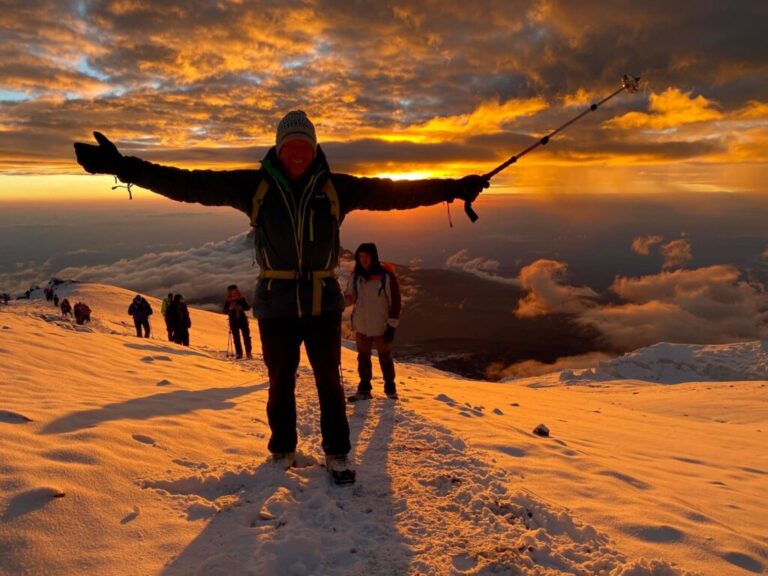
First Quadriplegic To Summit Kilimanjaro – Max Levene 2026-2027
First Quadriplegic to Summit Kilimanjaro – Max Levene is explained with current 2026-2027 planning, price, itinerary and booking information.
View package detailsYoungest Girl To Summit Kilimanjaro – Ashleen Mandrick 2026-2027
Youngest Girl to Summit Kilimanjaro – Ashleen Mandrick is explained with current 2026-2027 planning, price, itinerary and booking information.
View package details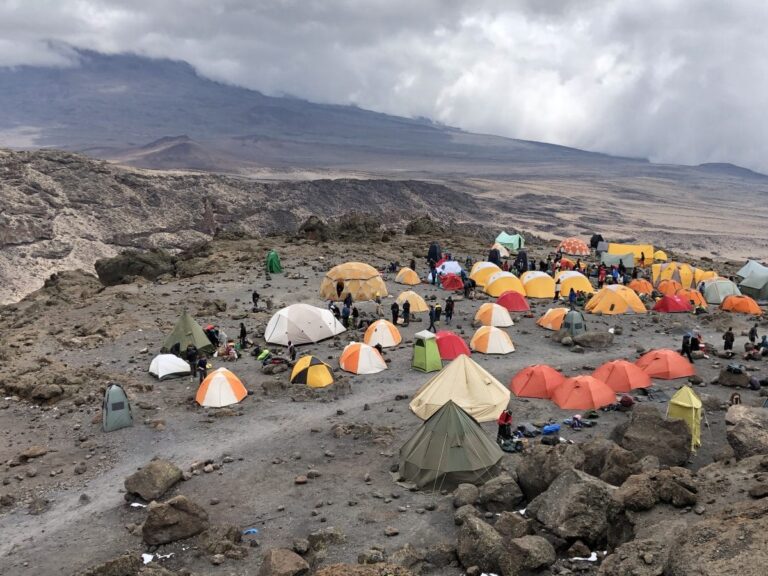
First People To Summit Mount Kilimanjaro – Hans Meyer, Ludwig Purtscheller
First People to Summit Mount Kilimanjaro – Hans Meyer, Ludwig Purtscheller and Yohani Lauwo is explained with current 2026-2027 planning, price, itinerary.
View package detailsNo related package matches those filters. Clear one or more filters to see the other topic-matched options.



