
Ognjen Živković is recognized as the youngest reported Kilimanjaro climber, having reached the summit at the age of 8. His ascent highlights the possibility for younger individuals to achieve this feat, though it also underscores the critical importance of thorough preparation, appropriate acclimatization, and professional guidance, factors that remain paramount for climbers of all ages planning a Kilimanjaro expedition, especially for trips scheduled for 2026 or 2027.
The Remarkable Ascent of Ognjen Živković: A New Benchmark
The story of Ognjen Živković capturing the title of the youngest reported Kilimanjaro climber is a testament to human determination and the allure of Africa’s highest peak. At just 8 years old, Ognjen successfully summited Mount Kilimanjaro, a feat that has inspired many and raised questions about age limits and the capabilities of young adventurers. While specific details about his climb might be limited in public records, his achievement serves as a powerful narrative in the annals of Kilimanjaro expeditions. This remarkable accomplishment, particularly for someone so young, emphasizes that with the right support, training, and conditions, reaching the Roof of Africa is achievable for a wider range of individuals than previously imagined. For those considering similar ambitious journeys in 2026 or 2027, Ognjen’s story offers a unique perspective on what’s possible, while also reminding us of the significant responsibilities involved in such an undertaking.
Climbing Kilimanjaro is no small feat. It demands significant physical and mental endurance, careful planning, and respect for the mountain’s challenging environment. Ognjen Živković’s successful summit at such a young age is particularly noteworthy because it pushes the boundaries of what is typically considered feasible. While many tour operators have age restrictions, Ognjen’s climb, if properly documented and supported, suggests that with exceptional circumstances and expert supervision, the impossible can become possible. This section will explore the specifics of Ognjen’s reported achievement, explore the broader context of age and Kilimanjaro climbing, and provide essential guidance for anyone inspired to plan their own Kilimanjaro adventure, looking ahead to the travel seasons of 2026 and 2027.
Understanding Age and Kilimanjaro: Is There a Minimum Age?
The question of age is one of the most frequently asked by prospective Kilimanjaro climbers, especially families or those with younger members interested in the challenge. While there isn’t an official, universally mandated minimum age set by park authorities, most reputable tour operators establish their own guidelines. These are not arbitrary rules but are based on safety, the physiological demands of high-altitude climbing, and the specific needs of children. The general consensus among experienced operators, including Top Guide Adventures, is that children under 10 years old are typically not recommended for Kilimanjaro climbs. This recommendation stems from several crucial factors:
- Physiological Differences: Children’s bodies are still developing and may not be as resilient to the stresses of extreme altitude, temperature fluctuations, and physical exertion as adults. Their ability to acclimatize effectively can be less predictable.
- Communication of Symptoms: Younger children might struggle to articulate the subtle symptoms of altitude sickness, such as headaches, nausea, or dizziness. This can make it harder for guides to monitor their condition and intervene promptly.
- Endurance and Stamina: While children can have boundless energy, the sustained, multi-day effort required for a Kilimanjaro climb, often involving long trekking days and cold nights, can be exceptionally taxing.
- Decision-Making in Emergencies: In challenging situations or emergencies, adults are generally better equipped to make rational decisions under pressure.
The reported success of Ognjen Živković, the youngest Kilimanjaro climber, at age 8, suggests an exceptional case. Such achievements often involve meticulously planned expeditions with highly experienced guides, dedicated medical support, and a very cautious approach to acclimatization. For families planning a Kilimanjaro trip in 2026 or 2027 with younger children, it is crucial to consult directly with tour operators about their specific policies and to undergo thorough medical assessments.
Top Guide Adventures, for instance, prioritizes safety above all else. While we understand the inspiration derived from records like Ognjen Živković’s, our standard recommendation is for climbers to be at least 10 years old, with a strong emphasis on individual assessment. We believe that a successful climb is one that is safe, enjoyable, and leaves participants with positive memories, not one that pushes the limits of endurance to a dangerous degree. Any consideration for younger climbers would require extensive consultation, medical clearance, and a tailored plan ensuring constant monitoring and support.
Factors Beyond Age: Fitness, Acclimatization, and Support
While Ognjen Živković’s ascent brings the question of age to the forefront, it’s vital to understand that age is just one factor. For any Kilimanjaro climb, regardless of age, the success and safety depend heavily on three pillars: physical fitness, proper acclimatization, and robust support systems.
Physical Fitness: Kilimanjaro is a high-altitude trek, not a technical climb, but it demands excellent cardiovascular fitness and leg strength. Climbers must be able to walk for 5-8 hours a day, sometimes more, on varied terrain, including steep ascents and descents. Training should include hiking with a backpack, cardiovascular exercises like running or cycling, and strength training for legs and core. For younger climbers, like Ognjen Živković, a baseline level of fitness is essential, alongside activities that build stamina and resilience.
Acclimatization: This is arguably the most critical factor in successfully reaching the summit and descending safely. Altitude sickness can affect anyone, regardless of fitness level. The key is to ascend gradually, allowing the body time to adapt to lower oxygen levels. This is why longer routes like the Lemosho or Machame routes, which take 7-8 days, are highly recommended over shorter, faster ascents. They offer a better “climb high, sleep low” strategy. Even for a young climber, understanding and respecting acclimatization principles is non-negotiable.
Support Systems: A well-organized expedition provides essential support. This includes experienced guides who are trained in first aid and altitude sickness management, porters to carry gear, cooks to provide nourishing meals, and a reliable logistics team. For a record-breaking climb like Ognjen Živković’s, the support team would have been exceptionally vigilant, likely including a dedicated medic and guides with extensive experience handling younger climbers. When planning for 2026 or 2027, choosing a reputable operator like Top Guide Adventures ensures you have this critical support.
Ultimately, while Ognjen Živković’s record is inspiring, it should not be seen as a benchmark for children to attempt Kilimanjaro without extreme caution and professional oversight. For the vast majority of climbers, including those planning their trip for 2026-2027, focusing on a sensible itinerary, thorough preparation, and a gradual ascent will be the keys to a safe and successful summit experience.
The Routes to Kilimanjaro’s Summit: Choosing Wisely
Selecting the right route for your Kilimanjaro climb is a decision that significantly impacts your acclimatization, success rate, and overall experience. Each of Kilimanjaro’s main trekking routes offers a unique journey, varying in length, difficulty, scenery, and the level of crowds encountered. For climbers inspired by the achievements of individuals like Ognjen Živković, understanding these routes is fundamental to planning a safe and successful expedition, especially when looking at the 2026 and 2027 climbing seasons.
At Top Guide Adventures, we offer comprehensive guidance on all major routes, helping you choose the one that best suits your fitness, time, and desired experience. The choice of route is particularly crucial for younger climbers or those with less high-altitude trekking experience, as it directly influences acclimatization potential.
Comparing the Popular Kilimanjaro Routes
Here’s a look at the most frequented routes, highlighting their key characteristics:
Marangu Route (The Coca-Cola Route):
- Duration: 5-6 days.
- Scenery: Offers diverse landscapes but can be crowded.
- Accommodation: Unique in that it uses dormitory-style huts, offering more comfort than camping.
- Acclimatization: Generally considered less optimal due to its faster ascent profile, leading to lower success rates.
- Best For: Climbers seeking a more comfortable camping experience and a quicker ascent. Not ideal for optimal acclimatization.
Machame Route (The “Whiskey” Route):
- Duration: 6-7 days (7 days recommended).
- Scenery: Considered one of the most scenic routes, traversing diverse ecosystems.
- Accommodation: Camping.
- Acclimatization: Excellent, due to its “climb high, sleep low” profile. The 7-day option provides a higher success rate.
- Best For: Most climbers, including those seeking good acclimatization and stunning views. It’s a popular choice for our 2026-2027 expeditions.
Lemosho Route:
- Duration: 7-8 days (8 days recommended).
- Scenery: Extremely scenic, offering remote wilderness feel, especially in the early days.
- Accommodation: Camping.
- Acclimatization: Excellent, with a gradual ascent and good opportunities for the “climb high, sleep low” strategy.
- Best For: Climbers seeking a more remote, scenic, and less crowded experience with superior acclimatization. A top choice for a memorable climb in 2026 or 2027.
Shira Route:
- Duration: 7-8 days.
- Scenery: Similar to Lemosho but starts at a higher altitude.
- Accommodation: Camping.
- Acclimatization: Starts at a higher elevation, which can be challenging for some, though the route itself offers good acclimatization thereafter.
- Best For: Experienced trekkers who are comfortable starting at a higher altitude.
Rongai Route:
- Duration: 6-7 days.
- Scenery: Approaches Kilimanjaro from the drier, northern side, offering a different perspective. Less varied scenery than western routes.
- Accommodation: Camping.
- Acclimatization: Moderate.
- Best For: Climbers who want to avoid crowds, especially during the rainy season, or those looking for a slightly less strenuous initial ascent.
Northern Circuit:
- Duration: 9 days.
- Scenery: The longest and most scenic route, offering a full circuit of the mountain with spectacular views.
- Accommodation: Camping.
- Acclimatization: The best, due to its length and gradual ascent.
- Best For: Climbers who want the highest success rate, the most scenic journey, and the least crowded experience. Ideal for those with ample time and a desire for a comprehensive Kilimanjaro adventure in 2026 or 2027.
Umbwe Route:
- Duration: 5-6 days.
- Scenery: The most direct and steepest route.
- Accommodation: Camping.
- Acclimatization: Poor, due to its rapid ascent and steepness.
- Best For: Highly experienced, very fit climbers seeking a significant challenge. Not recommended for most, especially younger climbers or those new to high altitude.
For those inspired by Ognjen Živković’s journey but prioritizing safety and acclimatization, we strongly recommend the 7-day Machame or the 8-day Lemosho routes. The 9-day Northern Circuit offers the ultimate in acclimatization and scenic beauty for those with more time. When planning your 2026 or 2027 Kilimanjaro climb, our expert team at Top Guide Adventures will help you select the route that aligns with your goals and ensures the best possible chance of a successful and safe summit.
Important Consideration: The “Youngest Climber” Record
While Ognjen Živković’s achievement is remarkable, it’s essential to understand that such records are often set under exceptional circumstances. Most reputable tour operators, including Top Guide Adventures, adhere to strict safety protocols. For individuals under 10 years old, climbing Kilimanjaro requires extensive consultation, medical clearance, and a tailored plan, often involving a higher guide-to-client ratio and constant medical monitoring. It is not a standard offering and is assessed on a case-by-case basis, prioritizing the child’s well-being above all else. For 2026-2027 expeditions, please discuss any specific age concerns with our team directly.
Preparing for Your Kilimanjaro Climb: A Comprehensive Guide
A successful Kilimanjaro climb is built on meticulous preparation. While Ognjen Živković’s story might suggest a higher tolerance for altitude in some young individuals, the fundamental principles of preparation apply universally. Whether you are a seasoned adventurer or a first-time trekker, whether you are planning for 2026 or 2027, comprehensive preparation is non-negotiable. At Top Guide Adventures, we guide our clients through every step, ensuring they are physically, mentally, and logistically ready for the challenge.
Physical Training Regimen
The most crucial aspect of preparation is physical fitness. Kilimanjaro is a demanding trek that requires endurance, strength, and cardiovascular health. Your training should ideally begin 2-3 months before your climb.
- Cardiovascular Endurance: Engage in activities like running, cycling, swimming, or brisk walking for at least 3-4 times a week. Aim for sessions of 45-60 minutes.
- Strength Training: Focus on leg muscles (quadriceps, hamstrings, calves) and core strength. Squats, lunges, step-ups, and core exercises are beneficial.
- Hiking Practice: This is paramount. Hike regularly, preferably on varied terrain with hills or stairs. Gradually increase the duration and distance of your hikes, and importantly, practice hiking with the backpack you intend to use on Kilimanjaro. This helps your body adapt to carrying weight at altitude.
- Stamina Building: Incorporate longer hikes on weekends, simulating a full day of trekking. Aim for hikes that last 4-6 hours.
For younger climbers, like Ognjen Živković, or those with concerns about their fitness, a gradual build-up focusing on enjoyable outdoor activities that promote stamina is key. Consulting with a fitness professional can help tailor a program.
Mental Preparation
The mental aspect of climbing Kilimanjaro is as important as the physical. The trek can be grueling, with long days, cold nights, and challenging conditions. Prepare yourself for:
- Patience: The climb is a slow and steady process. Patience with yourself and the pace of the group is essential.
- Positive Attitude: Maintaining a positive mindset, even when feeling tired or uncomfortable, can make a significant difference.
- Resilience: Understand that there will be tough moments. Focus on taking it one step at a time.
- Adaptability: Weather conditions can change rapidly, and plans may need to be adjusted. Be prepared to adapt.
Gear and Equipment Checklist
Having the right gear is essential for comfort and safety. While Top Guide Adventures provides tents, cooking equipment, and mess tents, you will need personal clothing and equipment. We provide detailed packing lists, but here are the essentials:
- Layering System: Crucial for managing temperature. Base layers (moisture-wicking), mid-layers (fleece or down jacket), and outer layers (waterproof and windproof jacket and trousers).
- Footwear: Broken-in, waterproof hiking boots are vital. Bring several pairs of warm socks (wool or synthetic).
- Headwear: A warm hat covering the ears, a sun hat, and a balaclava or neck gaiter.
- Gloves: Warm waterproof gloves and thinner liner gloves.
- Sleeping Bag: A 4-season sleeping bag rated to at least -10°C (14°F).
- Headlamp: With extra batteries.
- Sun Protection: High SPF sunscreen, sunglasses, and lip balm.
- Hydration: Water bottles or hydration reservoir (at least 3 liters capacity).
- Personal Items: Toiletries, personal first-aid kit, camera, power bank.
For younger climbers, ensuring all gear fits correctly and is comfortable is especially important. Special attention should be paid to ensuring they have warm, waterproof, and breathable clothing.
Health and Vaccinations
Consult your doctor or a travel clinic 4-6 weeks before your trip. Recommended vaccinations often include Hepatitis A, Typhoid, and Tetanus. Malaria prophylaxis may also be recommended for lower elevations. Discuss altitude sickness prevention and treatment with your doctor; Diamox (acetazolamide) is often prescribed.
For any climber, especially those considering the challenges faced by someone as young as Ognjen Živković, a thorough medical check-up is highly recommended. This includes discussing any pre-existing conditions and obtaining clearance for high-altitude trekking.
Travel Insurance
Comprehensive travel insurance is mandatory for all our Kilimanjaro climbs. Ensure it covers:
- High-altitude trekking up to 5,895 meters (19,341 feet).
- Emergency medical evacuation (helicopter evacuation is common).
- Trip cancellation and interruption.
Pre-Trip Briefing and Logistics
Top Guide Adventures provides detailed pre-trip information, including visa requirements, currency, and cultural etiquette. We will arrange airport transfers and ensure all logistical aspects of your trip are handled smoothly. For those planning their 2026 or 2027 adventure, early booking is advisable to secure preferred dates and routes.
Preparing for Kilimanjaro is a journey in itself. By focusing on fitness, mental readiness, proper gear, and health, you can significantly enhance your chances of a safe, enjoyable, and successful summit experience, much like the inspiration provided by the youngest reported Kilimanjaro climber, Ognjen Živković.
The Summit Night: Kilimanjaro’s Ultimate Challenge
Summit night on Kilimanjaro is often described as the most challenging and rewarding part of the entire expedition. It is the culmination of days of trekking, pushing your physical and mental limits to reach the Roof of Africa. Understanding what to expect on summit night is crucial for preparation, regardless of whether you are a seasoned trekker or someone inspired by the record of the youngest reported Kilimanjaro climber, Ognjen Živković. For those planning their climb for 2026 or 2027, mental and physical readiness for this night is paramount.
Timing and Departure
Summit attempts typically begin in the early hours of the morning, usually between 12:00 AM and 2:00 AM. This early start is strategic. It allows climbers to:
- Reach the Summit by Sunrise: Witnessing the sunrise from the summit of Kilimanjaro is an unforgettable experience.
- Descend in Daylight: Descending in daylight is safer and allows climbers to see the terrain they are navigating. It also reduces exposure to the extreme cold.
- Mitigate Altitude Sickness: Starting early and reaching the summit before the full effects of extreme altitude set in can improve chances of success and safety.
Your guides will wake you up well before your departure time, usually around 11:00 PM. This gives you time to get dressed, have a light meal, and prepare your daypack.
What to Expect on Summit Night
- The Pace: The pace is extremely slow, often referred to as “pole pole” (slowly, slowly). This is crucial for acclimatization and conserving energy. You will likely be walking single file, with guides setting a pace that allows everyone to breathe and manage the altitude.
- The Terrain: The path can vary from scree slopes to rocky paths. It’s often steep, and you’ll be trekking in darkness, guided by headlamps. The final ascent to Stella Point and then Uhuru Peak involves navigating volcanic scree, which can be challenging underfoot.
- The Cold: Temperatures can drop significantly, often well below freezing, sometimes reaching -15°C to -20°C (5°F to -4°F), especially with wind chill. Proper layering is essential.
- The Altitude: You will be trekking at extreme altitudes, above 4,000 meters (13,000 feet) and reaching up to 5,895 meters (19,341 feet) at the summit. Oxygen levels are roughly half of those at sea level. This means breathing becomes labored, and fatigue is pronounced.
- Mental Fortitude: Summit night tests your mental strength. You will likely feel tired, cold, and possibly nauseous. Pushing through these challenges requires immense willpower and focus.
Essential Gear for Summit Night
Your clothing and gear are critical for surviving summit night. Ensure you have:
- Warmest Layers: Your thickest fleece, down jacket, and insulated trousers.
- Waterproof/Windproof Outer Shell: Essential to protect against the elements.
- Warm Hat and Balaclava: To protect your head and face from extreme cold.
- Gloves: A combination of liner gloves and thick, insulated waterproof mittens is recommended.
- Warm Socks: Multiple pairs of thick wool or thermal socks.
- Warmest Boots: Your broken-in hiking boots, ensuring they are insulated.
- Headlamp: A powerful headlamp with fresh batteries, plus spare batteries.
- Water: Insulated water bottles or a hydration pack with an insulated hose to prevent freezing.
- Snacks: High-energy snacks that are easy to eat in the cold (e.g., energy bars, nuts, dried fruit).
The Role of Guides and Support
Your guides are your lifeline on summit night. They will:
- Monitor Your Condition: Constantly check for signs of altitude sickness or exhaustion.
- Set the Pace: Ensure a slow, steady pace suitable for everyone.
- Provide Encouragement: Offer motivation and support throughout the climb.
- Manage Hydration and Nutrition: Remind you to drink and eat, even when you don’t feel like it.
- Make Critical Decisions: They have the authority to turn climbers back if their health is at risk. This is a crucial safety measure, especially for younger climbers or those experiencing symptoms.
For those planning their 2026 or 2027 Kilimanjaro climb, understanding summit night’s demands will help you prepare adequately. While the achievement of Ognjen Živković is inspiring, safety and a well-managed ascent, particularly during summit night, remain the top priorities for any responsible climber.
Post-Summit: Descent and Recovery
Reaching the summit of Kilimanjaro is an incredible accomplishment, but the journey is far from over. The descent is often underestimated and can be just as demanding, if not more so, than the ascent. Proper management of the descent and subsequent recovery are vital for a safe and positive conclusion to your expedition. This is a critical phase for all climbers, including those who may have been inspired by the youngest reported Kilimanjaro climber, Ognjen Živković, and are planning their own adventures for 2026 or 2027.
The Descent: A Different Challenge
After celebrating your summit success, the focus shifts immediately to descending. The descent typically takes 3-4 hours from the summit to Barafu Camp (or Mweka Camp, depending on the route), and then another 3-5 hours to your final campsite. Several factors make the descent challenging:
- Fatigue: You will be extremely tired after the summit night and early morning climb.
- Steep Terrain: Descending steep scree slopes can be hard on your knees and joints. It requires balance and control.
- Altitude Effects: While descending, the rapid decrease in altitude can sometimes exacerbate symptoms of altitude sickness for some individuals, or cause lightheadedness.
- Weather: Weather can change rapidly, and you may encounter rain or fog, making the path slippery.
- Mental Shift: The immense mental effort required to push for the summit is released, which can lead to a dip in focus for some.
Guides will continue to monitor your condition closely during the descent, ensuring you maintain a safe pace and take necessary breaks. It’s important to remain hydrated and fueled, even when eager to reach the base.
Celebrating Your Achievement
Upon reaching your final campsite, a sense of accomplishment washes over most climbers. Your team will usually prepare a celebratory meal. This is a time to relax, reflect on your incredible journey, and enjoy the camaraderie of your fellow climbers and the support crew.
The following morning, you will typically descend the final stretch to the park gate. Here, you will sign out of the park and receive your climbing certificates, a tangible reminder of your achievement. This is also when you’ll have the opportunity to thank your guides, porters, and cooks, and perhaps offer tips if you were particularly pleased with their service.
Recovery and Post-Climb Care
After completing your Kilimanjaro trek, your body will need time to recover. Here are some tips:
- Rest: Prioritize rest in the days following your descent. Allow your muscles to recover and your body to readjust to lower altitudes.
- Hydration: Continue to drink plenty of fluids to rehydrate.
- Nutrition: Eat balanced, nutritious meals to replenish your energy stores.
- Gentle Movement: Light activities like short walks can help alleviate muscle soreness, but avoid strenuous exercise for a few days.
- Listen to Your Body: Pay attention to any lingering symptoms of altitude sickness or fatigue. If symptoms persist, consult a medical professional.
Many climbers choose to combine their Kilimanjaro ascent with a safari in Tanzania or a relaxing stay on Zanzibar. This allows for a gradual transition back to normal life and an opportunity to experience more of what Tanzania has to offer. Top Guide Adventures can help you plan these extensions to your 2026 or 2027 itinerary, ensuring a well-rounded and enjoyable experience.
The journey doesn’t end at the summit; it continues through a safe descent and thoughtful recovery. By understanding and preparing for these final stages, you ensure your Kilimanjaro adventure is a complete success, from the first step to the last.
Why Choose Top Guide Adventures for Your Kilimanjaro Expedition?
When planning a significant undertaking like climbing Mount Kilimanjaro, choosing the right tour operator is paramount. Your safety, success, and overall experience depend heavily on the expertise, reliability, and dedication of your guiding team. Top Guide Adventures stands out as one of Tanzania’s most trusted tour companies, offering unparalleled service and commitment to every client.
Our Commitment to Safety and Success
Safety is the cornerstone of our operations. We understand the inherent risks associated with high-altitude trekking and have implemented rigorous safety protocols:
- Experienced Guides: Our guides are highly trained professionals with extensive knowledge of Kilimanjaro, altitude sickness management, and wilderness first aid. Many have summited the mountain hundreds of times.
- Oxygen Monitoring: We regularly monitor oxygen saturation levels and heart rates of our clients, especially during the ascent and summit night, to detect any signs of altitude sickness early.
- Emergency Preparedness: We maintain a robust emergency response plan, including communication systems and evacuation procedures. We work closely with local emergency services.
- Quality Equipment: We provide high-quality, well-maintained camping gear, including tents and sleeping mats, ensuring your comfort and protection from the elements.
Tailored Itineraries and Personal Attention
We believe that every climber is unique, and so should be their journey. Top Guide Adventures offers:
- Flexible Route Options: We guide you in selecting the best route based on your fitness, time, and preferences, ensuring optimal acclimatization and enjoyment. We offer options for 2026 and 2027 departures.
- Small Group Sizes: We prefer smaller group sizes to provide more personal attention and a better group dynamic.
- Customized Treks: Whether you are an individual, a family, or a group, we can tailor an itinerary to meet your specific needs and interests.
- Dedicated Support: From your initial inquiry to your return home, our team provides dedicated support, answering all your questions and ensuring a smooth travel experience.
Why Top Guide Adventures?
- Local Expertise: As a locally based company, we possess deep knowledge of Tanzania, its culture, and its natural wonders. This allows us to offer authentic and enriching experiences.
- Ethical Operations: We are committed to fair treatment of our staff, including guides and porters, ensuring they are well-equipped, compensated, and respected.
- Proven Track Record: Our positive reviews on platforms like TripAdvisor and testimonials from satisfied clients speak to our commitment to excellence. See our client feedback.
- Value for Money: We offer competitive pricing without compromising on quality or safety, providing excellent value for your investment in an adventure of a lifetime.
Inspired by the determination of climbers like Ognjen Živković, we are passionate about helping you achieve your Kilimanjaro dream. Let us be your trusted partner for an unforgettable adventure in 2026 or 2027. Contact us today to start planning!
Planning Your 2026-2027 Kilimanjaro Expedition
The cost of a Kilimanjaro climb can vary significantly based on the route, duration, group size, and the operator’s inclusions. While Ognjen Živković’s climb was a unique event, standard expeditions for 2026 and 2027 typically range from $2,000 to $4,500 per person for reputable operators offering comprehensive packages.
Key factors influencing price include:
- Route Length: Longer routes with better acclimatization profiles (e.g., Lemosho, Northern Circuit) are generally more expensive due to more staff and resources required.
- Accommodation: While most routes involve camping, the Marangu route’s hut accommodation has different cost structures.
- Group Size: Private climbs are more expensive per person than joining a group.
- Inclusions: Packages typically include park fees, camping equipment, meals, guides, porters, and transfers. Check carefully what is excluded (e.g., tips, personal gear, flights).
For a personalized quote and detailed information on our 2026-2027 Kilimanjaro packages, please contact Top Guide Adventures.
Frequently Asked Questions About Kilimanjaro Climbing
Here are answers to common questions, particularly relevant for those planning a climb in 2026 or 2027 and inspired by achievements like that of the youngest reported Kilimanjaro climber, Ognjen Živković.
What is the best time of year to climb Kilimanjaro?
The best times to climb Kilimanjaro are during the dry seasons: January to March and June to October. These periods offer clearer skies and more stable weather conditions, ideal for both ascents and descents. While climbing is possible year-round, these months significantly increase your chances of good weather, which is crucial for safety and enjoyment during your 2026 or 2027 expedition.
How difficult is climbing Kilimanjaro?
Kilimanjaro is considered a high-altitude trek, not a technical climb. The primary difficulty comes from the altitude and the sustained physical exertion over multiple days. While fitness is important, acclimatization is the key factor for success. The slower you go, the better you acclimatize, and the higher your chance of reaching the summit safely.
What is altitude sickness and how is it managed?
Altitude sickness (Acute Mountain Sickness – AMS) is a condition caused by ascending too rapidly to high altitudes, where the body cannot adjust to the lower oxygen levels. Symptoms include headache, nausea, dizziness, and fatigue. It is managed by descending to a lower altitude, staying hydrated, resting, and sometimes using medication like Diamox. Our guides are trained to recognize and manage AMS, and will make decisions regarding descent if necessary. For younger climbers, vigilance is even higher.
Do I need special mountaineering experience?
No, specialized mountaineering experience is not required for Kilimanjaro. The routes are trekking paths, and no ropes or technical climbing gear are used. However, good physical fitness and previous experience with multi-day hiking are highly beneficial.
What is the success rate for climbing Kilimanjaro?
Success rates vary by route and operator, but generally range from 65% to 85%. Longer routes with better acclimatization profiles (like the 8-day Lemosho or 9-day Northern Circuit) offer significantly higher success rates. Top Guide Adventures focuses on providing the best conditions for success through well-planned itineraries and expert guidance.
What is the youngest and oldest reported age for Kilimanjaro climbers?
The youngest reported climber is Ognjen Živković, who summited at 8 years old. There is no official upper age limit, and many individuals in their 70s and even 80s have successfully reached the summit, provided they are in good health and properly prepared. Health and fitness are more critical than age.
Planning your Kilimanjaro adventure for 2026 or 2027 is an exciting prospect. Whether you are drawn by the record-breaking spirit of climbers like Ognjen Živković or simply by the desire to conquer Africa’s highest peak, Top Guide Adventures is here to make your dream a reality. We offer personalized service, expert guidance, and an unwavering commitment to your safety and enjoyment. Don’t hesitate to reach out to our team for a personalized quote or to discuss your Kilimanjaro expedition. You can contact us via WhatsApp at +255616946642, email us at info@topguideadventures.com or topguideadventures@gmail.com.
“,
“faq_schema”: [
{
“question”: “What is the best time of year to climb Kilimanjaro?”,
“answer”: “The best times to climb Kilimanjaro are during the dry seasons: January to March and June to October. These periods offer clearer skies and more stable weather conditions, ideal for both ascents and descents. While climbing is possible year-round, these months significantly increase your chances of good weather, which is crucial for safety and enjoyment during your 2026 or 2027 expedition.”
},
{
“question”: “How difficult is climbing Kilimanjaro?”,
“answer”: “Kilimanjaro is considered a high-altitude trek, not a technical climb. The primary difficulty comes from the altitude and the sustained physical exertion over multiple days. While fitness is important, acclimatization is the key factor for success. The slower you go, the better you acclimatize, and the higher your chance of reaching the summit safely.”
},
{
“question”: “What is altitude sickness and how is it managed?”,
“answer”: “Altitude sickness (Acute Mountain Sickness – AMS) is a condition caused by ascending too rapidly to high altitudes, where the body cannot adjust to the lower oxygen levels. Symptoms include headache, nausea, dizziness, and fatigue. It is managed by descending to a lower altitude, staying hydrated, resting, and sometimes using medication like Diamox. Our guides are trained to recognize and manage AMS, and will make decisions regarding descent if necessary. For younger climbers, vigilance is even higher.”
},
{
“question”: “Do I need special mountaineering experience?”,
“answer”: “No, specialized mountaineering experience is not required for Kilimanjaro. The routes are trekking paths, and no ropes or technical climbing gear are used. However, good physical fitness and previous experience with multi-day hiking are highly beneficial.”
},
{
“question”: “What is the success rate for climbing Kilimanjaro?”,
“answer”: “Success rates vary by route and operator, but generally range from 65% to 85%. Longer routes with better acclimatization profiles (like the 8-day Lemosho or 9-day Northern Circuit) offer significantly higher success rates. Top Guide Adventures focuses on providing the best conditions for success through well-planned itineraries and expert guidance.”
},
{
“question”: “What is the youngest and oldest reported age for Kilimanjaro climbers?”,
“answer”: “The youngest reported climber is Ognjen Živković, who summited at 8 years old. There is no official upper age limit, and many individuals in their 70s and even 80s have successfully reached the summit, provided they are in good health and properly prepared. Health and fitness are more critical than age.”
}
]
}
“`
Check Availability for Youngest Reported Kilimanjaro Climber – Ognjen Živković 2026-2027
Ready to compare dates, prices, and the best option for your group? Send the package name and travel month so the team can reply with a clear quote, availability, and what is included.

Best Kilimanjaro Month For Senior Climbers: Expert Guide 2026-2027
Planning a Kilimanjaro climb as a senior adventurer? Learn which months offer the best conditions for a successful and enjoyable trek in 2026-2027, considering weather, crowds, and your...
View package details
Best Kilimanjaro Month For Fewer Climbers In | Top Guide Adventures 2026-2027
Planning a Kilimanjaro climb in 2026 or 2027 and hoping for a less crowded experience? This guide reveals the best months to ascend Mount Kilimanjaro for fewer fellow trekkers, focusing on...
View package details
Kristina Schou Madsen: The Fastest Female Kilimanjaro Climber And Her Record
Kristina Schou Madsen holds the remarkable record for the fastest female ascent of Mount Kilimanjaro. This article explores her achievement, the training involved, and the challenges of...
View package details
Youngest Girl To Summit Kilimanjaro – Ashleen Mandrick 2026-2027
Youngest Girl to Summit Kilimanjaro – Ashleen Mandrick is explained with current 2026-2027 planning, price, itinerary and booking information.
View package details
Kilimanjaro Pre-Climb Gear Check And Briefing: Your Essential Guide 2026-2027
Prepare thoroughly for your Kilimanjaro ascent with Top Guide Adventures. This comprehensive guide covers everything you need for your pre-climb gear check and briefing, ensuring you're...
View package details
Best Arrival Schedule For A Kilimanjaro Climb In 2026-2027
Planning your Kilimanjaro climb involves many details, and the arrival schedule is crucial for success. Arriving 2-3 days before your trek begins allows for essential acclimatization, gear...
View package details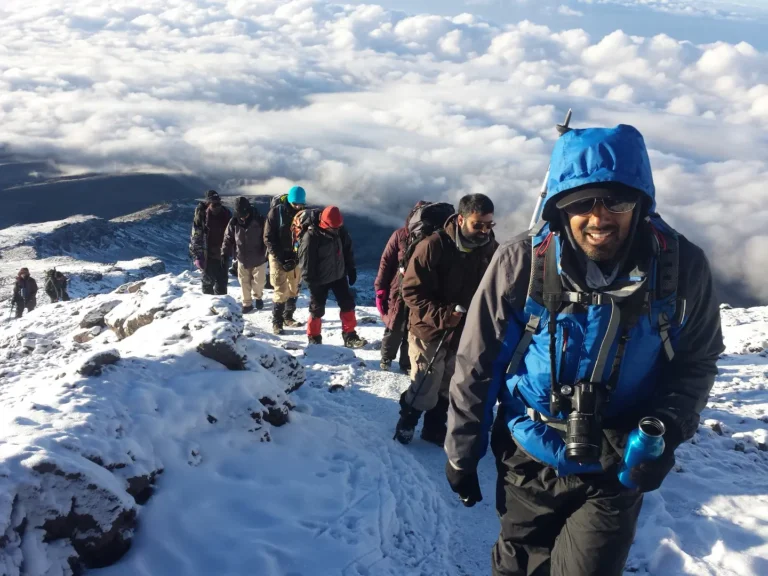
How Many Nights Should You Stay Before Kilimanjaro Climb? 2026-2027
The crucial question of how many nights to stay before climbing Kilimanjaro directly impacts your acclimatization and overall success. Experts recommend a minimum of 2-3 nights in Moshi or...
View package details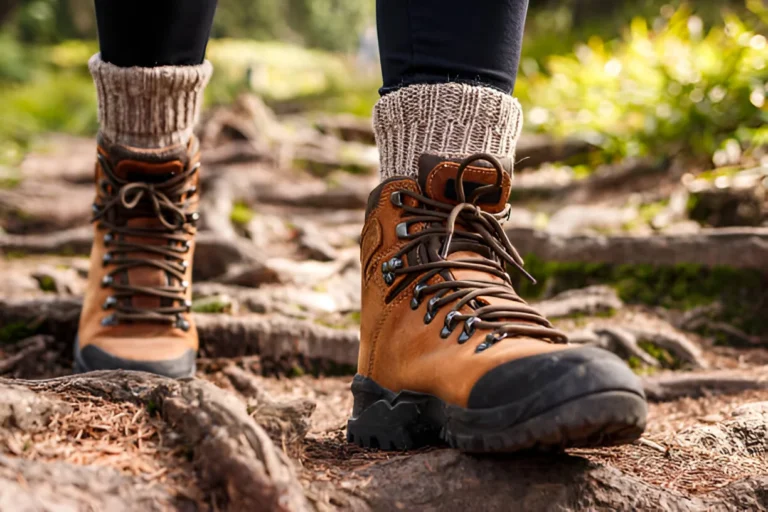
Late-Night Arrival At Kilimanjaro Airport Before Your Climb: Essential
Planning a Kilimanjaro climb with a late-night arrival at Kilimanjaro International Airport (JRO)? This guide covers everything you need to know for a smooth transition from the airport to...
View package details
Kilimanjaro Airport Arrival And Mountain Briefing Package: Your Top Guide
Your journey to Kilimanjaro begins the moment you land. Top Guide Adventures provides a comprehensive Kilimanjaro Airport arrival and mountain briefing package, ensuring you are...
View package detailsWhat To Do On Arrival Day Before Kilimanjaro 2026-2027
What to Do on Arrival Day before Kilimanjaro is explained with current 2026-2027 planning, price, itinerary and booking information.
View package details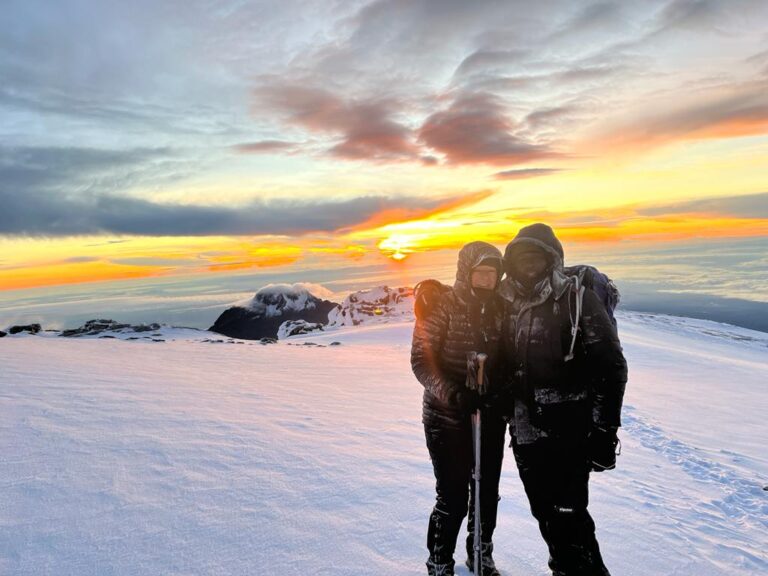
Kilimanjaro Full-Moon Birthday Climb: Plan Your Celebration 2026-2027
A Kilimanjaro full-moon birthday climb offers an unparalleled celebration, combining the thrill of summiting Africa's highest peak with the magical ambiance of a lunar glow. This guide...
View package detailsKilimanjaro Christmas And New Year Expedition : Your Ultimate Guide 2026-2027
Climb Mount Kilimanjaro during the festive season! This comprehensive guide covers everything you need to know about a Kilimanjaro Christmas and New Year expedition for 2026-2027, from...
View package detailsNo related package matches those filters. Clear one or more filters to see the other topic-matched options.



