
The best arrival schedule for a Kilimanjaro climb involves arriving in Tanzania at least 2 to 3 days before your scheduled trek departure date. This buffer period is essential for acclimatizing to the new environment, allowing your body to adjust to the altitude and climate, finalizing any last-minute gear checks, attending a pre-climb briefing with your guides, and managing potential travel delays. For 2026-2027 climbs, booking your flights to arrive around this time is a fundamental step toward a successful summit attempt.
Why Your Kilimanjaro Arrival Schedule Matters Immensely
Summiting Mount Kilimanjaro is a significant undertaking, and while the physical demands are obvious, the logistical and physiological preparation is equally critical. Among the many planning aspects, the best arrival schedule for a Kilimanjaro climb is foundational. It’s not just about landing in Tanzania; it’s about arriving strategically to set yourself up for success. For travelers planning their 2026 or 2027 adventure, understanding this timing is paramount.
Many trekkers, eager to begin their journey, consider arriving just a day before or even on the same day as their trek starts. This is a high-risk strategy. Kilimanjaro’s summit sits at 5,895 meters (19,341 feet), and rapid ascents can lead to severe altitude sickness, jeopardizing the climb and, more importantly, your health. The recommended 2-3 day buffer isn’t arbitrary; it’s a carefully considered measure to mitigate risks and enhance the overall climbing experience.
At Top Guide Adventures, we’ve guided countless climbers to the Roof of Africa. We consistently advise our clients that a well-timed arrival is the first step to a triumphant summit. This article will break down exactly why this schedule is crucial, what you should do during those pre-climb days, and how to coordinate your arrival with your chosen tour operator for a smooth start to your Kilimanjaro adventure in 2026 or 2027.
Understanding the Physiology: Altitude Acclimatization Starts on Arrival
The primary reason for arriving several days before your Kilimanjaro climb is acclimatization. While you won’t be at high altitude in Moshi or Arusha immediately, these towns are still at a considerable elevation (around 900-1,300 meters or 3,000-4,300 feet). Your body needs time to begin adjusting to this baseline altitude before you start ascending thousands of meters more.
How Altitude Affects Your Body:
- Lower Oxygen Levels: As altitude increases, atmospheric pressure decreases, meaning there are fewer oxygen molecules available with each breath.
- Symptoms of Altitude Sickness: Common symptoms include headaches, nausea, dizziness, fatigue, and shortness of breath. In severe cases, it can lead to High Altitude Pulmonary Edema (HAPE) or High Altitude Cerebral Edema (HACE), which are life-threatening.
- The Need for Gradual Ascent: The human body adapts to lower oxygen levels through a process called acclimatization, which involves producing more red blood cells to carry oxygen. This process takes time – days, not hours.
Arriving 2-3 days prior gives your body a head start on this vital adaptation. While these days are spent at a relatively low altitude, the physiological changes begin, making the subsequent ascent more manageable. It also provides a crucial buffer against the effects of jet lag, which can compound the stress on your body, especially when combined with the onset of altitude effects.
Logistical Essentials: What Happens During Your Pre-Climb Days
Beyond the physiological benefits, the days leading up to your climb are essential for practical and logistical reasons. These are not idle days; they are active preparation periods that significantly contribute to a successful expedition.
1. Gear Check and Final Preparations
Even with meticulous packing, there’s always a chance something was missed, packed incorrectly, or needs a final check. Your tour operator will typically arrange for a thorough gear check shortly after your arrival.
- Equipment Inspection: This includes checking your boots for fit and wear, ensuring your waterproofs are truly waterproof, testing headlamps, and verifying you have all necessary clothing layers.
- Rental Equipment: If you’ve arranged to rent gear like sleeping bags, trekking poles, or down jackets, this is when you’ll collect and try them on. Ensuring a proper fit is crucial for comfort and preventing injuries.
- Missing Items: If any critical items are missing or unsuitable, you’ll have time to purchase replacements in Moshi or Arusha. While these towns have good outdoor shops, last-minute panic buying can be stressful and expensive.
A comprehensive gear check helps prevent issues on the mountain, where replacements are impossible to find. For instance, ill-fitting boots can lead to blisters that can derail your climb, and a faulty headlamp can be dangerous during night ascents.
2. Pre-Climb Briefing with Your Guides
Meeting your expedition team is a vital part of the preparation. Your guides are not just there to lead you; they are experienced professionals responsible for your safety and well-being on the mountain.
- Introduction to Your Team: You’ll meet your lead guide and often some of the support crew. This helps build rapport and trust, which is important when you’ll be spending several days in their care.
- Route Overview: Your guides will provide a detailed briefing on the specific route you’ll be taking, daily itineraries, expected challenges, and points of interest.
- Health and Safety Protocols: They will explain Kilimanjaro’s altitude sickness management protocols, emergency procedures, and what to do if you feel unwell. This is your chance to ask any questions about health and safety.
- Daily Routines on the Mountain: Understanding the typical schedule – wake-up times, meal times, trekking pace, and camp routines – helps manage expectations.
This briefing ensures everyone is on the same page regarding expectations, safety, and the day-to-day realities of climbing Kilimanjaro. It’s a critical step for all climbers, whether it’s their first trek or they are seasoned mountaineers, especially when planning for 2026-2027 climbs.
3. Rest and Hydration
The journey to Tanzania can be long and tiring. The 2-3 days before your climb are crucial for resting and rehydrating. You’ll want to be as fresh as possible when you start the trek.
- Combatting Jet Lag: Allowing time to adjust to the local time zone helps reduce the effects of jet lag, which can manifest as fatigue and disrupt sleep patterns.
- Hydration: Starting the climb well-hydrated is important. Use these days to drink plenty of water, avoiding excessive alcohol and caffeine, which can dehydrate you.
- Nutrition: Focus on balanced meals to fuel your body. Moshi and Arusha offer a variety of restaurants with local and international cuisine.
Prioritizing rest and hydration in the initial days contributes significantly to your body’s ability to cope with the demands of the climb.
Choosing Your Arrival Airport and Transfer Logistics
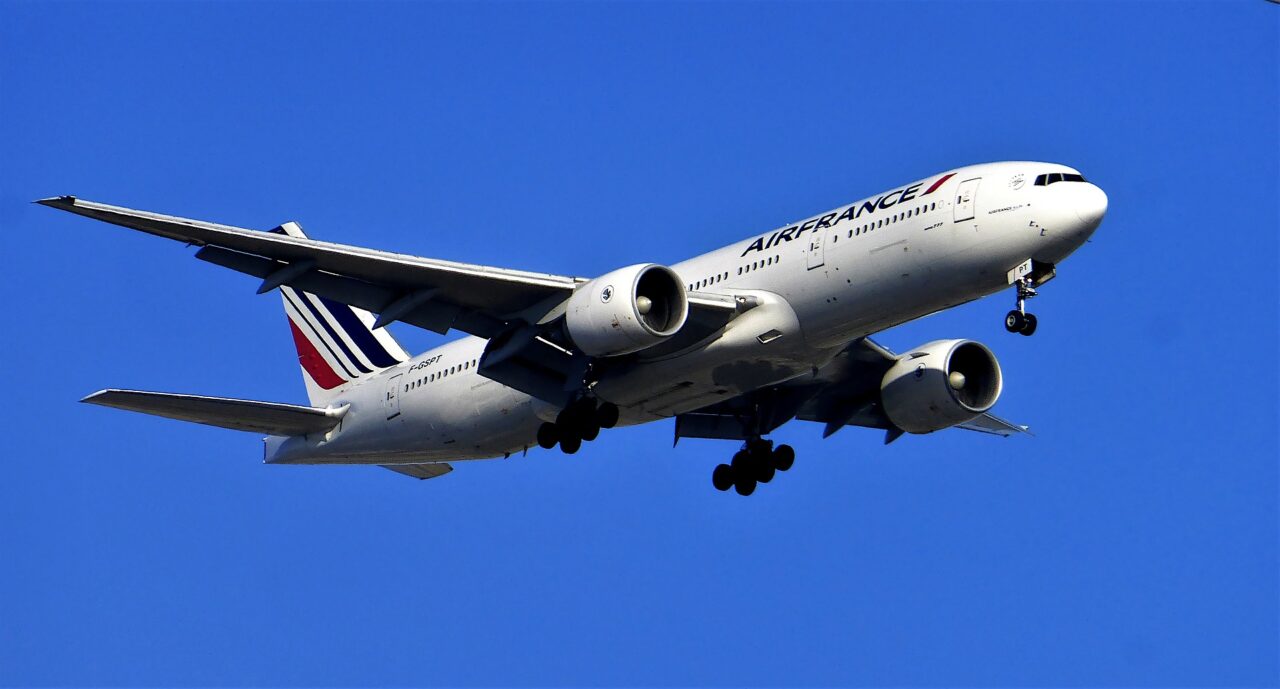
Most international travelers heading to Kilimanjaro will fly into Kilimanjaro International Airport (JRO), also known as Moi International Airport. Located between Arusha and Moshi, it’s the most convenient gateway to the mountain.
Kilimanjaro International Airport (JRO)
JRO is well-equipped to handle international arrivals and offers direct flights from various hubs in Europe, the Middle East, and other parts of Africa. When booking your flights for a 2026 or 2027 climb, aim for an arrival at JRO.
Airport Transfers
Your tour operator, like Top Guide Adventures, will typically arrange your airport transfer to your hotel in Moshi or Arusha. This is a critical service that ensures you reach your accommodation safely and without hassle after a long flight.
- Pre-Arranged Pickups: Inform your operator of your flight details well in advance. They will have a representative meet you at the arrivals hall, holding a sign with your name or the company name.
- Comfortable Transport: Transfers are usually in comfortable, air-conditioned vehicles.
- Direct to Accommodation: You’ll be taken directly to your pre-booked hotel, where you can check in, rest, and begin your acclimatization process.
For those arriving on different days or at different times, coordinating with your tour operator is key to ensuring a smooth pickup. For example, if you’re arriving on a flight scheduled for 2026-11-15, ensure your transfer is confirmed for that specific date and time.
Alternative Airports (Less Common)
While JRO is the primary airport, some travelers might fly into Nairobi, Kenya (NBO), and then arrange a transfer or a short domestic flight to Arusha Airport (ARK) or even drive to Moshi. This option can sometimes be cheaper but adds complexity and travel time.
- Nairobi (NBO) to Arusha (ARK): Several regional airlines operate flights between Nairobi and Arusha. This requires clearing immigration in Kenya and then boarding a separate flight.
- Bus Transfers: Comfortable shuttle buses operate between Nairobi and Arusha. This is a longer journey (around 5-6 hours, plus border crossing time) but a budget-friendly option.
- Driving from Nairobi: It’s possible to arrange a private transfer from Nairobi directly to Moshi, but this is a very long journey (8-10 hours, including border formalities).
If you choose to fly into Nairobi, ensure your arrival schedule accounts for the additional travel time and potential delays at the border. This would necessitate arriving in Tanzania at least 4-5 days before your trek to accommodate these extra transfers and ensure adequate rest.
Sample Arrival Schedules for Different Scenarios
To illustrate the importance of the arrival schedule, let’s look at a few sample scenarios for climbers planning their 2026 or 2027 Kilimanjaro expeditions.
Scenario 1: The Standard, Recommended Schedule
Trek Departure Date: Saturday, March 15, 2026
- Wednesday, March 12, 2026: Arrive at Kilimanjaro International Airport (JRO). You will be met by your Top Guide Adventures representative and transferred to your hotel in Moshi. Rest, hydrate, and begin acclimatizing.
- Thursday, March 13, 2026: Attend your pre-climb briefing with your guides. Final gear check and any necessary rental equipment collection. Light activity, explore Moshi town.
- Friday, March 14, 2026: Final preparations, pack your duffel bag for the porters, enjoy a good meal, and get a solid night’s sleep. Double-check all arrangements.
- Saturday, March 15, 2026: Your climb begins! You’ll be picked up from your hotel and transferred to the Marangu or Machame Gate (depending on your chosen route) to start your trek.
This schedule provides ample time for physical and logistical preparation, significantly increasing your chances of a successful climb.
Scenario 2: The Tight Schedule (Not Recommended)
Trek Departure Date: Saturday, March 15, 2026
- Friday, March 14, 2026: Arrive at Kilimanjaro International Airport (JRO) in the afternoon. Transfer to your hotel in Moshi. You might be tired from travel and potentially experiencing mild jet lag.
- Saturday, March 15, 2026: Morning gear check and a very brief pre-climb meeting. You’ll likely have little time to rest or fully acclimatize before heading to the mountain gate.
This schedule is risky. It leaves no room for flight delays and offers minimal time for your body to adjust. The risk of altitude sickness is considerably higher.
Scenario 3: Arriving via Nairobi
Trek Departure Date: Saturday, March 15, 2026
- Monday, March 10, 2026: Arrive at Jomo Kenyatta International Airport (NBO) in Nairobi, Kenya. Transfer to a hotel in Nairobi.
- Tuesday, March 11, 2026: Take a morning shuttle bus or flight from Nairobi to Arusha, Tanzania. Transfer to your hotel in Arusha or Moshi.
- Wednesday, March 12, 2026: Attend pre-climb briefing and gear check with Top Guide Adventures.
- Thursday, March 13, 2026: Final preparations, rest, and packing.
- Friday, March 14, 2026: Final rest day, enjoy local sights or relax.
- Saturday, March 15, 2026: Trek departure day.
This extended schedule accounts for the additional travel and potential border delays when entering Tanzania from Kenya. It’s a more cautious approach if using Nairobi as your entry point for a 2026-2027 climb.
Factors Influencing Your Ideal Arrival Schedule
While the 2-3 day recommendation is a strong guideline, several personal and external factors might influence your specific arrival schedule for a 2026 or 2027 Kilimanjaro climb.
1. Your Personal Health and Fitness
While fitness is important for Kilimanjaro, your body’s ability to acclimatize is distinct. If you have a history of altitude sickness or are particularly sensitive to changes in elevation, you might consider arriving even earlier – perhaps 4 days before your trek starts. This provides an extra day for your body to adapt and recover from travel stress.
2. Flight Availability and Cost
Sometimes, flight prices or schedules dictate arrival dates. If you find significantly cheaper flights arriving 4 days before your trek, it could be a beneficial situation, providing more rest and acclimatization time at no extra cost. Conversely, if budget is extremely tight, arriving just 2 days prior might be a necessary compromise, but be aware of the increased risks.
3. Travel Style and Pace
Are you a traveler who likes to settle in, or do you prefer to hit the ground running? If you enjoy exploring the local culture, visiting nearby attractions like Arusha National Park, or simply want more time to relax and adjust mentally, extending your stay by a day or two before the climb can enhance your overall Tanzanian experience.
4. Potential for Travel Delays
International travel, especially to remote regions, can be subject to delays. Flights can be rerouted, baggage can be lost, and customs can take longer than expected. Building in a buffer of 2-3 days significantly reduces the stress and impact of such unforeseen events on your climb schedule.
5. Pre-Trek Activities
Some climbers like to combine their Kilimanjaro ascent with a safari or a visit to Zanzibar. If you plan to do this, you’ll need to factor in additional days for these activities before or after your trek. For example, a 7-day safari followed by a Kilimanjaro climb would require arriving in Tanzania at least 10-11 days before your trek starts (allowing 2-3 days buffer before the climb itself).
Example: Safari + Kilimanjaro (2027)
- March 1, 2027: Arrive in Tanzania (JRO), transfer to Arusha.
- March 2-7, 2027: 6-day Northern Circuit Safari.
- March 8, 2027: Return to Moshi, rest, final gear check.
- March 9, 2027: Pre-climb briefing.
- March 10, 2027: Kilimanjaro climb begins (e.g., Machame Route, 7 days).
In this integrated itinerary, the arrival at JRO is 9 days before the climb starts, accommodating the safari and the crucial pre-climb buffer.
What to Do in Moshi/Arusha During Your Pre-Climb Days
Your arrival in Tanzania marks the beginning of an adventure. While your primary focus is preparing for Kilimanjaro, these pre-climb days offer opportunities to experience local culture and prepare your mind and body.
1. Attend the Pre-Climb Briefing and Gear Check
As mentioned, this is a priority. Your Top Guide Adventures team will schedule this meeting at your hotel or a designated office. It’s your chance to get expert advice and ensure everything is in order.
2. Rest and Relax
Don’t underestimate the importance of rest. After your international flight, you’ll likely be tired. Your hotel will provide a comfortable base to relax, sleep, and mentally prepare for the challenge ahead. Avoid strenuous activities.
3. Hydrate and Eat Well
Continue to drink plenty of water. Enjoy local Tanzanian cuisine, but stick to well-cooked foods and bottled or purified water to avoid stomach upsets. Fresh fruits are generally safe and provide essential vitamins.
4. Light Exploration (Optional)
If you feel up to it and your acclimatization is going well, consider some light activities:
- Visit Moshi Town: Explore the local markets, interact with the friendly locals, and get a feel for the town at the foot of Kilimanjaro.
- Coffee Plantations: The Kilimanjaro region is known for its coffee. Some tours offer visits to local coffee farms.
- Waterfalls: Nearby waterfalls like Materuni offer a refreshing short excursion.
- Arusha National Park: If you’re staying in Arusha, a half-day trip to Arusha National Park can be a great introduction to Tanzanian wildlife.
Remember, the goal is preparation, not exhaustion. Keep these activities brief and low-impact.
5. Final Packing and Preparation
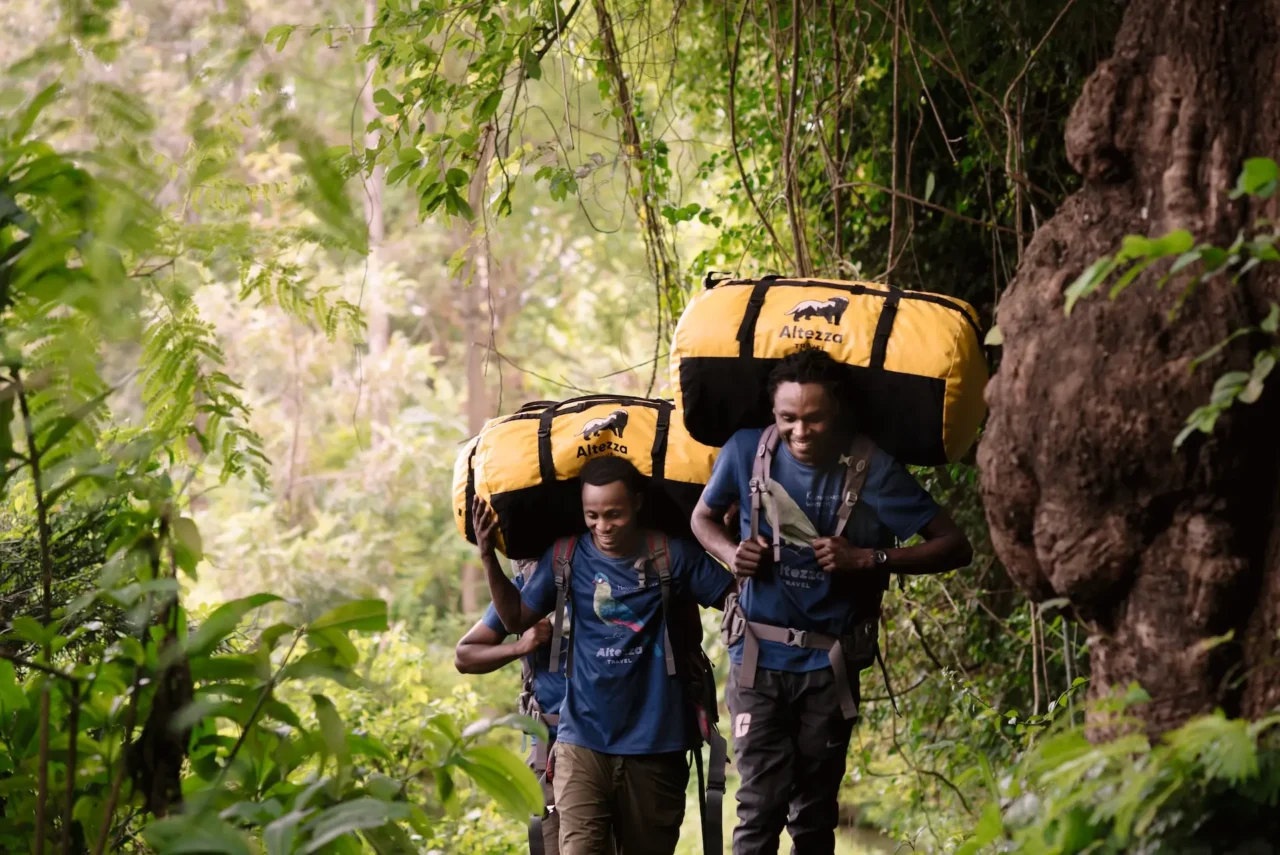
Organize your gear into two main categories: what you’ll carry in your daypack during the climb, and what will go into your duffel bag for the porters. Ensure your duffel bag is waterproof and within the weight limit specified by your operator (usually around 15 kg / 33 lbs).
Common Mistakes to Avoid Regarding Arrival Timing
Many climbers make well-intentioned but potentially detrimental mistakes regarding their arrival schedule. Being aware of these can help you plan more effectively for your 2026-2027 expedition.
1. Arriving on the Same Day as the Climb
This is the most common and riskiest mistake. It offers zero acclimatization time and leaves no buffer for travel delays. It significantly increases the likelihood of experiencing severe altitude sickness.
2. Arriving Only One Day Prior
While slightly better than arriving on the same day, one full day is still insufficient for proper acclimatization and logistical checks. Jet lag and travel fatigue can still be major factors. A single day doesn’t allow your body to begin the physiological adaptation needed for high altitude.
3. Not Factoring in Travel Time Within Tanzania
If you’re combining Kilimanjaro with other Tanzanian destinations (like Zanzibar or a safari), ensure you account for travel time between locations. A flight from Zanzibar to JRO, or a safari drive ending near Moshi, might take a full day. This travel day needs to be added before your essential 2-3 day pre-climb buffer.
4. Over-Scheduling Pre-Climb Days
While it’s tempting to see as much as possible, remember the primary purpose of these days is preparation and rest. Packing too many sightseeing activities can leave you fatigued and less prepared for the physical demands of the climb.
5. Ignoring Potential Flight Delays
Flights can and do get delayed or canceled. If you arrive the day before your climb and your flight is delayed, you might miss your trek start entirely, or arrive exhausted and unprepared. The 2-3 day buffer is your insurance policy against this.
Booking Your Kilimanjaro Climb for 2026-2027: Aligning with Arrival
When you book your Kilimanjaro climb with Top Guide Adventures, coordinating your arrival schedule is a key part of the planning process. We work with you to ensure your itinerary makes sense from the moment you land.
Group Departures and Your Arrival
We offer various group departure dates for Kilimanjaro climbs throughout 2026 and 2027. When you choose a group departure, you’ll need to align your flight arrival with the start date of that group’s trek. For example, if a Machame Route group departure is set for April 20, 2027, you should aim to arrive in JRO around April 17-18, 2027.
You can find our group departure schedules here: Machame Route Kilimanjaro Group Departures Dates and All Tanzania Safaris Group Departures Dates.
Private Climbs and Flexibility
If you opt for a private climb, you have more flexibility in choosing your start date. This allows you to tailor your arrival schedule perfectly to your preferences, whether you need more rest or want to incorporate other activities before the climb.
What to Communicate to Your Operator
When booking or confirming your trip, always provide your tour operator with:
- International flight details: Airline, flight numbers, arrival date, and time.
- Any internal travel plans: If arriving from another part of Tanzania or Kenya.
- Your preferred hotel in Moshi/Arusha: If you have specific requests.
This information allows Top Guide Adventures to arrange smooth airport transfers and schedule your briefings and gear checks appropriately for your 2026 or 2027 climb.
The Role of Top Guide Adventures in Your Arrival Planning
At Top Guide Adventures, we understand that planning a Kilimanjaro climb involves many moving parts. We are committed to making this process as smooth and stress-free as possible, starting from your arrival in Tanzania.
- Personalized Support: We offer dedicated support to help you plan your arrival and pre-climb days. You can reach us via WhatsApp at +255616946642 or email us at topguideadventures@gmail.com.
- Logistical Coordination: We coordinate all necessary logistics, including airport transfers, hotel bookings (if requested), and scheduling your essential pre-climb meetings.
- Expert Advice: Our team provides expert advice on gear, acclimatization, and the best practices for a successful climb, ensuring you are fully prepared.
- Contingency Planning: We are experienced in handling unforeseen circumstances, such as flight delays, and will work with you to adjust plans as needed.
Our goal is to ensure that from the moment you land, you feel supported and confident, ready to focus on the incredible journey ahead. We pride ourselves on providing personal attention and dedicated support for every client, making your 2026 or 2027 Kilimanjaro adventure a truly memorable experience.
Final Recommendations for Your Kilimanjaro Arrival Schedule
To summarize, the best arrival schedule for a Kilimanjaro climb is built on a foundation of preparation, acclimatization, and peace of mind.
- Minimum 2-3 Days Prior: Always aim to arrive in Tanzania at least two to three full days before your trek officially begins. This is non-negotiable for safety and success.
- Prioritize JRO: Kilimanjaro International Airport (JRO) is your most convenient gateway.
- Communicate with Your Operator: Share your flight details promptly with Top Guide Adventures so we can arrange smooth transfers and briefings.
- Listen to Your Body: If you feel unwell or particularly affected by travel, don’t hesitate to communicate this. Additional rest might be necessary.
- Embrace the Experience: Use your pre-climb days not just for preparation, but also to begin enjoying Tanzania.
By adhering to a well-planned arrival schedule, you significantly enhance your chances of reaching Uhuru Peak and enjoying a safe, rewarding Kilimanjaro climb in 2026 or 2027. We look forward to helping you plan your ultimate Tanzanian adventure.
For inquiries or to start planning your 2026-2027 Kilimanjaro climb, contact Top Guide Adventures:
WhatsApp: +255616946642
Email: topguideadventures@gmail.com
Backup Email: info@topguideadventures.com
Visit our website for more information on our services: Top Guide Adventures.
Check Availability for Best Arrival Schedule For A Kilimanjaro Climb In 2026-2027
Ready to compare dates, prices, and the best option for your group? Send the package name and travel month so the team can reply with a clear quote, availability, and what is included.
Kilimanjaro Climb With A Personal Support Assistant: Your Ultimate Guide
Climbing Mount Kilimanjaro with a personal support assistant offers unparalleled safety, comfort, and focus on your summit goals. This guide details what a personal assistant entails, its...
View package details
Kilimanjaro Hydration Mistakes Climbers Make And How To Avoid Them 2026-2027
Proper hydration is critical for a successful Kilimanjaro climb. This guide details common hydration mistakes climbers make, from under-drinking to choosing the wrong fluids, and provides...
View package details
Kilimanjaro Summit-Night Mistakes To Avoid: Your Essential Guide For Climbs
Summit night on Kilimanjaro is the most challenging part of the climb. Avoiding common mistakes in acclimatization, gear, hydration, and pacing is crucial for success. This guide details...
View package details
Kilimanjaro Airport Vs Arusha For Climbers: The Definitive Guide 2026-2027
A comprehensive comparison of Kilimanjaro International Airport (JRO) and Arusha Airport (ARK) for trekkers planning a Mount Kilimanjaro climb, detailing pros, cons, and booking advice for...
View package details
Kilimanjaro Climb For Retired Couples: Planning Your Adventure 2026-2027
Planning a Kilimanjaro climb as a retired couple is an achievable and rewarding goal. This guide offers in-depth advice on route selection, physical preparation, essential gear, and the...
View package details
Can A 16-Year-Old Climb Kilimanjaro? Your Essential Guide 2026-2027
Discover if a 16-year-old can summit Kilimanjaro. This comprehensive guide covers age requirements, health, fitness, essential gear, and planning for younger trekkers aiming for Africa's...
View package details
Content For Parents And Young Climbers: Conquering Kilimanjaro Safely
Planning a Kilimanjaro climb with children or as a young climber requires special attention. This guide provides comprehensive content for parents and young adventurers, covering...
View package details
Kilimanjaro Tree-Planting Climbing Package Guide
Combine your dream Kilimanjaro climb with a meaningful conservation effort. Our Kilimanjaro Tree-Planting Climbing Package allows you to ascend Africa's highest peak while actively...
View package details
What Happens If It Rains Throughout Your Kilimanjaro Climb? 2026-2027
What Happens If It Rains throughout Your Kilimanjaro Climb? is explained with current 2026-2027 planning, price, itinerary and booking information.
View package details
Kilimanjaro Early-Bird Climbing Discounts For Adventures 2026-2027
Plan your 2026-2027 Kilimanjaro climb and take advantage of early-bird discounts. Top Guide Adventures offers savings for those who book in advance, ensuring a memorable and affordable...
View package details
Kilimanjaro Private Climb Price For One Person: Your Guide 2026-2027
Planning a solo ascent of Mount Kilimanjaro? This guide details the Kilimanjaro private climb price for one person, covering cost factors, inclusions, and essential planning for 2026-2027.
View package details
Kilimanjaro Wellness Retreat For Non-Climbers: Rejuvenate Near Africas
Experience the serene beauty and restorative power of Tanzania without the arduous climb. Our Kilimanjaro wellness retreats for non-climbers offer a unique blend of relaxation, cultural...
View package detailsNo related package matches those filters. Clear one or more filters to see the other topic-matched options.



