
A Kilimanjaro pre-climb gear check and briefing is crucial for a safe and successful summit attempt, typically conducted by your tour operator in Moshi, Tanzania, 1-2 days before your trek begins. This session involves a detailed review of your essential clothing and equipment to ensure it meets the mountain’s demanding conditions, alongside a comprehensive overview of the trek itinerary, safety protocols, acclimatization strategies, and logistical arrangements for your 2026-2027 climb.
The Indispensable Kilimanjaro Pre-Climb Gear Check and Briefing
Embarking on a Kilimanjaro climb is a monumental undertaking, a journey that tests physical endurance and mental fortitude against the backdrop of Africa’s highest peak. At Top Guide Adventures, we understand that preparation is the bedrock of success. The Kilimanjaro pre-climb gear check and briefing is not merely a formality; it is a vital step that empowers you with the knowledge and confidence needed to tackle the mountain. This comprehensive process, typically held in Moshi a day or two before your expedition commences, serves as your final opportunity to align your preparation with the realities of the Kilimanjaro environment. It’s where potential issues are identified, solutions are provided, and your team solidifies its readiness for the adventure ahead. For trekkers planning their ascent in the 2026-2027 seasons, understanding this crucial phase is paramount to a memorable and safe experience.
Why is the Gear Check and Briefing So Important?
The significance of a thorough Kilimanjaro pre-climb gear check and briefing cannot be overstated. It directly impacts your safety, comfort, and overall success rate on the mountain. Here’s why it’s an indispensable part of your Kilimanjaro adventure:
- Safety First: The mountain’s environment is unforgiving. Incorrect gear, such as inadequate insulation or poorly fitting boots, can lead to serious health issues like hypothermia or frostbite. Our expert guides use the gear check to identify any critical deficiencies that could compromise your safety.
- Comfort and Performance: While safety is paramount, comfort plays a significant role in your ability to enjoy the trek and perform at altitude. The right gear makes the difference between enduring the cold and rain and feeling reasonably comfortable while navigating challenging terrain.
- Acclimatization Support: Proper gear, especially effective layering, helps your body regulate temperature, which is crucial for acclimatization. Being too cold or too hot can exacerbate the effects of altitude sickness.
- Logistical Clarity: The briefing component ensures you understand the day-to-day plan, emergency procedures, communication protocols, and what to expect at various stages of the climb. This clarity reduces anxiety and allows you to focus on the trek itself.
- Resource Management: For tour operators, this is the final checkpoint to ensure all group equipment (tents, cooking gear, oxygen, first aid) is accounted for and in good working order.
- Psychological Preparedness: Walking through your gear and discussing the climb plan with your guides builds confidence. Knowing you’re well-equipped and informed helps you mentally prepare for the challenges ahead.
When and Where Does the Gear Check and Briefing Take Place?
The standard practice for most reputable tour operators, including Top Guide Adventures, is to schedule the Kilimanjaro pre-climb gear check and briefing in Moshi, the gateway town to Kilimanjaro, approximately one to two days before your scheduled trek departure. This timing is deliberate:
- Arrival and Settling In: It allows you sufficient time after arriving in Tanzania (often flying into Kilimanjaro International Airport – JRO) to rest, acclimatize to the local climate, and make any last-minute purchases or adjustments.
- Addressing Issues: If any gear is found to be unsuitable or missing during the check, there is still time to rent or purchase replacements in Moshi. Many operators have rental gear available, which can be arranged during this meeting.
- Team Cohesion: It provides an opportunity for you to meet your guides and some of the support crew, fostering a sense of team and trust before the expedition begins.
Top Guide Adventures typically organizes these sessions at our office in Moshi or at your hotel. We aim to make this meeting as convenient as possible, often scheduling it for the afternoon or early evening to allow you to relax or explore Moshi beforehand.
The Gear Check: A Deep look at Essential Equipment
The gear check is the most hands-on part of the pre-climb preparation. Your guides will meticulously go through your packing list, item by item. They aren’t just looking to see if you *have* the gear; they’re assessing its suitability, condition, and how it fits into your layering system. This is particularly important for items that are critical for warmth and protection.
Footwear: The Foundation of Your Climb
Your feet are your most important tools on Kilimanjaro. The condition and suitability of your footwear are paramount during the Kilimanjaro pre-climb gear check and briefing.
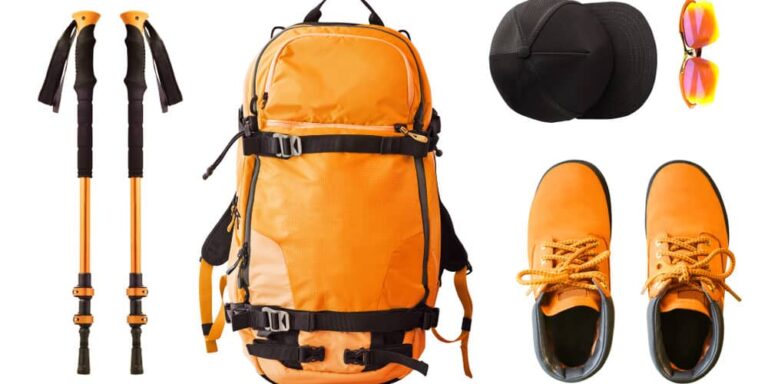
- Hiking Boots: These should be well broken-in, waterproof, and offer good ankle support. Stiff-soled boots with good tread are essential for rocky and uneven terrain. Guides will check for wear and tear, ensuring the soles are intact and the waterproofing is effective. They will also check the fit – too tight or too loose can cause blisters and discomfort.
- Camp Shoes/Sandals: A comfortable pair of lightweight shoes or sturdy sandals for use at the campsite is highly recommended. This allows your feet to breathe and recover after a day’s trekking.
- Socks: A variety of socks is key. You’ll need several pairs of wool or synthetic hiking socks (not cotton) for trekking. Thicker, warmer socks are essential for sleeping and for summit night. Liners can help prevent blisters. Guides will ensure you have enough pairs to keep your feet dry and warm.
Layering System: Adapting to Extreme Temperature Fluctuations
Kilimanjaro’s climate is characterized by dramatic temperature changes, from tropical heat at the base to arctic conditions at the summit. A proper layering system is your primary defense against these shifts. Your guides will assess each layer:
- Base Layers: These are moisture-wicking garments worn next to the skin. Merino wool or synthetic long johns and long-sleeved tops are ideal. Cotton is strictly forbidden as it holds moisture and can lead to hypothermia. Guides will check that you have sufficient sets and that they are made of appropriate materials.
- Mid Layers: These provide insulation. Fleece jackets or trousers, or lightweight down vests, are common choices. You might need one or two mid-layers depending on the temperature. The guides will check for warmth and compressibility.
- Outer Layer (Shell): This is your waterproof and windproof protection. A good quality waterproof and breathable jacket and trousers are non-negotiable. Guides will check for taped seams, effective zippers, and overall condition to ensure they can withstand rain, snow, and wind.
Headwear and Handwear: Protecting Extremities
Your extremities are most vulnerable to the cold. The gear check will focus on ensuring these are well protected.
- Warm Hat: A fleece or wool hat that covers your ears is essential.
- Sun Hat: A wide-brimmed hat or cap is necessary for sun protection at lower altitudes.
- Balaclava or Buff: A neck gaiter or balaclava is invaluable for protecting your face and neck from wind and cold, especially on summit night.
- Gloves: You’ll need at least two pairs: a thinner liner glove for dexterity and a pair of warm, waterproof, insulated mittens or gloves for extreme cold. Mittens are generally warmer than gloves. Guides will emphasize the importance of having both.
Upper Body Protection: Beyond the Layers
Beyond the core layering system, specific items for your upper body are critical.
- T-shirts: Several moisture-wicking t-shirts for warmer days at the start of the trek.
- Fleece Jacket: A warm fleece jacket is a versatile mid-layer.
- Insulated Jacket: A warm, puffy jacket (down or synthetic) is crucial for evenings and summit night. Guides will check its loft and warmth.
- Waterproof Jacket: As mentioned in the outer layer, this is non-negotiable.
Lower Body Protection: Keeping Your Legs Warm and Dry
Similar to the upper body, lower body protection requires careful consideration.
- Hiking Trousers: Two pairs of comfortable, quick-drying hiking trousers (not jeans). Convertible trousers can be useful.
- Waterproof Trousers: Essential for rain and wind protection.
- Thermal Underwear: As mentioned in base layers.
- Fleece Trousers: Optional but recommended for added warmth on colder nights.
Sleeping Gear: Comfort in the Cold
While operators usually provide tents, sleeping bags and liners are often personal items. Top Guide Adventures can arrange rentals for these.
- Sleeping Bag: A four-season sleeping bag rated to at least -10°C (15°F), preferably lower, is recommended. Guides will check the bag’s rating and condition.
- Sleeping Bag Liner: A silk or fleece liner adds warmth and keeps your sleeping bag cleaner.
Trekking Poles: Essential for Stability and Joint Relief
Trekking poles are highly recommended, especially for the descent, which is often harder on the knees than the ascent.
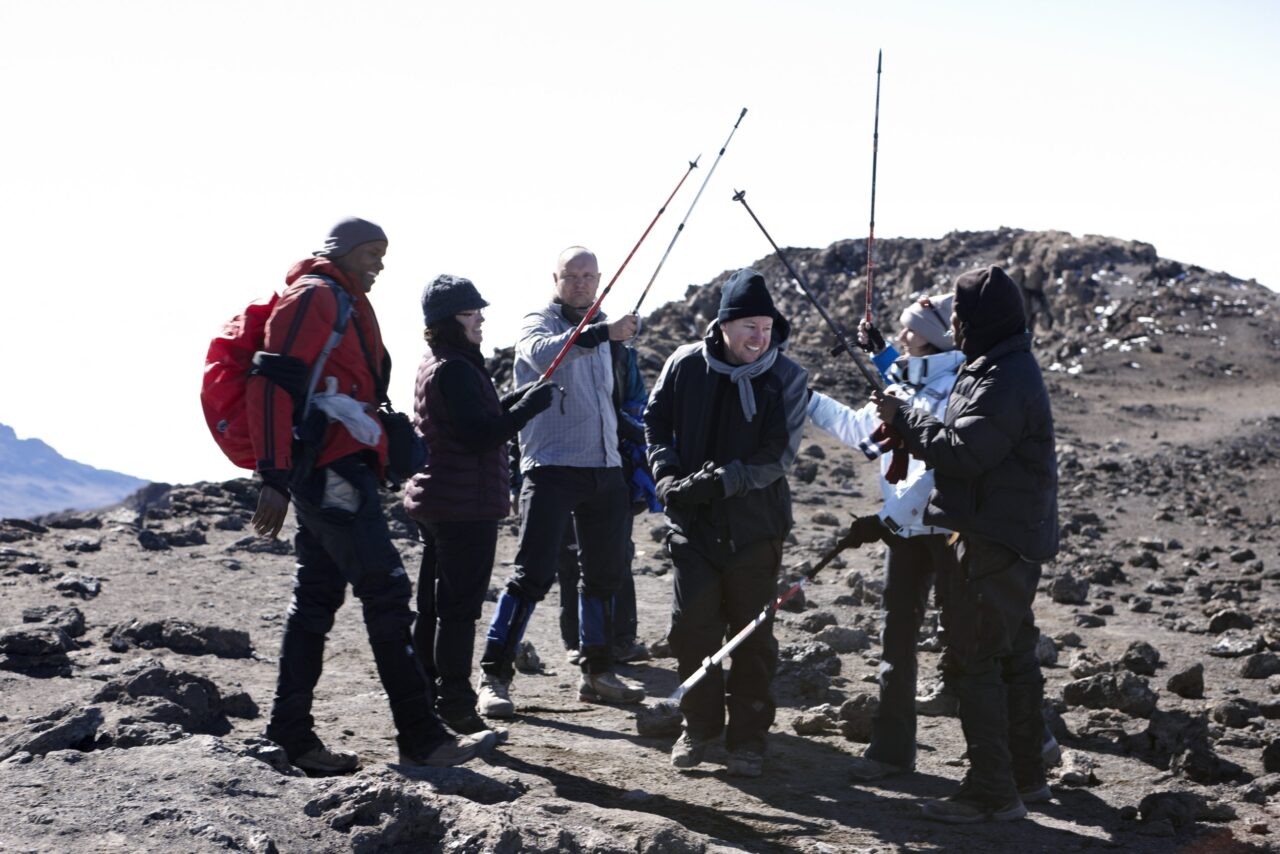
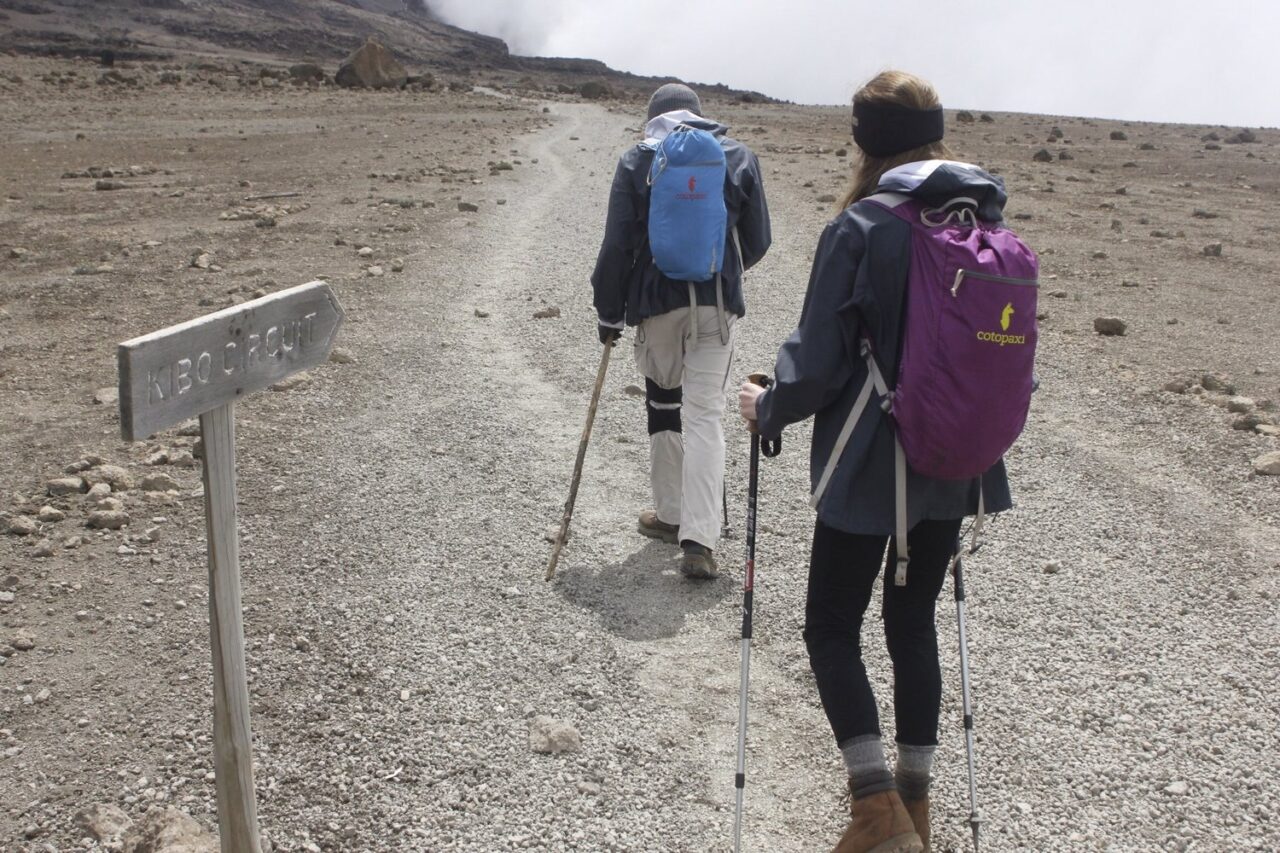
- Adjustable Trekking Poles: Guides will check that they are sturdy, adjustable, and have a good grip. They are invaluable for balance on steep and slippery terrain.
Backpack and Duffle Bag: Carrying Your Essentials
You’ll need two types of bags.
- Daypack: A comfortable 30-40 liter backpack for carrying essentials during the day (water, snacks, camera, rain gear, warm layer). Guides will check that it has a good harness and is comfortable to wear.
- Duffle Bag/Expedition Bag: A large, durable, waterproof duffle bag (80-100 liters) for your main luggage, which will be carried by porters. Guides will ensure it’s robust and waterproof.
Other Critical Items Checked
The gear check extends to numerous other vital items:
- Headlamp: Essential for navigating in the dark, especially on summit night. Guides will check that you have spare batteries.
- Water Bottles/Hydration Reservoir: At least 2-3 liters capacity. Insulated sleeves for hydration reservoirs are recommended to prevent freezing. Guides will check for leaks and suitability.
- Sunglasses: High-UV protection, wraparound sunglasses are essential to prevent snow blindness.
- Sunscreen: High SPF (30-50+), broad-spectrum.
- Lip Balm: With SPF.
- Personal First-Aid Kit: Including blister treatment, pain relievers, antiseptic wipes, personal medications, and any specific items recommended by your doctor.
- Toiletries: Biodegradable soap, toothbrush, toothpaste, hand sanitizer.
- Camera and Power Bank: To capture the incredible scenery. Ensure you have enough battery power and memory.
- Insect Repellent: For lower altitudes.
- Trekking Towel: Quick-drying.
- Snacks: High-energy snacks like energy bars, nuts, dried fruit.
- Personal Documents: Passport, visa, travel insurance details, vaccination certificates.
- Cash: For tips, souvenirs, and personal expenses.
The Briefing: Essential Information for Your Kilimanjaro Journey
The briefing component of the Kilimanjaro pre-climb gear check and briefing is just as critical as the gear review. It’s where your guides impart invaluable knowledge and set expectations for the trek.
Itinerary Deep Dive
Your guides will walk you through the chosen route (e.g., Machame, Lemosho, Marangu) day by day. This includes:
- Daily Distances and Estimated Trekking Times: Understanding the physical demands of each day.
- Campsite Locations: Knowing where you will be sleeping each night.
- Elevation Gains and Losses: Visualizing the climb profile and understanding the challenges of ascents and descents.
- Key Landmarks and Points of Interest: Building anticipation and understanding the journey’s progression.
Acclimatization Strategy: The Key to Success
This is arguably the most important aspect of the briefing. Kilimanjaro’s altitude is a serious challenge, and proper acclimatization is the best way to mitigate the risks of altitude sickness.
- The “Pole Pole” Philosophy: Guides will emphasize the Swahili phrase “pole pole” (slowly, slowly) and explain its importance for steady progress.
- Hydration: The critical need to drink plenty of water (3-4 liters per day) and avoid dehydration.
- Nutrition: The role of balanced meals and snacks in maintaining energy levels.
- Monitoring Symptoms: You will be taught to recognize the symptoms of Acute Mountain Sickness (AMS) – headache, nausea, dizziness, fatigue – and encouraged to communicate any feelings to your guide immediately.
- Medication: Discussion of Diamox (acetazolamide) if prescribed by your doctor and how to use it responsibly.
Safety Protocols and Emergency Procedures
Your safety is the top priority. The briefing will cover:
- Guide’s Authority: Understanding that the guide’s decision is final in all matters concerning safety.
- Communication: How guides communicate with each other and with base camp (e.g., satellite phones, radios).
- Evacuation Procedures: What happens in case of a serious medical emergency, including the use of oxygen, emergency shelters, and potential helicopter evacuation.
- Teamwork: The importance of staying with the group and looking out for fellow trekkers.
Daily Trekking Routine
Understanding the rhythm of a typical day on Kilimanjaro helps manage expectations:
- Wake-up Times: Usually early, especially for summit night.
- Meal Times: Breakfast, lunch (often packed), dinner.
- Pace: The emphasis on a slow, steady pace.
- Breaks: Regular short breaks for hydration and snacks.
Camp Life and Hygiene
Practical information about living on the mountain:
- Toilet Facilities: Understanding the use of portable toilets or designated areas.
- Washing: Limited opportunities for washing; the importance of wet wipes and hand sanitizer.
- Sleeping Arrangements: Tent sharing and personal space.
Environmental Responsibility
Top Guide Adventures is committed to preserving Kilimanjaro’s pristine environment.
- Leave No Trace Principles: Pack it in, pack it out. Minimizing impact on flora and fauna.
- Waste Management: Proper disposal of all trash.
Tipping Guidelines
Tipping is customary and a significant part of the crew’s income. The briefing will provide clear guidelines on recommended amounts for guides, assistant guides, cooks, and porters for the 2026-2027 climbing season, usually presented in USD.
Common Gear Issues and How to Avoid Them
During the Kilimanjaro pre-climb gear check and briefing, guides often encounter recurring issues that can be easily avoided with proper planning. Being aware of these pitfalls can save you considerable stress and expense.
- Boots Not Broken In: This is perhaps the most common and detrimental mistake. New boots, no matter how expensive, can cause severe blisters if not worn extensively before the trek. Start wearing your hiking boots months in advance for shorter hikes, gradually increasing the distance and duration.
- Cotton Clothing: Cotton retains moisture and loses its insulating properties when wet. This is a recipe for hypothermia at altitude. Always opt for wool or synthetic materials for base and mid-layers.
- Inadequate Warmth: Underestimating the cold at the summit and higher altitudes. Relying on just one warm layer is insufficient. A good insulated jacket and warm accessories are vital.
- Insufficient Waterproofing: Cheap, non-breathable waterproofs can leave you soaked from both rain and sweat. Investing in good quality, breathable waterproofs is essential.
- Wrong Type of Backpack: A flimsy school bag won’t suffice. A sturdy, comfortable daypack with a good hip belt and chest strap is necessary for distributing weight properly.
- Lack of Headlamp Batteries: Summit night begins in darkness. Running out of battery on your headlamp can be dangerous. Always carry spare batteries.
- Not Enough Water Carrying Capacity: Dehydration is a major contributor to altitude sickness. Ensure you can carry at least 2-3 liters of water.
- Overpacking: While it’s important to have essentials, porters have weight limits. Focus on versatile, lightweight, and multi-functional items. Avoid bringing unnecessary luxury items.
Renting Gear in Moshi: A Practical Option
For trekkers who cannot afford or do not wish to purchase all the necessary gear, renting equipment in Moshi is a viable and common solution. Top Guide Adventures partners with reputable gear rental shops, and we can assist you in arranging rentals for items such as:
- Sleeping Bags
- Waterproof Jackets and Trousers
- Warm Insulated Jackets
- Hiking Boots
- Trekking Poles
- Duffle Bags
The Kilimanjaro pre-climb gear check and briefing is the perfect time to finalize any rental needs. Your guides can advise on the best quality rental items available, ensuring they meet the mountain’s standards. It’s wise to reserve rental gear in advance, especially during peak seasons in 2026 and 2027, to guarantee availability.
What to Expect from Top Guide Adventures’ Pre-Climb Support
At Top Guide Adventures, we pride ourselves on providing comprehensive support from the moment you book your trek. Our Kilimanjaro pre-climb gear check and briefing is a testament to this commitment. We aim to:
- Provide Detailed Packing Lists: Tailored to the route and season, ensuring you know exactly what’s required.
- Offer Pre-Trip Advice: Our team is available via email or WhatsApp to answer all your gear-related questions before you even arrive in Tanzania.
- Conduct Thorough Gear Inspections: Our experienced guides will meticulously check every item, offering practical advice and identifying any potential issues.
- Facilitate Gear Rentals: We streamline the process of renting necessary equipment in Moshi, ensuring you get quality items.
- Deliver Comprehensive Briefings: Covering all aspects of the climb, from itinerary and acclimatization to safety and cultural considerations.
- Ensure a Smooth Start: We aim to leave you feeling confident, prepared, and excited for your Kilimanjaro adventure.
Preparing for the 2026-2027 Kilimanjaro Climbing Seasons
As you plan your Kilimanjaro expedition for the 2026-2027 climbing seasons, remember that preparation is key. The weather patterns on Kilimanjaro can be unpredictable, making a robust gear list and a thorough understanding of its use even more critical. Peak seasons, typically January-March and June-October, often see higher demand for guides, porters, and accommodation, as well as potentially more crowded trails. Understanding the nuances of each season will help you pack appropriately. For instance, the dry seasons (June-October and January-February) might require slightly different layering strategies than the wetter months (March-May and November-December), though the fundamental need for warmth and waterproofing remains constant.
Booking your climb well in advance for the 2026-2027 seasons is highly recommended. This ensures you secure your preferred dates and route with a trusted operator like Top Guide Adventures. Our team works diligently to prepare for every climber, ensuring that our guides are up-to-date with the latest safety protocols and mountain conditions. The Kilimanjaro pre-climb gear check and briefing is the culmination of this preparation, ensuring you are fully equipped and informed.
Making the Most of Your Pre-Climb Briefing
To maximize the benefit of your Kilimanjaro pre-climb gear check and briefing, come prepared with questions. Don’t hesitate to ask about anything you’re unsure of, whether it’s about a specific piece of gear, the altitude, or daily routines. Your guides are there to share their extensive knowledge and experience. They have guided hundreds, if not thousands, of ascents and possess an intimate understanding of the mountain and the challenges it presents. Use this opportunity to:
- Clarify doubts about gear: If you’re unsure if an item is necessary or suitable, ask.
- Understand acclimatization symptoms: Ensure you know what to look for and how to report them.
- Discuss summit night: This is the most challenging part of the climb, and understanding the plan, pace, and what to expect can make a significant difference.
- Ask about cultural norms: Understanding local customs and etiquette can enhance your experience and interactions with the crew.
- Confirm logistics: Double-check meeting times, transportation, and any pre-climb arrangements.
Final Preparations Before Meeting Your Guides
Before you attend your Kilimanjaro pre-climb gear check and briefing, ensure you have:
- Organized your gear: Lay out everything you plan to bring. This makes the check more efficient.
- Packed your main duffle bag: This is what the porters will carry. Ensure it’s within the weight limit (usually around 15-20kg).
- Packed your daypack: This is what you will carry yourself. It should contain essentials for the day and items needed during the trek.
- Reviewed your route itinerary: Familiarize yourself with the daily plan.
- Made a list of questions: Jot down anything you need to ask your guides.
This proactive approach ensures the gear check and briefing are as productive as possible, leaving you ready to conquer Kilimanjaro. For those planning their expeditions for the 2026-2027 seasons, early preparation and attention to these details are crucial for a successful and enjoyable climb.
Partnering with Top Guide Adventures for Your Kilimanjaro Climb
Choosing the right tour operator is fundamental to a successful Kilimanjaro experience. Top Guide Adventures is dedicated to providing unparalleled support, safety, and a memorable journey. Our commitment extends from initial planning right through to your summit success and safe return. The Kilimanjaro pre-climb gear check and briefing is a cornerstone of our service, ensuring every climber is as prepared as possible. We understand the mountain, the logistics, and the needs of our clients, whether you are planning for the 2026 or 2027 climbing seasons.
We believe that thorough preparation leads to greater confidence and enjoyment on the mountain. Our experienced guides are not just experts in navigation and safety; they are also passionate about sharing their knowledge and ensuring you have the best possible experience. From detailed packing lists and pre-trip advice to the in-person gear check and comprehensive briefing in Moshi, we are with you every step of the way.
Ready to plan your Kilimanjaro adventure for 2026-2027? Contact Top Guide Adventures today to discuss your climb and ensure you receive the highest level of support and expertise. You can reach us via WhatsApp at +255616946642, Email at topguideadventures@gmail.com, or our backup email at info@topguideadventures.com. Let us help you make your Kilimanjaro dream a reality.
Check Availability for Kilimanjaro Pre-Climb Gear Check And Briefing: Your Essential Guide…
Ready to compare dates, prices, and the best option for your group? Send the package name and travel month so the team can reply with a clear quote, availability, and what is included.
Kilimanjaro Climb With Twice-Daily Health Checks | Top Guide Adventures
Ensure your safety and maximize your chances of summit success on Mount Kilimanjaro with Top Guide Adventures' commitment to twice-daily health checks. Our expert guides meticulously...
View package details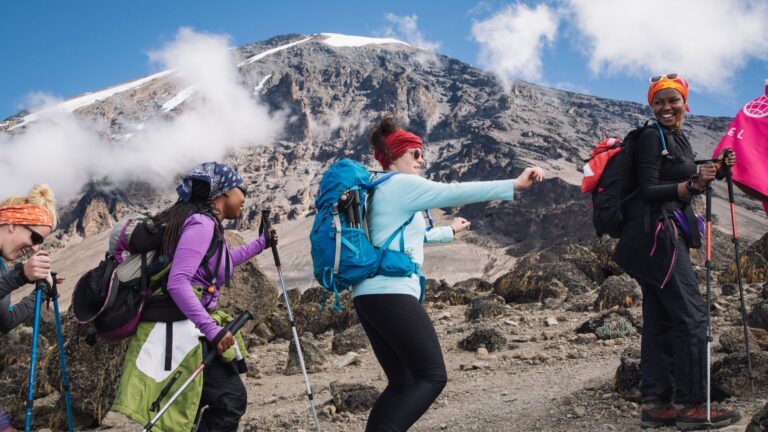
Kilimanjaro Climb With Early Airport Check-In Support | Top Guide Adventures
Top Guide Adventures provides comprehensive Kilimanjaro climb packages, including crucial early airport check-in support. This ensures a smooth transition from arrival to trek preparation...
View package details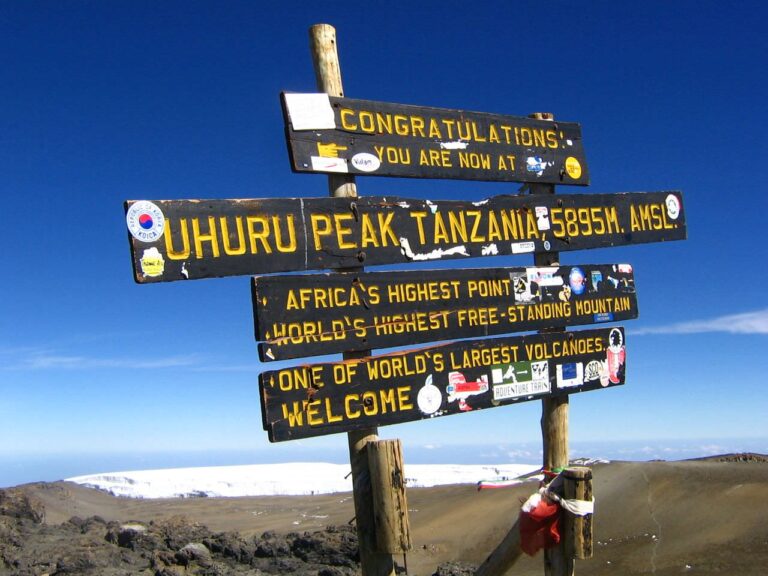
Kilimanjaro Climb With Gear Delivered To Your Hotel: Top Guide Adventures
Top Guide Adventures simplifies your Kilimanjaro climb by arranging for all necessary gear to be delivered directly to your hotel in Moshi. This convenient service ensures you have...
View package details
Kilimanjaro Climb With A Personal Support Assistant: Your Ultimate Guide
Climbing Mount Kilimanjaro with a personal support assistant offers unparalleled safety, comfort, and focus on your summit goals. This guide details what a personal assistant entails, its...
View package details
Kilimanjaro Hydration Mistakes Climbers Make And How To Avoid Them 2026-2027
Proper hydration is critical for a successful Kilimanjaro climb. This guide details common hydration mistakes climbers make, from under-drinking to choosing the wrong fluids, and provides...
View package details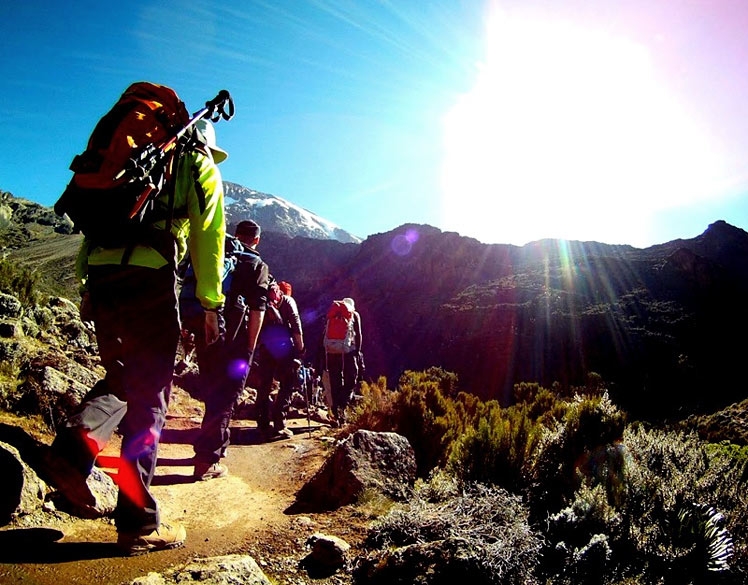
Kilimanjaro Summit-Night Mistakes To Avoid: Your Essential Guide For Climbs
Summit night on Kilimanjaro is the most challenging part of the climb. Avoiding common mistakes in acclimatization, gear, hydration, and pacing is crucial for success. This guide details...
View package details
Kilimanjaro Airport Vs Arusha For Climbers: The Definitive Guide 2026-2027
A comprehensive comparison of Kilimanjaro International Airport (JRO) and Arusha Airport (ARK) for trekkers planning a Mount Kilimanjaro climb, detailing pros, cons, and booking advice for...
View package details
Kilimanjaro Climb For Retired Couples: Planning Your Adventure 2026-2027
Planning a Kilimanjaro climb as a retired couple is an achievable and rewarding goal. This guide offers in-depth advice on route selection, physical preparation, essential gear, and the...
View package details
Can A 16-Year-Old Climb Kilimanjaro? Your Essential Guide 2026-2027
Discover if a 16-year-old can summit Kilimanjaro. This comprehensive guide covers age requirements, health, fitness, essential gear, and planning for younger trekkers aiming for Africa's...
View package details
Content For Parents And Young Climbers: Conquering Kilimanjaro Safely
Planning a Kilimanjaro climb with children or as a young climber requires special attention. This guide provides comprehensive content for parents and young adventurers, covering...
View package details
Kilimanjaro Tree-Planting Climbing Package Guide
Combine your dream Kilimanjaro climb with a meaningful conservation effort. Our Kilimanjaro Tree-Planting Climbing Package allows you to ascend Africa's highest peak while actively...
View package details
What Happens If It Rains Throughout Your Kilimanjaro Climb? 2026-2027
What Happens If It Rains throughout Your Kilimanjaro Climb? is explained with current 2026-2027 planning, price, itinerary and booking information.
View package detailsNo related package matches those filters. Clear one or more filters to see the other topic-matched options.



