
The Kilimanjaro Graduation Climbing Challenge is an incredible way to celebrate academic achievement by summiting Africa’s highest peak, Mount Kilimanjaro. Top Guide Adventures offers expertly guided climbs, typically ranging from 7 to 10 days depending on the chosen route, with comprehensive support for your 2026-2027 graduation celebration trek, ensuring safety, success, and an unforgettable experience.
Embrace the Summit: Your Kilimanjaro Graduation Climbing Challenge Awaits
Reaching the summit of Mount Kilimanjaro is more than just a physical feat; it’s a profound personal accomplishment. For graduates, this challenge transforms a significant life transition into an extraordinary adventure. A Kilimanjaro Graduation Climbing Challenge symbolizes reaching new heights, both literally and metaphorically. It’s a testament to perseverance, dedication, and the spirit of exploration – qualities honed throughout years of study and now celebrated with an unforgettable journey to the Roof of Africa.
At Top Guide Adventures, we understand the unique significance of a graduation climb. We tailor our expeditions to provide not only a safe and successful ascent but also an experience that resonates with the spirit of achievement. Whether you’re planning your climb for 2026 or 2027, our expert team is dedicated to making your Kilimanjaro graduation journey a reality, offering personalized support and unparalleled knowledge of this magnificent mountain.
Why Choose Kilimanjaro for Your Graduation Celebration?
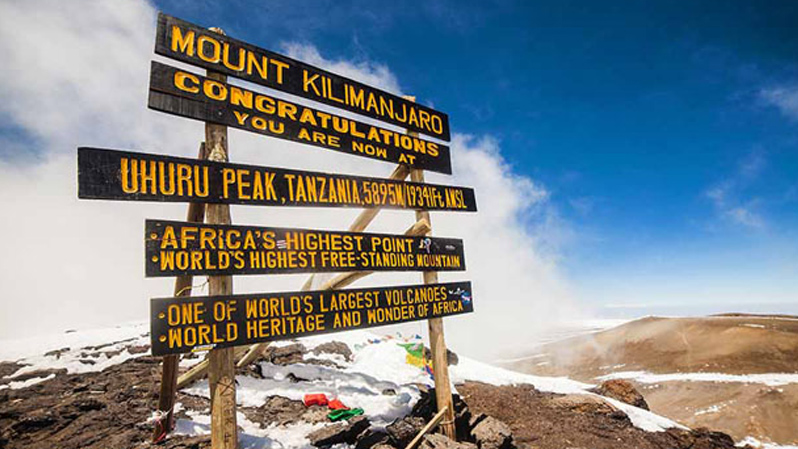
Mount Kilimanjaro, a dormant volcano in Tanzania, stands at 5,895 meters (19,341 feet) above sea level. Its accessibility, diverse ecological zones, and iconic status make it a prime destination for those seeking a challenging and rewarding post-graduation adventure. Unlike other high-altitude treks that require extensive mountaineering experience, Kilimanjaro is considered a “walkable” mountain, making it achievable for individuals with good physical fitness and determination.
A graduation climb offers:
- A Monumental Achievement: Summiting Kilimanjaro is a globally recognized accomplishment, providing a powerful symbol of your hard work and dedication.
- Unforgettable Memories: The journey through diverse landscapes, from lush rainforests to alpine deserts and glacial zones, creates memories that last a lifetime.
- Personal Growth: Facing the challenges of altitude, weather, and endurance fosters resilience, self-discovery, and a deeper understanding of your own capabilities.
- A Unique Celebration: It’s a departure from traditional graduation parties, offering an adventurous and meaningful way to mark your transition into the next chapter of your life.
- Stunning Scenery: Witnessing sunrises from high above the clouds, exploring varied ecosystems, and experiencing African vistas is unparalleled.
Planning Your Kilimanjaro Graduation Climbing Challenge for 2026-2027
Successful planning is key to a rewarding Kilimanjaro climb. For your graduation celebration in 2026 or 2027, consider these crucial elements:
Choosing the Right Route: The Path to Your Summit Success
Kilimanjaro offers several routes, each with its own characteristics in terms of duration, scenery, difficulty, and acclimatization profile. For a graduation climb, prioritizing success rates and acclimatization is paramount. The longer routes generally offer better acclimatization and thus higher summit success rates.
The Machame Route: The Popular Choice for Climbers
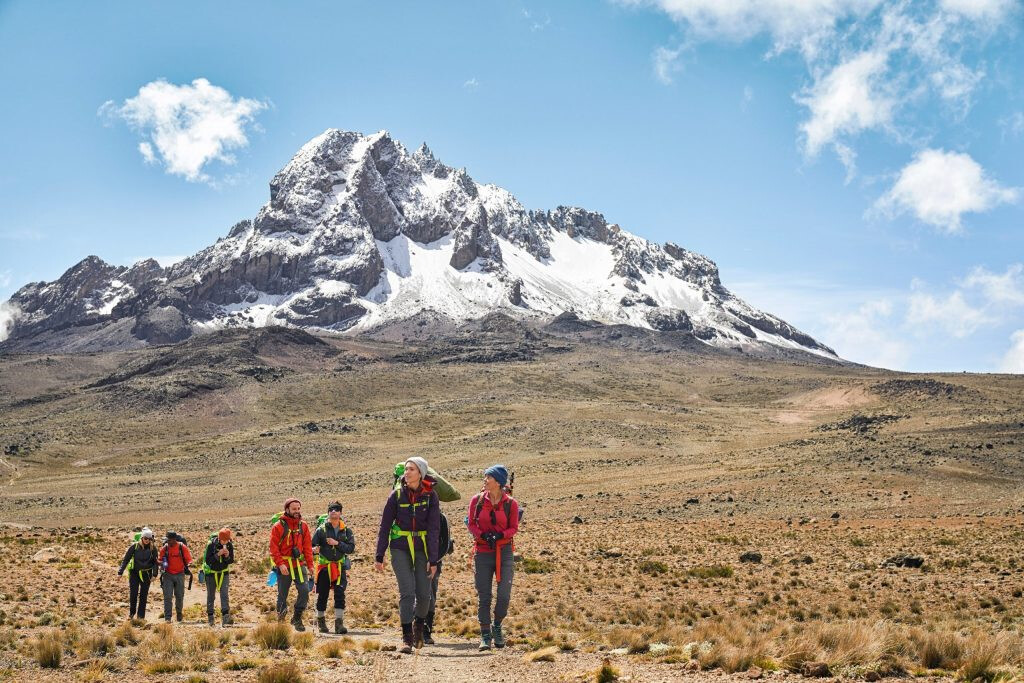
Often called the “Whiskey Route” due to its popularity, the Machame Route is a favorite among trekkers. It’s known for its scenic beauty and excellent acclimatization profile. While it can be steep and challenging, its “climb high, sleep low” strategy significantly aids acclimatization.
- Duration: Typically 6-7 days. A 7-day option is highly recommended for better acclimatization.
- Scenery: Offers diverse and spectacular views, traversing different ecological zones.
- Acclimatization: Good, especially on the 7-day itinerary, leading to higher success rates.
- Difficulty: Moderate to challenging.
- 2026-2027 Considerations: Due to its popularity, booking well in advance for 2026 and 2027 is advisable, especially for specific dates.
The Lemosho Route: The Scenic and Rewarding Option
The Lemosho Route is one of the most beautiful routes, offering a true wilderness experience. It starts in the west and joins the Machame route. Its longer duration provides excellent acclimatization.
- Duration: Typically 7-8 days. An 8-day trek is recommended for optimal acclimatization and enjoyment.
- Scenery: Exceptionally scenic, with panoramic views from the start.
- Acclimatization: Excellent, contributing to very high success rates.
- Difficulty: Moderate to challenging.
- 2026-2027 Considerations: A top choice for those prioritizing success and scenery. Early booking for 2026-2027 is essential.
The Marangu Route: The “Coca-Cola” Route
The Marangu Route is the oldest and most traditional route. It’s the only route that offers sleeping accommodation in huts rather than tents. It’s also the shortest and steepest, which can negatively impact acclimatization.
- Duration: 5-6 days. The 5-day option is very short and has a low success rate. A 6-day option improves acclimatization slightly.
- Scenery: Less varied compared to other routes.
- Acclimatization: Poor, due to its direct ascent and shorter duration.
- Difficulty: Moderate, but the rapid ascent makes it feel harder.
- Recommendation: Generally not recommended for a Kilimanjaro Graduation Climbing Challenge due to lower success rates, unless on a strict budget and time constraint.
The Rongai Route: The Best Choice for Dry Conditions
Rongai is the only route that approaches Kilimanjaro from the north. It is drier and less crowded than routes on the southern side, making it a good option during the rainy seasons.
- Duration: Typically 6-7 days.
- Scenery: Pleasant, gradually ascending through different zones.
- Acclimatization: Good, particularly on the 7-day itinerary.
- Difficulty: Moderate.
- 2026-2027 Considerations: A solid alternative to Machame and Lemosho, especially if seeking fewer crowds.
The Northern Circuit and Shira Routes: For Extended Exploration
These are longer routes (9-10 days) that offer the best acclimatization and highest success rates. The Northern Circuit is the longest route, circling the mountain, while the Shira route starts at a higher altitude.
- Duration: 9-10 days.
- Scenery: Exceptional, offering the most diverse and comprehensive views.
- Acclimatization: Excellent, considered the best for altitude adaptation.
- Difficulty: Moderate, but the length requires significant endurance.
- 2026-2027 Considerations: Ideal for those who want to maximize their chances of summiting and fully experience the mountain’s beauty. These are premium options for a memorable graduation trek.
Timing Your Graduation Climb: Best Seasons for 2026-2027
Kilimanjaro can be climbed year-round, but certain periods offer more favorable weather conditions. For your Kilimanjaro Graduation Climbing Challenge, consider these seasons:
- Dry Seasons (Best):
- January to March: Generally clear skies, but can be cold.
- June to October: Pleasant temperatures, clear skies, and lower humidity. This is the most popular time to climb.
- Wet Seasons (Challenging):
- April to May: Long rains, often heavy and persistent.
- November to December: Short rains, can be intermittent but still bring precipitation.
For 2026 and 2027, the dry seasons (January-March and June-October) are highly recommended for a graduation climb to maximize comfort and safety. However, the shoulder seasons can offer fewer crowds and potentially lower prices, if you are prepared for variable weather.
Physical Preparation: Training for Your Kilimanjaro Graduation Climb
A Kilimanjaro Graduation Climbing Challenge requires a good level of physical fitness. While you don’t need to be an elite athlete, consistent training is crucial. Focus on cardiovascular fitness and strength training.
- Cardiovascular Endurance: Engage in activities like hiking (especially with a backpack on varied terrain), running, cycling, or swimming for at least 3-4 times a week. Aim for sessions of 1-2 hours.
- Strength Training: Focus on leg strength (squats, lunges) and core stability. Upper body strength is also beneficial for using trekking poles and navigating steeper sections.
- Hiking Practice: This is the most important. Hike regularly, ideally on hills or mountains, wearing the boots and backpack you plan to use. Gradually increase the duration and elevation gain.
- Altitude Acclimatization Practice: While difficult to simulate perfectly, hiking at higher altitudes locally, if possible, can be beneficial.
- Mental Preparation: Understand that Kilimanjaro is challenging. Visualize success and prepare mentally for the discomfort that may arise.
Start your training at least 3-6 months before your planned Kilimanjaro Graduation Climbing Challenge in 2026 or 2027.
Gear and Packing: Essential Equipment for Your Climb
Proper gear is essential for comfort, safety, and success on Kilimanjaro. Top Guide Adventures provides a detailed packing list, but here are the key categories:
Key Gear Categories:
- Clothing: Layering is crucial. Include moisture-wicking base layers, insulating mid-layers (fleece), and a waterproof/windproof outer shell. Thermal underwear, hiking pants, shorts, t-shirts, and a warm hat are essential.
- Footwear: Sturdy, broken-in hiking boots are non-negotiable. Bring comfortable camp shoes or sandals and several pairs of warm, moisture-wicking socks.
- Headwear: A warm hat for cold evenings and summit night, and a sun hat or cap for daytime.
- Gloves: Warm, waterproof gloves or mittens, plus liner gloves.
- Sleeping Gear: A warm sleeping bag (rated to -15°C or -20°C / 0°F or -4°F is recommended) and a sleeping bag liner.
- Backpack: A comfortable daypack (30-40 liters) for essentials you carry, and a larger duffel bag (80-100 liters) for your porters to carry.
- Trekking Poles: Highly recommended for stability and reducing knee strain.
- Headlamp: Essential for summit night and camp use. Bring spare batteries.
- Sun Protection: High SPF sunscreen, lip balm with SPF, and sunglasses.
- Hydration: Water bottles or a hydration reservoir (at least 3 liters capacity). Water purification tablets or a filter are useful, though guides will provide boiled water.
- Personal Items: Toiletries, basic first-aid kit, personal medications, camera, power bank, snacks.
Choosing Your Tour Operator: The Top Guide Adventures Advantage
Selecting the right tour operator is perhaps the most critical decision for your Kilimanjaro Graduation Climbing Challenge. Top Guide Adventures is a leading choice for several reasons:
- Experience and Expertise: We have years of experience guiding climbers on Kilimanjaro, with a deep understanding of the mountain, its routes, and altitude management.
- Safety First: Your safety is our top priority. We employ highly trained guides, ensure proper acclimatization protocols, and carry comprehensive medical kits. Our guides are certified in Wilderness First Aid.
- Quality Equipment: We provide high-quality tents, sleeping mats, and ensure our guides and porters are well-equipped and cared for.
- Ethical Trekking: We are committed to responsible tourism, ensuring fair treatment and good working conditions for our crew.
- Personalized Support: From your initial inquiry to your return home, we offer dedicated support, answering all your questions and customizing your experience.
- High Success Rates: Our focus on proper acclimatization, quality guides, and well-planned itineraries contributes to excellent summit success rates for our clients.
The Kilimanjaro Graduation Climbing Experience: A Day-by-Day Journey
The experience of climbing Kilimanjaro is as much about the journey as the destination. While itineraries vary by route, here’s a general overview of what to expect on a typical 7-day Lemosho or Machame climb, ideal for a Kilimanjaro Graduation Climbing Challenge.
Day 1: Arrival and Preparation
Arrive at Kilimanjaro International Airport (JRO). You will be met by a Top Guide Adventures representative and transferred to your hotel in Moshi or Arusha. This day is for rest, acclimatization to the local climate, and a pre-climb briefing with your guide. You’ll review your gear, discuss the climb, and ask any last-minute questions. Enjoy a hearty dinner and get a good night’s sleep.
Day 2: Machame Gate to Machame Camp (Lemosho/Machame)
- Trek: Approximately 5-7 hours.
- Distance: 10-12 km (6-7 miles).
- Elevation Gain: ~1,200 m (4,000 ft).
- Habitat: Montane forest.
After breakfast, drive to the Machame Gate (1,800 m / 5,900 ft). After park formalities, begin your trek through the lush rainforest. The trail is often muddy and can be steep. Porters will carry the bulk of your gear. You’ll arrive at Machame Camp (3,000 m / 9,840 ft) in the afternoon, where your crew will set up tents and prepare dinner. Rest and hydrate.
Day 3: Machame Camp to Shira Camp
- Trek: Approximately 4-6 hours.
- Distance: 5-7 km (3-4 miles).
- Elevation Gain: ~900 m (3,000 ft).
- Habitat: Moorland.
Today’s trek takes you out of the forest and into the moorland zone. The path is steep in places, with ridges and valleys. You’ll gain significant altitude, reaching Shira Camp (3,850 m / 12,630 ft) situated on a plateau. Enjoy stunning views of the Shira Massif. Acclimatize by exploring the camp area.
Day 4: Shira Camp to Barranco Camp
- Trek: Approximately 5-7 hours.
- Distance: 10 km (6 miles).
- Elevation Gain: ~650 m (2,130 ft), followed by a descent of ~800 m (2,625 ft).
- Habitat: Alpine desert.
This is a crucial acclimatization day. You’ll trek east towards the Lava Tower (4,600 m / 15,090 ft), a prominent volcanic rock formation. This high-altitude point is excellent for acclimatization. After lunch at Lava Tower, you’ll descend into the Barranco Valley to Barranco Camp (3,950 m / 12,960 ft). The descent helps your body adapt to lower pressures.
Day 5: Barranco Camp to Karanga Camp
- Trek: Approximately 3-5 hours.
- Distance: 5 km (3 miles).
- Elevation Gain: ~700 m (2,300 ft).
- Habitat: Alpine desert.
Today features the famous Barranco Wall, a challenging but rewarding scramble that requires using your hands. It’s a highlight of the Machame and Lemosho routes. After conquering the wall, you’ll reach Karanga Valley and then ascend to Karanga Camp (4,000 m / 13,120 ft). The views are spectacular, and the day’s trek aids further acclimatization.
Day 6: Karanga Camp to Barafu Camp
- Trek: Approximately 3-5 hours.
- Distance: 4 km (2.5 miles).
- Elevation Gain: ~600 m (1,970 ft).
- Habitat: Arctic.
The landscape becomes more barren as you ascend towards Barafu Camp (4,600 m / 15,090 ft). This camp serves as the base for your summit attempt. You’ll arrive in the early afternoon, rest, eat an early dinner, and prepare your gear for the summit night. Hydration and rest are critical. You’ll aim to sleep for a few hours before starting the ascent.
Day 7: Summit Night and Descent to Mweka Camp
- Trek: Approximately 7-9 hours to summit, 5-7 hours to Barafu, 4-6 hours to Mweka.
- Distance: ~15 km (9 miles) to summit and down to Barafu, ~10 km (6 miles) to Mweka.
- Elevation Gain: ~1,300 m (4,260 ft) to summit, descent of ~2,900 m (9,515 ft).
- Habitat: Arctic to forest.
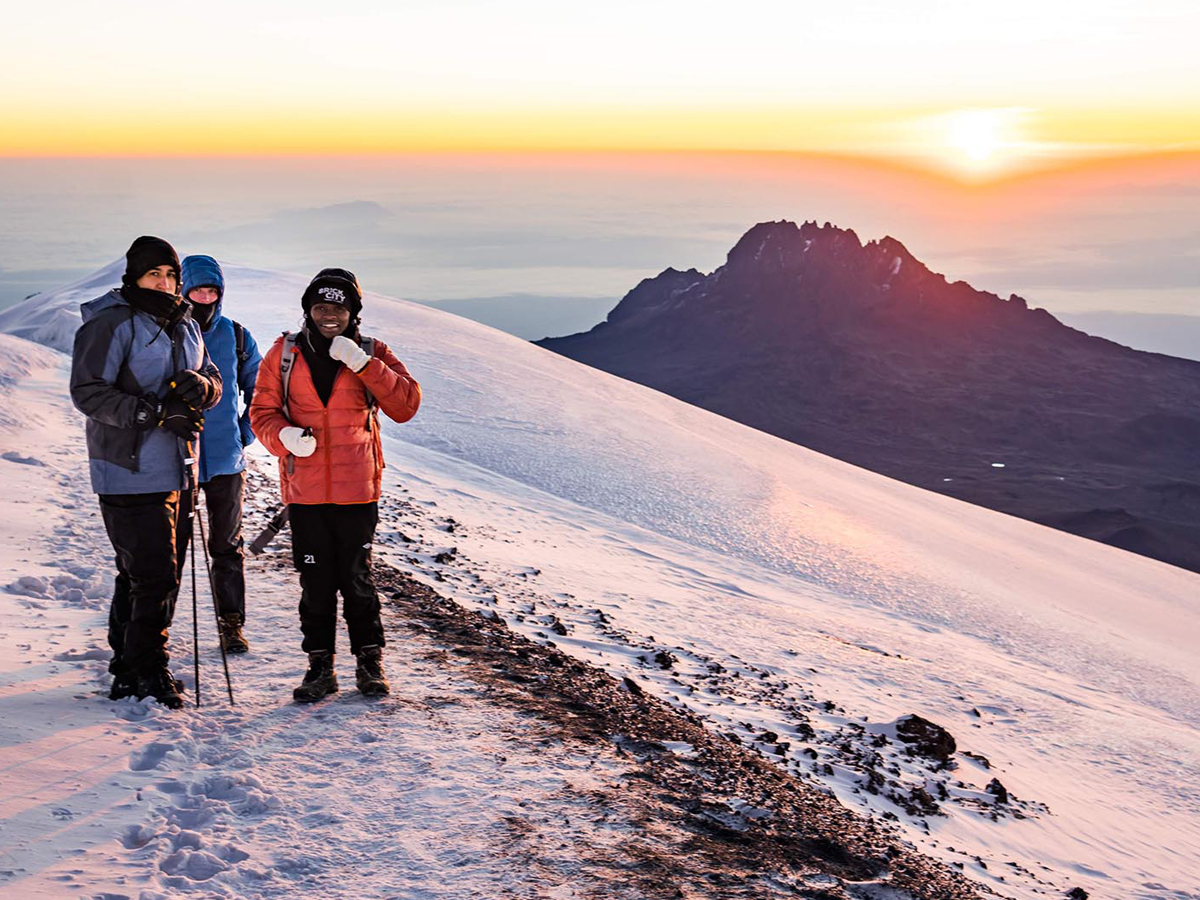
Starting around midnight, you’ll begin the challenging ascent to Uhuru Peak (5,895 m / 19,341 ft), the highest point in Africa. The trek is steep and slow, often done in the dark with headlamps. Reaching Stella Point on the crater rim just before dawn is a significant milestone. Continuing the final push to Uhuru Peak offers the most incredible sunrise views imaginable. After celebrating at the summit, you’ll descend back to Barafu Camp for a short rest and then continue down to Mweka Camp (3,100 m / 10,170 ft) through the alpine and forest zones. This is a very long and tiring day.
Day 8: Mweka Camp to Mweka Gate and Departure
- Trek: Approximately 3-5 hours.
- Distance: 10 km (6 miles).
- Elevation Loss: ~1,400 m (4,590 ft).
- Habitat: Forest.
After breakfast, you’ll descend through the rainforest to Mweka Gate (1,600 m / 5,250 ft). Here, you’ll receive your summit certificates, a proud memento of your Kilimanjaro Graduation Climbing Challenge. A Top Guide Adventures vehicle will be waiting to transfer you back to your hotel in Moshi or Arusha for a well-deserved rest and celebration.
Note: This is a sample itinerary for a 7-day climb. Longer routes like the 8-day Lemosho or 9-day Northern Circuit offer better acclimatization and higher success rates, and are highly recommended for a graduation challenge.
Cost of a Kilimanjaro Graduation Climbing Challenge in 2026-2027
The cost of a Kilimanjaro climb can vary significantly based on the route, duration, operator, and inclusions. For a Kilimanjaro Graduation Climbing Challenge in 2026-2027, expect prices to range from $1,800 to $4,000+ per person for reputable operators like Top Guide Adventures. This typically covers:
Typical Inclusions:
- Park fees (Kilimanjaro National Park, Conservation fees)
- All camping or hut fees
- Experienced, certified mountain guides
- Assistant guides
- Porters for carrying group and personal gear (usually up to 15kg per climber)
- Cook and kitchen crew
- All meals on the mountain (breakfast, lunch, dinner)
- Boiled and purified drinking water
- Accommodation in tents (or huts on Marangu)
- Campsite equipment (tents, mess tent, table, chairs, cooking gear)
- Oxygen cylinders (for emergencies)
- First-aid kit and emergency oxygen
- Transfer from/to Kilimanjaro International Airport (JRO) and hotel in Moshi/Arusha
- Pre- and post-climb hotel accommodation (often 1-2 nights included)
- Summit certificates
Common Exclusions:
- International flights
- Visa fees
- Travel insurance (mandatory)
- Personal gear (clothing, sleeping bag, boots etc.)
- Tips for guides, porters, and cooks (a significant portion of the cost)
- Lunches and dinners in hotels before/after the climb (unless specified)
- Soft drinks, alcoholic beverages, and personal expenses
- Optional activities (e.g., pre- or post-climb safari, cultural tours)
- Gratuities for the climbing crew (budget approximately $250-$350 per climber for a standard crew size)
Pricing for 2026-2027: While exact prices fluctuate, booking with a reputable company like Top Guide Adventures ensures quality service and safety. For a 7-day Machame or Lemosho climb, expect costs to be in the $2,000 – $2,800 range. Longer routes or private climbs will be higher. Always inquire about detailed itineraries and what is included to compare accurately.
Budget Tips: While cutting costs is tempting, compromising on safety and crew welfare is never advisable. Choose operators who pay fair wages and provide good equipment. The cheapest options often cut corners on guide training, equipment quality, or crew support, directly impacting your safety and experience.
Altitude Sickness: Understanding and Managing the Risks
Altitude sickness (Acute Mountain Sickness – AMS) is the most common health risk on Kilimanjaro. It occurs when you ascend too quickly and your body doesn’t have enough time to adjust to the lower oxygen levels.
Symptoms of AMS:
- Headache (most common)
- Nausea and vomiting
- Dizziness and lightheadedness
- Fatigue and weakness
- Loss of appetite
- Difficulty sleeping
More severe forms include High Altitude Cerebral Edema (HACE) and High Altitude Pulmonary Edema (HAPE), which are life-threatening emergencies.
Prevention and Management:
- Go Slow: The most effective prevention is a slow ascent. Choose longer routes (7+ days) for your Kilimanjaro Graduation Climbing Challenge.
- Hydrate: Drink plenty of fluids (3-4 liters per day).
- Avoid Alcohol and Smoking: These can exacerbate altitude sickness symptoms.
- Eat Well: Maintain good nutrition, even if your appetite is reduced.
- Ascend Gradually: Follow the “pole pole” (slowly, slowly) principle.
- Medication: Consult your doctor about Diamox (acetazolamide), a prescription medication that can help prevent or alleviate AMS symptoms.
- Listen to Your Body: Inform your guide immediately if you experience any symptoms.
- Descent is the Cure: If symptoms worsen, descent is the only effective treatment. Our guides are trained to recognize and manage AMS.
What Makes a Kilimanjaro Graduation Climb Special with Top Guide Adventures?
A Kilimanjaro Graduation Climbing Challenge is a significant life event, and Top Guide Adventures is dedicated to making it extraordinary. We focus on creating an experience that celebrates your achievement while prioritizing safety, comfort, and success.
Our Commitment to Your Success:
- Experienced Guides: Our guides are not just experienced climbers; they are trained in first aid, AMS management, and possess a deep knowledge of Kilimanjaro’s ecosystems and history. They are your mentors and safety net.
- Quality Crew: We believe in treating our porters and cooks with respect, ensuring fair wages, adequate food, and proper gear. A happy and well-supported crew translates to a better experience for you.
- Well-Planned Itineraries: We recommend longer routes (7-9 days) specifically for graduation climbs, as they offer superior acclimatization and significantly increase your chances of reaching the summit.
- Safety Protocols: We carry comprehensive medical kits, emergency oxygen, and have established communication protocols with our ground team.
- Personalized Attention: From the moment you inquire about a Kilimanjaro Graduation Climbing Challenge for 2026 or 2027, you’ll receive dedicated support. We answer all your questions promptly and help you prepare thoroughly.
- Celebratory Touches: We understand the celebratory nature of your climb. While summiting is the main event, we can help arrange small celebratory moments or acknowledge your achievement in meaningful ways.
Making it a Group Graduation Challenge
Many graduates choose to undertake this challenge with friends, making it a shared milestone. Top Guide Adventures is experienced in organizing group climbs. We can coordinate logistics for groups of varying sizes, ensuring everyone receives personalized attention while fostering a sense of camaraderie. A group Kilimanjaro Graduation Climbing Challenge can be an incredible bonding experience.
Whether you’re looking for a private climb for yourself or a group departure for your graduating class in 2026 or 2027, we can accommodate your needs. Explore our group departure dates for Kilimanjaro climbs or contact us to arrange a custom itinerary for your graduation group.
Beyond the Summit: What to Expect Post-Climb
After successfully completing your Kilimanjaro Graduation Climbing Challenge, you’ll likely feel a mix of exhaustion, elation, and accomplishment. Top Guide Adventures ensures a smooth transition back to civilization.
- Return to Hotel: After descending to the gate, you’ll be transferred to your hotel for a hot shower, comfortable bed, and a celebratory meal.
- Debriefing: Your guide will debrief with you about the climb, celebrating your success.
- Optional Celebrations: Many graduates opt for a celebratory dinner or drinks in Moshi or Arusha.
- Further Adventures: Consider extending your trip with a Tanzanian safari to the Serengeti or Ngorongoro Crater, or relax on the beaches of Zanzibar. Top Guide Adventures can seamlessly integrate these experiences into your graduation trip.
Frequently Asked Questions about Kilimanjaro Graduation Climbs
We understand you’ll have many questions as you plan your Kilimanjaro Graduation Climbing Challenge. Here are some common ones:
Is Kilimanjaro safe for a graduation climb?
Yes, Kilimanjaro is considered safe when climbed with a reputable operator like Top Guide Adventures. Safety is our utmost priority, with experienced guides, proper acclimatization protocols, and emergency procedures in place. Choosing a longer route (7+ days) significantly enhances safety and success rates.
What is the best route for a graduation climb?
For a graduation climb, the Lemosho Route or Machame Route (preferably 7 or 8 days) are highly recommended. They offer excellent acclimatization, scenic beauty, and higher success rates, making them ideal for celebrating this significant milestone.
How much should I tip the climbing crew?
Tipping is customary and greatly appreciated. A guideline for 2026-2027 is approximately $250-$350 per climber for the entire crew (guides, porters, cook). Your guide will provide a breakdown of how to distribute this amongst the team. Top Guide Adventures ensures fair wages for our crew, but tips are a way to show extra appreciation for excellent service.
Do I need special mountaineering skills?
No, Kilimanjaro is a trekking peak, not a technical climb. You do not need ropes or ice axes for standard routes. Good physical fitness, proper gear, and a positive attitude are more important than technical skills.
Can I climb Kilimanjaro alone as a graduate?
Yes, you can. Top Guide Adventures organizes both group departures and private climbs. If you’re traveling solo, you can join one of our scheduled group climbs, which is also a great way to meet like-minded adventurers. We ensure solo travelers are well-integrated into the group.
What is the recommended duration for a Kilimanjaro graduation climb?
We strongly recommend a minimum of 7 days for any Kilimanjaro climb, and ideally 8 or 9 days for a graduation challenge. Longer durations allow for better acclimatization, which is key to summit success and a more enjoyable experience. Shorter climbs (5-6 days) have significantly lower success rates due to poor acclimatization.
When should I book my 2026-2027 graduation climb?
Due to the popularity of Kilimanjaro, especially during peak seasons (June-October), it is advisable to book your Kilimanjaro Graduation Climbing Challenge 6-12 months in advance for 2026 and 2027. This secures your preferred dates and route.
Your Dream Kilimanjaro Graduation Challenge Starts Here
A Kilimanjaro Graduation Climbing Challenge is more than just a trip; it’s a journey of self-discovery, resilience, and ultimate achievement. It’s the perfect way to mark the end of one significant chapter and the beginning of another. Let Top Guide Adventures be your trusted partner in making this dream a reality.
We are passionate about providing safe, memorable, and successful Kilimanjaro climbs for graduates. Our commitment to quality, safety, and the well-being of our clients and crew sets us apart. We invite you to experience the magic of Kilimanjaro with a team that truly cares.
Ready to plan your unforgettable Kilimanjaro Graduation Climbing Challenge for 2026 or 2027? Contact us today for a personalized quote and expert advice. Let’s reach new heights together!
WhatsApp: +255616946642
Email: topguideadventures@gmail.com
Backup Email: info@topguideadventures.com
Check Availability for Kilimanjaro Graduation Climbing Challenge: Your Ultimate Guide 2026-2027
Ready to compare dates, prices, and the best option for your group? Send the package name and travel month so the team can reply with a clear quote, availability, and what is included.
Plastic-Free Kilimanjaro Climbing Tour 2026-2027
Plastic-Free Kilimanjaro Climbing Tour is explained with current 2026-2027 planning, price, itinerary and booking information.
View package details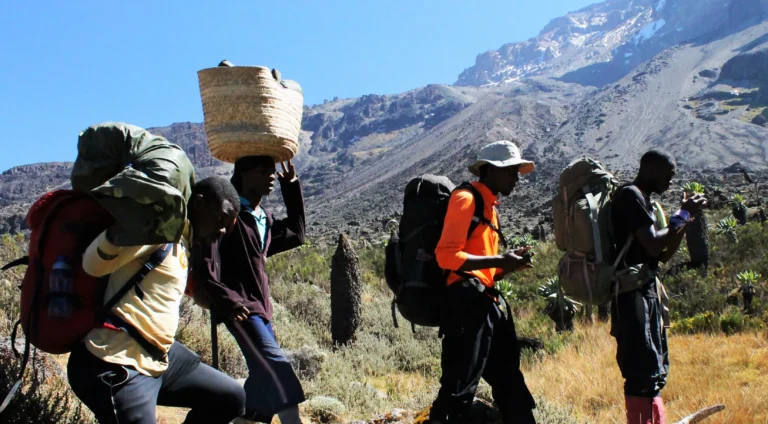
Kilimanjaro Tree-Planting Climbing Package Guide
Combine your dream Kilimanjaro climb with a meaningful conservation effort. Our Kilimanjaro Tree-Planting Climbing Package allows you to ascend Africa's highest peak while actively...
View package details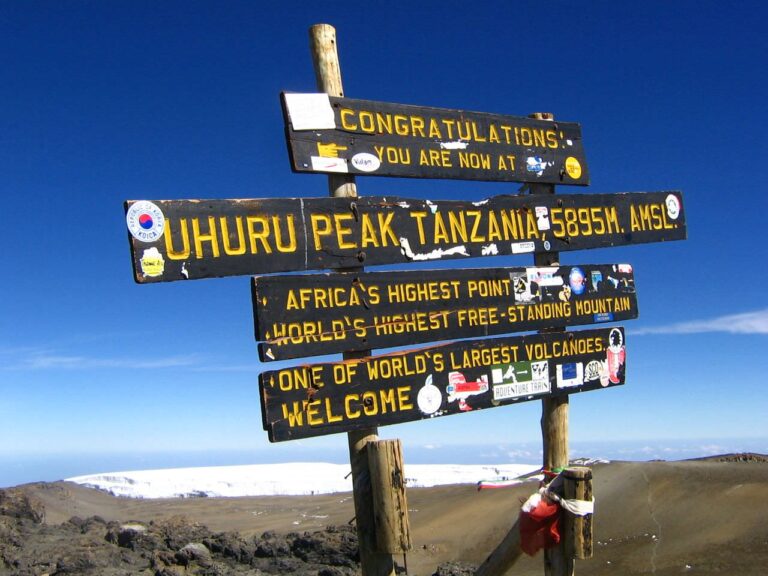
What Does Kilimanjaro Rainforest Look Like? A Trekkers Visual Guide 2026-2027
The Kilimanjaro rainforest is a vibrant, humid zone of dense vegetation, towering trees, and diverse plant life found on the mountain's lower slopes. It's the first major ecosystem trekkers...
View package details
Kilimanjaro Climb With A Personal Support Assistant: Your Ultimate Guide
Climbing Mount Kilimanjaro with a personal support assistant offers unparalleled safety, comfort, and focus on your summit goals. This guide details what a personal assistant entails, its...
View package detailsHow To Know Whether You Are Ready For Kilimanjaro: A Comprehensive Guide
Climbing Mount Kilimanjaro is a significant undertaking. This guide helps you evaluate your physical, mental, and logistical readiness to ensure a safe and successful trek in 2026 or 2027...
View package details
Kilimanjaro Hydration Mistakes Climbers Make And How To Avoid Them 2026-2027
Proper hydration is critical for a successful Kilimanjaro climb. This guide details common hydration mistakes climbers make, from under-drinking to choosing the wrong fluids, and provides...
View package details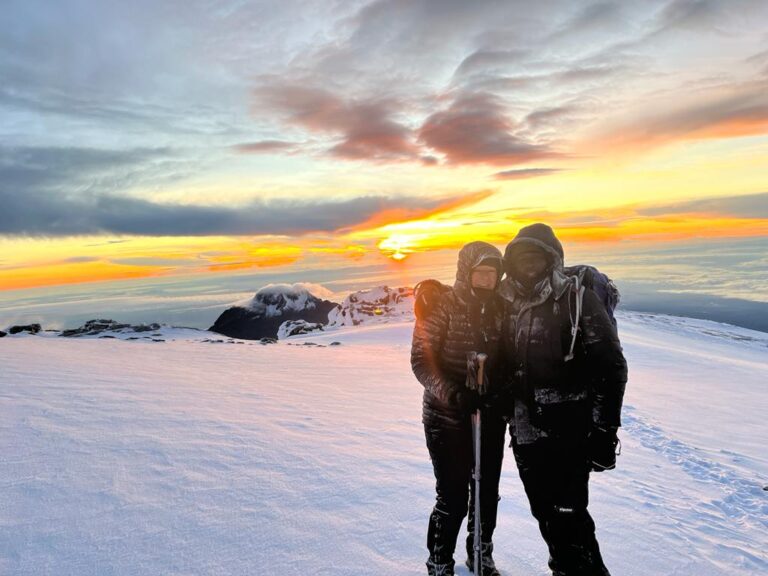
Kilimanjaro Altitude-Sickness Mistakes 2026-2027
Kilimanjaro Altitude-Sickness Mistakes is explained with current 2026-2027 planning, price, itinerary and booking information.
View package details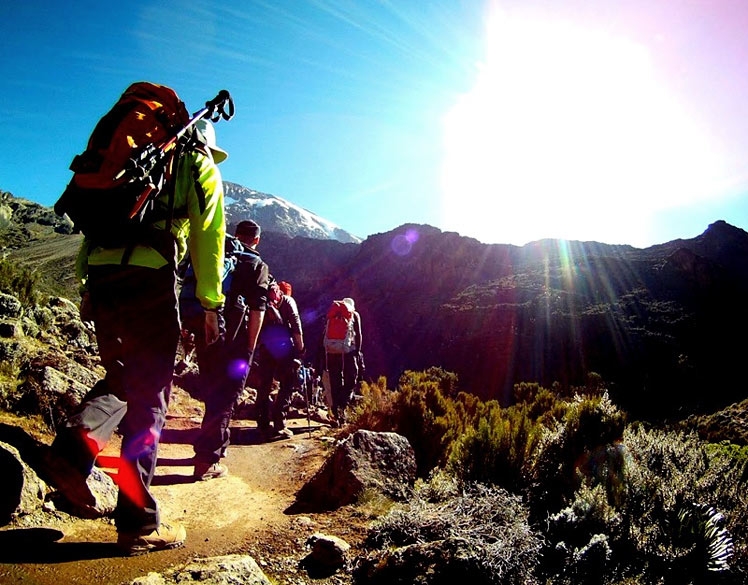
Kilimanjaro Summit-Night Mistakes To Avoid: Your Essential Guide For Climbs
Summit night on Kilimanjaro is the most challenging part of the climb. Avoiding common mistakes in acclimatization, gear, hydration, and pacing is crucial for success. This guide details...
View package details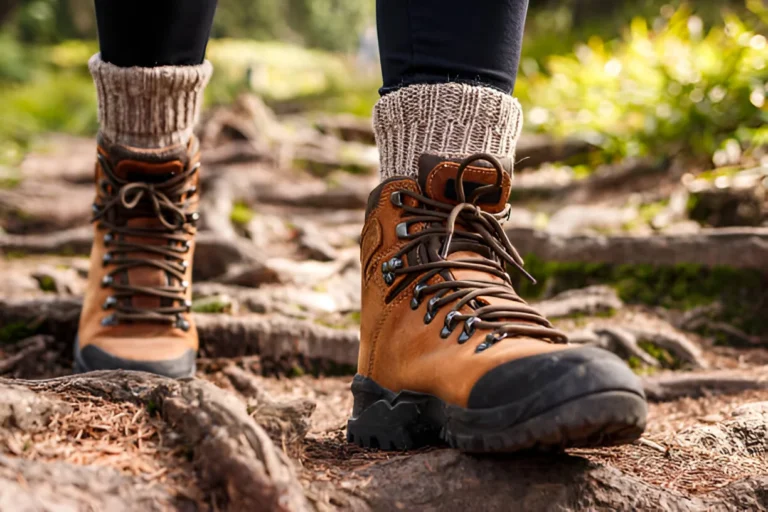
Kilimanjaro Training Mistakes That Reduce Summit Success 2026-2027
Kilimanjaro Training Mistakes that Reduce Summit Success is explained with current 2026-2027 planning, price, itinerary and booking information.
View package details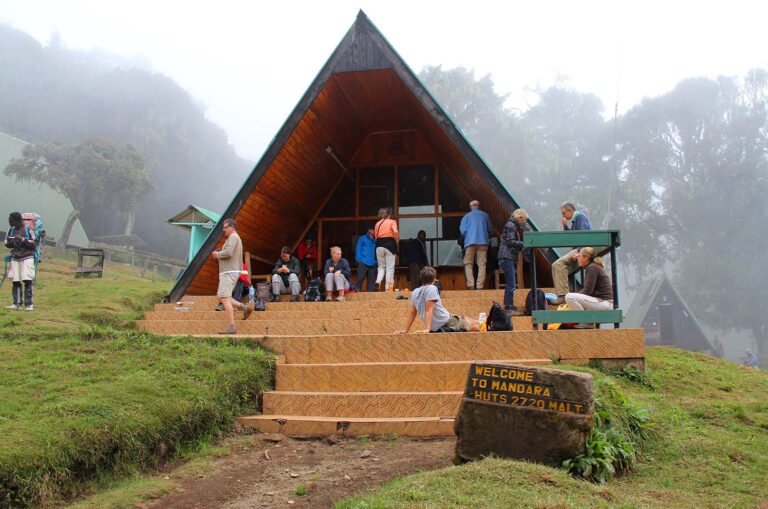
Kilimanjaro Personal Porter Vs Standard Support 2026-2027
Kilimanjaro Personal Porter vs Standard Porter Support is explained with current 2026-2027 planning, price, itinerary and booking information.
View package details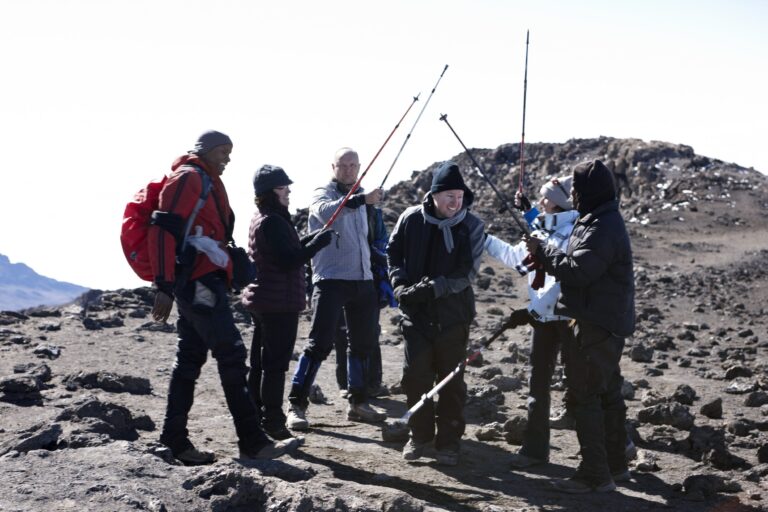
Kilimanjaro Airport Vs Arusha For Climbers: The Definitive Guide 2026-2027
A comprehensive comparison of Kilimanjaro International Airport (JRO) and Arusha Airport (ARK) for trekkers planning a Mount Kilimanjaro climb, detailing pros, cons, and booking advice for...
View package details
Kilimanjaro Climb For Retired Couples: Planning Your Adventure 2026-2027
Planning a Kilimanjaro climb as a retired couple is an achievable and rewarding goal. This guide offers in-depth advice on route selection, physical preparation, essential gear, and the...
View package detailsNo related package matches those filters. Clear one or more filters to see the other topic-matched options.



