
Climbing Kilimanjaro with a Wilderness First-Responder Guide significantly enhances your safety by ensuring immediate, expert medical attention is available for any altitude-related illnesses or injuries. These guides are trained to manage medical emergencies in remote environments, providing peace of mind and a higher level of preparedness for your 2026-2027 trek.
The Critical Role of a Wilderness First-Responder Guide on Kilimanjaro
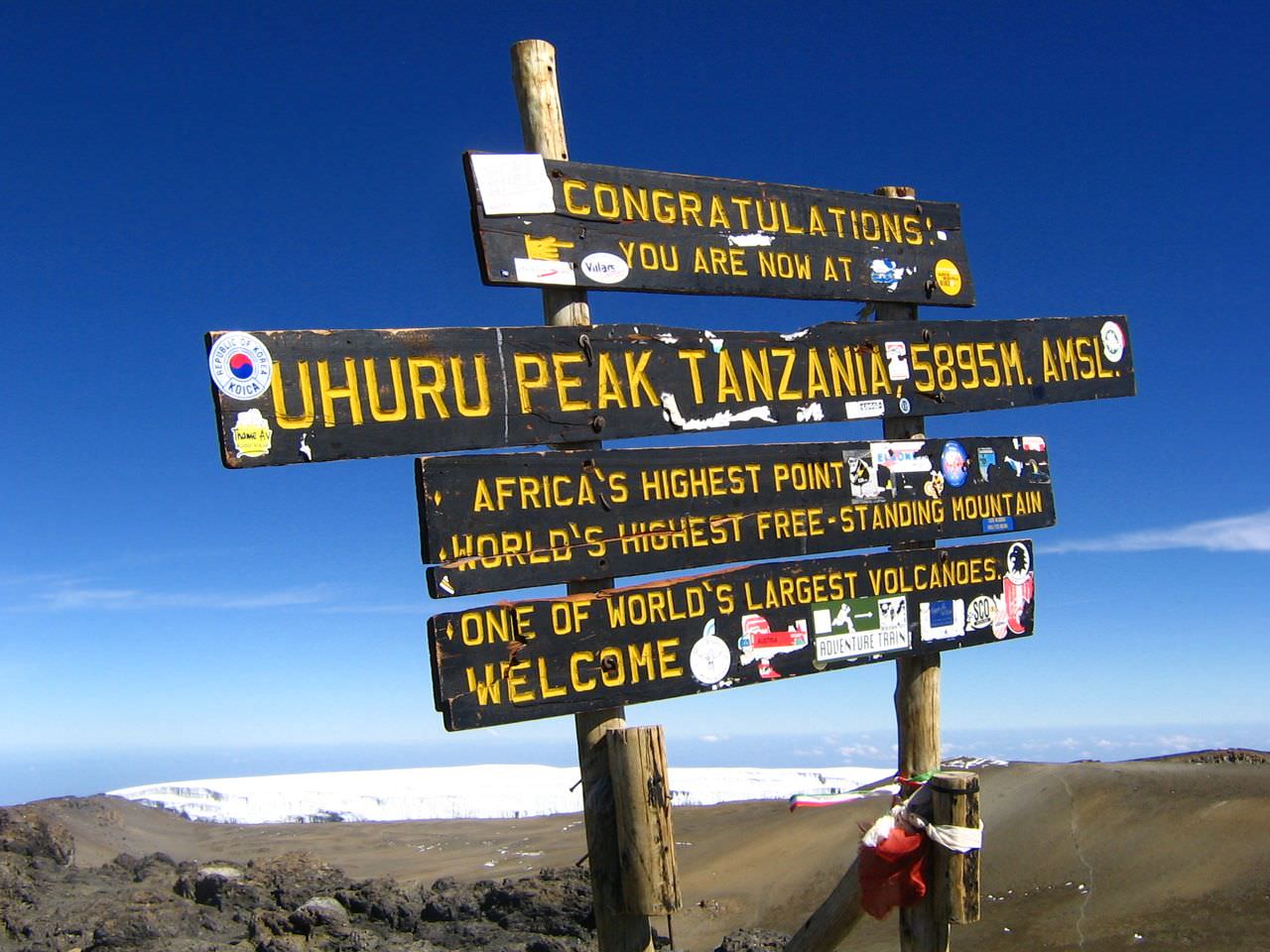
Mount Kilimanjaro, while not technically challenging in terms of rock climbing, presents unique physiological demands due to its extreme altitude. The ascent to Uhuru Peak at 5,895 meters (19,341 feet) exposes trekkers to significant risks, primarily related to Acute Mountain Sickness (AMS), High Altitude Pulmonary Edema (HAPE), and High Altitude Cerebral Edema (HACE). These conditions can develop rapidly and become life-threatening if not recognized and managed promptly. This is precisely where a Wilderness First-Responder (WFR) certified guide makes an indispensable difference.
A WFR guide possesses advanced medical training specifically designed for remote and wilderness environments, where professional medical facilities are hours or even days away. Unlike standard first-aid training, WFR certification equips individuals with the skills to assess, treat, and manage a wide range of medical issues, from minor cuts and sprains to serious illnesses and trauma, in situations with limited resources. For a Kilimanjaro climb, this specialized knowledge translates directly into enhanced safety for every climber in your group.
Top Guide Adventures is committed to the highest standards of safety, and we understand the profound value that WFR-certified guides bring to the Kilimanjaro experience. Our dedication to providing comprehensive support means prioritizing guides who are not only experienced mountaineers but also possess advanced medical certifications. This ensures that when you choose to climb with us for your 2026 or 2027 adventure, you are choosing a team equipped to handle the unexpected with expertise and confidence.
Understanding Wilderness First Responder (WFR) Certification
Before delving deeper into why this certification is crucial for Kilimanjaro, it’s important to understand what it entails. Wilderness First Responder (WFR) is a widely recognized and respected certification in the outdoor industry. It is typically offered by organizations like the Wilderness Medical Associates International (WMA) or the National Outdoor Leadership School (NOLS). The curriculum is rigorous and comprehensive, covering:
- Patient assessment in remote settings
- Cardiopulmonary resuscitation (CPR) and basic life support
- Treatment of common wilderness injuries and illnesses (e.g., fractures, dislocations, sprains, burns, hypothermia, heatstroke, allergic reactions)
- Management of altitude sickness, including AMS, HAPE, and HACE
- Wound care and infection prevention
- Spinal injury management
- Environmental emergencies
- Pain management
- Pharmacology for wilderness settings
- Emergency evacuation planning and techniques
The training involves extensive hands-on practice, simulations, and theoretical knowledge, usually requiring a significant time commitment, often 70-200 hours depending on the specific course. Crucially, WFR training emphasizes making critical decisions with limited resources and delayed evacuation in mind, a scenario perfectly mirroring a Kilimanjaro climb.
WFR vs. Standard First Aid: The Critical Difference on the Mountain
While basic first aid is valuable in any situation, it is not sufficient for the unique challenges presented by high-altitude trekking like climbing Kilimanjaro. Standard first aid courses typically focus on immediate care and preparing for rapid transport to professional medical help. A WFR certification, however, trains individuals to provide extended care in the wilderness, bridging the gap until evacuation is possible or the patient can reach definitive medical care. This extended care capability is paramount on Kilimanjaro, where rescue can be complicated and time-consuming.
For instance, recognizing the subtle early signs of HAPE or HACE, understanding the correct descent protocols, and administering appropriate oxygen or medication are skills that go far beyond standard first aid. A WFR guide can confidently assess a climber experiencing symptoms, differentiate between mild AMS and a more severe condition, and make informed decisions about whether descent is necessary, thereby preventing a minor issue from becoming a life-threatening emergency. This proactive and informed approach is what sets a Kilimanjaro climb with a Wilderness First-Responder Guide apart.
Why a WFR Guide is Essential for Kilimanjaro Trekkers
The allure of Kilimanjaro is undeniable, but so are its inherent risks. Relying on a guide with specialized medical training is not a luxury; it is a fundamental aspect of responsible and safe high-altitude trekking. Here’s why having a WFR guide is so critical:
1. Altitude Sickness Management
This is arguably the most significant reason. Altitude sickness affects a large percentage of Kilimanjaro climbers. Symptoms can range from mild headaches and nausea to severe, life-threatening conditions like HAPE and HACE. A WFR guide is trained to:
- Recognize early symptoms: They can identify subtle changes in a climber’s behavior, coordination, and physical state that might indicate the onset of altitude sickness, often before the climber themselves fully realizes the severity.
- Differentiate conditions: They can distinguish between AMS, HAPE, and HACE, as well as other conditions that might mimic altitude sickness (e.g., dehydration, fatigue, hypothermia).
- Implement immediate treatment: This includes recommending rest, hydration, medication (like Diamox, if prescribed and carried), and, most importantly, initiating descent when necessary. Descent is the most effective treatment for severe altitude sickness, and a WFR guide knows precisely when and how to implement this critical step.
- Monitor climbers continuously: They maintain a vigilant watch over all group members, conducting regular checks on physical and mental status.
The ability to make swift, informed decisions about descent can be the difference between a climber recovering and continuing their journey, or facing a severe medical emergency. For trekkers planning their 2026-2027 expeditions, prioritizing this expertise is paramount.
2. Emergency Preparedness and Response
Beyond altitude sickness, accidents can happen. A climber might suffer a fall resulting in a sprained ankle, a cut requiring stitches, or even a more serious fracture. In a remote mountain environment:
- Stabilization: A WFR guide can stabilize injuries, splint fractures, dress wounds effectively to prevent infection, and manage pain.
- Evacuation coordination: They know how to assess the situation, determine the urgency, and coordinate with rescue teams or porters for safe evacuation if needed. This includes understanding how to package a patient for carrying down the mountain.
- Resourcefulness: They are skilled at improvising medical equipment and treatments using the limited resources available on the mountain.
Having a guide who can handle these situations competently means that minor injuries are less likely to derail a trek and that serious emergencies are managed with the best possible care until professional help arrives.
3. Enhanced Safety Culture
The presence of a WFR guide fosters a proactive safety culture within the trekking group. It signals to all participants that safety is the top priority. This can encourage climbers to:
- Be more open about symptoms they are experiencing.
- Follow instructions regarding pace, hydration, and acclimatization more diligently.
- Trust the guide’s judgment in critical situations.
A guide’s confidence and competence in medical matters can significantly reduce anxiety for trekkers, allowing them to focus more on the incredible experience of climbing Kilimanjaro.
4. Supporting the Entire Team
A WFR guide doesn’t just look after the sick or injured climber; their expertise benefits the entire expedition. By managing potential medical issues effectively, they ensure the expedition can continue as smoothly and safely as possible, minimizing disruptions and maximizing the chances of success for everyone in the group. Their training also extends to recognizing the signs of fatigue and stress in team members, helping to maintain group morale and cohesion.
Choosing a Tour Operator for Your Kilimanjaro Climb with a WFR Guide
When planning your Kilimanjaro climb, especially for treks scheduled for 2026 or 2027, selecting a tour operator that prioritizes guide certification is crucial. Not all guiding companies employ WFR-certified guides, or they may not explicitly advertise this vital qualification. Top Guide Adventures stands out by making this a cornerstone of our safety protocols.
Here’s what to look for and what Top Guide Adventures offers:
What to Inquire About When Booking
- Guide Certifications: Directly ask potential tour operators about the medical certifications of their guides. Specifically inquire if they hold Wilderness First Responder (WFR) or equivalent certifications.
- Emergency Protocols: Understand the company’s emergency procedures. How do they handle medical emergencies on the mountain? What communication systems are in place?
- Medical Kit Contents: Ask about the standard medical kit carried by guides. A WFR-equipped guide will typically carry a more comprehensive kit than a standard first aider.
- Guide Experience: While certification is key, experience on Kilimanjaro is also vital. Ensure guides have extensive experience with the specific routes and conditions.
- Group Size and Guide Ratios: Smaller group sizes and appropriate guide-to-climber ratios often mean more personalized attention and quicker recognition of issues.
Top Guide Adventures’ Commitment to Safety
At Top Guide Adventures, we believe that a successful climb is one where every client returns safely and healthy. Our commitment to this principle is reflected in our operational standards:
- Certified Guides: We actively recruit and train our lead guides to achieve and maintain Wilderness First Responder (WFR) certification. We understand the importance of this qualification for the well-being of our clients on Kilimanjaro.
- Comprehensive Medical Kits: Our guides carry well-stocked medical kits tailored for high-altitude environments, including treatments for altitude sickness, common ailments, and injuries.
- Rigorous Training: We invest in ongoing training for our entire mountain crew, ensuring they are up-to-date with best practices in safety and emergency response.
- Clear Emergency Plans: We have established emergency evacuation plans and maintain communication systems to facilitate rapid response when needed.
- Personalized Attention: We pride ourselves on providing personal attention, care, and dedicated support, ensuring that each climber’s needs are met throughout their journey.
When you book a Kilimanjaro climb with a Wilderness First-Responder Guide through Top Guide Adventures for your 2026-2027 adventure, you are choosing a company that places your safety at the forefront. We want your experience to be memorable for all the right reasons – the stunning views, the personal achievement, and the confidence that you are in expert hands.
Planning Your 2026-2027 Kilimanjaro Climb: The WFR Advantage
As you plan your Kilimanjaro expedition for 2026 or 2027, remember that the quality of your guiding team is paramount. A Wilderness First-Responder (WFR) certified guide is a significant asset, providing an elevated level of safety and medical preparedness. This expertise is crucial for navigating the challenges of high altitude and ensuring a successful, safe ascent. When comparing tour operators, make sure to ask about their guides’ medical certifications and emergency protocols. Choosing a company like Top Guide Adventures, which prioritizes WFR-certified guides, means investing in your peace of mind and your well-being on the mountain.
Common Medical Issues on Kilimanjaro and How WFR Guides Handle Them
Understanding the specific medical challenges on Kilimanjaro will further highlight the value of a WFR guide. These issues are common, and a trained guide is your first line of defense.
1. Acute Mountain Sickness (AMS)
AMS is the most common altitude-related illness. Symptoms include headache, nausea, dizziness, fatigue, and loss of appetite. It typically appears within 12-24 hours of ascending to a higher altitude.
How a WFR Guide Responds:
- Monitoring: The guide will closely observe all climbers for signs of AMS during daily check-ins and throughout the day.
- Assessment: They will ask specific questions about symptoms and assess the climber’s condition.
- Recommendations: For mild AMS, they might recommend rest, increased fluid intake, and avoiding alcohol and strenuous activity. They may also suggest taking Diamox (acetazolamide) if prescribed by a doctor and carried by the climber or company.
- Descent as Treatment: If symptoms worsen or are severe, the guide’s primary responsibility is to recommend and facilitate an immediate descent. Even a modest descent of a few hundred meters can significantly alleviate symptoms.
2. High Altitude Pulmonary Edema (HAPE)
HAPE is a more severe form of altitude sickness where fluid accumulates in the lungs. Symptoms can include shortness of breath (even at rest), extreme fatigue, chest tightness, coughing (which may produce frothy or pink sputum), and confusion. HAPE can develop rapidly and is life-threatening.
How a WFR Guide Responds:
- Urgent Recognition: A WFR guide is trained to recognize the critical signs of HAPE, which can be mistaken for pneumonia or bronchitis.
- Immediate Descent: The only definitive treatment for HAPE is immediate descent. The guide will initiate this without delay, often carrying or assisting the affected climber.
- Oxygen Administration: If available and part of the company’s protocol, supplemental oxygen might be administered to help stabilize the climber during descent.
- Emergency Evacuation: They will coordinate with the rescue team for the fastest possible evacuation to a medical facility.
3. High Altitude Cerebral Edema (HACE)
HACE is the most severe form of altitude sickness, involving fluid accumulation in the brain. Symptoms include severe headache, confusion, disorientation, loss of coordination (ataxia), drowsiness, and potentially coma or death. HACE often accompanies HAPE.
How a WFR Guide Responds:
- Critical Assessment: The guide will perform neurological checks, such as testing coordination and mental status, to diagnose HACE.
- Immediate Descent: Like HAPE, immediate descent is the critical treatment. This is a medical emergency requiring rapid action.
- Medication: Dexamethasone, a steroid that reduces brain swelling, might be administered if carried and prescribed by a doctor for the expedition.
- Evacuation: Rapid evacuation to a medical center is essential.
4. Hypothermia
Hypothermia occurs when the body loses heat faster than it can produce it, leading to a dangerously low core body temperature. This can happen due to cold temperatures, wind, and wet conditions, especially during descents or at higher altitudes.
How a WFR Guide Responds:
- Recognition: Identifying signs like shivering, slurred speech, confusion, and loss of coordination.
- Prevention: Ensuring climbers wear appropriate layers, stay dry, and are fed and hydrated.
- Treatment: Removing wet clothing, providing warm, dry layers, offering warm drinks, and using insulated sleeping bags or blankets. In severe cases, they can initiate protocols for warming the core.
5. Injuries (Sprains, Fractures, Cuts)
Trips and falls are common on uneven mountain terrain, leading to various injuries.
How a WFR Guide Responds:
- Assessment and Stabilization: Properly assessing the injury, immobilizing sprains or fractures with splints, and providing appropriate bandages.
- Wound Care: Cleaning and dressing cuts and abrasions to prevent infection, using sterile materials.
- Pain Management: Administering over-the-counter or prescription pain relief as appropriate.
- Evacuation Planning: Determining if the injury requires evacuation and coordinating the process.
The comprehensive training of a WFR guide ensures they are equipped to handle these situations effectively, providing immediate care and making critical decisions that support the climber’s recovery and the expedition’s overall safety.
The Kilimanjaro Itinerary: How Pace and Acclimatization Affect Safety
A well-designed itinerary is fundamental to a safe and enjoyable Kilimanjaro climb. The key principles are slow ascent and adequate acclimatization. A Wilderness First-Responder Guide plays a crucial role in ensuring these principles are adhered to, even when a climber might feel pressure to push harder.
The Importance of Slow and Steady
The human body needs time to adapt to decreasing oxygen levels as altitude increases. Ascending too quickly is the primary cause of altitude sickness. Reputable tour operators, including Top Guide Adventures, design itineraries that prioritize:
- Gradual Altitude Gain: Climbing higher each day but sleeping at a lower altitude whenever possible. This is known as ‘climb high, sleep low’.
- Rest Days: Incorporating rest days, particularly on longer routes, allows the body to acclimatize more effectively.
- Appropriate Daily Distances: Trekking manageable distances each day, allowing climbers to conserve energy and focus on their breathing and hydration.
For example, routes like the Lemosho or Machame are popular because they offer better acclimatization profiles compared to shorter, steeper routes like Marangu (especially the 5-day option). A longer itinerary, often 7 days or more, significantly increases the success rate and reduces the risk of altitude sickness.
The WFR Guide’s Role in Pace Management
Even with a good itinerary, individual climbers respond differently to altitude. A WFR guide is essential in:
- Enforcing Pace: They will ensure that the group maintains a slow, steady pace, often referred to as ‘pole pole’ (slowly, slowly in Swahili). They will prevent faster climbers from leaving slower ones behind and ensure everyone is moving at a sustainable rhythm.
- Monitoring Individual Climbers: A WFR guide constantly monitors each climber for signs of fatigue or altitude sickness. They can identify if someone is pushing too hard, not drinking enough, or showing early symptoms that might be ignored by the climber themselves.
- Making Difficult Decisions: If a climber is struggling, the WFR guide has the training and authority to recommend or order a slower pace, a rest, or even a descent, regardless of the rest of the group’s progress or the climber’s personal desire to continue. This decision-making power is critical for preventing emergencies.
For your 2026-2027 Kilimanjaro plans, consider how the guiding team’s approach to pace and acclimatization aligns with safety. A WFR guide is trained to prioritize health over summit ambition when necessary.
Essential Gear and Medical Supplies for a WFR-Supported Climb
While your tour operator will provide guides and essential expedition support, climbers are responsible for their personal gear. A Kilimanjaro climb with a Wilderness First-Responder Guide also means having access to a well-equipped medical kit. Top Guide Adventures ensures our guides are prepared, and here’s what you should know:
Climber’s Personal Medical Kit
While your WFR guide will have a comprehensive medical kit, it’s wise for each climber to carry a small personal kit for immediate needs. This should include:
- Personal prescription medications
- Pain relievers (e.g., ibuprofen, paracetamol)
- Blister treatment (moleskin, athletic tape)
- Antiseptic wipes
- Band-aids of various sizes
- Gauze pads and medical tape
- Small scissors and tweezers
- Any personal items recommended by your doctor (e.g., for nausea, allergies)
Important: Discuss any pre-existing medical conditions with your doctor and your tour operator well in advance of your 2026-2027 trek. They may advise specific medications or precautions.
The Guide’s Medical Kit
A WFR-certified guide, especially with a reputable company like Top Guide Adventures, will carry a significantly more extensive medical kit. This typically includes:
- Advanced wound care supplies
- Splinting materials
- Emergency blankets
- Oxygen (portable cylinder and mask)
- Medications for altitude sickness (e.g., Diamox, Dexamethasone – to be administered under guide’s judgment or doctor’s advice)
- Antibiotics
- Antihistamines
- Anti-diarrheal medication
- Burn treatments
- Eye drops
- Basic diagnostic tools (thermometer, pulse oximeter)
The presence of these supplies, combined with the WFR guide’s knowledge of how and when to use them, provides a critical safety net that goes beyond basic first aid.
Comparing Kilimanjaro Routes with a Focus on Safety and WFR Support
The route you choose for your Kilimanjaro climb significantly impacts acclimatization, difficulty, and scenery. When considering a Kilimanjaro climb with a Wilderness First-Responder Guide, the route’s suitability for acclimatization becomes even more important, as it directly influences the likelihood of needing medical intervention.
Popular Kilimanjaro Routes and Their Safety Profiles
- Machame Route (6-7 days): Known as the ‘Whiskey Route’ for its higher acclimatization profile. It’s popular, scenic, and offers good ‘climb high, sleep low’ opportunities. A 7-day option significantly boosts success rates.
- Lemosho Route (7-8 days): Considered one of the most scenic and best for acclimatization, especially the longer 8-day version. It offers excellent opportunities for wildlife viewing in its initial stages.
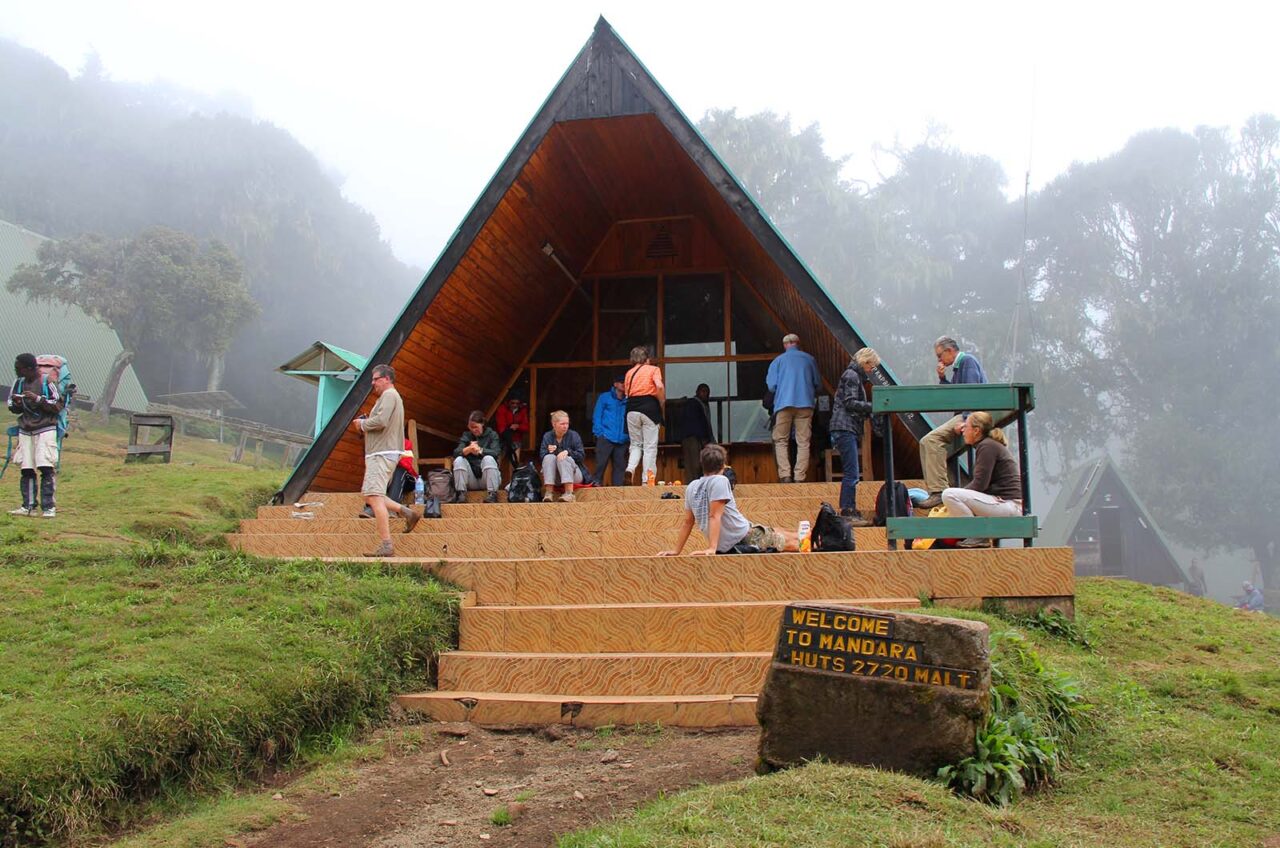
- Marangu Route (5-6 days): The ‘Coca-Cola Route’, it’s the only route with hut accommodation. The 5-day option is very fast and has a lower success rate due to poor acclimatization. The 6-day option is better but still steeper than Machame or Lemosho.
- Northern Circuit (9-10 days): The longest route, offering the highest success rates due to superior acclimatization. It circles the mountain, providing diverse views.
- Rongai Route (6-7 days): Approaches from the north, making it a good option during the rainy season. It’s generally less crowded and offers a different scenic perspective.
How WFR Guides Enhance Route Safety
Regardless of the route chosen for your 2026 or 2027 climb, a WFR guide’s presence amplifies safety:
- Route-Specific Acclimatization: Even on routes designed for good acclimatization, a WFR guide will ensure the pace is right for the group’s overall condition, adjusting as needed based on individual responses.
- Terrain Awareness: They are trained to identify and navigate potential hazards on any given route, from loose scree to icy patches, minimizing the risk of falls and injuries.
- Emergency Response on Any Route: Whether on a busy route like Machame or a less-traveled one like the Northern Circuit, a WFR guide is prepared to handle emergencies effectively. They understand evacuation logistics specific to each route’s access points.
Top Guide Adventures recommends longer routes (7+ days) for Kilimanjaro climbs to maximize acclimatization and success. When you book with us, you can be assured that our WFR-certified guides will be with you every step of the way, ensuring your chosen route is climbed as safely as possible.
Training and Preparation for Your Kilimanjaro Climb with a WFR Guide
While a WFR guide provides expert medical support, your personal preparation is still vital for a successful and safe Kilimanjaro climb. Your physical and mental readiness directly impacts your ability to handle the altitude and the demands of the trek.
Physical Training
The primary focus should be on cardiovascular endurance and leg strength. Aim for:
- Hiking: Regular hikes, ideally with a weighted backpack, on varied terrain. Simulate the conditions you’ll face on Kilimanjaro, including long ascents and descents.
- Cardio: Activities like running, cycling, swimming, or using an elliptical machine for 3-4 sessions per week.
- Strength Training: Focus on leg muscles (quadriceps, hamstrings, calves) and core strength. Squats, lunges, and step-ups are excellent exercises.
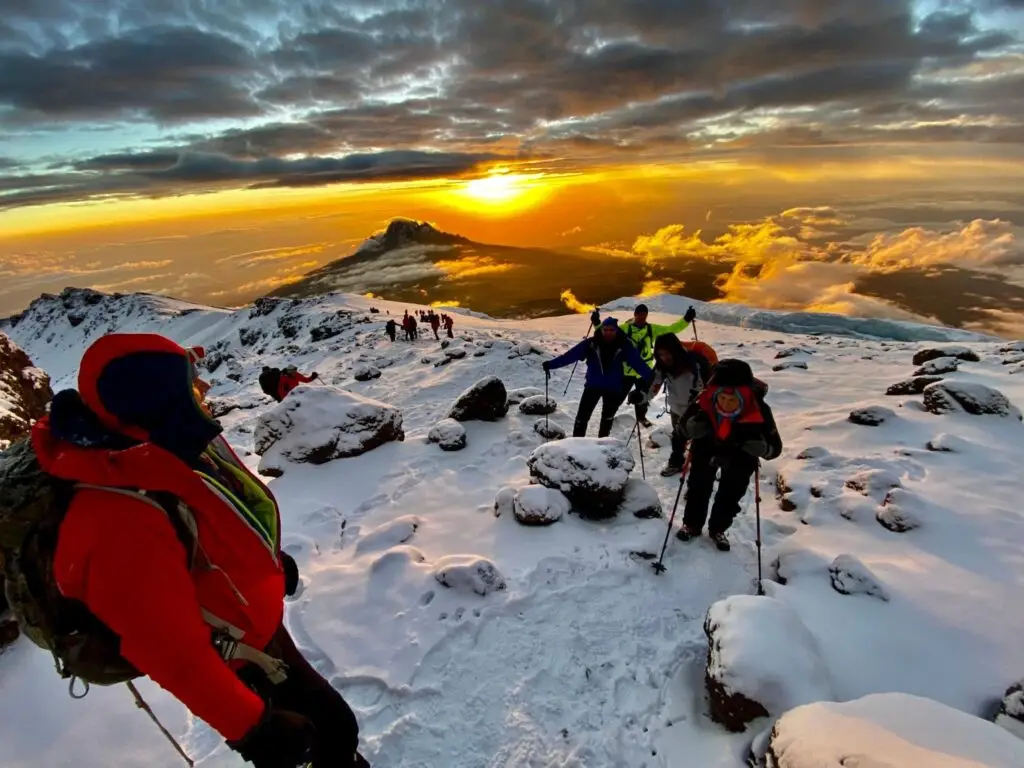
- Stamina: Train for long durations. Many hikes should be 4-6 hours long, with at least one or two exceeding 8 hours to build endurance for summit night.
Mental Preparation
Kilimanjaro is as much a mental challenge as a physical one. Be prepared for:
- Discomfort: You will experience fatigue, cold, and potentially altitude symptoms. Accepting this and having strategies to cope is key.
- Patience: The pace will be slow (‘pole pole’). Learning to be patient and enjoy the journey is important.
- Resilience: There will be moments when you feel like giving up. Developing mental toughness will help you push through these challenges.
- Trusting Your Guide: Understand that your WFR guide is making decisions for your safety. Trust their judgment, even if it means turning back or descending.
Health and Medical Checks
Before committing to your 2026-2027 climb, consult your doctor. Discuss:
- Pre-existing Conditions: Inform them of any heart conditions, respiratory issues, or other health concerns.
- Altitude Medication: Discuss the potential use of Diamox (acetazolamide) for altitude sickness prevention. It is not a cure but can help alleviate symptoms and aid acclimatization. Your doctor will advise if it’s suitable for you.
- Vaccinations: Ensure you are up-to-date on routine vaccinations and any recommended for travel to Tanzania.
Your WFR guide will be your primary medical support on the mountain, but your own preparation ensures you are in the best possible condition to handle the climb and any potential medical issues.
Why Top Guide Adventures is Your Best Choice for a WFR-Supported Kilimanjaro Climb
Choosing the right tour operator is paramount for a safe and successful Kilimanjaro climb. Top Guide Adventures distinguishes itself through its unwavering commitment to client safety, experienced teams, and personalized service. When you plan your Kilimanjaro climb with a Wilderness First-Responder Guide through us, you are partnering with a company that genuinely cares about your well-being and success.
Our Expertise and Dedication for Your 2026-2027 Trek:
- WFR Certified Lead Guides: We prioritize having lead guides who are certified Wilderness First Responders, ensuring a high level of medical preparedness.
- Experienced Mountain Crew: Our porters and assistant guides are also trained in basic first aid and mountain safety, working cohesively under the lead guide’s direction.
- Comprehensive Safety Protocols: From oxygen use to emergency evacuation plans, we adhere to strict safety standards.
- Personalized Support: We offer dedicated support from the moment you inquire until you return home, with personal attention paid to every detail of your journey.
- Tailor-Made Journeys: While we offer standard itineraries, we excel at creating tailor-made trips across Tanzania, ensuring your Kilimanjaro climb fits perfectly into your overall travel plans.
- Transparent Inclusions: We clearly outline what is included in our packages, so you know exactly what to expect.
We believe that climbing Kilimanjaro should be an achievable dream for many, and we are dedicated to making that dream a reality with the highest standards of safety and support. For inquiries about your 2026 or 2027 climb, or to discuss custom itineraries, please reach out.
Our commitment extends beyond just the climb itself. As one of Tanzania’s trusted tour companies, we organize complete travel experiences, including safaris and Zanzibar holidays, ensuring a holistic adventure. Contact us to start planning your unforgettable Kilimanjaro experience with the confidence that comes from having expert, medically trained guides.
For any questions or to begin planning your 2026-2027 Kilimanjaro adventure with a Wilderness First-Responder Guide, please feel free to contact us:
- WhatsApp: +255616946642
- Email: topguideadventures@gmail.com
- Backup Email: info@topguideadventures.com
- Website: www.topguideadventures.com
Check Availability for Kilimanjaro Climb With A Wilderness First-Responder Guide Guide
Ready to compare dates, prices, and the best option for your group? Send the package name and travel month so the team can reply with a clear quote, availability, and what is included.
Kilimanjaro Personal First-Aid Kit Checklist For A Safe Climb 2026-2027
Prepare for your Kilimanjaro climb with a comprehensive personal first-aid kit checklist. This guide covers essential items, from basic wound care to altitude sickness remedies, ensuring...
View package details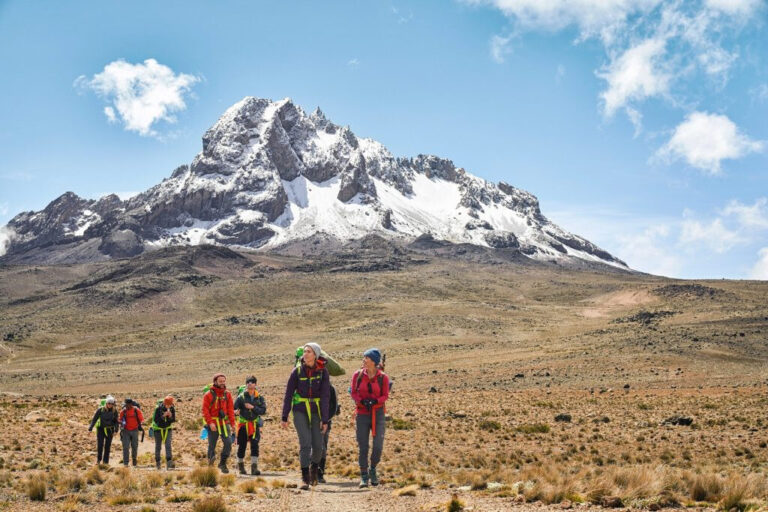
Kilimanjaro Climb With A Hebrew-Speaking Guide: Your Adventure 2026-2027
Discover how to arrange a Kilimanjaro climb with a Hebrew-speaking guide, ensuring a comfortable and culturally connected experience for Israeli hikers planning their 2026-2027 adventure...
View package details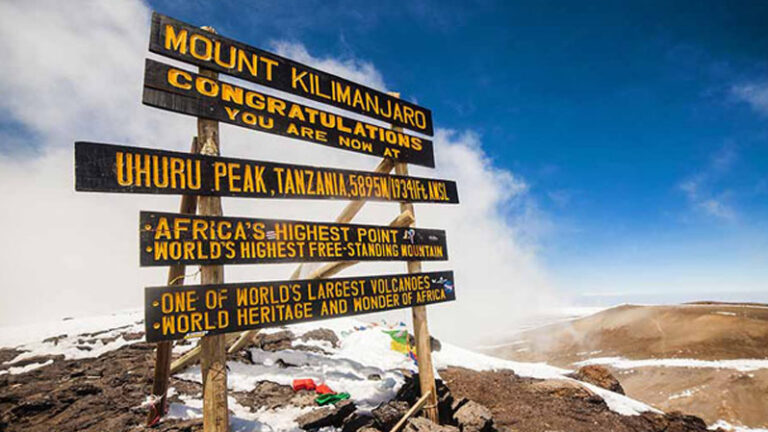
Kilimanjaro Climb With A Korean-Speaking Guide 2026-2027
Kilimanjaro Climb with a Korean-Speaking Guide is explained with current 2026-2027 planning, price, itinerary and booking information.
View package details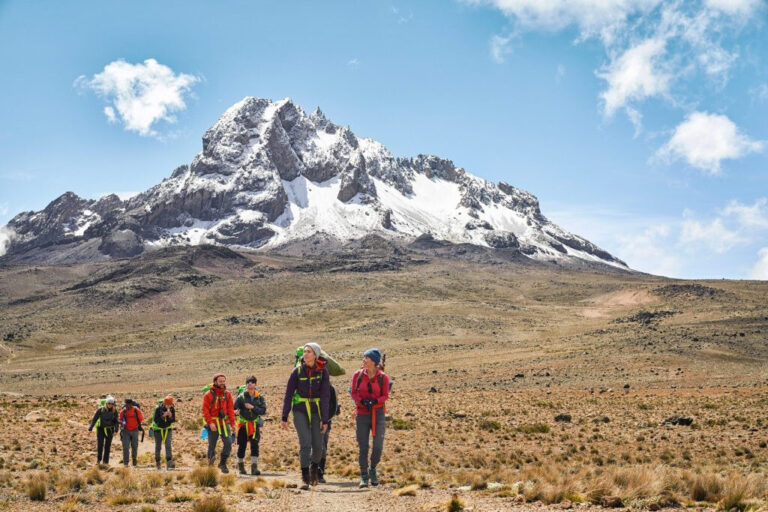
Kilimanjaro Climb With A Japanese-Speaking Guide: Your Ultimate Adventure
start your dream Kilimanjaro climb with a trusted Japanese-speaking guide from Top Guide Adventures. We provide comprehensive support, ensuring a safe and unforgettable experience on...
View package detailsKilimanjaro Climb With An Arabic-Speaking Guide In | Top Adventures 2026-2027
Ascend Mount Kilimanjaro with a dedicated Arabic-speaking guide. Top Guide Adventures provides comprehensive support, safety, and personalized experiences for your 2026-2027 climb.
View package details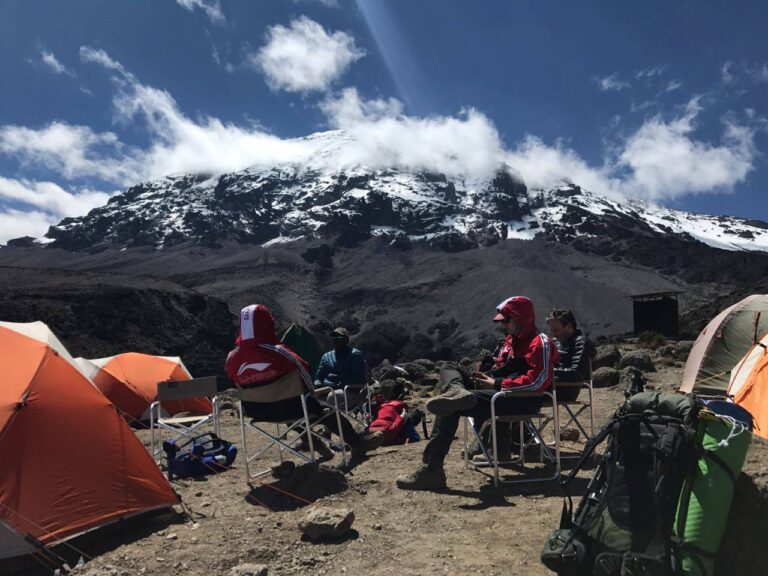
Kilimanjaro Climb With A Russian-Speaking Guide: Your Ultimate Adventure
start your Kilimanjaro adventure with a dedicated Russian-speaking guide. This comprehensive guide covers everything you need to know for a successful climb in 2026-2027, from choosing the...
View package details
Kilimanjaro Climb With A Polish-Speaking Guide: Your Comprehensive Planning
Discover how to arrange a Kilimanjaro climb with a dedicated Polish-speaking guide. This extensive guide covers route options, preparation, costs, and booking considerations for your...
View package details
Kilimanjaro Climb With A Portuguese-Speaking Guide: Your Expert For 2026-2027
Discover everything you need to know for a Kilimanjaro climb with a Portuguese-speaking guide. Top Guide Adventures provides comprehensive planning details for your 2026-2027 ascent...
View package details
Kilimanjaro Climb With A Dutch-Speaking Guide In | Top Adventures 2026-2027
Discover the unparalleled experience of climbing Mount Kilimanjaro with a dedicated Dutch-speaking guide. Top Guide Adventures ensures your safety, comfort, and success on this iconic...
View package details
Kilimanjaro Climb With An Italian-Speaking Guide: Your Ultimate Adventure
start your dream Kilimanjaro climb with a dedicated Italian-speaking guide. Top Guide Adventures provides comprehensive support, ensuring a safe and unforgettable experience on Africa's...
View package detailsKilimanjaro Climb With A Spanish-Speaking Guide 2026-2027
Kilimanjaro Climb with a Spanish-Speaking Guide is explained with current 2026-2027 planning, price, itinerary and booking information.
View package details
Kilimanjaro Climb With A French-Speaking Guide: Your Complete Planning
Discover the unparalleled experience of climbing Mount Kilimanjaro with a dedicated French-speaking guide. This comprehensive guide covers everything you need to know for your 2026-2027...
View package detailsNo related package matches those filters. Clear one or more filters to see the other topic-matched options.



