
The best rain cover for a Kilimanjaro daypack is one that is waterproof, fits snugly without being too tight or too loose, is durable, lightweight, and ideally has a bright color for visibility. For your 2026 or 2027 climb, prioritize covers made from high-denier ripstop nylon or polyester with a PU coating and taped seams, sized appropriately for your specific daypack (typically 20-35 liters).



Why a Dedicated Rain Cover for Your Kilimanjaro Daypack is Non-Negotiable
The summit bid on Kilimanjaro, or even just a day spent trekking through its varied ecological zones, can expose you to rapidly changing weather conditions. While your main luggage is usually handled by porters and kept in waterproof duffels, your daypack is your constant companion. It holds the essentials you need quick access to throughout the hiking day: water, snacks, extra layers, camera, sunscreen, first-aid items, and your passport or permits. Getting these items wet can range from a minor inconvenience to a serious issue, potentially ruining electronics, making you cold, or rendering critical supplies unusable. This is precisely why selecting the best rain cover for your Kilimanjaro daypack isn’t just a recommendation; it’s a vital piece of gear for any successful 2026-2027 trek.
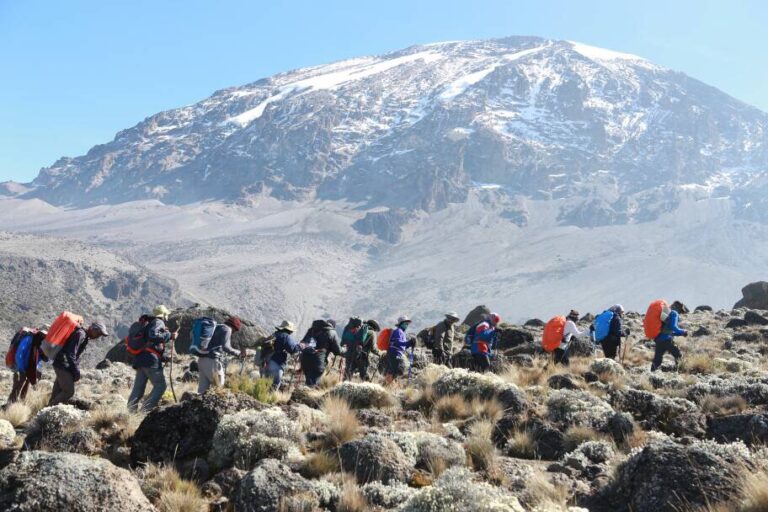
Kilimanjaro’s weather is notoriously unpredictable. You can start your day in the lush rainforest with a gentle mist, ascend through the moorland and experience sudden downpours, reach the alpine desert with strong winds and maybe even hail, and finally face the cold, icy conditions of the arctic summit zone. Each zone presents its own challenges, and a reliable rain cover ensures that the items you’ve carefully packed remain protected, allowing you to focus on the climb and the incredible scenery rather than worrying about your gear’s integrity.
Top Guide Adventures has seen countless trekkers on Kilimanjaro, and one of the most frequently overlooked yet critical pieces of equipment is a good daypack rain cover. Many climbers assume their daypack is waterproof or that a simple plastic bag will suffice. However, a dedicated cover offers superior protection, a secure fit, and added benefits that a makeshift solution simply cannot provide. For your 2026 or 2027 expedition, let’s explore what makes a rain cover truly effective and how to choose the right one.
Key Features to Look for in a Kilimanjaro Daypack Rain Cover
When evaluating potential rain covers for your Kilimanjaro daypack, several features stand out as essential. These aren’t just nice-to-haves; they are fundamental to ensuring your gear stays dry and accessible during your trek.
Waterproof Material and Construction
This is the absolute core requirement. The material should be genuinely waterproof, not just water-resistant. Look for fabrics like high-denier ripstop nylon or polyester. These materials are chosen for their strength and ability to withstand abrasion from rocks and branches. Crucially, they should have a waterproof coating, typically polyurethane (PU), on the inside. The effectiveness of the waterproofing is also determined by the seam construction. Taped seams are a must. These are seams where a waterproof tape is heat-sealed over the stitching, preventing water from seeping through the tiny holes made by the needle. A cover with a PU coating and taped seams will offer the best protection against the heavy rains Kilimanjaro can throw at you.
Proper Fit and Secure Attachment
A rain cover that is too large will flap around in the wind, potentially coming off or not covering the pack effectively. Too small, and it won’t go on easily, especially over a bulky pack. Most daypack covers are sized by the volume of the backpack they are designed to fit. For a Kilimanjaro daypack, which typically ranges from 20 to 35 liters, you’ll want a cover specifically designed for this range. A good cover will have an elasticated hem that cinches around the bottom of the pack, and often a buckle or adjustable strap that goes across the top or sides to keep it securely in place, even in strong winds or when you’re scrambling over rocks. A loose cover is not only ineffective but can also be a hazard.
Durability and Rip Resistance
Your daypack will be exposed to rough treatment. It might get brushed against rocks, snagged on branches, or even placed on rough ground. The rain cover needs to be tough enough to withstand this. Ripstop fabrics are woven in a way that prevents small tears from spreading, making them significantly more durable. A higher denier count (e.g., 190D, 210D, or higher) generally indicates a thicker, more robust fabric, though it also adds a little weight. For Kilimanjaro, a balance between durability and weight is key, but durability should often take precedence for a rain cover.
Lightweight and Packable
While durability is important, you also don’t want your rain cover to add excessive weight or bulk to your pack. The best covers are designed to be lightweight, often using thinner yet strong ripstop materials. They should also be highly packable, folding down into their own small stuff sack or a small integrated pocket. This allows you to keep it easily accessible in your daypack’s lid pocket or side mesh pocket, ready to deploy at a moment’s notice without having to unpack anything.
Visibility and Safety
This is a feature often overlooked but critically important on Kilimanjaro. In foggy conditions, heavy rain, or snow, visibility can be severely reduced. A brightly colored rain cover (e.g., neon yellow, orange, or red) makes your daypack, and by extension yourself, much more visible to your guides, porters, and fellow climbers. This is a significant safety benefit, especially on the mountain’s more exposed sections or in low-light conditions. Some covers also incorporate reflective elements for added visibility in headlamp beams.
Ease of Use
When a sudden downpour hits, you need to be able to put the rain cover on quickly and efficiently. A cover that is intuitive to deploy and secure will be much more practical on the trail. Look for designs that are straightforward, with clear attachment points and simple adjustment mechanisms. For 2026-2027 treks, consider how easily you could put it on with cold fingers or while wearing gloves.
Types of Rain Covers and Why They Matter for Kilimanjaro
While the core function remains the same, different designs of rain covers cater to slightly different needs. For a Kilimanjaro daypack, simplicity and effectiveness are paramount.
Standard Elasticated Covers
These are the most common type. They feature an elasticated edge that simply pulls over your backpack. They often have an additional strap or buckle for extra security. They are generally lightweight and packable. For a Kilimanjaro daypack, this is often the best and most straightforward option. Ensure the elastic is strong and the material is robust.
Full-Coverage Covers with Straps/Buckles
Some covers go beyond a simple elastic hem and incorporate additional straps that buckle around the pack’s chest or waist straps, or even around the haul loops. These offer superior security against wind and movement, which can be beneficial on exposed ridges or during windy ascents. While slightly more complex, the added security can be worth it for a challenging trek like Kilimanjaro.
Integrated Pack Covers
Some backpacks are designed with an integrated rain cover that stows away in a dedicated pocket, usually at the bottom of the pack. While convenient, the quality and effectiveness of these integrated covers can vary widely. Often, they are made of lighter material than a dedicated cover and may not offer the same level of waterproofing or durability. If your daypack has one, test it thoroughly, but consider a dedicated cover as a more reliable backup or primary solution for your 2026-2027 climb.
DIY Solutions (and Why They Fall Short)
Some trekkers consider using garbage bags, plastic sheeting, or waterproof stuff sacks inside their pack. While a waterproof stuff sack for sensitive items (like electronics) is a good idea, a garbage bag as an external cover is a poor substitute. Garbage bags are not designed for abrasion, can tear easily, offer no secure fit, and can be a nightmare to get on and off in a hurry. They also lack the visibility factor. For a trip as significant as Kilimanjaro, investing in a proper rain cover is a small price to pay for peace of mind and gear protection.
Choosing the Right Size for Your Kilimanjaro Daypack
Getting the size right is crucial for the effectiveness of your rain cover. Too small, and it won’t fit. Too large, and it will be a nuisance. Daypacks for Kilimanjaro typically range from 20 to 35 liters. It’s essential to know the exact volume of your daypack before purchasing a cover.
Manufacturers usually provide a size chart or indicate the liter range their covers are designed for. Here’s a general guide:
- 20-30 Liters: Look for covers specifically marked for this range.
- 30-40 Liters: A slightly larger cover might be needed.
Recommendation for 2026-2027 Trekkers: Measure your daypack’s dimensions (height, width, depth) and calculate its approximate volume if unsure. It’s often better to choose a cover that is slightly larger than your pack’s stated volume, especially if you tend to overstuff your daypack, as long as it has good adjustment straps to cinch it down tightly. A cover rated for 30-40 liters might fit a 25-liter pack well, providing a snug fit with its elastic and straps. Always check the manufacturer’s sizing recommendations.
Top Recommended Rain Covers for Kilimanjaro Daypacks (2026-2027)
While specific models change, certain brands consistently produce high-quality, reliable gear. Here are some types of covers and brands that are generally excellent choices for Kilimanjaro daypacks. Always check the latest reviews and model updates for 2026 and 2027.
1. Osprey Ultralight Rain Cover
Osprey is a renowned backpack manufacturer, and their accessories are typically well-designed. The Ultralight Rain Cover is known for being incredibly light and packable. It usually comes in various sizes, including those suitable for 20-35 liter packs. It features a durable ripstop nylon construction with a PU coating and an elasticated hem, often with an additional buckle for security. Their bright colors are excellent for visibility.
2. Deuter Rain Cover
Deuter, another top-tier backpack brand, offers robust rain covers. Their models are often made from a tougher material than some ultralight options, offering excellent durability. They are designed to fit Deuter packs well but are generally compatible with other brands of similar volume. Look for their ‘Packsack’ or ‘Rain Cover’ series in sizes appropriate for your daypack (e.g., Size 1 or 2 for 20-35 liters).
3. Sea to Summit (Various Models)
Sea to Summit excels in creating lightweight, high-performance outdoor gear. Their ‘Waterproof Dry Pack Cover’ or similar models are excellent choices. They are constructed from durable, waterproof ripstop nylon and feature taped seams and a secure, adjustable closure system. They are designed to be compact and easy to store. Check their sizing guides carefully for the best fit.
4. Mac in a Sac
While perhaps more known for their jackets, ‘Mac in a Sac’ also produces effective rain covers. These are often very budget-friendly while still offering good waterproofing and a decent level of durability. They typically feature a simple elasticated design and are available in a range of bright colors. For a 2026-2027 climb, ensure the material feels substantial enough for mountain conditions.
5. Generic Outdoor Brands (e.g., Mountain Warehouse, Decathlon’s Forclaz)
Many outdoor retailers offer their own branded rain covers. These can be a more affordable option. When choosing one, pay close attention to the material’s denier, the presence of taped seams, and the quality of the elastic and straps. A bright color is still a key consideration. These can be perfectly adequate if you inspect them for quality before buying.
Important Consideration for 2026-2027: Always read recent reviews for the specific model you are considering. Materials and designs can evolve, and user feedback from the past year or two is invaluable. Check for comments regarding durability on multi-day treks and effectiveness in heavy rain.
How to Properly Use and Maintain Your Rain Cover
Owning a great rain cover is only half the battle; knowing how to use and care for it ensures its longevity and effectiveness.
Deployment and Securing
1. Access: Keep your rain cover in an easily accessible pocket of your daypack (e.g., lid pocket, front shove-it pocket, or a dedicated stuff sack). You don’t want to be rummaging through your pack during a sudden downpour.
2. Fit First: Before pulling it completely over, position the cover so the elastic is roughly around the bottom circumference of your pack. Ensure the main body of the cover is centered.
3. Secure Straps: If your cover has additional straps or buckles, fasten these next. This might involve connecting a strap across the top, around the shoulder straps, or through haul loops. A snug fit is key to preventing wind from catching it.
4. Check Coverage: Ensure all parts of your daypack are covered, especially the zippers and pockets. Some covers are designed to drape over the front panel, protecting zippers.
Post-Trek Care
1. Drying: After a wet trek, always allow your rain cover to dry completely before packing it away. Storing a damp cover can lead to mildew and damage the waterproof coating. Hang it up in a well-ventilated area, away from direct sunlight which can degrade some materials over time.
2. Cleaning: If the cover becomes dirty, clean it with mild soap and water. Avoid harsh detergents or abrasive cleaners, which can damage the waterproof coating. A soft brush can be used for stubborn dirt.
3. Re-Waterproofing: Over time, the waterproof coating can wear off, especially on the underside where it experiences the most friction. You can re-waterproof your cover using specialized spray-on treatments (like Nikwax or Grangers) designed for outdoor gear. Follow the product instructions carefully. This is a good maintenance step to consider before your 2026 or 2027 climb if your cover is a few years old.
Storage
When not in use, store your rain cover in its stuff sack or a breathable bag. Avoid storing it compressed for long periods, as this can damage the fabric and elastic. A cool, dry place is ideal.
The Role of Your Daypack on Kilimanjaro
Understanding the function of your daypack helps clarify why its protection is so critical. On Kilimanjaro, your daypack is your mobile command center for the day’s trek. It’s what you’ll have on your back from the moment you start hiking until you reach your camp or summit. For a typical day on Kilimanjaro, you’ll be carrying:
- Hydration: Water bottles or a hydration reservoir (bladder). Staying hydrated is paramount, and you don’t want your water supply to be compromised by leaks from wet gear.
- Snacks: Energy bars, nuts, dried fruit – essential fuel for the long hours of trekking. Wet snacks can be unappealing and sometimes ruined.
- Extra Layers: A fleece jacket, thermal base layer, or a warm hat and gloves. These are crucial for warmth, especially as you ascend to colder zones or during rest stops. Getting these wet significantly reduces their insulating properties.
- Sun Protection: Sunscreen, lip balm with SPF, sunglasses, and a wide-brimmed hat. While Kilimanjaro is cold at altitude, the sun’s rays are intense.
- Navigation and Safety: A map (though guides will have these), compass, headlamp (for summit night), basic first-aid kit, and any personal medications. Electronics like cameras, power banks, and phones are also commonly carried here. Water damage to these items can be catastrophic and expensive.
- Documents: Sometimes, permits or identification might be kept in the daypack for easy access.
- Rain Gear: Ironically, your full rain suit might be packed in your daypack, ready to be put on.
Given this critical cargo, the importance of a reliable rain cover for your Kilimanjaro daypack becomes abundantly clear. It’s not just about keeping things dry; it’s about ensuring you have the necessary tools and comfort to complete your climb safely and enjoyably. For trekkers planning their 2026 or 2027 ascent, investing in a quality rain cover is a small but significant step towards a successful expedition.
Kilimanjaro’s Weather: A Deeper Look for 2026-2027 Trekkers
Understanding the microclimates of Kilimanjaro will further emphasize the need for a robust daypack rain cover. The mountain is a world unto itself, with distinct zones, each bringing its own weather challenges.
- Rainforest (Approx. 1,800m – 2,800m): This is the gateway to Kilimanjaro. Expect lush vegetation, often misty or drizzly conditions, and high humidity. Rain here can be persistent, even if not torrential.
- Moorland/Heath (Approx. 2,800m – 4,000m): As you climb out of the forest, the landscape changes. This zone is characterized by grasses, heathers, and giant groundsels. It’s exposed and prone to sudden, heavy downpours, strong winds, and rapid temperature drops. This is where your rain cover will be tested frequently.
- Alpine Desert (Approx. 4,000m – 5,000m): The vegetation becomes sparse, and the environment is harsh and dry, but don’t be fooled. While rain might be less frequent, strong winds can whip up dust and grit, and temperatures can plummet drastically. Unexpected showers or even sleet can occur.
- Arctic Zone (Above 5,000m): This is the summit zone. It’s characterized by extreme cold, strong winds, and often snow or ice. While precipitation might be less about rain and more about snow, the wind and extreme cold mean that any moisture that gets into your pack can freeze or make your essential items unusable.
For your 2026-2027 Kilimanjaro adventure, remember that these zones can blend, and weather can change within minutes. A cover that protects against heavy rain is essential, but one that also helps keep dust and grit out of zippers and pockets in the alpine desert is an added bonus.
When to Use Your Rain Cover
It’s not just about heavy downpours. A good rain cover for your Kilimanjaro daypack is a multi-purpose protective shield.
- Sudden Showers: The most obvious reason. Be ready to deploy it instantly.
- Persistent Drizzle: Even light rain can soak through pack fabrics over hours, compromising contents.
- High Winds: A cover can help prevent dust, sand, or small debris from being blown into your pack’s openings.
- Dusty Conditions: In the drier zones, a cover can keep fine dust from coating everything inside your pack.
- Fog and Mist: These can be surprisingly damp and can saturate gear over time.
- Protecting Electronics: Even if your pack is somewhat water-resistant, using the rain cover provides an extra layer of security for cameras, phones, and power banks.
- When Resting: If you stop for lunch or a break, and the weather is uncertain, putting the cover on can save you time and hassle later.
For trekkers planning their 2026-2027 expeditions, developing the habit of deploying the rain cover proactively rather than reactively will significantly enhance the protection of your gear.
Making Your Final Choice: A Checklist for 2026-2027 Trekkers
Before you commit to purchasing a rain cover for your Kilimanjaro daypack, run through this quick checklist. This will ensure you’re making an informed decision that will serve you well on the mountain.
Your Kilimanjaro Daypack Rain Cover Checklist:
- Is it truly waterproof? Look for PU coating and taped seams.
- What is the material? High-denier ripstop nylon/polyester is ideal.
- What size is it? Ensure it’s rated for your 20-35 liter daypack.
- Does it fit securely? Check for strong elastic and at least one adjustable strap/buckle.
- Is it durable? Ripstop construction and reasonable denier count.
- Is it lightweight and packable? It should fit easily into your pack.
- Is it brightly colored? For visibility and safety.
- Is it easy to use? Can you put it on quickly?
- Are there recent positive reviews? Especially for 2026-2027 trip planning.
- Is it from a reputable brand? (Optional but recommended).
By systematically checking these points, you can be confident that the rain cover you choose will be a reliable piece of equipment for your Kilimanjaro journey. Remember, Top Guide Adventures is here to help you prepare for your 2026 or 2027 climb, ensuring you have all the essential gear sorted.
Beyond the Rain Cover: Complementary Gear Protection
While a quality rain cover for your daypack is crucial, consider these additional measures to ensure all your gear stays dry and functional throughout your Kilimanjaro trek:
- Waterproof Stuff Sacks: For critical items like electronics (camera, phone, power bank, headlamp), spare batteries, and important documents, use dedicated waterproof stuff sacks inside your daypack. This provides a second layer of defense. Brands like Sea to Summit, Osprey, and Outdoor Research offer excellent options.
- Waterproof Main Duffel Bag: Your main luggage, carried by porters, should be in a large, robust, and truly waterproof duffel bag. Many trekking companies provide these, or you can purchase your own. Top Guide Adventures often uses high-quality, waterproof expedition duffels as part of our service to ensure your clothing and sleeping gear remain dry during the trek.
- Waterproof Pouch for Valuables: A small, submersible dry bag or pouch is ideal for keeping your passport, cash, credit cards, and phone protected while in transit or during daily use.
- Ziploc Bags: Simple, effective, and cheap. Use Ziploc bags for organizing smaller items within your pack or stuff sacks, providing an extra barrier against moisture and dust.
Combining a great daypack rain cover with these complementary solutions ensures maximum protection for all your belongings on Kilimanjaro, giving you peace of mind for your 2026-2027 adventure.
Preparing for Your 2026-2027 Kilimanjaro Climb with Top Guide Adventures
As you gear up for what promises to be an unforgettable 2026 or 2027 Kilimanjaro expedition, remember that meticulous preparation is key. The right gear, including the best rain cover for your daypack, can make a significant difference to your comfort and success on the mountain. At Top Guide Adventures, we are dedicated to providing you with a complete and exceptional travel experience across Tanzania, including your Kilimanjaro climb.
Our expert guides and support staff are intimately familiar with Kilimanjaro’s conditions and the gear that performs best. We can offer personalized advice on equipment, itinerary planning, and all aspects of your climb. Whether you are looking at the Machame Route, Lemosho, or another path, ensuring your daypack is protected from the elements is a fundamental step.
We are committed to your safety, comfort, and enjoyment. If you have any questions about gear, our 2026-2027 departure dates, or wish to discuss tailor-made itineraries, please do not hesitate to reach out. You can connect with us via:
- WhatsApp: +255616946642
- Email: topguideadventures@gmail.com
- Backup Email: info@topguideadventures.com
Let Top Guide Adventures help you plan the adventure of a lifetime, ensuring every detail, down to the best rain cover for your Kilimanjaro daypack, is perfectly managed for your 2026-2027 journey.
Check Availability for The Best Rain Cover For A Kilimanjaro Daypack In 2026-2027
Ready to compare dates, prices, and the best option for your group? Send the package name and travel month so the team can reply with a clear quote, availability, and what is included.
Kilimanjaro High-Altitude Running Camp: Training, Itinerary & Expert Guide
Prepare for peak performance on Kilimanjaro with a specialized high-altitude running camp. This comprehensive guide covers training protocols, ideal routes, essential gear, and expert...
View package details
Kilimanjaro Marathon And Materuni Waterfalls Recovery Tour In 2026-2027
Experience the thrill of the Kilimanjaro Marathon followed by a rejuvenating recovery tour to the stunning Materuni Waterfalls. This unique package offers the perfect blend of athletic...
View package details
Kilimanjaro Marathon Training Camp In Moshi: Your Ultimate Preparation Guide
Discover the essential elements of a Kilimanjaro Marathon training camp in Moshi. This guide covers everything from acclimatization and training plans to logistics and why Moshi is the...
View package details
What Size Daypack Do You Need For Kilimanjaro? 2026-2027
What Size Daypack Do You Need for Kilimanjaro? is explained with current 2026-2027 planning, price, itinerary and booking information.
View package details
Kilimanjaro Companion Tour With Private Driver: Your Ultimate Luxury Ascent
A detailed 2026-2027 guide to Kilimanjaro Companion Tour with Private Driver, with clear planning and booking information for travelers.
View package detailsKilimanjaro Zanzibar Extension For Mixed Groups: Your Ultimate Adventure Guide
Combine the thrill of climbing Mount Kilimanjaro with the tropical allure of Zanzibar. This guide details how mixed groups can best plan and enjoy this ultimate Tanzanian adventure in...
View package details
Kilimanjaro Safari Before Rejoining Your Climbing Group | Top Guide Adventures
Combining a safari with your Kilimanjaro climb is a classic Tanzanian adventure. Discover how to seamlessly integrate a wildlife safari experience before meeting your climbing group for the...
View package details
Kilimanjaro Airport And Hotel Support For Climbing Groups | Top Guide
Top Guide Adventures provides comprehensive support for Kilimanjaro climbing groups, from arrival at Kilimanjaro International Airport (JRO) to comfortable hotel stays before and after your...
View package detailsKilimanjaro Summit Celebration Package For Companions: Plan Your
Planning a Kilimanjaro climb with companions and a special summit celebration? This guide covers everything you need to know for 2026-2027, from choosing the right route and package to...
View package detailsMeet Your Climber At Mweka Gate Package: Kilimanjaro Descent Guide 2026-2027
This package is designed for trekkers descending Kilimanjaro via the Mweka Gate, ensuring a smooth and supported transition after their summit. It covers essential post-climb services and...
View package details
Kilimanjaro Coffee And Waterfall Package For Companions: Your Ultimate
This comprehensive package combines the iconic Kilimanjaro climb with the refreshing beauty of local waterfalls and rich coffee plantations, offering an unforgettable adventure for groups...
View package details
Kilimanjaro Photography Tour For Non-Hikers: Capture Iconic Views Safely
Experience the grandeur of Mount Kilimanjaro through a unique photography tour designed for those who prefer not to undertake the challenging climb. Capture impressive landscapes, unique...
View package detailsNo related package matches those filters. Clear one or more filters to see the other topic-matched options.



