
The best thermal underwear for Kilimanjaro combines effective moisture-wicking properties with excellent insulation to keep you warm and dry across varied altitudes. For climbs in 2026 and 2027, prioritize lightweight, breathable merino wool or high-quality synthetic base layers, choosing mid-weight options for tops and bottoms to manage fluctuating temperatures on the mountain.
Why Your Base Layer Matters Most on Kilimanjaro
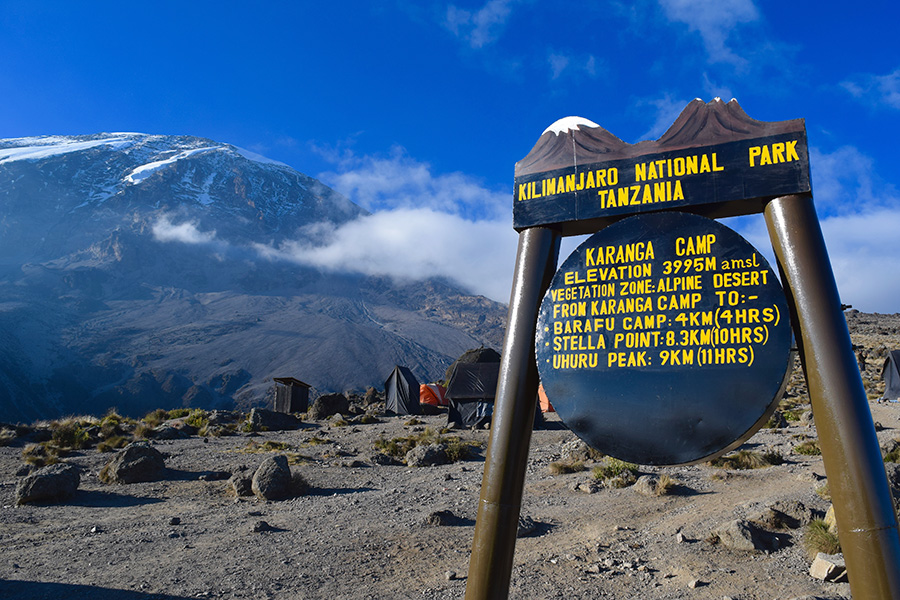
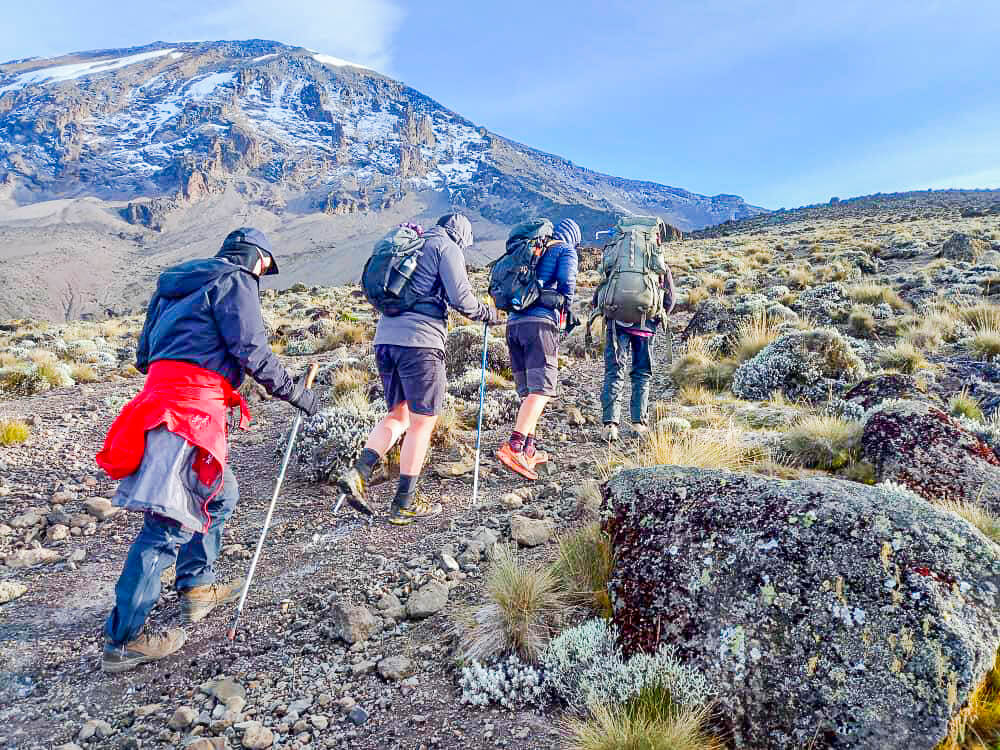
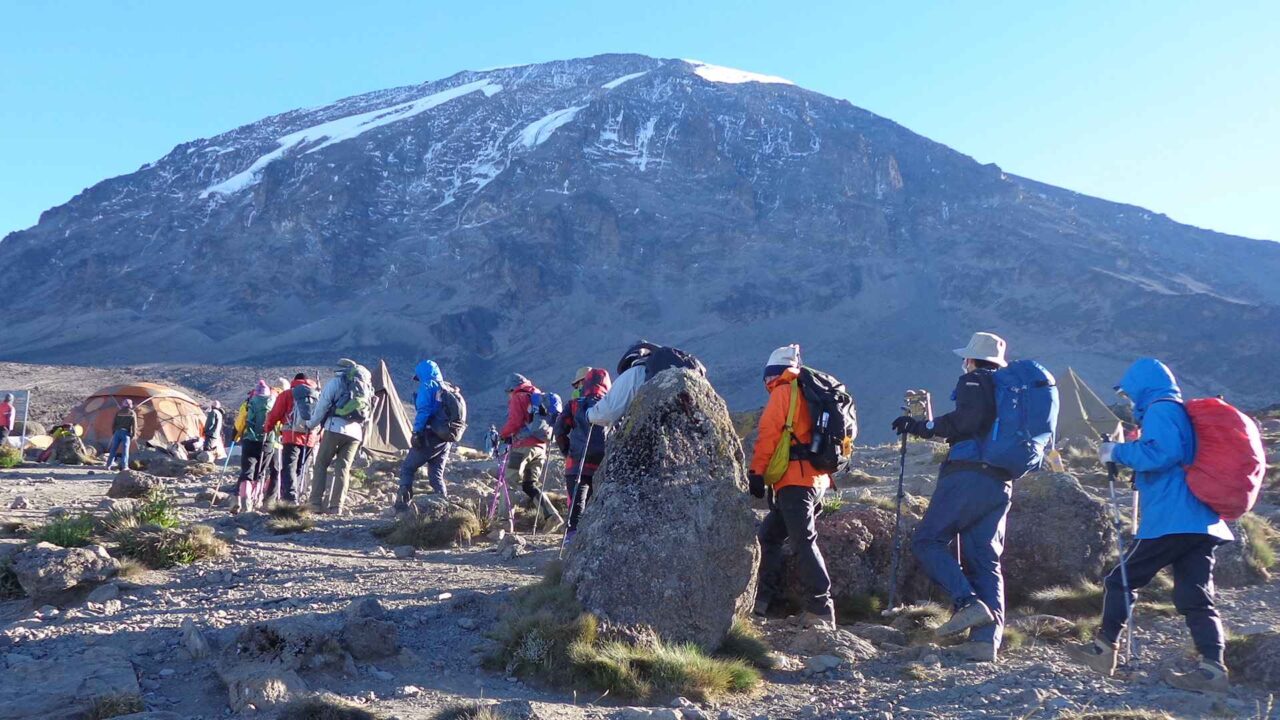
Climbing Kilimanjaro is a journey that tests both your physical and mental endurance. While the summit push at nearly 6,000 meters is undeniably challenging, the conditions you experience throughout the trek, especially the dramatic temperature shifts, are equally significant. This is where your base layer, specifically your thermal underwear, plays a starring role. It’s not just about staying warm; it’s about managing your body’s microclimate, crucial for preventing hypothermia and maintaining comfort. For anyone planning their Kilimanjaro adventure in 2026 or 2027, understanding the nuances of selecting the best thermal underwear can make a substantial difference between a struggle and a successful, enjoyable ascent.
Think of your thermal underwear as the first line of defense against the elements. As you ascend, temperatures can plummet from pleasant daytime highs to well below freezing at night and on summit day. Simultaneously, your body generates heat through exertion. The challenge is to find clothing that can handle both extremes: keeping you warm when you’re stationary or in cold conditions, and wicking away sweat when you’re working hard to prevent chilling from moisture buildup. This dual functionality is the hallmark of high-performing thermal gear for Kilimanjaro.
The mountain’s environment is dynamic. You might start your day in lush rainforests where it’s humid and relatively warm, transition through alpine deserts that are dry and cooler, and finally face arctic conditions near the summit. Your clothing system needs to adapt. The base layer is the foundation of this system. Over it, you’ll layer insulating mid-layers and a protective outer shell. If your base layer fails to manage moisture or provide adequate warmth, the entire system’s effectiveness is compromised. This guide will help you navigate the options and make informed choices for your 2026-2027 Kilimanjaro climb.
Understanding the Key Features of Kilimanjaro Thermal Underwear
When selecting thermal underwear for Kilimanjaro, several critical features stand out. These aren’t just buzzwords; they directly impact your comfort and safety on the mountain. For your 2026 or 2027 climb, pay close attention to these specifications:
Moisture-Wicking Capabilities
This is arguably the most important feature. As you climb, your body sweats. If this sweat is trapped against your skin, it will cool you down rapidly, especially once you stop moving or when the wind picks up. The best thermal underwear actively pulls moisture away from your skin and disperses it through the fabric, allowing it to evaporate. This keeps your skin dry and helps regulate your body temperature.
Insulation (Warmth)
The primary function of thermal underwear is to provide warmth. This is achieved through the fabric’s ability to trap air, creating an insulating barrier. The thickness and type of material determine the level of warmth. For Kilimanjaro, you’ll need layers that offer good insulation without being overly bulky, allowing for freedom of movement and effective layering.
Breathability
While related to moisture-wicking, breathability refers to how well air can pass through the fabric. A breathable fabric allows excess heat and moisture vapor to escape, preventing you from overheating during strenuous activity. This is crucial for maintaining a comfortable internal temperature and avoiding the ‘boil and freeze’ effect.
Comfort and Fit
Thermal underwear should feel comfortable against your skin. Look for soft fabrics and flatlock seams to minimize chafing, especially during long trekking days. A snug, but not restrictive, fit is ideal. It should contour to your body without bunching up or feeling tight, ensuring it performs its wicking and insulating duties effectively.
Durability
Your gear will be put through its paces on Kilimanjaro. The best thermal underwear is made from robust materials that can withstand repeated wear, washing, and the general rigors of trekking without losing their shape, elasticity, or performance characteristics. Investing in durable gear means it will serve you well for this climb and potentially future adventures in 2026, 2027, and beyond.
Material Matters: Merino Wool vs. Synthetics for Kilimanjaro
The choice of material for your thermal underwear is paramount. The two primary contenders for Kilimanjaro expeditions are merino wool and synthetic fabrics. Each has distinct advantages and disadvantages that can influence your comfort and performance on the mountain.
Merino Wool: The Natural Champion
Merino wool is a fine, soft fiber derived from Merino sheep. It has become the gold standard for high-performance outdoor base layers for several compelling reasons:
- Exceptional Warmth-to-Weight Ratio: Merino wool fibers are crimped, trapping air and providing excellent insulation even when wet. It keeps you warm without adding significant bulk.
- Superior Moisture Management: It naturally wicks moisture away from the skin and can absorb a significant amount of moisture vapor without feeling damp.
- Odor Resistance: Merino wool is naturally antimicrobial, meaning it resists the buildup of odor-causing bacteria. You can wear merino base layers for days on end without them becoming unpleasantly smelly – a huge advantage on a multi-day trek like Kilimanjaro.
- Temperature Regulation: It has a unique ability to help regulate body temperature, keeping you warm in the cold and cooler in the heat by managing moisture effectively.
- Softness and Comfort: Unlike traditional wool, merino is very fine and soft, minimizing itchiness and providing a comfortable feel against the skin.
Considerations for Merino Wool: While merino wool is fantastic, it can be more expensive than synthetics. It also tends to dry more slowly than synthetics when saturated and can be slightly less durable, though modern weaves have greatly improved this. For many, the benefits far outweigh these minor drawbacks, making it a top choice for Kilimanjaro climbs in 2026 and 2027.
Synthetic Fabrics: The Performance Workhorse
Synthetic base layers are typically made from polyester, polypropylene, or nylon. They are engineered for performance and offer a different set of advantages:
- Excellent Moisture Wicking: Synthetics are superb at moving moisture away from the skin. They dry very quickly, which is a significant benefit when dealing with sweat or unexpected rain.
- Durability: Synthetic fabrics are generally more robust and resistant to abrasion than merino wool, holding up better to the demands of trekking.
- Quick Drying: If they get wet from sweat or external moisture, synthetics dry remarkably fast, a key factor in staying warm.
- Cost-Effectiveness: Synthetic base layers are often more affordable than their merino wool counterparts, offering a budget-friendly option for your 2026-2027 Kilimanjaro gear list.
- Lightweight: They are typically very lightweight, adding minimal burden to your pack.
Considerations for Synthetics: The main drawback of synthetics is their tendency to retain odors. After a day or two of strenuous activity, they can start to smell, which might be an issue on a longer trek. While some are treated with antimicrobial finishes, they don’t match merino’s natural odor resistance. Also, while they insulate well when dry, their insulating properties can be reduced when wet compared to merino.
Blends: The Best of Both Worlds?
Many brands now offer blends of merino wool and synthetics. These aim to combine the benefits of both materials – the warmth, odor resistance, and comfort of merino with the durability, quick-drying properties, and sometimes lower cost of synthetics. These blends can be an excellent compromise for Kilimanjaro climbers planning for 2026 or 2027.
Weight and Thickness: Choosing the Right Level of Warmth
Thermal underwear comes in various weights, typically categorized as lightweight, midweight, and heavyweight. Selecting the correct weight is crucial for managing Kilimanjaro’s extreme temperature variations.
Lightweight Base Layers
Best for: Active use in milder conditions, or as a base layer under warmer layers in colder weather. They offer minimal insulation but excel at moisture-wicking and breathability.
Kilimanjaro application: Lightweight thermals can be useful for the lower, warmer sections of the mountain (e.g., the rainforest zone) or for sleeping on warmer nights. They are also excellent for high-output activity on any part of the mountain where you anticipate generating a lot of body heat.
Midweight Base Layers
Best for: General use in cool to cold conditions. They provide a good balance of insulation and breathability, making them versatile.
Kilimanjaro application: Midweight thermals are often the sweet spot for Kilimanjaro. They offer enough warmth for the higher, colder altitudes without being overly restrictive. You’ll likely wear midweight tops and bottoms for most of your trek, especially during the ascent stages and on summit night. For 2026-2027 climbs, planning for midweight is a safe bet for your primary base layers.
Heavyweight Base Layers
Best for: Extreme cold, low-activity situations, or as a dedicated sleeping layer.
Kilimanjaro application: While you might consider heavyweight for summit night if you tend to get very cold, they can be too warm for active trekking on Kilimanjaro. They are bulky and can restrict movement. If you opt for heavyweight, ensure it’s a specific need and not a general requirement for the entire trek. A midweight base layer with a good insulating mid-layer is usually a more effective strategy.
Recommendation for 2026-2027 Climbers: Pack at least two sets of midweight thermal underwear (one top and one bottom). Consider bringing one set of lightweight thermals for warmer days or high exertion, and potentially a heavyweight set if you are particularly susceptible to cold for sleeping or summit night. Having options allows you to adapt to changing conditions and activity levels.
Top Thermal Underwear Brands and Models for Kilimanjaro
Many reputable brands offer excellent thermal underwear suitable for Kilimanjaro. Here are some of the most highly recommended, considering their performance, durability, and suitability for the mountain’s conditions. These brands are consistently reliable for expeditions planned in 2026 and 2027.
Merino Wool Options
- Icebreaker: Known for its 100% merino wool base layers. Their 200-weight (midweight) Oasis line is a popular choice. It’s soft, breathable, and naturally odor-resistant. The men’s and women’s versions offer excellent fit and comfort.
- Smartwool: Another leader in merino wool apparel. Their Merino 250 Base Layer (equivalent to midweight) is a robust option that provides significant warmth and excellent moisture management. They also offer lighter weights for milder conditions.
- Darn Tough: While primarily known for socks, Darn Tough also makes merino wool base layers that are incredibly durable and comfortable. Their focus on “unconditionally guaranteed for life” speaks to their quality.
- Ortovox: This brand often uses a blend of merino wool and Tencel (a wood-based fiber) or 100% merino. Their base layers are known for their excellent thermal properties and comfort, often incorporating different fabric weights in different zones for optimal performance.
Synthetic Options
- Patagonia Capilene: The Capilene line, particularly Capilene Midweight, is a synthetic benchmark. It offers superb moisture-wicking, quick drying, and good warmth. It’s also made with recycled materials, appealing to environmentally conscious climbers.
- Arc’teryx Rho: Arc’teryx offers high-performance synthetic base layers like the Rho AR (All Round). These are designed for serious mountain activities, offering excellent thermal regulation and durability.
- Columbia Omni-Heat: Columbia’s Omni-Heat technology uses metallic dots in the fabric to reflect body heat. Their thermal base layers can be very warm and are often more budget-friendly.
- Under Armour ColdGear: A popular choice for athletic performance, Under Armour’s ColdGear line provides good warmth and moisture management for active pursuits.
Blended Options
- Rab: Rab offers excellent technical outdoor gear, including base layers that often feature merino wool blends. Their focus on mountain sports means their gear is designed for harsh conditions.
- Mountain Hardwear: They produce a range of base layers, some of which combine synthetic fibers with merino wool for a balance of performance characteristics.
Choosing for 2026-2027: When selecting, consider your personal preference for fabric feel, your budget, and your specific needs regarding odor control versus rapid drying. For most Kilimanjaro climbers, a 200-weight (midweight) merino wool or a high-quality synthetic midweight base layer is the most versatile and recommended choice.
How Many Sets of Thermal Underwear Do You Need for Kilimanjaro?
Packing the right quantity of thermal underwear is a balance between having enough clean options and not overpacking. For a typical 7-day Kilimanjaro climb, aiming for 2026 or 2027, here’s a practical recommendation:
- Minimum: Two full sets (one top and one bottom for each set). This allows you to wear one set while the other is drying or being washed (though washing is rare on the mountain).
- Recommended: Three full sets (three tops and three bottoms). This is ideal. It provides ample opportunity to rotate clean layers, ensures you always have a dry option, and allows for a more comfortable experience, especially if you sweat a lot or encounter wet conditions.
Why more is better: Even with excellent moisture-wicking, base layers can become damp from sweat, particularly during strenuous ascents. Having a dry set to change into for sleeping can significantly improve comfort and help prevent you from getting cold. If you choose merino wool, their odor-resistant properties mean you can wear them for longer periods, but having multiple sets still enhances overall comfort and hygiene.
Drying on the Mountain: While your outfitter might offer to wash items, it’s not guaranteed, and drying can take time. You can often hang your base layers inside your tent overnight, or even wear them inside your sleeping bag to let body heat help them dry, but this is slow. Having multiple sets is the most reliable way to ensure you always have dry, comfortable thermal underwear available for your 2026-2027 Kilimanjaro climb.
Tips for Wearing and Caring for Your Thermal Underwear on Kilimanjaro
Proper use and care of your thermal underwear will maximize its lifespan and performance, ensuring you stay comfortable throughout your Kilimanjaro trek in 2026 or 2027.
Wearing Your Base Layers
- Layering is Key: Your thermal underwear is just the first layer. Always pair it with appropriate mid-layers (fleece, down jacket) and an outer shell (waterproof and windproof jacket and pants) as conditions demand.
- Avoid Cotton: Never wear cotton base layers. Cotton absorbs moisture and holds it, leading to rapid chilling. Stick strictly to merino wool or synthetics.
- Change if Damp: If you sweat heavily and your base layer feels significantly damp, change into a dry set if possible, especially before sleeping.
- For Sleeping: Many climbers opt to sleep in a clean, dry set of thermal underwear to maximize warmth and comfort in their sleeping bag. This is a good strategy.
Caring for Your Base Layers
- Washing Instructions: Always follow the manufacturer’s care label. Merino wool generally requires gentle washing with cool water and mild detergent. Avoid fabric softeners, as they can clog the fibers and reduce wicking ability.
- Hand Washing: On the mountain, you might need to hand wash a set. Use a small amount of mild soap and cool water, rinse thoroughly, and gently wring out excess water.
- Drying: Air dry your thermal underwear whenever possible. Avoid direct high heat (like a clothes dryer on high setting or direct campfire heat), as this can damage the fibers and elastic. Lay them flat or hang them to dry, away from direct sunlight if possible to prevent fading.
- Storage: Store your clean, dry base layers in a breathable bag. Avoid storing them in plastic bags for extended periods, which can trap moisture.
By following these simple guidelines, your thermal underwear will serve you reliably on your Kilimanjaro expedition, whether it’s in the immediate future or planned for 2026 or 2027.
Beyond the Base Layer: Building Your Kilimanjaro Clothing System
While the best thermal underwear for Kilimanjaro is foundational, it’s part of a larger, integrated clothing system. Understanding how your base layers interact with other garments is essential for staying comfortable and safe across the mountain’s diverse climate zones. Your Top Guide Adventures team will provide detailed packing lists, but here’s a general overview for your 2026-2027 climb:
Mid-Layers: Insulation
These layers go over your base layer to trap body heat. Options include:
- Fleece Jackets/Pants: Versatile, warm, and breathable. Mid-weight fleece (like Polartec 100 or 200) is a standard choice.
- Down or Synthetic Insulated Jackets: Provide significant warmth for their weight, crucial for colder sections and summit night. A lightweight down jacket or a synthetic equivalent is highly recommended.
- Insulated Vests: Offer core warmth without restricting arm movement.
How they work with thermals: You might wear a fleece jacket over your thermal top on cooler days. On summit night, you’ll likely wear a thermal top and bottom, a fleece layer, and then a heavy down jacket. The base layer’s role is to manage the moisture generated by your body beneath these insulating layers.
Outer Layers: Protection
These are your waterproof and windproof garments, essential for protecting you from the elements, especially at higher altitudes.
- Waterproof/Breathable Jacket (Hardshell): A good quality, breathable, and waterproof jacket is non-negotiable. It should have a hood to protect your head and face.
- Waterproof/Breathable Pants: Full-length side zips are very useful for putting them on or taking them off without removing your boots.
- Windproof Layers: Sometimes a dedicated windbreaker can be useful, though a good hardshell often provides sufficient wind protection.
How they work with thermals: The outer shell prevents wind and rain from penetrating your insulating layers, thus preserving their warmth. It also helps to vent moisture from your inner layers, working in tandem with your base layer to keep you dry from both the inside and outside.
Accessories: The Finishing Touches
Don’t underestimate the importance of accessories:
- Warm Hat: Essential for retaining body heat. A fleece or wool hat is ideal.
- Gloves/Mittens: You’ll need a system. Lightweight liner gloves (often thermal material), waterproof outer gloves, and potentially very warm mittens for summit night.
- Buff/Neck Gaiter: Protects your neck and face from wind and sun. A thermal neck gaiter is excellent for colder conditions.
- Socks: Crucial for foot comfort and preventing blisters. Pack multiple pairs of wool or synthetic hiking socks, varying in thickness.
- Gaiters: Keep debris and snow out of your boots.
Your base layer, especially your thermal underwear, is the critical first step in ensuring all these layers work together effectively to keep you warm, dry, and comfortable on your Kilimanjaro adventure in 2026 or 2027. A well-chosen set of thermal underwear is an investment in your comfort and success.
Planning Your 2026-2027 Kilimanjaro Climb with Top Guide Adventures
Embarking on a Kilimanjaro climb is a significant undertaking, and meticulous planning is key to a successful and memorable experience. At Top Guide Adventures, we specialize in crafting smooth Kilimanjaro expeditions, providing personalized attention and dedicated support for every client. Whether you’re looking at climbing in late 2026 or well into 2027, our expert team is here to guide you every step of the way.
We understand that selecting the right gear, including the best thermal underwear for Kilimanjaro, is a critical part of your preparation. Our itineraries are designed to maximize your chances of summit success while ensuring your safety and comfort. We offer a range of routes, from the popular Machame route to the Lemosho and Marangu routes, catering to different preferences and fitness levels. For those planning their 2026 or 2027 ascent, we recommend booking in advance to secure your preferred dates and ensure availability, especially during peak climbing seasons.
Our commitment extends beyond just logistics. We provide comprehensive pre-departure information, including detailed packing lists that emphasize essential items like high-quality thermal underwear. We also offer guidance on acclimatization, training, and what to expect on the mountain. Our experienced guides are not only skilled in navigation and safety but also in providing encouragement and support, ensuring your journey is as enjoyable as it is challenging.
Choosing Top Guide Adventures means partnering with a trusted Tanzanian tour company dedicated to creating authentic and unforgettable travel experiences. We pride ourselves on our attention to detail, our commitment to client care, and our deep knowledge of Kilimanjaro and Tanzania.
Ready to start planning your Kilimanjaro adventure for 2026 or 2027? We are here to help. For personalized advice on routes, gear, pricing, or any other aspect of your climb, please reach out to us:
- WhatsApp: +255616946642
- Email: topguideadventures@gmail.com
- Backup Email: info@topguideadventures.com
Let us help you prepare for the climb of a lifetime. We look forward to assisting you with the best thermal underwear for Kilimanjaro and all your other trekking needs for your 2026-2027 expedition.
“,
“faq_schema”: [
{
“question”: “What is the most important feature of thermal underwear for Kilimanjaro?”,
“answer”: “The most important feature is excellent moisture-wicking capability, followed closely by good insulation. This combination keeps you dry from sweat and warm in the cold, preventing dangerous chilling at high altitudes.”
},
{
“question”: “Should I choose merino wool or synthetic thermal underwear for Kilimanjaro?”,
“answer”: “Both are excellent, but merino wool is often preferred for its superior odor resistance, natural temperature regulation, and comfort, even when damp. Synthetics offer faster drying times and are typically more durable and affordable. Blends can offer a good balance.”
},
{
“question”: “What weight of thermal underwear is best for Kilimanjaro?”,
“answer”: “Midweight (often 200-250 weight for merino wool) is generally the most versatile and recommended option for Kilimanjaro. It provides a good balance of warmth and breathability for the mountain’s varying temperatures. Lightweight can be useful for warmer sections or high exertion, while heavyweight is best reserved for sleeping or extreme cold.”
},
{
“question”: “How many sets of thermal underwear do I need for a Kilimanjaro climb?”,
“answer”: “It’s recommended to pack at least two, but ideally three, full sets of thermal underwear (tops and bottoms). This allows you to rotate clean, dry layers, which significantly enhances comfort, especially for sleeping and managing sweat.”
},
{
“question”: “Can I wear cotton thermal underwear on Kilimanjaro?”,
“answer”: “Absolutely not. Cotton absorbs moisture and holds it against your skin, leading to rapid heat loss and a high risk of hypothermia. Always opt for merino wool or synthetic base layers for Kilimanjaro.”
},
{
“question”: “When is the best time to buy thermal underwear for a 2026 or 2027 Kilimanjaro climb?”,
“answer”: “It’s best to purchase your thermal underwear several months in advance of your 2026 or 2027 climb. This allows you time to test them during training hikes to ensure a comfortable fit and optimal performance, and to make exchanges if necessary.”
},
{
“question”: “How should I care for my thermal underwear after my Kilimanjaro climb?”,
“answer”: “Follow the manufacturer’s care instructions. Generally, wash merino wool gently with cool water and mild detergent, avoiding fabric softeners. Synthetics can usually be machine washed on a gentle cycle. Always air dry; avoid high heat which can damage the fibers.”
}
]
}
“`
Check Availability for Best Thermal Underwear For Kilimanjaro 2026-2027
Ready to compare dates, prices, and the best option for your group? Send the package name and travel month so the team can reply with a clear quote, availability, and what is included.
Single-Occupancy Tents On Kilimanjaro: Your Guide To Privacy And Comfort
Discover the advantages of opting for a single-occupancy tent during your Kilimanjaro climb. This guide details the benefits, costs, and booking process for solo tent arrangements, ensuring...
View package details
How Comfortable Are Kilimanjaro Mountain Tents? A Guide 2026-2027
Understand the comfort levels of tents used on Kilimanjaro climbs. This guide details tent types, essential features, and factors influencing your sleeping experience, crucial for planning...
View package details
How To Stay Clean During A Seven-Day Kilimanjaro Trek | Top Guide Adventures
Maintaining hygiene on Mount Kilimanjaro for seven days is achievable with the right preparation and practices. This guide details essential strategies for staying clean, from managing...
View package details
Can You Change Clothes Privately On Kilimanjaro? Guide
Discover how to maintain privacy and comfort while changing clothes during your Kilimanjaro trek. Top Guide Adventures explains the practicalities of staying clean and dignified on the...
View package details
What Happens To Human Waste On Kilimanjaro? Managing On Africas Highest Peak
Human waste on Kilimanjaro is managed through a system of collection and removal, primarily using portable toilets and waste bags, to protect the mountain's fragile ecosystem. This guide...
View package detailsHow To Use A Toilet Tent On Kilimanjaro 2026-2027
How to Use a Toilet Tent on Kilimanjaro is explained with current 2026-2027 planning, price, itinerary and booking information.
View package detailsMenstrual Care While Climbing Kilimanjaro: Expert Guide 2026-2027
Climbing Kilimanjaro while menstruating is entirely manageable with proper planning. This comprehensive guide from Top Guide Adventures offers essential advice on managing your period on...
View package details
Feminine Hygiene During A Kilimanjaro Climb 2026-2027
Feminine Hygiene during a Kilimanjaro Climb is explained with current 2026-2027 planning, price, itinerary and booking information.
View package details
How To Brush Your Teeth On Kilimanjaro: Essential Hygiene Tips For Trekkers
Maintaining oral hygiene on Mount Kilimanjaro is crucial for comfort and health. Learn the best practices for brushing your teeth at altitude, from water conservation to gear selection...
View package details
How To Wash On Mount Kilimanjaro 2026-2027
How to Wash on Mount Kilimanjaro is explained with current 2026-2027 planning, price, itinerary and booking information.
View package details
How Private Are Kilimanjaro Campsites? 2026-2027
How Private Are Kilimanjaro Campsites? is explained with current 2026-2027 planning, price, itinerary and booking information.
View package detailsAre Kilimanjaro Camps Noisy At Night? A Climbers Guide To Sleep And Sound
Understand the noise levels at Kilimanjaro camps to better prepare for your trek. This guide covers what sounds you might hear, factors influencing noise, and how to ensure a restful...
View package detailsNo related package matches those filters. Clear one or more filters to see the other topic-matched options.



