
A well-packed Kilimanjaro toiletries and hygiene kit is crucial for comfort and health during your trek; essential items include biodegradable soap, hand sanitizer, wet wipes, toothbrush and toothpaste, sunscreen, lip balm with SPF, insect repellent, and a basic personal first-aid kit, all packed in waterproof bags to manage the challenging mountain environment.
Understanding Your Kilimanjaro Toiletries and Hygiene Needs
Climbing Mount Kilimanjaro is an extraordinary adventure, pushing your physical and mental limits. While the focus is often on clothing, footwear, and specialized trekking gear, maintaining personal hygiene and managing toiletries can significantly impact your comfort, health, and overall enjoyment of the climb. The conditions on Kilimanjaro are unique: you’ll experience dramatic temperature shifts, varying levels of humidity, and limited access to running water. Therefore, a strategic approach to packing your Kilimanjaro toiletries and hygiene essentials is paramount. This guide from Top Guide Adventures aims to provide a comprehensive overview, ensuring you’re well-prepared for every aspect of your trek, from the initial ascent through the diverse ecological zones to the final triumphant summit and descent.
Our experience guiding countless climbers to the roof of Africa since 2012 has shown us that overlooking personal care items can lead to discomfort, skin issues, and even minor health problems that can detract from the magnificent experience. This isn’t about luxury; it’s about practicality. Staying clean, protecting your skin, and managing personal needs effectively are key components of a successful and enjoyable Kilimanjaro expedition. We’ll cover everything from what kind of soap is best suited for the environment to how to manage waste responsibly on the mountain.
Why Hygiene Matters on Kilimanjaro
The importance of hygiene on a multi-day trek like Kilimanjaro cannot be overstated. You’ll be living in close quarters with your fellow trekkers and guides for several days, often in tents or basic mountain huts. Good hygiene practices help prevent the spread of germs, reducing the risk of common illnesses such as colds, stomach bugs, or skin infections. These can not only make you feel unwell but can also compromise your energy levels and ability to acclimatize, potentially impacting your summit bid.
Furthermore, the harsh mountain environment itself presents specific challenges. The high altitude, intense sun exposure, and dry air can lead to dry skin, chapped lips, and sunburn. Managing these conditions with appropriate toiletries is vital for comfort. While porters will carry the bulk of your gear, your personal toiletries and hygiene items should be easily accessible, often in your daypack, so you can use them as needed throughout the day. This practicality is a cornerstone of our advice for any Kilimanjaro climb.
The Core Kilimanjaro Toiletries and Hygiene Packing List
Based on years of experience and feedback from our clients, here is a detailed list of toiletries and hygiene items that will serve you well on your Kilimanjaro climb. We emphasize lightweight, multi-functional, and biodegradable products wherever possible, aligning with responsible trekking practices. Remember to pack these in small, travel-sized containers to save space and weight.
- Personal Hygiene Essentials:
- Toothbrush and Biodegradable Toothpaste
- Biodegradable Soap (multi-purpose for body and potentially laundry)
- Small Quick-Dry Towel
- Hand Sanitizer (at least 60% alcohol)
- Flushable Biodegradable Wet Wipes (for quick clean-ups)
- Toilet Paper (carry extra, as it’s not always provided)
- Feminine Hygiene Products (if applicable)
- Skin Protection:
- High SPF Sunscreen (SPF 30-50+, broad-spectrum)
- Lip Balm with SPF
- Moisturizer (for face and hands)
- Aloe Vera Gel (for sunburn relief)
- Personal Care & Health:
- Personal First-Aid Kit (see detailed section below)
- Insect Repellent (especially for lower altitudes)
- Any personal prescription medications
- Pain Relievers (e.g., Ibuprofen, Paracetamol)
- Blister Treatment (e.g., Moleskin, Compeed)
- Diamox (if prescribed for altitude sickness)
- Optional but Recommended:
- Small Mirror
- Nail Clippers and File
- Tweezers
- Hand Lotion
- Small amount of Laundry Soap (biodegradable, for washing small items)
- Dry Shampoo (for a quick refresh)
Choosing the Right Products: Biodegradable and Travel-Sized
On Kilimanjaro, environmental impact is a serious consideration. Many of the products you use will eventually need to be packed out or disposed of responsibly. This is why we strongly recommend choosing biodegradable toiletries. These products break down naturally in the environment, minimizing their footprint. Look for labels that indicate biodegradability for soaps, shampoos, and even toilet paper. Similarly, opting for travel-sized containers is a practical choice. You won’t need full-sized bottles of anything, and smaller items reduce the weight and bulk of your gear, which is beneficial for both you and the porters carrying your main luggage.
For items like toothpaste, consider purchasing smaller tubes or transferring contents from larger tubes into reusable travel containers. The same applies to lotions, creams, and any liquid soaps. When packing, ensure all liquids are in leak-proof containers and ideally placed inside a waterproof bag to prevent any accidental spills from contaminating other items in your pack. This foresight in selecting and packing your Kilimanjaro hygiene items can prevent a lot of potential headaches on the mountain.
Detailed Breakdown: Essential Kilimanjaro Toiletries
Let’s dive deeper into each category of toiletries and hygiene items, explaining why they are important and offering specific advice for your Kilimanjaro expedition.
1. Personal Hygiene Essentials
These are the daily items you’ll rely on to stay feeling fresh and clean, even without showers.
Toothbrush and Biodegradable Toothpaste
Maintaining oral hygiene is important, especially when dealing with the dry, dusty air on Kilimanjaro. Pack a standard toothbrush and a travel-sized tube of toothpaste. Consider a toothbrush with a protective cap. For environmental reasons, biodegradable toothpaste options are available and are a good choice.
Biodegradable Soap
A versatile, biodegradable soap is a must-have. It can be used for washing your hands and face, and even for a quick wash of clothes in your tent. Many climbers opt for a solid bar soap, which is less prone to leakage than liquid soap. Ensure it’s environmentally friendly, as any wastewater needs careful management on the mountain. Brands like Dr. Bronner’s offer concentrated, biodegradable liquid soaps that can be diluted and used for multiple purposes.
Small Quick-Dry Towel
A small, lightweight, and quick-drying towel is invaluable. It’s perfect for drying your face and hands after washing, or for wiping down sweat. Microfiber towels are highly recommended for their absorbency and fast drying properties, taking up minimal space in your pack.
Hand Sanitizer
This is arguably one of the most critical items for preventing illness on Kilimanjaro. You’ll want to use hand sanitizer frequently, especially before eating, after using the ‘toilet’ (which is usually a hole in the ground or a basic long-drop toilet), and after touching shared surfaces. Carry a bottle in your daypack for easy access. Ensure it has a high alcohol content (at least 60%) for effective germ-killing.
Flushable Biodegradable Wet Wipes
Wet wipes offer a quick and refreshing way to clean yourself when a full wash isn’t possible. They are excellent for cleaning hands, face, and any other exposed skin. Look for flushable biodegradable wet wipes, though it’s important to remember that ‘flushable’ doesn’t always mean they will break down quickly in the mountain’s delicate ecosystem. The safest practice is to pack all used wipes out in a designated waste bag.
Toilet Paper
While guides and porters will often try to provide basic toilet facilities at campsites, it’s wise to carry your own supply of toilet paper. Choose a brand that is easily biodegradable. You’ll also need a separate bag to pack out all used toilet paper, as leaving it behind is strictly prohibited and environmentally damaging.
Feminine Hygiene Products
For women, bringing an adequate supply of sanitary pads, tampons, or menstrual cups is essential. Ensure you have a plan for disposing of used products responsibly. Pack them in sealed plastic bags and carry them back down the mountain with you. Consider bringing a small amount of biodegradable soap for personal washing.
2. Skin Protection
The sun’s UV rays are incredibly strong at high altitudes, and the dry air can dehydrate your skin.
High SPF Sunscreen
Sun protection is non-negotiable on Kilimanjaro. The sun’s intensity increases significantly with altitude, and the reflection off snow and ice can be intense. Apply sunscreen liberally to all exposed skin (face, neck, ears, arms, legs) every few hours, even on cloudy days. A broad-spectrum sunscreen with SPF 30-50+ is recommended. Consider a mineral-based sunscreen for sensitive skin.
Lip Balm with SPF
Your lips are very susceptible to sunburn and dryness. A good quality lip balm with SPF will protect them from the sun and prevent painful chapping. Reapply frequently throughout the day.
Moisturizer
The dry, cold air at higher altitudes can lead to dry, cracked skin. A good moisturizer for your face and hands will help combat this. Opt for a heavier cream for nighttime use if your skin is particularly dry.
Aloe Vera Gel
While prevention is key, having some aloe vera gel on hand can provide soothing relief if you do get sunburned. It’s also effective for minor skin irritations.
3. Personal Care & Health
Beyond basic cleaning, these items address common health concerns and personal needs on the trek.
Personal First-Aid Kit
While your guides will carry a comprehensive medical kit, having your own small, personal first-aid kit is highly advisable. It should contain items for immediate, personal use. See the dedicated section below for a detailed breakdown of what to include.
Insect Repellent
Mosquitoes and other biting insects are most prevalent at the lower altitudes, particularly around the rainforest zone near the park entrance. While they are less of a concern at higher camps, carrying a repellent containing DEET or Picaridin can be useful for the first day or two, and for evenings at lower camps. For 2026 and 2027 climbs, conditions can vary, so it’s always best to be prepared.
Personal Prescription Medications
If you take any prescription medications, ensure you bring enough for the entire duration of your trek, plus a few extra days in case of delays. Keep these in their original packaging with your prescription details. Carry them in your daypack.
Pain Relievers
Over-the-counter pain relievers like Ibuprofen or Paracetamol can be helpful for headaches, muscle aches, or minor pains that may arise during the trek. Consult your doctor about appropriate dosages for you.
Blister Treatment
Blisters are a common trekking ailment. Packing items like Moleskin, Compeed, or specialized blister bandages can make a huge difference in managing them and continuing your trek comfortably. Ensure you know how to apply these correctly.
Diamox (Acetazolamide)
If you are prone to altitude sickness or have discussed preventative measures with your doctor, they may prescribe Diamox. This medication can help speed up acclimatization. It’s crucial to use it as directed by your physician and to discuss any potential side effects. For climbs planned in 2026 or 2027, consult your doctor well in advance regarding altitude sickness medication.
Crafting Your Personal First-Aid Kit for Kilimanjaro
While Top Guide Adventures ensures our expeditions are accompanied by experienced guides carrying comprehensive medical kits, having a personal first-aid kit is a smart addition to your Kilimanjaro toiletries and hygiene packing list. It allows for immediate, personal treatment of minor issues and ensures you have your preferred items readily available. Here’s what we recommend:
- Wound Care:
- Assorted adhesive bandages (Band-Aids)
- Sterile gauze pads (various sizes)
- Medical tape
- Antiseptic wipes (individually wrapped)
- Small tube of antibiotic ointment (e.g., Neosporin)
- Pain & Inflammation:
- Pain relievers (e.g., Ibuprofen, Paracetamol)
- Antihistamines (for allergic reactions or itching)
- Digestive Issues:
- Anti-diarrheal medication (e.g., Loperamide)
- Antacids
- Medication for nausea (if prone)
- Skin & Blister Care:
- Moleskin or blister prevention/treatment pads
- Small scissors (for cutting tape or moleskin)
- Tweezers (for splinters)
- Anti-itch cream (e.g., hydrocortisone)
- Personal Items:
- Any personal prescription medications
- Small quantity of electrolyte powder or tablets (for rehydration)
Remember to pack this kit in a waterproof bag. Ensure you know how to use each item. If you have any specific medical conditions, discuss them with your doctor and ensure your kit is tailored accordingly.
Dealing with Altitude Sickness
Altitude sickness is a significant concern on Kilimanjaro. While proper acclimatization is the best prevention, understanding the symptoms and having basic remedies can be helpful. Symptoms can include headache, nausea, dizziness, and fatigue. Your guides are trained to recognize and manage altitude sickness. If prescribed, Diamox can aid acclimatization. Staying well-hydrated is also crucial. Ensure your Kilimanjaro hygiene practices include regular fluid intake, which indirectly supports your body’s ability to cope with altitude.
Hygiene in Camp and on the Trail
Maintaining hygiene extends beyond your personal toiletries; it involves how you manage your environment and habits on the mountain.
Washing and Cleaning
Forget about hot showers; they don’t exist on Kilimanjaro. Your options for washing are limited. Most climbers use a combination of:
- Face and Hand Washes: Use your biodegradable soap and water (carried in a small basin or bottle) or wet wipes for a quick refresh. This is typically done at the beginning and end of the day.
- Body Wipes: A pack of biodegradable wet wipes is your best friend for a ‘sponge bath’ feeling.
- Small Laundry: You might choose to wash small items like socks or underwear in your tent using a small amount of biodegradable soap and limited water. Rinse thoroughly and dry them overnight if possible.
Ensure all wastewater is disposed of at least 200 feet away from water sources and campsites. Our guides will instruct you on proper waste disposal protocols. For 2026 and 2027 expeditions, these environmental protocols remain a top priority.
Toilet Facilities on Kilimanjaro
Toilet facilities on Kilimanjaro vary:
- Lower Camps: Often feature basic long-drop toilets or pit latrines.
- Higher Camps: May have a designated ‘toilet tent’ with a portable toilet or a simple hole dug for waste.
- On the Trail: You’ll usually need to find a discreet spot off the trail, ensuring you are out of sight and away from paths. Always carry toilet paper and a bag for used paper.
It is imperative to pack out all used toilet paper and hygiene products. Do not bury them. Carry a designated waste bag in your daypack for this purpose. This is a critical aspect of responsible trekking on Kilimanjaro.
Water Management for Hygiene
Access to clean water for drinking and hygiene is managed by your expedition team. Water is typically collected from streams or melted from snow. It is then purified (usually by boiling or filtration). You will be provided with safe drinking water. For washing, you can request a basin of warm water from your support crew at the campsites, which you can use with your biodegradable soap. Be mindful of water conservation; every drop is precious on the mountain.
Special Considerations for Kilimanjaro Toiletries and Hygiene
Certain aspects of Kilimanjaro trekking require specific attention regarding personal care.
Dealing with Cold and Dryness
As you ascend, temperatures drop dramatically, and the air becomes very dry. This can lead to:
- Dry Skin and Lips: Use moisturizers and lip balm with SPF frequently. Consider a thicker balm or cream for nighttime.
- Chapped Hands: Wear gloves consistently. A good hand cream can help, but apply it before bed to avoid greasy gloves.
- Eye Irritation: Dry, dusty air can irritate the eyes. Wearing sunglasses and potentially eye drops can offer relief.
Sun Protection at Altitude
The sun’s UV radiation is significantly stronger at high altitudes. Even on cold, cloudy days, you can get a severe sunburn. Always wear sunscreen, a wide-brimmed hat, and sunglasses. The summit day, often starting in the dark, still requires sun protection as soon as dawn breaks. For climbs in 2026 and 2027, always prioritize sun safety, regardless of the season.
Foot Care
Your feet are your most important tools for climbing Kilimanjaro. Proper foot care is essential to prevent blisters and maintain comfort.
- Socks: Wear moisture-wicking liner socks with thicker hiking socks.
- Foot Powder: Use foot powder to keep feet dry and reduce friction.
- Daily Checks: Check your feet daily for any signs of blisters or hot spots. Address them immediately with moleskin or bandages.
- Cleanliness: Wash and dry your feet thoroughly each evening.
Hygiene for Women
In addition to standard hygiene items, women may need specific considerations:
- Menstrual Products: Pack an ample supply. Consider using menstrual cups, which are reusable and generate less waste.
- Disposal: All used products must be packed out. Bring sealable plastic bags (like Ziploc bags) for discreet disposal.
- Washing: Biodegradable soap and a small amount of water can be used for personal washing.
Packing Your Kilimanjaro Toiletries and Hygiene Kit
How you pack your toiletries and hygiene items is as important as what you pack.
The Daypack Essentials
Your daypack is what you’ll carry with you throughout the hiking day. It should contain items you need quick access to:
- Hand sanitizer
- Sunscreen
- Lip balm with SPF
- Wet wipes
- Toilet paper (small travel roll)
- Any personal medications you might need during the day
- Small snack items
Keeping these items easily accessible ensures you can manage your comfort and protection without having to unpack your main duffel bag.
The Duffel Bag Contents
Your main duffel bag will be carried by a porter. This is where the bulk of your toiletries will reside:
- Toothbrush and toothpaste
- Biodegradable soap
- Quick-dry towel
- Moisturizer
- Aloe vera gel
- Extra sunscreen and lip balm
- Full first-aid kit
- Insect repellent
- Feminine hygiene products
- Other personal items
To prevent leaks and keep things organized, pack all toiletries in a dedicated waterproof toiletry bag. Consider using smaller Ziploc bags for individual items or liquids.
Waterproof Bags Are Key
Given the potential for rain, mist, and sweat, using waterproof bags for your toiletries and hygiene items is essential. This protects your gear from moisture and prevents any spills from damaging other items. Dry bags or sturdy Ziploc bags are excellent options for this.
Responsible Trekking: Environmental Considerations
As a responsible tour operator, Top Guide Adventures emphasizes Leave No Trace principles. This applies significantly to your Kilimanjaro toiletries and hygiene practices.
- Pack It In, Pack It Out: This is the golden rule. All non-organic waste, including used wipes, sanitary products, wrappers, and empty containers, must be carried back down the mountain with you.
- Biodegradable Products: Use biodegradable soaps, shampoos, and toilet paper whenever possible.
- Water Sources: Never wash directly in streams or lakes. Use a basin and carry wastewater at least 200 feet away from any water source.
- Toilet Etiquette: Always use designated toilets. If none are available, dig a cathole at least 6 inches deep, at least 200 feet from water, trails, and campsites. Cover your cathole thoroughly after use.
Educating yourself and adhering to these principles ensures that Kilimanjaro remains a pristine natural wonder for future generations. Our guides are trained to uphold these standards and will brief you on specific practices during your climb. This commitment to environmental stewardship is a core part of our service for 2026 and 2027 expeditions.
Frequently Asked Questions About Kilimanjaro Toiletries and Hygiene
Q1: Can I use regular soap on Kilimanjaro?
It’s highly recommended to use biodegradable soap. Standard soaps can harm the delicate alpine environment and water sources. While porters will manage wastewater away from camps, choosing eco-friendly options is crucial for responsible trekking.
Q2: How often should I use hand sanitizer?
Use hand sanitizer frequently, especially before eating, after using the toilet, and anytime your hands may have come into contact with contaminants. This is one of the most effective ways to prevent illness on the mountain.
Q3: Do I need to bring my own toilet paper?
Yes, it is essential to bring your own supply of toilet paper. While some basic facilities might be available, it’s not guaranteed, and you must pack out all used toilet paper. Carry a separate bag for this waste.
Q4: What if I get sunburned?
Prevention is key with high SPF sunscreen and protective clothing. If you do get sunburned, apply aloe vera gel or a soothing moisturizer. Staying hydrated also helps your skin recover.
Q5: Can I wash my clothes on Kilimanjaro?
You can wash small items like socks or underwear using biodegradable soap and a minimal amount of water in your tent. Rinse thoroughly and try to dry them overnight. However, avoid washing large items, as drying can be difficult.
Q6: What about feminine hygiene products? How do I dispose of them?
Pack an adequate supply of your preferred menstrual products. All used products, along with their packaging, must be sealed in a plastic bag and packed out from the mountain. Consider reusable options like menstrual cups.
Q7: How do I stay clean without showers?
A combination of wet wipes, hand sanitizer, and a small basin of water with biodegradable soap for face and hands will be your primary methods for staying clean. A quick-dry towel is essential for drying off.
Preparing for Your 2026 or 2027 Kilimanjaro Climb
As you finalize your plans for a Kilimanjaro climb in 2026 or 2027, remember that thorough preparation is key to a successful and enjoyable expedition. Your Kilimanjaro toiletries and hygiene packing list is a vital component of this preparation. By carefully selecting lightweight, biodegradable, and practical items, and understanding how to use them effectively in the mountain environment, you significantly enhance your comfort and well-being.
Top Guide Adventures is dedicated to providing you with a safe, memorable, and environmentally responsible climbing experience. Our experienced guides and support crew are trained to assist you with hygiene practices on the mountain and to ensure all waste is managed according to strict environmental guidelines. We pride ourselves on the personal attention, care, and dedicated support we offer every client, ensuring your journey to the summit is as smooth and comfortable as possible.
We encourage you to review this list and pack wisely. If you have any specific questions about gear, training, or what to expect on your Kilimanjaro adventure, please do not hesitate to reach out. Our team is here to help you every step of the way, from initial planning to your triumphant return.
For more information on group departures and available dates for 2026 and 2027, please visit our Machame Route Group Departures page or explore our Tanzania Group Tours. You can also connect with us directly to discuss tailor-made journeys.
Contact us today:
- WhatsApp: +255616946642
- Email: topguideadventures@gmail.com
- Backup Email: info@topguideadventures.com
Follow us on Instagram for inspiring travel photos and updates: @top_guide_adventures. Read reviews from our satisfied clients on TripAdvisor: Top Guide Adventures Reviews.
Check Availability for Kilimanjaro Toiletries And Hygiene Packing List: Essential Items For Your
Ready to compare dates, prices, and the best option for your group? Send the package name and travel month so the team can reply with a clear quote, availability, and what is included.

Feminine Hygiene During A Kilimanjaro Climb 2026-2027
Feminine Hygiene during a Kilimanjaro Climb is explained with current 2026-2027 planning, price, itinerary and booking information.
View package details
How To Brush Your Teeth On Kilimanjaro: Essential Hygiene Tips For Trekkers
Maintaining oral hygiene on Mount Kilimanjaro is crucial for comfort and health. Learn the best practices for brushing your teeth at altitude, from water conservation to gear selection...
View package details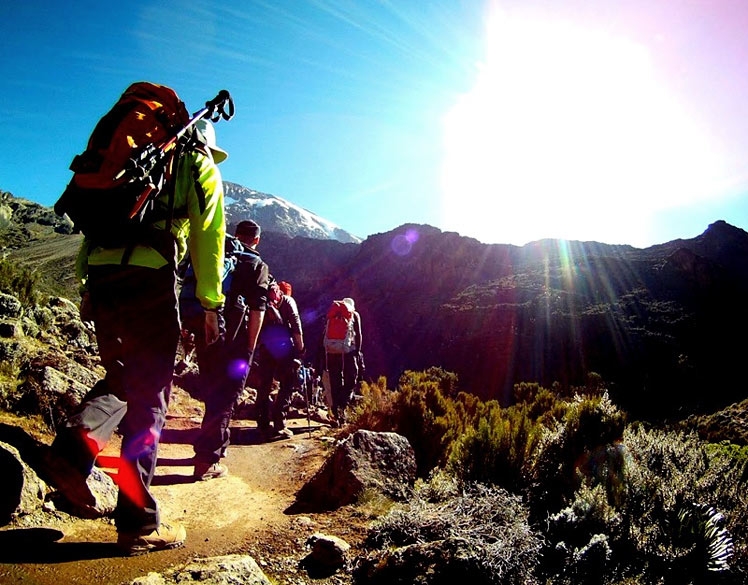
Sleep, Hygiene, And Comfort On Kilimanjaro: Your Essential Guide 2026-2027
Climbing Kilimanjaro requires careful planning for sleep, hygiene, and comfort. This comprehensive guide from Top Guide Adventures offers practical advice to ensure a more enjoyable and...
View package detailsKilimanjaro Prescription Medication Packing Guide For Climbs 2026-2027
Planning a Kilimanjaro climb in 2026 or 2027? This comprehensive guide details exactly what prescription medications you need to pack, how to carry them safely, and crucial advice for a...
View package details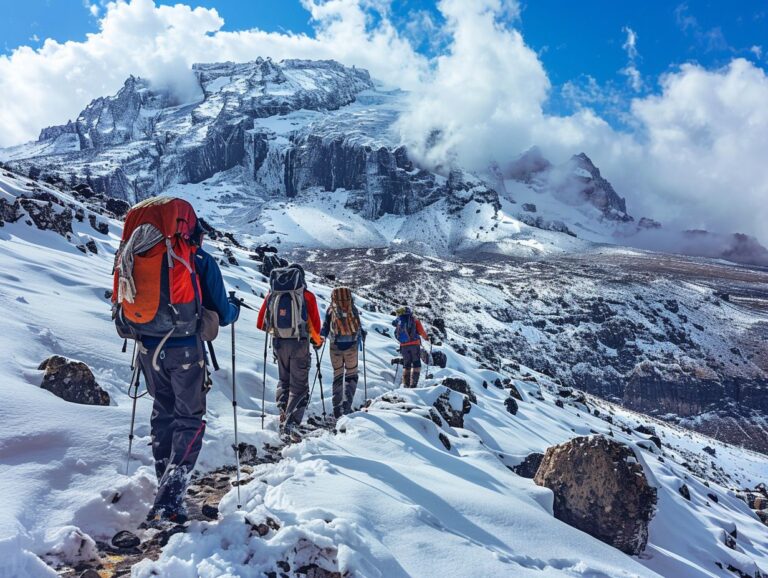
Kilimanjaro Personal First-Aid Kit Checklist For A Safe Climb 2026-2027
Prepare for your Kilimanjaro climb with a comprehensive personal first-aid kit checklist. This guide covers essential items, from basic wound care to altitude sickness remedies, ensuring...
View package details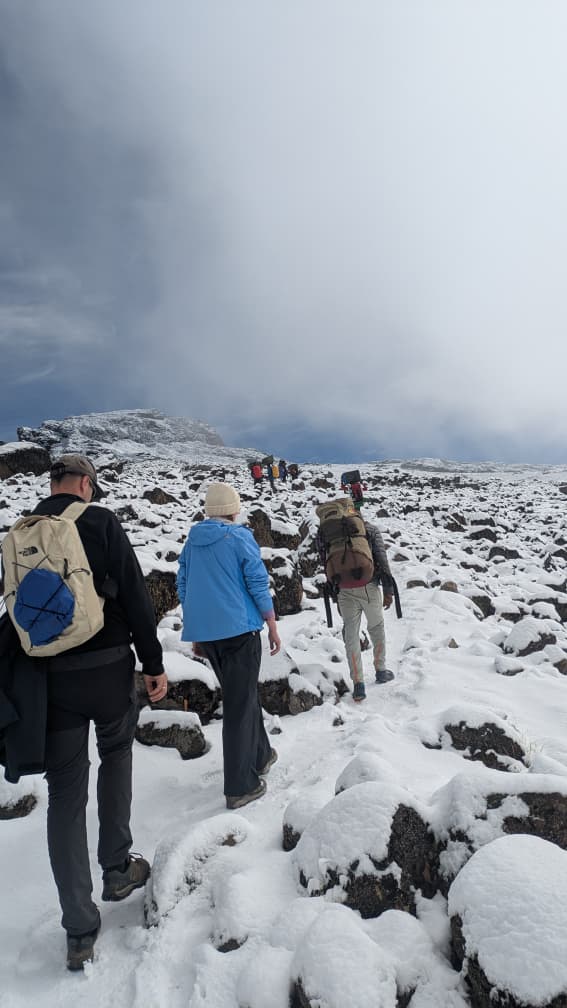
What Goes In Your Kilimanjaro Summit-Day Backpack? Expert Packing Guide
A comprehensive guide to packing your Kilimanjaro summit-day backpack. Discover the essential gear, clothing layers, hydration, nutrition, and safety items needed for a successful trek to...
View package details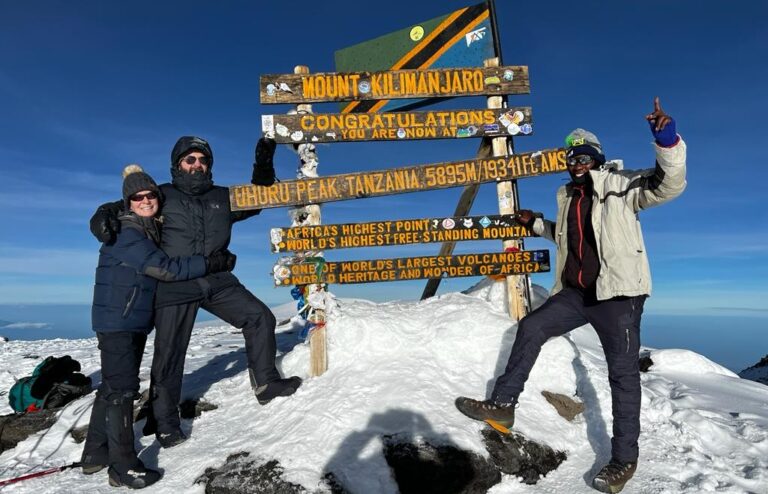
Kilimanjaro Marathon Travel Package: Your Complete Guide 2026-2027
Planning to run the Kilimanjaro Marathon? Top Guide Adventures offers comprehensive travel packages for the 2026-2027 races, covering everything from race entry and accommodation to pre...
View package details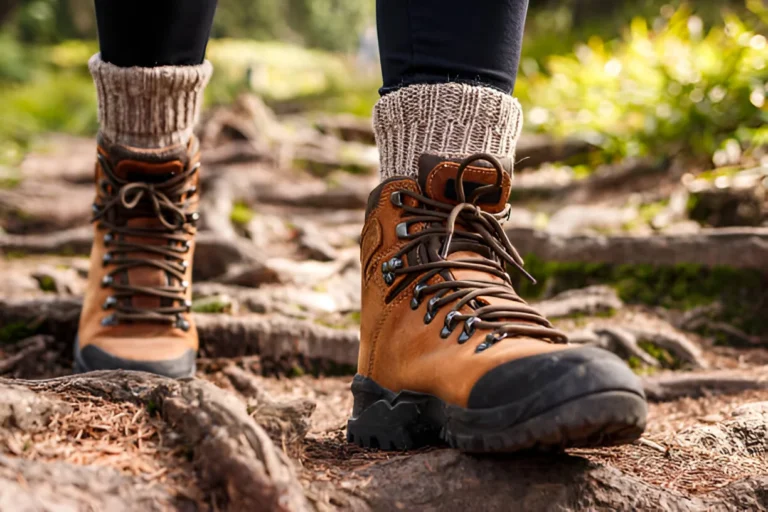
Kilimanjaro Trail-Running Holiday 2026-2027
Kilimanjaro Trail-Running Holiday is explained with current 2026-2027 planning, price, itinerary and booking information.
View package details
Kilimanjaro Gravel-Bike Adventure: Ultimate Tanzania Cycling Guide 2026-2027
Discover the thrill of a Kilimanjaro Gravel-Bike Adventure, blending challenging cycling with the stunning landscapes of Tanzania. This guide covers everything you need for an unforgettable...
View package details
Kilimanjaro Coffee-Farm Cycling Tour: Your Ultimate Adventure In 2026-2027
A detailed 2026-2027 guide to Kilimanjaro Coffee-Farm Cycling Tour, with clear planning and booking information for travelers.
View package details
Five-Day Cycle Around Mount Kilimanjaro 2026-2027
Five-Day Cycle around Mount Kilimanjaro is explained with current 2026-2027 planning, price, itinerary and booking information.
View package detailsThree-Day Kilimanjaro Cycling Adventure: Routes, Costs & Planning 2026-2027
Experience the thrill of a Three-Day Kilimanjaro Cycling Adventure, a unique way to explore the lower slopes of Africa's highest peak. This guide covers routes, essential gear, fitness...
View package detailsNo related package matches those filters. Clear one or more filters to see the other topic-matched options.



