
While there isn’t a standard “Five-Day Cycle around Mount Kilimanjaro” trek that circles the mountain in the way one might cycle around a lake, the term likely refers to the shortest, most aggressive climbing routes up Kilimanjaro, typically taking five days to summit and descend. The most common of these is the Marangu Route, often called the “Coca-Cola route,” known for its hut accommodations and relatively direct ascent. Other routes like the Machame or Lemosho can be extended to five days, but this is generally not recommended for acclimatization. A true circumnavigation of the mountain’s base is a multi-day trek in itself and not a climbing route.
Understanding the “Five-Day Cycle” Concept for Kilimanjaro Ascents
When people search for a “Five-Day Cycle around Mount Kilimanjaro,” they are almost invariably looking for the quickest way to summit the roof of Africa. It’s crucial to clarify that a true cycle or circumnavigation of the mountain’s base is a different kind of trek altogether, focusing on exploring the diverse landscapes at lower altitudes. The more common interpretation, and the one we will focus on, is the fastest ascent routes that can be completed within a five-day timeframe. This often means choosing a route that prioritizes speed over acclimatization, a point we will explore in detail, especially for trekkers planning their adventure in 2026 or 2027.
At Top Guide Adventures, we understand the allure of achieving this incredible feat. However, our primary commitment is to your safety and success. Therefore, while we offer options that can be completed in five days, we strongly advise on routes that offer better acclimatization profiles, typically six days or more. This article will break down the realities of a five-day Kilimanjaro climb, compare it with longer options, and guide you through making an informed decision for your 2026-2027 expedition.
The Marangu Route: The Classic Five-Day Kilimanjaro Ascent
The Marangu Route is the oldest and perhaps the most recognized path to the summit of Mount Kilimanjaro. It’s often dubbed the “Coca-Cola Route” or “Tourist Route” due to its accessibility and the availability of dormitory-style huts instead of camping. For trekkers aiming for the shortest possible ascent, the Marangu Route’s five-day itinerary is the most direct option.
Day 1: Marangu Gate (1,860m / 6,100ft) to Mandara Huts (2,700m / 8,860ft)
The trek begins at the Marangu Gate, where you’ll complete registration and pay park fees. The initial ascent is through a lush montane rainforest. The walk is relatively gentle, covering about 8 kilometers (5 miles) and taking approximately 3-4 hours. You’ll likely encounter diverse birdlife and perhaps even colobus monkeys. The Mandara Huts offer basic but comfortable accommodation.
Day 2: Mandara Huts (2,700m / 8,860ft) to Horombo Huts (3,700m / 12,140ft)
This day’s trek takes you out of the rainforest and into the moorland zone. The landscape becomes more open, with giant heathers and unique senecio plants. The distance is about 12 kilometers (7.5 miles), and the hike can take 5-6 hours. The Horombo Huts are situated in a beautiful clearing, offering your first expansive views of the mountain’s upper slopes and the plains below. Acclimatization starts becoming a critical factor here.
Day 3: Horombo Huts (3,700m / 12,140ft) to Kibo Huts (4,700m / 15,400ft)
This is a significant climb, taking trekkers from the moorland into the alpine desert zone. The scenery becomes stark and rocky. The hike is approximately 10 kilometers (6 miles) and can take 5-6 hours. You’ll pass the last water point at Third Cave. The Kibo Huts are located at the base of the Kibo crater cone, and this is where the altitude will start to be felt more intensely. Rest is crucial.
Day 4: Kibo Huts (4,700m / 15,400ft) to Uhuru Peak (5,895m / 19,341ft) and down to Horombo Huts (3,700m / 12,140ft)
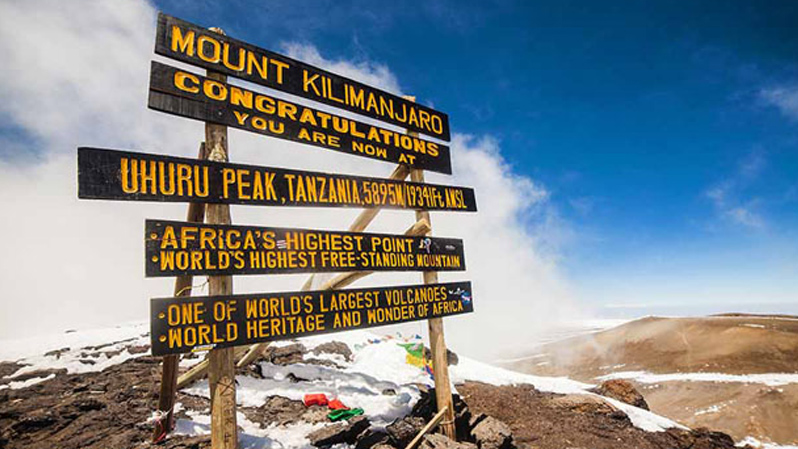
This is summit day, and it begins in the early hours of the morning, typically around midnight. The ascent to Uhuru Peak, the highest point in Africa, is steep and challenging, involving scree slopes and cold temperatures. You’ll pass Stella Point (5,756m / 18,885ft) before reaching Uhuru Peak. The sunrise from the crater rim is a memorable experience. The descent is just as demanding, and you’ll continue down past Kibo Huts to Horombo Huts. This day involves approximately 5-6 hours ascent and 3-4 hours descent to Kibo, then another 4-5 hours descent to Horombo. It’s an extremely long and taxing day.
Day 5: Horombo Huts (3,700m / 12,140ft) to Marangu Gate (1,860m / 6,100ft)
The final day’s trek is a steady downhill walk through the moorland and forest zones, returning to the Marangu Gate. The descent takes about 5-6 hours, covering approximately 20 kilometers (12.5 miles). You’ll be met by your guides and drivers for the transfer back to your hotel in Moshi or Arusha.
Pros of the 5-Day Marangu Route:
- Speed: It’s the quickest way to summit Kilimanjaro.
- Hut Accommodation: More comfortable than camping for some, offering shelter and basic amenities.
- Familiarity: Well-established route with good infrastructure.
Cons of the 5-Day Marangu Route:
- Low Success Rate: Due to the rapid ascent, acclimatization is poor, leading to a significantly lower success rate compared to longer routes. Many trekkers experience severe altitude sickness.
- Less Scenic: You ascend and descend the same path, reducing the variety of landscapes experienced.
- Crowding: It’s often the busiest route, especially in the huts.
Why a “Five-Day Cycle” is Risky: Acclimatization is Key
The concept of a “cycle” in the context of climbing Kilimanjaro often implies speed, and speed is the enemy of proper acclimatization. Mount Kilimanjaro is not a technical climb but a high-altitude trek. The primary challenge is the altitude itself. As you ascend, the atmospheric pressure decreases, meaning less oxygen is available with each breath. Your body needs time to adapt to these lower oxygen levels.
A five-day itinerary forces a rapid ascent, giving your body very little time to adjust. This significantly increases the risk of developing Acute Mountain Sickness (AMS), which can manifest as headaches, nausea, dizziness, and fatigue. In severe cases, AMS can progress to life-threatening conditions like High Altitude Cerebral Edema (HACE) or High Altitude Pulmonary Edema (HAPE). These are medical emergencies that require immediate descent.
The “Climb High, Sleep Low” Principle: This is a fundamental acclimatization strategy. It means ascending to a higher altitude during the day and then descending to a lower altitude to sleep. Routes that are six days or longer naturally incorporate this principle better than a five-day trek. For instance, on a six-day Machame or Lemosho route, you spend more time at intermediate altitudes, allowing your body to produce more red blood cells to carry oxygen.
Success Rates: Studies and operator data consistently show that longer Kilimanjaro routes have much higher summit success rates. For a five-day Marangu climb, success rates can be as low as 30-40%, whereas for a seven-day Lemosho or Machame route, success rates can exceed 85-90%.
Alternative Routes that Can Be Shortened to Five Days (Not Recommended)
While the Marangu Route is designed for a five-day ascent, other routes like Machame, Lemosho, and Shira can technically be completed in five days. However, this is strongly discouraged by experienced guides and operators, including Top Guide Adventures, because it compromises the acclimatization profile even further than the Marangu route.
Machame Route (5 Days): This route is widely considered one of the most scenic. A five-day Machame itinerary would involve:
- Day 1: Machame Gate to Machame Camp
- Day 2: Machame Camp to Shira Camp
- Day 3: Shira Camp to Barranco Camp
- Day 4: Barranco Camp to Barafu Camp (summit push starts late night)
- Day 5: Summit and descend to Mweka Gate
Even with this compressed schedule, the journey from Barranco Camp to Barafu Camp is a very long day, and the subsequent summit push is extremely demanding. The lack of a “rest day” or slower progression through the high-altitude zones makes this 5-day version very difficult.
Lemosho Route (5 Days): Lemosho is known for its beauty and remote wilderness feel. A five-day Lemosho would be:
- Day 1: Lemosho Gate to Mti Mkubwa Camp
- Day 2: Mti Mkubwa Camp to Shira 1 Camp
- Day 3: Shira 1 Camp to Barranco Camp
- Day 4: Barranco Camp to Barafu Camp (summit push starts late night)
- Day 5: Summit and descend to Mweka Gate
Similar to the Machame route, compressing Lemosho into five days means skipping crucial acclimatization stages, significantly reducing your chances of reaching the summit and increasing health risks.
Top Guide Adventures strongly recommends that if you choose Machame or Lemosho, you opt for at least a 6-day itinerary, and ideally 7 days for the best balance of scenery, acclimatization, and success rates for your 2026-2027 climb.
Comparing Five-Day Climbs with Longer Options for 2026-2027
The decision between a five-day climb and a longer expedition is critical for your Kilimanjaro adventure in 2026 or 2027. Here’s a direct comparison:
| Feature | Five-Day Climb (e.g., Marangu) | Six/Seven-Day Climb (e.g., Machame, Lemosho) |
|---|---|---|
| Duration | 5 days on the mountain | 6-7 days on the mountain |
| Acclimatization Profile | Poor; rapid ascent | Good
Check Availability for Five-Day Cycle Around Mount Kilimanjaro 2026-2027Ready to compare dates, prices, and the best option for your group? Send the package name and travel month so the team can reply with a clear quote, availability, and what is included. 12 closely related packages  Kilimanjaro Mountain-Biking Tour From Moshi: Your Ultimate Adventure GuideDiscover the thrill of a Kilimanjaro Mountain-Biking Tour departing from Moshi. This comprehensive guide covers routes, preparation, costs, and what to expect for your 2026-2027 adventure. View package details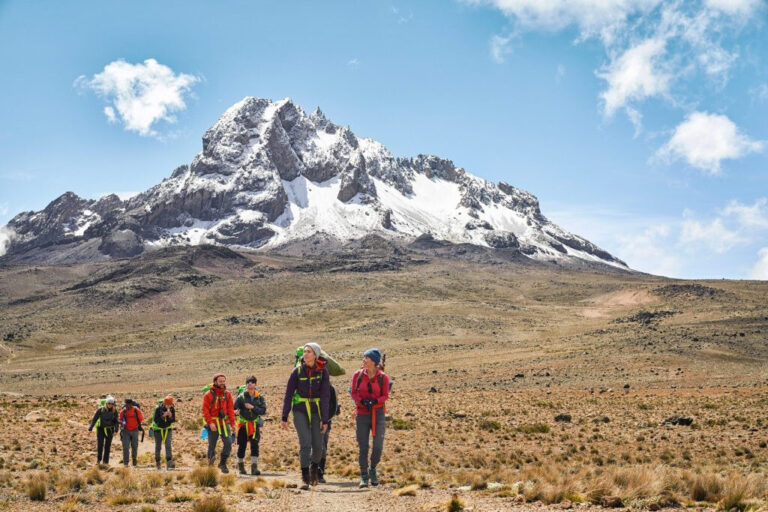 How Comfortable Are Kilimanjaro Mountain Tents? A Guide 2026-2027Understand the comfort levels of tents used on Kilimanjaro climbs. This guide details tent types, essential features, and factors influencing your sleeping experience, crucial for planning... View package details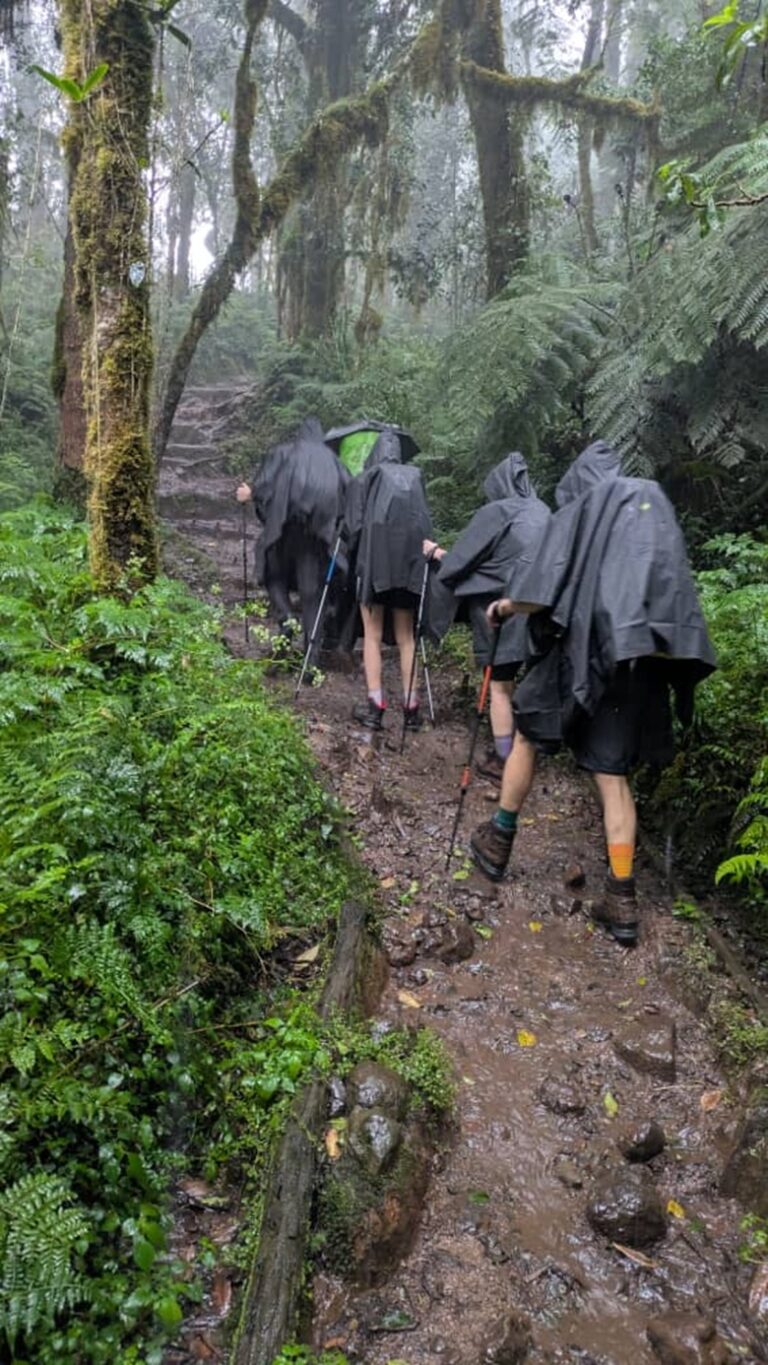 How To Wash On Mount Kilimanjaro 2026-2027How to Wash on Mount Kilimanjaro is explained with current 2026-2027 planning, price, itinerary and booking information. View package details How Do You Sleep On Mount Kilimanjaro? 2026-2027How Do You Sleep on Mount Kilimanjaro? is explained with current 2026-2027 planning, price, itinerary and booking information. View package details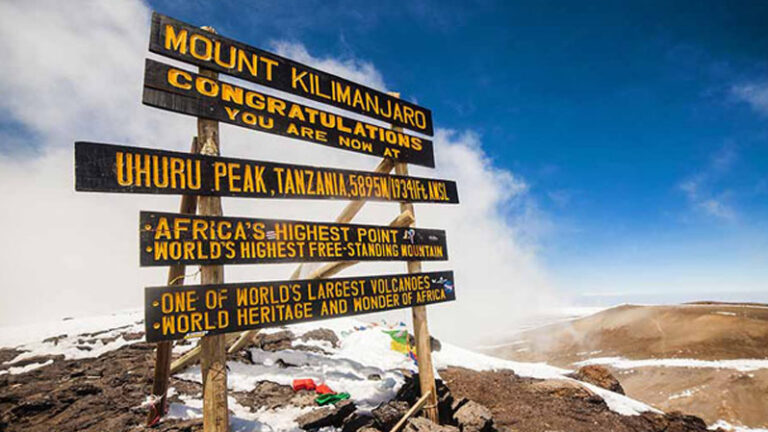 Kilimanjaro Mountain Meal Plan By Day: Fueling Your Summit Success 2026-2027Understand the essential Kilimanjaro Mountain meal plan by day, covering daily menus, nutritional needs, and preparation tips for your trek. Top Guide Adventures provides insights into... View package details Kilimanjaro Climb With Vegan Mountain Meals: Your Expert Guide For 2026-2027Embarking on a Kilimanjaro climb is a monumental achievement, and ensuring you have the right nutrition, especially with specific dietary needs like veganism, is crucial for success. Top... View package detailsShould You Climb Mount Meru Before Kilimanjaro? 2026-2027Should You Climb Mount Meru before Kilimanjaro? is explained with current 2026-2027 planning, price, itinerary and booking information. View package detailsKilimanjaro Climb After Mount Meru: A Comprehensive Guide For 2026-2027Discover the strategic advantages and practical considerations of climbing Mount Kilimanjaro immediately following a trek up Mount Meru. This comprehensive guide is designed for adventurers... View package details Kilimanjaro Single Supplement Cost 2026-2027Kilimanjaro Single Supplement Cost is explained with current 2026-2027 planning, price, itinerary and booking information. View package detailsWhat Happens If Your Kilimanjaro Group Does Not Form? | Top Guide AdventuresIf your planned Kilimanjaro group doesn't materialize, Top Guide Adventures offers flexible options including joining an existing group, a private climb, or exploring alternative dates for... View package details When Is The Final Kilimanjaro Payment Due? Your Schedule Guide 2026-2027Your final Kilimanjaro payment is typically due 60-90 days before your trek departure. This guide breaks down payment schedules, factors influencing them, and what to expect for your... View package details Kilimanjaro Climb With Flexible Payment Options: Your Guide 2026-2027Discover how Top Guide Adventures makes climbing Mount Kilimanjaro accessible with flexible payment plans, perfect for planning your 2026 or 2027 adventure. This guide details payment... View package detailsNo related package matches those filters. Clear one or more filters to see the other topic-matched options. Booking Form!Send us your travel request
|



