
The Kilimanjaro single supplement cost is an additional fee charged to solo trekkers to cover the expenses of providing a private tent and ensuring adequate porter support, which would otherwise be shared in a group. This fee typically ranges from $200 to $500 USD for a standard 7-day climb, though it can vary significantly based on the operator, route, and inclusions for 2026-2027 treks. Understanding this cost is crucial for solo travelers budgeting for their Mount Kilimanjaro adventure.
Understanding the Kilimanjaro Single Supplement Cost
Mount Kilimanjaro is a dream destination for many adventurers, and for solo travelers, the prospect of reaching Uhuru Peak is as exhilarating as it is for anyone. However, when planning a solo expedition, one specific cost that often arises is the Kilimanjaro single supplement cost. This isn’t a hidden fee or a penalty for traveling alone; rather, it’s a practical adjustment to the standard tour pricing designed to accommodate the logistics and expenses associated with a single person versus a group. For trekkers looking to climb in 2026 or 2027, understanding this supplement is key to accurate budgeting and a smooth trekking experience.
At Top Guide Adventures, we frequently assist solo travelers in navigating these costs. Our goal is to provide absolute transparency, ensuring you know exactly what your Kilimanjaro single supplement cost entails and what it contributes to your overall safety, comfort, and the support structure of your climb. This article will comprehensively explore the Kilimanjaro single supplement cost, breaking down its components, explaining why it’s necessary, detailing factors that influence its price, and offering advice on how solo trekkers can best prepare for this aspect of their 2026-2027 Kilimanjaro journey.
Why Does a Single Supplement Exist for Kilimanjaro Treks?
The concept of a single supplement is common in the travel industry, particularly for accommodations and tours where sharing is the default model for cost-effectiveness. For a Kilimanjaro climb, the reasons behind the Kilimanjaro single supplement cost are rooted in the operational structure of guided treks.
Shared Resources and Group Economics
Most Kilimanjaro tour operators price their packages based on group travel. When you join a group, the costs associated with essential services are divided among multiple participants. These shared costs include:
- Accommodation: While not hotels, trekkers are provided with tents. In a group setting, tents are typically shared by two people. This division of tent costs is a significant factor in per-person pricing.
- Porterage: Porters carry essential gear, including tents, food, cooking equipment, and personal luggage. The total weight of gear is distributed among the available porters, and the number of porters is calculated based on the number of trekkers.
- Crew Costs: The guides, cooks, and assistant guides are essential for any group. Their salaries and provisions are factored into the group rate.
- Logistics and Supplies: Food, fuel for cooking, and other logistical elements are purchased and prepared for a group size.
The Solo Traveler’s Needs
When a traveler opts for a solo trek, the economics shift. The tour operator still needs to provide all the necessary services, but these costs can no longer be spread across multiple individuals. The Kilimanjaro single supplement cost is designed to bridge this gap. It primarily addresses:
- Private Tent: A solo trekker will require their own private tent. The supplement covers the cost of providing and setting up this individual accommodation, which includes the tent itself, ground mats, and the porterage for this extra item.
- Fair Porter Allocation: While the total amount of gear remains similar, a solo trekker might still require a certain number of porters for safety and efficiency, especially considering the need to carry their personal gear and potentially a slightly higher ratio of supplies for a single person’s needs. The supplement ensures that the porter team is adequately compensated and sized for the solo climber’s requirements, without impacting the economics of other trekkers if the solo climber were part of a larger group.
- Dedicated Support: While guides and support crew are always dedicated to the safety and well-being of all climbers, a solo trekker often receives a more focused level of attention from the lead guide, particularly in terms of monitoring health and acclimatization. The supplement helps account for the operational adjustments required to ensure this personalized care within the group’s overall management.
In essence, the Kilimanjaro single supplement cost ensures that the tour operator can maintain the quality, safety, and operational standards of the trek for a solo individual, without incurring a significant financial loss compared to operating a group climb. It’s about ensuring fairness in cost distribution for both the operator and the climber.
What Does the Kilimanjaro Single Supplement Cost Typically Cover?
It’s important to have a clear picture of what your Kilimanjaro single supplement cost contributes to. While the exact inclusions can vary slightly between operators like Top Guide Adventures and others, the core components are generally consistent:
Private Tent Accommodation
This is the most significant factor. Instead of sharing a two-person tent with another trekker, you will be provided with your own individual tent. This offers several benefits:
- Privacy: Essential for a comfortable night’s sleep and personal space.
- Comfort: You can arrange your sleeping gear and belongings exactly as you wish without encroaching on anyone else’s space.
- Hygiene: Reduces the risk of sharing germs, especially important at high altitudes.
The supplement covers the cost of the tent itself, its setup, and the porterage to transport it to each campsite. For a 2026 or 2027 climb, this private accommodation is a key comfort factor.
Potentially Increased Porterage Ratio (Indirectly)
While the KKP (Kilimanjaro Porters Assistance Project) regulations ensure fair porter-to-climber ratios based on total weight, a solo trekker’s gear, while personal, still needs to be carried. The supplement helps ensure that the porter team allocated to you is sufficient and that no single porter is overburdened, maintaining ethical trekking standards. It indirectly covers the operational cost of ensuring your gear is managed efficiently and ethically, even if it doesn’t directly translate to a ‘per porter’ fee for you.
Enhanced Guide Attention
Although all climbers receive excellent attention from guides, a solo trekker might benefit from more focused monitoring of their acclimatization and well-being. While guides are responsible for the entire group’s safety, the absence of a tent-mate means the guide might spend slightly more time checking in on your personal condition. The supplement helps the operator account for the operational adjustments that support this level of focused care, ensuring your safety remains paramount throughout your 2026-2027 ascent.
Operational Adjustments
There are minor logistical adjustments that occur when catering for a solo climber versus a pair. This can include slightly different food portioning or a more individualized setup at campsites. The Kilimanjaro single supplement cost helps absorb these minor operational differences.
It’s crucial to note that the Kilimanjaro single supplement cost is not a fee for being alone, but rather a fair contribution towards the specific resources and services required to make your solo trek as comfortable and safe as a group trek, maintaining the high standards Top Guide Adventures is known for.
Factors Influencing the Kilimanjaro Single Supplement Cost
The price of the Kilimanjaro single supplement cost isn’t fixed across the board. Several factors can cause it to fluctuate, making it essential to get a clear quote for your planned 2026-2027 climb.
Operator’s Pricing Structure and Overhead
Each tour operator has its own pricing model, reflecting its operational costs, overheads, profit margins, and the level of service provided. Companies with higher operational costs (e.g., better quality equipment, higher staff-to-client ratios, more comprehensive support services) might charge a higher single supplement. Top Guide Adventures prides itself on offering competitive pricing without compromising on quality or safety, but our supplement reflects the genuine costs involved.
Route Chosen
Different Kilimanjaro routes have varying lengths, difficulty levels, and logistical complexities. For instance, longer routes like the Lemosho or Northern Circuit, which require more days on the mountain and thus more supplies and porter effort, might indirectly influence the calculation of a single supplement compared to shorter routes. However, the supplement is more directly tied to the provision of a private tent and associated logistics rather than the route’s duration itself.
Duration of the Climb
While the supplement is a one-time fee per trekker, the overall cost of a longer climb is higher. For a solo trekker on a longer expedition (e.g., 9 days vs. 7 days), the operator incurs greater expenses for food, fuel, and staff wages. While the single supplement itself might remain constant, its impact as a percentage of the total trip cost will be smaller on longer, more expensive treks. For 2026-2027 planning, consider how the duration affects the overall budget.
Inclusions and Exclusions
The level of service included in the base price can impact the supplement. For example, if a package includes items like satellite phone rental, emergency oxygen, or specific meal upgrades, the single supplement might be adjusted accordingly to reflect the total value of services provided to the solo climber. Top Guide Adventures aims for comprehensive inclusions to simplify your planning.
Time of Year (High vs. Low Season)
While less common for the single supplement itself, the overall cost of Kilimanjaro climbs can fluctuate slightly between peak seasons (e.g., January-March, June-October) and shoulder/low seasons. If an operator adjusts their base prices based on seasonality, it’s possible, though not typical, that a single supplement could see minor adjustments. However, for 2026-2027, expect the supplement to be relatively stable.
Negotiation and Package Deals
In some cases, especially when booking multiple trips or longer expeditions, there might be some flexibility in negotiating the Kilimanjaro single supplement cost, though this is rare for standard bookings. Operators like Top Guide Adventures often have set pricing structures to ensure fairness and transparency for all clients.
When you receive a quote for your 2026-2027 Kilimanjaro climb from Top Guide Adventures, the Kilimanjaro single supplement cost will be clearly itemized so you understand its contribution to your solo adventure.
How Much Does the Kilimanjaro Single Supplement Cost in 2026-2027?
Providing exact, universal figures for the Kilimanjaro single supplement cost is challenging because it varies between operators. However, based on current industry standards and anticipating trends for 2026 and 2027, we can provide a reliable estimate.
For a standard 7-day Kilimanjaro climb, the Kilimanjaro single supplement cost typically falls within the range of $200 to $500 USD. This is usually a one-time fee applied per solo trekker for the entire duration of the climb, regardless of the route chosen.
Typical Cost Breakdown (Estimated)
To give you a clearer idea, consider this hypothetical breakdown for a 7-day climb:
Estimated Kilimanjaro Single Supplement Cost (7-Day Climb)
- Private Tent Provision & Setup: $100 – $200 USD
- Porterage for Private Tent: $50 – $100 USD
- Operational Adjustments & Guide Attention: $50 – $200 USD
- Total Estimated Single Supplement: $200 – $500 USD
Note: These are estimated costs and the actual Kilimanjaro single supplement cost will be provided in your personalized quote from Top Guide Adventures for your 2026-2027 trek.
Variations by Operator
Budget Operators: May offer lower supplements, but often with fewer inclusions or lower quality equipment. This could be in the $150 – $300 USD range.
Mid-Range Operators (like Top Guide Adventures): Provide a balance of quality, safety, and value. The supplement is likely to be in the $200 – $400 USD range, reflecting the cost of providing comfortable, private accommodation and excellent support.
Luxury/Premium Operators: May have higher supplements, potentially $400 – $600+ USD, which could include enhanced tent quality, more spacious campsites, or a higher guide-to-climber ratio even for solo travelers.
Impact on Total Trip Cost
It’s important to view the Kilimanjaro single supplement cost as part of your overall Kilimanjaro trek package. For a typical 7-day climb costing between $1500 and $3000 USD (depending on the operator and inclusions), the single supplement adds approximately 10-20% to the cost for a solo traveler. While it’s an additional expense, it ensures
Check Availability for Kilimanjaro Single Supplement Cost 2026-2027
Ready to compare dates, prices, and the best option for your group? Send the package name and travel month so the team can reply with a clear quote, availability, and what is included.
Three-Day Kilimanjaro Cycling Adventure: Routes, Costs & Planning 2026-2027
Experience the thrill of a Three-Day Kilimanjaro Cycling Adventure, a unique way to explore the lower slopes of Africa's highest peak. This guide covers routes, essential gear, fitness...
View package details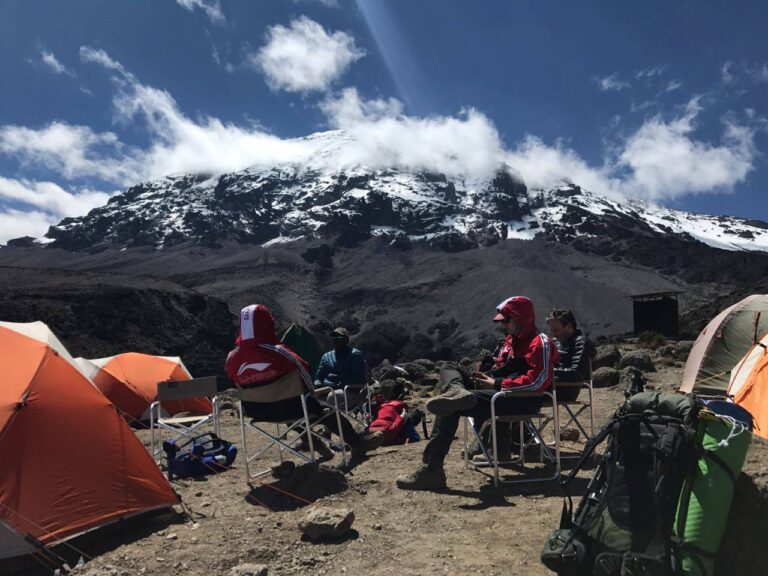
Spanish Group Departures For Kilimanjaro: Dates, Costs & Planning 2026-2027
Discover upcoming Spanish group departures for Kilimanjaro climbs, offering a cost-effective and social way to conquer Africa's highest peak. This guide details 2026-2027 dates, route...
View package details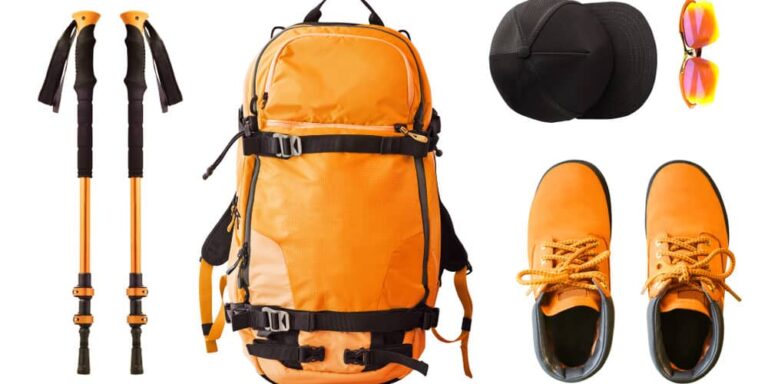
Single-Occupancy Tents On Kilimanjaro: Your Guide To Privacy And Comfort
Discover the advantages of opting for a single-occupancy tent during your Kilimanjaro climb. This guide details the benefits, costs, and booking process for solo tent arrangements, ensuring...
View package details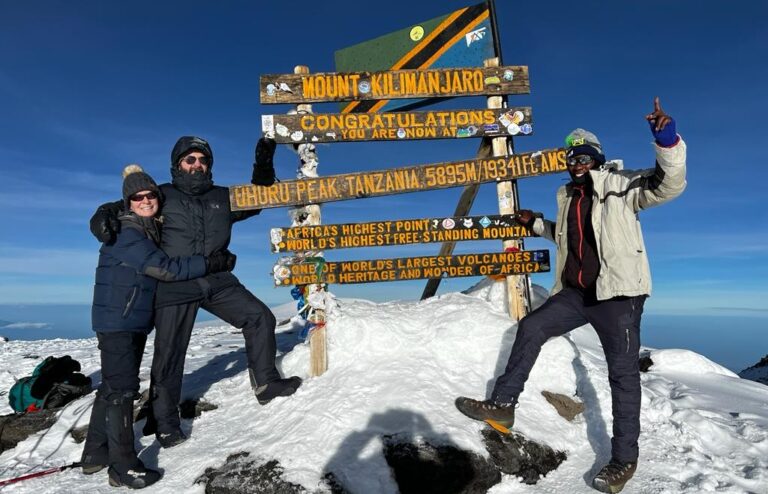
How Long Does It Take To Climb The Barranco Wall On Kilimanjaro? 2026-2027
The Barranco Wall, a highlight of Kilimanjaro climbs, typically takes between 3 to 5 hours to ascend. This challenging yet rewarding section requires scrambling and careful navigation, with...
View package details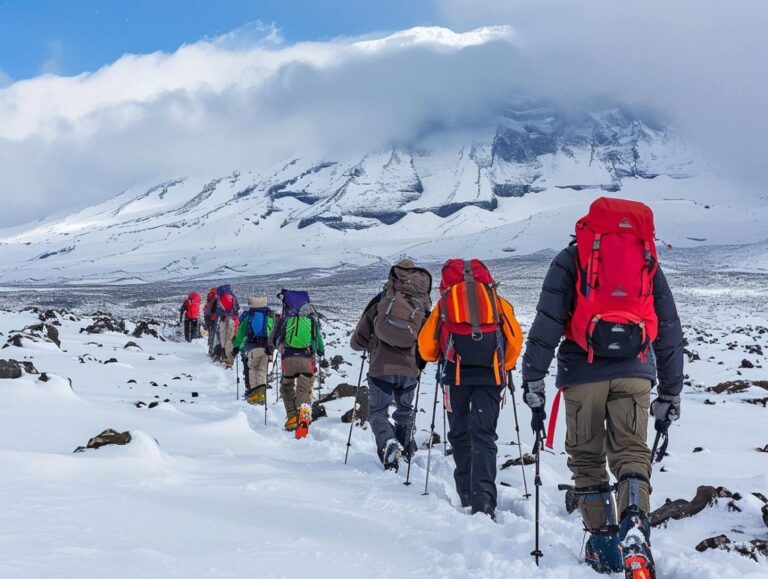
Do You Need Ropes On The Barranco Wall? Kilimanjaro Climb Essentials 2026-2027
The Barranco Wall is a famous Kilimanjaro landmark. While not technically requiring ropes for all climbers, its steep and challenging sections often lead to discussions about safety and...
View package details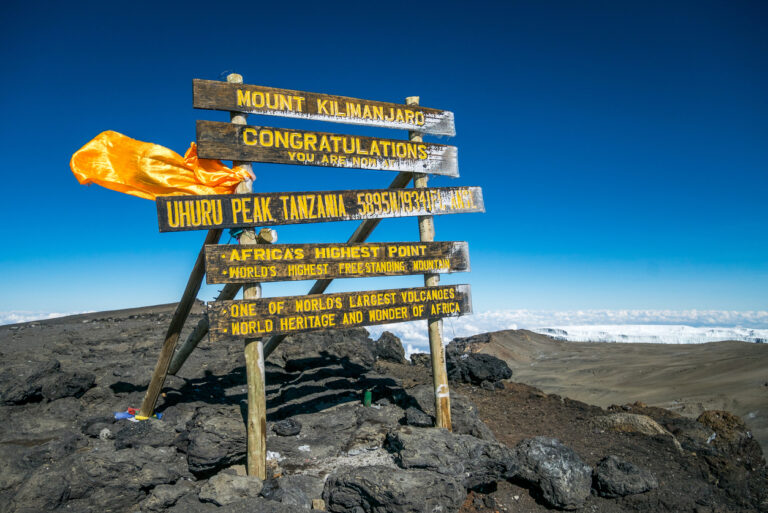
Kilimanjaro Emergency Contact And Family Communication Plan For Trekkers
Planning a Kilimanjaro climb is an incredible adventure. A crucial, yet often overlooked, aspect of preparation is establishing a robust emergency contact and family communication plan...
View package detailsHow Are Kilimanjaro Emergencies Communicated? Essential Safety Protocols
Understanding how Kilimanjaro emergencies are communicated is vital for any trekker. This guide details the communication systems, rescue procedures, and essential safety measures Top Guide...
View package detailsWho Pays For Kilimanjaro Mountain Rescue? 2026-2027
Who Pays for Kilimanjaro Mountain Rescue? is explained with current 2026-2027 planning, price, itinerary and booking information.
View package details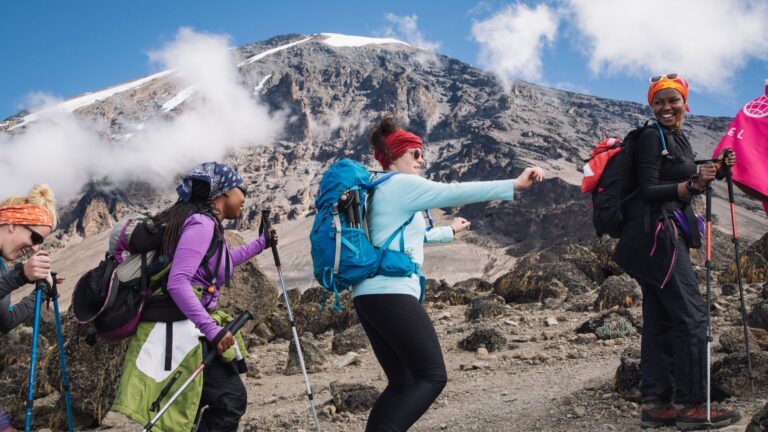
What Happens During A Kilimanjaro Medical Evacuation? 2026-2027
What Happens during a Kilimanjaro Medical Evacuation? is explained with current 2026-2027 planning, price, itinerary and booking information.
View package details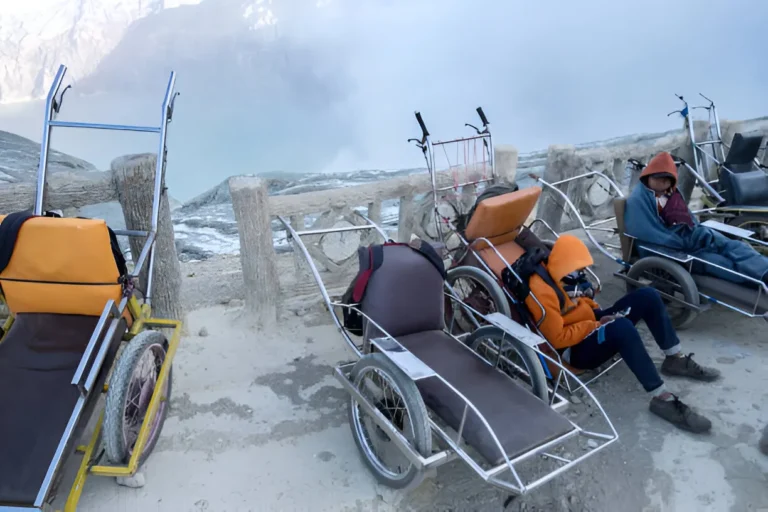
How Are Injured Climbers Evacuated From Kilimanjaro? A Comprehensive Guide
A detailed explanation of the evacuation process for injured climbers on Mount Kilimanjaro, covering procedures, equipment, and the role of guides and rescue teams.
View package details
Can You Leave Kilimanjaro Early? 2026-2027
Can You Leave Kilimanjaro Early? is explained with current 2026-2027 planning, price, itinerary and booking information.
View package details
Can You Add An Extra Day During A Kilimanjaro Climb? 2026-2027
Can You Add an Extra Day during a Kilimanjaro Climb? is explained with current 2026-2027 planning, price, itinerary and booking information.
View package detailsNo related package matches those filters. Clear one or more filters to see the other topic-matched options.



