
For trekkers using contact lenses or eyeglasses on Kilimanjaro, the key is meticulous preparation and carrying sufficient supplies. Contact lens wearers must bring ample daily disposables or a robust cleaning/storage system for reusables, alongside lubricating eye drops, as the dry, dusty, and cold environment can cause significant discomfort. Eyeglass wearers should pack at least one sturdy backup pair, a reliable cleaning kit, and a secure case, considering the harsh conditions and potential for damage or loss during the climb in 2026-2027.
Navigating Kilimanjaro with Contact Lenses: A Comprehensive Approach
Climbing Mount Kilimanjaro is an adventure that tests your physical and mental limits. For those who wear contact lenses, this journey presents unique challenges that require careful consideration and planning. The mountain’s environment – characterized by high altitudes, extreme temperatures, dust, wind, and limited washing facilities – can significantly impact the comfort and safety of your eyes. This guide is designed to equip you with the knowledge to manage your contact lenses effectively throughout your Kilimanjaro trek, ensuring your vision remains clear and your eyes healthy from the base to the summit and back, particularly as you plan for climbs in 2026 and 2027.
The Kilimanjaro Environment: What to Expect for Your Eyes
Understanding the environmental factors on Kilimanjaro is the first step in preparing for contact lens wear. As you ascend, the air becomes progressively drier and thinner. This low humidity can lead to rapid drying of your contact lenses, causing discomfort, blurred vision, and increased susceptibility to irritation. Dust and fine particles are ubiquitous, especially on the lower slopes and during windy conditions. These can easily get trapped under your lenses, leading to abrasions or infections if not handled properly.
Furthermore, the cold temperatures, particularly at higher altitudes and during the night, can affect the moisture content of your lenses and the tear film on your eyes. The lack of readily available clean water for handwashing and lens care poses a significant hygiene challenge. Finally, the physical demands of trekking, including potential falls or bumps, mean your lenses could be dislodged or damaged.
Contact Lens Types: Daily Disposables vs. Reusables on the Mountain
When deciding on the best type of contact lenses for your Kilimanjaro climb, consider the trade-offs between daily disposables and reusable lenses.
- Daily Disposable Lenses: These are often the preferred choice for trekking adventures like Kilimanjaro. Each day, you use a fresh pair, eliminating the need for cleaning solutions and storage cases. This significantly reduces the risk of contamination and makes lens management far simpler in a challenging environment. The primary consideration is bringing enough pairs for the entire duration of your trek, plus a generous buffer for unexpected delays or issues. For a 7-day climb, you’ll need at least 7 pairs per eye per day, so 14 pairs daily, totaling 98 pairs, plus extra. For a 10-day trek, that’s 140 pairs plus spares.
- Reusable Lenses (Bi-weekly or Monthly): While potentially more cost-effective, reusable lenses require a rigorous cleaning and disinfection routine. This involves carrying multi-purpose solution, a lens case, and ensuring access to clean water and hygienic conditions for handling. On Kilimanjaro, maintaining this level of hygiene can be extremely difficult. If you opt for reusables, ensure you have a robust travel-sized cleaning kit and are prepared to follow the cleaning protocol meticulously, even in harsh conditions. The risk of eye infection is higher with reusables if hygiene standards slip.
Essential Supplies for Contact Lens Wearers
Beyond the lenses themselves, a well-stocked kit is crucial for a comfortable and safe Kilimanjaro experience. Here’s what you absolutely must pack:
- Sufficient Lenses: Pack at least 1.5 to 2 times the number of lenses you anticipate needing. This accounts for dropped lenses, damaged ones, or extended trip durations. For a standard 7-day climb, aim for 10-14 pairs per day, totaling 70-98 pairs, plus an additional 30-50 pairs as a safety margin. For longer treks, scale up accordingly.
- Lubricating Eye Drops (Artificial Tears): These are non-negotiable. Choose preservative-free drops designed for sensitive eyes. You’ll use them frequently to combat dryness and discomfort caused by altitude, wind, and dust. Bring multiple small bottles.
- Lens Solution and Case (for Reusables): If you use bi-weekly or monthly lenses, pack travel-sized bottles of your preferred multi-purpose solution and a clean, modern lens case. Ensure you have enough for the entire trip.
- Hand Sanitizer: Crucial for cleaning your hands before handling lenses. Ensure it’s readily accessible in your daypack.
- Mirror: A small, shatterproof mirror can be invaluable for checking or inserting lenses in low light or when you can’t easily access a reflective surface.
- Lens Rewetting Drops: Specifically designed to rehydrate lenses while they are in your eyes.
- Small Towel/Cloth: For drying hands after washing or sanitizing, and for gently wiping away any debris around your eyes.
- Protective Eyewear: Sunglasses are essential for UV protection and reducing glare. Consider wraparound styles for better dust and wind protection. Some trekkers also opt for clear, protective goggles, especially for the summit night.
- Spare Eyeglasses: Always pack your prescription eyeglasses as a backup. Ensure they are in a sturdy case.
Best Practices for Contact Lens Care on Kilimanjaro
Managing your contact lenses on Kilimanjaro requires discipline and adherence to strict protocols:
- Hygiene First: Always wash and thoroughly dry your hands before touching your lenses or eyes. Use hand sanitizer if soap and water are unavailable, but prioritize proper washing whenever possible.
- Timing Your Lens Wear: Consider wearing your lenses only during daylight hours when you are most active and exposed to environmental irritants. You might switch to eyeglasses in the tent at night.
- Insert and Remove Strategically: Choose a time and place with the best possible light and minimal wind. Your tent at night or a sheltered spot during breaks can work.
- Never Reuse Disposable Lenses: Daily disposables are for single use only. Do not attempt to clean or reuse them.
- Clean Reusables Diligently: If using reusable lenses, follow your cleaning and disinfection schedule precisely. Rinse lenses with solution (not water) and store them in a clean case.
- Use Lubricating Drops Regularly: Don’t wait for discomfort. Apply artificial tears proactively, especially in dry or windy conditions.
- Remove Lenses if Irritated: If you experience persistent pain, redness, or blurred vision that doesn’t resolve with drops, remove your lenses immediately. Switch to your backup eyeglasses and assess the situation. Seek medical attention if irritation persists.
- Protect from Dust and Wind: Wear sunglasses or goggles whenever possible, especially during breaks and on exposed ridges.
- Summit Night Considerations: The summit night is typically the coldest and windiest. Many lens wearers opt to switch to eyeglasses for this portion of the climb due to extreme conditions that can make lens wear unbearable.
Managing Eye Issues on the Trek
Despite best efforts, eye irritation can occur. Knowing how to manage common issues is vital:
- Dryness and Discomfort: Frequent use of lubricating eye drops is the primary remedy.
- Foreign Body Sensation (Dust/Grit): Try flushing your eye with lubricating drops. If you feel a gritty sensation, remove your lens immediately. Check the lens for damage and clean it (if reusable) or discard it (if disposable). If the feeling persists after reinserting a clean lens or switching to glasses, it might indicate a corneal abrasion.
- Redness or Irritation: This can be a sign of dryness, allergy, or infection. Remove your lenses, use lubricating drops, and consider switching to eyeglasses. If redness persists for more than a day or is accompanied by pain or discharge, it’s crucial to consult a doctor.
Crucially, if you experience significant pain, sudden vision loss, or discharge, remove your lenses immediately, wear your backup glasses, and inform your guide. Your guide will be able to assess the situation and arrange for appropriate medical attention if necessary.
Eyeglasses on Kilimanjaro: Practicalities and Preparations for 2026-2027
For many, eyeglasses are the most practical solution for vision correction on Kilimanjaro. While they don’t carry the same daily hygiene demands as contact lenses, they introduce their own set of challenges, primarily related to durability, cleanliness, and protection from the elements.
Why Eyeglasses Might Be Preferable for Some Trekkers
Eyeglasses offer several advantages for a Kilimanjaro climb:
- No Daily Hygiene Ritual: You avoid the complex and often difficult process of cleaning and storing contact lenses in a low-resource environment.
- Reduced Risk of Infection: By not inserting anything into your eye daily, you minimize the risk of introducing bacteria or irritants.
- Immediate Vision: You can put them on as soon as you wake up and take them off before sleeping, without a multi-step process.
- Protection: They can offer a degree of protection against dust and wind, although this is often enhanced with specific eyewear.
The Challenges of Wearing Eyeglasses on Kilimanjaro
Despite their benefits, eyeglasses on Kilimanjaro are not without their difficulties:
- Fragility: Eyeglasses, especially the frames and lenses, are susceptible to damage from drops, impacts, or being sat on. The stress of trekking increases this risk.
- Cleaning: Keeping lenses clean from dust, sweat, and condensation can be a constant battle, impacting visual clarity.
- Condensation: Switching between cold outside air and the warmth of your tent or a lodge can cause lenses to fog up significantly.
- Security: Ensuring your glasses stay on during strenuous activity or when wearing a hat and hood can be tricky.
- Summit Night Cold: Extreme cold can make the frames brittle and uncomfortable against the skin.
Essential Eyewear Kit for Your Kilimanjaro Trek
To mitigate these challenges, a comprehensive eyewear kit is essential:
- Primary Prescription Eyeglasses: Your main pair, ensuring they are in good condition and fit securely.
- A Sturdy Backup Pair: This is non-negotiable. Pack a second pair of prescription eyeglasses in a protective, hard case. This pair should ideally be a simpler, more robust design if possible. Ensure the prescription is up-to-date.
- Protective Hard Case(s): One for each pair of glasses. These should be durable enough to withstand crushing in your main duffel bag.
- Microfiber Cleaning Cloths: Pack several. These are essential for wiping lenses clean without scratching them.
- Lens Cleaning Solution: A small, travel-sized bottle of lens cleaner. Alternatively, a small bottle of distilled water can be used for rinsing in a pinch, followed by a wipe with a cloth.
- Eyeglass Repair Kit: A miniature kit with small screwdrivers and spare screws can be a lifesaver for minor frame repairs.
- Secure Strap/Leash: A strap that attaches to your glasses can prevent them from falling off during activity.
- High-Quality Sunglasses: Prescription or over-the-glass sunglasses are vital for UV protection and reducing glare. Polarized lenses can be particularly helpful.
- Wraparound Goggles or Glasses: For added protection against wind and dust, consider a pair of wraparound sports glasses or goggles. These seal better around the eyes than standard eyeglasses or sunglasses.
Tips for Managing Eyeglasses on the Mountain
Here’s how to make wearing eyeglasses more comfortable and safe on your Kilimanjaro expedition:
- Secure Fit: Ensure your glasses fit snugly. Adjust nose pads or consider adding a strap to prevent them from slipping during strenuous climbs or descents.
- Regular Cleaning: Keep your cleaning cloths and solution handy. Clean your lenses frequently throughout the day to maintain clear vision. A quick rinse with water (if available and clean) before wiping can remove more stubborn grit.
- Combat Condensation: When moving between different temperatures, try to wipe lenses immediately or allow them to adjust for a moment before looking through them. Anti-fog sprays or wipes can offer temporary relief.
- Protect in Storage: Always store your glasses in their protective cases when not in use. Never leave them exposed in your tent or backpack where they can be scratched or damaged.
- Summit Night Strategy: For summit night, consider wearing your most secure pair of glasses or goggles. The extreme cold can be uncomfortable, and the wind and darkness make visibility paramount. Some opt for contact lenses for summit night if they find glasses too cumbersome in extreme conditions, but this requires careful preparation.
- Backup Plan: In case of breakage or loss of your primary pair, your backup pair becomes essential. Know where it is and how to access it quickly.
Combining Contact Lenses and Eyeglasses: A Hybrid Approach
For some individuals, a hybrid strategy might offer the best of both worlds, providing flexibility and backup options for managing vision on Kilimanjaro.
When to Consider a Dual Approach
A hybrid approach is beneficial if:
- You find prolonged contact lens wear uncomfortable due to dryness or sensitivity.
- You want a reliable backup in case of contact lens issues (e.g., loss, damage, severe irritation).
- You prefer the convenience of eyeglasses for certain parts of the day or for sleeping.
- You have specific concerns about extreme conditions, like summit night, where one vision correction method might be less suitable than the other.
Practicalities of a Hybrid Strategy
If you plan to use both:
- Primary Method: Decide whether you will primarily wear contacts or glasses. This will dictate your main supply needs.
- Backup Supplies: Ensure you have sufficient supplies for your backup method. If contacts are primary, bring plenty of dailies and a robust backup pair of glasses. If glasses are primary, bring a reliable backup pair and perhaps a small supply of daily disposables for specific situations (e.g., summit night).
- Transition Plan: Know when and how you will switch between methods. For example, you might wear contacts during the day’s hike and switch to eyeglasses in the tent at night. Or, you might wear glasses for the initial acclimatization days and switch to contacts once your eyes adjust, keeping glasses as the primary backup.
- Summit Night Decision: Many opt for glasses or goggles for summit night due to extreme cold and wind, but some find contacts more manageable if they can keep their eyes lubricated. Test both options during your training hikes.
Pre-Trek Eye Health Check and Consultation
Before you even start packing, a visit to your eye care professional is highly recommended. This is a critical step for anyone planning to manage vision correction on Kilimanjaro.
Why a Professional Eye Exam is Crucial
A thorough eye examination ensures your eyes are healthy and suitable for the demands of high-altitude trekking. Your optometrist or ophthalmologist can:
- Assess Eye Health: Check for any underlying conditions that could be exacerbated by altitude, dryness, or dust (e.g., dry eye syndrome, allergies, corneal issues).
- Prescribe Correct Lenses/Glasses: Ensure your prescription is current and suitable for clear vision at varying distances.
- Advise on Best Vision Correction Method: Based on your eye health and lifestyle, they can provide personalized recommendations on whether contact lenses, eyeglasses, or a combination is best for you.
- Demonstrate Lens Handling: If you are new to contact lenses or need a refresher, they can demonstrate proper insertion, removal, and cleaning techniques, emphasizing hygiene.
- Recommend Products: Suggest specific types of lenses, solutions, and lubricating drops that are best suited for challenging environments.
Questions to Ask Your Eye Doctor
Come prepared with questions to maximize your consultation:
- “I am planning a trek up Mount Kilimanjaro. What are the specific risks to my eyes on this trip?”
- “Given my prescription and eye health, what is the safest and most comfortable method for vision correction on the mountain – contact lenses, eyeglasses, or a combination?”
- “If I use contact lenses, what type (daily disposables, monthly) do you recommend, and how many should I bring?”
- “What specific lubricating eye drops or rewetting solutions do you recommend for dry, high-altitude conditions?”
- “What are the signs of an eye infection or serious irritation I should watch for, and what should I do if they occur?”
- “Are there any special types of eyeglasses or sunglasses that would be particularly beneficial for Kilimanjaro?”
- “Can you provide a written prescription and recommend specific products I should purchase?”
Timing Your Eye Exam
Schedule your eye exam at least 4-6 weeks before your planned Kilimanjaro trek. This gives you ample time to obtain your prescription, purchase necessary supplies, and practice using them in real-world conditions (e.g., during hikes or in windy environments) to ensure comfort and identify any potential issues before you are on the mountain.
Packing Strategically: Where to Store Your Vision Gear
Proper packing ensures your vision supplies are accessible, protected, and organized throughout your trek.
Daypack Essentials
Your daypack should contain items you need quick access to during the hiking day:
- Lubricating Eye Drops: Easily accessible for frequent use.
- Hand Sanitizer: For quick hand hygiene before lens insertion/removal.
- Contact Lens Case and Solution: If using reusables and planning to clean them during the day (though this is generally discouraged unless absolutely necessary).
- Lens Rewetting Drops: For immediate relief.
- Microfiber Cleaning Cloth: For eyeglasses.
- Small Mirror: If needed for lens insertion.
- Spare Contact Lens (Optional): A single spare daily disposable in a small protective container.
- Small Pouch for Glasses: If you switch to glasses during the day.
Duffel Bag Contents
Your main duffel bag, carried by porters, will hold the bulk of your supplies:
- All Contact Lenses: Packaged appropriately, perhaps in their original boxes or in sealed bags for organization. Consider bringing them in your carry-on luggage as well, in case your duffel is delayed.
- Full Supply of Lens Solution and Cases: For reusable lenses.
- Primary and Backup Eyeglasses: Each in its own sturdy, protective case.
- Full Cleaning Kits: For both contact lenses and eyeglasses.
- Eyeglass Repair Kit.
- Extra Sunglasses/Goggles.
Protecting Your Gear
Temperature Fluctuations: While extreme cold can make frames brittle, avoid storing lenses or solutions in direct sunlight or excessively hot environments, as this can degrade them. Keep items in your tent, which offers moderate protection.
Organization: Use small, waterproof pouches or ziplock bags to keep your lens supplies, cleaning cloths, and repair kits organized and easy to find within your duffel bag.
Real-World Considerations and Expert Tips for 2026-2027 Treks
Planning for Kilimanjaro in 2026 or 2027 involves staying updated on best practices and learning from the experiences of others.
The Summit Night Challenge
Summit night is the most demanding part of the climb. Conditions are extreme: intense cold (often -10°C to -20°C or colder with wind chill), high winds, darkness, and physical exhaustion. For contact lens wearers, this presents a significant challenge.
- Extreme Cold: Can cause lenses to feel stiff and uncomfortable, and tear film can freeze.
- Wind: Can dry out eyes rapidly and blow dust under lenses.
- Darkness: Makes inserting or removing lenses very difficult.
Recommendation: Many experienced guides and trekkers advise switching to eyeglasses or goggles for summit night. If you are determined to wear contacts, ensure you have ample lubricating drops, consider wearing goggles over your lenses for protection, and have your backup glasses readily available.
Hydration and Eye Health
Staying well-hydrated is critical for overall health on Kilimanjaro, and it directly impacts your eyes. Dehydration can lead to reduced tear production, exacerbating dryness and discomfort for contact lens wearers and potentially irritating those who wear glasses.
- Drink Plenty of Water: Aim for 3-5 liters of water per day.
- Monitor Urine Color: Pale yellow indicates good hydration.
Altitude Sickness and Vision
While not a direct cause of vision problems, severe altitude sickness (AMS) can manifest with symptoms like headaches, dizziness, and nausea. If you experience these, focus on acclimatization and medical advice. Vision itself is usually not directly affected by AMS unless it is very severe and causes neurological symptoms, which is rare. However, the general discomfort and disorientation can make managing vision correction even more challenging.
Communication with Your Guide
Your guides are experienced in assisting trekkers with various needs. Don’t hesitate to communicate any issues you’re having with your vision correction. They can help you find a suitable spot for lens changes, provide a headlamp for better visibility, or offer assistance if you experience an eye emergency.
Testing Gear During Training
Before your 2026 or 2027 Kilimanjaro climb, simulate mountain conditions during your training hikes. Wear your chosen vision correction method, use your lubricating drops, and practice lens insertion/removal in windy or dusty conditions. This will help you identify any problems and build confidence.
Choosing a Reputable Kilimanjaro Operator for Your 2026-2027 Climb
The quality of your tour operator significantly impacts your overall experience, including the support you receive for personal needs like managing vision correction. Top Guide Adventures is dedicated to providing a safe, comfortable, and memorable Kilimanjaro climb for every client.
What to Look for in an Operator
When selecting a company for your 2026-2027 Kilimanjaro adventure, consider:
- Experienced Guides: Look for operators with guides trained in first aid and familiar with the challenges of high-altitude trekking.
- Comprehensive Support: A good operator will offer clear advice on packing, acclimatization, and health, including specific guidance for trekkers with vision needs.
- Safety Standards: Ensure they adhere to strict safety protocols, including emergency procedures and communication systems.
- Positive Reviews: Check independent reviews on platforms like TripAdvisor to gauge client satisfaction and reliability.
Top Guide Adventures: Your Partner for Kilimanjaro
At Top Guide Adventures, we understand that every trekker has unique requirements. We pride ourselves on offering personalized attention and dedicated support to ensure your Kilimanjaro climb is a success. Our experienced team can provide tailored advice regarding packing lists, including specific recommendations for contact lens wearers and eyeglass users planning their expeditions for 2026 and 2027.
We ensure our guides are well-equipped to assist you with any challenges you might face on the mountain, including helping you manage your vision correction needs. Whether you’re considering the Machame Route, Lemosho, or another popular path, we are committed to making your journey as comfortable and safe as possible.
Ready to plan your Kilimanjaro adventure for 2026 or 2027? Get in touch with our expert team for personalized advice and a tailor-made itinerary. You can reach us via WhatsApp at +255616946642, email us at topguideadventures@gmail.com, or use our backup email info@topguideadventures.com. Visit our website at www.topguideadventures.com to explore our services and read testimonials from satisfied clients, such as this one from TripAdvisor: Top Guide Adventures TripAdvisor Review. We also offer group departures and shared tours for those looking to join others: Group Departures & Shared Tours, and specific dates for the popular Machame Route: Machame Route Group Departures. Follow us on Instagram for inspiration: @top_guide_adventures.
“,
“faq_schema”: [
{
“question”: “What are the main challenges for contact lens wearers on Kilimanjaro?”,
“answer”: “The main challenges include dry, dusty, and cold air at high altitudes, which can cause lenses to dry out, irritate the eyes, and make insertion/removal difficult. Limited access to clean water for handwashing and lens care also poses a hygiene risk. Extreme conditions during summit night can make lens wear particularly uncomfortable.”
},
{
“question”: “Should I use daily disposable or reusable contact lenses for Kilimanjaro?”,
“answer”: “Daily disposable lenses are generally recommended for Kilimanjaro due to their convenience and reduced risk of infection. You simply use a fresh pair each day. Reusable lenses require rigorous cleaning and disinfection, which can be very difficult to maintain on the mountain.”
},
{
“question”: “How many contact lenses should I pack for a Kilimanjaro trek?”,
“answer”: “It’s crucial to pack more than you think you’ll need. For a typical 7-day climb, bring at least 10-14 pairs per day (70-98 total), plus an additional 30-50 pairs as a safety margin. Always factor in potential trip extensions or lost lenses.”
},
{
“question”: “What are essential items for eyeglasses wearers on Kilimanjaro?”,
“answer”: “You must pack at least one sturdy backup pair of prescription eyeglasses in a protective hard case. Also essential are multiple microfiber cleaning cloths, a small bottle of lens cleaning solution, and a miniature repair kit. Consider a secure strap to prevent them from falling off.”
},
{
“question”: “Is it better to wear contact lenses or eyeglasses for Kilimanjaro’s summit night?”,
“answer”: “This is a personal choice, but many opt for eyeglasses or goggles for summit night due to the extreme cold, wind, and darkness, which can make contact lens wear very uncomfortable or even freeze. If you choose contacts, ensure you have plenty of lubricating drops and consider protective goggles.”
},
{
“question”: “What should I do if I experience eye irritation on Kilimanjaro?”,
“answer”: “If you experience dryness, use lubricating eye drops. If you feel grit, remove your lens, check it for damage, and clean/discard as appropriate. If irritation, redness, or pain persists, remove your lenses, switch to your backup eyeglasses, and inform your guide immediately. Severe symptoms may require medical attention.”
},
{
“question”: “When should I have an eye exam before my Kilimanjaro trip in 2026-2027?”,
“answer”: “Schedule your eye exam at least 4-6 weeks before your trek. This allows time to get your prescription, purchase supplies, and practice using your chosen vision correction method in various conditions to ensure comfort and identify any potential issues.”
}
]
}
“`
Check Availability for Kilimanjaro Contact Lens And Eyeglasses Guide 2026-2027
Ready to compare dates, prices, and the best option for your group? Send the package name and travel month so the team can reply with a clear quote, availability, and what is included.
Kilimanjaro Fun Run And Safari Package Guide
Experience the thrill of a Kilimanjaro Fun Run followed by an incredible Tanzania safari. Top Guide Adventures offers comprehensive packages blending adventure and wildlife exploration for...
View package details
Kilimanjaro Marathon Travel Package: Your Complete Guide 2026-2027
Planning to run the Kilimanjaro Marathon? Top Guide Adventures offers comprehensive travel packages for the 2026-2027 races, covering everything from race entry and accommodation to pre...
View package details
Kilimanjaro Trail-Running Holiday 2026-2027
Kilimanjaro Trail-Running Holiday is explained with current 2026-2027 planning, price, itinerary and booking information.
View package details
Kilimanjaro Gravel-Bike Adventure: Ultimate Tanzania Cycling Guide 2026-2027
Discover the thrill of a Kilimanjaro Gravel-Bike Adventure, blending challenging cycling with the stunning landscapes of Tanzania. This guide covers everything you need for an unforgettable...
View package details
Kilimanjaro Coffee-Farm Cycling Tour: Your Ultimate Adventure In 2026-2027
A detailed 2026-2027 guide to Kilimanjaro Coffee-Farm Cycling Tour, with clear planning and booking information for travelers.
View package details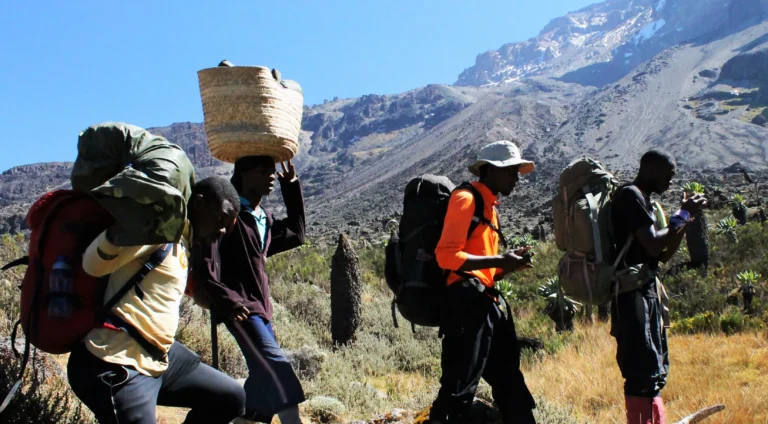
Five-Day Cycle Around Mount Kilimanjaro 2026-2027
Five-Day Cycle around Mount Kilimanjaro is explained with current 2026-2027 planning, price, itinerary and booking information.
View package details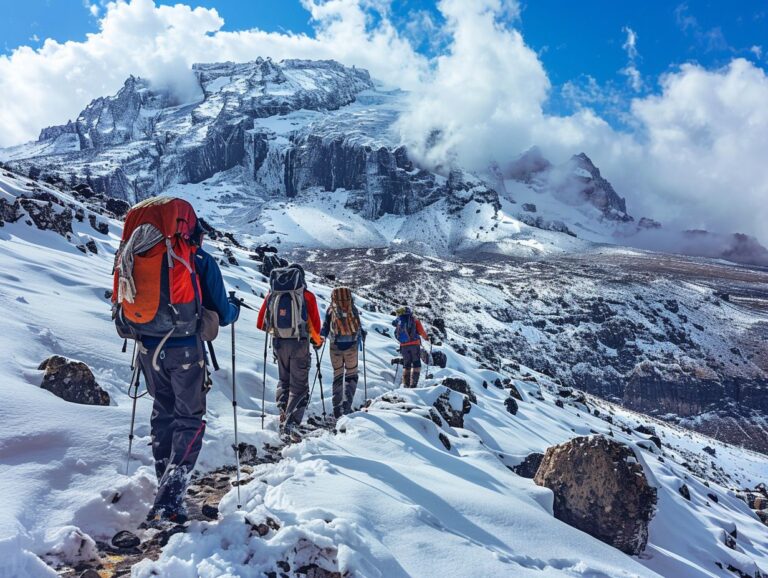
Three-Day Kilimanjaro Cycling Adventure: Routes, Costs & Planning 2026-2027
Experience the thrill of a Three-Day Kilimanjaro Cycling Adventure, a unique way to explore the lower slopes of Africa's highest peak. This guide covers routes, essential gear, fitness...
View package details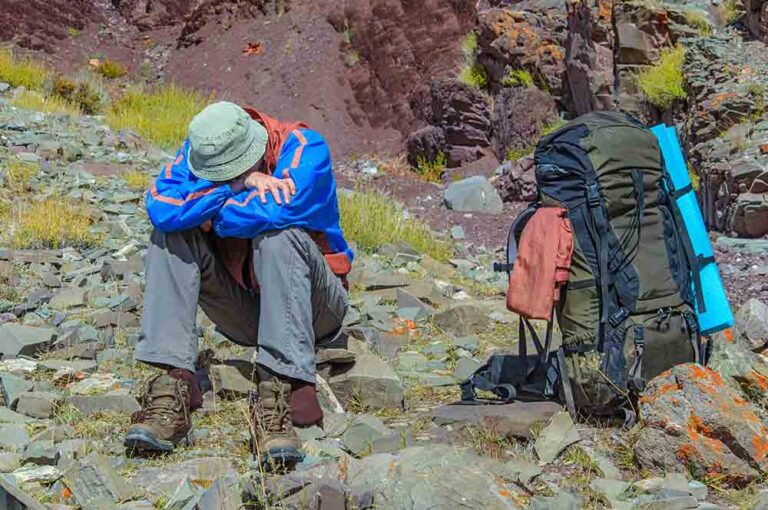
One-Day Kilimanjaro Foothills Bike Tour: An Unforgettable Adventure 2026-2027
Discover the beauty and culture surrounding Mount Kilimanjaro on an exhilarating one-day bike tour through its foothills. This adventure offers a unique perspective on Tanzania's iconic...
View package details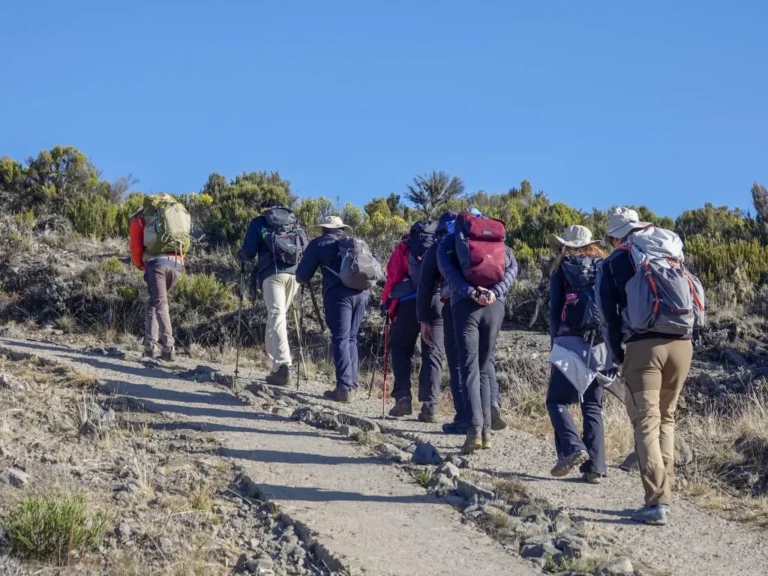
Kilimanjaro Mountain-Biking Tour From Moshi: Your Ultimate Adventure Guide
Discover the thrill of a Kilimanjaro Mountain-Biking Tour departing from Moshi. This comprehensive guide covers routes, preparation, costs, and what to expect for your 2026-2027 adventure.
View package details
Kilimanjaro Support Package For Mixed-Ability Groups: Expert Guidance Climbs
Top Guide Adventures offers specialized Kilimanjaro support packages designed for mixed-ability groups, ensuring a safe and successful climb for everyone in 2026 and 2027. This...
View package details
Kilimanjaro Family Trip: Climbing And Non-Climbing Options For 2026-2027
Organizing a Kilimanjaro family trip requires careful planning to accommodate varying interests and abilities, ensuring everyone has a memorable experience. This guide covers options for...
View package detailsKilimanjaro Scenic Experience Without Summiting: Best Views & Treks 2026-2027
Experience the majestic beauty of Mount Kilimanjaro without the demanding summit climb. This guide details the best scenic viewpoints, lower-altitude treks, and unique natural wonders...
View package detailsNo related package matches those filters. Clear one or more filters to see the other topic-matched options.



