
Effectively packing prescription medication for your Kilimanjaro climb in 2026-2027 involves consulting your doctor well in advance, carrying sufficient quantities for your entire trip plus a buffer, keeping all medications in their original packaging with clear labels, and organizing them in a waterproof, easily accessible daypack. Essential items often include altitude sickness prevention and treatment (like Diamox), pain relief, anti-inflammatories, and any personal medications, all accompanied by a doctor’s note.
Understanding the Importance of Prescription Medication for Kilimanjaro Treks
Climbing Mount Kilimanjaro is a significant physical and mental undertaking. While the journey is exhilarating and offers unparalleled views, it also presents unique physiological challenges, primarily related to altitude. For many trekkers, managing their health effectively is paramount to a successful and enjoyable ascent. This is where a well-prepared Kilimanjaro prescription medication packing guide becomes indispensable. Beyond the standard trekking gear, carrying the right medications can mean the difference between reaching the summit and facing an early descent. This guide focuses specifically on prescription medications, aiming to provide comprehensive information for trekkers planning their adventure for 2026 and 2027.
Top Guide Adventures, as one of Tanzania’s most trusted tour operators, understands the critical role of preparation. We’ve guided countless climbers to the Roof of Africa and recognize that while our guides are trained in basic first aid and altitude management, personal prescription medication is your first line of defense for pre-existing conditions and common trek-related ailments. This guide is designed to empower you with the knowledge to pack appropriately, ensuring your health and safety are prioritized throughout your Kilimanjaro journey.
Consulting Your Doctor: The First Step in Your Kilimanjaro Medication Plan
Before you even think about packing your bags for Kilimanjaro, the most crucial step is to schedule a consultation with your primary care physician or a travel medicine specialist. This consultation is not optional; it’s fundamental to your safety. For any Kilimanjaro trek in 2026 or 2027, your doctor can:
- Review your medical history and any pre-existing conditions (e.g., asthma, diabetes, heart conditions, allergies).
- Assess your fitness level and suitability for high-altitude trekking.
- Prescribe necessary medications for altitude sickness prevention or treatment.
- Provide advice on managing chronic conditions at altitude.
- Offer guidance on potential travel-related health risks specific to Tanzania.
- Provide a letter or prescription detailing your medications, which may be required by customs or for emergency medical personnel.
Be honest with your doctor about the duration of your trek (typically 5-9 days on the mountain), the expected altitudes (up to 5,895 meters or 19,341 feet), and the environmental conditions (cold, strenuous activity). This information will help them make informed recommendations regarding your Kilimanjaro prescription medication needs. Don’t delay this consultation; it’s best done at least 4-6 weeks before your departure to allow time for prescriptions, potential adjustments, and to understand how your body reacts to any new medications.
Essential Prescription Medications for Kilimanjaro Climbers
While individual needs vary, certain prescription medications are commonly recommended or required for Kilimanjaro climbs. Here’s a breakdown:
Altitude Sickness Medication: Diamox (Acetazolamide)
This is arguably the most important prescription medication for Kilimanjaro. Diamox is a carbonic anhydrase inhibitor that helps speed up acclimatization by increasing breathing rate and volume, thereby increasing oxygen uptake. It is often prescribed for both prevention and treatment of Acute Mountain Sickness (AMS).
- Dosage: Your doctor will prescribe the correct dosage, typically 125mg twice daily, starting 1-2 days before ascent and continuing during the climb. Some may use it only for symptom relief.
- Side Effects: Common side effects include increased urination, tingling in the hands and feet, and a metallic taste. Staying hydrated is crucial.
- Availability: Diamox is a prescription-only medication. Ensure you obtain it from a reputable pharmacy with a valid prescription.
- Alternatives: While Diamox is the standard, your doctor may discuss other options if you have contraindications.
For your Kilimanjaro climb in 2026 or 2027, discussing Diamox with your doctor should be a priority. Understanding its use and potential side effects is key to leveraging its benefits safely.
Pain Relievers and Anti-Inflammatories
The physical exertion of climbing Kilimanjaro can lead to muscle soreness, headaches, and general aches. Prescription-strength pain relievers and anti-inflammatories can be invaluable.
- Ibuprofen/Naproxen (NSAIDs): While available over-the-counter, your doctor might prescribe a higher strength for more significant inflammation or pain. These help reduce swelling and pain in muscles and joints.
- Acetaminophen (Paracetamol): A good option for general pain relief, especially if you cannot take NSAIDs.
- Stronger Painkillers: In rare cases, for severe pain, your doctor might prescribe stronger medications, but these should be used with extreme caution at altitude due to potential side effects like respiratory depression.
Always use these medications as directed by your doctor and be aware of potential interactions with other drugs, especially Diamox.
Medications for Pre-existing Conditions
If you have any chronic health conditions, it’s imperative to bring an adequate supply of your prescribed medications. This includes, but is not limited to:
- Asthma Inhalers: Cold, dry air at altitude can trigger asthma. Carry your inhaler(s) and ensure they are easily accessible.
- Diabetes Medication: Managing blood sugar levels at altitude requires careful planning. Discuss your regimen with your doctor.
- Heart Conditions: If you have any cardiac issues, ensure your cardiologist has cleared you for high-altitude trekking and provided necessary prescriptions.
- Allergies: Bring any prescribed antihistamines or emergency medications (like an EpiPen) if you have severe allergies.
Ensure you have enough medication for the entire trip, plus a few extra days’ supply to account for any unforeseen delays. This is a critical aspect of your Kilimanjaro prescription medication packing guide.
Gastrointestinal Medications
Changes in diet, water, and stress can sometimes lead to digestive issues.
- Anti-diarrheal medication: A prescription-strength option can be useful if over-the-counter remedies are insufficient.
- Stomach acid reducers: If you are prone to heartburn or acid reflux, discuss options with your doctor.
Personalized Medications: What Else Might You Need?
Beyond the commonly recommended list, your personal health needs dictate other potential prescriptions:
- Sleep Aids: High altitude and discomfort can disrupt sleep. If you rely on prescription sleep aids, discuss their use at altitude with your doctor, as some can have adverse effects.
- Anxiety or Depression Medication: If you are on medication for mental health, ensure you have a stable supply and have discussed any potential altitude-related interactions with your prescribing physician.
- Eye Drops/Contact Lens Solutions: The dry, dusty environment can irritate eyes. Bring any necessary prescription eye care.
Always carry a copy of your prescription and a letter from your doctor explaining your need for these medications. This can be vital for customs and in case of a medical emergency during your Kilimanjaro climb in 2026-2027.
Packing Your Kilimanjaro Prescription Medication: Practical Tips
Once you have your prescriptions, the next challenge is how to pack them effectively for a multi-day trek on Kilimanjaro.
Original Packaging is Key
Always keep your prescription medications in their original containers. This means the bottle, blister pack, or inhaler that came directly from the pharmacy. Why is this important?
- Identification: Original packaging clearly displays the medication name, dosage, your name, the prescribing doctor, and pharmacy information. This is crucial for identification by customs officials, medical personnel, or in case of an emergency.
- Compliance: Some countries or airlines may have regulations requiring medications to be in their original packaging.
- Accuracy: It prevents confusion between different medications, especially if you take several.
If you have large bottles of medication, consider transferring a portion to a smaller, clearly labeled original container for the trek itself, keeping the larger supply securely stored elsewhere (e.g., at your hotel in Moshi) if you have a longer trip in Tanzania. However, for the climb, original is best.
Waterproof and Accessible Storage
Your medications will be exposed to varying conditions, including potential rain, sweat, and temperature changes. Proper storage is vital to maintain their efficacy.
- Waterproof Bag/Pouch: Use a dedicated waterproof pouch or a sturdy Ziploc bag to store all your prescription medications. This protects them from moisture.
- Daypack Essentials: The medications you’ll need during the day (e.g., Diamox, pain relievers, inhalers) should be stored in your daypack, which you carry with you at all times. This ensures immediate access when needed, rather than having to wait for your main duffel bag to be opened.
- Organization: Consider using a small pill organizer for daily doses if you have multiple small pills, but ensure the original packaging is still available or that the organizer is clearly labeled with the medication name and dosage.
Quantity: Enough for the Journey and Beyond
Running out of essential medication on Kilimanjaro is not an option. Plan carefully:
- Trek Duration: Calculate the total number of pills needed based on your planned itinerary (e.g., 7 days on the mountain).
- Buffer Supply: Add at least 50% extra to your calculated quantity. This accounts for potential delays (weather, personal pace), unexpected extensions, or if your doctor advises a longer course of medication.
- Doctor’s Prescription: Ensure your prescription reflects the quantities you intend to carry.
For a typical 7-day climb, if your prescription is for one pill per day, aim to pack at least 10-14 pills. This is a crucial detail for your Kilimanjaro prescription medication packing guide for 2026-2027.
Doctor’s Letter: A Necessary Document
It is highly recommended to carry a signed letter from your doctor. This letter should:
- State your name.
- List the prescription medications you are carrying.
- Explain the medical necessity for each medication.
- Specify the dosage and duration of use.
This document can be presented to airline security, customs officials, or medical professionals if needed. It adds a layer of legitimacy and preparedness to your travel.
Specific Considerations for Altitude and Climate
The unique environment of Kilimanjaro presents specific challenges that your medication strategy should address.
Altitude and Medication Efficacy
Altitude can affect how your body absorbs and metabolizes medications. While most common prescriptions are generally safe, it’s wise to discuss this with your doctor.
- Diamox: As mentioned, it’s designed to help with altitude.
- Other Medications: For most other routine prescriptions, the effect of altitude is minimal, but awareness is key. If you experience unexpected side effects or reduced efficacy, consult your doctor upon return.
Cold and Heat Sensitivity
Medications can degrade if exposed to extreme temperatures.
- Temperature Fluctuations: On Kilimanjaro, you can experience everything from hot equatorial sun at the base to freezing temperatures near the summit.
- Storage Advice: Keep medications in a temperature-controlled part of your pack. Your daypack, often worn close to your body, can help regulate temperature. Avoid leaving them in a hot vehicle or exposed to direct sunlight for extended periods.
- Inhalers: Keep asthma inhalers warm, as cold can reduce their effectiveness. Carry them in an inside pocket.
Hydration and Medication
Staying well-hydrated is critical on Kilimanjaro, and it also impacts medication effectiveness and side effects.
- Increased Urination: Diamox increases urination, so consistent fluid intake is vital to prevent dehydration.
- Absorption: Some medications are better absorbed with food and water. Follow your doctor’s or pharmacist’s advice.
What About Over-the-Counter (OTC) Medications?
While this guide focuses on prescription items, a robust Kilimanjaro packing list also includes essential OTC medications. These can often manage minor ailments before they become significant issues.
- Pain Relief: Ibuprofen, Paracetamol.
- Antihistamines: For allergies or insect bites.
- Antiseptic Wipes: For hygiene and minor wound cleaning.
- Motion Sickness Medication: If you are prone to car sickness during transfers.
- Antacids: For indigestion.
- Throat Lozenges: Dry air can irritate the throat.
Even for OTCs, it’s wise to bring a reasonable supply, especially if you know a particular product works well for you. Keep them in their original packaging and organized.
Legal and Customs Considerations for Medications
Traveling internationally with medication requires attention to regulations.
Tanzania’s Regulations
Tanzania generally allows travelers to bring personal medication for their own use. However, it’s always best to be prepared:
- Prescription Requirement: Keep all prescription medications in their original packaging with clear labels.
- Quantity Limits: Carry only what is reasonably needed for your trip. Bringing excessive amounts might raise suspicion.
- Restricted Substances: Be aware that some medications common in other countries might be controlled or illegal in Tanzania. If in doubt, consult the Tanzanian embassy or consulate in your country or your travel doctor.
Airline Regulations
Airlines also have rules regarding medications:
- Carry-on vs. Checked Baggage: Essential medications, especially those that need to be kept at a specific temperature or are time-sensitive (like insulin), should always be in your carry-on luggage. This prevents loss or delays if your checked baggage is misplaced.
- Liquid Restrictions: If you have liquid medications, be aware of airline liquid restrictions for carry-on baggage. Traveling with a doctor’s note explaining the necessity of these liquids can be helpful.
- Sharp Objects: Syringes and needles must be declared and accompanied by a prescription.
For your Kilimanjaro climb in 2026-2027, it’s prudent to check the specific regulations of the airlines you will be flying with.
Packing Your Medications on Kilimanjaro: Where They Go
Understanding where to store your medications during the climb is crucial for safety and convenience.
Daypack: Immediate Access
Your daypack is your lifeline on the mountain. It should contain:
- Daily medication doses: Any pills you need to take during the day (e.g., Diamox, pain relievers).
- Emergency medication: Such as an asthma inhaler or EpiPen.
- First-aid basics: Including any personal prescription items you might need quickly.
Keep these items in a waterproof pouch within your daypack for easy access. Our guides will be checking on you regularly, but having your immediate needs accessible is empowering.
Main Duffel Bag: Bulk Storage
Your main duffel bag, carried by a porter, will hold the bulk of your supplies, including the majority of your prescription medications.
- Larger quantities: Store the remaining supply of your medications here.
- Organized: Ensure it’s also in a waterproof container within the duffel.
While you won’t access this bag during the day’s trek, it’s important for ensuring you have your full supply for the entire expedition.
Special Considerations for Different Kilimanjaro Routes
While the fundamental principles of packing prescription medication remain the same across all routes, the duration and pace of different Kilimanjaro routes might influence the quantity you need.
- Shorter Routes (e.g., Marangu 5-day): While quicker, the rapid ascent increases AMS risk. Ensure you have adequate Diamox and pain relief.
- Longer Routes (e.g., Lemosho, Machame 7-8 days): These routes offer better acclimatization, potentially reducing the need for extensive altitude medication, but it’s still essential to carry it as prescribed. Longer durations mean you need to ensure you have sufficient quantities of all personal medications.
Regardless of the route chosen for your Kilimanjaro climb in 2026 or 2027, your Kilimanjaro prescription medication packing guide should prioritize safety and preparedness for the specific demands of high-altitude trekking.
A Sample Kilimanjaro Prescription Medication Checklist
To help you visualize, here’s a sample checklist. Remember: this is a template, and your personal needs must be determined with your doctor.
Kilimanjaro Prescription Medication Checklist (Sample)
- Altitude Sickness: Diamox (Acetazolamide) – Prescribed dosage for prevention/treatment.
- Pain Relief: Prescription-strength NSAIDs (e.g., higher-dose Ibuprofen) or other prescribed pain relievers.
- Anti-inflammatory: As prescribed by your doctor.
- Personal Condition Medication: Sufficient supply of all regular prescriptions (e.g., inhalers, diabetes medication, heart medication).
- Allergy Medication: Prescribed antihistamines or emergency epinephrine auto-injector (EpiPen).
- Gastrointestinal: Prescription anti-diarrheal or other stomach-related medications.
- Sleep Aid: If prescribed and approved for altitude use.
- Other Personal Prescriptions: Any other medications specific to your health needs.
- Doctor’s Letter: Signed letter detailing all prescription medications.
- Prescriptions: Copies of all prescriptions.
For your 2026-2027 Kilimanjaro adventure, this checklist serves as a starting point for your detailed planning.
What to Do in Case of a Medical Emergency on the Mountain
While meticulous preparation with your Kilimanjaro prescription medication is key, understanding emergency protocols is also vital.
- Inform Your Guide: If you feel unwell, experience side effects from medication, or have a medical issue, inform your lead guide immediately. They are trained to assess the situation and initiate appropriate action.
- Evacuation Plan: Top Guide Adventures has established evacuation procedures. In severe cases, a rescue may be initiated, potentially involving a helicopter or stretcher.
- Medical Support: While guides provide basic care, serious medical issues may require evacuation to a medical facility in Moshi or Arusha. Your doctor’s letter and clearly labeled medications can be crucial for emergency responders.
Our team is committed to your safety. Prompt communication with your guide is the most important step in any medical situation on the mountain.
The Role of Top Guide Adventures in Your Health and Safety
As your trusted partner for Kilimanjaro climbs in 2026 and 2027, Top Guide Adventures prioritizes your well-being. Our commitment extends beyond logistics:
- Experienced Guides: Our guides are certified in Wilderness First Aid and possess extensive experience managing altitude-related symptoms and general trekking health.
- Communication: We ensure clear communication channels between you, your guides, and our support team.
- Emergency Preparedness: We carry comprehensive first-aid kits and have established emergency evacuation plans.
- Pre-Trip Information: We provide detailed pre-trip information, including advice on health and preparation, to ensure you are as ready as possible.
While we manage the mountain logistics and guide your ascent, the responsibility for your personal prescription medication and overall health management lies with you and your doctor. Our Kilimanjaro prescription medication packing guide is designed to supplement the professional medical advice you receive.
Final Thoughts for a Safe and Successful Kilimanjaro Climb
Climbing Kilimanjaro is an unforgettable achievement. Proper preparation, particularly regarding your health and necessary prescription medications, is fundamental to enjoying the experience and reaching your goal. By consulting your doctor early, understanding your medication needs, packing them correctly, and staying informed, you significantly enhance your chances of a safe and successful trek.
Remember to start planning your Kilimanjaro prescription medication packing well in advance of your 2026 or 2027 climb. Discuss your itinerary with your doctor, obtain all necessary prescriptions, and pack them thoughtfully. Your health is your most important piece of gear.
Should you have any questions about preparing for your Kilimanjaro climb with Top Guide Adventures, or if you need assistance with planning your itinerary for 2026-2027, please do not hesitate to contact us. We are dedicated to making your Tanzanian adventure a reality. Reach us via WhatsApp +255616946642 or email us at topguideadventures@gmail.com. You can also find more information and inspiration on our website Top Guide Adventures and connect with us on Instagram.
Check Availability for Kilimanjaro Prescription Medication Packing Guide For Climbs 2026-2027
Ready to compare dates, prices, and the best option for your group? Send the package name and travel month so the team can reply with a clear quote, availability, and what is included.
Kilimanjaro Toiletries And Hygiene Packing List: Essential Items For Your
Prepare for your Kilimanjaro climb with Top Guide Adventures' essential toiletries and hygiene packing list. Discover what to bring to stay clean and comfortable on the mountain.
View package details
What Goes In Your Kilimanjaro Summit-Day Backpack? Expert Packing Guide
A comprehensive guide to packing your Kilimanjaro summit-day backpack. Discover the essential gear, clothing layers, hydration, nutrition, and safety items needed for a successful trek to...
View package details
Kilimanjaro Marathon Travel Package: Your Complete Guide 2026-2027
Planning to run the Kilimanjaro Marathon? Top Guide Adventures offers comprehensive travel packages for the 2026-2027 races, covering everything from race entry and accommodation to pre...
View package details
Kilimanjaro Trail-Running Holiday 2026-2027
Kilimanjaro Trail-Running Holiday is explained with current 2026-2027 planning, price, itinerary and booking information.
View package details
Kilimanjaro Gravel-Bike Adventure: Ultimate Tanzania Cycling Guide 2026-2027
Discover the thrill of a Kilimanjaro Gravel-Bike Adventure, blending challenging cycling with the stunning landscapes of Tanzania. This guide covers everything you need for an unforgettable...
View package details
Kilimanjaro Coffee-Farm Cycling Tour: Your Ultimate Adventure In 2026-2027
A detailed 2026-2027 guide to Kilimanjaro Coffee-Farm Cycling Tour, with clear planning and booking information for travelers.
View package details
Five-Day Cycle Around Mount Kilimanjaro 2026-2027
Five-Day Cycle around Mount Kilimanjaro is explained with current 2026-2027 planning, price, itinerary and booking information.
View package details
Three-Day Kilimanjaro Cycling Adventure: Routes, Costs & Planning 2026-2027
Experience the thrill of a Three-Day Kilimanjaro Cycling Adventure, a unique way to explore the lower slopes of Africa's highest peak. This guide covers routes, essential gear, fitness...
View package details
One-Day Kilimanjaro Foothills Bike Tour: An Unforgettable Adventure 2026-2027
Discover the beauty and culture surrounding Mount Kilimanjaro on an exhilarating one-day bike tour through its foothills. This adventure offers a unique perspective on Tanzania's iconic...
View package details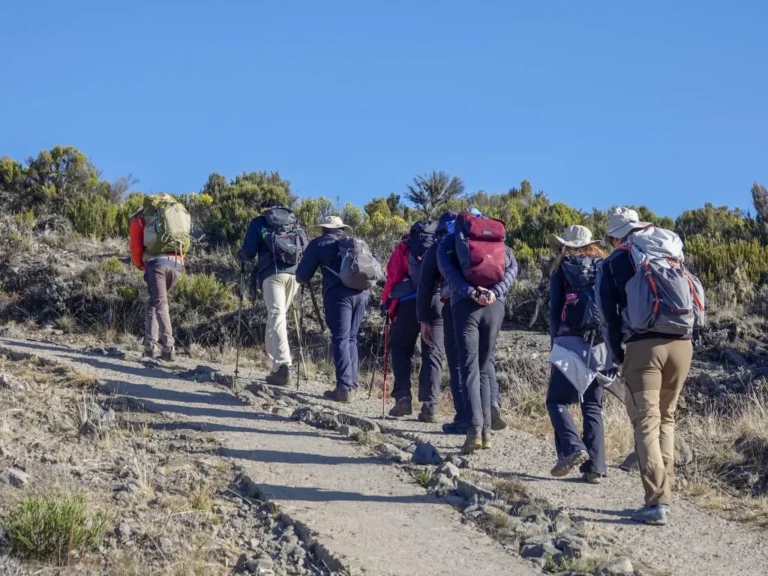
Kilimanjaro Mountain-Biking Tour From Moshi: Your Ultimate Adventure Guide
Discover the thrill of a Kilimanjaro Mountain-Biking Tour departing from Moshi. This comprehensive guide covers routes, preparation, costs, and what to expect for your 2026-2027 adventure.
View package details
Kilimanjaro Support Package For Mixed-Ability Groups: Expert Guidance Climbs
Top Guide Adventures offers specialized Kilimanjaro support packages designed for mixed-ability groups, ensuring a safe and successful climb for everyone in 2026 and 2027. This...
View package details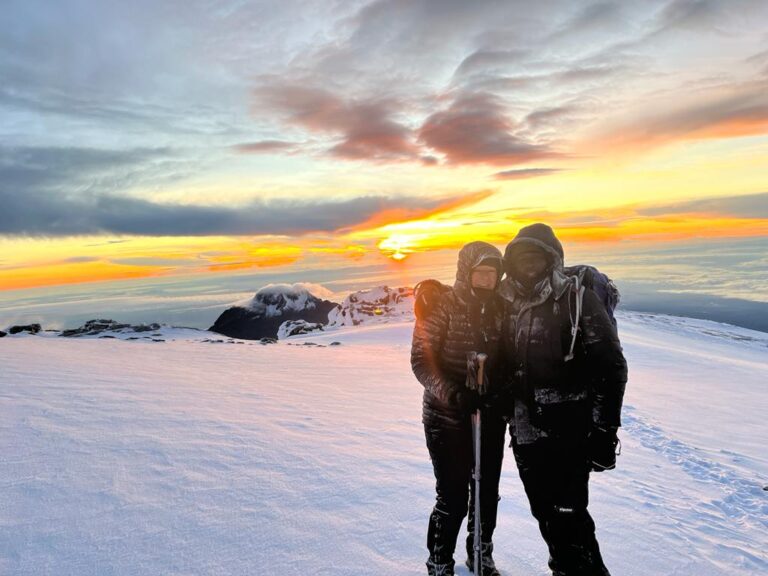
Kilimanjaro Family Trip: Climbing And Non-Climbing Options For 2026-2027
Organizing a Kilimanjaro family trip requires careful planning to accommodate varying interests and abilities, ensuring everyone has a memorable experience. This guide covers options for...
View package detailsNo related package matches those filters. Clear one or more filters to see the other topic-matched options.



