
Climbing Mount Kilimanjaro with lactose-free meals is fully supported by experienced tour operators like Top Guide Adventures, who can provide specially prepared, safe, and nutritious food throughout your trek. Proper planning, clear communication with your guide company about your dietary restrictions, and understanding the types of foods available on the mountain are key to a successful and comfortable Kilimanjaro climb with lactose-free meals.
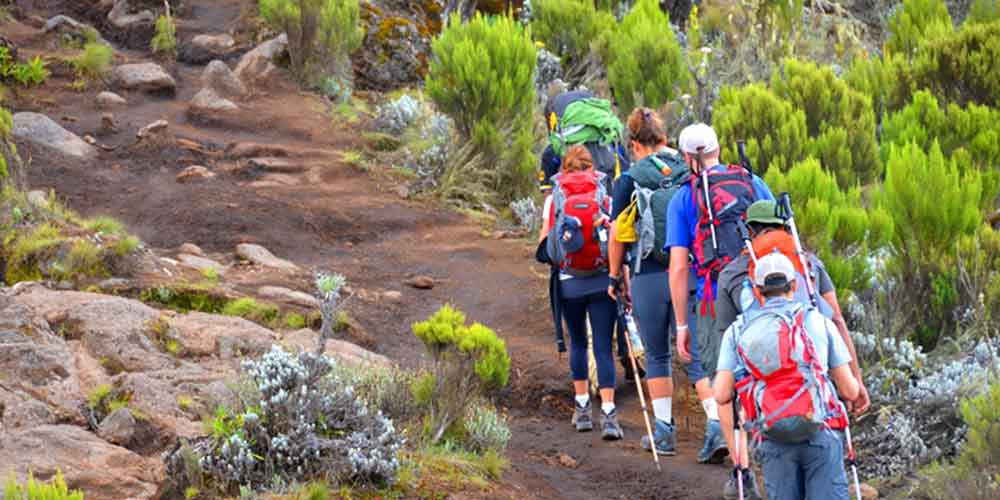
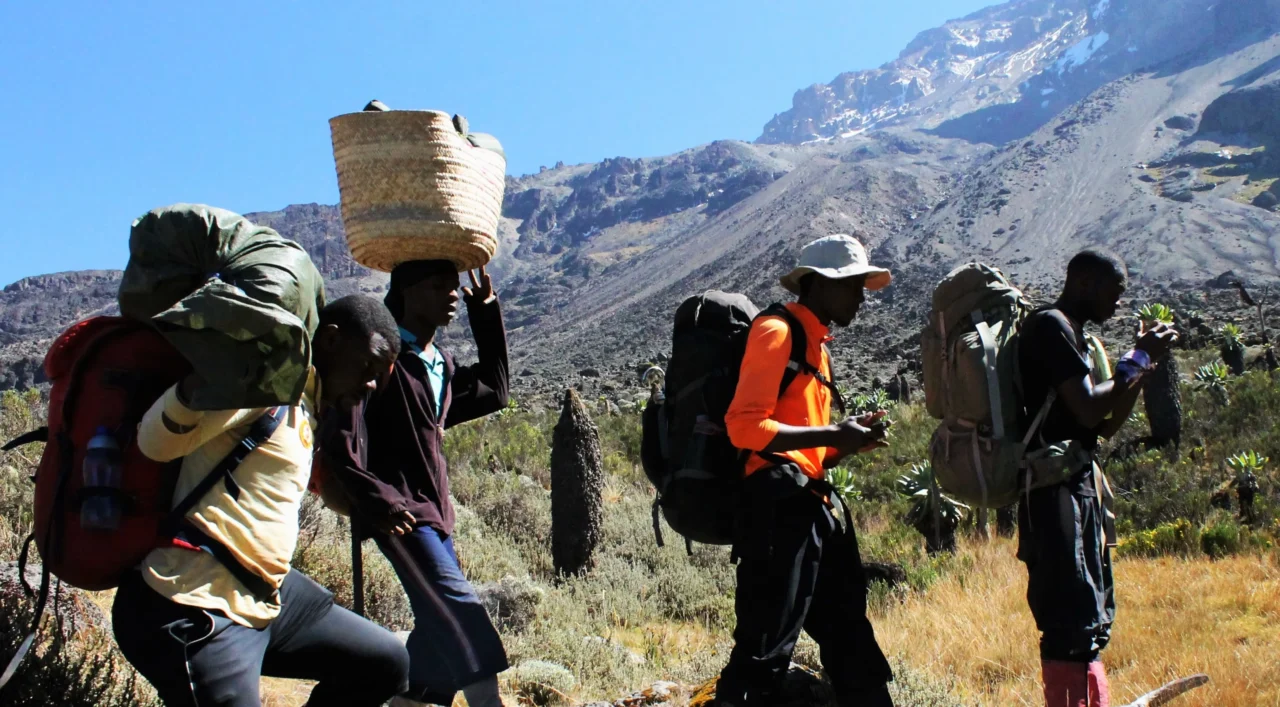
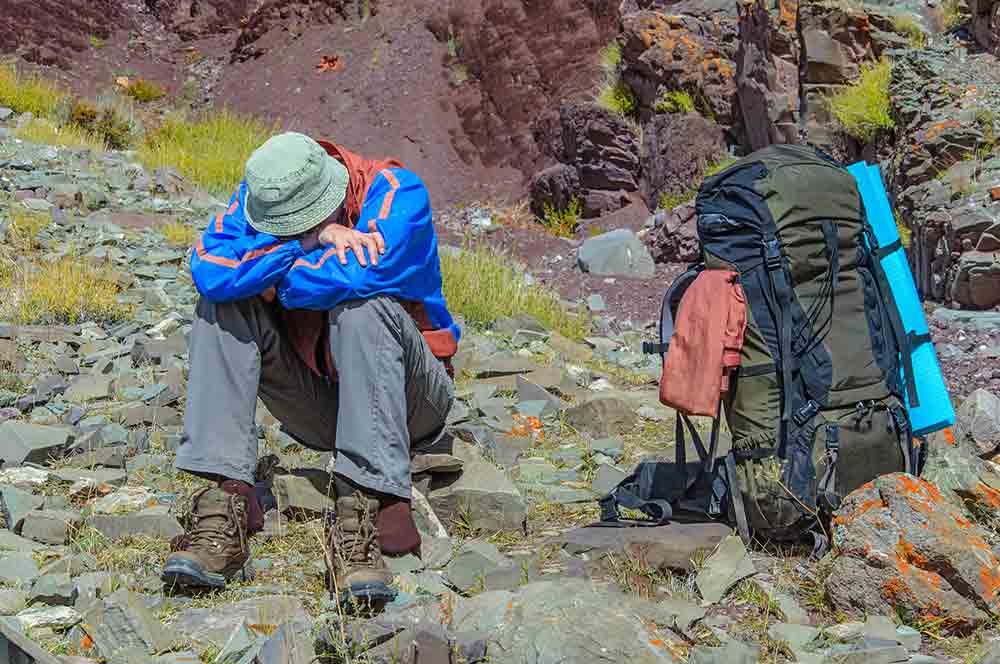
Your Comprehensive Guide to a Kilimanjaro Climb with Lactose-Free Meals
Mount Kilimanjaro, the Roof of Africa, beckons adventurers from around the globe with its majestic presence and challenging yet rewarding summit. For many, the dream of standing atop the continent involves meticulous planning, not just for the physical demands of the ascent, but also for specific dietary requirements. If you are lactose intolerant, the prospect of a multi-day trek might raise questions about food availability. Rest assured, a Kilimanjaro climb with lactose-free meals is not only possible but can be managed effectively with the right preparation and a knowledgeable tour operator.
At Top Guide Adventures, we understand that every trekker is unique. We pride ourselves on offering personalized service, ensuring that your journey to the summit of Kilimanjaro is as safe, comfortable, and enjoyable as possible. This includes catering to a wide range of dietary needs, including lactose intolerance. This extensive guide will walk you through everything you need to know about undertaking a Kilimanjaro climb with lactose-free meals, covering meal planning, on-mountain nutrition, and how to best communicate your needs to your trekking team.
Understanding Lactose Intolerance and Trekking
Lactose intolerance is a digestive disorder characterized by the inability to fully digest lactose, a sugar found in milk and dairy products. Symptoms can range from mild discomfort to severe digestive distress. For a strenuous activity like climbing Kilimanjaro, where your body is already under significant stress, managing dietary restrictions is crucial to prevent illness and maintain energy levels.
The challenges on a Kilimanjaro climb with lactose-free meals are primarily logistical: ensuring that all meals prepared by the kitchen crew are free from lactose-containing ingredients and avoiding cross-contamination. Dairy products are common in many cuisines, including those often served on treks, so vigilance is necessary.
Why Proper Nutrition is Paramount on Kilimanjaro
Climbing Kilimanjaro is an aerobic endurance event. Your body requires a consistent supply of energy to perform at altitude. Carbohydrates are the primary fuel source, but proteins are essential for muscle repair, and fats provide sustained energy. Electrolytes are also vital for hydration and nerve function.
On Kilimanjaro, trekkers consume approximately 4,000-6,000 calories per day. The food provided must be:
- Nutritious: Packed with essential vitamins and minerals.
- Energy-Dense: Providing sufficient calories to fuel your ascent.
- Easily Digestible: Especially important for those with dietary sensitivities.
- Safe: Prepared hygienically to prevent foodborne illnesses.
For individuals requiring a lactose-free diet, the goal is to replace the nutritional benefits of dairy with other suitable sources without compromising taste or safety. This means carefully selecting ingredients and ensuring that chefs are well-informed.
Communicating Your Lactose-Free Needs to Top Guide Adventures
The first and most critical step for a successful Kilimanjaro climb with lactose-free meals is clear and early communication. When you book your trek with Top Guide Adventures, you will have the opportunity to detail any dietary requirements, allergies, or intolerances.
When to Inform Us:
As soon as possible after booking your Kilimanjaro climb. The earlier we know, the better we can plan. Ideally, this should be done at the time of booking or within a few days thereafter. This allows our logistics team and head chef ample time to prepare.
What Information to Provide:
- Clearly state “lactose-free diet” or “lactose intolerance”.
- Specify any other dietary restrictions or allergies (e.g., gluten-free, vegetarian, vegan, nut allergies).
- Mention any specific foods you know you cannot tolerate or any preferred alternatives.
How We Manage Your Needs:
Once we receive your dietary information, it is passed on to our experienced expedition chefs. They are trained to prepare meals that meet specific dietary needs. For a Kilimanjaro climb with lactose-free meals, this means:
- Ingredient Sourcing: Ensuring all purchased ingredients are lactose-free.
- Meal Preparation: Using separate cooking utensils and preparation areas where necessary to avoid cross-contamination.
- Menu Customization: Adapting standard meal plans to exclude dairy.
- On-Mountain Communication: The head chef will brief the porters and guides about your dietary needs, ensuring consistent management throughout the trek.
You can reach us directly with your dietary requirements via email at topguideadventures@gmail.com or info@topguideadventures.com, or send a WhatsApp message to +255616946642.
Typical Kilimanjaro Meals and Lactose-Free Alternatives
To illustrate how a Kilimanjaro climb with lactose-free meals works in practice, let’s look at typical meals and how they can be adapted.
Breakfast
A typical Kilimanjaro breakfast often includes:
- Porridge (Oatmeal)
- Eggs (scrambled, fried, boiled)
- Pancakes or Chapati
- Bread with jam/butter
- Fruit salad
- Tea/Coffee
Lactose-Free Alternatives:
- Porridge: Made with water or lactose-free milk (e.g., almond, soy, oat milk, if available and requested).
- Eggs: Naturally lactose-free.
- Pancakes/Chapati: Prepared using water or lactose-free milk and oil instead of butter/milk.
- Bread: Most commercially available bread is lactose-free, but we will confirm ingredients. Butter can be replaced with vegetable-based spreads or omitted.
- Fruit salad: Naturally lactose-free.
- Tea/Coffee: Black tea and coffee are fine. If milk is desired, ensure it’s a lactose-free alternative.
Lunch
Lunches are often packed to be eaten on the trail and can include:
- Sandwiches (cheese, meat, or vegetable fillings)
- Hard-boiled eggs
- Fruits (apples, bananas, oranges)
- Snacks (biscuits, nuts, energy bars)
- Soup
Lactose-Free Alternatives:
- Sandwiches: Fillings will be cheese-free. Options include tuna, chicken, hard-boiled egg salad (made with mayonnaise, not dairy), or vegetable fillings. We will ensure the bread used is lactose-free.
- Hard-boiled eggs, Fruits: Naturally lactose-free.
- Snacks: Biscuits and energy bars will be carefully selected to be dairy-free. We will provide options like nuts, seeds, dried fruit, and fruit leathers.
- Soup: Vegetable-based soups prepared without cream or milk.
Dinner
Dinners are the most substantial meals, often featuring:
- Soup starter
- Main course (e.g., rice with stew, pasta with sauce, chicken/fish with vegetables)
- Dessert (e.g., fruit, cake, pudding)
Lactose-Free Alternatives:
- Soup: Vegetable or broth-based soups without cream or milk.
- Main Course:
- Stews: Made with meat/vegetables and broth, thickened with flour or cornstarch instead of dairy.
- Rice/Pasta Dishes: Served with tomato-based sauces, vegetable sauces, or meat sauces. We will avoid creamy sauces or those made with cheese.
- Grilled Meats/Fish: Served with steamed or roasted vegetables.
- Vegetable Curries: Prepared with coconut milk or water-based sauces.
- Dessert: Fresh fruit is always a reliable lactose-free option. Cakes and puddings can be made using lactose-free ingredients or water.
Snacks and Drinks
During the day, trekkers are provided with snacks and water.
- Snacks: Will be selected to be lactose-free, such as dried fruits, nuts, seeds, and dairy-free energy bars.
- Drinks: Plenty of water is essential. Tea and coffee are provided. We will ensure any milk served with these is lactose-free if requested. Electrolyte powders can also be beneficial and are generally lactose-free.
Key Considerations for Your Lactose-Free Kilimanjaro Climb
Beyond clear communication, here are other factors to consider for a successful Kilimanjaro climb with lactose-free meals:
1. Pre-Trek Preparation:
Pack Your Own Lactose-Free Snacks: While our chefs will provide ample food, bringing a small supply of your favorite, trusted lactose-free snacks can offer peace of mind and extra energy. Look for energy bars, dried fruit, nuts, seeds, or lactose-free jerky.
Hydration is Key: Drink plenty of water throughout your trek. Altitude can dehydrate you, and staying hydrated is crucial for acclimatization and overall well-being. Ensure your water bottles are kept full.
Familiarize Yourself with Ingredients: If you have severe intolerance, familiarize yourself with common hidden sources of lactose (e.g., whey, casein, milk solids, lactose powder) so you can be more aware.
2. On-Mountain Experience:
Daily Check-ins: Upon arrival at camp each evening, your guide will often confirm the next day’s menu. This is another opportunity to briefly reiterate your dietary needs and ensure everything is on track.
Be Observant: While our team is trained, it’s always wise to visually inspect your food. If something looks unusual or you have concerns, don’t hesitate to ask your guide.
Listen to Your Body: Pay attention to how your body reacts to the food. If you experience any digestive discomfort, communicate it to your guide immediately.
3. Choosing the Right Route:
The route you choose for your Kilimanjaro climb does not typically affect the availability of lactose-free meals. All routes utilize similar camping or hut-based logistics with dedicated kitchen crews. However, longer routes generally offer better acclimatization, which can indirectly improve digestion and overall comfort.
4. Route Options and Durations (2026-2027 Considerations):
When planning your Kilimanjaro climb with lactose-free meals for the 2026 or 2027 climbing seasons, consider the duration:
- 7-Day Routes (e.g., Machame, Lemosho): Offer a good balance of acclimatization and success rate. Our chefs are adept at managing dietary needs over this period.
- 8-Day Routes (e.g., Lemosho, Northern Circuit): Provide superior acclimatization, significantly increasing your chances of reaching the summit comfortably. This extended period allows for a more relaxed pace and better adjustment, which can also aid digestion.
- 6-Day Routes (e.g., Marangu, Machame): While shorter, these routes are more challenging due to faster ascents. For anyone with dietary concerns, longer routes are generally recommended.
Top Guide Adventures offers a variety of routes, and we are committed to providing the same level of dietary support regardless of your choice. For the 2026-2027 seasons, booking early is advisable, especially for popular dates, to secure your preferred route and guide team.
Top Guide Adventures: Your Partner for a Lactose-Free Kilimanjaro Climb
Our commitment at Top Guide Adventures extends beyond just providing a trek; we aim to deliver a complete, safe, and personalized adventure. We understand the nuances of catering to dietary needs on a high-altitude expedition.
Why Choose Us for Your Lactose-Free Trek:
- Experienced Chefs: Our expedition chefs are skilled in preparing diverse and nutritious meals, with specific training in handling dietary restrictions like lactose intolerance.
- Quality Ingredients: We source fresh, high-quality ingredients from local markets and ensure they meet our strict standards for freshness and dietary compliance.
- Dedicated Support Staff: Our guides and porters are briefed on your dietary needs, ensuring constant awareness and support throughout your climb.
- Proven Track Record: We have successfully guided numerous trekkers with various dietary requirements, including lactose-free diets, to the summit of Kilimanjaro.
- Personalized Planning: We work with you from the initial inquiry to post-climb, ensuring all your needs are met.
Planning Your 2026-2027 Kilimanjaro Climb with Lactose-Free Meals
The 2026-2027 climbing seasons offer excellent opportunities to summit Kilimanjaro. The best times to climb are generally during the dry seasons: January-March and June-October. Booking your trek at least 6-12 months in advance is highly recommended, especially if you have specific dietary needs like a lactose-free diet, to allow for thorough planning and confirmation with our kitchen team.
Consider the following for your planning:
- Route Selection: Longer routes (7-8 days) are ideal for better acclimatization and comfort, especially when managing dietary needs.
- Group vs. Private Trek: A private trek offers more flexibility and direct communication with your guide, which can be beneficial for managing dietary requirements.
- Booking Window: Secure your spot early for the 2026 and 2027 seasons to ensure availability and allow ample time for us to prepare your lactose-free meal plan.
Potential Challenges and How to Overcome Them
While we strive for perfection, challenges can arise on any high-altitude trek. Here’s how we address potential issues related to a Kilimanjaro climb with lactose-free meals:
1. Cross-Contamination:
Our Protocol: Our kitchen teams are trained to prevent cross-contamination by using separate utensils, cutting boards, and preparation surfaces when preparing lactose-free meals. This is particularly important when preparing meals that might be cooked alongside non-lactose-free options for other group members (though for private groups with specific needs, dedicated prep is standard).
Your Role: Be clear with your guide about your concerns. If you see something that worries you, politely bring it to their attention.
2. Ingredient Availability:
While we aim to source all necessary lactose-free alternatives, very specific or niche products might be difficult to find in remote areas. However, for common requirements like lactose-free milk (almond, soy, oat), we are well-equipped. We prioritize staple lactose-free ingredients.
Your Role: Bringing a small stash of your most essential, hard-to-find lactose-free snacks is a good backup strategy.
3. Miscommunication:
Language barriers can sometimes be a concern, although our guides are fluent in English. Clear, simple communication is key.
Our Role: We train our guides to double-check dietary requirements and ensure they understand your needs precisely. They act as your primary liaison with the kitchen crew.
Your Role: Use direct language. Instead of saying “I can’t have dairy,” say “I am lactose intolerant and need meals without milk, cheese, butter, or cream.” If possible, provide a small card in Swahili explaining your needs, though this is rarely necessary with our team.
4. Altitude Sickness and Digestion:
Altitude sickness can affect anyone and can manifest with symptoms that mimic digestive issues. Nausea, loss of appetite, and stomach upset are common. Lactose intolerance can exacerbate these symptoms.
Our Role: Our guides are trained in first aid and recognizing altitude sickness. They will monitor your condition closely and manage your ascent pace accordingly. They will ensure you are eating and drinking adequately, adapting meal suggestions if your appetite is low.
Your Role: Stay hydrated, eat what you can tolerate, and communicate any symptoms immediately. Avoid forcing down dairy-containing foods, as this could worsen discomfort.
Sample Itinerary Considerations for a Lactose-Free Trek
Let’s consider a 7-day Machame Route trek, focusing on how lactose-free meals fit in:
Day 1: Machame Gate to Machame Camp
Morning: Breakfast at your hotel (arranged by Top Guide Adventures), ensuring it’s lactose-free. Pack lunch provided will be lactose-free sandwiches (e.g., chicken salad made with mayo) and fruit.
Evening: Dinner at Machame Camp. Soup followed by a main course like rice with vegetable stew, prepared without dairy. Dessert: Fresh fruit.
Day 2: Machame Camp to Shira Camp
Morning: Breakfast: Lactose-free porridge made with water, eggs, fruit. Packed lunch: Lactose-free chapati with vegetable filling, snacks.
Evening: Dinner: Vegetable soup, pasta with tomato-based sauce, lactose-free cake.
Day 3: Shira Camp to Barranco Camp
Morning: Breakfast: Lactose-free pancakes, fruit. Packed lunch: Hard-boiled eggs, fruit, dairy-free biscuits.
Evening: Dinner: Lentil soup, chicken and vegetable stir-fry with rice, fresh fruit.
Day 4: Barranco Camp to Karanga Camp
Morning: Breakfast: Scrambled eggs, lactose-free toast. Packed lunch: Tuna sandwiches (lactose-free bread), fruit.
Evening: Dinner: Creamy (dairy-free) vegetable soup, beef stew with potatoes, fruit salad.
Day 5: Karanga Camp to Barafu Camp
Morning: Breakfast: Porridge, fruit. Packed lunch: Vegetable wraps, snacks.
Evening: Dinner: Hearty vegetable soup, rice with vegetable curry (coconut milk based), fruit.
Day 6: Barafu Camp to Summit and Descent to Mweka Camp
Pre-dawn: Light, energy-boosting lactose-free snack (e.g., biscuits, dates). Breakfast is usually skipped or very light before summit push.
Post-Summit/Lunch: Packed lunch during descent: Sandwiches, fruit, energy bars.
Evening: Dinner at Mweka Camp: Celebratory meal – vegetable soup, chicken with vegetables and rice, fruit. Perhaps a special lactose-free dessert.
Day 7: Mweka Camp to Mweka Gate
Morning: Final breakfast: Pancakes, eggs, fruit. A hearty meal before the final descent.
This sample highlights how every meal can be adapted for a Kilimanjaro climb with lactose-free meals, ensuring you receive adequate nutrition and enjoy your food throughout the journey.
Preparing for 2026-2027 Climbs: What to Expect
As you plan your adventure for the 2026 or 2027 Kilimanjaro climbing seasons, remember that the core principles of preparation remain the same, but booking early is key. Demand for Kilimanjaro climbs is consistently high, and early booking ensures you get your preferred dates, routes, and the dedicated support necessary for managing specific dietary needs.
Top Guide Adventures is committed to providing an exceptional experience. Our team is experienced in handling requests for Kilimanjaro climbs with lactose-free meals and other dietary restrictions. We leverage our local knowledge and operational expertise to ensure your trek is safe, enjoyable, and successful.
Booking Your Kilimanjaro Climb with Lactose-Free Meals
Ready to take on the challenge of Kilimanjaro? Contact Top Guide Adventures today to discuss your climb and ensure all your dietary needs, including lactose-free meals, are perfectly arranged. Our team is eager to help you plan an unforgettable adventure for 2026-2027.
Reach out to us:
- WhatsApp: +255616946642
- Email: topguideadventures@gmail.com
- Backup Email: info@topguideadventures.com
- Website: Top Guide Adventures
We look forward to helping you achieve your Kilimanjaro dream with delicious and safe lactose-free meals!
Check Availability for Kilimanjaro Climb With Lactose-Free Meals: Your Complete Guide For 2026-2027
Ready to compare dates, prices, and the best option for your group? Send the package name and travel month so the team can reply with a clear quote, availability, and what is included.
Kilimanjaro Climb With High-Protein Meals: Fueling Your Ascent In 2026-2027
Fueling your Kilimanjaro climb is as critical as choosing the right route. This guide focuses on the power of high-protein meals to sustain energy, aid recovery, and maximize your chances...
View package details
Kilimanjaro Climb With Nut-Free Meal Options Guide
Discover how to plan your Kilimanjaro climb with complete peace of mind regarding nut allergies. Top Guide Adventures specializes in providing safe, delicious, and fully customized nut-free...
View package details
Kilimanjaro Climb With Halal Meals: Your Guide For 2026-2027
Climb Mount Kilimanjaro with confidence, knowing your dietary needs are met. Top Guide Adventures provides specialized Halal meal planning for your 2026-2027 trek, ensuring a safe and...
View package details
Kilimanjaro Climb With Gluten-Free Food: Your Essential Guide For 2026-2027
Climbing Mount Kilimanjaro is an incredible adventure, and dietary needs, like requiring gluten-free food, should not be a barrier. Top Guide Adventures specializes in providing safe...
View package details
Kilimanjaro Climb With Vegan Mountain Meals: Your Expert Guide For 2026-2027
Embarking on a Kilimanjaro climb is a monumental achievement, and ensuring you have the right nutrition, especially with specific dietary needs like veganism, is crucial for success. Top...
View package details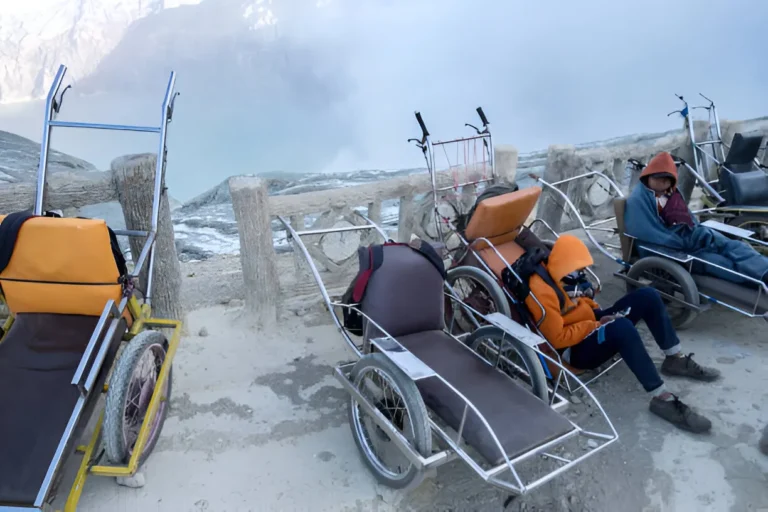
Kilimanjaro Climbing Package With Vegetarian Meals Guide
Planning a Kilimanjaro climb with specific dietary needs? This guide details Kilimanjaro climbing packages that cater to vegetarians, covering routes, meal preparation, and what to expect...
View package details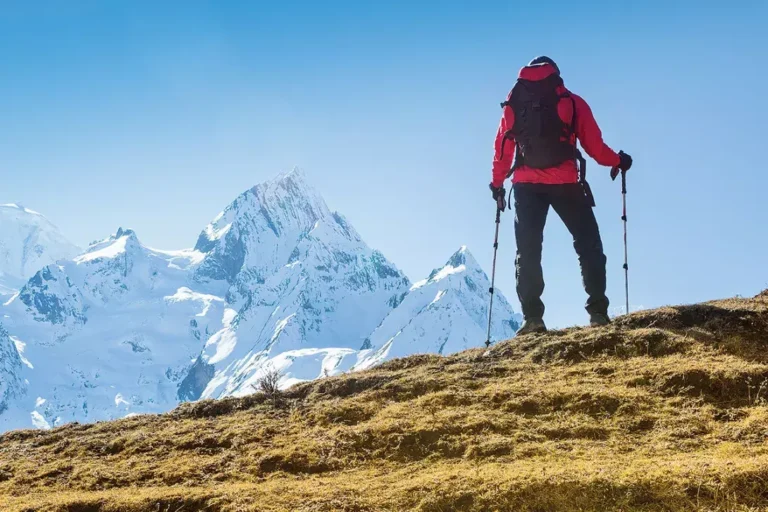
Kilimanjaro Support Package For Mixed-Ability Groups: Expert Guidance Climbs
Top Guide Adventures offers specialized Kilimanjaro support packages designed for mixed-ability groups, ensuring a safe and successful climb for everyone in 2026 and 2027. This...
View package details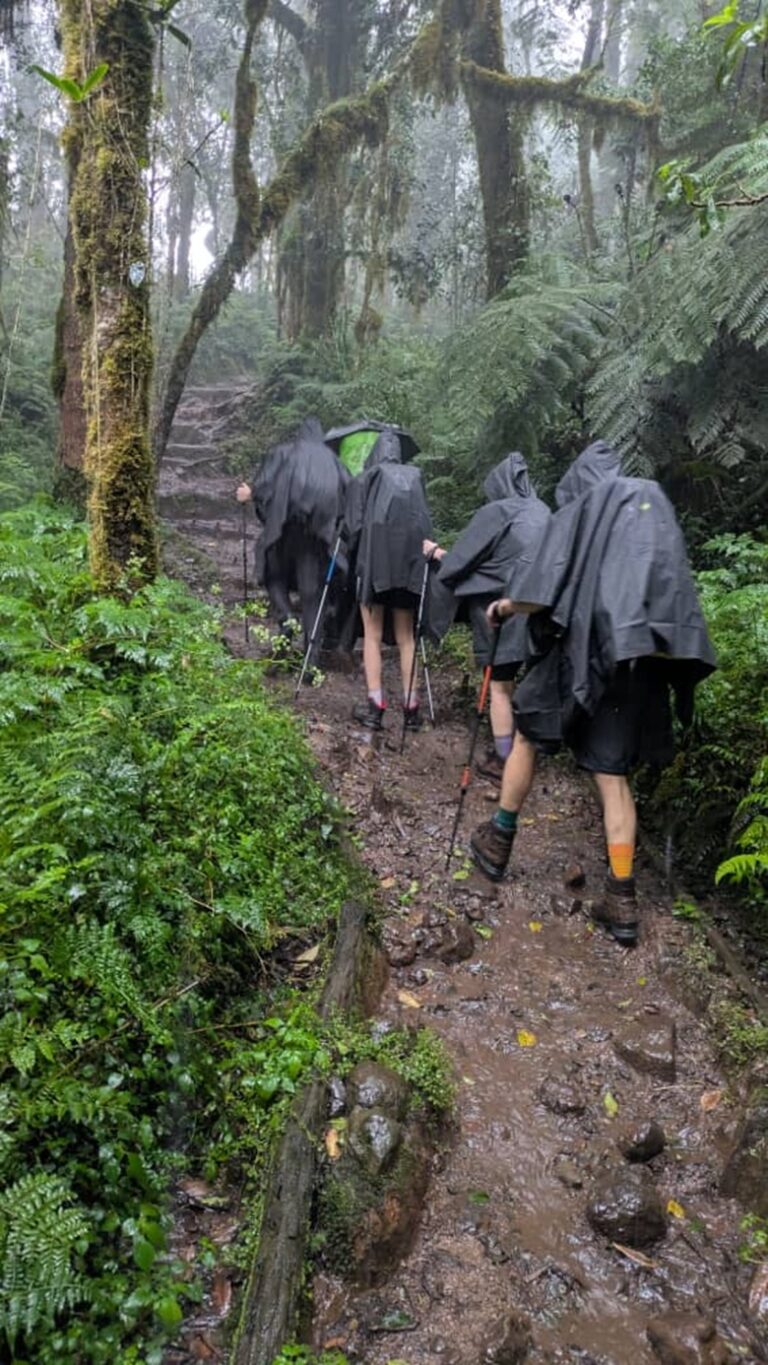
Kilimanjaro Foothills Tour For Non-Climbers: Experience The Majesty Without
Explore the impressive Kilimanjaro foothills on a specialized tour designed for those who prefer to experience the mountain's grandeur without undertaking a strenuous climb. Discover local...
View package details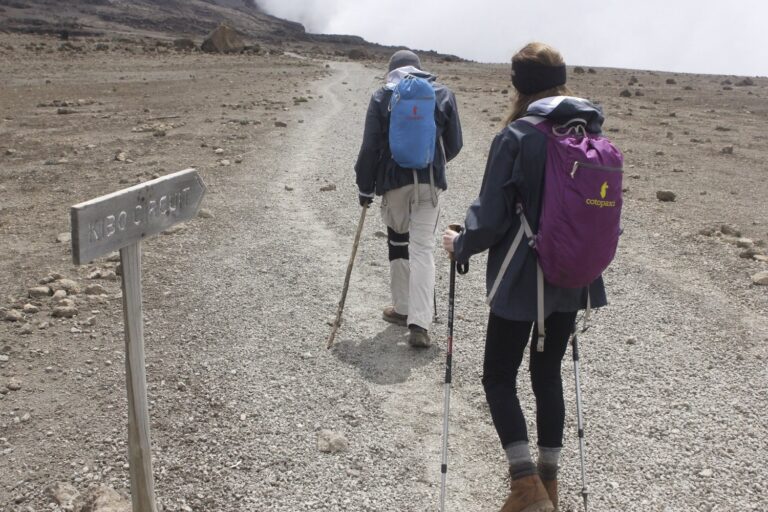
Kilimanjaro Climb For Travellers With Chronic Conditions: Your Expert Guide
Climbing Mount Kilimanjaro with a chronic condition is achievable with meticulous planning and the right guidance. This comprehensive guide addresses the unique considerations for travelers...
View package details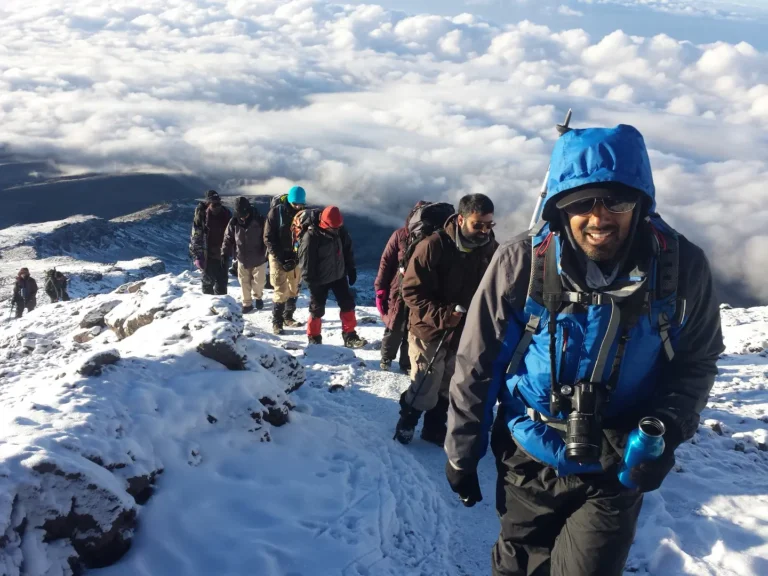
Kilimanjaro Climb For Cancer Survivors: A Journey Of Resilience In 2026-2027
A Kilimanjaro climb offers a profound challenge and a symbol of triumph for cancer survivors. This guide details how to prepare, choose routes, and find the right support for an...
View package details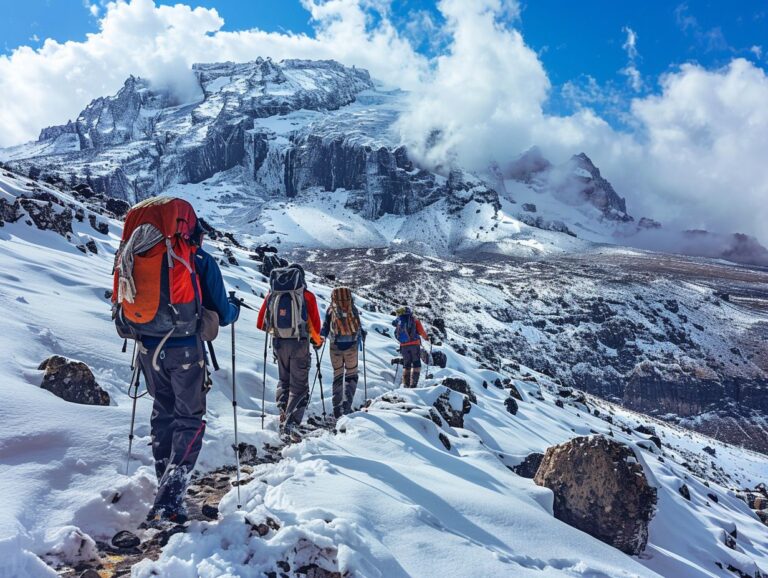
Kilimanjaro Climb With A Prosthetic Limb 2026-2027
Kilimanjaro Climb with a Prosthetic Limb is explained with current 2026-2027 planning, price, itinerary and booking information.
View package details
Kilimanjaro Climb After Knee Surgery: Your Expert Guide For 2026-2027
Considering a Kilimanjaro climb after knee surgery? This comprehensive guide details the feasibility, preparation, risks, and essential considerations for undertaking this ambitious trek in...
View package detailsNo related package matches those filters. Clear one or more filters to see the other topic-matched options.



