
Kilimanjaro hydration salts and electrolytes are crucial for trekkers to maintain fluid balance, replenish lost minerals from sweat and exertion at altitude, and significantly aid acclimatization, thereby reducing the risk of altitude sickness and improving overall performance on the mountain during climbs in 2026 and 2027.
Why Kilimanjaro Hydration Salts and Electrolytes Are Non-Negotiable
Climbing Mount Kilimanjaro is a significant physical undertaking. While many focus on physical fitness, gear, and the route itself, one of the most underestimated yet critical factors for success and safety is proper hydration, specifically through the use of hydration salts and electrolytes. At altitudes exceeding 5,000 meters (16,400 feet), the human body undergoes profound physiological changes. Dehydration is not just about feeling thirsty; it’s a serious threat that can accelerate altitude sickness, lead to fatigue, impair judgment, and ultimately force a descent. This is where specialized hydration solutions come into play.
Top Guide Adventures, as one of Tanzania’s leading tour operators, emphasizes that understanding and implementing effective hydration strategies is as important as selecting the right route or packing the correct clothing. For your planned Kilimanjaro climb in 2026 or 2027, incorporating adequate hydration salts and electrolytes into your daily routine on the mountain will be a important choice for your well-being and your ability to reach Uhuru Peak. This guide aims to provide an in-depth look at why these supplements are essential, what they do, how to choose them, and how to use them optimally during your trek.
Understanding Hydration and Electrolytes on Kilimanjaro
The human body is approximately 60% water. This water is vital for countless bodily functions, including regulating body temperature, lubricating joints, transporting nutrients, and removing waste. When you trek, especially at high altitudes, your body’s water needs increase significantly, and you lose more fluids than usual.
Several factors contribute to increased fluid loss on Kilimanjaro:
- Increased Respiration: At higher altitudes, the air is thinner and drier. Your body works harder to extract oxygen, leading to faster, deeper breathing. This increased ventilation expels more moisture from your lungs.
- Sweat: Even in cold mountain air, you sweat from physical exertion. The dry air can make sweat evaporate quickly, making it harder to gauge how much fluid you’re losing.
- Urine Output: The body can also increase urine production at altitude as it tries to adapt to lower oxygen levels.
- Reduced Appetite: High altitude can suppress appetite, making it harder to consume enough food and water.
Electrolytes are minerals in your body that carry an electric charge. They are crucial for nerve and muscle function, balancing fluid levels, and regulating blood pressure. Key electrolytes include sodium, potassium, chloride, magnesium, and calcium. When you sweat or lose fluids through respiration, you lose these essential minerals along with the water. Simply drinking plain water, while important, may not be enough to replenish these lost electrolytes, especially during strenuous activity like a Kilimanjaro ascent.
This is where Kilimanjaro hydration salts and electrolyte supplements become indispensable. They are designed to rehydrate the body more effectively than water alone by providing a balance of water, electrolytes, and often carbohydrates, which aids in quicker absorption and replenishment of both fluids and essential minerals.
The Science Behind Effective Rehydration: How Salts and Electrolytes Help
The primary goal of using hydration salts and electrolyte powders is to facilitate rapid and efficient rehydration. This is achieved through a process known as osmosis and by restoring the body’s electrolyte balance.
Osmosis and Sodium: The key ingredient in most effective oral rehydration solutions is sodium. Sodium plays a crucial role in the body’s ability to absorb water. The small intestine has specialized transporters that can move sodium and, along with it, water, from the gut into the bloodstream. When you consume a drink containing the right concentration of sodium and glucose (a type of carbohydrate), these transporters are activated, significantly enhancing water absorption compared to drinking plain water. This is the principle behind oral rehydration therapy (ORT), a widely recognized medical treatment for dehydration.
Replenishing Lost Minerals: As mentioned, strenuous activity and altitude lead to the loss of vital electrolytes like potassium, magnesium, and chloride. These minerals are essential for:
- Potassium: Helps regulate fluid balance, nerve signals, and muscle contractions.
- Magnesium: Crucial for muscle and nerve function, energy production, and blood glucose control. Low magnesium can contribute to muscle cramps.
- Chloride: Works with sodium to maintain fluid balance and is a component of stomach acid.
Electrolyte supplements provide these minerals in a bioavailable form, helping to restore the body’s internal chemical balance quickly. This is particularly important on Kilimanjaro, where the body is already under stress from the altitude and exertion.
Combating Altitude Sickness: While not a cure, proper hydration and electrolyte balance can play a significant role in preventing or mitigating symptoms of Acute Mountain Sickness (AMS). Dehydration can mimic or worsen AMS symptoms such as headache, nausea, and fatigue. By ensuring the body is well-hydrated and its electrolyte levels are stable, you help your body function optimally, making it more resilient to the effects of altitude.
Energy Boost: Many electrolyte products also contain carbohydrates (like glucose or maltodextrin). These provide a readily available source of energy, which is crucial for sustaining effort during long trekking days. This dual action of hydration and energy provision makes electrolyte mixes highly valuable for trekkers.
Choosing the Right Kilimanjaro Hydration Salts and Electrolyte Products
The market offers a wide variety of hydration and electrolyte products. For a Kilimanjaro climb, selecting the right ones involves considering several factors. Top Guide Adventures recommends options that are specifically formulated for endurance activities and can be easily mixed with water.
Key Features to Look For:
- Balanced Electrolyte Profile: Ensure the product contains a good balance of sodium, potassium, and magnesium. Some may also include calcium. The ratio of these electrolytes is important for optimal absorption and function.
- Appropriate Sodium Content: Look for products with sufficient sodium to aid water absorption. Avoid overly low-sodium options if your primary goal is rehydration during intense activity.
- Carbohydrate Content: For sustained energy, a moderate amount of carbohydrates (typically 4-8% concentration) is beneficial. Too much sugar can slow absorption and cause digestive upset.
- Taste: You’ll be drinking a lot of this. Choose flavors that you find palatable. Mild, refreshing flavors like lemon, orange, or berry are generally good choices. Avoid overly sweet or artificial-tasting options.
- Ease of Mixing: The powder should dissolve easily in water without leaving a gritty residue. Single-serving packets are convenient for carrying on the trail.
- No Artificial Sweeteners or Colors (Optional but Recommended): Some people prefer to avoid artificial ingredients.
Types of Products Available:
- Powdered Mixes: These are the most common and versatile. They come in sachets or tubs and are mixed with water. Brands like Nuun, Skratch Labs, Tailwind Nutrition, and various generic oral rehydration salts (ORS) are popular.
- Tablets: Effervescent tablets that dissolve in water. They are convenient and portable. Nuun is a well-known brand for these.
- Ready-to-Drink Solutions: Less common for trekking due to bulk, but some sports drinks fall into this category.
Specific Recommendations for Kilimanjaro Trekkers:
- Oral Rehydration Salts (ORS): These are medically formulated to treat dehydration and contain a precise balance of electrolytes and glucose. They are highly effective and often inexpensive. Look for brands like Dioralyte or generic pharmacy brands. While effective, they can sometimes have a bland taste.
- Sports Electrolyte Mixes: Brands like Skratch Labs, Tailwind, or GU Hydration offer mixes designed for athletes. They often have better flavors and may include carbohydrates for energy. Ensure they have a good electrolyte profile suitable for endurance.
- Electrolyte Tablets: Nuun Sport or similar tablets are very convenient. They are lightweight and dissolve quickly. Ensure you choose a variant with adequate sodium and potassium for strenuous activity.
Tip: For your 2026-2027 Kilimanjaro climb, it’s wise to test different products during your training hikes to see what works best for your body and taste preferences. What one person tolerates well, another might not.
How to Use Kilimanjaro Hydration Salts and Electrolytes Effectively
Simply having the products is not enough; effective usage is key. The porters and guides from Top Guide Adventures will always ensure you have access to safe drinking water, but how you supplement it is up to you.
Daily Hydration Targets:
A general guideline for trekking is to aim for 3-5 liters of fluid per day. This includes water, electrolyte drinks, and other non-caffeinated beverages. The exact amount will vary based on individual sweat rates, exertion levels, and weather conditions.
When and How to Drink:
- Sip Regularly: Don’t wait until you are thirsty. Thirst is an indicator that you are already beginning to dehydrate. Aim to sip fluids consistently throughout the day.
- Pre-Hydration: Start hydrating well before your trek begins. Drink 500ml to 1 liter of an electrolyte drink the evening before and again in the morning before starting your hike.
- During the Trek: Mix and drink 1-2 sachets (or equivalent) of your chosen electrolyte powder throughout the day. For example, mix a sachet in the morning, another at lunchtime, and perhaps one in the afternoon.
- Post-Trek Recovery: Drink an electrolyte beverage after your trek each day to help rehydrate and replenish lost minerals, aiding muscle recovery.
- Summit Night: This is the most critical phase. You will be exerting yourself intensely in the cold, dry air, often overnight. You must sip your electrolyte mix consistently, even if you don’t feel like drinking. Consider carrying a thermos to keep your electrolyte drink from freezing.
Mixing Instructions:
- Follow Product Guidelines: Each product will have specific mixing instructions, usually based on the volume of water. It’s crucial to follow these to ensure the correct concentration of electrolytes and carbohydrates.
- Use Safe Water: Always use treated, purified, or boiled water provided by your guides. Do not drink untreated water from streams or taps.
- Prepare as Needed: Mix electrolyte powders or drop tablets into your water bottles or hydration reservoir. It’s often best to mix a fresh batch for each day or as needed.
Important Note for 2026-2027 Climbers: Your guides will provide boiled or purified water. You will need to carry your own electrolyte powders or tablets. Ensure you have enough for the entire trek. A typical 7-day climb might require 7-10 sachets per person, depending on your usage rate.
What About Plain Water?
Plain water remains essential and should form the bulk of your fluid intake. Electrolyte drinks are supplements, not replacements for water. Aim for a balance: perhaps drink 2-3 liters of plain water and 1-2 liters of electrolyte-enhanced water per day, adjusting based on your needs.
Avoiding Digestive Issues:
Some individuals can experience stomach upset from certain electrolyte mixes, especially those high in sugar or with artificial ingredients. If this happens:
- Try a different brand or type of product.
- Reduce the concentration by adding a little more water.
- Opt for products specifically designed for sensitive stomachs or those with simpler formulations.
- Ensure you are not over-consuming sugary drinks, which can sometimes lead to diarrhea.
Pro Tip for Kilimanjaro Trekkers
Carry extra sachets! It’s always better to have a few more than you think you’ll need. For a 7-day climb, pack at least 10-12 sachets per person. For longer treks like the 8 or 9-day itineraries popular in 2026-2027, adjust accordingly. Having a backup is crucial if you misplace some or find you’re sweating more than anticipated.
Common Misconceptions About Hydration on Kilimanjaro
Several myths and misunderstandings surround hydration and electrolyte intake, which can lead to inadequate preparation and increased risk on the mountain.
Myth 1: “I don’t need special salts; plain water is enough.”
Reality: As discussed, plain water is vital, but at high altitudes and during strenuous activity, you lose electrolytes faster than you can replenish them with water alone. This imbalance can impair muscle function, nerve signals, and the body’s ability to retain water, potentially worsening altitude sickness symptoms. Electrolyte supplements are designed to restore this balance.
Myth 2: “Sports drinks from the supermarket are fine.”
Reality: Many commercial sports drinks (like Gatorade or Powerade) are formulated for intense, short-duration exercise and can be very high in sugar (sometimes 10-15% or more). While providing energy, this high sugar content can slow down the absorption of water and may cause digestive issues on a long trek. They often lack the optimal balance of electrolytes for endurance and altitude. Specialized ORS or endurance electrolyte mixes are generally better suited for Kilimanjaro.
Myth 3: “I’ll just drink when I feel thirsty.”
Reality: Thirst is a lagging indicator of dehydration. By the time you feel thirsty, your body’s performance is already compromised, and you are at a higher risk for altitude-related problems. Proactive, regular sipping is essential.
Myth 4: “Electrolytes are only for extreme athletes.”
Reality: While athletes use them extensively, the benefits of electrolyte replacement apply to anyone undergoing prolonged physical exertion in challenging conditions, which perfectly describes a Kilimanjaro climb. The altitude stress combined with physical effort makes electrolyte balance critical for all trekkers, not just elite athletes.
Myth 5: “I can buy everything I need on the mountain or in Moshi.”
Reality: While you can find some basic supplies in Moshi, the selection of specialized trekking nutrition and hydration products might be limited or significantly more expensive. It’s best to purchase your preferred Kilimanjaro hydration salts and electrolyte products before you travel to ensure you have what you need and are familiar with them from your training.
Hydration and Electrolytes for Different Kilimanjaro Routes (2026-2027 Planning)
While the core principles of hydration remain the same across all routes, the duration and intensity of different Kilimanjaro routes might influence how you approach your electrolyte intake.
- Shorter Routes (e.g., Marangu, 5-6 days): These routes have lower acclimatization profiles. While hydration is still key, you might use slightly fewer electrolyte sachets per day compared to longer routes, focusing more on consistent water intake. However, summit night remains a critical period for electrolyte use.
- Standard Routes (e.g., Machame, Lemosho, Shira, 6-7 days): These routes offer better acclimatization and are very popular for 2026-2027 climbs. You will likely be trekking for 5-8 hours daily. Using 1-2 sachets of electrolyte mix per day is highly recommended, with increased focus on summit night.
- Longer Routes (e.g., Lemosho 8 days, Northern Circuit 9 days): These routes provide the best acclimatization, which is ideal for preventing altitude sickness. However, the extended duration means you need to be meticulous about your hydration and electrolyte replenishment every single day. You’ll need to pack enough supplies for the full duration, potentially 9-10 days. Consistency is paramount.
Regardless of the route, the summit push is the most demanding part. On summit night, temperatures can plummet, and the effort is extreme. You will lose significant fluids and electrolytes. Prioritize your electrolyte intake during this phase, ensuring you have a mix that is palatable even when you feel nauseous or exhausted. Carrying a thermos with a warm electrolyte drink can be a morale booster and aid hydration.
Packing List Essentials: Kilimanjaro Hydration Salts and Electrolytes
When preparing your gear for a Kilimanjaro expedition in 2026 or 2027 with Top Guide Adventures, here’s a breakdown of what to pack related to hydration:
- Water Bottles: At least two 1-liter wide-mouth water bottles. Wide-mouth bottles are less likely to freeze shut on summit night than narrow-mouthed ones.
- Hydration Reservoir (Optional): A 2-3 liter hydration bladder can be convenient for easy sipping, but be aware that the drinking tube can freeze in cold conditions. If using one, insulate the tube or use it in conjunction with water bottles.
- Electrolyte Powder/Tablets: Enough for your entire trek duration (typically 7-10 days for most routes, potentially more for longer ones). Calculate based on 1-2 servings per day, plus a buffer. Example: For a 7-day climb, aim for 10-14 servings.
- Thermos (Optional but Recommended): A small, high-quality thermos (0.5-1 liter) is invaluable for keeping water or electrolyte drinks warm, especially for summit night.
- Water Purification Tablets (Backup): While guides provide treated water, carrying a small supply of purification tablets (e.g., iodine or chlorine dioxide) as a backup is always a good idea.
- Sunscreen and Lip Balm: High altitude sun is intense. Protect your skin.
- Hand Sanitizer: Essential for hygiene before preparing food or drinks.
Pre-Trek Hydration Checklist:
- [ ] Purchase preferred electrolyte brand(s).
- [ ] Calculate total number of servings needed for the trek.
- [ ] Pack a few extra servings as a safety margin.
- [ ] Test electrolyte mixes during training hikes.
- [ ] Ensure water bottles/reservoirs are in good condition.
- [ ] Pack a thermos for warm drinks.
The Role of Guides and Porters in Your Hydration Strategy
Your Top Guide Adventures team plays a crucial role in ensuring you stay hydrated. They are experienced professionals who understand the demands of Kilimanjaro.
- Water Provision: Porters will collect water from sources along the trail. This water is then boiled or purified by the crew before being distributed to you. You will always have access to safe drinking water.
- Daily Water Distribution: At camp, your guides will ensure you receive your allocated daily water ration. They will remind you to drink and can help you prepare your electrolyte mixes.
- Monitoring: Guides are trained to recognize signs of dehydration and altitude sickness. They will monitor your condition daily and will ask about your fluid intake. Be honest with them!
- Logistics: They will manage the logistics of carrying your water bottles and hydration reservoirs, ensuring they are filled each morning and evening.
Communication is Key: Don’t hesitate to tell your guide if you are struggling to drink enough, if you feel unwell, or if you have any concerns about your hydration levels. They are there to support you and can offer advice or adjust strategies if needed.
Hydration Beyond Electrolytes: Other Important Considerations
While Kilimanjaro hydration salts and electrolyte supplements are vital, a holistic approach to hydration is best.
- Food Intake: While appetite can be suppressed, eating regularly helps maintain energy and fluid balance. Many foods contain water. Porters will prepare nutritious meals for you, but try to eat as much as you can.
- Avoiding Dehydrating Substances: Limit caffeine (coffee, tea, cola) and alcohol, especially on the mountain. Both can have diuretic effects, increasing fluid loss.
- Monitoring Urine Color: A simple indicator of hydration is urine color. Pale yellow urine generally indicates good hydration, while dark yellow or amber urine suggests dehydration.
- Acclimatization: Proper acclimatization is the most critical factor in preventing altitude sickness. Good hydration supports acclimatization, but it is not a substitute for slow ascent and rest days.
Budgeting for Kilimanjaro Hydration Supplies (2026-2027)
When planning your budget for a Kilimanjaro climb in 2026 or 2027, remember to factor in the cost of your personal hydration supplies. While Top Guide Adventures provides the core services (guides, porters, food, park fees, accommodation on the mountain), personal items like electrolyte mixes are your responsibility.
The cost of electrolyte powders or tablets varies by brand and quantity. Generally:
- Generic ORS Sachets: Can be very inexpensive, perhaps $0.50 – $1.00 per sachet if bought in bulk.
- Sports Electrolyte Powders: Can range from $1.00 – $2.50 per sachet or serving.
- Electrolyte Tablets: Often priced between $1.00 – $2.00 per tablet.
For a 7-day trek requiring approximately 10-14 servings, you can expect to spend between $15 to $35 USD on electrolyte supplements. This is a small but essential part of your overall Kilimanjaro budget, which typically ranges from $2,000 to $4,000+ USD per person depending on the route, company, and inclusions for 2026-2027 climbs.
Tip: Buying in bulk before your trip is usually more cost-effective than purchasing individual items at inflated prices in tourist areas.
Troubleshooting Hydration Issues on the Mountain
Despite best efforts, challenges can arise. Here’s how to troubleshoot common hydration problems:
- Nausea/Vomiting: If you feel nauseous, try sipping smaller amounts more frequently. Switch to a milder flavor or a plain ORS if a specific mix is causing issues. If vomiting persists, it could be a sign of severe dehydration or altitude sickness, and you must inform your guide immediately.
- Headaches: Headaches are a primary symptom of AMS, but dehydration can exacerbate them. Ensure you are drinking enough. If the headache persists despite adequate hydration, it’s a red flag for AMS.
- Lack of Appetite: Try easily digestible foods and drinks. Soups, broths, and simple carbohydrate-based electrolyte mixes can be easier to consume when your appetite is low.
- Frozen Water: On summit night, water in bottles or reservoirs can freeze. Use a thermos for warm drinks, keep bottles insulated in sleeping bag compartments overnight, or place them upside down in your backpack during the day (as water freezes from the top down).
Crucially, always communicate any persistent symptoms to your guide. They are trained to assess and manage these situations and will make decisions regarding your safety and well-being on the mountain.
Conclusion: Prioritize Your Hydration for a Successful Kilimanjaro Climb
Climbing Mount Kilimanjaro is an incredible achievement, and meticulous preparation is key. Understanding and implementing a robust hydration strategy, centered around the effective use of Kilimanjaro hydration salts and electrolyte supplements, is paramount for success and safety. These products are not optional luxuries but essential tools for managing fluid balance, replenishing vital minerals, supporting acclimatization, and boosting energy levels at extreme altitudes.
As you plan your Kilimanjaro adventure for 2026 or 2027, remember that consistent, proactive hydration is as important as physical training and proper gear. Test your chosen electrolyte products during training, pack enough for your entire trek, and work closely with your experienced guides from Top Guide Adventures to ensure you meet your daily fluid intake goals.
By making Kilimanjaro hydration salts and electrolytes a priority, you significantly enhance your body’s ability to cope with the challenges of high altitude, increasing your chances of reaching Uhuru Peak and enjoying every step of your unforgettable journey. For personalized advice and to book your Kilimanjaro climb with one of Tanzania’s most trusted operators, contact Top Guide Adventures. We are dedicated to providing you with a safe, memorable, and well-supported adventure.
Ready to plan your Kilimanjaro expedition for 2026 or 2027? Let Top Guide Adventures guide you every step of the way. Contact us today for a tailor-made itinerary and expert advice:
WhatsApp: +255616946642
Email: topguideadventures@gmail.com
Backup Email: info@topguideadventures.com
Explore our full range of adventures and group departures: Tanzania Safaris & Kilimanjaro Group Departures
Follow us for inspiration and updates: Instagram @top_guide_adventures
Read testimonials from fellow trekkers: TripAdvisor Reviews
Visit our main website for more: Top Guide Adventures
Check Availability for Kilimanjaro Hydration Salts And Electrolyte Guide For Trekkers 2026-2027
Ready to compare dates, prices, and the best option for your group? Send the package name and travel month so the team can reply with a clear quote, availability, and what is included.
Kilimanjaro Marathon Travel Package: Your Complete Guide 2026-2027
Planning to run the Kilimanjaro Marathon? Top Guide Adventures offers comprehensive travel packages for the 2026-2027 races, covering everything from race entry and accommodation to pre...
View package details
Kilimanjaro Trail-Running Holiday 2026-2027
Kilimanjaro Trail-Running Holiday is explained with current 2026-2027 planning, price, itinerary and booking information.
View package details
Kilimanjaro Gravel-Bike Adventure: Ultimate Tanzania Cycling Guide 2026-2027
Discover the thrill of a Kilimanjaro Gravel-Bike Adventure, blending challenging cycling with the stunning landscapes of Tanzania. This guide covers everything you need for an unforgettable...
View package details
Kilimanjaro Coffee-Farm Cycling Tour: Your Ultimate Adventure In 2026-2027
A detailed 2026-2027 guide to Kilimanjaro Coffee-Farm Cycling Tour, with clear planning and booking information for travelers.
View package details
Five-Day Cycle Around Mount Kilimanjaro 2026-2027
Five-Day Cycle around Mount Kilimanjaro is explained with current 2026-2027 planning, price, itinerary and booking information.
View package details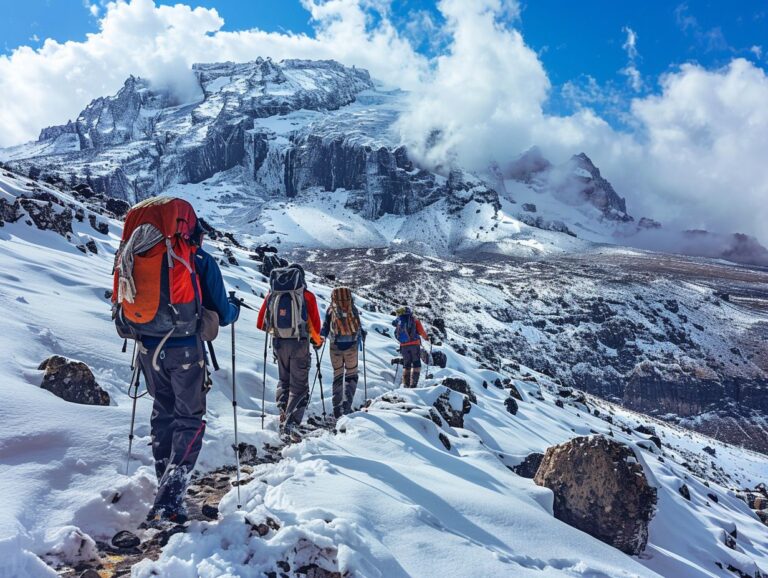
Three-Day Kilimanjaro Cycling Adventure: Routes, Costs & Planning 2026-2027
Experience the thrill of a Three-Day Kilimanjaro Cycling Adventure, a unique way to explore the lower slopes of Africa's highest peak. This guide covers routes, essential gear, fitness...
View package details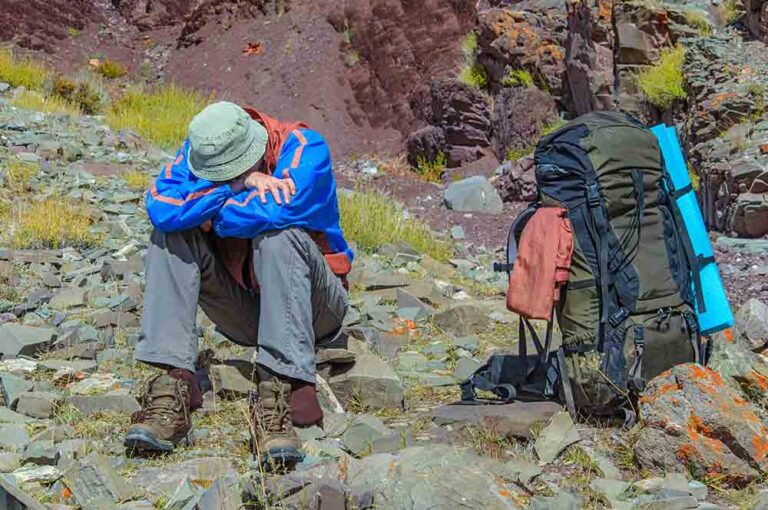
One-Day Kilimanjaro Foothills Bike Tour: An Unforgettable Adventure 2026-2027
Discover the beauty and culture surrounding Mount Kilimanjaro on an exhilarating one-day bike tour through its foothills. This adventure offers a unique perspective on Tanzania's iconic...
View package details
Kilimanjaro Mountain-Biking Tour From Moshi: Your Ultimate Adventure Guide
Discover the thrill of a Kilimanjaro Mountain-Biking Tour departing from Moshi. This comprehensive guide covers routes, preparation, costs, and what to expect for your 2026-2027 adventure.
View package details
Kilimanjaro Support Package For Mixed-Ability Groups: Expert Guidance Climbs
Top Guide Adventures offers specialized Kilimanjaro support packages designed for mixed-ability groups, ensuring a safe and successful climb for everyone in 2026 and 2027. This...
View package details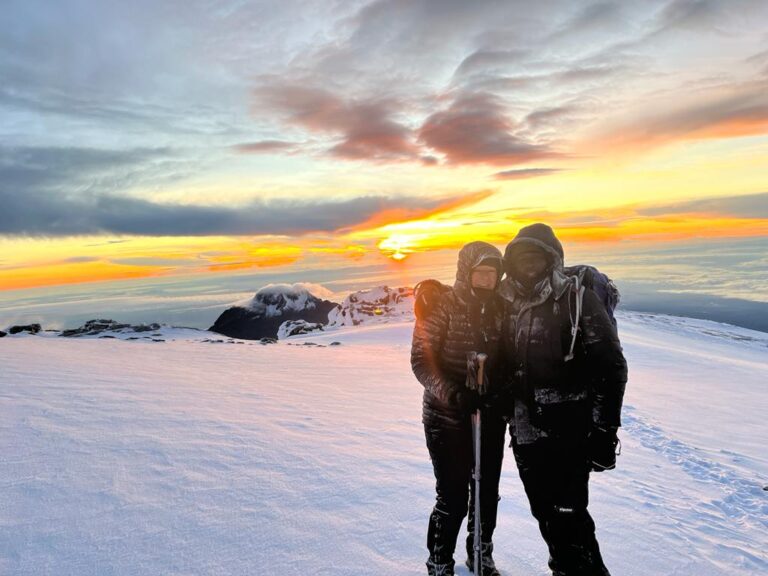
Kilimanjaro Family Trip: Climbing And Non-Climbing Options For 2026-2027
Organizing a Kilimanjaro family trip requires careful planning to accommodate varying interests and abilities, ensuring everyone has a memorable experience. This guide covers options for...
View package detailsKilimanjaro Scenic Experience Without Summiting: Best Views & Treks 2026-2027
Experience the majestic beauty of Mount Kilimanjaro without the demanding summit climb. This guide details the best scenic viewpoints, lower-altitude treks, and unique natural wonders...
View package details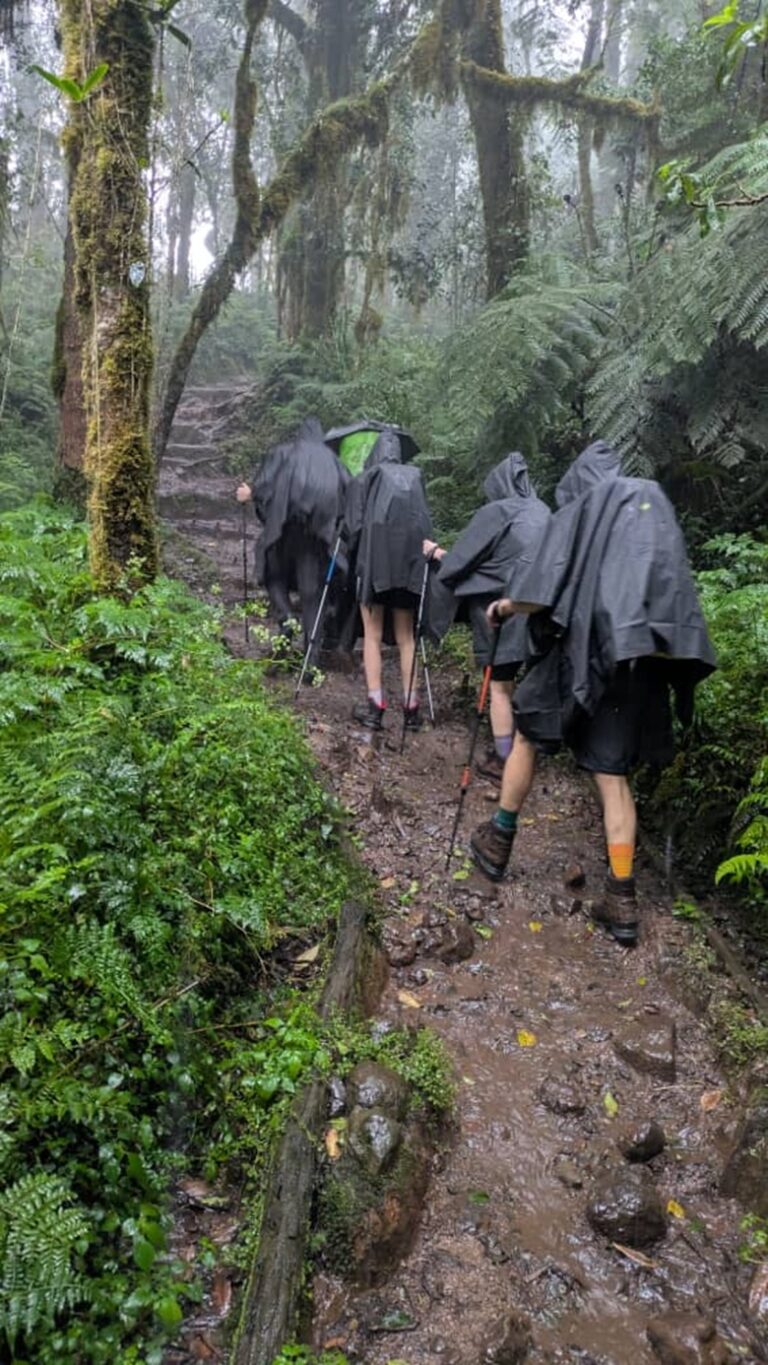
Kilimanjaro Foothills Tour For Non-Climbers: Experience The Majesty Without
Explore the impressive Kilimanjaro foothills on a specialized tour designed for those who prefer to experience the mountain's grandeur without undertaking a strenuous climb. Discover local...
View package detailsNo related package matches those filters. Clear one or more filters to see the other topic-matched options.



