
Yes, you absolutely can drink coffee on Kilimanjaro. Most reputable tour operators, including Top Guide Adventures, provide hot beverages, including coffee, as part of your daily meals on the mountain. You can also bring your own coffee supplies for a personalized brew, especially if you’re particular about your coffee.
The Allure of a Kilimanjaro Coffee: More Than Just a Beverage
The prospect of climbing Kilimanjaro is exciting, conjuring images of vast landscapes, challenging ascents, and impressive vistas. For many, the thought of reaching the summit is intertwined with the comfort and ritual of a morning cup of coffee. The question, “Can you drink coffee on Kilimanjaro?” is a practical one, touching on logistics, comfort, and the overall experience of trekking Africa’s highest peak. At Top Guide Adventures, we understand that these details matter. While Kilimanjaro is a remote wilderness, it’s far from a place where you must forgo the simple pleasures that fuel your journey and enhance your morale.
The short answer is a resounding yes. However, the way you experience coffee on Kilimanjaro can vary. It depends on your tour operator, your chosen route, and your personal preferences. This guide will explore all aspects of coffee consumption on Kilimanjaro, from what’s provided by your guides to how you can bring your own favorite brew to conquer the mountain, one sip at a time.
What Coffee Does Top Guide Adventures Provide on Kilimanjaro?
As a leading tour operator in Tanzania, Top Guide Adventures is committed to ensuring your comfort and enjoyment throughout your Kilimanjaro climb. We recognize that hot drinks, especially coffee, play a significant role in the daily routine and morale of trekkers. Therefore, we make sure that coffee is readily available during your expedition.
Daily Provision: Throughout your trek, our dedicated crew will prepare hot meals and beverages twice daily, typically for breakfast and dinner. This includes a selection of hot drinks, prominently featuring coffee. This is usually a standard instant coffee, brewed fresh each morning and evening by our camp chefs. While it might not be a gourmet espresso, it’s hot, readily available, and provides that familiar caffeine boost to start your day or unwind after a long trek.
Variety of Hot Drinks: Beyond coffee, we also offer tea (black, herbal, and green), hot chocolate, and hot water for any personal drink mixes you might wish to bring. This ensures that everyone in your group has access to their preferred hot beverage.
The Role of Porters and Guides: Our experienced porters and guides are equipped to manage the preparation of these hot drinks. They carry the necessary equipment, including portable stoves, kettles, mugs, and the coffee itself, ensuring a warm drink is ready for you at designated meal times. This service is part of the comprehensive support we offer, allowing you to focus purely on your climb.
Bringing Your Own Coffee: For the Discerning Coffee Lover
While our provided coffee is a welcome amenity, we understand that many trekkers have specific tastes and preferences when it comes to their coffee. For those who consider themselves coffee aficionados, bringing your own preferred coffee is not only possible but often recommended to enhance your personal Kilimanjaro experience.
Types of Personal Coffee You Can Bring:
- Instant Coffee: The easiest and most lightweight option. Bringing your favorite brand of high-quality instant coffee ensures you have a taste you recognize and enjoy. Many premium instant coffee brands are now available that offer a surprisingly good flavor.
- Ground Coffee: If you prefer the taste of freshly brewed coffee, you can bring pre-ground coffee. You’ll need a way to brew it, which brings us to the next point.
- Coffee Bags: Similar to tea bags, these are pre-portioned ground coffee sealed in a filter bag. You just need to add hot water. They are convenient and relatively mess-free.
- French Press or Aeropress: For those who are serious about their coffee and don’t mind carrying a little extra weight, a small, portable French press or Aeropress can allow you to brew a superior cup of coffee using grounds and hot water.
- Espresso Powder/Concentrate: Some travelers bring concentrated coffee shots or espresso powders that can be mixed with hot water for a stronger coffee flavor.
Considerations When Bringing Your Own Coffee:
- Weight: Every gram counts when trekking Kilimanjaro. Opt for lightweight options like premium instant coffee or coffee bags. If bringing grounds, pack them in sturdy, sealed containers to prevent leaks and spills.
- Preparation: Think about how you’ll prepare your coffee. Will you use the hot water provided by the crew, or do you need a portable brewing device? If using a French press or Aeropress, ensure you have a method for disposing of the grounds responsibly.
- Portioning: Pre-portion your coffee into individual servings using small zip-lock bags or reusable containers. This makes preparation quicker and easier, especially in cold, windy conditions.
- Water Access: While hot water is usually available at mealtimes, access might be limited at other times. Plan your coffee consumption around the provided meal schedule.
At Top Guide Adventures, we encourage our clients to personalize their trek. If bringing your own coffee supplies will significantly enhance your enjoyment and energy levels, we fully support it. Just ensure it’s packed efficiently and consider the environmental impact of any waste generated.
The Benefits of Caffeine on Kilimanjaro
Beyond personal preference, caffeine can offer tangible benefits for trekkers on a challenging mountain like Kilimanjaro. Understanding these advantages can help you decide how to incorporate coffee into your climb, especially for treks planned in 2026 or 2027.
1. Enhanced Alertness and Focus: As you ascend, the air thins, and your body works harder. This can lead to fatigue and a decrease in mental clarity. Caffeine is a stimulant that can help combat this by increasing alertness and improving focus, which is crucial for navigating difficult terrain and making sound decisions, particularly during summit night.
2. Improved Physical Performance: Studies have shown that caffeine can enhance physical performance by reducing the perception of effort and increasing the release of adrenaline. This can translate to feeling more energized and capable of sustained physical exertion, helping you push through challenging sections of the climb.
3. Mood Enhancement: The psychological boost from a familiar and enjoyable beverage like coffee can be significant. On a strenuous trek where morale can fluctuate, a comforting cup of coffee can provide a moment of pleasure and a positive mental lift.
4. Altitude Acclimatization Aid (Indirect): While caffeine doesn’t directly aid acclimatization, staying well-hydrated and energized can indirectly support your body’s adaptation to altitude. Dehydration and extreme fatigue can exacerbate altitude sickness symptoms. By helping you stay alert and motivated to drink fluids and keep moving, caffeine can play a supporting role in your overall well-being at altitude.
5. Warmth and Comfort: In the cold mountain air, a hot cup of coffee provides physical warmth, which is incredibly comforting, especially during early mornings or chilly evenings. It’s a small but significant luxury that can make a big difference to your comfort level.
Potential Downsides and How to Mitigate Them
While the benefits are clear, it’s also important to be aware of potential downsides to caffeine consumption on Kilimanjaro and how to manage them:
1. Dehydration: Caffeine is a mild diuretic, meaning it can increase fluid loss. On Kilimanjaro, staying hydrated is paramount for acclimatization and preventing altitude sickness. If you drink coffee, ensure you are also drinking plenty of water. Aim to match each cup of coffee with an equivalent amount of water.
2. Sleep Disruption: Consuming caffeine too late in the day can interfere with sleep, which is vital for recovery and acclimatization. Try to limit your coffee intake to the morning and early afternoon. Avoid it entirely in the hours leading up to bedtime.
3. Jitters and Anxiety: For some individuals, caffeine can cause jitters, anxiety, or an upset stomach, especially when combined with the physical stress of climbing. If you are sensitive to caffeine, consider reducing your intake or opting for decaffeinated options.
4. Stomach Upset: The combination of exertion, altitude, and potentially unfamiliar food can sometimes lead to digestive issues. If you experience stomach upset, consider reducing your coffee intake or switching to milder alternatives.
Mitigation Strategies:
- Moderation is Key: Don’t overdo it. Stick to your usual intake or slightly less.
- Hydrate Diligently: Always drink plenty of water alongside your coffee.
- Timing Matters: Consume caffeine primarily in the morning.
- Listen to Your Body: If you feel unwell, reduce or stop your caffeine intake.
- Consider Decaf: If you love the ritual but are sensitive, bring decaf options.
Coffee Preparation on the Mountain: What to Expect
Understanding the logistics of how coffee is prepared on Kilimanjaro can set your expectations and help you plan. The process is managed by your support crew.
Morning Coffee Ritual: Your day typically begins before sunrise. As you wake up in your tent, your guide or a porter will often bring you a mug of hot water, tea, or coffee. This is a welcome start to a day of trekking. The coffee provided by Top Guide Adventures is usually instant, prepared in a communal area and then distributed to climbers.
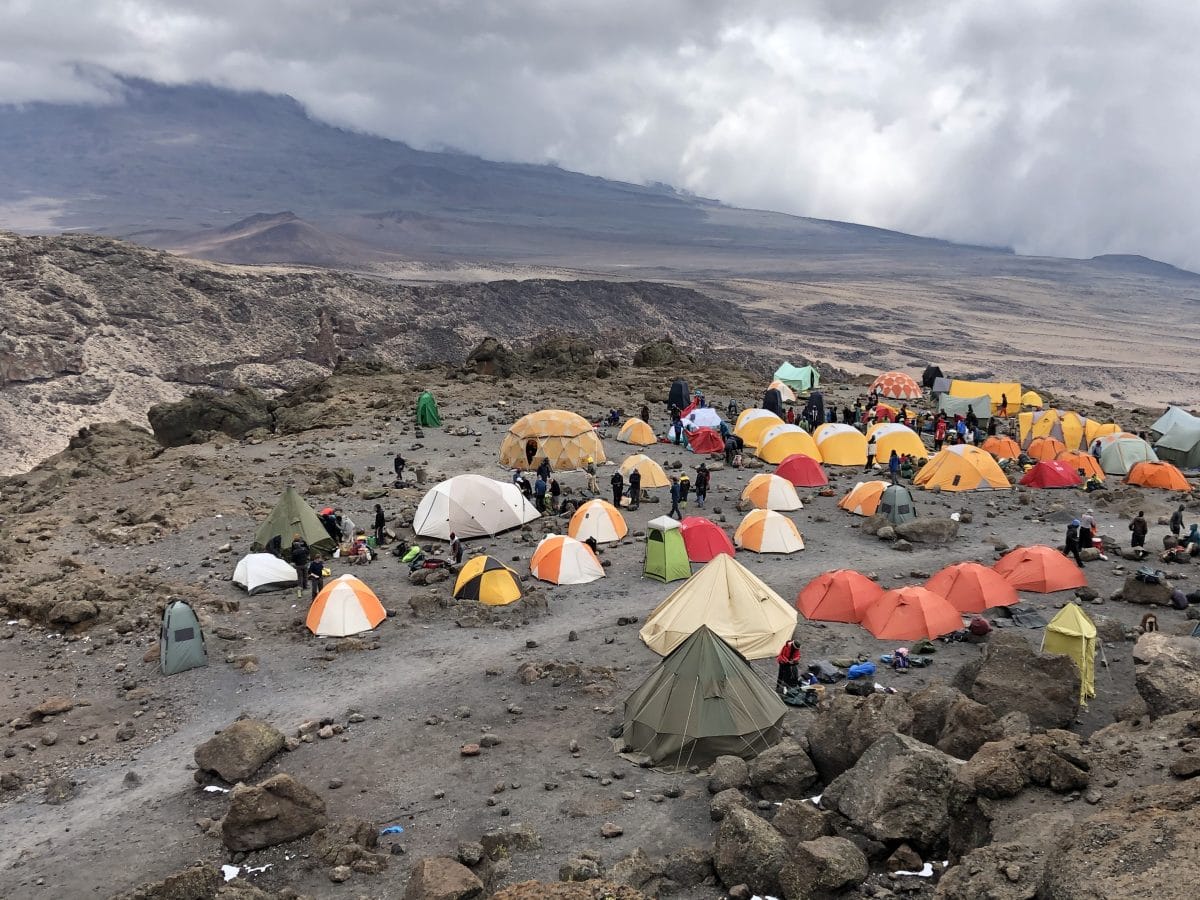
Camp Kitchen Setup: Our crew sets up a mobile kitchen in each camp. This includes a stove, fuel, cooking pots, and a kettle for boiling water. This is where your morning and evening hot drinks are prepared. They have procedures for safely handling hot water and preparing beverages in a camp setting.
Water Source and Boiling: Water used for drinking and preparing hot beverages is typically sourced from mountain streams. This water is always boiled thoroughly by our crew before being used for consumption or preparation of drinks like coffee and tea. This ensures it is safe to drink.
Personal Brewing: If you bring your own portable brewing device (like a French press or Aeropress), you’ll likely use the hot water provided by the crew. You’ll need to communicate your needs to your guide or cook, ensuring you have access to hot water at the right time. Be mindful of cleaning your equipment and disposing of coffee grounds properly, away from water sources.
Choosing the Right Kilimanjaro Route for Your Coffee Preferences
While the availability of coffee doesn’t drastically change between routes, the overall comfort and convenience of your trek can be influenced by the route you choose. Some routes offer more established camping infrastructure or slightly more relaxed pacing, which might indirectly affect your coffee enjoyment.
Marangu Route: Often called the “Coca-Cola” route, Marangu is the only route with dormitory-style huts instead of camping. This means more permanent facilities and potentially easier access to hot water. However, it’s also a faster ascent, which can be detrimental to acclimatization. Coffee is readily available through the route’s lodges and by operators like us.
Machame Route: This is our most popular route, known for its scenic beauty and excellent acclimatization profile. It involves camping, and Top Guide Adventures ensures hot drinks, including coffee, are provided at mealtimes. The camping experience is robust, with dedicated kitchen tents and crew.
Lemosho Route: A longer and more scenic route, Lemosho also involves camping. The longer duration generally allows for better acclimatization. Our services on Lemosho include the provision of coffee and other hot beverages.
Other Routes (Shira, Rongai, Northern Circuit): All these routes also involve camping, and Top Guide Adventures maintains the same high standard of service, including the provision of hot coffee and other drinks. The Northern Circuit, being the longest, offers the best acclimatization and a more relaxed pace, potentially allowing for more leisurely coffee breaks.
Regardless of the route, the core provision of coffee by your tour operator remains consistent. The decision on which route to choose in 2026 or 2027 should primarily be based on acclimatization, scenery, and personal trekking goals, rather than solely on coffee availability.
Packing Essentials for Your Kilimanjaro Coffee Experience
If you plan to bring your own coffee supplies, careful packing is essential. Here’s a checklist to ensure you have everything you need:
Kilimanjaro Coffee Packing List:
- Your Preferred Coffee: Instant, ground, or coffee bags. Pack in waterproof, sealed containers or bags. Consider single-serving sachets for ease.
- Portable Brewer (Optional): French press, Aeropress, or pour-over kit if you prefer freshly brewed. Ensure it’s lightweight and durable.
- Filter Paper (if needed): For pour-over or certain Aeropress models.
- Mug: An insulated, double-walled mug is ideal for keeping your coffee warm longer. Ensure it has a secure lid to prevent spills during transit.
- Spoon/Stirrer: A small, lightweight spoon or stirrer.
- Cleaning Supplies: Small brush for your brewer, biodegradable soap (use sparingly and away from water sources), and a small quick-dry towel for cleaning.
- Trash Bags: For packing out all used coffee grounds and packaging. Leave No Trace principles are paramount.
- Sugar/Sweetener (Optional): If you take sugar, pack it in a sealed container.
- Creamer (Optional): Consider powdered creamer if you use it, as it’s lighter and more stable than liquid.
Important Note: Always check with your tour operator, like Top Guide Adventures, about any specific restrictions or recommendations regarding personal food and beverage items. We aim to be as accommodating as possible while ensuring the safety and sustainability of the mountain environment.
The Environmental Impact: Drinking Coffee Responsibly on Kilimanjaro
Climbing Kilimanjaro is a privilege, and it comes with the responsibility to protect its pristine environment. This applies to coffee consumption as much as any other activity.
Leave No Trace Principles: These are fundamental to trekking Kilimanjaro. Everything you bring up the mountain must come back down, including coffee grounds, packaging, and any waste generated. Our guides and porters are trained in these principles and will manage waste disposal, but personal responsibility is key.
Disposal of Coffee Grounds: If you use a French press or similar device, coffee grounds should be disposed of responsibly. Ideally, pack them out with your other waste. If you must dispose of them on the mountain, do so in designated areas away from water sources and campsites, and scatter them thinly to aid decomposition. Never bury them near water.
Water Usage: Be mindful of the water you use for cleaning your coffee equipment. Use minimal amounts and ensure any soapy water is disposed of far from streams and vegetation.
Packaging: Opt for minimal packaging when buying your coffee. If you bring pre-portioned sachets, ensure all wrappers are collected and packed out.
Top Guide Adventures is committed to sustainable tourism. We brief all our clients on environmental best practices, and responsible coffee consumption is part of that.
Beyond Coffee: Other Hot Beverages on Kilimanjaro
While coffee is a popular choice, it’s worth noting the other hot beverages that are commonly available and enjoyed on Kilimanjaro.
- Tea: Black tea, herbal teas (like peppermint, chamomile), and green tea are standard offerings. Many trekkers find tea to be a gentler alternative to coffee, especially in the evenings.
- Hot Chocolate: A comforting and calorie-rich option, particularly appreciated by children and those seeking a sweet treat.
- Hot Water: Always available and essential for rehydrating, mixing with electrolyte powders, or preparing your own instant soups and drinks.
- Herbal Infusions: Some trekkers bring their own ginger or other herbal infusions to help with digestion or ward off colds.
Having a variety of hot drinks available ensures that everyone can stay warm, hydrated, and comfortable, regardless of their beverage preference.
Planning Your 2026 or 2027 Kilimanjaro Climb with Coffee in Mind
When planning your Kilimanjaro adventure for 2026 or 2027, considering your coffee habits is a small but worthwhile detail. Here’s how to integrate it into your planning:
1. Choose Your Operator Wisely: Select a reputable operator like Top Guide Adventures that explicitly states they provide hot beverages, including coffee, and supports clients bringing their own supplies. Our commitment to client comfort is a hallmark of our service.
2. Pack Smart: If you plan to bring your own coffee, factor it into your packing list well in advance. Ensure you have lightweight, efficient options and the necessary accessories.
3. Discuss with Your Guide: Before or at the start of your trek, discuss your coffee preferences with your lead guide. They can advise on the best times to enjoy your personal brew and ensure you have access to hot water.
4. Acclimatization First: Remember that while coffee can be a comfort and energy booster, acclimatization and hydration are your top priorities. Don’t let your coffee habit compromise these essential elements of a successful climb.
5. Booking Windows for 2026-2027: Popular trekking seasons for Kilimanjaro, especially during dry months (January-March and June-October), fill up quickly. Booking your 2026 or 2027 climb with Top Guide Adventures at least 6-12 months in advance is highly recommended to secure your preferred dates and routes.
Frequently Asked Questions About Coffee on Kilimanjaro
Your Kilimanjaro Coffee Questions Answered:
Q1: Is instant coffee the only option provided by tour operators?
A: Most tour operators, including Top Guide Adventures, primarily provide high-quality instant coffee due to its ease of preparation and transport. Some high-end lodges at the base of the mountain might offer more elaborate coffee, but on the trek itself, instant is standard.
Q2: Can I bring my own coffee maker to Kilimanjaro?
A: Yes, you can bring a portable coffee maker like a French press or Aeropress. However, ensure it is lightweight, durable, and that you have a plan for cleaning it and disposing of used grounds responsibly. Our crew can provide hot water for your brewing needs.
Q3: What is the best time of day to drink coffee on Kilimanjaro?
A: The best time is generally in the morning to help you start the day with energy and focus. Avoid drinking coffee late in the afternoon or evening, as it can disrupt your sleep, which is crucial for recovery and acclimatization.
Q4: How much coffee can I expect to drink per day?
A: This depends on your personal habits and sensitivity to caffeine. If your operator provides it, it’s usually available at breakfast and sometimes dinner. If you bring your own, you can enjoy it as often as you like, but remember to stay hydrated and listen to your body.
Q5: Are there any special considerations for summit night regarding coffee?
A: For summit night, many trekkers opt for a strong coffee or espresso in the early morning hours before the final push to the summit. It can provide a significant energy boost. However, be mindful of potential stomach upset at extreme altitude and ensure you are well-hydrated.
Q6: What about decaf coffee on Kilimanjaro?
A: Decaffeinated instant coffee is readily available in stores and can be a great option if you enjoy the taste and ritual of coffee but want to avoid the stimulant effects, especially if you are sensitive or want to drink it later in the day. You’ll need to bring your own decaf supply.
Conclusion: Your Kilimanjaro Coffee Journey with Top Guide Adventures
So, can you drink coffee on Kilimanjaro? Absolutely. It’s a familiar comfort that can significantly enhance your trekking experience, providing energy, warmth, and a psychological boost. Whether you choose to enjoy the instant coffee provided by our expert crew at Top Guide Adventures or bring your own carefully selected brew, your Kilimanjaro adventure can certainly include your favorite caffeinated beverage.
We pride ourselves on offering comprehensive support and ensuring our clients have a comfortable and memorable journey. Planning your climb for 2026 or 2027 with us means you can rest assured that basic amenities like hot drinks are covered, and you have the flexibility to personalize your experience. Remember to pack mindfully if bringing your own supplies and always prioritize hydration and responsible trekking practices.
Ready to plan your Kilimanjaro ascent and enjoy a warm cup of coffee with a view? Get in touch with the experts at Top Guide Adventures today. We’re here to answer all your questions and help you craft the adventure of a lifetime.
Contact Top Guide Adventures:
WhatsApp: +255616946642
Email: topguideadventures@gmail.com
Backup Email: info@topguideadventures.com
Check Availability for Can You Drink Coffee On Kilimanjaro? Guide
Ready to compare dates, prices, and the best option for your group? Send the package name and travel month so the team can reply with a clear quote, availability, and what is included.
Kilimanjaro Coffee-Farm Cycling Tour: Your Ultimate Adventure In 2026-2027
A detailed 2026-2027 guide to Kilimanjaro Coffee-Farm Cycling Tour, with clear planning and booking information for travelers.
View package details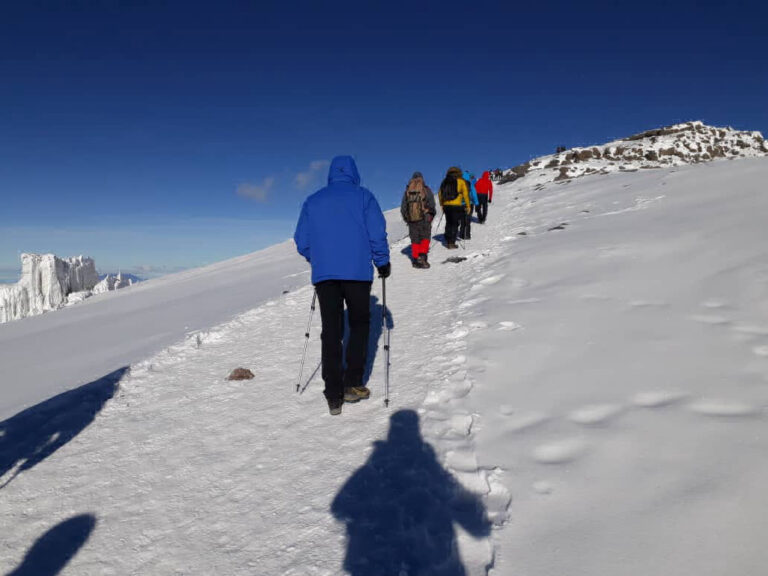
Can You Drink Alcohol Before Climbing Kilimanjaro? 2026-2027
Can You Drink Alcohol before Climbing Kilimanjaro? is explained with current 2026-2027 planning, price, itinerary and booking information.
View package details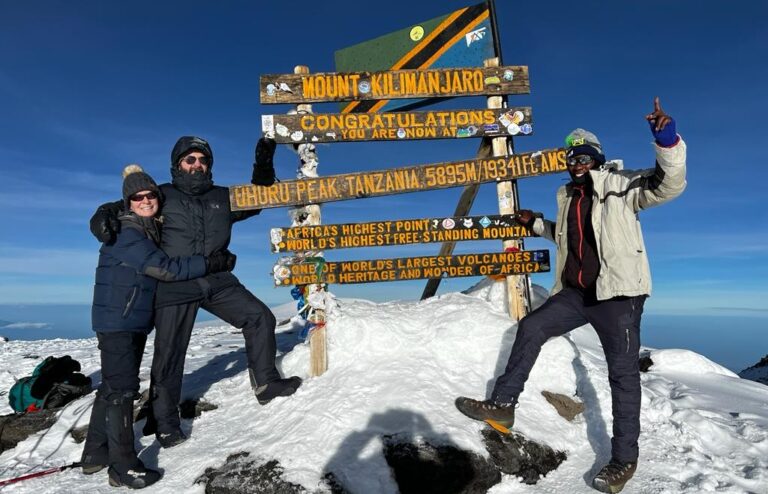
Kilimanjaro Marathon Travel Package: Your Complete Guide 2026-2027
Planning to run the Kilimanjaro Marathon? Top Guide Adventures offers comprehensive travel packages for the 2026-2027 races, covering everything from race entry and accommodation to pre...
View package details
Kilimanjaro Trail-Running Holiday 2026-2027
Kilimanjaro Trail-Running Holiday is explained with current 2026-2027 planning, price, itinerary and booking information.
View package details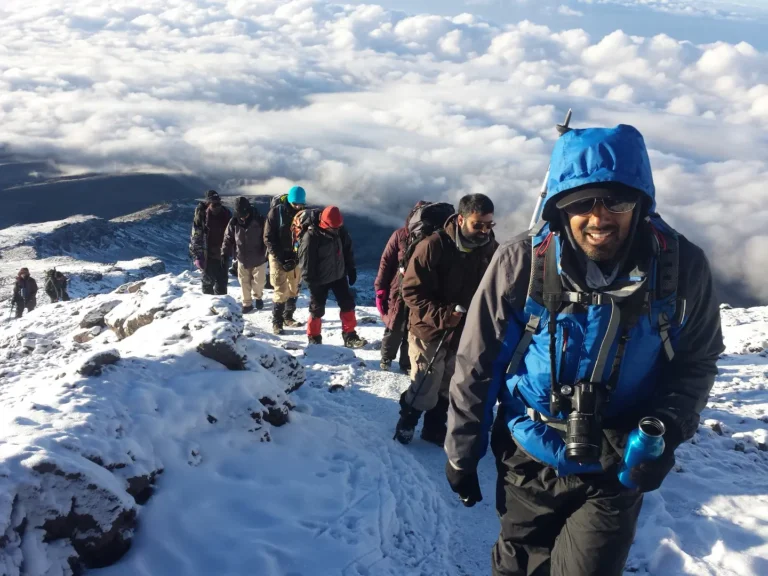
Kilimanjaro Gravel-Bike Adventure: Ultimate Tanzania Cycling Guide 2026-2027
Discover the thrill of a Kilimanjaro Gravel-Bike Adventure, blending challenging cycling with the stunning landscapes of Tanzania. This guide covers everything you need for an unforgettable...
View package details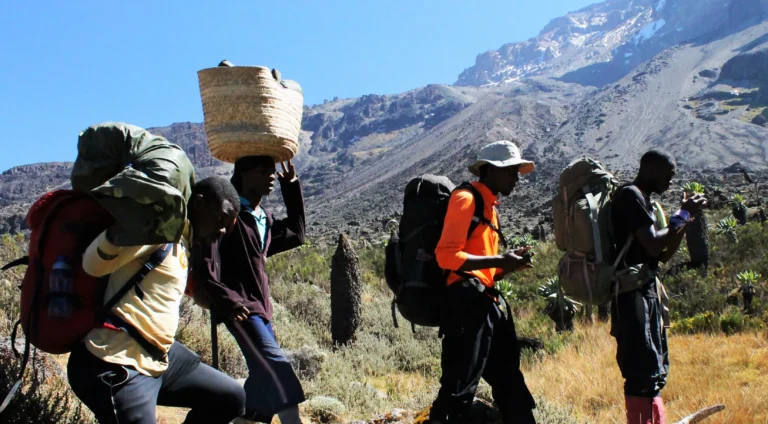
Five-Day Cycle Around Mount Kilimanjaro 2026-2027
Five-Day Cycle around Mount Kilimanjaro is explained with current 2026-2027 planning, price, itinerary and booking information.
View package details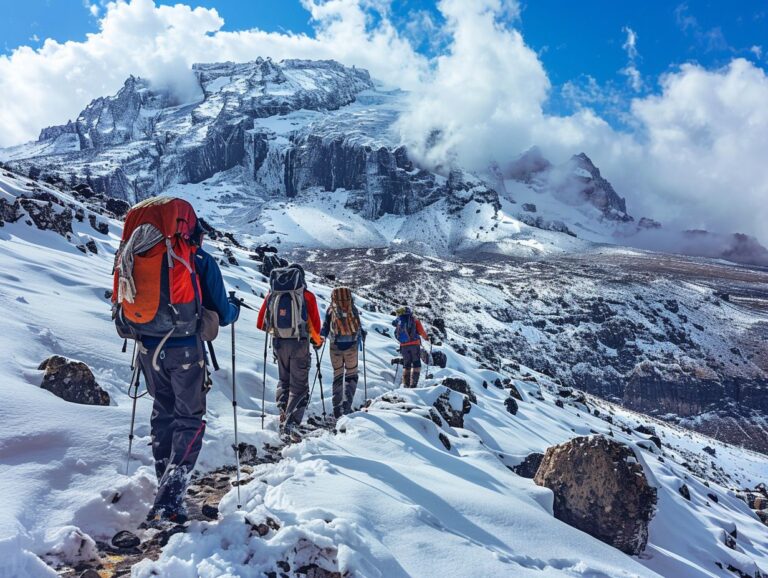
Three-Day Kilimanjaro Cycling Adventure: Routes, Costs & Planning 2026-2027
Experience the thrill of a Three-Day Kilimanjaro Cycling Adventure, a unique way to explore the lower slopes of Africa's highest peak. This guide covers routes, essential gear, fitness...
View package details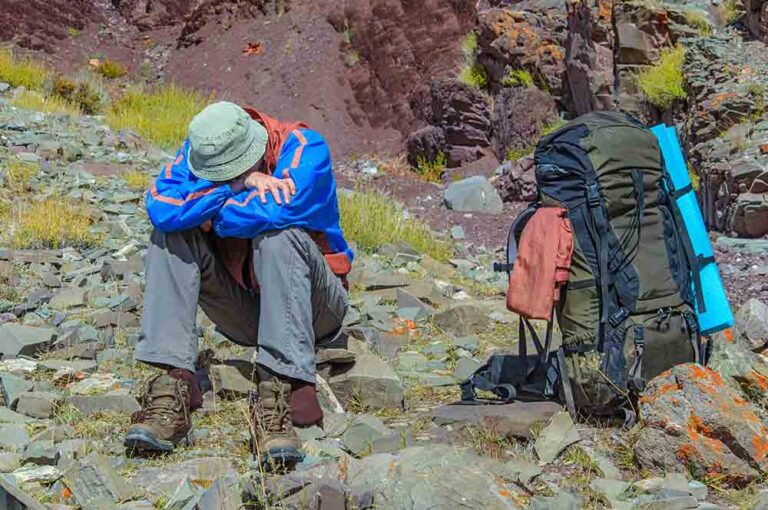
One-Day Kilimanjaro Foothills Bike Tour: An Unforgettable Adventure 2026-2027
Discover the beauty and culture surrounding Mount Kilimanjaro on an exhilarating one-day bike tour through its foothills. This adventure offers a unique perspective on Tanzania's iconic...
View package details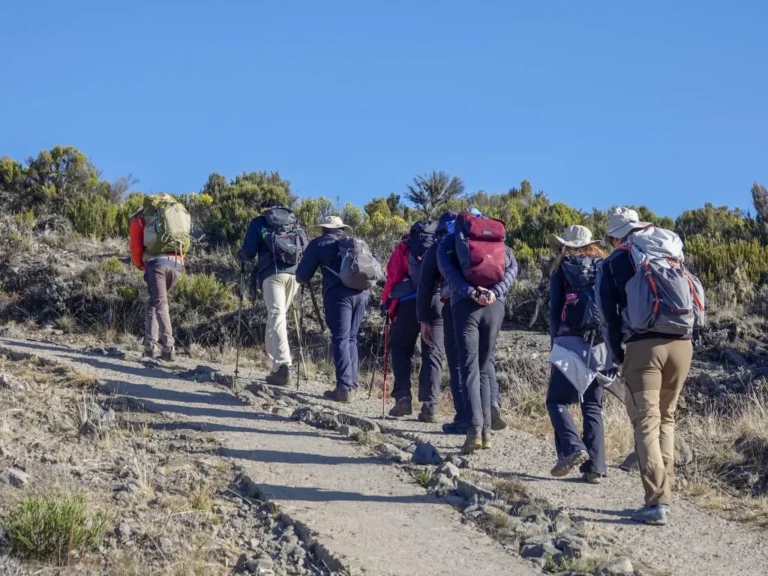
Kilimanjaro Mountain-Biking Tour From Moshi: Your Ultimate Adventure Guide
Discover the thrill of a Kilimanjaro Mountain-Biking Tour departing from Moshi. This comprehensive guide covers routes, preparation, costs, and what to expect for your 2026-2027 adventure.
View package details
Kilimanjaro Support Package For Mixed-Ability Groups: Expert Guidance Climbs
Top Guide Adventures offers specialized Kilimanjaro support packages designed for mixed-ability groups, ensuring a safe and successful climb for everyone in 2026 and 2027. This...
View package details
Kilimanjaro Family Trip: Climbing And Non-Climbing Options For 2026-2027
Organizing a Kilimanjaro family trip requires careful planning to accommodate varying interests and abilities, ensuring everyone has a memorable experience. This guide covers options for...
View package detailsKilimanjaro Scenic Experience Without Summiting: Best Views & Treks 2026-2027
Experience the majestic beauty of Mount Kilimanjaro without the demanding summit climb. This guide details the best scenic viewpoints, lower-altitude treks, and unique natural wonders...
View package detailsNo related package matches those filters. Clear one or more filters to see the other topic-matched options.



