
Adaptive Kilimanjaro climbing expeditions are designed to modify standard trek itineraries, pace, and support systems to accommodate varying levels of physical fitness, previous mountaineering experience, and individual health considerations, ensuring a greater chance of success and safety for a wider range of adventurers planning their 2026-2027 ascent.
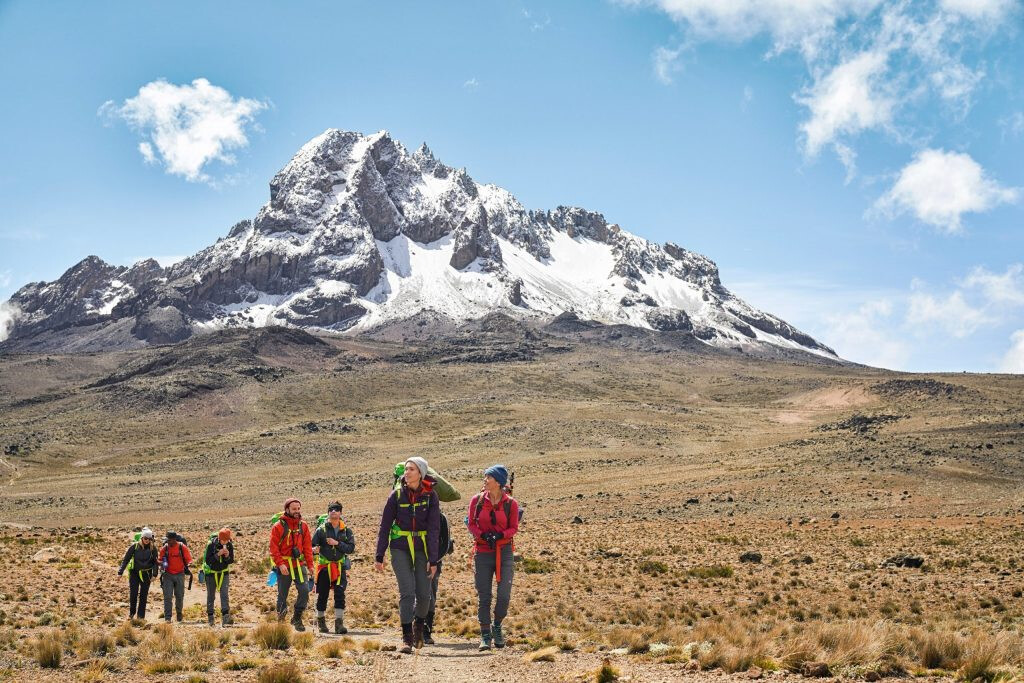
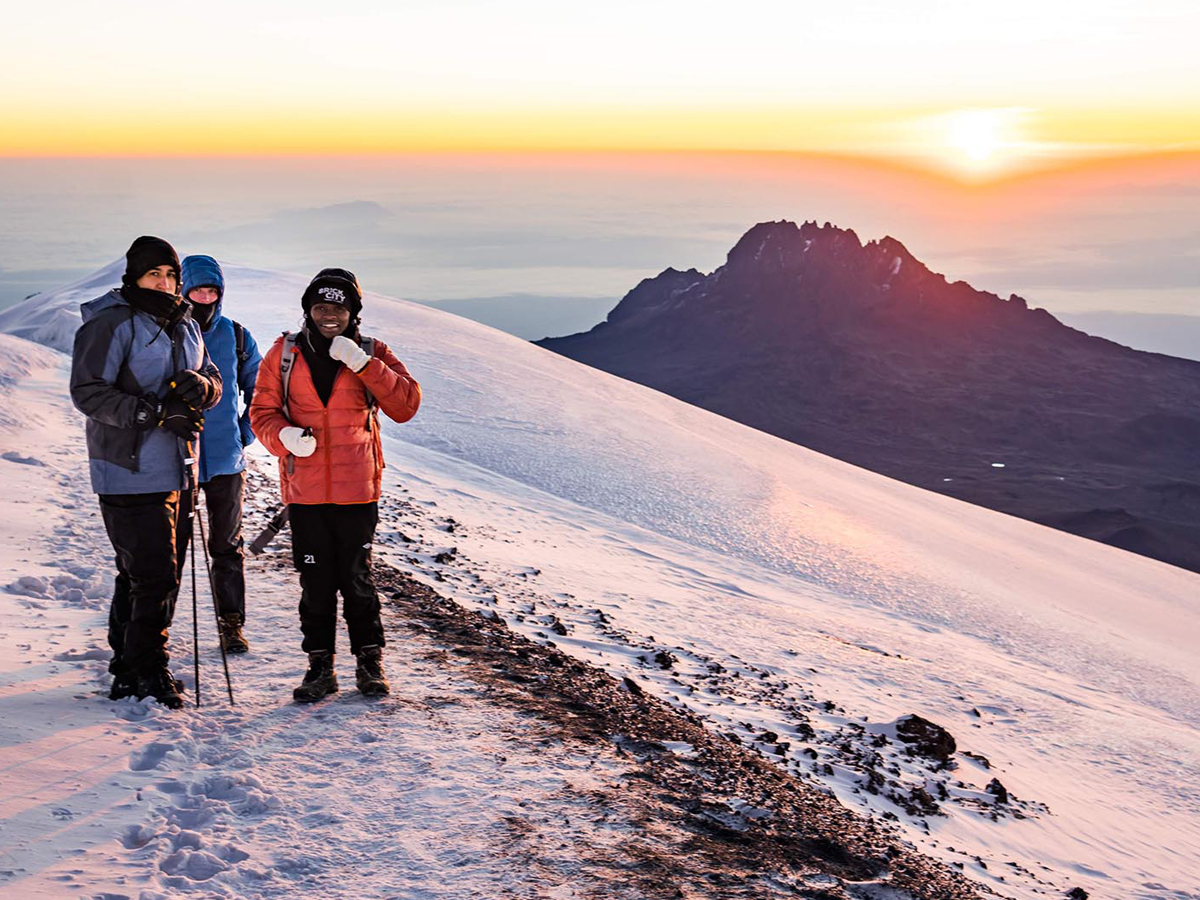
Understanding Adaptive Kilimanjaro Climbing Expeditions
Climbing Mount Kilimanjaro is a dream for many, but the reality of its altitude and demanding trails can be daunting. While Kilimanjaro is often marketed as a ‘walkable’ mountain, it presents significant physiological challenges. This is where the concept of adaptive Kilimanjaro climbing expeditions becomes crucial. Unlike a one-size-fits-all approach, adaptive climbs are meticulously planned to integrate flexibility and personalized support, acknowledging that every climber is unique.
At Top Guide Adventures, we understand that the journey to Uhuru Peak is as much about personal achievement as it is about the experience. Our adaptive expeditions are built on the principle that with the right preparation, pacing, and support, more people can safely and enjoyably reach Kilimanjaro’s summit. This means adapting routes, extending climb durations, providing extra guides or porters, and offering specific acclimatization strategies tailored to your profile. Whether you’re a seasoned trekker or embarking on your first major mountain challenge, our adaptive approach ensures your Kilimanjaro adventure in 2026 or 2027 is within reach.
Why Choose an Adaptive Approach for Kilimanjaro?
The decision to climb Kilimanjaro is significant. While many tour operators offer standard packages, an adaptive expedition recognizes the diverse abilities and needs of potential climbers. Here’s why this approach is beneficial:
- Enhanced Safety: Altitude sickness (Acute Mountain Sickness – AMS) is the primary concern on Kilimanjaro. Adaptive climbs prioritize slower pacing and extended acclimatization, which are scientifically proven methods to mitigate AMS risk.
- Increased Success Rates: By tailoring the climb to your pace and fitness, the likelihood of reaching the summit without succumbing to altitude-related issues or exhaustion significantly increases.
- Personalized Experience: An adaptive climb focuses on your comfort and well-being. This means more frequent breaks, carefully managed daily distances, and support that responds to your body’s signals.
- Accessibility: For individuals with certain physical limitations or those new to high-altitude trekking, an adaptive expedition makes Kilimanjaro a more attainable goal.
- Reduced Stress: Knowing your climb is designed with your specific needs in mind removes a layer of anxiety, allowing you to focus on the incredible journey.
For your 2026 or 2027 Kilimanjaro adventure, consider the advantages of an adaptive expedition. It’s not about lowering standards, but about intelligently adjusting the approach to meet the climber where they are, maximizing their potential for a successful and memorable summit experience.
Who Benefits from Adaptive Kilimanjaro Expeditions?
The beauty of an adaptive Kilimanjaro climb lies in its inclusivity. It’s not just for the elite athlete; it’s for anyone with the determination to reach the Roof of Africa. Top Guide Adventures crafts these expeditions for a broad spectrum of individuals:
1. First-Time High-Altitude Trekkers
If Kilimanjaro is your introduction to trekking at significant altitudes, an adaptive expedition is ideal. It allows you to gradually adjust to the thinner air and demanding terrain without feeling rushed. We focus on building your confidence and acclimatization slowly, making the experience enjoyable rather than a struggle.
2. Climbers with Moderate Fitness Levels
You don’t need to be a marathon runner to climb Kilimanjaro. If you maintain a reasonable level of fitness through activities like hiking, cycling, or gym workouts, an adaptive climb provides the necessary structure and support. We’ll help you optimize your training and ensure the trek’s pace matches your current capabilities.
3. Individuals Seeking a Slower, More Deliberate Pace
Some climbers prefer to savor the journey, observe the changing landscapes, and avoid the physical strain of pushing too hard. Adaptive expeditions allow for longer days on the mountain with more rest stops, ensuring you can appreciate the diverse ecosystems from the rainforest to the alpine desert.
4. Those with Previous Altitude Challenges
If you’ve experienced altitude sickness on previous treks, an adaptive approach is particularly beneficial. We can incorporate extra acclimatization days, suggest specific pre-trip strategies, and ensure your guide is highly attuned to the early signs of AMS, allowing for proactive management.
5. Climbers with Specific Health Considerations
While Kilimanjaro is not suitable for everyone with pre-existing health conditions, those with managed conditions (like controlled hypertension or asthma) may find an adaptive climb feasible. It is crucial to consult with your doctor first. We work closely with climbers to understand any specific needs and ensure appropriate support is in place, such as carrying necessary medications and having guides trained in basic first aid.
6. Older Adventurers
Age is just a number when it comes to Kilimanjaro. Many older adventurers successfully reach the summit with an adaptive expedition. The focus is on careful acclimatization, adequate rest, and a pace that suits their physiological needs. Our guides are experienced in supporting climbers of all ages.
7. Those Seeking Extra Support
Even experienced trekkers might appreciate the security of extra support. This could mean having a higher guide-to-client ratio, additional porters to carry heavier loads, or dedicated support staff. Adaptive expeditions allow for these augmentations.
For your Kilimanjaro expedition in 2026 or 2027, consider how an adaptive approach can best suit your personal circumstances, ensuring a safer, more enjoyable, and ultimately successful climb.
Key Components of an Adaptive Kilimanjaro Climbing Expedition
An adaptive Kilimanjaro climbing expedition isn’t just a standard trek with a slightly slower pace. It’s a thoughtfully constructed journey incorporating several key elements that differentiate it from conventional tours:
1. Flexible Itinerary Planning
The most significant adaptation is often in the itinerary. While standard climbs might be 5-7 days, adaptive expeditions frequently extend to 8, 9, or even 10 days. This added time is primarily dedicated to:
- Extended Acclimatization: Spending more days at moderate altitudes allows your body to adapt more effectively to the decreasing oxygen levels. This involves shorter daily treks and more rest days at higher camps.
- Slower Daily Ascents: Daily trekking distances and elevation gains are carefully managed. This means covering less ground each day but at a pace that conserves energy and aids acclimatization.
- Contingency Days: Built-in flexibility allows for adjustments based on how the group or an individual is feeling. If someone is experiencing mild AMS symptoms, an extra rest day can make a significant difference.
2. Personalized Pacing and Support
Pacing is paramount. On an adaptive climb, the mantra is “pole pole” (slowly, slowly), but with a deliberate and mindful approach. This translates to:
- Individualized Pace Monitoring: Guides continuously assess each climber’s pace, heart rate, and oxygen saturation levels, adjusting the group’s speed accordingly.
- Higher Guide-to-Client Ratio: Having more guides means more personalized attention. A dedicated guide might stay with slower climbers, while another leads the faster ones, ensuring everyone is monitored and supported.
- Porter Support: Beyond just carrying tents and food, porters can be assigned to assist individual climbers with their day packs or offer encouragement.
3. Comprehensive Pre-Climb Preparation Guidance
Effective preparation is a cornerstone of adaptive climbing. Top Guide Adventures provides detailed guidance on:
- Fitness Training: Tailored advice on the best exercises to prepare for Kilimanjaro, focusing on cardiovascular endurance and leg strength, suitable for various fitness levels.
- Gear Recommendations: Ensuring you have the right clothing and equipment is vital for comfort and safety. We provide detailed packing lists and advice.
- Nutrition and Hydration: Guidance on what to eat and drink before and during the climb to optimize performance and acclimatization.
- Mental Preparation: Discussing the challenges and rewards, helping climbers build the mental fortitude required for the ascent.
4. Medical Preparedness and Monitoring
Safety is non-negotiable. Adaptive expeditions include:
- Experienced Guides: All our guides are trained in wilderness first aid and altitude sickness management.
- On-Mountaineering Medical Kits: Comprehensive kits are carried by guides, equipped to handle common altitude-related issues and other medical emergencies.
- Regular Health Checks: Daily checks of oxygen saturation and pulse rate for all climbers, with detailed logs kept.
- Emergency Evacuation Plans: Clear protocols and communication systems for rapid evacuation if necessary.
5. Route Selection and Customization
While certain routes are inherently better for acclimatization (like the Lemosho or Machame routes), adaptive expeditions might further customize these. This could involve:
- Choosing Longer Routes: Opting for routes that naturally take more days to ascend.
- Modifying Camp Locations: Sometimes, establishing camps at slightly lower altitudes or spending an extra night at a specific camp to improve acclimatization.
By integrating these components, adaptive Kilimanjaro climbing expeditions offer a more robust, safer, and personalized pathway to the summit, making your 2026-2027 adventure a reality.
Choosing the Right Route for Your Adaptive Expedition
The route you choose for your Kilimanjaro climb significantly impacts your acclimatization, scenery, and overall experience. For adaptive expeditions, routes that naturally offer more days and better acclimatization profiles are preferred. Top Guide Adventures recommends the following for adaptive climbs in 2026-2027:
1. Lemosho Route (8-9 Days)
Often considered the most scenic route, Lemosho starts in the west and traverses the mountain from that side. Its length is its greatest asset for adaptive climbs.
- Pros: Excellent acclimatization profile due to its longer duration (typically 8 or 9 days). Stunning panoramic views as it crosses the Shira Plateau. Higher success rates. Less crowded in the initial stages.
- Cons: Can be more expensive due to longer duration and remoteness of the starting point.
- Adaptability: The 8-day option is already a good baseline for adaptive climbing, and a 9-day variation provides even more acclimatization time, making it ideal for those who want a slower, more comfortable ascent.
2. Machame Route (7-8 Days)
The most popular route, known for its “climb high, sleep low” strategy, which aids acclimatization. Its 7-day itinerary is a solid foundation, and an 8-day extension offers enhanced adaptive benefits.
- Pros: Good acclimatization, beautiful scenery, well-established path. The 7-day option is a common choice for many.
- Cons: Can be crowded, especially in peak seasons.
- Adaptability: Extending the Machame route to 8 days by adding an extra night at Karanga Camp or Barafu Camp significantly improves acclimatization and reduces the intensity of summit night. This is a highly recommended option for adaptive climbers. We offer specific Machame route group departures that can be customized.
3. Rongai Route (7 Days)
This route approaches Kilimanjaro from the north, near the Kenyan border. It is generally drier and less crowded than routes on the southern side.
- Pros: Less crowded, offers a different perspective. Good for acclimatization due to its gradual ascent.
- Cons: Less scenic compared to Lemosho or Machame. The descent is via the Marangu route, which is steeper.
- Adaptability: While often done in 6 or 7 days, extending Rongai to 7 or 8 days allows for more deliberate acclimatization, especially beneficial if you’re concerned about altitude.
Routes Generally Less Recommended for Adaptive Climbs (but potentially adaptable):
- Marangu Route (5-6 Days): Known as the ‘Coca-Cola’ route, it’s the only one with hut accommodation. Its primary drawback for adaptive climbing is its speed, with the 5-day option being very fast and the 6-day option still relatively quick for acclimatization. While possible to adapt by adding days or specific acclimatization strategies, it’s not the most natural fit.
- Northern Circuit (9-10 Days): This is the longest route and offers the best acclimatization. It’s inherently adaptive but also one of the most expensive. If budget is not a primary constraint and you want the ultimate adaptive experience, this is an excellent choice.
- Umbwe Route (6-7 Days): The shortest and steepest route, it’s challenging and not ideal for adaptive climbers due to its rapid ascent and aggressive acclimatization.
For your 2026 or 2027 adaptive Kilimanjaro expedition, we strongly suggest focusing on the Lemosho (8-9 days) or Machame (7-8 days) routes. These offer the best balance of scenery, acclimatization, and flexibility for a personalized and successful climb.
Preparing for Your Adaptive Kilimanjaro Expedition in 2026-2027
A successful adaptive climb hinges on thorough preparation. While the expedition itself is designed to adapt to you, your proactive efforts beforehand are critical. Here’s how to prepare:
1. Physical Training
The goal is to build cardiovascular endurance and leg strength. Focus on activities that mimic trekking:
- Hiking: Regularly hike with a weighted backpack, ideally on varied terrain (hills, stairs). Aim for at least 2-3 hikes per week, increasing duration and elevation gain over time.
- Cardiovascular Exercise: Engage in activities like running, cycling, swimming, or using an elliptical machine for 30-60 minutes, 3-4 times a week.
- Strength Training: Focus on leg muscles (squats, lunges, calf raises) and core strength.
- Simulate Altitude (if possible): If you live at altitude or have access to altitude training facilities, incorporate them. Otherwise, focus on maximizing your aerobic fitness.
Start your training at least 2-3 months before your 2026 or 2027 expedition.
2. Gear and Equipment
Proper gear is essential for comfort and safety on Kilimanjaro. Layering is key. Top Guide Adventures provides a comprehensive packing list, but here are essentials:
- Layering System: Base layers (moisture-wicking), mid-layers (fleece or down jacket), and outer layers (waterproof and windproof jacket and pants).
- Footwear: Broken-in, waterproof hiking boots with good ankle support.
- Headwear: Warm hat, sun hat, and balaclava or neck gaiter.
- Handwear: Warm gloves and liner gloves.
- Sleeping Bag: Rated for -10°C to -20°C (0°F to -4°F).
- Trekking Poles: Highly recommended to reduce strain on knees and aid balance.
- Headlamp: With extra batteries.
- Sun Protection: High SPF sunscreen, sunglasses, lip balm.
Ensure all gear is tested before your trip.
3. Health and Medical Consultation
Consult your doctor well in advance of your 2026-2027 climb, especially if you have pre-existing conditions or are new to high altitudes. Discuss:
- Altitude Sickness Medication: Diamox (acetazolamide) is often prescribed to aid acclimatization. Discuss dosage and side effects with your doctor.
- Personal Medications: Bring an ample supply of any prescription medications.
- Vaccinations: Ensure routine vaccinations are up-to-date. Yellow fever vaccination might be required depending on your travel route.
4. Mental Preparation
Climbing Kilimanjaro is a mental challenge as much as a physical one. Understand that there will be tough moments. Focus on:
- Positive Mindset: Remind yourself of your goal and the incredible experience awaiting you.
- Patience: Embrace the “pole pole” philosophy.
- Flexibility: Be prepared for weather changes and the need to adjust your pace.
- Trust Your Guides: They are experienced professionals whose primary concern is your safety and success.
5. Acclimatization Strategies
Beyond choosing a longer route, incorporate these:
- Hydration: Drink plenty of water (3-4 liters per day) before and during the climb.
- Avoid Alcohol and Smoking: These hinder acclimatization.
- Balanced Diet: Eat regular, high-carbohydrate meals.
- Adequate Sleep: Prioritize rest, though sleep can be challenging at altitude.
By diligently preparing in these areas, you’ll be well-equipped for your adaptive Kilimanjaro climbing expedition, significantly enhancing your chances of a triumphant summit in 2026 or 2027.
Understanding Altitude Sickness (AMS) on Kilimanjaro
Altitude sickness, or Acute Mountain Sickness (AMS), is the most common challenge faced by Kilimanjaro climbers. Understanding its causes, symptoms, and prevention is fundamental to any adaptive climbing strategy.
What is AMS?
AMS occurs when your body doesn’t have enough time to adjust to the lower levels of oxygen at high altitudes. As you ascend, the atmospheric pressure decreases, meaning less oxygen is available with each breath. Without adequate acclimatization, symptoms can range from mild discomfort to life-threatening conditions.
Symptoms of AMS
Symptoms typically appear 12-24 hours after reaching a higher altitude and can mimic a hangover or the flu. It’s crucial to recognize them early:
- Headache: This is the most common symptom and often the first to appear.
- Nausea and Vomiting
- Dizziness or Lightheadedness
- Fatigue and Weakness
- Loss of Appetite
- Difficulty Sleeping
If you experience any of these symptoms, inform your guide immediately.
Severe Forms of Altitude Sickness
If mild AMS is ignored or progresses, it can develop into more severe and dangerous conditions:
- High Altitude Cerebral Edema (HACE): Swelling of the brain. Symptoms include severe headache, confusion, loss of coordination (ataxia), drowsiness, and in severe cases, coma.
- High Altitude Pulmonary Edema (HAPE): Fluid accumulation in the lungs. Symptoms include severe shortness of breath even at rest, persistent cough (sometimes with frothy or pink sputum), chest tightness, and extreme fatigue.
HACE and HAPE are medical emergencies and require immediate descent.
Prevention and Management Strategies (Core to Adaptive Climbs)
Adaptive Kilimanjaro climbing expeditions are built around preventing and managing AMS:
- Gradual Ascent: The most effective prevention. Longer itineraries (8-10 days) allow for slow, steady acclimatization.
- “Pole Pole” (Slowly, Slowly): Maintaining a slow, consistent pace ensures your body has time to adapt.
- Hydration: Drinking 3-4 liters of water daily helps your body function optimally at altitude.
- Medication: Acetazolamide (Diamox) can significantly aid acclimatization. It should be prescribed by a doctor and started 1-2 days before ascent.
- Avoid Overexertion: Especially on the first few days.
- Listen to Your Body: Do not ignore symptoms. Communicate with your guide.
- Descent: The only cure for severe AMS is immediate descent. Your guide will make this decision if necessary.
For your 2026-2027 adaptive Kilimanjaro expedition, a proactive approach to altitude awareness, coupled with the built-in safety measures of an adaptive plan, offers the best chance for a safe and successful summit.
The Role of Guides and Support Staff in Adaptive Climbs
The success of any Kilimanjaro climb, especially an adaptive one, rests heavily on the shoulders of the guides and support crew. Their expertise, attentiveness, and dedication are paramount.
Experienced and Certified Guides
Our guides are not just mountaineers; they are trained professionals with extensive experience on Kilimanjaro. They possess:
- Wilderness First Aid and CPR Certifications: Essential for immediate medical response.
- Altitude Sickness Management Training: They are skilled in recognizing symptoms and implementing appropriate protocols, including administering oxygen and making critical decisions about descent.
- Route Knowledge: Intimate familiarity with the chosen route, including optimal pacing, safe campsites, and potential hazards.
- Communication Skills: Ability to communicate clearly and calmly with climbers, providing encouragement and necessary instructions.
- Cultural Sensitivity: Respectful interaction with local communities and fellow climbers.
The Adaptive Support System
In an adaptive expedition, the support system is often enhanced:
- Higher Guide-to-Client Ratio: This allows for more personalized attention. A lead guide manages the overall group, while assistant guides can focus on individuals who need more support, pace adjustment, or monitoring.
- Dedicated Porter Support: Porters carry the bulk of the gear, freeing climbers to focus on their ascent. In adaptive climbs, they can also be tasked with carrying extra water or assisting climbers with minor needs on the trail.
- Cooks and Camp Crew: Providing nutritious meals and maintaining comfortable campsites is crucial for energy and morale.
Key Responsibilities of the Guide Team
- Daily Health Monitoring: Regularly checking each climber’s pulse, oxygen saturation, and overall condition.
- Pacing Management: Ensuring the group moves at a sustainable pace, adhering to the “pole pole” principle.
- Hydration and Nutrition Reminders: Constantly encouraging climbers to drink and eat adequately.
- Route Navigation and Safety: Ensuring the safest and most efficient path is taken, managing risks from terrain and weather.
- Morale Boosting: Providing encouragement, positive reinforcement, and managing the psychological aspects of the climb.
- Decision Making: Making critical calls regarding pace adjustments, rest stops, and, if necessary, descent due to altitude sickness or other health concerns.
Top Guide Adventures prides itself on its exceptional team. For your 2026-2027 adaptive Kilimanjaro climbing expedition, you can trust that our guides and support staff are committed to your safety, comfort, and success.
Packing Essentials for Your Adaptive Kilimanjaro Climb
Packing correctly is fundamental for comfort and safety on Kilimanjaro. For an adaptive expedition, where comfort and sustained effort are key, attention to detail in your gear is even more important. Top Guide Adventures provides a comprehensive list, but here are the critical items:
Clothing (Layering System is Key)
- Base Layers: 2-3 sets of moisture-wicking thermal underwear (merino wool or synthetic).
- Mid Layers: 2 fleece jackets or a medium-weight down jacket for insulation.
- Outer Layer (Shell): Waterproof and breathable jacket and pants (Gore-Tex or similar). Essential for rain and wind protection.
- Insulated Jacket: A warm down or synthetic jacket for evenings and summit night.
- Trekking Pants: 2 pairs of comfortable, quick-drying hiking pants (avoid jeans).
- Shorts: 1 pair for lower altitudes (optional).
- Shirts: 3-4 moisture-wicking t-shirts and long-sleeved shirts.
Headwear and Handwear
- Warm Hat: Fleece or wool, covers ears.
- Sun Hat: Wide-brimmed for sun protection at lower altitudes.
- Balaclava or Neck Gaiter: For warmth and wind protection on summit night.
- Gloves: 1 pair of warm, waterproof gloves and 1 pair of thinner liner gloves.
Footwear
- Hiking Boots: Waterproof, well-broken-in, with good ankle support.
- Camp Shoes: Comfortable shoes or sandals for use at the campsite.
- Socks: 4-6 pairs of warm, moisture-wicking hiking socks (wool or synthetic).
- Liner Socks: To prevent blisters (optional but recommended).
Sleeping Gear
- Sleeping Bag: Rated to at least -10°C (0°F), preferably -20°C (-4°F). Down or synthetic fill.
- Sleeping Bag Liner: Adds warmth and keeps your bag clean.
Trekking Equipment
- Backpack: 40-60 liter capacity for your personal gear.
- Daypack: 20-30 liter capacity for essentials needed during daily treks (water, snacks, camera, rain gear).
- Trekking Poles: Highly recommended for stability and reducing knee strain.
- Water Bottles/Hydration Reservoir: Minimum 3 liters capacity. Insulated covers are useful in cold weather.
- Headlamp: With extra batteries. Essential for navigating in the dark and summit night.
Personal Items
- Sunscreen: High SPF (30+).
- Lip Balm: With SPF.
- Sunglasses: UV protection.
- Toiletries: Biodegradable soap, toothbrush, toothpaste, wet wipes, hand sanitizer.
- Personal First-Aid Kit: Include blister treatment, pain relievers, any personal medications.
- Camera and Batteries/Power Bank.
- Snacks: Energy bars, nuts, dried fruit (optional, as meals are provided).
- Passport, Visa, Tickets, Cash.
- Travel Insurance Details.
Tip for Adaptive Climbs: Ensure your layers are comfortable and easy to adjust. Since you’ll be moving at a steadier pace, being able to fine-tune your temperature with layers is crucial for maintaining comfort and preventing overheating or chilling.
For your 2026 or 2027 adaptive Kilimanjaro climb, packing smart ensures you are prepared for the diverse conditions and sustained effort required.
Costs and What to Expect for Adaptive Kilimanjaro Expeditions in 2026-2027
The cost of an adaptive Kilimanjaro climbing expedition will generally be higher than a standard, shorter trek. This is due to the extended duration, increased support, and personalized planning involved. At Top Guide Adventures, we strive for transparency in our pricing.
Factors Influencing Cost:
- Duration: Longer expeditions (8-10 days) mean more days of park fees, guide/porter wages, food, and accommodation.
- Route Choice: Some routes are more expensive due to logistics and park entry fees.
- Level of Support: A higher guide-to-client ratio or additional porters increases costs.
- Group Size: Private adaptive expeditions are typically more expensive per person than joining a pre-scheduled group adaptive climb.
- Inclusions: What is covered (e.g., accommodation before/after the climb, gear rental, gratuities) varies between operators.
Typical Inclusions with Top Guide Adventures:
For our adaptive Kilimanjaro climbing expeditions, you can generally expect:
- All park entry fees, camping/hut fees, rescue fees.
- Professional, experienced, and certified mountain guides.
- Assistant guides (higher ratio for adaptive climbs).
- Porters to carry all group equipment and your main duffel bag.
- All meals prepared by experienced cooks while on the mountain.
- Boiled water for drinking.
- Campsite/hut accommodation.
- Government taxes.
- Transfer from/to Kilimanjaro International Airport (JRO) and Moshi/Arusha.
What is Typically NOT Included:
- International flights.
- Visa fees.
- Travel and medical insurance (mandatory).
- Personal climbing gear (sleeping bag, warm clothing, etc. – some can be rented).
- Tips for guides, porters, and cooks (a significant part of crew income).
- Lunches and dinners in towns before and after the climb.
- Personal expenses (e.g., drinks, laundry, souvenirs).
- Optional activities or excursions.
Estimated Cost Range for 2026-2027 (Adaptive Expeditions):
While exact quotes depend on specific customizations, a typical 8-day adaptive expedition with Top Guide Adventures might range from $2,200 to $3,500 USD per person. This range reflects the extended duration and enhanced support. Shorter, non-adaptive climbs can start lower, but for the safety and success inherent in an adaptive approach, this investment is highly recommended.
For a personalized quote for your 2026 or 2027 adaptive Kilimanjaro climbing expedition, please contact us directly.
Gratuities: Tipping is customary and expected. A guideline for an 8-day climb is approximately $250-$350 USD per climber, distributed among the guides, porters, and cooks. We provide detailed tipping guidelines to all our clients.
Choosing an adaptive expedition is an investment in your safety, comfort, and the likelihood of achieving your summit goal. We encourage you to discuss your budget and expectations with us so we can tailor the perfect trip for you.
Booking Your Adaptive Kilimanjaro Expedition with Top Guide Adventures
Ready to take on the challenge of Kilimanjaro with a personalized, adaptive approach? Top Guide Adventures is your trusted partner for an unforgettable journey. We are committed to providing exceptional service, safety, and a truly memorable climbing experience for your 2026 or 2027 expedition.
Why Book with Us?
- Local Expertise: As one of Tanzania’s trusted tour companies, we have in-depth knowledge of Kilimanjaro and the local conditions.
- Personalized Service: We offer dedicated support from your initial inquiry through to your return home.
- Safety First: Our guides are highly trained, and our safety protocols are rigorous.
- Experienced Team: We employ the best local guides, porters, and cooks.
- Commitment to Sustainability: We operate responsibly, respecting the environment and supporting local communities.
How to Book:
- Inquire: Reach out to us with your desired dates (2026 or 2027), preferred route, and any specific requirements for an adaptive climb.
- Consultation: We will discuss your fitness level, experience, and expectations to recommend the most suitable adaptive itinerary.
- Personalized Quote: You will receive a detailed quote outlining inclusions, exclusions, and pricing.
- Deposit: Once you confirm your booking, a deposit is required to secure your spot and dates.
- Pre-Trip Support: We provide comprehensive pre-departure information, including training advice, packing lists, and visa guidance.
- Final Payment and Briefing: The balance is due before your climb, and you’ll receive a pre-climb briefing upon arrival in Tanzania.
Contact Us Today:
Let us help you plan your dream Kilimanjaro climb. Whether you’re looking for a specific departure in 2026 or planning ahead for 2027, we’re here to assist.
- WhatsApp: +255616946642
- Email: topguideadventures@gmail.com
- Backup Email: info@topguideadventures.com
We also offer a wide range of other Tanzanian adventures, including Tanzania safaris and highly-rated experiences. Visit our website Top Guide Adventures to explore more.
Your journey to the summit of Kilimanjaro awaits. Let Top Guide Adventures make it a safe, successful, and unforgettable adaptive expedition.
“,
“faq_schema”: [
{
“question”: “What is an adaptive Kilimanjaro climbing expedition?”,
“answer”: “An adaptive Kilimanjaro climbing expedition modifies standard trek itineraries, pace, and support to accommodate varying physical fitness, experience, and health considerations, ensuring a safer and more successful summit bid for a wider range of adventurers.”
},
{
“question”: “How do adaptive climbs increase safety on Kilimanjaro?”,
“answer”: “Adaptive climbs prioritize slower pacing and extended acclimatization periods, which are scientifically proven methods to mitigate the risk of altitude sickness (AMS). They also involve more personalized monitoring by guides.”
},
{
“question”: “Which routes are best for adaptive Kilimanjaro climbs?”,
“answer”: “Routes like the Lemosho (8-9 days) and Machame (7-8 days) are highly recommended for adaptive climbs due to their longer durations and excellent acclimatization profiles. These allow for a more gradual ascent.”
},
{
“question”: “What kind of physical training is recommended for an adaptive climb?”,
“answer”: “Focus on cardiovascular endurance and leg strength through regular hiking with a weighted backpack, running, cycling, and strength training. Start training at least 2-3 months before your expedition.”
},
{
“question”: “How much does an adaptive Kilimanjaro expedition cost for 2026-2027?”,
“answer”: “Costs for adaptive expeditions are generally higher due to extended duration and enhanced support. For an 8-day adaptive climb with Top Guide Adventures, expect a range of $2,200 to $3,500 USD per person, excluding flights and personal items.”
},
{
“question”: “What is included in the cost of an adaptive Kilimanjaro climb?”,
“answer”: “Typically included are park fees, guide and porter wages, all meals on the mountain, camping/hut accommodation, rescue fees, and airport transfers. Exclusions usually involve international flights, visas, personal gear, and tips.”
},
{
“question”: “Can I book an adaptive climb for 2026 or 2027?”,
“answer”: “Yes, Top Guide Adventures specializes in adaptive Kilimanjaro climbing expeditions and can plan your trip for 2026 or 2027. Contact us via WhatsApp at +255616946642 or email topguideadventures@gmail.com to start planning.”
},
{
“question”: “What is the main symptom of altitude sickness on Kilimanjaro?”,
“answer”: “The most common symptom of altitude sickness (AMS) is a headache. Other symptoms include nausea, dizziness, fatigue, and loss of appetite. It’s crucial to report any symptoms to your guide immediately.”
}
]
}
“`
Check Availability for Adaptive Kilimanjaro Climbing Expeditions 2026-2027
Ready to compare dates, prices, and the best option for your group? Send the package name and travel month so the team can reply with a clear quote, availability, and what is included.
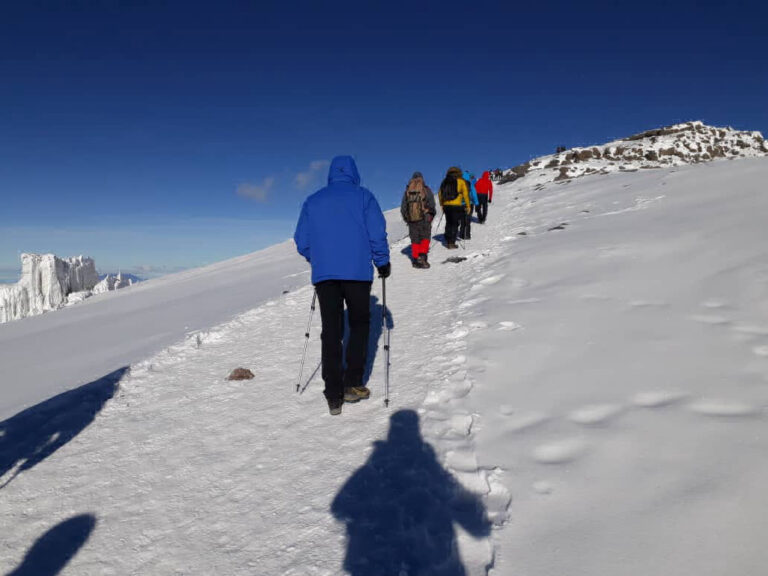
Kilimanjaro Climbing Price For Four People 2026-2027
Kilimanjaro Climbing Price for Four People is explained with current 2026-2027 planning, price, itinerary and booking information.
View package details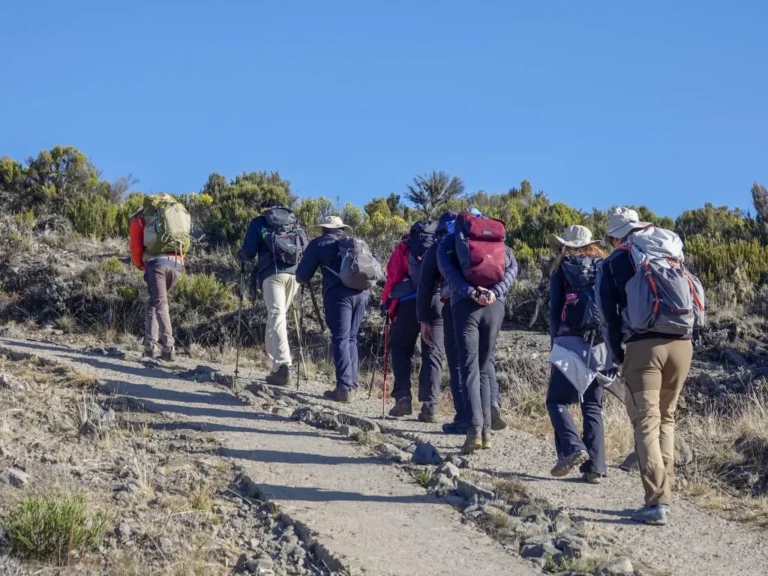
Kilimanjaro Climbing Payment Plan: Flexible Options For Your Adventure
Planning your Kilimanjaro climb is an exciting journey. Top Guide Adventures understands that financial flexibility is key. Discover how our Kilimanjaro climbing payment plan options can...
View package details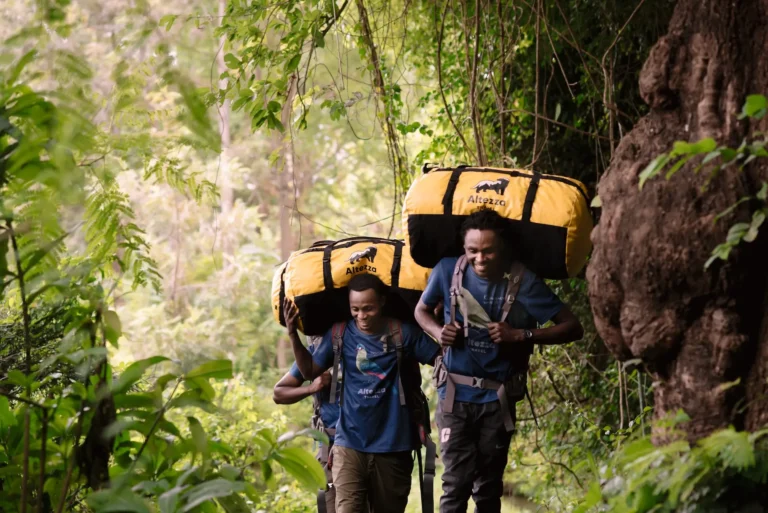
Kilimanjaro Region Seven-Day Non-Climbing Itinerary: Explore Beyond The Summit
Explore the vibrant Kilimanjaro Region for seven days without climbing the mountain. This itinerary focuses on cultural immersion, wildlife encounters, local markets, and scenic beauty...
View package details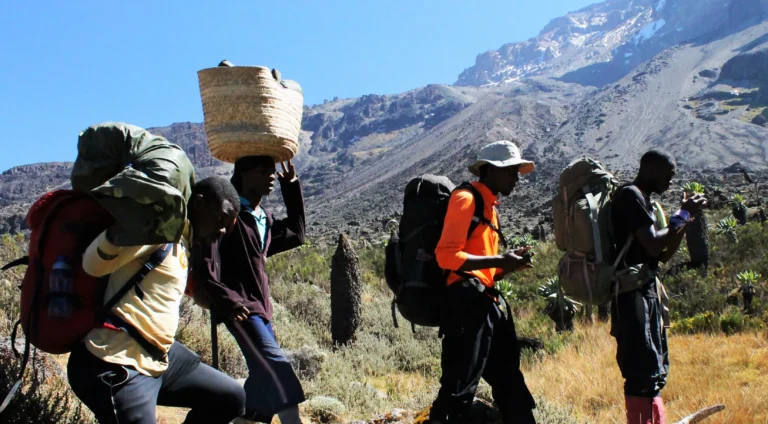
Kilimanjaro Safari Before Rejoining Your Climbing Group | Top Guide Adventures
Combining a safari with your Kilimanjaro climb is a classic Tanzanian adventure. Discover how to seamlessly integrate a wildlife safari experience before meeting your climbing group for the...
View package details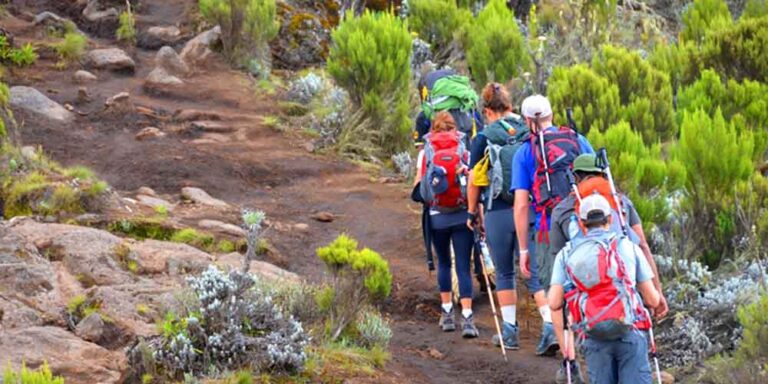
Kilimanjaro Airport And Hotel Support For Climbing Groups | Top Guide
Top Guide Adventures provides comprehensive support for Kilimanjaro climbing groups, from arrival at Kilimanjaro International Airport (JRO) to comfortable hotel stays before and after your...
View package details
Kilimanjaro Family Trip: Climbing And Non-Climbing Options For 2026-2027
Organizing a Kilimanjaro family trip requires careful planning to accommodate varying interests and abilities, ensuring everyone has a memorable experience. This guide covers options for...
View package details
Multilingual Kilimanjaro Group Climbing Tour 2026-2027
Multilingual Kilimanjaro Group Climbing Tour is explained with current 2026-2027 planning, price, itinerary and booking information.
View package detailsMenstrual Care While Climbing Kilimanjaro: Expert Guide 2026-2027
Climbing Kilimanjaro while menstruating is entirely manageable with proper planning. This comprehensive guide from Top Guide Adventures offers essential advice on managing your period on...
View package detailsCan You Drink Alcohol Before Climbing Kilimanjaro? 2026-2027
Can You Drink Alcohol before Climbing Kilimanjaro? is explained with current 2026-2027 planning, price, itinerary and booking information.
View package details
Kilimanjaro Climbing Package With Vegetarian Meals Guide
Planning a Kilimanjaro climb with specific dietary needs? This guide details Kilimanjaro climbing packages that cater to vegetarians, covering routes, meal preparation, and what to expect...
View package details
What Happens If Your Flight To Kilimanjaro Is Delayed? 2026-2027
What Happens If Your Flight to Kilimanjaro Is Delayed? is explained with current 2026-2027 planning, price, itinerary and booking information.
View package detailsWhat Happens If You Turn Back On Kilimanjaro? Your Options And Consequences
If you decide to turn back on Kilimanjaro, your climb ends, and you'll be escorted down the mountain. This guide details the process, health implications, financial impact, and alternative...
View package detailsNo related package matches those filters. Clear one or more filters to see the other topic-matched options.



