
Kilimanjaro cancellation because of illness means a trek is cut short or postponed due to a climber’s health condition, often requiring immediate descent and medical attention. While pre-trip planning and acclimatization significantly reduce risks, unforeseen illnesses can still occur. Understanding the potential causes, symptoms, prevention methods, and contingency plans, including travel insurance and operator policies, is crucial for any climber planning a 2026 or 2027 ascent. Top Guide Adventures prioritizes climber safety and provides support during such challenging situations.
Understanding Kilimanjaro Cancellation Due to Illness
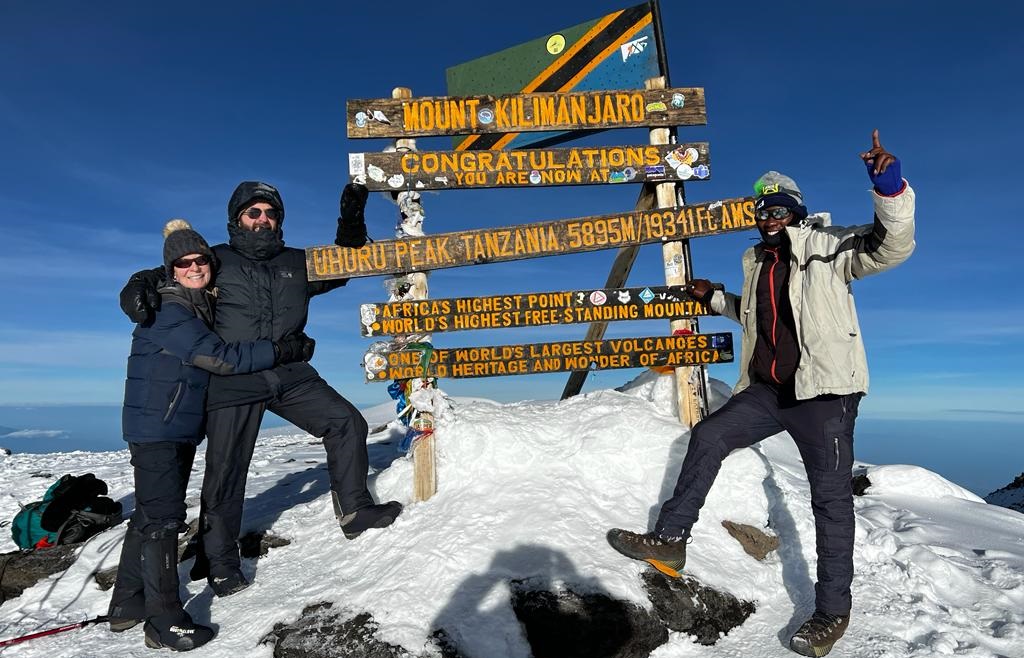
The dream of standing on the roof of Africa, Uhuru Peak on Mount Kilimanjaro, is a powerful motivator for thousands of adventurers each year. However, the journey is arduous, and the high altitude presents significant physiological challenges. One of the most common reasons for a Kilimanjaro trek to be cut short or a climber to be evacuated is illness, often directly or indirectly related to altitude or pre-existing conditions exacerbated by the climb. A Kilimanjaro cancellation because of illness is a serious matter that impacts the individual climber, their group, and the operational logistics of the expedition.
At Top Guide Adventures, we understand that health is paramount. While we meticulously plan our expeditions to maximize safety and success, it’s vital for every climber to be fully informed about the risks associated with altitude sickness and other potential health issues. This guide aims to provide a deep understanding of why cancellations due to illness happen on Kilimanjaro, how to prevent them, and what to expect if the unthinkable occurs during your 2026 or 2027 adventure.
Common Illnesses Leading to Kilimanjaro Cancellation
Mount Kilimanjaro’s altitude, reaching 5,895 meters (19,341 feet) at Uhuru Peak, is the primary factor contributing to illness among trekkers. The rapid ascent exposes the body to significantly lower oxygen levels, which can trigger a range of conditions. Understanding these is the first step in prevention and early detection.
Acute Mountain Sickness (AMS)
AMS is the most prevalent altitude-related illness and the leading cause of Kilimanjaro cancellation because of illness. It occurs when the body doesn’t have enough time to adjust to the reduced oxygen levels at higher altitudes. Symptoms can range from mild to severe and typically appear within 12 to 24 hours of ascending to a higher altitude.
- Mild AMS: Symptoms often include headache, nausea, dizziness, fatigue, loss of appetite, and difficulty sleeping. These symptoms can sometimes be managed by descending a short distance or resting at the current altitude.
- Moderate AMS: Symptoms worsen, with more severe headaches that are not relieved by medication, persistent vomiting, shortness of breath even at rest, and decreased coordination. Moderate AMS requires immediate descent.
- Severe AMS: This is a life-threatening condition that can progress to High Altitude Cerebral Edema (HACE) or High Altitude Pulmonary Edema (HAPE). Symptoms include confusion, disorientation, severe ataxia (loss of coordination), drowsiness, and potentially coma. HACE is a medical emergency.
The key to managing AMS is recognizing the symptoms early and descending. Our guides are trained to monitor climbers for signs of AMS and make critical decisions regarding descent to prevent severe complications. A Kilimanjaro cancellation because of illness due to AMS is often unavoidable if symptoms are not addressed promptly.
High Altitude Pulmonary Edema (HAPE)
HAPE is a severe form of AMS where fluid accumulates in the lungs. It can develop rapidly, sometimes even in individuals who have not shown prior symptoms of AMS. Symptoms include extreme shortness of breath, a persistent cough (which may produce frothy or pink sputum), chest tightness, fatigue, and cyanosis (bluish discoloration of the skin and lips).
HAPE is extremely dangerous and requires immediate descent and medical treatment. If left untreated, it can lead to respiratory failure and death. Climbers experiencing HAPE symptoms will necessitate an immediate Kilimanjaro cancellation because of illness and evacuation.
High Altitude Cerebral Edema (HACE)
HACE occurs when fluid accumulates in the brain, causing swelling. It is also a life-threatening condition that can develop from untreated moderate to severe AMS. Symptoms include severe headache, confusion, disorientation, loss of coordination (ataxia), drowsiness, and behavioral changes. In severe cases, individuals may experience seizures, coma, or death.
Similar to HAPE, HACE demands immediate descent and urgent medical attention. A diagnosis of HACE will undoubtedly lead to a Kilimanjaro cancellation because of illness and a critical evacuation procedure.
Other Common Illnesses and Conditions
While altitude-related illnesses are the most common culprits, other health issues can also lead to a Kilimanjaro cancellation because of illness:
- Gastrointestinal Issues: Travelers’ diarrhea, food poisoning, or stomach bugs can cause severe dehydration, vomiting, and weakness, making it impossible to continue the climb. While not directly altitude-related, the conditions on the mountain can exacerbate these issues.
- Respiratory Infections: Colds, flu, or bronchitis can become more severe at altitude. A persistent cough, chest congestion, or difficulty breathing can be dangerous.
- Pre-existing Medical Conditions: Individuals with underlying health problems such as heart conditions, severe asthma, or diabetes may find their condition worsening due to the physical stress and altitude. It is crucial to consult a doctor before booking a climb.
- Injuries: While not strictly an illness, a sprained ankle, knee injury, or other physical trauma can render a climber unable to continue, effectively causing a Kilimanjaro cancellation because of illness or injury.
Prevention Strategies: Minimizing the Risk of Illness
The best approach to dealing with Kilimanjaro cancellation because of illness is to prevent it from happening in the first place. Top Guide Adventures employs proven strategies to help our clients stay healthy throughout their trek.
1. Choose the Right Route and Pace
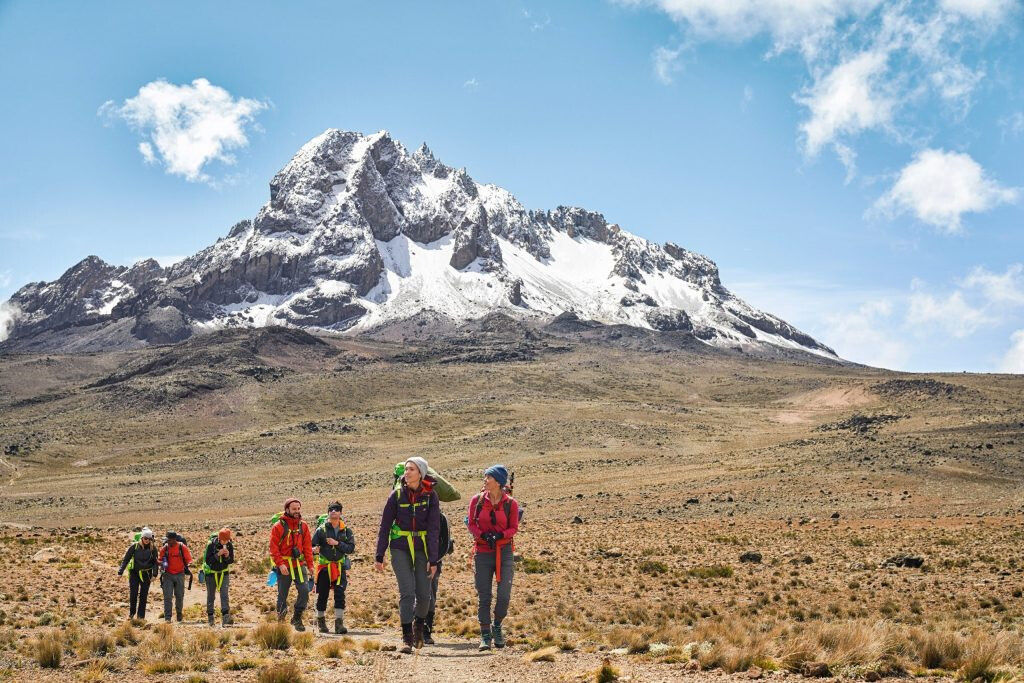
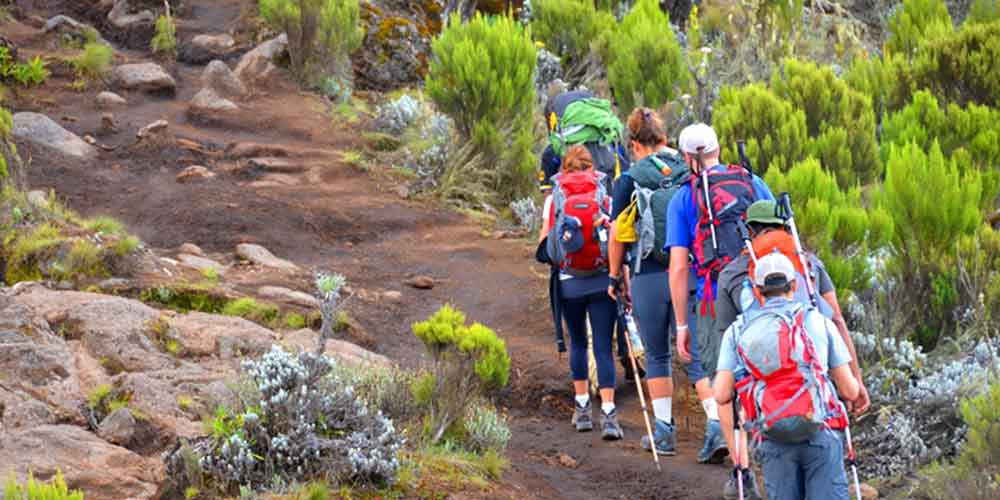
The route you choose significantly impacts your acclimatization profile. Longer routes generally offer better acclimatization rates, reducing the risk of altitude sickness. For instance, the 7-day Machame route is better than the 5-day Marangu route, and the 8-day Lemosho or Northern Circuit routes provide even superior acclimatization.
Top Guide Adventures recommends longer itineraries for the 2026-2027 climbing season to enhance acclimatization and success rates. A slower, steady pace (‘pole pole’) is essential. Rushing the ascent is the fastest way to develop AMS.
A typical acclimatization strategy involves ascending to a higher altitude during the day and then descending to sleep at a lower altitude (‘climb high, sleep low’). This process allows your body to adapt more effectively to the reduced oxygen. Our itineraries are carefully designed with this principle in mind.
2. Proper Hydration and Nutrition
Staying well-hydrated is critical at altitude. Dehydration can mimic or worsen symptoms of AMS. Drink plenty of water throughout the day – aim for 3-4 liters. Electrolyte drinks can also be beneficial.
Maintain good nutrition. While appetite may decrease at altitude, it’s important to eat regular, balanced meals. Carbohydrates are generally easier to digest and provide energy. Our cooks prepare nutritious meals designed to sustain climbers.
3. Gradual Ascent and Acclimatization
As mentioned, this is the most crucial factor. Our itineraries are built with acclimatization days and appropriate sleeping altitudes. We strongly advise against choosing the shortest routes if your primary goal is to reach the summit safely and comfortably. For your 2026-2027 climb, consider adding an extra day to your chosen itinerary for better acclimatization.
4. Pre-Trip Health Check-up
Before booking your Kilimanjaro climb for 2026 or 2027, consult your doctor. Discuss your travel plans and any pre-existing medical conditions. Your doctor can advise on the suitability of the climb for your health and may recommend specific precautions or medications.
Key medical advice to seek includes:
- Assessment of cardiovascular and respiratory health.
- Review of any chronic conditions (e.g., diabetes, hypertension).
- Discussion about prophylactic medications for altitude sickness.
5. Altitude Sickness Medications
Doctors may prescribe medications like Acetazolamide (Diamox) to aid acclimatization and prevent AMS. While not a substitute for proper acclimatization, Diamox can significantly reduce symptoms for many individuals.
If you are considering using Diamox for your 2026-2027 Kilimanjaro climb, it is essential to discuss this with your doctor well in advance. They will provide the correct dosage and advise on potential side effects. Our guides are experienced in assisting climbers who are taking Diamox.
6. Listen to Your Body and Your Guide
This cannot be stressed enough. Pay close attention to how you feel. Any new or worsening symptoms should be reported to your guide immediately. Our guides are trained in wilderness first aid and altitude sickness management. They are your primary resource for assessing your health.
Do not ‘tough it out’. Trying to ignore symptoms of AMS can lead to severe, life-threatening conditions. If your guide recommends descending, it is for your own safety. Ignoring their advice can lead to a forced Kilimanjaro cancellation because of illness later on, potentially in a more dangerous situation.
7. General Health and Fitness
While you don’t need to be an elite athlete, a good level of cardiovascular fitness will help your body cope with the demands of the climb. Regular aerobic exercise in the months leading up to your trek is highly recommended. This will improve your stamina and resilience.
Avoid strenuous activities or alcohol in the days leading up to and at the start of your trek. Ensure you are well-rested and have no active infections before you begin your ascent.
What Happens If You Get Sick on Kilimanjaro?
Despite the best preventive measures, illness can still strike. Knowing the procedure and what to expect can help manage the situation calmly and effectively.
Immediate Assessment by Guides
When you report feeling unwell, your guide will conduct a thorough assessment. This includes checking your vital signs (heart rate, respiratory rate, oxygen saturation using a pulse oximeter), asking about your symptoms, and observing your behavior and coordination. This assessment is crucial in determining the severity of the condition and the appropriate course of action.
The Decision to Descend
The decision to descend is never taken lightly, but climber safety is always the top priority. If symptoms of moderate AMS, HAPE, or HACE are present, or if any other serious illness is diagnosed, descent is mandatory. Even mild AMS symptoms, if they persist or worsen despite rest, may necessitate a descent.
A descent is the most effective treatment for altitude-related illnesses. Even a drop of a few hundred meters can make a significant difference. If a descent is required, your guide will make arrangements for you to be accompanied by a support crew member. For severe cases, emergency evacuation procedures will be initiated.
Emergency Evacuation Procedures
In cases of severe illness or injury, prompt evacuation is critical. Top Guide Adventures has established protocols for emergency evacuations:
- Assisted Descent: For moderate AMS or other conditions, a guide or porter will assist you in walking down the mountain.
- Stretcher Evacuation: If you are unable to walk, a stretcher team (often comprising several porters) will be mobilized to carry you down.
- Helicopter Evacuation: For life-threatening situations or when rapid evacuation is critical, a helicopter can be arranged (subject to weather conditions and availability). This is typically an expensive service and is usually covered by travel insurance.
Top Guide Adventures works closely with park rangers and emergency services to ensure timely and efficient evacuations when needed. This is a critical part of our commitment to climber safety, especially for expeditions planned for 2026 and 2027.
Impact on Group and Itinerary
When a climber needs to descend due to illness, it can affect the rest of the group. Depending on the group’s dynamics and the operator’s policy, the group may continue their ascent, or the expedition might be modified. In many cases, if a climber is evacuated, their trek ends there, and they are brought back to Moshi for medical care.
For your 2026-2027 Kilimanjaro climb, we encourage open communication within your group about health concerns. While we aim to support all climbers, a significant illness will necessitate a Kilimanjaro cancellation because of illness for the affected individual, and potentially impact the group’s progress.
Travel Insurance: A Non-Negotiable for Kilimanjaro Climbs
Given the risks associated with climbing Kilimanjaro, comprehensive travel insurance is absolutely essential. It is not merely a recommendation; it is a requirement for climbing with Top Guide Adventures.
What Your Insurance Should Cover
When selecting travel insurance for your Kilimanjaro expedition in 2026 or 2027, ensure it includes:
- High Altitude Coverage: Specifically confirm that the policy covers trekking up to 6,000 meters (19,700 feet). Some policies have lower altitude limits.
- Emergency Medical Expenses: This should cover doctor’s fees, hospital stays, and medication.
- Emergency Evacuation and Repatriation: This is critical. It must cover helicopter evacuations, stretcher evacuations, and transport back to your home country if medically necessary. This coverage is often the most expensive component but is vital for serious medical emergencies.
- Trip Cancellation and Interruption: This covers costs incurred if you have to cancel your trip before departure or cut it short due to illness or injury.
- Medical Evacuation from Remote Locations: Ensure the policy clearly states it covers evacuation from remote areas like Mount Kilimanjaro National Park.
Choosing the Right Policy
Several insurance providers offer policies suitable for high-altitude trekking. Do your research and compare policies carefully. Look for providers with a good reputation for handling adventure travel claims.
We strongly advise all our clients to secure their travel insurance at the time of booking their Kilimanjaro climb for 2026-2027. This ensures that coverage for pre-existing conditions is in place and that you are protected from the outset.
Top Guide Adventures cannot be held responsible for costs incurred due to illness or evacuation if you do not have adequate insurance. While we will assist in any emergency, the financial responsibility ultimately lies with the client. A Kilimanjaro cancellation because of illness without proper insurance can lead to substantial personal debt.
Top Guide Adventures’ Policies on Illness and Cancellations
At Top Guide Adventures, our primary concern is the well-being of our clients. Our policies are designed to be fair while prioritizing safety.
Pre-Trip Cancellations
If you need to cancel your trek before departure due to illness, our cancellation policy, as detailed in our terms and conditions, will apply. This is where comprehensive travel insurance with trip cancellation coverage becomes invaluable. It can reimburse you for non-refundable deposits and payments.
During the Trek Cancellations
If you become ill during the trek and need to descend, this is considered an ‘interruption’ of your trip. While we do not offer refunds for portions of the trek not completed due to illness (as fixed costs are incurred regardless), we will assist in your safe return to Moshi.
Our team will provide logistical support for your return journey and help coordinate with your insurance provider for any necessary medical care or repatriation. This support is part of the service you expect from Top Guide Adventures for your 2026-2027 expedition.
A Kilimanjaro cancellation because of illness during the trek means the expedition for that individual concludes. We will do our best to ensure you are comfortable and receive appropriate care upon descent.
Medical Support on the Mountain
Our guides are trained in first aid and recognizing the signs of altitude sickness. They carry comprehensive medical kits. We also have a network of local medical contacts in Moshi should you require further treatment upon descent.
For expeditions in 2026 and 2027, we continue to invest in training our guides and ensuring they have the best equipment for medical emergencies. Your safety is our business.
Making Your 2026-2027 Kilimanjaro Climb Safer
Planning a Kilimanjaro climb for the upcoming seasons involves careful consideration of health and safety. Here are some final thoughts and recommendations:
1. Realistic Expectations
Understand that climbing Kilimanjaro is a serious undertaking. Altitude sickness is a real risk, and not everyone reaches the summit. Focus on the journey, the experience, and reaching your personal best safely, rather than solely on the summit.
2. Choose a Reputable Operator
Selecting an operator like Top Guide Adventures that prioritizes safety, uses experienced guides, provides good equipment, and plans itineraries with proper acclimatization is paramount. We have a strong track record of successful and safe climbs.
3. Open Communication
Communicate openly with your doctor before you travel, with your guides during the trek, and with your travel companions. Don’t hide symptoms, and don’t be afraid to ask for help.
4. Post-Illness Climb Considerations
If you have recently recovered from a significant illness or surgery, allow ample time for full recovery before attempting Kilimanjaro. Consult your doctor to ensure you are physically ready. A Kilimanjaro cancellation because of illness can be avoided by being honest with yourself about your health status.
Planning for the 2026-2027 Climbing Seasons
As you plan your Kilimanjaro adventure for 2026 or 2027, remember that preparation is key. This includes:
- Booking Early: Secure your preferred dates and routes, especially for popular seasons.
- Choosing Longer Routes: Consider itineraries of 7 days or more for optimal acclimatization.
- Securing Comprehensive Insurance: Do this as soon as you book your trip.
- Physical Preparation: Start your fitness training well in advance.
- Medical Consultation: Talk to your doctor about altitude and any personal health concerns.
By taking these steps, you significantly reduce the likelihood of a Kilimanjaro cancellation because of illness and increase your chances of a safe and successful climb.
Conclusion: Prioritizing Health for Your Kilimanjaro Dream
A Kilimanjaro cancellation because of illness is a disappointing but sometimes necessary outcome to ensure a climber’s safety. Altitude sickness, respiratory infections, and other health issues can arise, even with the best preparation. However, by understanding the risks, implementing preventive measures, choosing a reputable operator like Top Guide Adventures, and securing adequate travel insurance, you can significantly minimize these risks for your 2026 or 2027 climb.
Our commitment at Top Guide Adventures is to provide you with the safest and most enjoyable Kilimanjaro experience possible. We are here to support you every step of the way, from initial planning to your safe return. If you have any questions about health, safety, our itineraries, or anything else concerning your 2026-2027 Kilimanjaro climb, please do not hesitate to contact us.
Let us help you achieve your dream of climbing Kilimanjaro safely and successfully. For inquiries or to start planning your adventure, you can reach us via WhatsApp at +255616946642, email at topguideadventures@gmail.com, or our backup email at info@topguideadventures.com. We look forward to guiding you to the summit.
Check Availability for Kilimanjaro Cancellation Because Of Illness Guide
Ready to compare dates, prices, and the best option for your group? Send the package name and travel month so the team can reply with a clear quote, availability, and what is included.
Kilimanjaro Cancellation Because Of Flight Delays 2026-2027
Kilimanjaro Cancellation because of Flight Delays is explained with current 2026-2027 planning, price, itinerary and booking information.
View package details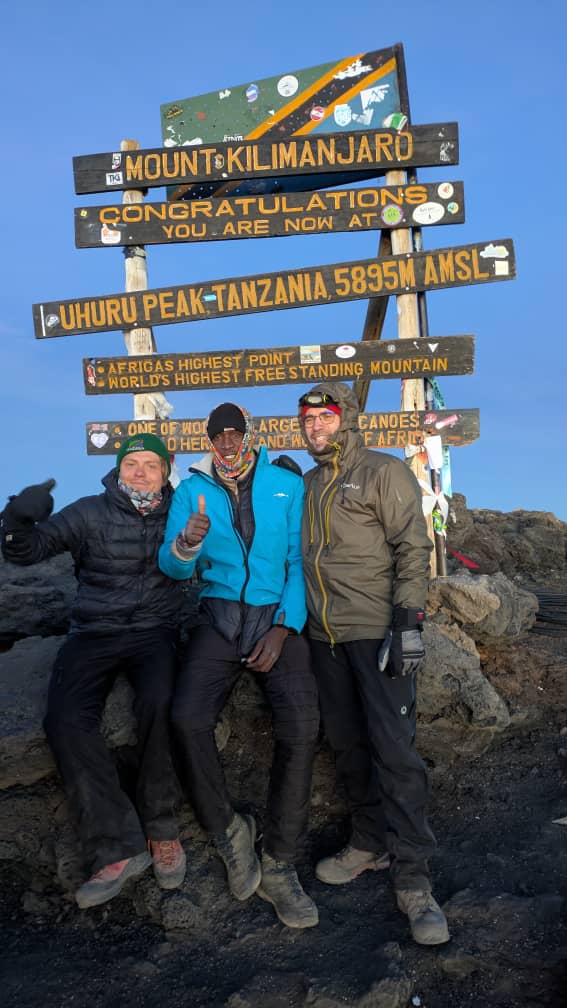
How Altitude Affects Younger Kilimanjaro Climbers In 2026-2027
Climbing Kilimanjaro presents unique challenges, especially for younger trekkers. This guide details how altitude affects them, covering symptoms, risks, preparation, and essential safety...
View package details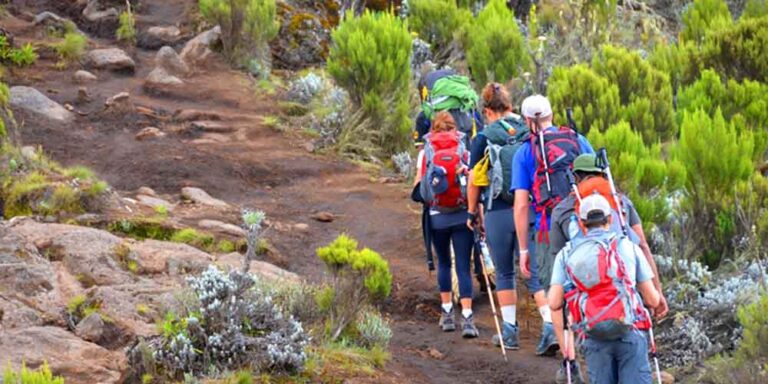
Kilimanjaro Safety Guide For Parents: Essential Tips A Successful Climb
This guide provides essential safety information for parents considering a Kilimanjaro climb with their children or for themselves. It covers preparation, acclimatization, risks, and...
View package details
Kilimanjaro Training Plan For Teen Climbers: Summit Success In 2026-2027
Prepare your teen for the ultimate adventure with a detailed Kilimanjaro training plan. This guide covers physical conditioning, mental readiness, essential gear, and acclimatization...
View package details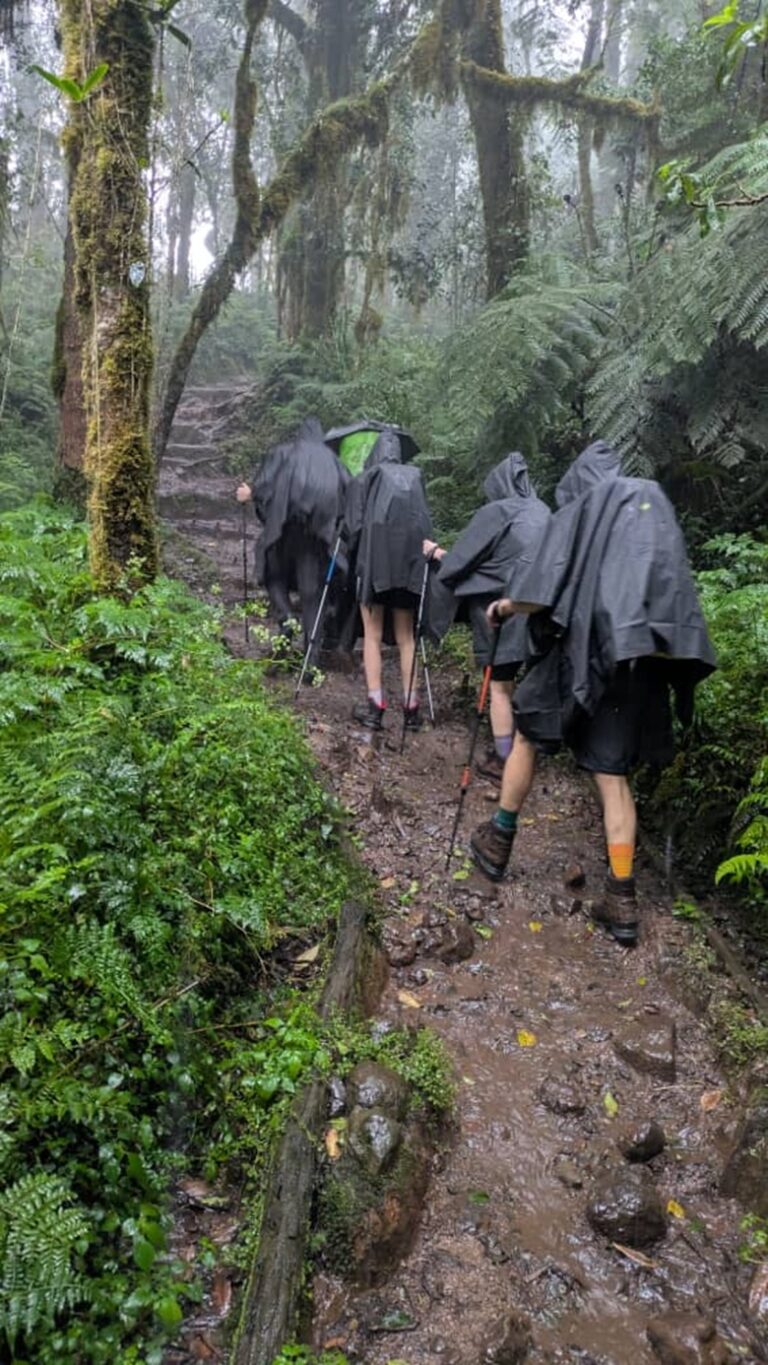
Kilimanjaro Packing List For Teenagers: Expert Guide Climbs 2026-2027
A comprehensive Kilimanjaro packing list tailored for teenage climbers, covering essential gear, clothing layers, footwear, and personal items for a successful 2026-2027 ascent. Expert tips...
View package details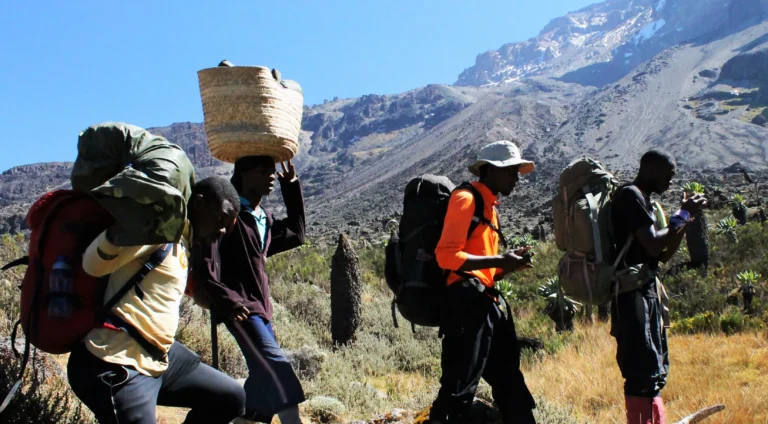
How To Prepare A Teenager For Kilimanjaro: A Comprehensive Guide 2026-2027
Climbing Kilimanjaro is an incredible adventure for teenagers. This guide provides essential advice for parents and teens on physical training, mental preparation, gear selection, and what...
View package details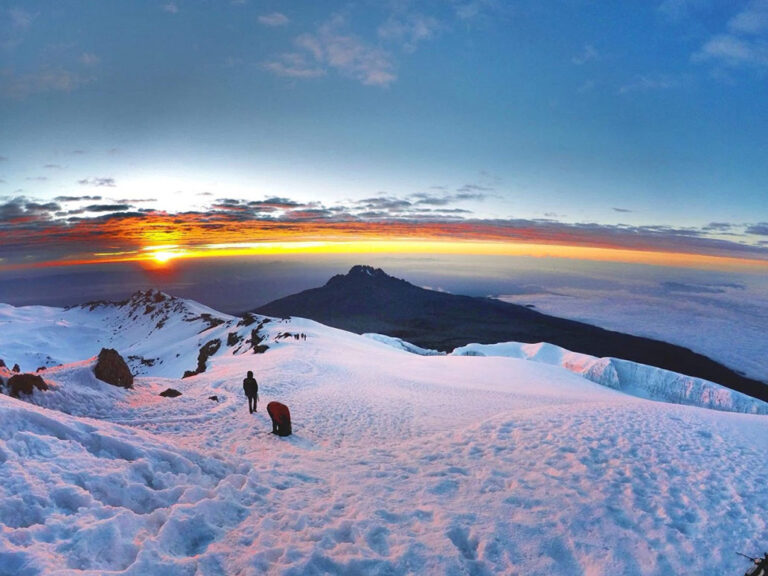
Kilimanjaro Climb For University Students: Your Ultimate Guide 2026-2027
Top Guide Adventures provides a comprehensive guide for university students planning a Kilimanjaro climb in 2026-2027. This extensive resource covers route selection, essential training...
View package detailsKilimanjaro Climb For Gap-Year Students 2026-2027
Kilimanjaro Climb for Gap-Year Students is explained with current 2026-2027 planning, price, itinerary and booking information.
View package details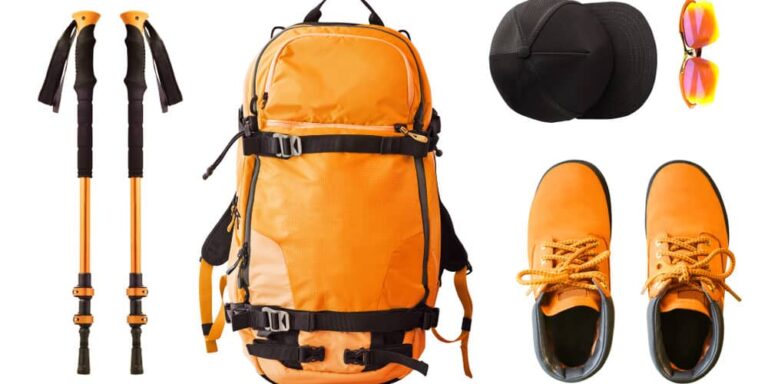
Kilimanjaro School-Holiday Climbing Dates 2026-2027
Kilimanjaro School-Holiday Climbing Dates is explained with current 2026-2027 planning, price, itinerary and booking information.
View package details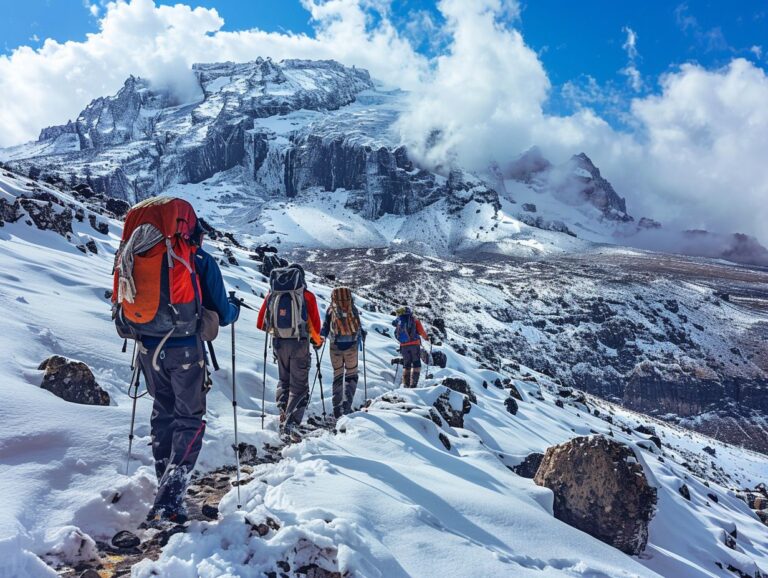
Kilimanjaro Family Climb With Private Guides: Your Adventure 2026-2027
start an unforgettable Kilimanjaro family climb with private guides in 2026-2027. Top Guide Adventures specializes in tailoring these incredible journeys for families, ensuring safety...
View package details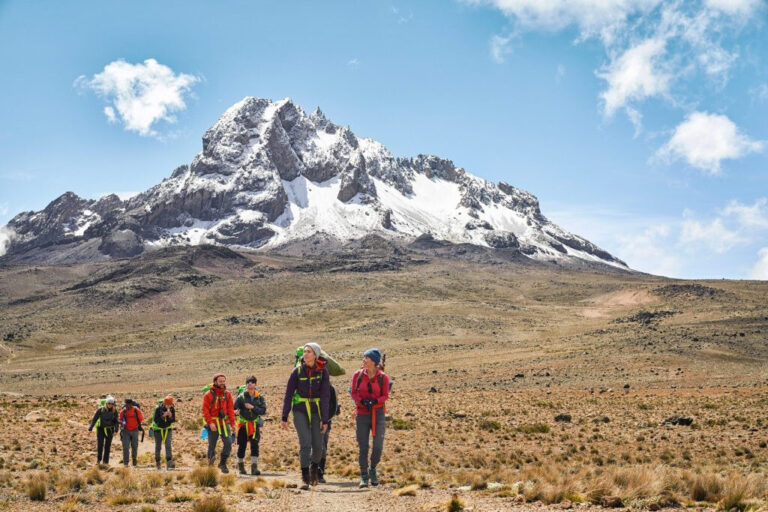
Kilimanjaro Climbing Package For Parents And Teenagers 2026-2027
Kilimanjaro Climbing Package for Parents and Teenagers is explained with current 2026-2027 planning, price, itinerary and booking information.
View package details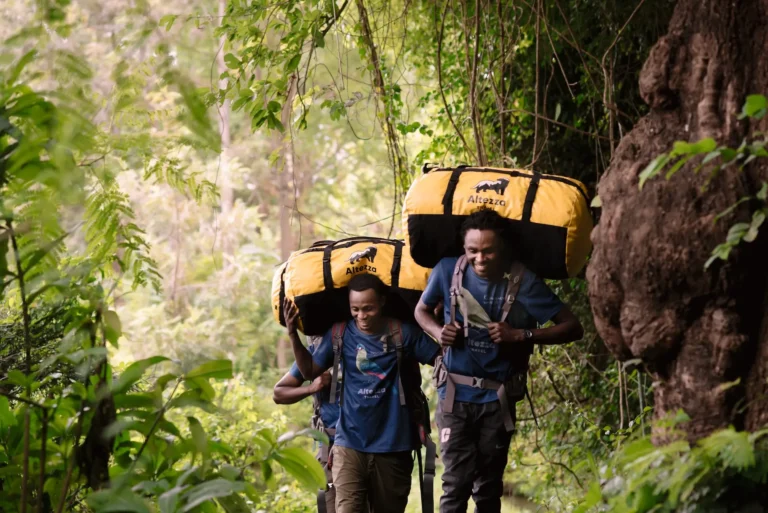
Best Kilimanjaro Route For Teenagers 2026-2027
Best Kilimanjaro Route for Teenagers is explained with current 2026-2027 planning, price, itinerary and booking information.
View package detailsNo related package matches those filters. Clear one or more filters to see the other topic-matched options.



