
Preparing a teenager for Kilimanjaro involves a holistic approach focusing on physical fitness, mental readiness, proper gear, and understanding the mountain’s challenges. Key elements include a progressive training plan, education about altitude sickness, selecting an appropriate route and operator like Top Guide Adventures, and ensuring they have the right equipment and mindset for a safe and rewarding 2026 or 2027 climb.
The Ultimate Kilimanjaro Adventure for Teenagers: Preparation is Key
Climbing Mount Kilimanjaro is a monumental achievement, and for a teenager, it can be a truly life-changing experience. It’s a journey that tests physical limits, builds resilience, and offers unparalleled views and a profound sense of accomplishment. At Top Guide Adventures, we believe that with thorough preparation, teenagers can safely and successfully reach Uhuru Peak. This guide is designed to equip parents and young adventurers with everything they need to know about preparing a teenager for Kilimanjaro, covering physical training, mental fortitude, essential gear, and practical advice for the 2026 and 2027 climbing seasons.
Successfully preparing a teenager for Kilimanjaro isn’t just about physical conditioning; it’s a comprehensive process that builds confidence, responsibility, and a deep appreciation for the natural world. We’ll walk you through each stage, from initial planning to the moment you stand on Africa’s highest point.
Why Kilimanjaro is a Remarkable Goal for Teenagers
Kilimanjaro offers a unique blend of challenge and reward that resonates deeply with young people. It’s an accessible ‘bucket list’ item, a chance to experience a different culture, and a powerful lesson in perseverance. The journey itself, often spanning 5 to 9 days depending on the chosen route, teaches valuable life skills:
- Resilience and Determination: Pushing through fatigue and challenging conditions fosters a strong sense of inner strength.
- Responsibility: Teenagers learn to take ownership of their preparation, gear, and well-being on the mountain.
- Appreciation for Nature: Experiencing diverse ecosystems, from rainforest to alpine desert, cultivates environmental awareness.
- Teamwork and Camaraderie: The shared experience with guides, porters, and fellow climbers builds social skills.
- Sense of Accomplishment: Reaching the summit provides an unparalleled boost in self-esteem and confidence.
For parents, seeing their teenager achieve such a significant goal is incredibly rewarding. It’s an opportunity to bond over shared planning and celebrate a monumental achievement together.
Understanding the Kilimanjaro Climb for Young Climbers
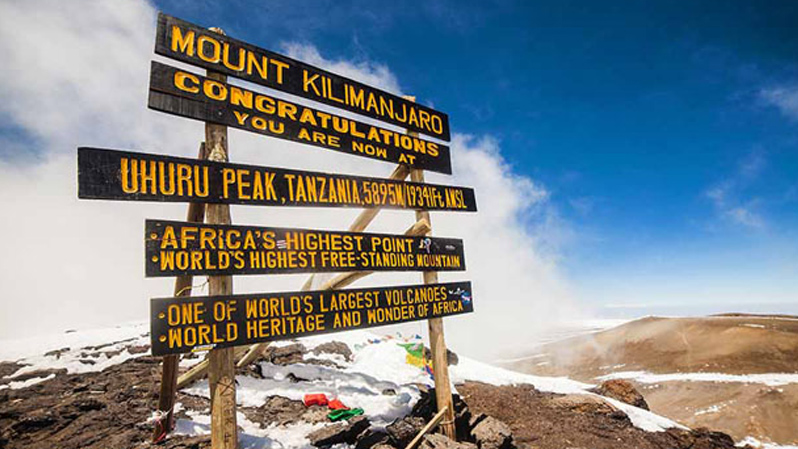
Before diving into preparation, it’s crucial to understand the nature of a Kilimanjaro climb, especially for younger individuals. Kilimanjaro is a high-altitude mountain, and the primary challenge is not technical climbing but the effects of altitude. The mountain’s altitude ranges from approximately 1,830 meters (6,000 ft) at the base to 5,895 meters (19,341 ft) at Uhuru Peak. This significant elevation gain means that acclimatization is paramount.
Age and Health Requirements: While there’s no strict minimum age set by the park authorities, most reputable tour operators, including Top Guide Adventures, recommend a minimum age of 10 years old for children. This is due to the physiological demands of high altitude. For teenagers, we look for a good level of general health and fitness. A pre-climb medical check-up is highly recommended for any teenager planning to climb Kilimanjaro.
Route Selection: The choice of route significantly impacts the difficulty and experience. Longer routes generally offer better acclimatization profiles, making them more suitable for younger climbers. Routes like the Lemosho, Machame, or Marangu (though less ideal for acclimatization) are common choices. We often recommend the Lemosho or Machame routes for their higher success rates due to better acclimatization, especially for those new to high-altitude trekking.
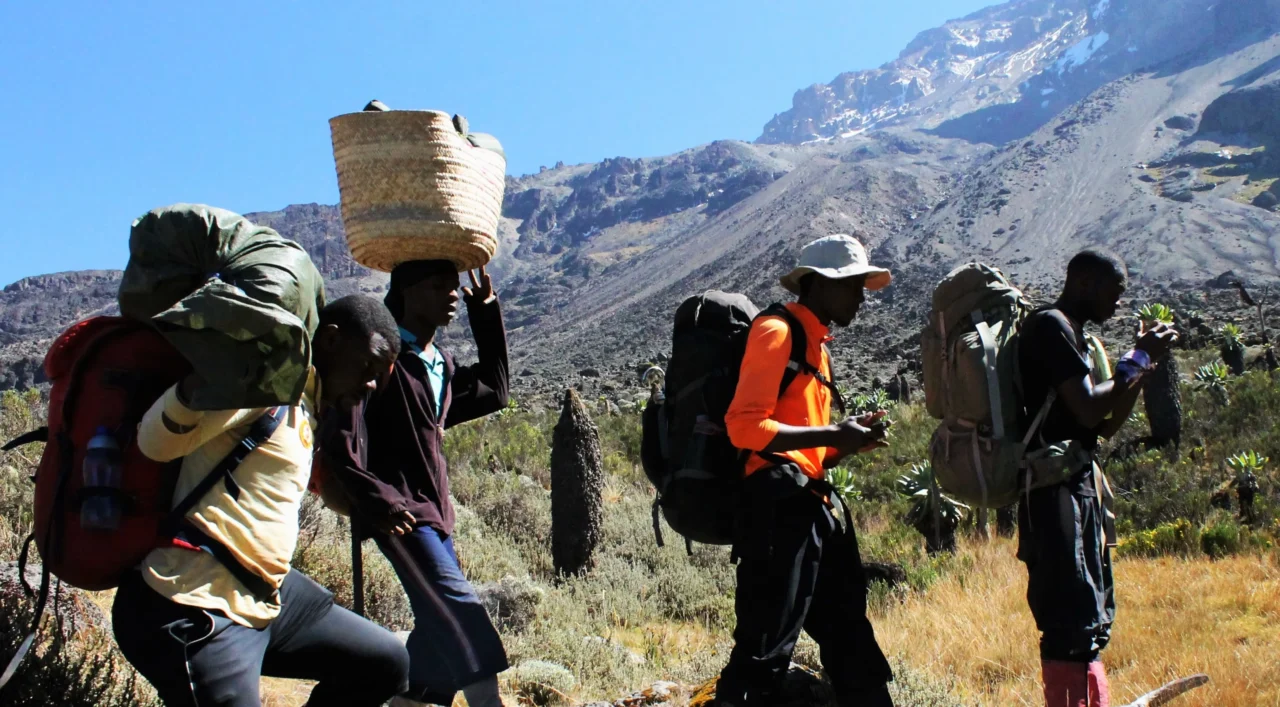
Pace and Support: A slow and steady pace (‘pole pole’ in Swahili) is essential. Teenagers, like all climbers, need to be encouraged to walk slowly, drink plenty of water, and listen to their bodies. The support from experienced guides and porters is invaluable, providing encouragement, monitoring health, and ensuring safety.
Phase 1: The Foundation – Physical Preparation
Physical preparation should begin at least 3-6 months before the climb. The goal is not to turn your teenager into an elite athlete but to build stamina, strength, and cardiovascular endurance suitable for multi-day trekking at altitude.
Cardiovascular Fitness: The Heart of the Matter
The most critical aspect of physical training is building a strong cardiovascular system. This allows the body to efficiently use oxygen, which becomes scarcer at higher altitudes.
- Hiking: Regular hiking is the best preparation. Start with shorter hikes (1-2 hours) on varied terrain and gradually increase the duration and difficulty. Aim for at least one longer hike (3-5 hours) per week, ideally with some elevation gain.
- Running/Jogging: Incorporate 3-4 sessions per week of jogging or running for 30-45 minutes. This builds aerobic capacity.
- Cycling: Cycling, whether outdoors or on a stationary bike, is excellent for cardiovascular health. Aim for 2-3 sessions per week, varying intensity.
- Swimming: A low-impact option that provides a full-body workout and improves lung capacity.
Key Goal: Your teenager should be comfortable completing a 4-6 hour hike with significant elevation gain without excessive fatigue by the time the climb approaches.
Strength Training: Building a Resilient Body
While not as critical as cardio, strength training helps prevent injuries and makes carrying a daypack more comfortable.
- Leg Strength: Focus on exercises like squats, lunges, step-ups (using a bench or stair), and calf raises. These mimic the movements used on the mountain.
- Core Strength: Planks, crunches, and back extensions improve stability and posture, crucial for carrying a pack over long distances.
- Upper Body Strength: While less emphasized, light weights or resistance bands for push-ups and rows can help with overall conditioning.
Frequency: 2-3 strength training sessions per week, ideally on non-cardio days or after a lighter cardio workout.
Stamina and Endurance: The Multi-Day Challenge
Kilimanjaro is not a single-day event; it’s a multi-day trek. Training needs to reflect this.
- Back-to-Back Hikes: In the 1-2 months leading up to the climb, try to do longer hikes on consecutive days. For example, a 4-hour hike on Saturday and a 3-hour hike on Sunday. This simulates the demands of trekking day after day.
- Carrying a Pack: Encourage your teenager to hike with a daypack weighing 5-10 kg (11-22 lbs). This gets them accustomed to the feeling and balance required.
Flexibility and Injury Prevention
Regular stretching can help prevent muscle soreness and injuries.
- Post-Workout Stretching: Focus on hamstrings, quadriceps, calves, hips, and back.
- Yoga or Pilates: These can be excellent for improving flexibility, core strength, and body awareness.
Medical Consultation: A Crucial Step
Before starting any rigorous training program, it’s essential to consult with a pediatrician or family doctor. Discuss the planned climb and the training regimen. They can identify any underlying health issues and provide specific advice tailored to your teenager’s health profile. This is particularly important for teenagers with asthma, allergies, or any chronic conditions. A doctor’s clearance is a non-negotiable step for preparing a teenager for Kilimanjaro.
Phase 2: The Mental Game – Preparing for the Summit
The mental aspect of climbing Kilimanjaro is often underestimated but is just as vital as the physical. Teenagers can experience a range of emotions, from excitement and anticipation to anxiety and doubt. Preparation helps manage these feelings and build resilience.
Understanding Altitude Sickness (AMS)
Educating your teenager about Acute Mountain Sickness (AMS) is critical. They need to understand the symptoms and the importance of communicating any discomfort immediately.
- Symptoms: Headache, nausea, dizziness, fatigue, loss of appetite, and shortness of breath are common.
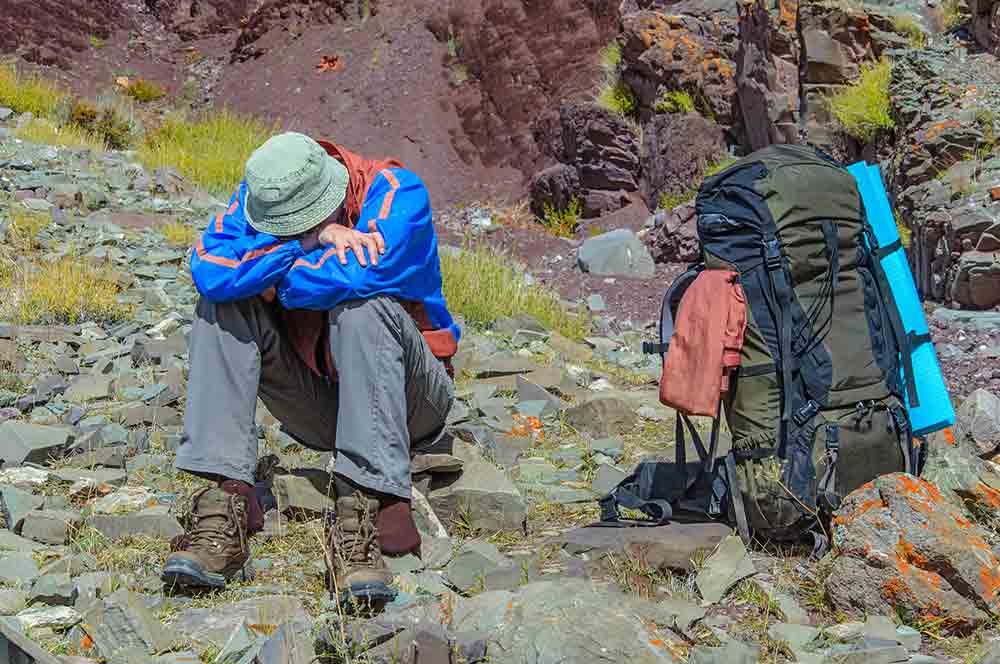
- Severity: While mild AMS is common and manageable, severe forms (HAPE and HACE) are life-threatening.
- Communication: Emphasize that telling the guide about any symptom, no matter how small, is a sign of strength, not weakness. Their guides are trained to assess and manage AMS.
- Prevention: Explain that the best prevention is slow ascent, hydration, and adequate rest. Avoid strenuous activity on arrival.
Top Guide Adventures prioritizes safety. Our guides are certified in first aid and highly experienced in managing altitude-related issues. We ensure a slow ‘pole pole’ pace, which is fundamental for acclimatization.
Setting Realistic Expectations
It’s important for teenagers (and parents) to understand that reaching the summit is not guaranteed. Factors like altitude sickness, weather, or simply not feeling well on the day can prevent someone from summiting. The goal should be the journey and the experience, not just the summit itself. Celebrate the achievement of getting as high as possible and completing the trek, regardless of summit success.
Building Resilience and a Positive Mindset
The climb will have challenging moments. Help your teenager develop coping strategies:
- Focus on Small Goals: Instead of thinking about the entire climb, focus on reaching the next camp, the next rest stop, or even just the next 100 meters.
- Positive Self-Talk: Encourage them to replace negative thoughts with positive affirmations.
- Problem-Solving: Discuss hypothetical challenging situations and how they might handle them.
- The ‘Why’: Remind them of their reasons for wanting to climb Kilimanjaro. What does this adventure mean to them?
Managing Fear and Anxiety
It’s normal to feel nervous. Address these feelings openly.
- Open Dialogue: Create a safe space for your teenager to express fears and concerns. Listen without judgment.
- Share Stories: Read or watch documentaries about other young people who have climbed Kilimanjaro. This can be inspiring and normalizing.
- Visualization: Encourage them to visualize a successful and enjoyable climb.
Importance of Sleep and Rest
Teenagers, like adults, need adequate sleep. Ensure they are getting enough rest during their training period. On the mountain, rest is crucial for recovery and acclimatization. Explain that while summit night is a challenge, the rest they get on previous days directly impacts their ability to perform.
Phase 3: Gear Up – Essential Equipment for Teenagers
Proper gear is vital for comfort, safety, and success on Kilimanjaro. Teenagers often have different sizing needs, and it’s important to invest in quality items.
Layering System: The Key to Comfort
Kilimanjaro experiences dramatic temperature changes. A layering system allows climbers to adapt to conditions.
- Base Layer (Moisture-wicking): Synthetic or merino wool tops and bottoms. Avoid cotton.
- Mid Layer (Insulation): Fleece jacket or pants, down vest.
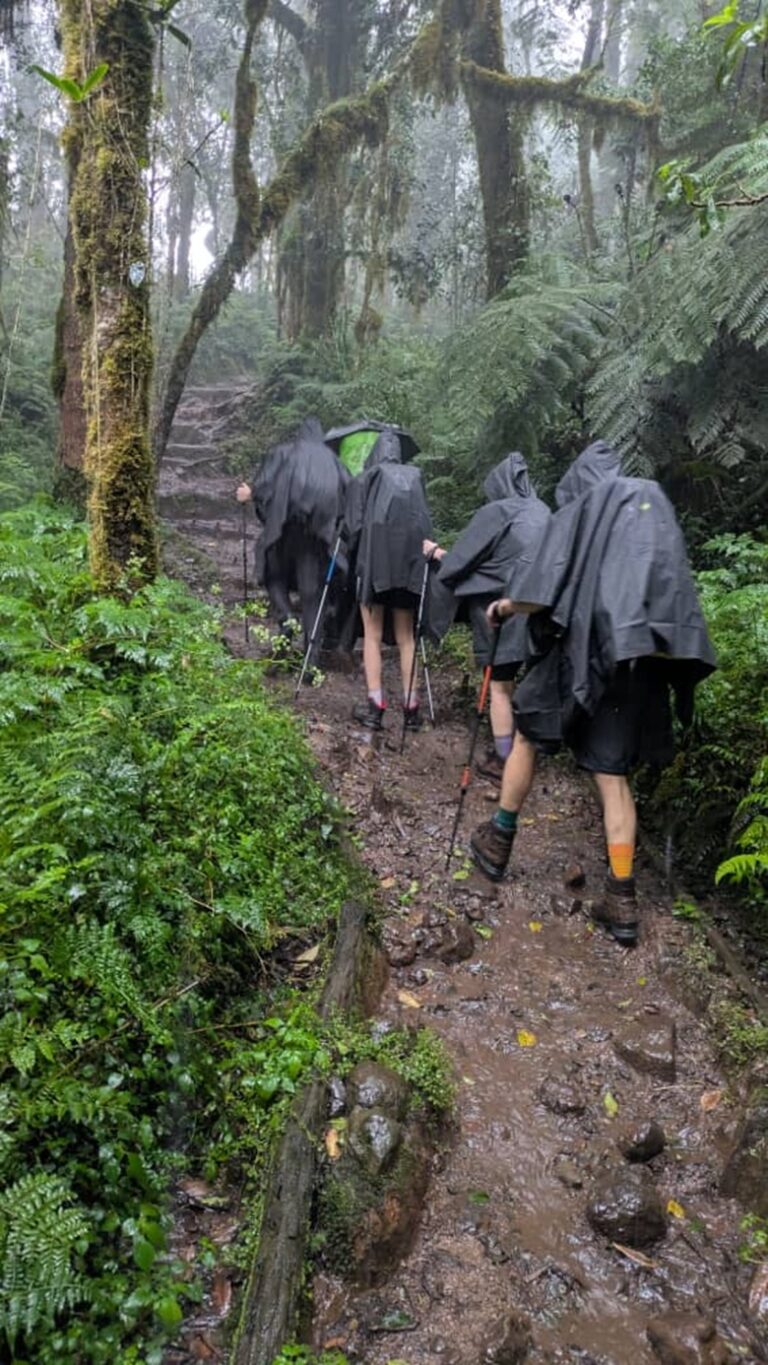
- Outer Layer (Waterproof & Windproof): A breathable, high-quality waterproof jacket and pants.
Key Clothing Items
- Hiking Boots: Crucial! Must be waterproof, broken-in, and well-fitting. High-ankle support is recommended. Ensure they are tried on with the socks they’ll wear.
- Trekking Socks: Several pairs of wool or synthetic hiking socks.
- Camp Shoes/Sandals: Lightweight shoes for wearing around camp to give feet a break.
- Hiking Pants: 2-3 pairs of quick-drying, comfortable hiking pants.
- T-shirts: 3-4 moisture-wicking t-shirts.
- Long-Sleeve Shirts: 1-2 for sun protection and warmth.
- Fleece Jackets: 1-2 mid-weight fleece jackets.
- Insulated Jacket: A warm, down or synthetic insulated jacket for cold evenings and summit night.
- Waterproof Jacket & Pants: Essential for rain and wind protection.
- Gloves: Warm, waterproof outer gloves and thinner liner gloves.
- Hat: Warm beanie for cold weather and a sun hat with a brim for daytime.
- Buff/Neck Gaiter: Versatile for warmth, sun protection, or dust.
Essential Accessories
- Backpack: A comfortable daypack (25-35 liters) for essentials like water, snacks, rain gear, and camera.
- Duffel Bag: A large, waterproof duffel bag (80-100 liters) for porters to carry. This should be your teenager’s main luggage.
- Sleeping Bag: A 4-season sleeping bag rated to at least -15°C (0°F).
- Sleeping Bag Liner: Adds warmth and keeps the sleeping bag clean.
- Trekking Poles: Highly recommended for reducing strain on knees and improving balance.
- Headlamp: With extra batteries. Essential for navigating in the dark, especially during summit night.
- Water Bottles/Hydration Reservoir: Capacity for at least 3 liters. Insulated bottles or covers are recommended to prevent freezing.
- Sunscreen & Lip Balm: High SPF.
- Sunglasses: UV protection.
- Personal First-Aid Kit: Include blister treatment, pain relievers, antiseptic wipes, and any personal medications.
- Toiletries: Biodegradable soap, toothbrush, toothpaste, wet wipes.
- Camera/Phone: With power bank.
- Snacks: High-energy snacks your teenager enjoys (chocolate, nuts, energy bars).
- Book/Journal: For downtime.
Rental Options: Many items, like sleeping bags and warm jackets, can be rented in Moshi. However, it’s best to own and break in hiking boots. Top Guide Adventures can assist with rental arrangements for 2026-2027 climbs.
What Top Guide Adventures Provides
As your trusted partner for Kilimanjaro climbs, Top Guide Adventures ensures you have the necessary support:
- Experienced Guides: Certified, first-aid trained guides who prioritize safety and acclimatization.
- Porters: To carry main luggage and group equipment.
- Cooks: To prepare nutritious meals.
- Tents: Quality tents for accommodation.
- Mess Tents: For dining in comfort.
- Safety Equipment: Including oxygen cylinders and comprehensive first-aid kits.
Choosing the Right Route and Operator for Teenagers
The route and the tour operator are critical decisions when planning a teenager’s Kilimanjaro climb.
Recommended Routes for Teenagers (2026-2027)
Longer routes offer better acclimatization, significantly increasing success rates and reducing the risk of altitude sickness.
- Lemosho Route (7-8 days): Our top recommendation. It offers excellent acclimatization, stunning scenery, and higher success rates. The longer duration allows for a more gradual ascent.
- Machame Route (6-7 days): Also known as the ‘Whiskey Route,’ it’s popular for its beautiful scenery and good acclimatization profile. It’s a bit steeper than Lemosho but still very suitable.
- Northern Circuit (9 days): The longest route, offering the best acclimatization and a full 360-degree circuit of the mountain. Ideal for those prioritizing success and a less crowded experience.
Routes to Consider with Caution:
- Marangu Route (5-6 days): Known as the ‘Coca-Cola’ route, it’s the only one with hut accommodation. However, its rapid ascent offers poor acclimatization, leading to lower success rates, especially for younger or less experienced climbers.
- Rongai Route (6-7 days): Approaches from the north, often drier. It’s a good option but generally considered less scenic than Lemosho or Machame.
Selecting a Reputable Tour Operator
Choosing the right operator is paramount for safety and success, especially when climbing with a teenager. Look for:
- Safety Record: Operators with a proven track record of safety and handling emergencies.
- Guide Training: Guides certified in wilderness first aid and high-altitude medicine.
- Acclimatization Strategy: Operators who prioritize slow ascents and monitor climbers closely.
- Quality of Equipment: Reliable tents, sleeping bags, and safety gear.
- Ethical Treatment of Staff: Fair wages and working conditions for guides and porters.
- Communication: Clear and prompt communication regarding preparations and the climb itself.
Top Guide Adventures is committed to providing safe, ethical, and memorable Kilimanjaro experiences. We work closely with families to ensure all preparations are covered. For 2026 and 2027 expeditions, we offer tailored advice for young climbers.
Contact us: WhatsApp +255616946642 or Email topguideadventures@gmail.com.
Nutrition and Hydration: Fueling the Climb
Proper nutrition and hydration are essential for maintaining energy levels and aiding acclimatization.
Hydration Strategy
- Daily Goal: Aim for 4-5 liters of fluid per day, primarily water.
- Pacing: Sip water constantly throughout the day, rather than drinking large amounts at once.
- Electrolytes: Consider adding electrolyte powders or tablets to water, especially during strenuous days, to replenish lost salts.
- Monitoring: Urine color is a good indicator of hydration. Pale yellow means well-hydrated; dark yellow indicates dehydration.
- Avoiding Dehydration: Dehydration can mimic symptoms of altitude sickness, so staying hydrated is key to differentiating issues and maintaining performance.
Dietary Considerations
- High-Energy Foods: Focus on carbohydrates for energy. Meals on Kilimanjaro typically include rice, pasta, potatoes, and bread.
- Balanced Meals: While carbohydrates are primary, protein aids muscle repair, and healthy fats provide sustained energy.
- Snacks: Encourage your teenager to bring favorite high-energy snacks. These can be a morale booster and provide quick fuel between meals.
- Appetite Loss: It’s common to lose appetite at altitude. Encourage eating small amounts frequently, even if not feeling hungry.
- Dietary Restrictions: Inform your tour operator well in advance about any allergies or dietary needs (vegetarian, vegan, gluten-free, etc.). Top Guide Adventures can cater to most requirements.
Health and Safety on the Mountain
Safety is the top priority when climbing Kilimanjaro, especially with teenagers.
Altitude Sickness Management
As mentioned, understanding and communicating AMS symptoms is vital. Our guides are trained to:
- Monitor climbers’ condition twice daily.
- Advise on hydration and pacing.
- Administer basic treatments for mild symptoms.
- Make critical decisions about descent if symptoms worsen.
Descent is the only cure for severe AMS. Never push a climber with significant symptoms higher.
First Aid and Medical Kit
Your tour operator will carry a comprehensive medical kit. It’s also wise for each climber to have a small personal kit with:
- Pain relievers (e.g., Ibuprofen, Paracetamol)
- Antiseptic wipes
- Band-aids and blister treatment (moleskin, Compeed)
- Gauze and tape
- Any personal prescription medications
Diamox (Acetazolamide): This prescription medication can help with acclimatization. Consult your doctor about its suitability for your teenager well in advance of the climb. It’s not a substitute for proper acclimatization but can aid the process.
Emergency Procedures
Top Guide Adventures has established emergency protocols, including communication systems and evacuation plans. Ensure your teenager knows who to report to if they feel unwell or witness an emergency.
Hygiene on the Mountain
Maintaining good hygiene helps prevent common illnesses like traveler’s diarrhea.
- Hand Sanitizer: Use frequently, especially before eating and after using the toilet.
- Washing Hands: Use soap and water whenever possible.
- Safe Water: Drink only treated or bottled water provided by the tour operator.
- Food Safety: Eat food prepared by the expedition cook. Avoid uncooked food or unpeeled fruits from outside sources.
The Kilimanjaro Experience: What to Expect on the Trail
Understanding the daily rhythm of a Kilimanjaro trek helps manage expectations and reduces anxiety.
Daily Itinerary
A typical day on Kilimanjaro involves:
- Morning: Wake up call, breakfast, packing day pack and duffel bag.
- Trekking: Hiking for 4-7 hours, with breaks for snacks and lunch. Guides lead the pace, emphasizing ‘pole pole’.
- Afternoon: Arrive at the next camp, set up tents, have lunch.
- Evening: Relax, hydrate, have dinner, discuss the next day’s plan with the guide.
- Night: Sleep.
Summit Night
Summit night is the most challenging part of the climb. It typically begins around midnight.
- Early Start: Wake up in the dark, put on warm layers, eat a light breakfast.
- Slow Ascent: Trek slowly upwards in single file, using headlamps.
- Frequent Breaks: Short breaks to drink and check on climbers.
- Reaching Stella Point: The crater rim, usually around sunrise.
- Final Push to Uhuru Peak: A further hour or so to the true summit.
- Descent: Descend back to camp, a long and tiring process.
Teenagers often show remarkable resilience on summit night, fueled by excitement and determination. However, the cold and exhaustion can be significant.
Camp Life
Campsites are basic but functional. Expect:
- Tents: Shared or individual tents.
- Toilets: Basic pit latrines or portable toilets.
- Water: Boiled and treated water is provided.
- Meals: Three nutritious meals per day, prepared by the expedition cook.
Pre-Departure Checklist for Parents and Teens (2026-2027)
To ensure a smooth departure, here’s a comprehensive checklist:
Pre-Departure Preparations
- [ ] Book with a Reputable Operator: Confirm your 2026 or 2027 Kilimanjaro climb with Top Guide Adventures.
- [ ] Medical Check-up: Schedule a doctor’s visit for your teenager. Discuss altitude, training, and any pre-existing conditions. Obtain necessary vaccinations or malaria prophylaxis if recommended.
- [ ] Passport & Visa: Ensure passport is valid for at least 6 months beyond your stay. Check visa requirements for Tanzania.
- [ ] Travel Insurance: Comprehensive travel insurance covering high-altitude trekking and emergency evacuation is mandatory.
- [ ] Flights: Book flights to Kilimanjaro International Airport (JRO).
- [ ] Training Plan: Implement the physical training program 3-6 months prior.
- [ ] Gear Acquisition: Purchase or rent necessary clothing and equipment. Test boots and gear beforehand.
- [ ] Mental Preparation: Discuss altitude sickness, expectations, and coping strategies.
- [ ] Financials: Arrange payment for the tour, tips for guides and porters, and personal expenses.
- [ ] Emergency Contacts: Provide your itinerary and emergency contact details to family members.
Making the Most of the Kilimanjaro Journey
Beyond the physical and logistical preparations, fostering a sense of adventure and respect for the mountain culture enhances the experience.
Respecting the Mountain and Local Culture
- Leave No Trace: Pack out everything you pack in. Respect the environment and wildlife.
- Cultural Sensitivity: Learn a few Swahili phrases (‘Jambo’ – Hello, ‘Asante sana’ – Thank you). Be polite and respectful to guides, porters, and other staff.
- Tipping: Tipping is customary and appreciated. Your operator will provide guidelines.
Digital Detox and Mindfulness
Kilimanjaro offers a chance to disconnect from the digital world and connect with nature and oneself. Encourage your teenager to be present and appreciate the journey.
Celebrating the Achievement
Reaching the summit (or even just completing the trek) is a massive accomplishment. Ensure there’s a plan to celebrate this achievement, whether it’s a special meal back in Moshi or a quiet moment of reflection on the mountain.
Planning Your 2026-2027 Kilimanjaro Expedition with Top Guide Adventures
Planning a Kilimanjaro climb for a teenager requires careful consideration and expert guidance. Top Guide Adventures specializes in creating safe, supportive, and unforgettable mountain experiences for families and young adventurers.
We understand the unique needs of younger climbers and tailor our approach to ensure their safety and enjoyment. Our experienced team is ready to assist you with every step, from choosing the best route for your 2026 or 2027 climb to providing detailed packing lists and pre-climb advice.
Ready to start planning?
- Contact Us: Reach out to our expert team via WhatsApp at +255616946642 or email us at topguideadventures@gmail.com.
- Explore Our Routes: Visit our website for detailed information on Kilimanjaro routes, including our recommended options for families and younger climbers. See our Machame Route departures here: Machame Route Group Departures.
- Group Departures: Check our group departure dates for 2026 and 2027 for potential cost savings and a social experience: Tanzania Group Departures.
- Tailor-Made Journeys: We can also create a custom itinerary to perfectly suit your family’s needs.
Don’t let the complexity of preparation deter you. With Top Guide Adventures, you have a dedicated partner committed to making your teenager’s Kilimanjaro dream a reality. We look forward to helping you prepare for an incredible adventure in 2026 and 2027!
Follow us on Instagram for inspiration: @top_guide_adventures
Read reviews from happy clients: TripAdvisor Reviews
Visit our main website: www.topguideadventures.com
Check Availability for How To Prepare A Teenager For Kilimanjaro: A Comprehensive Guide 2026-2027
Ready to compare dates, prices, and the best option for your group? Send the package name and travel month so the team can reply with a clear quote, availability, and what is included.
Kilimanjaro Packing List For Teenagers: Expert Guide Climbs 2026-2027
A comprehensive Kilimanjaro packing list tailored for teenage climbers, covering essential gear, clothing layers, footwear, and personal items for a successful 2026-2027 ascent. Expert tips...
View package details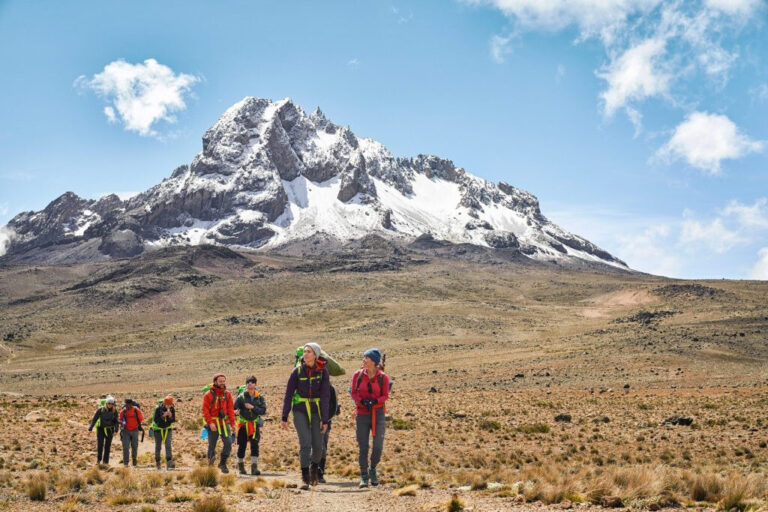
Kilimanjaro Climbing Package For Parents And Teenagers 2026-2027
Kilimanjaro Climbing Package for Parents and Teenagers is explained with current 2026-2027 planning, price, itinerary and booking information.
View package details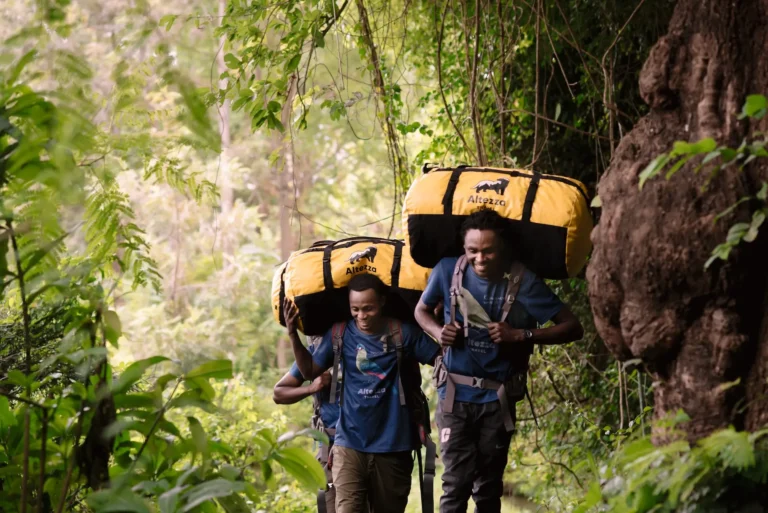
Best Kilimanjaro Route For Teenagers 2026-2027
Best Kilimanjaro Route for Teenagers is explained with current 2026-2027 planning, price, itinerary and booking information.
View package details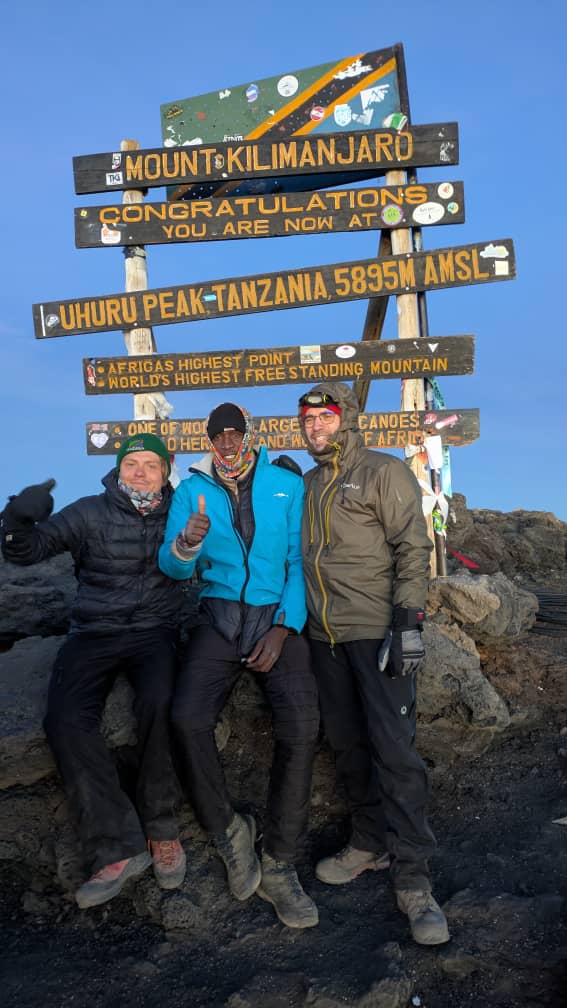
Kilimanjaro Child And Teenager Pricing 2026-2027
Kilimanjaro Child and Teenager Pricing is explained with current 2026-2027 planning, price, itinerary and booking information.
View package details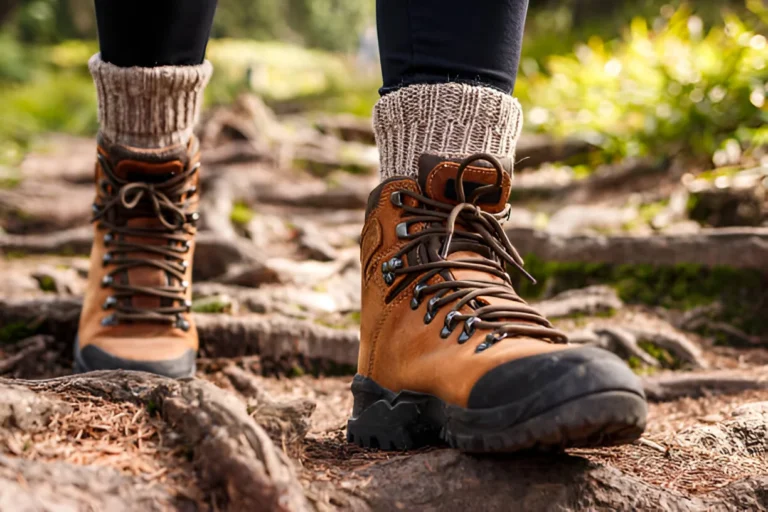
Kilimanjaro Packing Mistakes To Avoid For A Successful Climb In 2026-2027
Packing for Kilimanjaro is crucial for a successful trek. This guide details common packing mistakes to avoid, ensuring you have the right gear for the varying altitudes and conditions...
View package details
Kilimanjaro Booking Mistakes That Can Cost You Money 2026-2027
Kilimanjaro Booking Mistakes That Can Cost You Money is explained with current 2026-2027 planning, price, itinerary and booking information.
View package details
25 Kilimanjaro Climbing Mistakes First-Timers Make: Avoid Them In 2026-2027
Climbing Mount Kilimanjaro is a dream for many, but first-time trekkers can fall into common traps. This guide details 25 critical mistakes to avoid, from inadequate preparation and gear...
View package details
Kilimanjaro Safari First Vs Zanzibar 2026-2027
Kilimanjaro Safari First vs Zanzibar First is explained with current 2026-2027 planning, price, itinerary and booking information.
View package details
Kilimanjaro Morning Flight Vs Evening Arrival: Which Is Better For Your Climb?
Choosing between a morning and evening flight arrival at Kilimanjaro International Airport (JRO) significantly impacts your pre-climb preparations and initial acclimatization. This guide...
View package details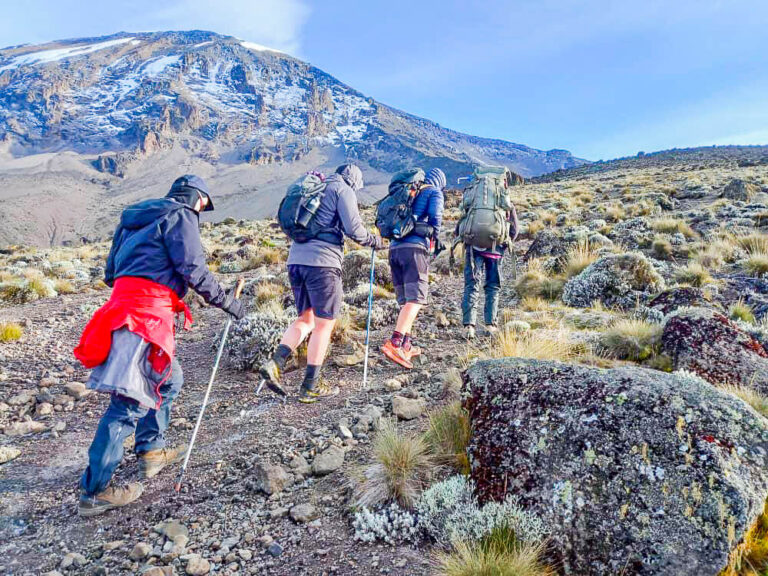
Kilimanjaro Seven-Day Vs Eight-Day Acclimatization 2026-2027
Kilimanjaro Seven-Day vs Eight-Day Acclimatization is explained with current 2026-2027 planning, price, itinerary and booking information.
View package details
Kilimanjaro Direct Booking Vs Package Holiday 2026-2027
Kilimanjaro Direct Booking vs Package Holiday is explained with current 2026-2027 planning, price, itinerary and booking information.
View package details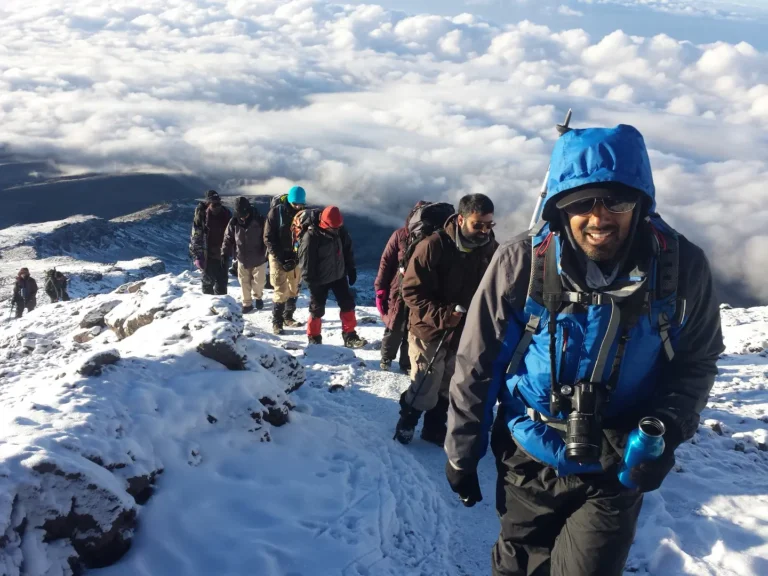
Kilimanjaro Fixed Departure Vs Private 2026-2027
Kilimanjaro Fixed Departure vs Private Departure is explained with current 2026-2027 planning, price, itinerary and booking information.
View package detailsNo related package matches those filters. Clear one or more filters to see the other topic-matched options.



