
Yes, it is possible to leave Mount Kilimanjaro early if you encounter serious health issues, severe altitude sickness, or unforeseen emergencies. While climbers aim to complete the trek, safety and well-being are paramount. Should an early descent become necessary, your guide and support crew are equipped to assist you, arranging for a safe return to the base and onward transportation. However, leaving early can incur additional costs and may mean missing out on the full summit experience.
Understanding the Realities of an Early Kilimanjaro Descent
Climbing Mount Kilimanjaro is a significant undertaking, a journey that tests physical endurance and mental fortitude. Most trekkers dream of standing on Uhuru Peak, the roof of Africa, but the mountain can present challenges that necessitate an early withdrawal. It’s crucial for every aspiring climber to understand the protocols, potential reasons, and implications of leaving Kilimanjaro before reaching the summit or completing the planned itinerary. At Top Guide Adventures, we prioritize your safety above all else, and our team is prepared to manage situations requiring an early descent with professionalism and care. This guide aims to provide a comprehensive overview, preparing you for every eventuality for your 2026 or 2027 climb.
Why Might a Climber Need to Leave Kilimanjaro Early?
The decision to leave Kilimanjaro early is rarely taken lightly. It usually stems from a combination of factors, with health-related issues being the most common. Understanding these potential reasons can help you prepare better and recognize warning signs:
- Acute Mountain Sickness (AMS): This is the most frequent reason for early descent. AMS can manifest as headaches, nausea, dizziness, and fatigue. If symptoms worsen or become severe, descending is the only effective treatment. Severe forms like High Altitude Pulmonary Edema (HAPE) or High Altitude Cerebral Edema (HACE) are life-threatening and require immediate descent.
- Injury: While less common, twists, sprains, or falls can lead to injuries that make continuing the climb impossible or unsafe. This could range from a twisted ankle on a rocky path to a more serious fall.
- Pre-existing Medical Conditions: A condition that was not adequately managed before the climb, or one that is exacerbated by the altitude and exertion, might force a climber to turn back. It is vital to have a thorough medical check-up before planning your Kilimanjaro ascent.
- Exhaustion and Fatigue: Extreme fatigue, beyond what is normally expected during a strenuous climb, can sometimes indicate an underlying issue or simply that the climber is not physically prepared for the demands. Pushing through severe exhaustion can lead to poor decision-making and increase the risk of accidents.
- Gastrointestinal Issues: Upset stomachs, vomiting, and diarrhea can lead to dehydration and severe weakness, making it impossible to continue.
- Personal or Family Emergencies: Though rare, unexpected urgent communications from home might necessitate a climber’s immediate return.
The Process of an Early Descent
If a decision is made for you or a member of your group to descend early, the process is managed systematically to ensure safety. Your lead guide is trained to assess situations and make critical decisions. Here’s what typically happens:
Immediate Assessment and Communication
The guide will first assess the severity of the situation. If it’s a medical issue, they will administer basic first aid and monitor the climber’s condition. Communication is key; the guide will liaise with the rest of the support crew, including porters and potentially a rescue team if the situation is critical. They will also inform the expedition leader or our office in Moshi.
The Descent Itself
- Guided Descent: The climber will not descend alone. At least one guide and often one or two porters will accompany them. The pace of the descent will be dictated by the climber’s condition.
- Route Selection: The descent route might differ from the ascent route, often prioritizing speed and safety. For example, a descent from high camps might use a more direct path.
- Support Crew Involvement: Porters are crucial in carrying essential equipment and assisting the descending climber. Their strength and knowledge of the mountain are invaluable.
- Reaching Lower Altitudes: The primary goal is to get the climber to a lower altitude as quickly and safely as possible, where symptoms of altitude sickness typically recede.
Post-Descent Procedures
- Medical Attention: Upon reaching Mweka Gate (for most routes) or the nearest park exit, arrangements can be made for further medical attention if required. We can help coordinate transport to local clinics or hospitals in Moshi.
- Accommodation and Transport: Top Guide Adventures will assist with arranging accommodation in Moshi and onward transportation, whether it’s to Kilimanjaro International Airport or another destination in Tanzania.
- Communication with Home: We can facilitate communication with family or friends back home to update them on the situation.
Can You Leave Kilimanjaro Early for Non-Medical Reasons?
While health is the primary driver for early descents, other, less common scenarios might arise. For instance, a climber might feel psychologically unprepared or overwhelmed by the challenge. In such cases, the guide will discuss options. However, the mountain environment is not conducive to casual decisions. Leaving early for reasons other than absolute necessity is rare and usually discouraged unless the climber is absolutely certain they cannot continue. The focus remains on safe completion or a safe withdrawal due to genuine inability to proceed.
Factors Influencing the Decision to Leave Kilimanjaro Early
The decision to leave Kilimanjaro before reaching the summit is multifaceted. It’s rarely a snap judgment but rather a culmination of physical, environmental, and sometimes psychological factors. Understanding these contributing elements is vital for preparation and managing expectations for your 2026 or 2027 climb.
The Role of Altitude and Acclimatization
Altitude sickness is the undisputed king of reasons for early descents on Kilimanjaro. The mountain’s altitude increases dramatically over a few days, and the human body has a limit to how well it can adapt. Proper acclimatization, achieved through gradual ascent and adequate rest, is the best defense. However, even with the best preparation, some individuals are more susceptible than others.
- Ascent Profile: Different routes have varying acclimatization profiles. Routes like the Lemosho and Machame are generally considered better for acclimatization due to their longer duration and “climb high, sleep low” strategies. Shorter routes like Marangu or Rongai, while popular, can offer less optimal acclimatization, potentially increasing the risk of AMS.
- Individual Physiology: People react differently to altitude. Factors like age, fitness level, and previous altitude experience don’t always predict susceptibility. Some highly fit individuals can be severely affected, while others with less fitness might cope surprisingly well.
- Rate of Ascent: Climbing too fast is a common mistake. The principle of “pole pole” (slowly, slowly) is not just a saying; it’s a critical acclimatization strategy. Exceeding 300-500 meters of sleeping altitude gain per day above 3000 meters is generally advised against.
Physical Fitness vs. Altitude Tolerance
It’s a common misconception that peak physical fitness guarantees success on Kilimanjaro. While good cardiovascular health and stamina are essential, they do not confer immunity to altitude sickness. Altitude tolerance is a separate physiological response. Someone who is an elite marathon runner might struggle with the thin air, while a less athletic person might adapt better. This is why training for Kilimanjaro should focus on endurance and strength, but also include preparation for the psychological and physiological demands of altitude.
The Importance of Guide’s Assessment
Your guides are your lifeline on Kilimanjaro. They are trained in wilderness first aid and altitude sickness recognition. They monitor every climber daily, checking for symptoms like headaches, loss of appetite, dizziness, and fatigue. Their experience allows them to distinguish between normal exertion and the early signs of serious altitude-related illness.
Trusting Your Guide’s Judgment
It is vital to be honest with your guide about how you are feeling. Do not downplay symptoms. Your guide’s primary responsibility is your safety. If they recommend a descent, it is usually because they believe continuing poses a significant risk. Ignoring a guide’s advice to descend is one of the most dangerous decisions a climber can make.
Environmental Factors
While less common as direct causes for early descent, environmental conditions can exacerbate existing issues or contribute to difficulties:
- Weather: Extreme cold, high winds, or heavy rain/snow can increase the physical toll and make conditions miserable, potentially leading to hypothermia or simply pushing a climber beyond their limits.
- Trail Conditions: Muddy, slippery, or icy trails can increase the risk of falls and injuries, particularly during descents or on technical sections like the Barranco Wall or the summit scree.
Comparing Routes and Their Impact on Early Descent Likelihood
The route you choose for your Kilimanjaro climb significantly influences your acclimatization, the duration of your trek, and, consequently, the likelihood of needing to descend early. Longer routes generally offer better acclimatization, reducing AMS risk.
Routes with Better Acclimatization Profiles
These routes are often recommended for first-time Kilimanjaro climbers or those concerned about altitude:
- Lemosho Route: Typically 7-8 days. It offers excellent acclimatization, starting on the western side and gradually ascending through diverse landscapes. Its longer duration allows for a slower pace and better adaptation.
- Machame Route: Also known as the “Whiskey Route,” this is a popular 6-7 day option with a good acclimatization profile. It utilizes the “climb high, sleep low” principle effectively.
- Northern Circuit: The longest route (9-10 days), this option provides the best acclimatization by circling the mountain. It offers the highest success rates and the lowest incidence of altitude sickness, making an early descent less likely.
Routes with Potentially Higher Risk of Early Descent
These routes are shorter and may involve faster ascents, potentially compromising acclimatization:
- Marangu Route: The “Coca-Cola Route” is the only one offering dormitory-style accommodation. It’s often done in 5 or 6 days. The 5-day option is particularly fast, with a direct ascent and descent, offering minimal acclimatization and a higher risk of AMS.
- Rongai Route: Typically 6-7 days, Rongai approaches from the north. While generally considered good, its slightly faster ascent compared to Lemosho or Northern Circuit can still pose a risk for some, especially on shorter itineraries.
The Impact of Itinerary Length
Regardless of the route, the number of days allocated for the climb is paramount. For example:
- A 5-day Machame climb is significantly riskier regarding AMS than a 7-day Machame climb.
- Similarly, a 6-day Lemosho trek is less ideal for acclimatization than its 8-day counterpart.
For your 2026 or 2027 climb, we strongly recommend opting for itineraries of 7 days or more for the best chance of success and to minimize the need for an early departure from Kilimanjaro.
Costs and Financial Implications of Leaving Kilimanjaro Early
Leaving Kilimanjaro before completing your trek can have financial consequences. It’s important to understand these potential costs when planning your expedition.
Park Fees and Route Fees
Park fees are typically paid upfront and are non-refundable. Whether you reach the summit or not, these fees for entering Kilimanjaro National Park are generally forfeited. Similarly, route fees for the specific path you booked are usually paid in advance.
Crew Costs
This is where the most significant additional costs can arise. Your guide and porter fees are often calculated based on the planned duration of the trek. If you need to descend early, you will still be responsible for paying the crew for the days they were engaged for your expedition, including the days spent assisting with your descent. For example, if you are on a 7-day trek and descend on day 4, you will likely still pay for the full 7 days of crew service. This ensures the crew is compensated for their commitment and time.
Rescue Fees
While Top Guide Adventures includes basic rescue services in our packages, comprehensive emergency evacuation or medical transport can incur significant costs. Depending on your travel insurance policy and the specifics of the rescue, you might be liable for portions of these expenses. It is crucial to have robust travel insurance that covers high-altitude trekking and emergency evacuation.
Accommodation and Transport
If you need to descend early, you’ll require accommodation in Moshi and potentially additional transport. These costs are separate from the climb package and will be your responsibility. We can assist in arranging these services at reasonable rates.
What is Covered by Top Guide Adventures?
Our packages are designed with your safety and support in mind. When you climb with us, you benefit from:
- Experienced, certified guides trained in altitude sickness management.
- Adequate porters to carry your gear and assist in emergencies.
- Basic rescue services coordinated by our team.
- Communication equipment for emergencies.
We strive to make the process of leaving Kilimanjaro early as smooth and cost-effective as possible, but we cannot absorb all associated expenses. We strongly advise all our clients to secure comprehensive travel insurance that specifically covers high-altitude trekking and emergency medical evacuation for up to 6,000 meters.
Typical Cost Considerations for Early Descent (Estimates for 2026-2027)
- Crew Wages: You will generally pay for the full planned duration of the trek. For a 7-day trek, this could be around $200-$300 per day for the entire team (guides, cooks, porters).
- Additional Porter Support: If extra porters are needed for descent assistance, this may incur an extra charge, perhaps $30-$50 per porter per day.
- Emergency Medical Evacuation: Costs can range from $5,000 to $15,000+ depending on the complexity and distance. This is why insurance is non-negotiable.
- Moshi Accommodation: Budget around $50-$150 per night depending on hotel standard.
- Ground Transport: Costs vary but expect $50-$100 for transfer from Mweka Gate to Moshi.
These are estimates and can vary. Always confirm details with your tour operator and insurance provider.
Preparing to Minimize the Need for an Early Kilimanjaro Exit
While the possibility of leaving Kilimanjaro early exists, the best approach is thorough preparation to minimize the chances of such an event. Proactive steps taken before and during the climb can significantly improve your experience and summit success.
Pre-Climb Preparation
- Physical Training: Focus on cardiovascular endurance (hiking, running, cycling) and strength training, particularly for legs and core. Train by hiking with a weighted backpack on varied terrain. Aim for consistency in your training for at least 3-6 months before your climb.
- Medical Check-up: Consult your doctor well in advance. Discuss your plans for climbing Kilimanjaro and any pre-existing health conditions. Get clearance for high-altitude exertion.
- Mental Preparation: Understand the challenges. Visualize yourself overcoming difficulties. Develop a positive mindset and the determination to push through discomfort, but also the wisdom to know when to stop.
- Choosing the Right Route and Itinerary: Opt for longer routes (7+ days) like Lemosho, Machame, or Northern Circuit. For 2026 or 2027, consider the 8-day Lemosho or 9-day Northern Circuit for optimal acclimatization.
- Gear Check: Ensure you have appropriate, high-quality gear, especially warm clothing, waterproof layers, sturdy hiking boots, and a comfortable backpack. Proper gear prevents discomfort and reduces the risk of hypothermia.
During the Climb: Key Strategies
Daily Practices for Success
- Hydration: Drink plenty of water – at least 3-4 liters per day. Dehydration exacerbates altitude sickness symptoms. Electrolyte supplements can be beneficial.
- Nutrition: Eat well, even if your appetite is reduced. High-carbohydrate meals provide energy. Your cook will prepare nutritious food, but encourage yourself to eat.
- Pacing (Pole Pole): Walk slowly and steadily. Take small steps, breathe deeply, and maintain a consistent rhythm. This is the most critical acclimatization technique.
- Rest: Get as much sleep as possible. Listen to your body and rest when needed. Avoid strenuous activity during rest periods.
- Monitor Symptoms: Be honest with your guides about any symptoms, no matter how minor they seem. Headaches, nausea, dizziness, and fatigue are signals. Don’t ignore them.
- Medication: Consider using Diamox (acetazolamide) as a preventative measure against altitude sickness, after consulting with your doctor. Your guide can also administer basic medications for headaches or nausea if needed.
- Positive Attitude: Maintain a positive outlook. Encourage yourself and others. A strong mental game is as important as physical fitness.
Communicating with Your Guide
Open and honest communication with your guides is non-negotiable. They are there to support you, but they can only help if they know what’s happening.
- Report Symptoms Immediately: Don’t wait for a headache to become severe. Report mild headaches, nausea, or unusual fatigue as soon as you notice them.
- Discuss Concerns: If you are feeling particularly unwell or worried about your condition, speak to your lead guide. They can assess the situation and advise on the best course of action, which might include a short rest, medication, or, if necessary, a descent.
- Understand Guide’s Recommendations: Trust their expertise. If they recommend a slower pace, a rest day, or even a descent, understand that it is for your safety.
By adhering to these preparation and in-climb strategies, you significantly reduce the likelihood of needing to leave Kilimanjaro early, enhancing your chances of a safe and successful summit experience for your 2026 or 2027 adventure.
What Happens to the Rest of Your Group if You Leave Kilimanjaro Early?
If one or more members of a group need to descend early, the impact on the remaining members and the expedition’s logistics needs careful management. Top Guide Adventures ensures that the group’s overall objective and safety remain the priority.
Continuing the Climb
For the majority of trekking groups, the departure of one or two individuals does not halt the expedition for the rest. The remaining climbers, assuming they are well and motivated, will continue with their planned itinerary. The support crew, including guides and porters, will adjust their focus to ensure the safety and well-being of those continuing to the summit.
Logistical Adjustments
- Crew Reallocation: If a climber descends, some porters or guides who were primarily assisting that individual may be reallocated to support the main group or assist with the descent. However, a minimum crew ratio required by park regulations and safety protocols will always be maintained for the continuing group.
- Equipment Management: Any personal equipment belonging to the descending climber that is not essential for their immediate descent will be managed by the crew. This might involve sending it down with other porters or storing it securely until the group returns to the base.
- Pace Adjustment: The pace of the remaining group might be subtly adjusted, but the primary goal is to maintain the itinerary’s progress while prioritizing the health of the climbers.
Support for the Descending Climber
While the main group continues, the descending climber receives dedicated attention. As mentioned earlier, they are accompanied by guides and porters, ensuring their safe passage down the mountain. Their well-being is a significant concern, and the support crew ensures they reach the park gate and are transferred to appropriate care or accommodation in Moshi. Top Guide Adventures maintains communication with the descending climber to ensure they are settled and to coordinate any necessary follow-up arrangements.
Impact on Group Morale
The departure of a fellow trekker can sometimes affect group morale. However, experienced guides are adept at managing group dynamics. They encourage mutual support and focus the remaining members on their shared goal. Often, the remaining members rally together, their determination strengthened by the experience. It’s also important to remember that most climbers who need to descend early do so due to serious medical reasons, and the group’s focus shifts to supporting their recovery rather than dwelling on the missed summit.
Alternatives to Immediate Descent: Managing Mild Symptoms
Not every symptom of altitude is a cause for immediate alarm. Mild symptoms can often be managed effectively, allowing a climber to continue their ascent safely. This is where astute guide assessment and honest climber reporting are critical.
Recognizing Mild vs. Severe Symptoms
- Mild AMS: Typically includes mild headache, slight nausea, fatigue, and perhaps mild dizziness. These symptoms might appear upon waking or after exertion.
- Moderate AMS: Symptoms worsen. Headaches become more intense, nausea may lead to vomiting, fatigue increases, and coordination might be slightly impaired.
- Severe AMS (HAPE/HACE): Extreme headache, severe nausea/vomiting, significant loss of coordination (ataxia), confusion, disorientation, difficulty breathing at rest (HAPE), or hallucinations/coma (HACE). These are emergencies requiring immediate descent.
Management Strategies for Mild Symptoms
If symptoms are mild, your guide will likely implement a strategy focused on:
- Rest: Taking a short break, sometimes just an hour or two, can allow the body to adjust.
- Medication: Simple painkillers like ibuprofen or paracetamol can manage mild headaches. Anti-nausea medication might be prescribed for mild nausea.
- Hydration and Nutrition: Ensuring adequate fluid intake and trying to eat something can help stabilize the body.
- Slower Pacing: The guide might instruct the climber to adopt an even slower pace (“pole pole”) for a period.
- Monitoring: Symptoms are closely monitored. If they do not improve or worsen, descent becomes necessary.
The “Climb High, Sleep Low” Principle
This acclimatization strategy is crucial. On some routes, you might ascend to a higher camp during the day for acclimatization purposes and then descend to a lower camp to sleep. This allows your body to adapt to higher altitudes while resting at a more manageable elevation. Adhering to this principle significantly aids in preventing or mitigating AMS, making an early departure from Kilimanjaro less likely.
The Criticality of Honesty and Communication
Climbers must be candid with their guides. Admitting to feeling unwell is not a sign of weakness but a responsible action that allows the guide to intervene effectively. Hiding symptoms out of a desire to reach the summit can have dire consequences. Your guide’s experience is invaluable in differentiating between normal exertion and the onset of altitude sickness.
What About Travel Insurance for Kilimanjaro Climbs in 2026-2027?
Comprehensive travel insurance is not just recommended; it’s essential for anyone planning to climb Kilimanjaro, especially when considering future expeditions in 2026 and 2027. The possibility of needing to leave Kilimanjaro early due to medical reasons makes robust insurance coverage non-negotiable.
Key Inclusions to Look For:
- Emergency Medical Evacuation: This is the most critical coverage. It should cover transportation from the mountain (including helicopter evacuation if necessary) to the nearest adequate medical facility. Ensure the policy covers altitudes up to 6,000 meters.
- Medical Expenses: Coverage for hospital stays, doctor’s fees, and medication following an evacuation.
- Trip Cancellation/Interruption: This can cover non-refundable costs if you have to cancel your trip before departure or cut it short due to illness or injury. This is particularly relevant if you need to leave Kilimanjaro early and incur extra costs for accommodation, flights, or onward travel.
- Repatriation: Covers the cost of returning you to your home country if you are too ill to travel on your original flight.
What to Avoid:
- Policies with Altitude Limits: Many standard travel insurance policies exclude activities at high altitudes. Ensure your policy specifically covers trekking up to Kilimanjaro’s summit elevation (5,895 meters).
- Insufficient Coverage Limits: Check the maximum payout for medical evacuation. Costs can be very high, so ensure the limit is adequate.
Working with Top Guide Adventures for 2026-2027 Climbs
When you book your Kilimanjaro adventure with Top Guide Adventures for 2026 or 2027, we will provide clear guidance on the type of insurance you need. We work with reputable providers and can offer advice, though the ultimate responsibility for securing adequate insurance lies with the client. Our team is experienced in coordinating with insurance companies in the event of an emergency evacuation.
Your Insurance Checklist
- Policy covers high-altitude trekking (up to 6,000m).
- Emergency medical evacuation is included.
- Sufficient coverage limit for evacuation and medical costs.
- Trip interruption/cancellation benefits are present.
- The policy is valid for the entire duration of your trip.
Do not depart for Tanzania without this essential coverage.
Frequently Asked Questions About Leaving Kilimanjaro Early
Here are answers to common questions regarding early descents from Kilimanjaro.
Q1: What is the most common reason for needing to leave Kilimanjaro early?
The most frequent reason is Acute Mountain Sickness (AMS) and its more severe forms, HAPE (High Altitude Pulmonary Edema) and HACE (High Altitude Cerebral Edema). Injuries and extreme exhaustion are less common but also contribute.
Q2: Can I choose to descend early even if I feel fine, just because I’m tired?
While you can express your desire to descend, your guide’s primary responsibility is safety. If you are feeling well but simply tired, they will encourage you to rest and continue. An early descent for non-medical reasons is usually only considered if the climber is genuinely unable to proceed safely, and it might incur additional costs. We recommend choosing longer itineraries to avoid premature fatigue.
Q3: What happens to my gear if I have to descend early?
Your essential personal items for the descent will travel with you. Any remaining gear will be collected by the support crew and safely transported down to the park gate, where it can be collected upon your return to Moshi or sent to your accommodation.
Q4: Will I get a refund if I leave Kilimanjaro early?
Generally, no refunds are provided for unused portions of the climb package. Park fees, crew wages for the planned duration, and other operational costs are typically paid upfront by the tour operator. We advise checking the specific terms and conditions with your operator, but it’s standard practice that no partial refunds are given for early departures.
Q5: How quickly can I be evacuated from Kilimanjaro if needed?
The speed of evacuation depends on the location on the mountain and the severity of the condition. For critical cases at higher altitudes, helicopter evacuation might be possible, taking a few hours to arrange. For less severe cases or lower altitudes, a guided descent with porters can take several hours to reach the nearest park gate.
Q6: Do I need to tip the crew if I leave early?
Tipping is customary for the entire crew for their service throughout the expedition. While you may feel you received less service if you descended early, the crew still committed to your climb and were available. It’s generally recommended to tip based on the planned duration of the trek, acknowledging their commitment. However, the amount is ultimately at your discretion and can be adjusted based on your experience.
Q7: What is the success rate of Kilimanjaro climbs?
Success rates vary by route and operator, but generally range from 60% to 85%. Longer routes (7-9 days) with better acclimatization profiles tend to have higher success rates. Choosing a reputable operator like Top Guide Adventures, who prioritizes safety and acclimatization, significantly improves your chances.
Q8: Can I attempt Kilimanjaro in 2026 or 2027 if I had to leave early on a previous attempt?
Absolutely. Many climbers who had to turn back on a previous attempt successfully summit on a subsequent climb after addressing the issues that led to the early descent, such as improved training, choosing a longer itinerary, or better acclimatization strategies. We welcome clients for repeat attempts in 2026 and 2027.
Your Partner for a Safe Kilimanjaro Adventure: Top Guide Adventures
Climbing Mount Kilimanjaro is an extraordinary journey, and at Top Guide Adventures, we are dedicated to making it a safe, memorable, and successful experience for every client. We understand that while the goal is the summit, safety is the ultimate priority. Our experienced guides are trained to manage altitude sickness and other potential issues, ensuring that any decision regarding an early descent is made with your well-being at its core.
For your 2026 or 2027 Kilimanjaro climb, choosing Top Guide Adventures means partnering with a team that:
- Prioritizes Safety: We adhere to strict safety protocols and ensure our guides are well-equipped and trained.
- Offers Optimal Itineraries: We recommend routes and durations that maximize acclimatization and success rates.
- Provides Comprehensive Support: From pre-trip advice to on-mountain logistics and post-climb arrangements, we are with you every step of the way.
- Manages Emergencies Effectively: In the rare event that you need to leave Kilimanjaro early, our team is prepared to manage the situation with professionalism and care, coordinating necessary support and ensuring a safe return.
We are committed to providing personalized attention and dedicated support for every client. If you have questions about planning your climb, understanding the risks, or making arrangements for 2026 or 2027, please do not hesitate to reach out.
Contact us today:
- WhatsApp: +255616946642
- Email: topguideadventures@gmail.com
- Backup Email: info@topguideadventures.com
Let Top Guide Adventures be your trusted guide to the roof of Africa. We look forward to helping you achieve your Kilimanjaro dream safely and successfully, whether in 2026, 2027, or beyond.
“,
“faq_schema”: [
{
“question”: “Can you leave Kilimanjaro early if you get sick?”,
“answer”: “Yes, you can leave Mount Kilimanjaro early if you become seriously ill, particularly with altitude sickness (AMS, HAPE, HACE), or if you sustain an injury that prevents you from continuing. Your guides are trained to assess your condition and will facilitate a safe descent. Safety is always the top priority.”
},
{
“question”: “What are the main reasons people leave Kilimanjaro early?”,
“answer”: “The primary reason is Acute Mountain Sickness (AMS). Other causes include more severe forms like High Altitude Pulmonary Edema (HAPE) and High Altitude Cerebral Edema (HACE), injuries from falls, extreme exhaustion, gastrointestinal issues, or pre-existing medical conditions exacerbated by the climb.”
},
{
“question”: “What is the process if I need to descend Kilimanjaro early?”,
“answer”: “Your lead guide will assess your condition and communicate with the support team. You will be accompanied by at least one guide and often porters during your descent. The goal is to reach a lower altitude as quickly and safely as possible. Upon reaching the park gate, arrangements can be made for medical attention, accommodation in Moshi, and onward travel.”
},
{
“question”: “Does leaving Kilimanjaro early incur extra costs?”,
“answer”: “Yes, leaving early can lead to additional costs. You will typically still be responsible for paying the full planned duration for your guides and porters. You will also incur costs for accommodation in Moshi and potentially extra transport. Emergency evacuation costs can be very high, emphasizing the need for comprehensive travel insurance.”
},
{
“question”: “Is travel insurance mandatory for Kilimanjaro, especially if I might need to leave early?”,
“answer”: “Yes, comprehensive travel insurance is essential. It must specifically cover high-altitude trekking up to 6,000 meters and include emergency medical evacuation. This coverage is critical to manage potential costs if you need to descend early due to illness or injury.”
},
{
“question”: “What happens to the rest of my group if I leave Kilimanjaro early?”,
“answer”: “If you need to descend early, the rest of your group, provided they are well and wish to continue, will proceed with the climb as planned. The support crew will ensure the remaining members are safe and well-supported, while dedicated crew members will assist you on your descent.”
},
{
“question”: “How can I minimize the risk of needing to leave Kilimanjaro early?”,
“answer”: “Thorough preparation is key: engage in consistent physical training, get a medical check-up, choose a longer itinerary (7+ days) for better acclimatization (like the Lemosho or Northern Circuit for 2026-2027 climbs), stay well-hydrated, eat properly, pace yourself (‘pole pole’), and communicate honestly with your guides about any symptoms you experience.”
}
]
}
“`
Check Availability for Can You Leave Kilimanjaro Early? 2026-2027
Ready to compare dates, prices, and the best option for your group? Send the package name and travel month so the team can reply with a clear quote, availability, and what is included.
How To Leave No Trace On Kilimanjaro: A Guide For Responsible Trekkers
Discover the essential principles of Leave No Trace for your Kilimanjaro climb. This comprehensive guide ensures you trek responsibly, minimizing your impact on Africa's highest peak for...
View package details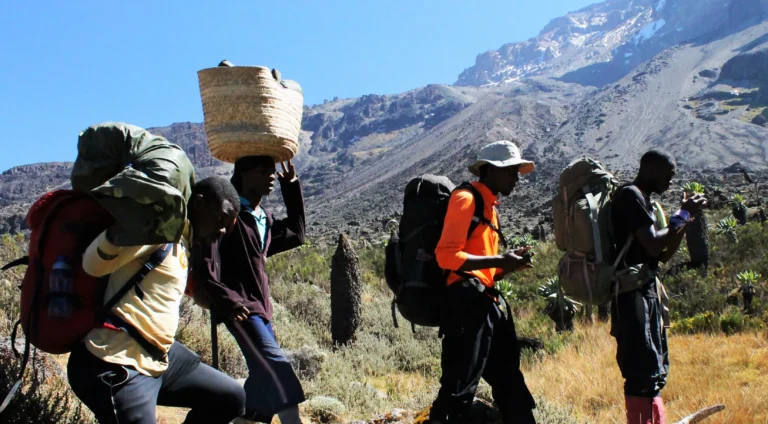
Kilimanjaro Safari First Vs Zanzibar 2026-2027
Kilimanjaro Safari First vs Zanzibar First is explained with current 2026-2027 planning, price, itinerary and booking information.
View package details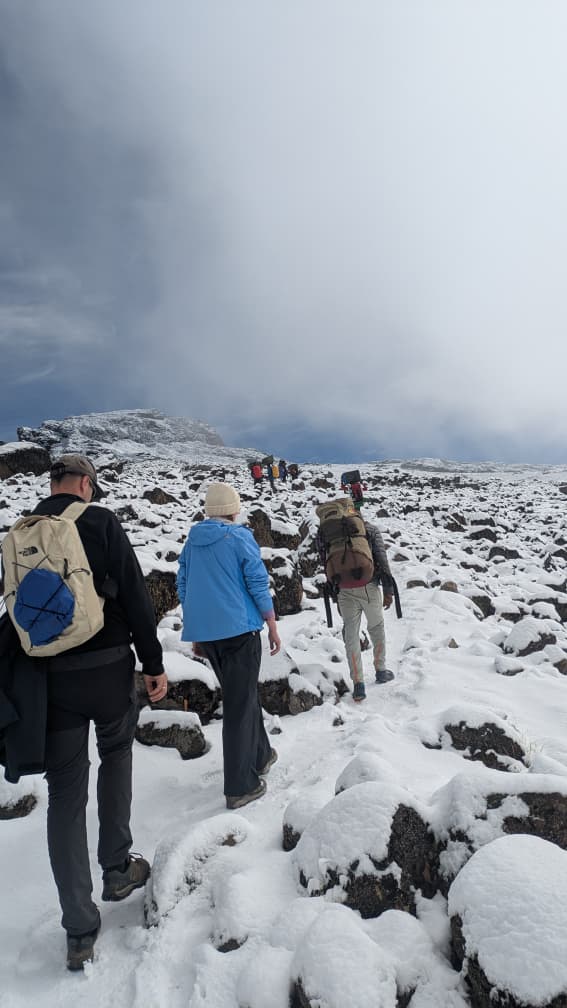
Kilimanjaro Morning Flight Vs Evening Arrival: Which Is Better For Your Climb?
Choosing between a morning and evening flight arrival at Kilimanjaro International Airport (JRO) significantly impacts your pre-climb preparations and initial acclimatization. This guide...
View package details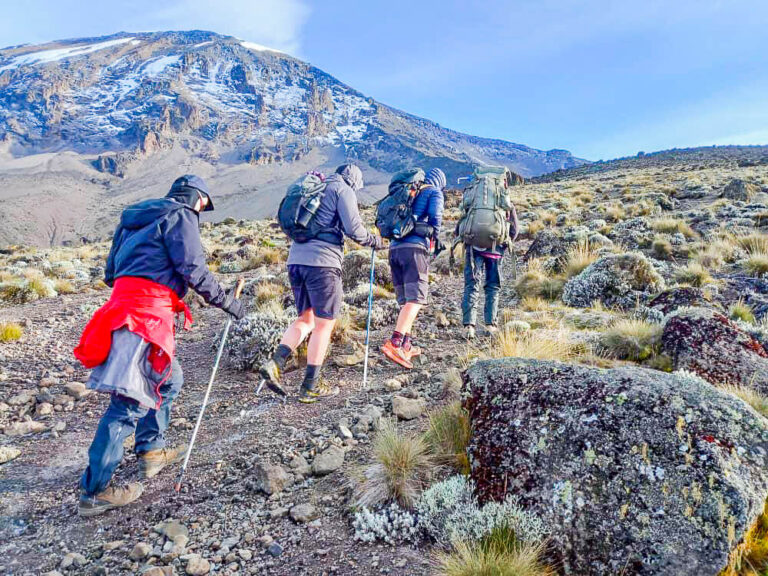
Kilimanjaro Seven-Day Vs Eight-Day Acclimatization 2026-2027
Kilimanjaro Seven-Day vs Eight-Day Acclimatization is explained with current 2026-2027 planning, price, itinerary and booking information.
View package details
Kilimanjaro Direct Booking Vs Package Holiday 2026-2027
Kilimanjaro Direct Booking vs Package Holiday is explained with current 2026-2027 planning, price, itinerary and booking information.
View package details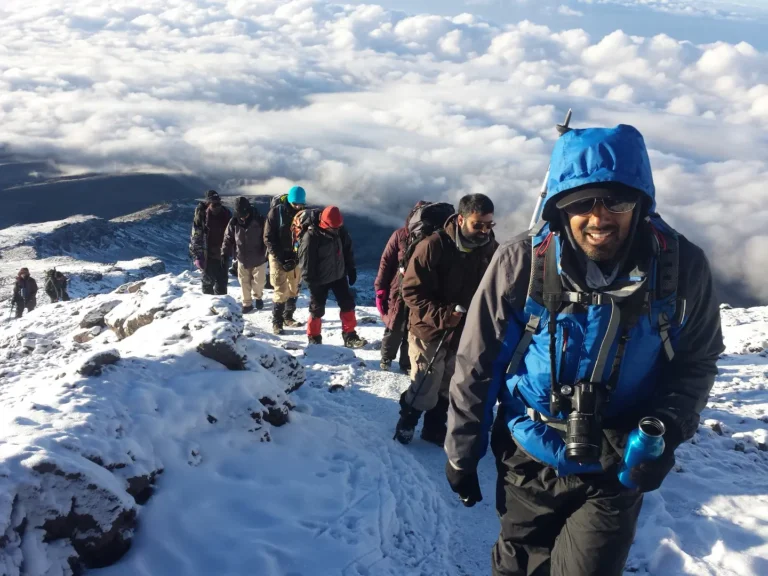
Kilimanjaro Fixed Departure Vs Private 2026-2027
Kilimanjaro Fixed Departure vs Private Departure is explained with current 2026-2027 planning, price, itinerary and booking information.
View package details
Kilimanjaro Peak Season Vs Low 2026-2027
Kilimanjaro Peak Season vs Low Season is explained with current 2026-2027 planning, price, itinerary and booking information.
View package details
Kilimanjaro Full-Moon Vs Dark-Sky Climb: Which Is Best For You In ? 2026-2027
Choosing between a Kilimanjaro full-moon or dark-sky climb in 2026-2027 involves weighing unique advantages. A full-moon climb offers visibility and a magical atmosphere, while a dark-sky...
View package details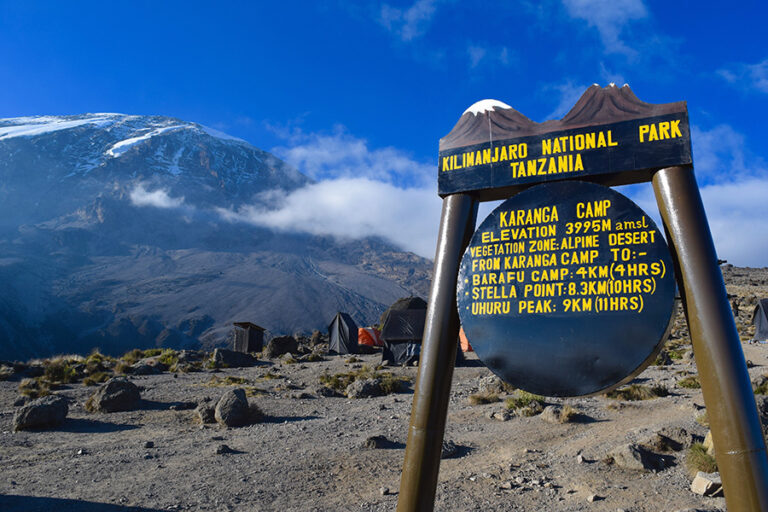
Kilimanjaro Packed Lunch Vs Hot Mountain 2026-2027
Kilimanjaro Packed Lunch vs Hot Mountain Lunch is explained with current 2026-2027 planning, price, itinerary and booking information.
View package details
Kilimanjaro Standard Camp Vs Luxury Your Ultimate Comparison For Climbs
Choosing between standard and luxury camping on Kilimanjaro significantly impacts your trek experience. This guide breaks down the key differences in accommodation, meals, equipment, and...
View package detailsKilimanjaro Public Toilet Vs Private Tent 2026-2027
Kilimanjaro Public Toilet vs Private Toilet Tent is explained with current 2026-2027 planning, price, itinerary and booking information.
View package details
Kilimanjaro Shared Tent Vs Single Making The Right Choice For Your Climb
Choosing between a shared tent and a single tent for your Kilimanjaro climb is a significant decision impacting comfort, cost, and your overall experience. This guide breaks down the pros...
View package detailsNo related package matches those filters. Clear one or more filters to see the other topic-matched options.



