
Injured climbers on Kilimanjaro are evacuated using a multi-tiered system involving trained guides, porters, specialized evacuation equipment, and often professional mountain rescue teams, depending on the severity and location of the injury. The primary response is always initiated by the climbing guide, who assesses the situation, provides first aid, and determines the safest method of descent, which can range from assisted walking with multiple support personnel to using a stretcher or specialized rescue sled, particularly for serious injuries at higher altitudes or on steep terrain. For critical cases requiring immediate medical attention, park authorities and specialized rescue services can be mobilized, potentially involving helicopter evacuation if conditions permit, though this is rare and expensive.
Understanding Kilimanjaro Evacuation Procedures for Injured Climbers
Mount Kilimanjaro, while a trekking peak and not a technical climb, still presents significant risks. Altitude sickness, falls, twists, sprains, and more serious medical emergencies can occur. Knowing how injured climbers are evacuated from Kilimanjaro is crucial for any prospective trekker. Top Guide Adventures prioritizes climber safety above all else, and our comprehensive evacuation protocols are designed to handle a wide range of emergencies, ensuring that help is available when needed.
The evacuation process isn’t a single, one-size-fits-all procedure. It’s a dynamic response tailored to the climber’s condition, the specific location on the mountain, the route being used, and prevailing weather conditions. The goal is always to move the injured climber safely and efficiently to a point where they can receive definitive medical care.
The First Line of Defense: Your Guide and Support Team
On any Kilimanjaro climb organized by Top Guide Adventures, your guide is the first and most critical link in the evacuation chain. Our guides are extensively trained in wilderness first aid, high-altitude physiology, and evacuation techniques. They are equipped with basic medical supplies and understand how to assess injuries and illnesses.
- Immediate Assessment: Upon noticing a climber is unwell or injured, the guide will stop the group and perform an immediate assessment. This includes checking vital signs, evaluating the injury, and determining the climber’s ability to continue.
- First Aid and Stabilization: The guide will administer appropriate first aid to stabilize the condition. This might involve treating minor wounds, immobilizing a sprained ankle, or administering medication for mild altitude sickness.
- Decision to Descend: If the climber cannot safely continue upwards or even on the same level, the guide will make the decision to descend. This is often the most effective treatment for altitude-related illnesses like Acute Mountain Sickness (AMS), High Altitude Pulmonary Edema (HAPE), or High Altitude Cerebral Edema (HACE).
The rest of the support crew, including assistant guides and porters, play a vital role. They can assist in carrying the injured climber’s gear, provide extra support for walking descents, and help carry the climber if necessary. The presence of a large support team means that even a solo climber is never truly alone on the mountain.
Evacuation Methods: From Assisted Walking to Stretcher Carries
The method of evacuation depends heavily on the climber’s condition and the terrain.
Assisted Walking
For minor injuries like twists, sprains, or mild fatigue, the climber might be able to walk down with assistance. This involves one or two guides or strong porters walking alongside, supporting the climber’s weight, and helping them navigate difficult sections. This is the most common form of evacuation for minor issues.
The “Porters’ Chair”
A common method for carrying someone who cannot walk but is conscious and relatively stable is the “porters’ chair.” Two porters will link their hands or use sturdy poles to create a makeshift seat. The injured climber sits on this chair, held by the porters who then carefully carry them down the mountain. This requires coordination and strength from the porters.
Stretcher Evacuation
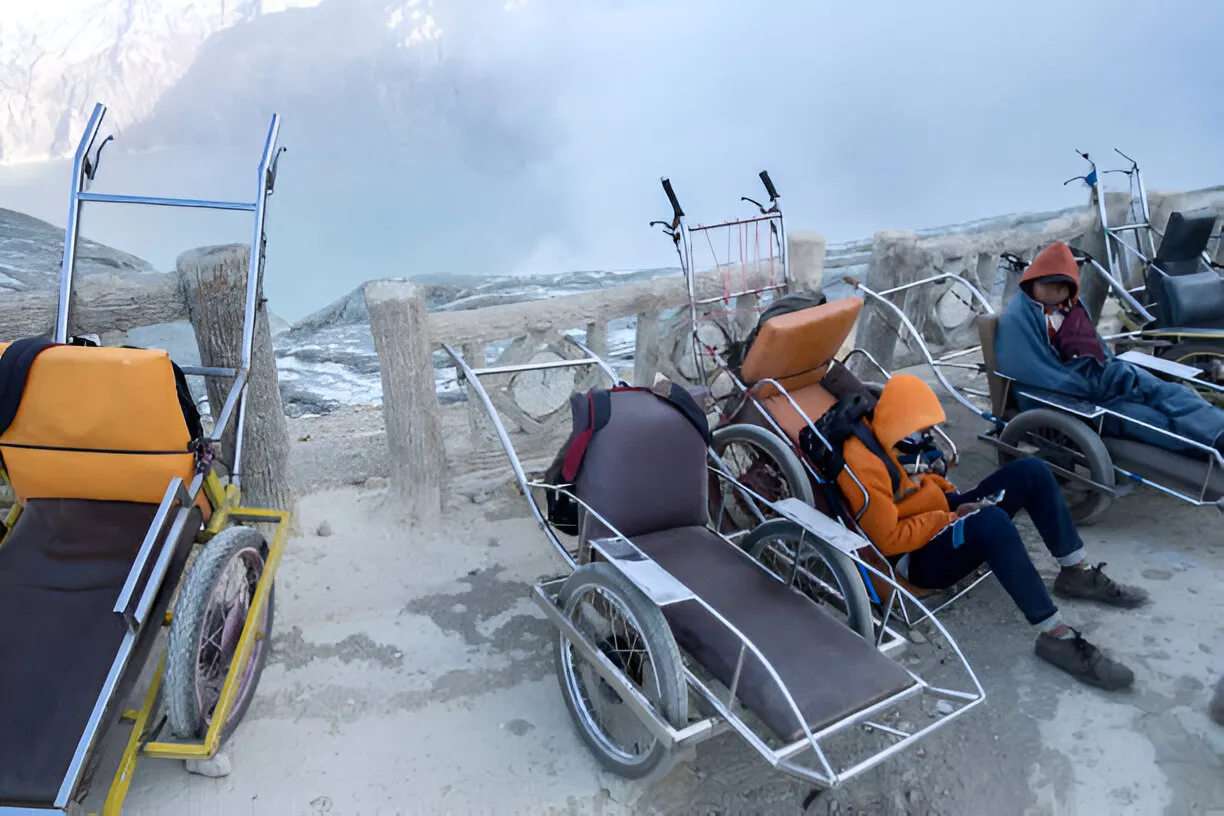
For more serious injuries, such as fractures, severe sprains, or unconsciousness, a stretcher is typically employed. Our guides carry lightweight, portable stretchers designed for mountain terrain. A team of porters will carefully lift the climber onto the stretcher, and then, using ropes and coordinated effort, they will carry the stretcher down the mountain. This is a slow and arduous process, requiring significant manpower, especially on steep or uneven trails.
Specialized Rescue Sleds/Devices
In certain situations, particularly on routes with steeper sections or where speed is paramount, specialized evacuation sleds or devices might be used. These are designed to facilitate a controlled descent of an injured climber. While not as common as stretchers, they represent a more advanced option available to well-equipped guiding companies and park rangers.
Role of Park Rangers and Kilimanjaro National Park Authority (KINAPA)
Kilimanjaro National Park is managed by the Tanzania National Parks Authority (TANAPA), with specific regulations overseen by KINAPA. They play a crucial role in mountain safety and rescue operations.
- Reporting: Guides are required to report any serious incidents to park rangers stationed at various camps and checkpoints along the routes.
- Coordination: Rangers can assist in coordinating rescue efforts, providing additional manpower, and ensuring that evacuation routes are clear.
- Emergency Services: In severe cases, park authorities can be instrumental in calling for external emergency services if required.
KINAPA has established emergency rescue teams and posts at strategic locations. These teams are equipped to handle various scenarios and can be mobilized quickly once an alert is received.
When Are Helicopters Used?
Helicopter evacuations from Kilimanjaro are rare and typically reserved for the most critical medical emergencies where rapid extraction is the only viable option and conditions allow. Several factors influence the decision and feasibility of a helicopter rescue:
- Severity of Injury/Illness: Life-threatening conditions like severe HAPE/HACE, major trauma, or cardiac arrest are primary candidates.
- Location: Helicopters can only land or hover effectively at lower altitudes and on relatively open, flat terrain. The dense vegetation and steep slopes higher up the mountain make landings impossible. Evacuations are usually coordinated to a suitable landing zone accessible from the trail.
- Weather Conditions: Kilimanjaro’s weather is notoriously unpredictable. Clouds, fog, strong winds, and precipitation can ground helicopters, making them unusable.
- Cost: Helicopter evacuations are extremely expensive and are typically not covered by standard travel insurance. The cost can run into tens of thousands of dollars. Clients are usually required to pay upfront or provide proof of insurance that covers such operations.
Top Guide Adventures ensures that clients are fully aware of these possibilities and the associated costs. We work closely with park authorities to facilitate these operations when absolutely necessary.
Common Reasons for Evacuation on Kilimanjaro
Understanding the most frequent causes of evacuation can help trekkers prepare better and recognize potential warning signs.
1. Altitude Sickness (AMS, HAPE, HACE)
This is by far the most common reason for evacuation from Kilimanjaro. The rapid ascent to high altitudes (up to 5,895 meters / 19,341 feet) challenges the body’s ability to acclimatize.
- Acute Mountain Sickness (AMS): Symptoms include headache, nausea, dizziness, fatigue, and loss of appetite. Mild AMS can often be managed by slowing the ascent, resting, and hydrating. However, if symptoms worsen or persist, descent is necessary.
- High Altitude Pulmonary Edema (HAPE): This is a life-threatening condition where fluid accumulates in the lungs. Symptoms include extreme shortness of breath (even at rest), persistent cough (sometimes with frothy or pink sputum), chest tightness, and extreme fatigue. HAPE requires immediate descent and medical attention.
- High Altitude Cerebral Edema (HACE): This is another severe, life-threatening condition where fluid accumulates in the brain. Symptoms include severe headache, confusion, disorientation, loss of coordination (ataxia), drowsiness, and eventually coma. HACE is a medical emergency requiring immediate descent and evacuation.
Our guides are trained to recognize the subtle early signs of altitude sickness and will make critical decisions regarding descent, often before symptoms become severe. For example, if a climber exhibits signs of HACE, evacuation is mandatory. The guide will initiate an assisted descent or stretcher evacuation.
2. Physical Injuries
While not technical mountaineering, Kilimanjaro’s trails can be uneven, rocky, and steep, leading to various physical injuries.
- Ankle and Knee Sprains/Fractures: Tripping on rocks or uneven ground is common. A twisted ankle can quickly become debilitating, necessitating evacuation. Fractures, though less common, require immediate stabilization and transport.
- Falls: Climbers can slip and fall, resulting in bruises, cuts, or more severe trauma.
- Muscle Strains and Fatigue: Extreme exertion can lead to severe muscle pain and exhaustion, making it impossible for a climber to continue.
- Blisters and Foot Issues: While usually minor, severe blisters or foot infections can become debilitating, especially on longer treks, and might require evacuation if they prevent walking.
For these injuries, the process usually starts with the guide providing first aid and assessing the climber’s mobility. If walking is impossible, stretcher evacuation will be initiated.
3. Pre-existing Medical Conditions
Sometimes, underlying medical conditions that were not adequately disclosed or managed can be exacerbated by the stresses of climbing Kilimanjaro.
- Heart Conditions: The physical exertion and altitude can put significant strain on the cardiovascular system.
- Respiratory Issues: Pre-existing lung conditions can be aggravated by the thinner air.
- Other Chronic Illnesses: Conditions like diabetes or severe anemia can present challenges that might lead to a need for evacuation.
It is imperative that all climbers disclose any pre-existing medical conditions during the booking process. This allows Top Guide Adventures to provide informed advice and ensure the client is fit for the climb. If a condition flares up during the trek, the guide will manage the situation and initiate evacuation if necessary.
4. Exhaustion and Dehydration
While not strictly an “injury,” extreme exhaustion and severe dehydration can render a climber incapable of continuing and may necessitate evacuation. This often stems from inadequate preparation, poor acclimatization, or insufficient fluid intake.
Guides constantly monitor hydration levels and ensure climbers eat adequately. If a climber is severely depleted, they will be assisted, and if unable to proceed, evacuation will be considered.
The Evacuation Process: Step-by-Step
When an evacuation is necessary, here’s a general outline of what happens:
- Incident Occurs: A climber experiences an injury or illness that prevents them from continuing the trek safely.
- Guide’s Assessment and First Aid: The lead guide assesses the situation, provides immediate first aid, and determines the severity.
- Communication: The guide uses a satellite phone or radio (carried by all our teams) to contact the Top Guide Adventures base office in Moshi and potentially park rangers at the nearest station. Critical information such as the climber’s condition, location (camp, altitude, trail section), and the required type of evacuation is relayed.
- Decision on Evacuation Method: Based on the assessment, the guide decides whether the climber can walk down with assistance, needs a stretcher, or if a more complex rescue is required.
- Mobilizing Support: If an assisted walk or stretcher carry is needed, additional porters and guides are mobilized from the support team or from nearby camps.
- Initiating Descent: The injured climber is carefully moved using the chosen method. The descent is slow and methodical, prioritizing the climber’s comfort and safety.
- Reaching a Lower Altitude/Camp: The goal is to bring the climber to a lower altitude, often a campsite or a ranger post, where they can rest and be monitored.
- Further Medical Care: From the camp or ranger post, the climber might be met by a vehicle for transfer to a hospital in Moshi or Arusha. For critical cases requiring immediate advanced care, park authorities might be involved in arranging for a helicopter if conditions permit.
Communication is Key
Reliable communication is paramount. Top Guide Adventures equips all its lead guides with satellite phones. This ensures that even in remote areas without mobile signal, we can communicate with our base office and, if necessary, with emergency services. We also maintain constant contact with park rangers at various stages of the climb.
Coordination with Park Authorities
Our guides work in close partnership with KINAPA rangers. When an evacuation is initiated, the guide will inform the nearest ranger post. Rangers can provide additional manpower, medical support, or facilitate communication with higher authorities. They are also responsible for clearing trails if needed and managing traffic on the mountain.
Preparing for the Climb: Minimizing Evacuation Risks
While evacuations are part of the safety net, the best approach is to minimize the need for them altogether. Top Guide Adventures emphasizes preparation and responsible trekking practices.
1. Physical Fitness
A good level of cardiovascular fitness is essential. Train by hiking regularly with a weighted backpack, focusing on endurance and strength training. This will help your body cope better with the demands of the climb and reduce the risk of exhaustion and injury.
2. Proper Acclimatization
This is non-negotiable. Our itineraries are designed with acclimatization days built-in, following the “pole pole” (slowly, slowly) principle. Listen to your guide; they will advise on pacing and when to rest.
3. Hydration and Nutrition
Drink plenty of water throughout the day, even if you don’t feel thirsty. Eat the nutritious meals provided by our crew. Dehydration and low energy levels significantly increase the risk of altitude sickness and fatigue.
4. Appropriate Gear
Good quality hiking boots, properly broken in, are vital to prevent blisters and provide ankle support. Layered clothing ensures you can adapt to changing temperatures. Trekking poles can significantly reduce stress on your knees and ankles, especially during descents.
5. Medical Check-up and Disclosure
Consult your doctor before planning your climb. Be honest and thorough about any pre-existing medical conditions when booking with us. We require all clients to sign a medical disclaimer, but proactive disclosure is key to safe trekking.
6. Travel Insurance
Crucially, ensure your travel insurance covers high-altitude trekking and emergency evacuation, including helicopter rescue if possible. This is a mandatory requirement for all our clients. Confirm the policy details and coverage limits. For 2026 and 2027 climbs, double-check that your insurance is up-to-date and covers these specific activities.
Top Guide Adventures’ Commitment to Safety
At Top Guide Adventures, safety is not just a policy; it’s ingrained in our culture. We understand the unique challenges of climbing Kilimanjaro and have developed robust systems to manage risks.
- Experienced Guides: We employ only certified, highly experienced guides who undergo continuous training in first aid, high-altitude medicine, and rescue techniques.
- Comprehensive Medical Kits: Each expedition carries a fully stocked medical kit, including oxygen cylinders, Gamow bags (for severe altitude sickness), and comprehensive first-aid supplies.
- Communication Equipment: All our lead guides are equipped with satellite phones.
- Emergency Protocols: We have clear, documented emergency protocols that our guides and staff follow meticulously.
- Partnerships: We maintain strong relationships with KINAPA and local emergency services to ensure swift coordination when needed.
- Regular Equipment Checks: Evacuation equipment like stretchers and first-aid kits are regularly inspected and maintained.
We are committed to providing a safe and memorable climbing experience. Our team is prepared to handle emergencies, ensuring that how injured climbers are evacuated from Kilimanjaro is managed professionally and effectively.
Choosing the Right Route for Safety
While all routes require respect for the mountain, some offer better infrastructure and acclimatization profiles, which can indirectly impact evacuation efficiency.
- Marangu Route: Often called the “Coca-Cola” route, it’s the only one with hut accommodation and relatively gentle gradients for much of the ascent. Its accessibility makes evacuation easier in some sections.
- Machame Route: A popular choice for its scenic beauty and good acclimatization profile. It has designated camping spots and ranger posts, aiding in coordination. The Machame Route Kilimanjaro group departures dates are available throughout the year, with options for 2026 and 2027.
- Lemosho and Shira Routes: These offer excellent acclimatization but are longer and more remote initially, which can add complexity to evacuations in the early stages.
Regardless of the route chosen, our guides are trained to handle evacuations effectively. The principles of response remain consistent across all paths.
Cost Considerations for Evacuations
It’s important for climbers to understand the potential costs associated with evacuations, as these can be significant.
- Guide and Porter Support: The cost of using guides and porters for an assisted descent or stretcher carry is typically covered by the tour operator as part of their standard service and safety commitment. However, extended support or specialized carrying teams might incur additional charges passed on by park regulations.
- Park Fees: KINAPA may levy rescue fees or fees for using park facilities during an evacuation.
- Medical Treatment: Any medical treatment received at hospitals in Moshi or Arusha will be at the climber’s expense.
- Helicopter Evacuation: This is the most expensive. Costs can range from $5,000 to $15,000 USD or more, depending on the operator and the duration of the flight. As mentioned, this is rarely covered by standard insurance and requires immediate payment.
This is why comprehensive travel insurance that explicitly covers emergency helicopter evacuation is absolutely essential for anyone climbing Kilimanjaro in 2026, 2027, or any other year. Top Guide Adventures strongly advises clients to secure adequate coverage before their trip.
What to Do if You Need Evacuation
If you find yourself in a situation where you need evacuation, or if you witness someone else needing one:
- Stay Calm: Panic can worsen the situation.
- Inform Your Guide Immediately: Do not try to tough it out. Your guide is trained to handle these situations and needs to know as soon as possible.
- Follow Instructions: Listen carefully to your guide and the rescue team. They will instruct you on how to proceed.
- Stay Hydrated and Warm: If you are waiting for evacuation, drink fluids (if able) and stay warm to prevent further complications.
Conclusion: Safety First on Kilimanjaro
Understanding how injured climbers are evacuated from Kilimanjaro is a vital part of planning your trek. Top Guide Adventures is dedicated to ensuring the highest safety standards on the mountain. Our experienced guides, comprehensive equipment, and established emergency protocols are in place to manage any situation that may arise. While we hope such measures are never needed, knowing that a robust evacuation system is in place provides peace of mind for your adventure.
We are committed to making your Kilimanjaro climb in 2026 or 2027 a safe and unforgettable experience. For any questions regarding our safety procedures, evacuation plans, or to discuss your upcoming climb, please do not hesitate to contact us.
Get in Touch with Top Guide Adventures
Planning your Kilimanjaro adventure for 2026 or 2027? We offer personalized itineraries and unparalleled support. Contact us today:
WhatsApp: +255616946642
Email: topguideadventures@gmail.com
Backup Email: info@topguideadventures.com
Visit our website for more information on our services and to view our Machame Route group departures and other Tanzanian adventures.
Check Availability for How Are Injured Climbers Evacuated From Kilimanjaro? A Comprehensive Guide
Ready to compare dates, prices, and the best option for your group? Send the package name and travel month so the team can reply with a clear quote, availability, and what is included.
Barafu Camp Vs Kosovo On Kilimanjaro: A Definitive Comparison For Climbers
A detailed comparison of Barafu Camp and Kosovo Camp on Kilimanjaro, helping climbers decide which high-altitude staging post is best for their 2026-2027 ascent.
View package details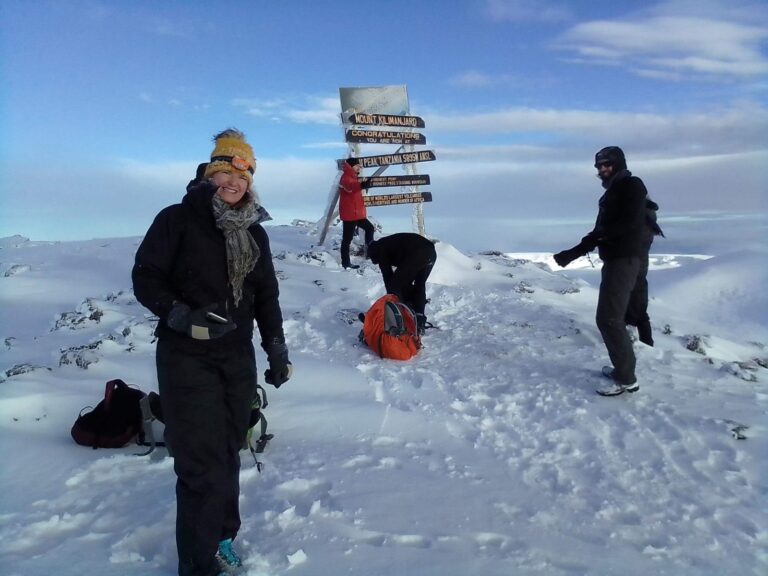
Kilimanjaro Medical Preparation For Older Climbers: Essential Guide 2026-2027
Climbing Kilimanjaro is achievable for older adventurers with thorough medical preparation. This guide covers essential health checks, fitness strategies, altitude acclimatization, and...
View package details
Best Kilimanjaro Route For Climbers Over 60: Expert Guide 2026-2027
Choosing the right Kilimanjaro route is crucial for climbers over 60. This guide details the best options, focusing on acclimatization, duration, and success rates to help you plan your...
View package details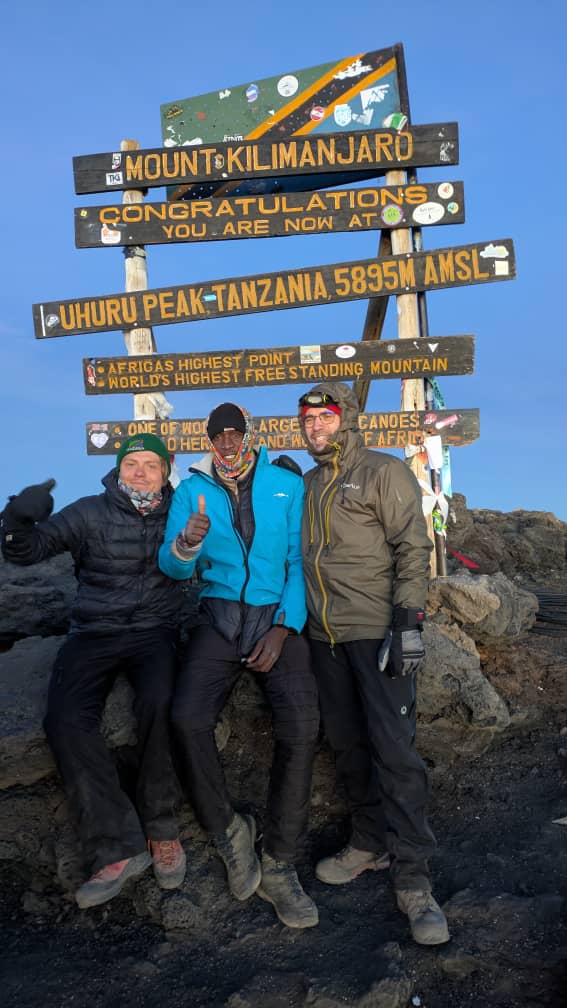
How Altitude Affects Younger Kilimanjaro Climbers In 2026-2027
Climbing Kilimanjaro presents unique challenges, especially for younger trekkers. This guide details how altitude affects them, covering symptoms, risks, preparation, and essential safety...
View package details
Kilimanjaro Training Plan For Teen Climbers: Summit Success In 2026-2027
Prepare your teen for the ultimate adventure with a detailed Kilimanjaro training plan. This guide covers physical conditioning, mental readiness, essential gear, and acclimatization...
View package details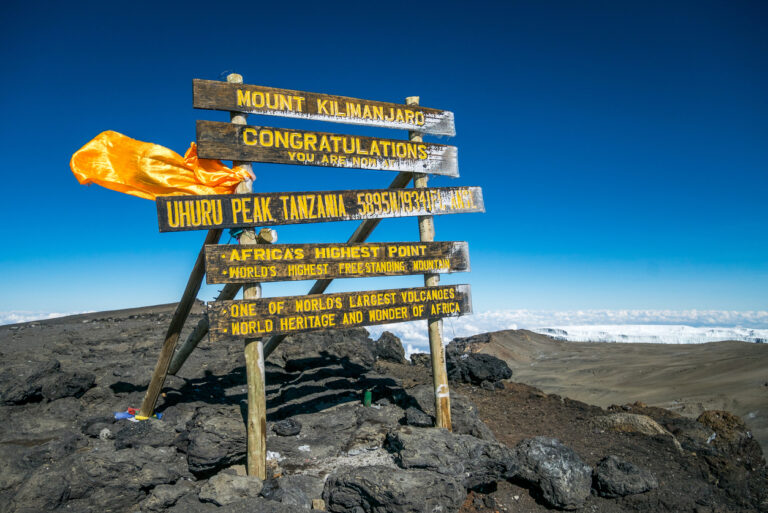
Kilimanjaro National Park Conservation Fees Explained For Climbers 2026-2027
Climbing Mount Kilimanjaro involves understanding various conservation fees essential for park maintenance and climber safety. This guide breaks down the current fee structure for...
View package detailsKilimanjaro Alpine Desert Ecosystem: A Comprehensive Guide For Climbers
Discover the fascinating Kilimanjaro Alpine Desert ecosystem, the harsh yet beautiful environment found above the montane forest and heath zones. This guide details its characteristics...
View package detailsWhy Do Kilimanjaro Climbers Descend Via Mweka? 2026-2027
Why Do Kilimanjaro Climbers Descend via Mweka? is explained with current 2026-2027 planning, price, itinerary and booking information.
View package details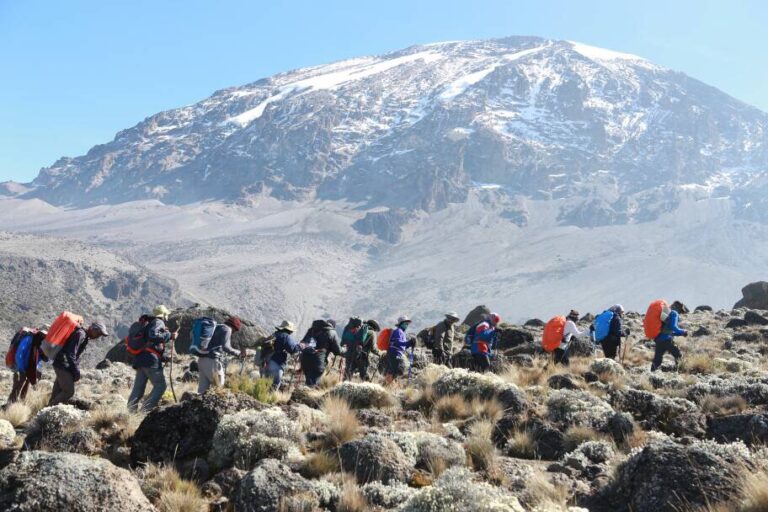
Kilimanjaro Group Pricing By Number Of Climbers In | Top Guide Adventures
Understand how the number of climbers affects Kilimanjaro group pricing for your 2026-2027 adventure. Top Guide Adventures breaks down the cost dynamics, from solo trekkers to large...
View package details
Does Kilimanjaro Get Cheaper With More Climbers? 2026-2027
Does Kilimanjaro Get Cheaper with More Climbers? is explained with current 2026-2027 planning, price, itinerary and booking information.
View package detailsKilimanjaro Local Culture Week For Non-Climbers: Experience Tanzanias Heart
Experience the rich cultural mix surrounding Mount Kilimanjaro without the climb. Our Local Culture Week offers non-climbers an unforgettable journey into the heart of Tanzanian traditions...
View package details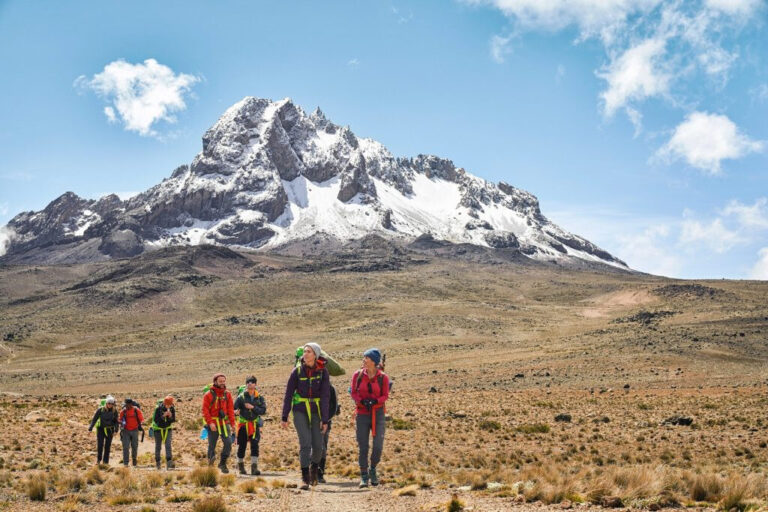
What Can Non-Climbers Do Near Kilimanjaro? Explore Tanzanias Wonders 2026-2027
While Mount Kilimanjaro draws adventurers for its summit, the surrounding region offers a wealth of experiences for those who prefer to stay at lower altitudes. From thrilling wildlife...
View package detailsNo related package matches those filters. Clear one or more filters to see the other topic-matched options.



