
Emergencies on Kilimanjaro are primarily communicated through a network of guides, porters, park rangers, and satellite communication devices, ensuring swift response and evacuation when needed. Top Guide Adventures prioritizes climber safety by equipping guides with essential communication tools and establishing clear emergency protocols for every trekker, including plans for 2026 and 2027 climbs.
Understanding Kilimanjaro’s Emergency Communication Framework
Climbing Mount Kilimanjaro is an extraordinary adventure, but like any high-altitude trek, it carries inherent risks. Ensuring climber safety is paramount, and a critical component of this is the robust system in place for communicating emergencies. When the unexpected happens on the mountain, knowing how these situations are handled, particularly regarding communication, provides immense peace of mind. This isn’t just about having a radio; it’s about a layered approach involving human networks, technological aids, and strict operational procedures designed to get help to where it’s needed, fast.
The communication chain on Kilimanjaro is designed to be resilient and effective, even in remote, challenging terrain where mobile phone signals are nonexistent. It relies on the expertise of the guiding team, the support crew, and the park authorities. Understanding these mechanisms is crucial for every prospective climber, allowing for informed decision-making and preparedness. As we look towards climbing seasons in 2026 and 2027, these systems remain the bedrock of safety on Africa’s highest peak.
The Role of Guides and Porters in Emergency Communication
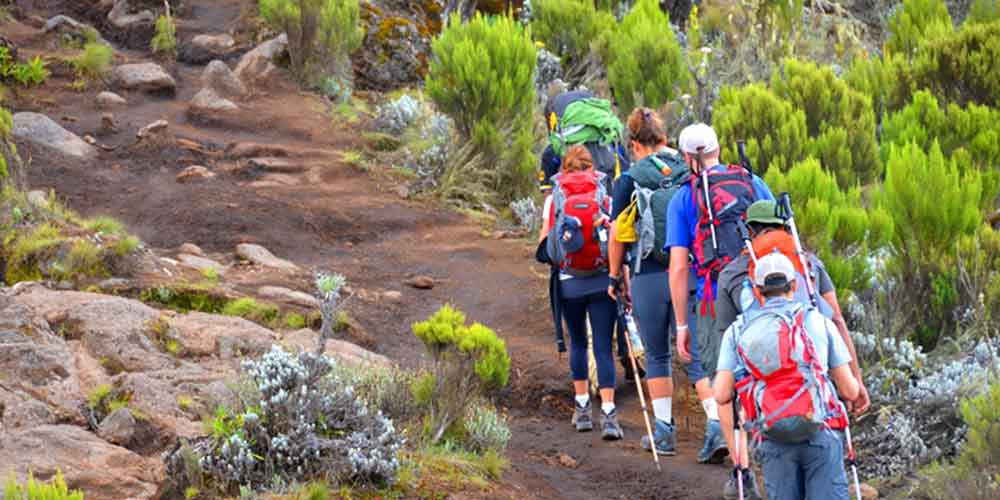
The most immediate line of communication on Kilimanjaro rests with your trekking team. Your lead guide, assistant guides, and even experienced porters are trained to recognize signs of altitude sickness, injuries, and other medical emergencies. They are the first responders and play a vital role in initiating the emergency response.
Guides’ Training and Responsibilities:
- Recognizing Symptoms: Guides are trained to identify the early signs of Acute Mountain Sickness (AMS), High Altitude Cerebral Edema (HACE), and High Altitude Pulmonary Edema (HAPE), which are the most common emergencies on Kilimanjaro. They also know how to spot injuries like sprains, fractures, or exhaustion.
- First Aid: They carry comprehensive first-aid kits and are trained in basic first aid and emergency procedures.
- Decision Making: In consultation with the client and assessing the situation, guides make critical decisions regarding descent, medication, or the need for professional medical assistance.
- Communication Relay: If a situation requires external help, the guide is responsible for initiating contact with park authorities or the base camp.
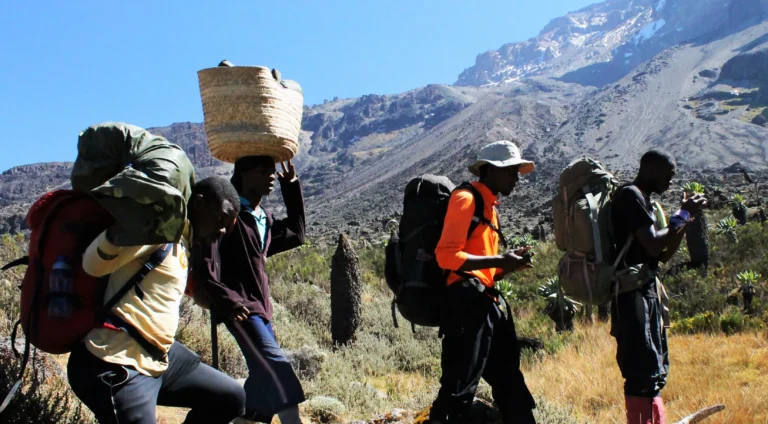
Porters’ Support: While guides are the primary communicators, porters are indispensable. They are often the fittest members of the team and can be dispatched to relay messages quickly down the mountain to ranger posts or communication points. Their knowledge of the terrain and their physical capability make them essential in extending the communication reach.
The presence of a strong, experienced guiding team from a reputable company like Top Guide Adventures is your first and most important safety net. Their constant vigilance and training ensure that potential issues are addressed before they become critical emergencies.
Park Rangers and Official Emergency Response
Kilimanjaro National Park is managed by the Tanzania National Parks Authority (TANAPA), and park rangers are stationed at various points on the mountain, including base camps and key junctions. They are an integral part of the emergency communication and response system.
Ranger Posts and Communication Hubs:
- Stationed Personnel: Rangers are present at gates (like Marangu, Machame) and at designated camps (e.g., Horombo Hut on Marangu route, Barafu Camp on other routes).
- Reporting and Coordination: Guides report any significant emergencies to the nearest ranger post. Rangers can then coordinate further assistance, including organizing rescue teams or medical evacuations.
- Emergency Equipment: Some ranger posts may be equipped with radios or satellite phones, enhancing their ability to communicate with park headquarters or rescue services.
TANAPA’s Role: TANAPA has established protocols for mountain rescue. When an emergency is reported, they can mobilize trained rescue teams, which often include rangers and medical personnel. For serious cases, they can coordinate helicopter evacuations, though these are rare and depend heavily on weather conditions and accessibility.
The partnership between trekking companies, guides, and park authorities is crucial. Top Guide Adventures maintains close working relationships with Kilimanjaro National Park officials to ensure that all emergency procedures are followed efficiently.
Technological Aids in Kilimanjaro Emergency Communication
While the human element is vital, technology plays an increasingly important role in ensuring that help can be summoned quickly on Kilimanjaro. Given the lack of regular mobile phone coverage, specialized devices are essential.
Satellite Phones and Two-Way Radios
Reputable Kilimanjaro operators, including Top Guide Adventures, equip their lead guides with communication devices that work where standard phones fail.
Satellite Phones:
- Coverage: Satellite phones connect to orbiting satellites, providing a communication link virtually anywhere on the mountain, irrespective of terrestrial network availability.
- Usage: They are typically used by lead guides for critical communications, such as reporting a serious medical emergency, requesting a helicopter evacuation, or checking in with base operations. Their use is usually reserved for emergencies or essential operational updates due to cost and battery life considerations.
- Operator Responsibility: Companies must ensure these devices are functional, charged, and that guides are trained in their use. Top Guide Adventures ensures their guides are proficient with satellite communication devices.
Two-Way Radios:
- Range: These are useful for short-to-medium range communication, primarily between members of the same trekking group or with nearby ranger posts or other guides from the same company.
- Coordination: They facilitate quick communication between the front and rear of a long trekking line, or between different camps if they are within radio range.
- Limitations: Their effectiveness is limited by distance and terrain, making them less suitable for summoning help from distant park headquarters but excellent for internal team coordination.
Personal Locator Beacons (PLBs) and Satellite Messengers
While not always standard issue for every guide, PLBs and satellite messengers are becoming more common in mountaineering safety. Some operators might equip their lead guides or expedition leaders with these devices.
Personal Locator Beacons (PLBs):
- Functionality: PLBs are designed to send a distress signal with your GPS location directly to search and rescue services via a satellite network.
- One-Way Communication: They are typically a one-way communication device – transmitting an SOS. They do not allow for two-way conversation.
- Activation: Activation is usually manual, requiring the user to press a button in an emergency.
Satellite Messengers (e.g., Garmin inReach):
- Two-Way Messaging: Unlike PLBs, satellite messengers allow for two-way text messaging over a satellite network. This means a guide can send an SOS with location and also communicate details about the situation and receive updates from rescuers.
- Tracking: Many also offer GPS tracking, allowing base operations or family members (with subscription) to follow the trekker’s progress.
- Preparedness: Top Guide Adventures continually evaluates the latest safety technologies to enhance our communication capabilities for climbers in 2026-2027.
The use of these technologies significantly reduces response times in emergencies, making Kilimanjaro safer for everyone. It’s important to choose an operator that invests in and properly utilizes such equipment.
Emergency Procedures and Protocols on Kilimanjaro
Beyond the communication tools, the established procedures for handling emergencies are critical. These protocols are designed to ensure that every situation, from a minor headache to a life-threatening condition, is managed systematically.
Altitude Sickness Management: The Primary Concern
Altitude sickness is the most common medical issue on Kilimanjaro. Effective communication is key to managing it properly.
Recognition and Action:
- Symptoms Monitoring: Guides constantly monitor climbers for symptoms like headache, nausea, dizziness, fatigue, and loss of appetite. Climbers are also encouraged to report any symptoms immediately.
- Descent as Treatment: The universal treatment for moderate to severe altitude sickness is immediate descent. Guides will initiate a descent if symptoms are significant, even if it means turning back. This decision is communicated clearly to the client and the support team.
- Oxygen and Medication: Guides may carry portable oxygen for temporary relief during descent and can administer Diamox (Acetazolamide) if prescribed and deemed appropriate, but descent remains the primary solution.
- Communication with Base: If a descent is necessary, the guide communicates this to the company’s base operations and relevant park authorities to ensure support and track progress.
Injury and Accident Response
While less common than altitude sickness, injuries can occur. The response focuses on immediate care and safe evacuation.
First Aid and Stabilization:
- On-Site Care: Guides provide immediate first aid for sprains, cuts, or minor fractures.
- Assisted Descent: For injuries that prevent self-ambulation (e.g., a broken leg, severe sprain), a rescue team of porters is mobilized to carry the individual down the mountain. This requires clear communication to coordinate the porter team and ensure their safety.
- Serious Injuries: In cases of severe fractures, head injuries, or other critical conditions, the guide will use satellite communication to alert park authorities and the trekking company, initiating plans for a more extensive rescue, potentially involving park rangers and specialized evacuation.
Evacuation Procedures
Evacuations are the most complex emergency response, requiring coordination between multiple parties.
Types of Evacuation:
- Assisted Descent: Carried by porters or assisted by guides. This is the most common form of evacuation for non-life-threatening injuries or moderate altitude sickness.
- Ranger-Assisted Evacuation: Involves park rangers, who have specialized training and equipment for mountain rescue.
- Helicopter Evacuation: This is the most rapid but also the most expensive and weather-dependent option. It is typically reserved for severe, life-threatening emergencies and is coordinated by TANAPA, often at the request of the trekking company. The landing zones are limited, and pilots must have clear visibility.
Communication During Evacuation:
- Constant Updates: The guide or evacuation team leader maintains communication with the trekking company’s base and, if possible, with emergency services.
- Location Tracking: GPS coordinates are crucial and are transmitted via satellite devices.
- Coordination with Medical Teams: If a helicopter is involved, communication ensures that medical personnel are ready at the landing zone or designated hospital.
Top Guide Adventures ensures that all our guides are well-versed in these procedures and ready to act decisively to protect our clients’ well-being on Kilimanjaro throughout 2026 and 2027.
What Climbers Need to Know for Emergency Preparedness
While the trekking company and park authorities manage the bulk of emergency response, climbers themselves have a crucial role to play in ensuring their safety and facilitating effective communication during an emergency.
Reporting Symptoms and Concerns
Open and honest communication from the climber to the guide is non-negotiable for safety.
Be Proactive:
- Communicate Immediately: Do not downplay symptoms. If you feel unwell, dizzy, nauseous, or experience any unusual discomfort, inform your guide or assistant guide immediately. It’s better to be cautious and have it checked out than to let a condition worsen.
- Honesty is Key: Be honest about how you are feeling, even if you are pushing yourself or worried about slowing the group down. Your health is the priority.
- Hydration and Food Intake: Report if you are struggling to drink enough water or eat. This can be an early sign of altitude sickness or other issues.
Understanding the ‘Kili Cough’: Many climbers develop a cough due to the dry air and dust. While often benign, it’s important to let your guide know if it becomes severe, causes chest pain, or is accompanied by other concerning symptoms, as it can sometimes mask or exacerbate respiratory issues.
Personal Communication Devices
While guides carry primary communication equipment, climbers can also bring personal devices.
Satellite Messengers for Personal Use:
- Tracking and Check-ins: Devices like Garmin inReach or SPOT allow you to send pre-set messages or custom texts to loved ones, letting them know you are safe. You can also use them to send an SOS in a dire emergency.
- Subscription Services: These devices require an active satellite subscription, which should be arranged before your trip.
- Battery Management: Ensure the device is fully charged and consider carrying a power bank, as cold temperatures can drain batteries faster.
Mobile Phones: While there is no reliable mobile signal on the mountain itself, you may get sporadic reception at the base of the mountain (e.g., near lodges in Moshi or Arusha) or at the park gates. It’s useful for communication before and after the climb, but do not rely on it during the trek.
Emergency Contact Information
Having readily accessible emergency contact details is vital.
- Provided by Operator: Top Guide Adventures will provide you with emergency contact numbers for our operations team.
- Personal Contacts: Keep a list of your emergency contacts (family, close friends) with their phone numbers and email addresses in a waterproof bag and also stored on your phone.
- Information for Guides: Provide your guide with a copy of your travel insurance details and any critical medical information (allergies, pre-existing conditions) that might be relevant in an emergency.
Being prepared and communicative is your responsibility as a climber, complementing the professional systems put in place by operators like Top Guide Adventures.
Choosing a Tour Operator for Reliable Emergency Communication
The choice of tour operator significantly impacts the effectiveness of emergency communication and response on Kilimanjaro. Not all operators are created equal when it comes to safety infrastructure and protocols.
What to Look for in an Operator’s Emergency Preparedness
When researching operators for your 2026 or 2027 Kilimanjaro climb, consider these critical safety aspects related to communication:
- Mandatory Satellite Phones/Radios: Does the operator explicitly state they equip lead guides with satellite phones or reliable two-way radios?
- Guide Training: Are their guides certified in wilderness first aid, high-altitude medicine, and emergency communication procedures?
- Emergency Protocols: Do they have documented emergency protocols that are shared with clients?
- 24/7 Operations Support: Does the company have a dedicated team available 24/7 to manage communications and coordinate responses?
- Partnerships with Rescue Services: Do they have established relationships with park rangers and local rescue teams?
- Incident Management: Inquire about their procedures for handling past incidents (without expecting confidential details, but understanding their approach).
Top Guide Adventures’ Commitment to Safety Communication
At Top Guide Adventures, climber safety is our foremost priority. We understand that effective emergency communication is non-negotiable on a mountain like Kilimanjaro.
Our Protocols Include:
- Satellite Phone Provision: Every lead guide is equipped with a functional satellite phone.
- Experienced & Certified Guides: Our guides undergo rigorous training, including Wilderness First Responder (WFR) certification, and extensive experience in high-altitude environments.
- Comprehensive First-Aid: Guides carry well-stocked first-aid kits, including emergency oxygen.
- 24/7 Support: Our operations team is available around the clock to manage communications and coordinate any necessary response.
- Clear Emergency Plans: We have detailed emergency action plans for various scenarios, which are practiced and refined.
- Communication with Park Authorities: We maintain strong working relationships with Kilimanjaro National Park rangers to ensure smooth coordination during emergencies.
Choosing Top Guide Adventures means entrusting your climb to a team that is deeply committed to your safety, with robust systems for communication and emergency response for your 2026-2027 adventure.
Communication Challenges on Kilimanjaro
Despite the systems in place, communicating emergencies on Kilimanjaro is not without its challenges. Awareness of these difficulties helps set realistic expectations.
Terrain and Weather Limitations
The sheer scale and ruggedness of Kilimanjaro, combined with unpredictable weather, create significant hurdles.
- Signal Obstructions: Even satellite phones can experience temporary signal loss in deep ravines or valleys.
- Weather Impact on Evacuation: Heavy fog, strong winds, or rain can ground helicopters and make ground evacuations extremely difficult and slow, particularly on the higher, steeper sections of the mountain.
- Remote Locations: Some emergency situations may occur in areas far from ranger posts or established trails, making access for rescuers challenging.
Human Factors and Fatigue
The physical and mental toll of high-altitude trekking can affect communication.
- Guide Fatigue: Guides work long hours and exert significant physical effort. While professional, fatigue can impact decision-making. This is why having multiple guides on larger groups is beneficial.
- Climber Communication Breakdown: In severe altitude sickness (HACE/HAPE) or when extremely fatigued, a climber may not be able to communicate their symptoms effectively or coherently. This places a greater burden on guides to observe and interpret.
- Language Barriers: While most guides speak good English, complex medical instructions or nuanced symptoms can sometimes be challenging to convey perfectly, especially in high-stress situations.
Technological Reliability
Even the best technology can fail.
- Battery Life: Cold temperatures, prolonged use, and insufficient charging can lead to device failure.
- Equipment Malfunction: Like any electronic device, satellite phones or radios can malfunction. Redundancy and backup plans are essential.
- Cost of Services: Satellite communication is expensive. This means devices might not be used for routine check-ins but are reserved for critical situations, which is standard practice but requires careful management.
Top Guide Adventures mitigates these challenges through meticulous planning, redundant equipment, continuous guide training, and strong operational support. We prepare for the worst-case scenario to ensure the best possible outcome for our clients, looking ahead to 2026-2027 climbs.
The Communication Flow During a Typical Kilimanjaro Emergency
To illustrate how Kilimanjaro emergencies are communicated, let’s walk through a hypothetical scenario. This helps demystify the process and highlights the coordination involved.
Scenario: Suspected HAPE at Barafu Camp
A climber on the Machame route starts experiencing severe shortness of breath, a persistent cough producing frothy sputum, and chest tightness at Barafu Camp (base camp for the summit push). They also report feeling extremely weak.
- Climber Reports Symptoms: The climber, despite feeling unwell, manages to communicate their severe symptoms to their lead guide.
- Guide Assesses Situation: The guide immediately recognizes these as potential signs of High Altitude Pulmonary Edema (HAPE), a life-threatening condition. They check the climber’s vital signs, pulse oximetry (if available), and listen to their breathing.
- Immediate Decision: Descent: The guide determines that immediate descent is necessary, regardless of the time of day or night.
- Guide Contacts Operations: The lead guide uses their satellite phone to contact the Top Guide Adventures operations center in Moshi. They report the climber’s condition, symptoms, approximate location (Barafu Camp), and the decision to descend.
- Operations Center Mobilizes: The operations team receives the alert. They immediately:
- Contact Kilimanjaro National Park headquarters to inform them of the emergency and the planned descent route.
- Begin coordinating with their team on the ground. If there are support porters or guides lower down the mountain, they might be alerted to prepare a staging area or assist with the descent.
- Advise the guide on the descent route and provide support.
- Assisted Descent: The guide and assistant guides help the climber begin descending immediately. Porters are mobilized to assist, potentially carrying the climber if they are unable to walk.
- Continuous Communication: The guide maintains contact with operations via satellite phone during the descent, providing updates on the climber’s condition and progress.
- Ranger Notification: Park rangers at the nearest post (e.g., Mweka Camp) are also informed by the operations center or the guide, ensuring they are aware and can provide assistance if needed, or prepare for the arrival of the evacuation team.
- Reaching Lower Altitudes: As the climber descends, their condition typically improves. Upon reaching a point where it’s safe to proceed with less intensive support, or when the company’s ground team can fully take over, the satellite phone communication might shift to less critical updates.
- Transfer to Medical Facility: Once off the mountain, the climber is transferred to a local hospital or clinic for further assessment and treatment. The operations team coordinates this transfer.
This detailed flow highlights how multiple layers of communication—climber-guide, guide-operations, operations-park authorities, and internal team coordination—work together to manage a critical situation. This structured approach is vital for ensuring the best possible outcome for every climber undertaking a Kilimanjaro expedition in 2026, 2027, and beyond.
Comparison of Communication Methods: Pros and Cons
To fully appreciate the communication infrastructure, it’s helpful to compare the different methods used.
| Communication Method | Pros | Cons | Typical Use Case on Kilimanjaro |
|---|---|---|---|
| Mobile Phones | Familiar, easy to use, can communicate with anyone with a phone number. | No coverage on most of the mountain, unreliable. | Pre/post-climb communication, at base hotels. |
| Two-Way Radios | Instant communication within a limited range, good for team coordination. | Limited range, terrain dependent, not for long-distance emergencies. | Communication between guides/porters within the same group, or to nearby ranger posts. |
| Satellite Phones | Global coverage, reliable for critical calls, voice communication. | Expensive to use, requires trained operator, can be affected by extreme weather/terrain. | Reporting major emergencies, requesting evacuations, critical operational updates by lead guides. |
| Satellite Messengers (e.g., inReach) | Two-way text messaging, GPS tracking, SOS function, can be used by individuals. | Requires subscription, battery dependent, text-only (no voice). | Personal check-ins, tracking, guide communication for non-critical updates, SOS for personal devices. |
| Personal Locator Beacons (PLBs) | Direct SOS to search and rescue, simple to operate in emergency. | One-way communication only, no detailed info transmission, requires manual activation. | Emergency distress signal, often carried as a backup device. |
| Human Relay (Porters/Guides) | Can reach areas without electronic signal, can carry messages/people. | Slow, dependent on runner’s speed and knowledge of terrain, risk of runner injury. | When electronic communication fails or is unavailable, or to assist in physical evacuation. |
Understanding these distinctions helps clarify why a multi-faceted approach to communication is essential for safety on Kilimanjaro. Top Guide Adventures leverages a combination of these methods, prioritizing satellite phones and trained personnel for critical situations, ensuring comprehensive coverage for all expeditions planned for 2026-2027.
Future Trends in Kilimanjaro Emergency Communication
The field of emergency communication is constantly evolving, and Kilimanjaro’s safety protocols are likely to adapt.
- Advanced Satellite Networks: Newer satellite constellations offer improved reliability, lower latency, and potentially lower costs for devices, which could lead to wider adoption of satellite messengers for all guides.
- Integrated Rescue Systems: Efforts are underway globally to integrate personal communication devices more seamlessly with official search and rescue dispatch systems. This could streamline the reporting process.
- Wearable Technology: Smartwatches and other wearable devices with integrated GPS and SOS functions, linked to satellite networks, may become more prevalent, offering another layer of personal safety.
- Improved Weather Forecasting: More accurate, real-time weather data transmitted directly to guides could help prevent dangerous situations from escalating.
- AI and Predictive Analytics: While futuristic, AI could potentially analyze climber data and environmental conditions to predict risks and alert guides to potential issues before they manifest.
Top Guide Adventures is committed to staying abreast of these advancements to continuously enhance the safety and communication capabilities for our clients on Kilimanjaro in the years to come, including for the 2026-2027 climbing seasons.
Conclusion: Your Safety on Kilimanjaro is Our Priority
The question of how are Kilimanjaro emergencies communicated is fundamental to planning a safe and successful climb. It’s a complex, multi-layered system involving highly trained guides, dedicated porters, vigilant park rangers, and reliable technological tools like satellite phones. At Top Guide Adventures, we integrate these elements into a comprehensive safety framework. We ensure our guides are equipped not just with gear, but with the knowledge and training to handle emergencies effectively. For your climb in 2026 or 2027, know that our commitment to your safety means we prioritize clear, swift, and effective communication in any situation.
We encourage you to ask potential tour operators about their specific emergency communication protocols and equipment. Choosing a reputable company like Top Guide Adventures provides the assurance that you are in experienced hands, with robust systems in place to manage any eventuality. Your adventure on Kilimanjaro should be memorable for all the right reasons, and our dedication to your well-being ensures it will be.
For any inquiries regarding our safety procedures, emergency communication plans for 2026-2027 climbs, or to discuss your Kilimanjaro adventure, please do not hesitate to contact us:
WhatsApp: +255616946642
Email: topguideadventures@gmail.com
Backup Email: info@topguideadventures.com
We look forward to helping you plan an unforgettable and safe journey to the Roof of Africa.
Check Availability for How Are Kilimanjaro Emergencies Communicated? Essential Safety Protocols
Ready to compare dates, prices, and the best option for your group? Send the package name and travel month so the team can reply with a clear quote, availability, and what is included.
Kilimanjaro Safari First Vs Zanzibar 2026-2027
Kilimanjaro Safari First vs Zanzibar First is explained with current 2026-2027 planning, price, itinerary and booking information.
View package details
Kilimanjaro Morning Flight Vs Evening Arrival: Which Is Better For Your Climb?
Choosing between a morning and evening flight arrival at Kilimanjaro International Airport (JRO) significantly impacts your pre-climb preparations and initial acclimatization. This guide...
View package details
Kilimanjaro Seven-Day Vs Eight-Day Acclimatization 2026-2027
Kilimanjaro Seven-Day vs Eight-Day Acclimatization is explained with current 2026-2027 planning, price, itinerary and booking information.
View package details
Kilimanjaro Direct Booking Vs Package Holiday 2026-2027
Kilimanjaro Direct Booking vs Package Holiday is explained with current 2026-2027 planning, price, itinerary and booking information.
View package details
Kilimanjaro Fixed Departure Vs Private 2026-2027
Kilimanjaro Fixed Departure vs Private Departure is explained with current 2026-2027 planning, price, itinerary and booking information.
View package details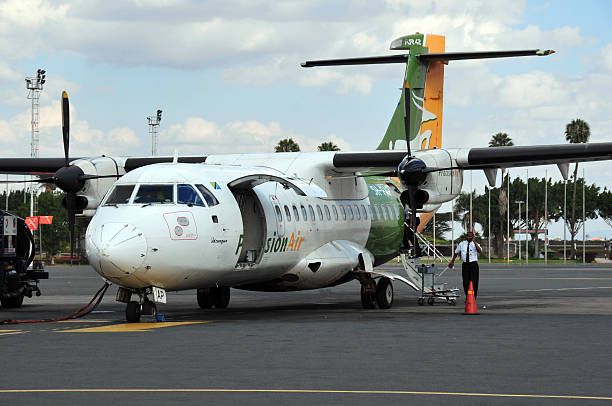
Kilimanjaro Peak Season Vs Low 2026-2027
Kilimanjaro Peak Season vs Low Season is explained with current 2026-2027 planning, price, itinerary and booking information.
View package details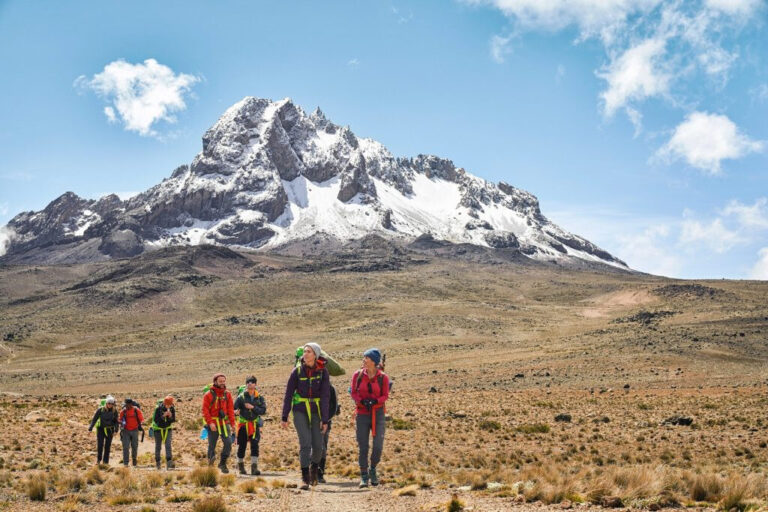
Kilimanjaro Full-Moon Vs Dark-Sky Climb: Which Is Best For You In ? 2026-2027
Choosing between a Kilimanjaro full-moon or dark-sky climb in 2026-2027 involves weighing unique advantages. A full-moon climb offers visibility and a magical atmosphere, while a dark-sky...
View package details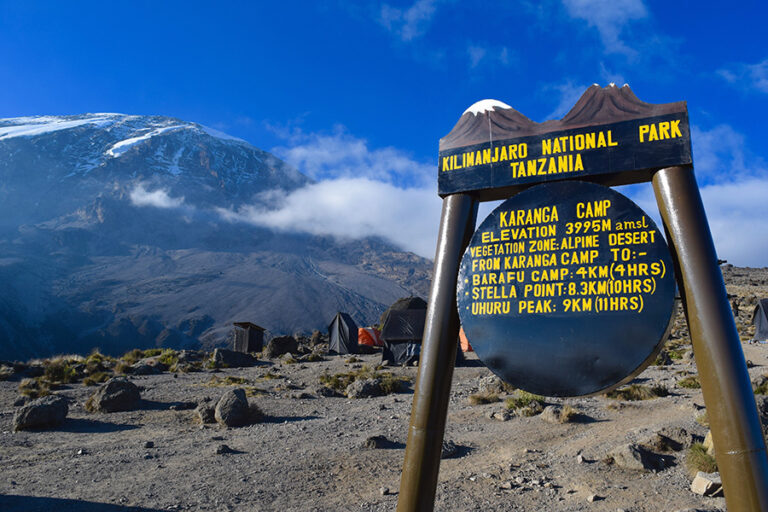
Kilimanjaro Packed Lunch Vs Hot Mountain 2026-2027
Kilimanjaro Packed Lunch vs Hot Mountain Lunch is explained with current 2026-2027 planning, price, itinerary and booking information.
View package details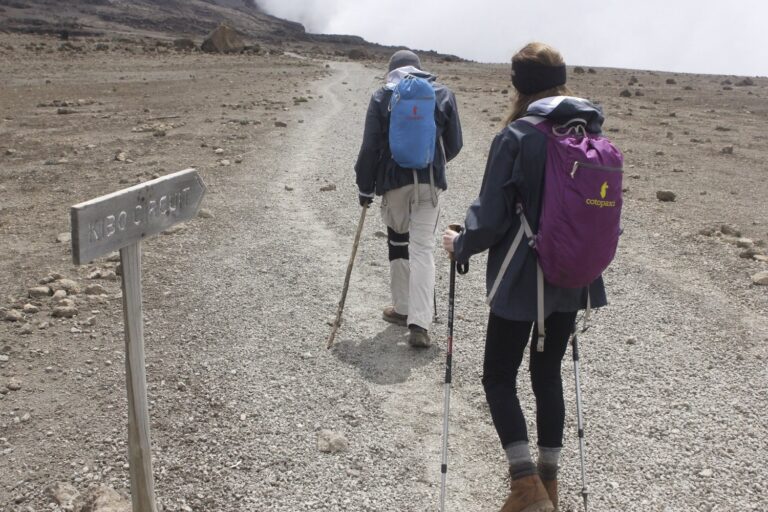
Kilimanjaro Standard Camp Vs Luxury Your Ultimate Comparison For Climbs
Choosing between standard and luxury camping on Kilimanjaro significantly impacts your trek experience. This guide breaks down the key differences in accommodation, meals, equipment, and...
View package detailsKilimanjaro Public Toilet Vs Private Tent 2026-2027
Kilimanjaro Public Toilet vs Private Toilet Tent is explained with current 2026-2027 planning, price, itinerary and booking information.
View package details
Kilimanjaro Shared Tent Vs Single Making The Right Choice For Your Climb
Choosing between a shared tent and a single tent for your Kilimanjaro climb is a significant decision impacting comfort, cost, and your overall experience. This guide breaks down the pros...
View package details
Kilimanjaro Standard Package Vs. Premium Your Definitive Guide 2026-2027
Choosing between a Standard and Premium Kilimanjaro package is a critical decision for your trek. This guide details the differences in services, inclusions, and costs for your 2026-2027...
View package detailsNo related package matches those filters. Clear one or more filters to see the other topic-matched options.



