
A comprehensive Kilimanjaro emergency contact and family communication plan ensures trekkers can be reached in emergencies and provides vital information to loved ones. It involves pre-trip planning with your tour operator, designating reliable contacts, understanding communication limitations on the mountain, and establishing check-in protocols. Top Guide Adventures prioritizes climber safety and can assist in setting up this essential plan for your 2026-2027 climb.
Why a Kilimanjaro Emergency Contact and Family Communication Plan is Crucial
Climbing Mount Kilimanjaro is an extraordinary undertaking, a journey that tests physical limits and offers unparalleled rewards. While the focus is rightly on the ascent, acclimatization, and the impressive views, overlooking the practicalities of emergency preparedness can lead to unnecessary anxiety for both the trekker and their family back home. A well-structured Kilimanjaro emergency contact and family communication plan is not just a formality; it’s a critical component of responsible trekking. It ensures that should any unforeseen situation arise, the right people are informed quickly and efficiently, minimizing distress and facilitating prompt action.
The sheer scale of Kilimanjaro, its remote location, and the challenging environment mean that standard communication methods often fail. Mobile phone reception is virtually non-existent above base camps, and even lower down, service can be spotty. This isolation underscores the importance of having pre-defined channels and protocols. This plan serves as a vital bridge, connecting the climber to their support network and ensuring peace of mind for everyone involved. For trekkers planning their climb for 2026 or 2027, understanding and implementing this plan well in advance is key to a safe and enjoyable experience.
Pre-Trip Planning: The Foundation of Your Communication Strategy
The journey to establishing an effective Kilimanjaro emergency contact and family communication plan begins long before you set foot on the mountain. It starts with selecting a reputable tour operator like Top Guide Adventures, whose commitment to safety is paramount. During the booking process and in the months leading up to your trek, open communication with your operator is essential. This is the time to discuss your specific needs and concerns regarding communication and emergency protocols.
Choosing a Reputable Tour Operator
Your choice of tour operator significantly impacts the effectiveness of your emergency communication. Companies with a proven track record in safety, experienced guides, and established emergency procedures are indispensable. Top Guide Adventures is dedicated to providing comprehensive support, including assisting clients in developing their Kilimanjaro emergency contact and family communication plan. We ensure our guides are trained in first aid and emergency response, and we have clear protocols for communicating with the outside world when necessary.
Information to Share with Your Tour Operator
Before your climb, provide your tour operator with detailed information. This includes:
- Your full contact details.
- Details of your emergency contacts (primary and secondary).
- Any relevant medical information (allergies, pre-existing conditions).
- Your planned itinerary and expected return dates.
- Information about your travel insurance, including policy numbers and emergency assistance contact details.
This information allows the operator to have a complete picture of your situation, which is vital for swift action in an emergency. For climbs scheduled for 2026 or 2027, starting this dialogue early in your planning phase is highly recommended.
Identifying Key Emergency Contacts
A core element of any Kilimanjaro emergency contact and family communication plan is designating the right people to act as your contacts. These individuals will be the primary point of communication between you on the mountain and the outside world, especially in critical situations. Choosing wisely ensures that information is handled responsibly and efficiently.
Who Should Be Your Emergency Contacts?
Your emergency contacts should ideally be individuals who:
- Are reliable and can be trusted to act calmly under pressure.
- Have a good understanding of your trekking plans and expected timeline.
- Are accessible and willing to be the point person for communication.
- Have a clear understanding of who else to contact if they are unavailable.
Typically, this would be a spouse, partner, parent, or a very close family member or friend. It’s also advisable to have a primary and a secondary contact.
Information to Provide to Your Contacts
Before you leave, ensure your designated emergency contacts have the following information:
- Your detailed itinerary: Including the specific route you’re taking (e.g., Machame, Lemosho), estimated daily progress, and expected summit date and descent.
- Tour Operator Details: The name of your operator (Top Guide Adventures), their local contact number, and email address.
- Your Contact Information: While you won’t have phone access, they should know how to reach your operator.
- Emergency Procedures: What to do if they cannot reach you or your operator.
- Insurance Information: Details of your travel insurance, including emergency assistance numbers.
- Your Doctor’s Contact: In case of medical emergencies requiring professional consultation.
This thorough briefing empowers your contacts to manage communication effectively, reducing their worry and ensuring they know how to proceed if contacted by the tour operator or authorities.
Understanding Communication Limitations on Kilimanjaro
It’s crucial for trekkers and their families to have realistic expectations about communication capabilities on Mount Kilimanjaro. The mountain’s altitude and remote terrain present significant challenges to modern technology. A clear understanding of these limitations is fundamental to a robust Kilimanjaro emergency contact and family communication plan.
Mobile Phone Service
Mobile phone service is generally unavailable for most of the climb. While you might get a brief signal at lower altitudes near the park gates or in certain villages surrounding the mountain, once you ascend into the national park, expect no reliable reception. Even if you have an international roaming plan, it will likely be unusable for the duration of your trek. Satellite phones are sometimes used by operators for emergencies, but personal use is typically not permitted or practical.
Satellite Phones and Two-Way Radios
Reputable tour operators, including Top Guide Adventures, often equip their lead guides with satellite phones or two-way radios. These are primarily for operational use and emergencies, allowing guides to communicate with base operations or rescue teams. They are not typically available for trekkers to use for personal calls to family. However, in a genuine emergency, these devices are the lifeline connecting the mountain to the outside world. Your tour operator will use these devices to relay critical information to your designated emergency contacts.
Wi-Fi and Internet Access
There is no Wi-Fi or internet access on Mount Kilimanjaro. Any connectivity you might experience would be before reaching the park entrance or after descending. Therefore, relying on email, social media, or messaging apps for communication during the trek is impossible.
The Role of the Tour Operator in Communication
Given these limitations, the tour operator becomes the central hub for communication. They are responsible for monitoring the progress of their groups and initiating contact with emergency services or your designated contacts if an incident occurs. Top Guide Adventures maintains constant communication between its field teams and its office, ensuring that any issues are addressed promptly. If an emergency arises, our team will contact your designated emergency contact person as per your pre-arranged Kilimanjaro emergency contact and family communication plan.
Establishing a Daily Check-In Protocol
A structured daily check-in protocol is a cornerstone of a successful Kilimanjaro emergency contact and family communication plan. It provides reassurance to family members and ensures that the trek operator is aware of the group’s status. While direct communication from the mountain is limited, a system can be put in place.
How Check-ins Typically Work
Since direct calls are not possible, check-ins are usually facilitated by the tour operator’s base office. At the end of each trekking day, the lead guide will typically send a status update to the company’s office via their satellite phone or radio. This update usually includes:
- Confirmation that the group has reached the intended camp.
- General health status of the group members.
- Any significant observations or issues encountered during the day.
The office then relays this information to the designated emergency contact person. For example, after a day’s trek on the Machame route in 2026, the office at Top Guide Adventures would receive the guide’s report and forward it to your family contact.
What to Expect from Your Tour Operator
When you book with Top Guide Adventures for your 2026-2027 climb, we commit to providing you with clear information on how these check-ins will occur. We will:
- Designate a point person in our office: This person will be responsible for receiving updates from the mountain and communicating them to your family.
- Establish communication channels: Agree on the preferred method of communication with your emergency contact (e.g., email, WhatsApp message).
- Provide a schedule: Inform you and your contacts about the expected time frame for these updates (usually once daily, after the day’s trek is complete).
It’s important for your family to understand that these updates might not be instantaneous. There can be delays due to the reporting chain, time zone differences, and the sheer logistical demands of managing multiple expeditions.
What Your Family Should Do
Your family should be instructed to:
- Wait for the daily update: Avoid panicking if they don’t hear from you directly.
- Contact the tour operator directly: If they have not received an update by the expected time, or if they have urgent concerns, they should contact the tour operator’s office.
- Understand the emergency protocol: Know what constitutes a genuine emergency that warrants immediate operator contact.
This structured approach minimizes worry and ensures that communication flows smoothly, forming a critical part of your Kilimanjaro emergency contact and family communication plan.
Emergency Procedures on the Mountain
Despite the best planning, emergencies can happen on any mountain climb. Kilimanjaro, with its altitude and demanding conditions, requires specific emergency procedures. Understanding these procedures, both for the trekker and their family, is vital.
Recognizing and Reporting Symptoms of Altitude Sickness
Altitude sickness (Acute Mountain Sickness – AMS) is the most common medical issue on Kilimanjaro. Symptoms can range from mild headaches and nausea to severe conditions like High Altitude Pulmonary Edema (HAPE) and High Altitude Cerebral Edema (HACE). Your guides are trained to recognize these symptoms and will monitor trekkers closely. If you experience symptoms, it’s crucial to communicate them immediately to your guide. Early reporting is key to effective management.
The Role of Guides in Emergencies
Your guides are your first line of defense and the most critical resource in an emergency. They are trained in:
- First Aid and CPR: Providing immediate medical assistance.
- Recognizing Altitude Sickness: Identifying symptoms and assessing severity.
- Evacuation Procedures: Knowing when and how to initiate a descent or request external rescue.
- Communication: Using satellite phones or radios to contact base operations and emergency services.
Top Guide Adventures ensures all its lead guides undergo rigorous training and are equipped with necessary medical kits. They will make the critical decisions regarding descent and evacuation, prioritizing the climber’s safety above all else.
Evacuation and Rescue Operations
If a medical emergency requires evacuation, the process is initiated by the guide. This typically involves:
- Assessment: The guide assesses the situation and the trekker’s condition.
- Decision to Descend: If necessary, the guide will order an immediate descent. This might be assisted by porters or specialized rescue teams if the trekker cannot walk.
- Contacting Base: The guide uses their communication device to inform the tour operator’s office about the situation and the need for potential evacuation.
- Mobilizing Rescue: The tour operator coordinates with park rangers and potential rescue services. Kilimanjaro National Park has a dedicated rescue team, and depending on the severity, specialized evacuation might be arranged (e.g., using a helicopter if accessible, though this is rare and costly).
- Transport to Medical Facility: Once evacuated to a lower altitude or the park gate, the trekker is typically transported to a hospital in Moshi or Arusha for further medical attention.
Your travel insurance is vital here. It should cover emergency medical evacuation from remote locations. The tour operator will work with your insurance provider to facilitate the process.
Communicating Emergencies to Family
In the event of a significant medical emergency or evacuation, the tour operator’s office will immediately contact your designated emergency contact. They will provide all necessary details about the situation, the actions being taken, and the location of the trekker. This ensures your family is informed promptly and can provide support or make necessary arrangements.
Essential Items for Communication and Safety
While direct communication is limited, certain items can enhance your safety and provide a layer of preparedness for your Kilimanjaro emergency contact and family communication plan.
Personal Locator Beacons (PLBs) and Satellite Messengers
While not typically provided by tour operators for personal use, some trekkers opt to carry their own Personal Locator Beacon (PLB) or a satellite messenger device (like a Garmin inReach or SPOT). These devices allow you to send an SOS signal with your location directly to emergency services, independent of cellular networks. They can also often send pre-programmed non-emergency messages to designated contacts. If considering this for your 2026 or 2027 climb, ensure you understand how to operate it and that it’s registered and activated.
Power Banks and Charging Devices
Although you won’t have reception, you might want to keep a phone or camera charged for photos at lower altitudes or for use upon return. A reliable power bank is essential. Ensure it’s fully charged before you begin your trek, as there will be no opportunities to recharge it on the mountain.
First-Aid Kit
While your guides will have comprehensive medical kits, carrying a small personal first-aid kit for minor issues (blisters, headaches, small cuts) is always wise. Ensure it includes any personal medications you require. This contributes to your overall safety and reduces reliance on guides for minor needs.
Written Information Pack
It’s prudent to have a small, waterproof pack containing key information:
- Copies of your passport and visa.
- Your travel insurance details.
- Emergency contact information (both yours and your family’s).
- Your tour operator’s contact details.
- Park entry and permit details.
This information pack should be kept securely accessible, perhaps in your daypack, and also shared digitally with your emergency contacts before you leave.
Communicating with Loved Ones Post-Trek
The communication plan doesn’t end when you descend. Reconnecting with loved ones after your Kilimanjaro adventure is an important part of the experience.
Immediate Post-Trek Communication
Once you reach your hotel or accommodation after the trek, you will likely have access to your phone and the internet. Your first priority will probably be to contact your family to let them know you have successfully completed the climb and are safe. This is the moment to share your incredible stories and experiences.
Sharing Your Kilimanjaro Adventure
Take the time to share your photos, videos, and highlights with your family and friends. The stories of your Kilimanjaro journey are often as compelling as the climb itself. This post-trek communication reinforces the bond with your loved ones and allows them to share in your achievement.
Providing Feedback to Your Tour Operator
After your trek, consider providing feedback to your tour operator, such as Top Guide Adventures. Sharing your experience, including how the emergency contact and communication plan worked, can help future trekkers. Positive reviews on platforms like TripAdvisor or direct testimonials are invaluable.
Important Note on Communication Devices
While carrying personal communication devices like satellite messengers can offer an extra layer of security, remember that the primary responsibility for emergency communication lies with your experienced guides and the tour operator. Ensure your chosen operator, like Top Guide Adventures, has robust emergency protocols and communication equipment in place for your 2026-2027 climb.
Planning for 2026-2027 Climbs: What’s New in Safety and Communication?
As we look towards 2026 and 2027, advancements in safety technology and communication protocols continue to evolve, even in remote trekking environments. While the core principles of a Kilimanjaro emergency contact and family communication plan remain consistent, staying updated on potential improvements can enhance preparedness.
Technological Advancements
The satellite communication industry is constantly innovating. Devices are becoming smaller, more reliable, and offer more features, including improved data transmission for quicker updates. While personal satellite messengers are still optional, tour operators are increasingly integrating advanced communication systems into their operations. For instance, some may utilize more sophisticated tracking systems that allow for real-time monitoring of expedition progress by their operational teams.
Enhanced Training for Guides
Reputable operators like Top Guide Adventures continuously invest in training their guides. This includes staying current with the latest in high-altitude medicine, advanced first aid, and emergency response techniques. For 2026-2027 climbs, expect guides to be even more proficient in managing potential health issues and coordinating rescues, further strengthening the safety net for trekkers.
Park Authority Updates
Kilimanjaro National Park authorities may also introduce new regulations or safety protocols. These could involve mandatory check-in points, updated emergency contact procedures with park rangers, or requirements for operators regarding communication equipment. Staying informed about any such updates from the park authorities through your tour operator is part of comprehensive planning.
Booking Considerations for 2026-2027
When booking your climb for 2026 or 2027, ask your tour operator specific questions about their current communication and emergency protocols. Inquire about:
- The type of satellite communication devices used by guides.
- The frequency and method of daily check-ins with the base office.
- How they coordinate with park rangers and rescue services.
- Their procedures for notifying emergency contacts in case of an incident.
A transparent and informative operator will readily provide these details, demonstrating their commitment to your safety and ensuring your Kilimanjaro emergency contact and family communication plan is robust and up-to-date.
Comparing Communication Options: What’s Best for Your Family?
Deciding on the best way to keep your family informed requires weighing different options against the realities of trekking on Kilimanjaro. Your Kilimanjaro emergency contact and family communication plan should be tailored to your family’s needs and your comfort level.
Option 1: Relying Solely on Tour Operator Updates
Pros: Simplest for the trekker; relies on established professional channels. Tour operators like Top Guide Adventures have robust systems for this. The company will contact your designated family member if there’s any issue or as part of the daily check-in protocol.
Cons: Less direct control; updates are filtered through the operator; potential for delays.
Option 2: Using a Personal Satellite Messenger (e.g., Garmin inReach, SPOT)
Pros: Allows for direct, pre-programmed messages to family; provides real-time location tracking; enables SOS activation directly by the trekker. Offers significant peace of mind for families who want more direct updates.
Cons: Additional cost for device purchase/rental and subscription; requires user to manage device and messages; battery management is critical.
Option 3: Combination Approach
Pros: Leverages the reliability of the tour operator’s system while allowing for occasional direct updates via a personal device (if feasible and allowed). This offers a balanced approach, ensuring professional oversight and personal reassurance.
Cons: Requires managing multiple communication methods and devices; potential for confusion if not clearly outlined.
Recommendation for Families
For most trekkers, relying on the established Kilimanjaro emergency contact and family communication plan facilitated by a reputable operator like Top Guide Adventures is sufficient and recommended. The key is to have a clear understanding of what this entails: daily updates from the operator’s office to your designated contact. If your family requires more frequent or direct reassurance, investing in a personal satellite messenger for your 2026-2027 climb is a worthwhile consideration, provided you are comfortable with its operation and maintenance.
Building Your Personal Kilimanjaro Emergency Contact and Family Communication Plan Checklist
To ensure you haven’t missed any crucial elements, use this checklist when finalizing your Kilimanjaro emergency contact and family communication plan for your 2026-2027 trek.
- Tour Operator: Confirmed booking with a reputable operator (e.g., Top Guide Adventures) with strong safety protocols.
- Emergency Contacts: Designated primary and secondary contacts identified.
- Contact Information: Provided full details of designated contacts to the tour operator.
- Itinerary Sharing: Shared your detailed trek itinerary and expected dates with your contacts and the operator.
- Operator Contact Details: Ensured your contacts have the tour operator’s (Top Guide Adventures) contact information (phone, email).
- Communication Protocol: Agreed on daily check-in procedures and expected update times with your contacts and the operator.
- What to Expect: Educated your family on communication limitations on Kilimanjaro (no mobile signal, etc.).
- Emergency Procedures: Discussed what constitutes an emergency and how your contacts should proceed if they cannot reach you or the operator.
- Insurance Details: Provided travel insurance policy numbers and emergency assistance contacts to your family and the operator.
- Medical Information: Shared essential medical history and medications with your contacts and operator.
- Personal Devices: Considered carrying a personal locator beacon or satellite messenger (optional).
- Power Sources: Packed reliable power banks for any personal electronic devices.
- Written Information: Prepared a waterproof pack with copies of important documents and contact details.
- Post-Trek Plan: Discussed how you will communicate upon successful descent.
- Review and Confirm: Reviewed the entire plan with your family and tour operator before departure.
Conclusion: Securing Peace of Mind for Your Kilimanjaro Adventure
A meticulously crafted Kilimanjaro emergency contact and family communication plan is an indispensable part of preparing for your ascent. It transforms potential anxiety into confident anticipation, ensuring that both you and your loved ones feel secure throughout your journey. By working closely with a trusted operator like Top Guide Adventures, understanding the communication realities on the mountain, and establishing clear protocols, you lay the groundwork for a safe and memorable experience.
For your planned climb in 2026 or 2027, prioritize this aspect of your preparation. Discuss your needs with us, and let us help you finalize a plan that provides reassurance and ensures that your focus remains on the incredible challenge and beauty of Mount Kilimanjaro. We are committed to your safety and well-being, from the moment you inquire to the moment you safely descend.
Ready to plan your Kilimanjaro adventure with a team that prioritizes your safety and communication needs? Contact Top Guide Adventures today. Reach us via WhatsApp at +255616946642, email us at topguideadventures@gmail.com, or use our backup email info@topguideadventures.com. Let’s ensure your 2026-2027 climb is both extraordinary and securely managed.
Check Availability for Kilimanjaro Emergency Contact And Family Communication Plan For Trekkers
Ready to compare dates, prices, and the best option for your group? Send the package name and travel month so the team can reply with a clear quote, availability, and what is included.
Kilimanjaro Graduation And Family Safari Package: Summit Success & Wildlife
Combine the ultimate achievement of summiting Mount Kilimanjaro with an unforgettable family safari in Tanzania. Top Guide Adventures curates these packages, blending adventure, cultural...
View package details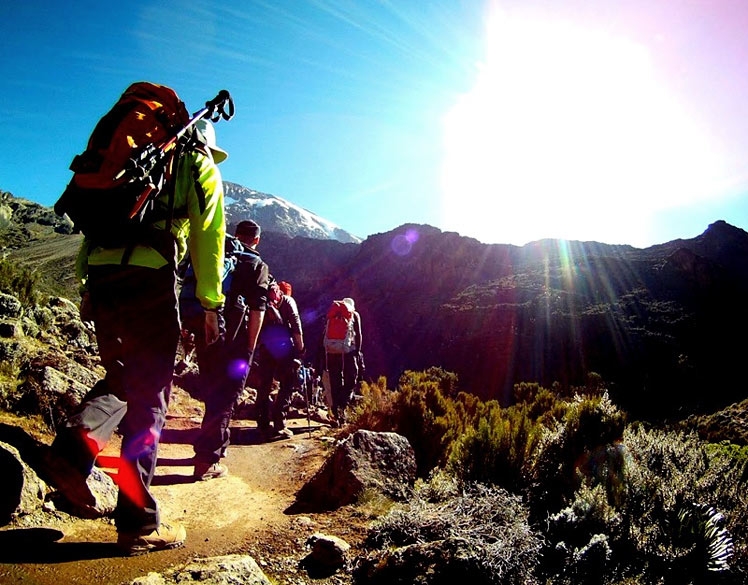
Kilimanjaro Family Safari After The Summit Guide
Extend your incredible Kilimanjaro achievement with a family safari in Tanzania. Top Guide Adventures crafts unforgettable post-summit experiences for 2026-2027, blending the thrill of...
View package details
Kilimanjaro Family Climb With Shorter Walking Days Guide
Discover how to successfully undertake a Kilimanjaro family climb with shorter walking days, focusing on suitable routes, essential preparation, and making the most of your adventure in...
View package details
Kilimanjaro Family Tent And Accommodation Options 2026-2027
Kilimanjaro Family Tent and Accommodation Options is explained with current 2026-2027 planning, price, itinerary and booking information.
View package details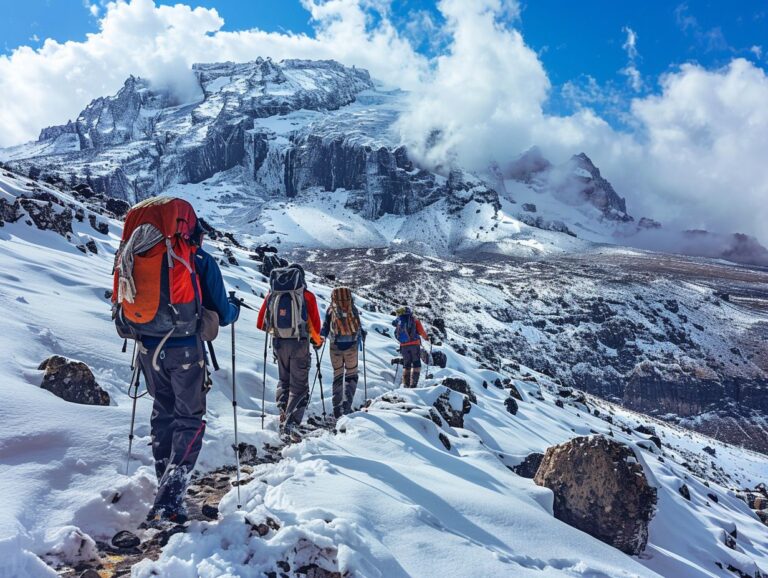
Kilimanjaro Family Climb With Private Guides: Your Adventure 2026-2027
start an unforgettable Kilimanjaro family climb with private guides in 2026-2027. Top Guide Adventures specializes in tailoring these incredible journeys for families, ensuring safety...
View package details
Kilimanjaro Training Plan For Teen Climbers: Summit Success In 2026-2027
Prepare your teen for the ultimate adventure with a detailed Kilimanjaro training plan. This guide covers physical conditioning, mental readiness, essential gear, and acclimatization...
View package details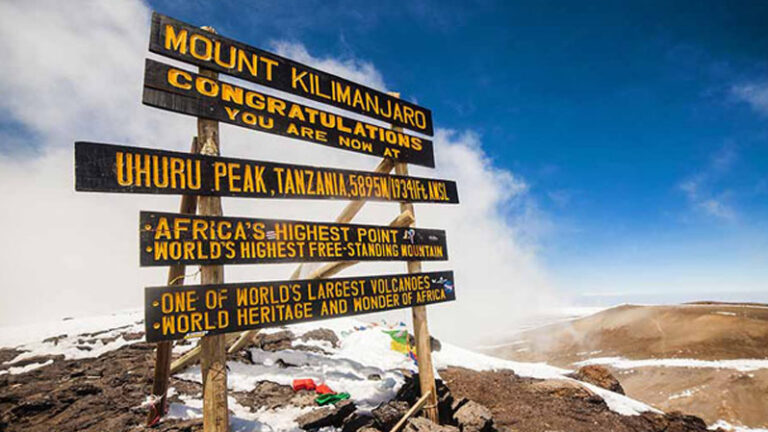
Rare Plants Found On Mount Kilimanjaro: A Botanical Expedition 2026-2027
Mount Kilimanjaro is not just a trekking destination; it's a unique ecosystem supporting rare and endemic plant species. Explore these fascinating botanical treasures, from the misty...
View package details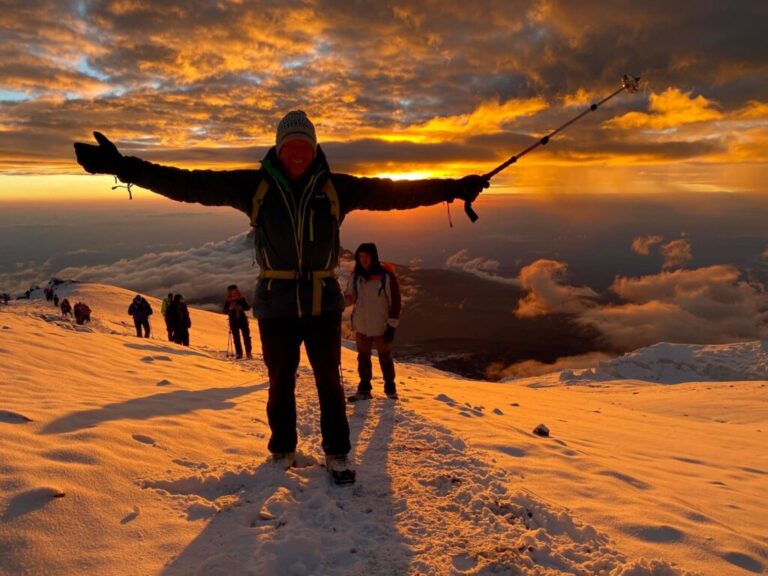
Kilimanjaro Parent-And-Child Summit Challenge Guide
Embarking on a Kilimanjaro Parent-and-Child Summit Challenge is an extraordinary way for families to bond and achieve a monumental goal together. This guide provides essential information...
View package details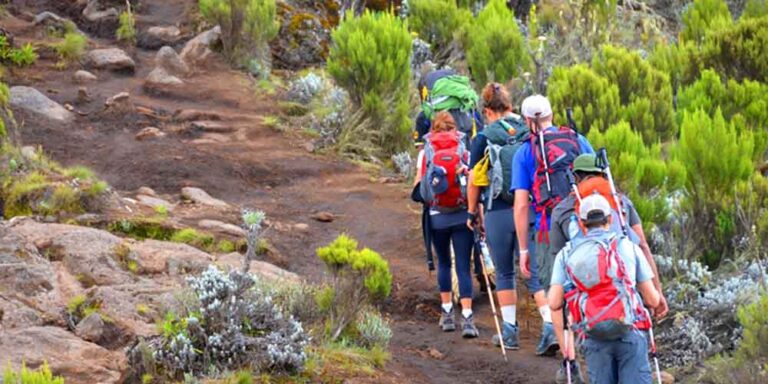
Kilimanjaro Safety Guide For Parents: Essential Tips A Successful Climb
This guide provides essential safety information for parents considering a Kilimanjaro climb with their children or for themselves. It covers preparation, acclimatization, risks, and...
View package details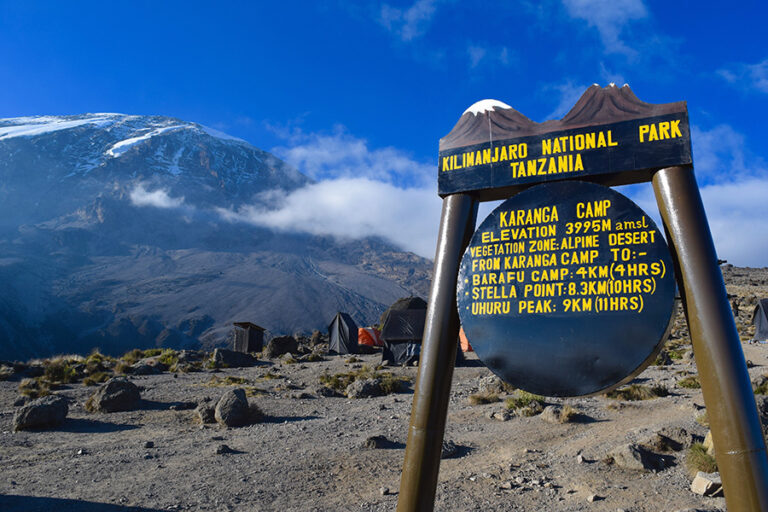
Can A 14-Year-Old Climb Kilimanjaro? Essential Guide For Young Trekkers
Climbing Mount Kilimanjaro is an incredible adventure, and many young people aspire to reach its summit. This guide explores whether a 14-year-old can successfully and safely summit...
View package detailsKilimanjaro Climb With Amboseli Safari Extension: Your Ultimate Tanzania
Experience the pinnacle of African adventure by combining a challenging Kilimanjaro climb with a impressive safari in Amboseli National Park. This guide details itineraries, costs, best...
View package details
21-Day Kilimanjaro And Complete Tanzania Holiday: Your Ultimate Adventure
This comprehensive 21-day itinerary offers the ultimate Tanzanian adventure, merging the challenge of climbing Mount Kilimanjaro with the wildlife wonders of its famed national parks and...
View package detailsNo related package matches those filters. Clear one or more filters to see the other topic-matched options.



