
A Kilimanjaro climb combined with a Maasai cultural homestay offers an unparalleled adventure, blending the physical challenge of reaching Africa’s highest peak with deep cultural immersion into the traditional Maasai way of life. Typically, this experience involves a trek on one of Kilimanjaro’s established routes, followed by several days living within a Maasai village, participating in daily activities, and learning about their customs, leading to a richer understanding of Tanzania beyond the summit. Planning for 2026 or 2027 should focus on selecting the right climb duration, understanding the homestay’s integration into the trek, and preparing for both the mountain environment and cultural exchange.
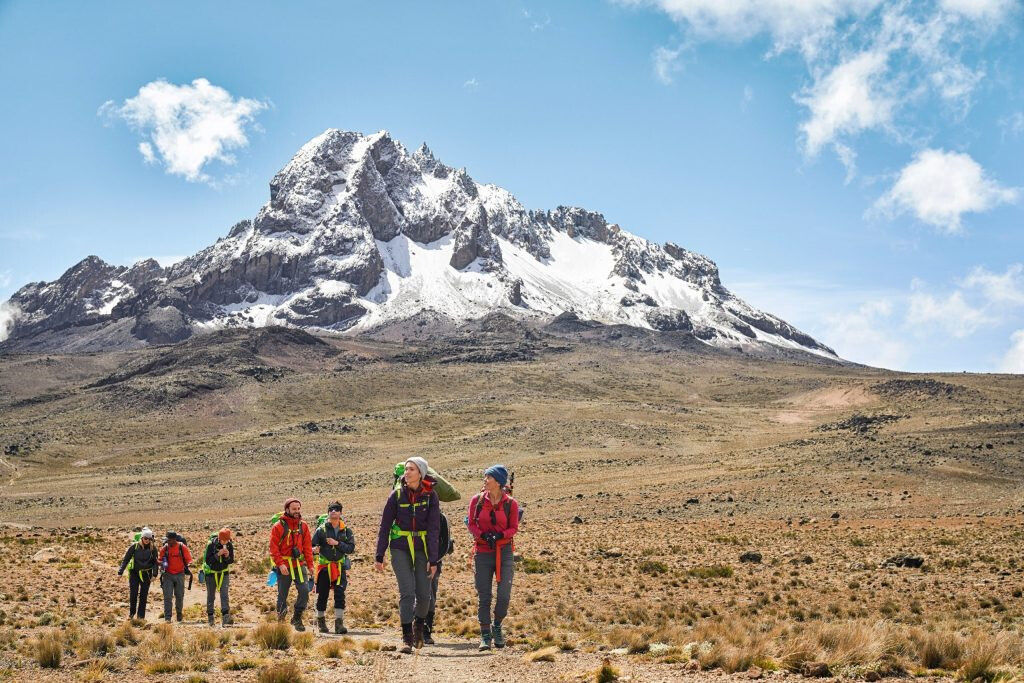
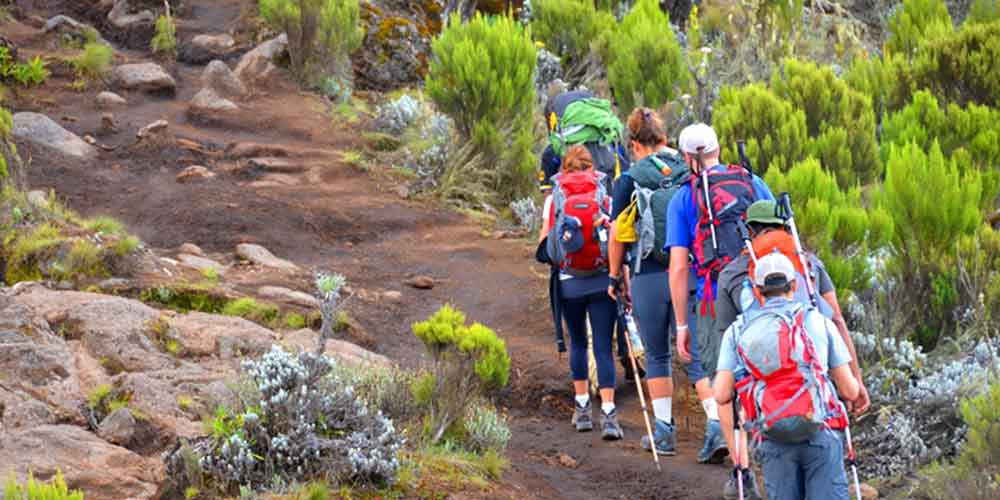
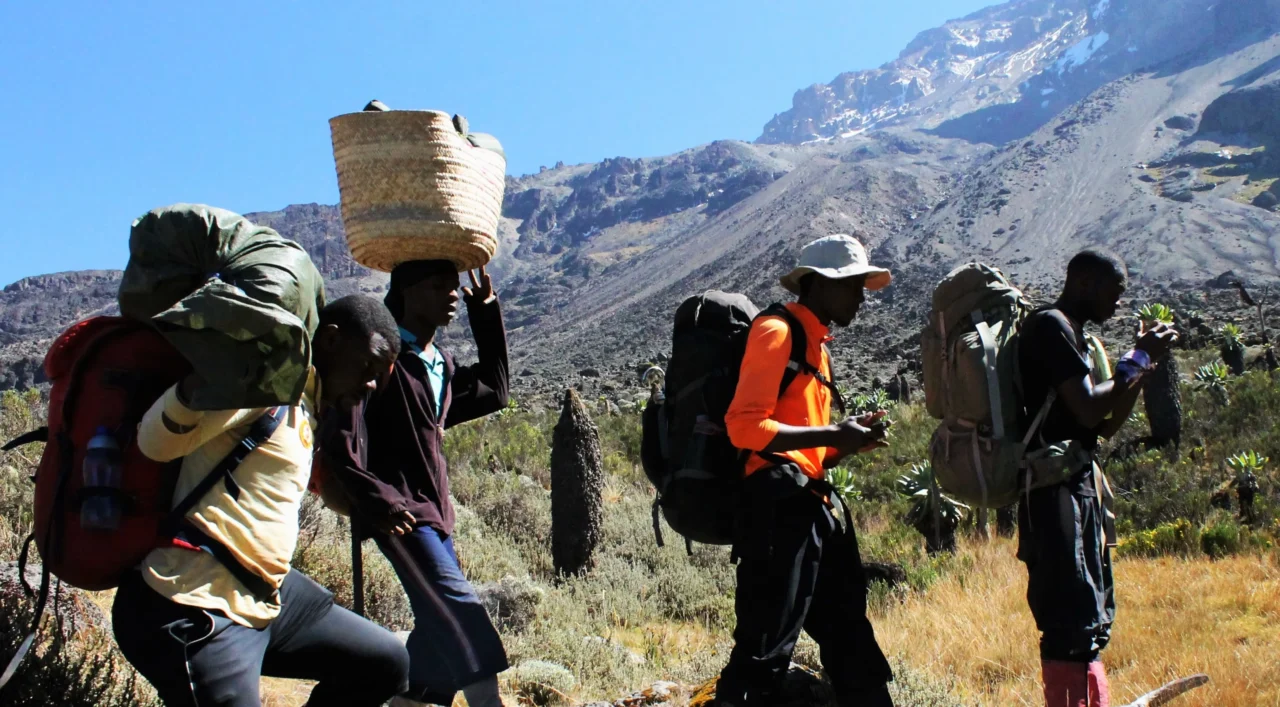
The Dual Majesty: Conquering Kilimanjaro and Connecting with Maasai Culture
Mount Kilimanjaro, a dormant volcano in Tanzania, stands as a beacon for trekkers worldwide. Its summit, Uhuru Peak, at 5,895 meters (19,341 feet), represents a significant achievement. Yet, the journey to its base and the surrounding landscapes are equally rich, especially when intertwined with the vibrant heritage of the Maasai people. A Kilimanjaro climb with Maasai cultural homestay is more than just a trek; it’s a holistic exploration of Tanzania’s natural grandeur and human spirit. This combination allows travelers to experience the raw beauty of the mountain and gain intimate insights into a culture that has thrived in harmony with this environment for centuries. For adventurers planning their expeditions for 2026 and 2027, this integrated trip promises an experience that resonates long after the descent.
At Top Guide Adventures, we understand the desire for travel that offers both adventure and authentic connection. Our curated Kilimanjaro climbs are designed to be challenging yet rewarding, and when paired with a Maasai cultural homestay, they become truly memorable journeys. We believe that the true essence of travel lies not just in seeing new places, but in understanding the people and their stories. This article will guide you through everything you need to know to plan your Kilimanjaro climb with Maasai cultural homestay, from choosing the right route and duration to preparing for the cultural immersion and what to expect during your stay in 2026-2027.
Why Combine a Kilimanjaro Climb with a Maasai Homestay?
The allure of Kilimanjaro is undeniable. It’s a bucket-list destination for many, offering a chance to stand on the Roof of Africa. However, many trekkers, upon returning from the mountain, realize they’ve only glimpsed a fraction of what Tanzania has to offer. Integrating a Maasai cultural homestay into your Kilimanjaro expedition transforms a physical challenge into a profound cultural experience.
- Deeper Cultural Understanding: While climbing Kilimanjaro, you’ll see diverse ecosystems, but a homestay allows you to connect with the people who have lived in the shadow of the mountain for generations. You’ll learn about their traditions, social structures, and daily lives directly from them.
- Authentic Local Interaction: This isn’t a staged performance for tourists. A homestay means living alongside Maasai families, sharing meals, participating in chores, and engaging in genuine conversations.
- Unique Perspective: Witnessing the Maasai’s sustainable lifestyle, their deep respect for nature, and their strong community bonds provides a valuable counterpoint to modern urban living.
- Enhanced Trip Value: For a single trip, you achieve two distinct, yet complementary, experiences: conquering a natural wonder and understanding a living culture. This maximizes your time and creates a more memorable adventure.
- Support for Local Communities: Choosing a homestay experience, especially one organized responsibly like ours at Top Guide Adventures, directly benefits the Maasai communities, supporting their livelihoods and preserving their cultural heritage.
This dual experience is particularly well-suited for travelers in 2026 and 2027 who are seeking more than just a typical tourist itinerary. It appeals to those who want to engage meaningfully with the destination, learn, and contribute positively to the local culture.
Choosing Your Kilimanjaro Route: The Foundation of Your Adventure
The success and enjoyment of your Kilimanjaro climb with Maasai cultural homestay begin with selecting the right trekking route. Each route offers a different experience in terms of scenery, difficulty, acclimatization profile, and crowds. Your choice will influence the overall duration of your trip, as most routes range from 5 to 9 days. The homestay component will typically add 2-4 days to your itinerary.
Popular Kilimanjaro Routes and Their Suitability for Homestay Integration:
- Marangu Route (Coca-Cola Route): The oldest and most established route. It’s known for its gradual ascent and distinctive huts instead of camping. While it’s considered easier, its lower acclimatization rate means a lower success rate. It’s often shorter (5-6 days), which might leave less time for a substantial homestay experience unless extended.
- Machame Route (Whiskey Route): This is the most popular route due to its excellent acclimatization profile and beautiful scenery, trekking in a ‘climb high, sleep low’ pattern. It typically takes 6-7 days. Its longer duration makes it a good candidate for integrating a Maasai homestay before or after the climb.
- Lemosho Route: Known for its stunning scenery and excellent acclimatization, Lemosho is a longer route (7-8 days). It offers a more remote feel, especially in the initial days. This extended time on the mountain provides a solid foundation for a subsequent cultural immersion.
- Shira Route: Similar to Lemosho but starts at a higher altitude. It’s also a longer route (7-8 days) with good acclimatization and scenic beauty.
- Rongai Route: The only route approaching Kilimanjaro from the north. It’s generally less crowded and offers a different perspective, often considered drier. It typically takes 6-7 days and is a good option for those seeking fewer crowds.
- Northern Circuit: The longest route (9 days), offering the best acclimatization and highest success rates. It circles the mountain, providing panoramic views. Its extended duration is ideal for a comprehensive Kilimanjaro climb with Maasai cultural homestay experience, allowing ample time for both aspects.
- Umbwe Route: The shortest and steepest route, considered the most challenging. It requires excellent physical condition and rapid acclimatization. Due to its difficulty and shorter duration, it’s less commonly combined with a homestay unless the traveler has significant prior experience and time.
For a balanced Kilimanjaro climb with Maasai cultural homestay, we generally recommend routes of 7 days or more, such as the Machame, Lemosho, or Northern Circuit routes. These provide sufficient time for acclimatization on the mountain, increasing your chances of reaching the summit, and allow for a more relaxed and meaningful cultural immersion afterward. Considering your plans for 2026 or 2027, booking a longer route will ensure you don’t feel rushed, allowing you to fully appreciate both the mountain and the Maasai culture.
Key Considerations for Route Selection:
- Duration: How much time do you have for the entire trip (climb + homestay + travel)?
- Acclimatization: Longer routes with a gradual ascent are better for acclimatization and summit success.
- Scenery: Different routes offer unique views and landscapes.
- Crowds: Some routes are significantly more crowded than others.
- Budget: Longer routes generally cost more due to more trekking days.
Top Guide Adventures can help you navigate these choices to find the perfect route that complements your desired Kilimanjaro climb with Maasai cultural homestay experience for 2026 or 2027.
The Maasai Cultural Homestay: An Authentic Immersion
The Maasai are one of the most iconic indigenous groups in East Africa, known for their distinctive traditions, vibrant clothing, and deep connection to their ancestral lands. A homestay offers a rare opportunity to step into their world, moving beyond the tourist gaze to experience daily life firsthand.
What to Expect During Your Maasai Homestay:
- Living Conditions: Expect a simple, traditional dwelling (a ‘manyatta’ made of mud, sticks, and dung). Facilities are basic, often without running water or electricity. This is part of the authentic experience.
- Daily Activities: You might participate in herding livestock (goats, cattle), fetching water, collecting firewood, preparing traditional meals (like ‘ugali’ or milk), and learning about medicinal plants.
- Cultural Exchange: Engage with family members, learn basic Maa greetings, understand their social structure, and observe or participate in traditional ceremonies if available. Storytelling is a significant part of Maasai culture.
- Food: Meals are typically simple and traditional, focusing on local produce and staples. If you have dietary restrictions, inform your hosts in advance, though options may be limited.
- Community Life: You’ll witness the strong sense of community, the role of elders, and the importance of family and livestock in Maasai society.
It’s crucial to approach this experience with respect, humility, and an open mind. Remember that you are a guest in their home. Your interactions will be far more rewarding if you show genuine interest and willingness to learn.
Choosing a Reputable Homestay Provider:
Not all homestays are created equal. Top Guide Adventures partners with Maasai communities that are committed to ethical tourism practices. This ensures that your visit is respectful, beneficial to the community, and provides an authentic experience. We work with communities that prioritize:
- Genuine Cultural Exchange: Focus on interaction and learning, not just observation.
- Community Benefit: A portion of the fees directly supports the community.
- Respectful Hosting: Hosts are prepared and trained to welcome guests ethically.
- Safety and Comfort: While basic, the accommodation and arrangements are managed to ensure your well-being.
When planning your Kilimanjaro climb with Maasai cultural homestay for 2026-2027, discuss your expectations for the homestay portion with us. We can help tailor the duration and activities to your interests.
Important Considerations for Your Maasai Homestay:
Respect is paramount. Always ask permission before taking photos of people. Dress modestly, especially when interacting with elders. Be mindful of local customs and traditions. Your willingness to adapt and learn will greatly enhance your experience and foster positive relationships.
Structuring Your Kilimanjaro Climb with Maasai Cultural Homestay Itinerary
A well-structured itinerary is key to maximizing both the climbing and cultural aspects of your trip. The typical flow involves either pre-climb or post-climb homestay integration. Many prefer to undertake the homestay after the Kilimanjaro climb, allowing them to relax, reflect, and integrate into a different pace of life after the physical exertion of the trek.
Sample Itinerary Flow (Post-Climb Homestay):
- Arrival in Tanzania: Fly into Kilimanjaro International Airport (JRO). Transfer to your hotel in Moshi or Arusha.
- Pre-Climb Briefing & Preparation: Meet your guide, finalize gear checks, and receive a comprehensive briefing about your Kilimanjaro climb.
- Kilimanjaro Trek: start your chosen route (e.g., 7-day Machame route). This includes daily trekking, acclimatization, and camping.
- Summit Day & Descent: The challenging ascent to Uhuru Peak, followed by the descent back to the base.
- Post-Climb Relaxation: Return to Moshi/Arusha, rest, and celebrate your achievement.
- Maasai Cultural Homestay: Travel to a Maasai village for 2-4 days of cultural immersion.
- Optional Safari/Zanzibar: Extend your trip with a safari in the Serengeti or Ngorongoro, or relax on the beaches of Zanzibar.
- Departure: Transfer to JRO for your flight home.
Sample Itinerary Flow (Pre-Climb Homestay):
- Arrival in Tanzania: Fly into JRO, transfer to Moshi/Arusha.
- Maasai Cultural Homestay: Spend 2-4 days in a Maasai village, learning about their culture.
- Pre-Climb Briefing & Preparation: Return from the homestay, meet your guide, and prepare for the climb.
- Kilimanjaro Trek: Ascend Kilimanjaro.
- Post-Climb Relaxation & Departure: Rest, celebrate, and depart.
The choice between pre- or post-climb homestay depends on personal preference. Some find it beneficial to acclimatize to the local environment and culture before the physical demands of the mountain. Others prefer to rest and reflect on their achievement after summiting. For a Kilimanjaro climb with Maasai cultural homestay in 2026-2027, Top Guide Adventures can customize the order and duration to suit your needs.
Duration Considerations:
- Kilimanjaro Climb: Minimum 5 days (Marangu), recommended 7-9 days for better acclimatization and success rates.
- Maasai Homestay: Typically 2-4 days for a meaningful experience.
- Total Trip: A combined trip will likely require 10-14 days, not including international travel time.
When booking your Kilimanjaro climb with Maasai cultural homestay for 2026 or 2027, consider adding buffer days for travel and potential delays. This ensures a more relaxed and enjoyable journey.
Preparing for Your Kilimanjaro Climb
Summiting Kilimanjaro is a significant physical and mental undertaking. Proper preparation is essential for safety, enjoyment, and success.
Physical Training:
Your training should focus on cardiovascular endurance and leg strength. Kilimanjaro is not a technical climb, but the altitude and duration are demanding.
- Cardio: Engage in regular aerobic activities like running, cycling, swimming, or hiking for at least 3-4 times a week.
- Hiking: The most relevant training. Go on long hikes (4-6 hours) with a weighted backpack (10-15 kg) on varied terrain, including hills and stairs. Simulate climbing conditions as much as possible.
- Strength Training: Focus on lower body exercises like squats, lunges, and calf raises, as well as core strengthening.
- Consistency: Start training at least 3-6 months before your climb.
Altitude Acclimatization:
This is the most critical factor for summit success. Choosing a longer route (7+ days) is the best strategy. Avoid ascending too quickly. Listen to your body and communicate any symptoms of altitude sickness to your guide.
Essential Gear:
Proper gear is vital for comfort and safety on the mountain. Layering is key to adapting to changing temperatures.
Kilimanjaro Gear Checklist Highlights:
- Layering System: Base layers (thermal), mid-layers (fleece), outer layer (waterproof and windproof jacket and pants).
- Insulated Jacket: Down or synthetic jacket for extreme cold at higher altitudes.
- Hiking Boots: Waterproof, broken-in hiking boots with good ankle support.
- Socks: Wool or synthetic hiking socks (multiple pairs).
- Headwear: Warm hat (beanie), sun hat, balaclava or neck gaiter.
- Gloves: Warm, waterproof gloves or mittens, plus liner gloves.
- Sleeping Bag: Rated for -10°C to -20°C (0°F to -4°F).
- Backpack: Daypack (30-40L) for essentials, duffel bag (80-100L) for porters.
- Trekking Poles: Highly recommended for stability and reducing knee strain.
- Headlamp: With extra batteries.
- Sun Protection: High SPF sunscreen, sunglasses, lip balm.
- Hydration: Water bottles or hydration reservoir (at least 3L capacity). Water purification tablets or filter.
- Personal Items: Toiletries, personal first-aid kit, blister treatment, hand sanitizer, wet wipes.
Top Guide Adventures provides a detailed gear list upon booking, and we can assist with gear rental if needed for your Kilimanjaro climb with Maasai cultural homestay in 2026-2027.
Health and Vaccinations:
Consult your doctor or a travel clinic 4-6 weeks before your trip regarding recommended vaccinations and malaria prophylaxis. Diamox (acetazolamide) can help with altitude sickness prevention and management; discuss this with your doctor.
Preparing for Your Maasai Cultural Homestay
While the physical preparation is for the mountain, the cultural homestay requires a different kind of readiness: mental and emotional. It’s about being open, adaptable, and respectful.
Cultural Sensitivity:
- Learn Basic Phrases: Knowing a few words in Swahili (the national language) or even Maa (the Maasai language) can be greatly appreciated. ‘Jambo’ (hello), ‘Asante’ (thank you) are good starting points.
- Dress Code: While Maasai attire is vibrant, as a guest, it’s respectful to dress modestly. Avoid overly revealing clothing. Lightweight, comfortable clothing is practical.
- Photography: Always ask permission before taking photos of individuals, especially elders or children. Some may ask for a small fee, which should be handled discreetly.
- Gift Giving: Small, practical gifts are often appreciated. School supplies for children, basic medical supplies, or useful household items can be appropriate. Avoid giving money directly unless it’s part of a community contribution. Discuss appropriate gifts with Top Guide Adventures.
- Open Mind: Be prepared for different customs, hygiene practices, and living standards. Embrace the experience without judgment.
Health and Hygiene:
Maintain good hygiene to prevent illness.
- Hand Sanitizer: Carry and use frequently, especially before eating.
- Water: Drink only bottled or purified water. Avoid ice unless you know it’s made from purified water.
- Food Safety: Eat well-cooked food. Be cautious with raw fruits and vegetables unless you peel them yourself.
What to Pack for the Homestay:
Pack light and practically for the homestay portion.
Maasai Homestay Packing Essentials:
- Comfortable, modest clothing (long skirts/trousers, t-shirts).
- Warm layer for cooler evenings.
- Comfortable walking shoes or sandals.
- Personal toiletries (biodegradable if possible).
- Hand sanitizer.
- Small towel.
- Sunscreen and insect repellent.
- Camera and extra batteries/power bank.
- A journal and pen to record your experiences.
- Small, practical gifts (optional, discuss with us).
By preparing thoughtfully for both the mountain and the cultural immersion, your Kilimanjaro climb with Maasai cultural homestay will be a well-rounded and deeply rewarding adventure in 2026-2027.
Cost Considerations for a Kilimanjaro Climb with Maasai Cultural Homestay
The cost of a Kilimanjaro climb with Maasai cultural homestay is influenced by several factors, including the chosen route, duration of the climb and homestay, group size, accommodation quality, and the inclusions offered by the tour operator.
Key Cost Components:
- Park Fees: These are significant and set by the Tanzanian government. They include entry fees, camping/hut fees, and rescue fees.
- Guide and Porter Wages: Fair wages for the mountain crew are essential for ethical operations.
- Food: Meals provided during the trek and at the homestay.
- Accommodation: Camping equipment for the climb, and the homestay arrangement.
- Transport: Transfers to and from the mountain, and to the homestay location.
- Logistics: Oxygen, medical kits, communication equipment.
- Homestay Contribution: A fee that goes directly to the host community.
Budgeting for 2026-2027:
Generally, a 7-day Kilimanjaro climb can range from $1,800 to $3,500+ per person, depending on the operator and inclusions. Adding a 3-day Maasai homestay might add approximately $300 to $600+ per person to the total cost.
Top Guide Adventures offers competitive pricing for a Kilimanjaro climb with Maasai cultural homestay. We focus on providing value through experienced guides, quality equipment, fair treatment of our crew, and authentic cultural experiences. Our packages typically include:
Typical Inclusions for a Kilimanjaro Climb & Maasai Homestay Package:
- All park and conservation fees.
- All meals on the mountain.
- Experienced, certified mountain guides.
- Assistant guides, cooks, and porters.
- Quality camping equipment (tents, sleeping mats).
- Boiled water on the mountain.
- Portable toilet for the group.
- Accommodation in Moshi/Arusha before and after the climb.
- Maasai Cultural Homestay experience (accommodation, meals, activities).
- All ground transportation.
- Oxygen cylinders and comprehensive first-aid kit.
- Search and Rescue fee.
- Gratuities for the mountain crew (often recommended but sometimes included).
Exclusions typically include: International flights, visa fees, travel insurance, personal gear, tips for guides and drivers (if not included), alcoholic beverages, and personal expenses.
When comparing prices for 2026 or 2027, ensure you are comparing similar levels of service and inclusions. A cheaper price might mean cutting corners on crew welfare, equipment quality, or safety measures, which can significantly impact your experience and safety.
For a personalized quote for your Kilimanjaro climb with Maasai cultural homestay, please contact Top Guide Adventures directly. We are happy to discuss your specific needs and tailor an unforgettable journey for you.
Best Time to Climb Kilimanjaro and Visit Maasai Communities
Kilimanjaro has two main dry seasons, which are considered the best times for climbing. The Maasai people live in semi-arid regions, and their way of life is closely tied to the seasons, though their communities are generally accessible year-round.
Kilimanjaro Dry Seasons:
- January to March: Generally clear skies, warmer temperatures, but can be crowded. This period is good for both climbing and visiting Maasai areas.
- June to October: Cooler temperatures, clear skies, and less crowded than the Jan-Mar period. This is often considered the peak season for climbing.
Wet Seasons:
- April to May: Long rains, making trails muddy and visibility poor. Climbing is generally not recommended.
- November to December: Short rains, can bring intermittent showers. Climbing is possible but less ideal.
Maasai Community Considerations:
Maasai communities are accessible year-round. However, the dry seasons (matching Kilimanjaro’s climbing seasons) offer more comfortable weather for travel and outdoor activities associated with the homestay. The ‘Great Migration’ in the Serengeti, which can be a complementary experience, has specific timings within these seasons.
Planning for 2026-2027:
For a successful Kilimanjaro climb with Maasai cultural homestay in 2026 or 2027, aiming for the dry seasons (January-March or June-October) is advisable. These months offer the best chance for clear summit views and comfortable trekking conditions, as well as pleasant weather for your cultural immersion.
Booking in advance is highly recommended, especially for peak seasons in 2026 and 2027, as permits and logistics need to be arranged. Early booking also allows more time for training and preparation.
Safety and Responsible Tourism on Kilimanjaro and with the Maasai
Safety is paramount, both on the mountain and during the cultural homestay. Top Guide Adventures prioritizes the well-being of our clients and adheres to responsible tourism principles.
Kilimanjaro Safety Measures:
- Experienced Guides: Our guides are trained in wilderness first aid and altitude sickness management.
- Acclimatization: We follow ‘pole pole’ (slowly, slowly) principles, encouraging gradual ascent.
- Monitoring: Daily health checks for all climbers.
- Emergency Equipment: Oxygen cylinders, comprehensive medical kits, and communication devices.
- Rescue Services: We are registered with Kilimanjaro National Park’s rescue services.
Responsible Maasai Homestay Practices:
- Community Partnerships: We work directly with communities, ensuring fair compensation and respectful engagement.
- Cultural Preservation: We promote authentic interactions that respect Maasai traditions and values.
- Environmental Impact: Encouraging low-impact practices during the homestay.
- Ethical Photography: Emphasizing the importance of consent.
Choosing a tour operator committed to safety and responsible practices is crucial for an ethical and enjoyable Kilimanjaro climb with Maasai cultural homestay. This ensures a positive impact on both the environment and the local communities you visit.
Beyond the Climb and Homestay: Enhancing Your Tanzanian Experience
A trip to Tanzania for a Kilimanjaro climb with Maasai cultural homestay is often part of a larger adventure. Consider extending your journey to explore more of this incredible country.
- Serengeti Safari: Witness the Great Migration, experience thrilling game drives, and see the Big Five in one of the world’s most famous national parks.
- Ngorongoro Crater Tour: Explore the unique ecosystem within the caldera, offering incredible wildlife viewing opportunities.
- Zanzibar Holiday: Relax on pristine white-sand beaches, explore the historic Stone Town, and enjoy water sports.
- Tarangire National Park: Known for its large elephant herds and baobab trees.
- Lake Manyara National Park: Famous for its tree-climbing lions and diverse birdlife.
Top Guide Adventures specializes in creating comprehensive Tanzanian travel packages. We can seamlessly integrate a Kilimanjaro climb with Maasai cultural homestay with a safari or a Zanzibar trip, offering a complete African experience for your 2026-2027 travels.
Making Your Booking for 2026-2027
Ready to plan your unforgettable Kilimanjaro climb with Maasai cultural homestay? The team at Top Guide Adventures is here to guide you every step of the way. We pride ourselves on personalized service, expert knowledge, and a commitment to creating exceptional travel experiences.
Contact us today to discuss your dream adventure:
- WhatsApp: +255616946642
- Email: topguideadventures@gmail.com
- Backup Email: info@topguideadventures.com
Let us help you craft the perfect itinerary for your Kilimanjaro climb with Maasai cultural homestay in 2026 or 2027. Whether you’re seeking the ultimate physical challenge, a deep cultural connection, or both, Top Guide Adventures is your trusted partner for an authentic Tanzanian journey. We look forward to helping you reach new heights on Kilimanjaro and connect with the heart of Maasai culture.
Check Availability for Kilimanjaro Climb With Maasai Cultural Homestay Guide
Ready to compare dates, prices, and the best option for your group? Send the package name and travel month so the team can reply with a clear quote, availability, and what is included.
13-Day Kilimanjaro Climb, Cultural Tour & Zanzibar Holiday: Your Ultimate
This 13-day itinerary offers an unparalleled Tanzanian experience, blending the thrill of conquering Mount Kilimanjaro with deep cultural exploration and the serene beauty of Zanzibar...
View package details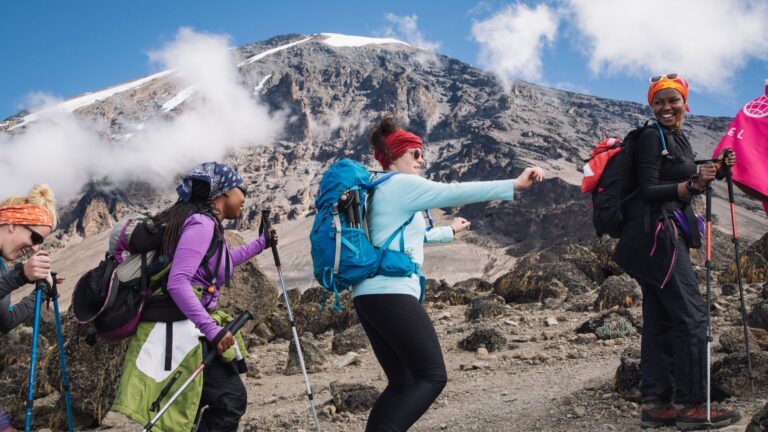
Kilimanjaro Wellness Retreat For Non-Climbers: Rejuvenate Near Africas
Experience the serene beauty and restorative power of Tanzania without the arduous climb. Our Kilimanjaro wellness retreats for non-climbers offer a unique blend of relaxation, cultural...
View package details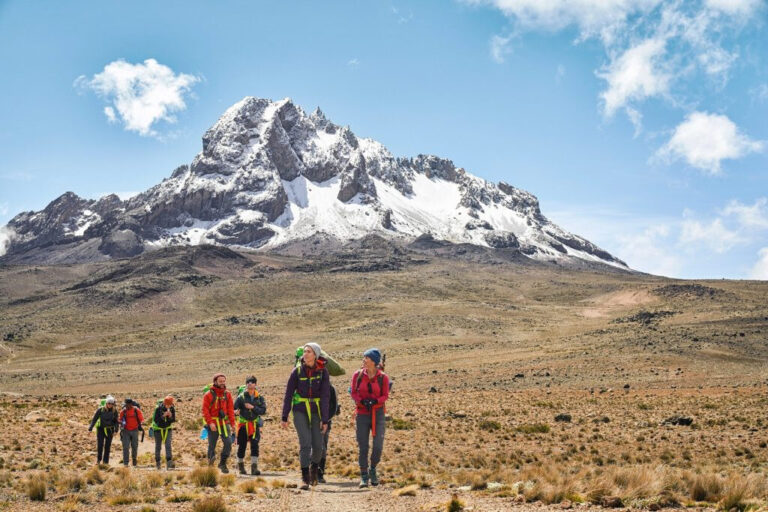
Kilimanjaro Climb With Chagga Village Experience: Your Ultimate Guide
Discover the ultimate Kilimanjaro climbing adventure combined with a rich Chagga village cultural immersion. This guide covers everything you need to know for your 2026-2027 trek, from...
View package details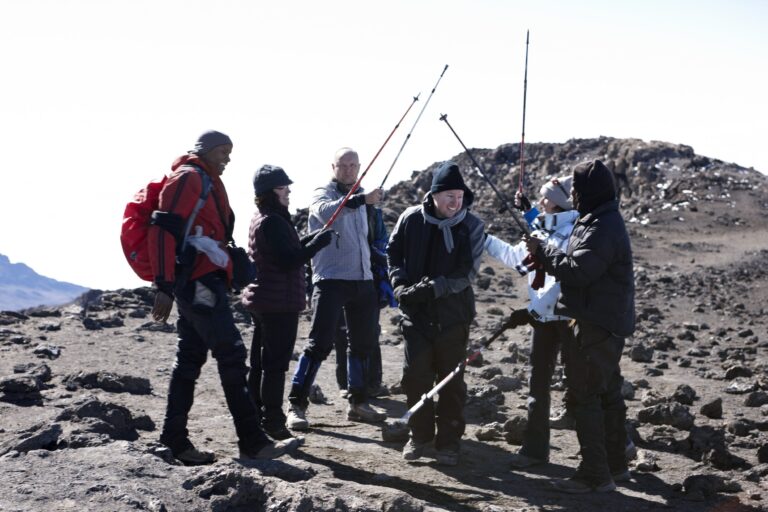
How Tourism Supports Kilimanjaro Communities: A Deep Dive With Top Guide
Explore the vital link between Kilimanjaro tourism and the well-being of local communities. Learn how your trek contributes to sustainable development, economic growth, and cultural...
View package details
18-Day Kilimanjaro And Northern Tanzania Grand Adventure: Trek, Safari &
An 18-day itinerary blending Kilimanjaro's summit with Northern Tanzania's wildlife and culture offers a comprehensive African experience. This adventure typically includes a multi-day trek...
View package details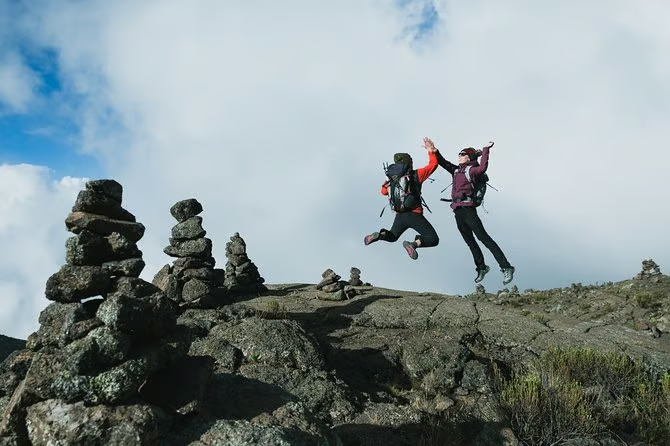
Kilimanjaro Half-Marathon Holiday Package Guide
Combine the thrill of the Kilimanjaro Half-Marathon with an unforgettable Tanzanian adventure. Top Guide Adventures offers expertly crafted holiday packages for 2026-2027, blending the race...
View package details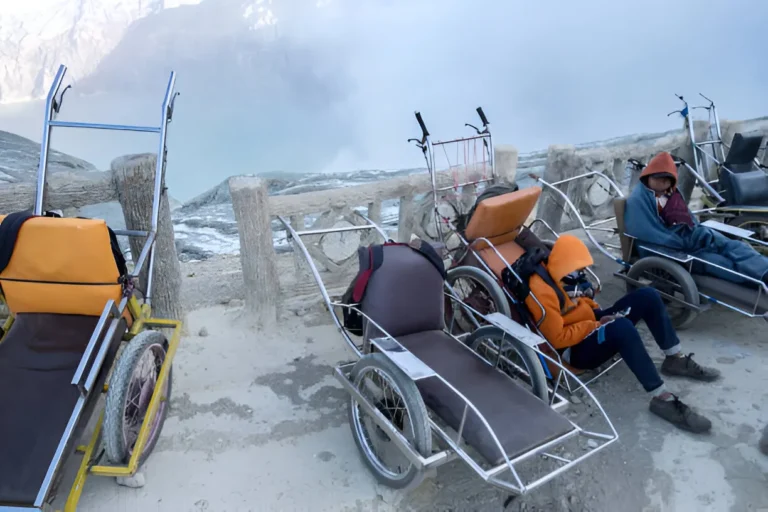
Kilimanjaro Climb With A Personal Support Assistant: Your Ultimate Guide
Climbing Mount Kilimanjaro with a personal support assistant offers unparalleled safety, comfort, and focus on your summit goals. This guide details what a personal assistant entails, its...
View package details
Kilimanjaro Hydration Mistakes Climbers Make And How To Avoid Them 2026-2027
Proper hydration is critical for a successful Kilimanjaro climb. This guide details common hydration mistakes climbers make, from under-drinking to choosing the wrong fluids, and provides...
View package details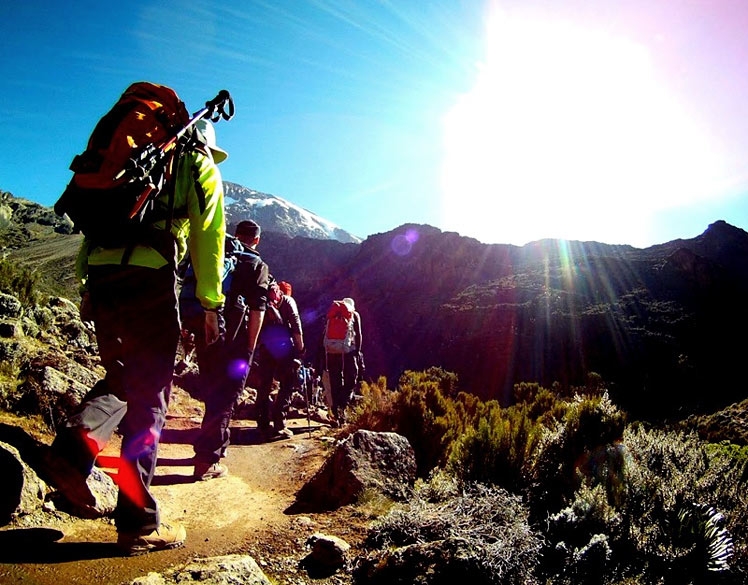
Kilimanjaro Summit-Night Mistakes To Avoid: Your Essential Guide For Climbs
Summit night on Kilimanjaro is the most challenging part of the climb. Avoiding common mistakes in acclimatization, gear, hydration, and pacing is crucial for success. This guide details...
View package detailsKilimanjaro Airport Vs Arusha For Climbers: The Definitive Guide 2026-2027
A comprehensive comparison of Kilimanjaro International Airport (JRO) and Arusha Airport (ARK) for trekkers planning a Mount Kilimanjaro climb, detailing pros, cons, and booking advice for...
View package details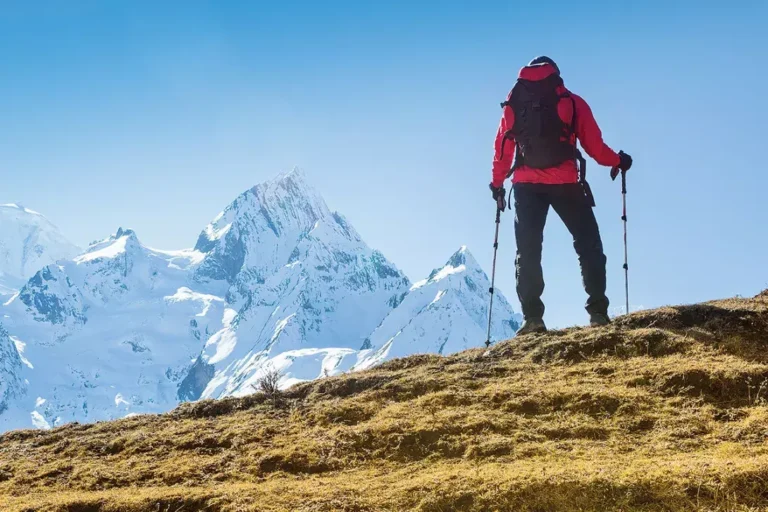
Kilimanjaro Climb For Retired Couples: Planning Your Adventure 2026-2027
Planning a Kilimanjaro climb as a retired couple is an achievable and rewarding goal. This guide offers in-depth advice on route selection, physical preparation, essential gear, and the...
View package detailsCan A 16-Year-Old Climb Kilimanjaro? Your Essential Guide 2026-2027
Discover if a 16-year-old can summit Kilimanjaro. This comprehensive guide covers age requirements, health, fitness, essential gear, and planning for younger trekkers aiming for Africa's...
View package detailsNo related package matches those filters. Clear one or more filters to see the other topic-matched options.



