
A Kilimanjaro climb combined with a coffee farm tour offers a unique adventure, blending the challenge of summiting Africa’s highest peak with an in-depth cultural experience in Tanzania’s lush coffee-growing regions. This dual-focus trip typically involves a 5-9 day trek up Kilimanjaro, followed by a day or two exploring local coffee plantations, learning about the bean-to-cup process, and interacting with farming communities, creating a well-rounded exploration of Tanzania’s natural beauty and cultural richness.

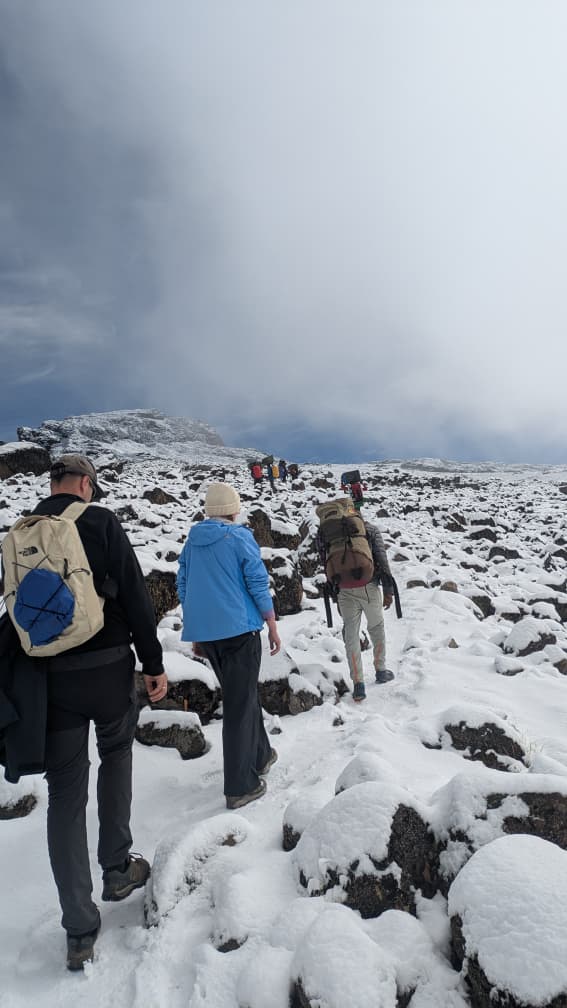

The Unforgettable Kilimanjaro Climb with Coffee Farm Tour Experience
For many adventurers, the dream of standing atop Mount Kilimanjaro, the Roof of Africa, is a lifelong ambition. Yet, Tanzania offers so much more than just its iconic peak. At Top Guide Adventures, we’ve curated a special experience that marries the exhilaration of a Kilimanjaro climb with the rich, aromatic world of Tanzanian coffee. This isn’t just a trek; it’s a journey into the heart of Tanzania, exploring its natural wonders and vibrant culture, particularly through the lens of its celebrated coffee heritage.
Imagine the sense of accomplishment after a challenging ascent, followed by the serene pleasure of walking through verdant coffee estates, understanding the journey of your morning brew from bean to cup. This combined adventure provides a holistic view of Tanzania, satisfying both the thrill-seeker and the culturally curious traveler. Whether you’re planning for 2026 or looking ahead to 2027, this unique itinerary promises memories that will last a lifetime.
Why Combine Kilimanjaro and Coffee? A Synergistic Adventure
The appeal of Mount Kilimanjaro is undeniable. Its status as the world’s highest free-standing mountain and its accessibility to those without extensive mountaineering experience draw thousands annually. However, Tanzania’s cultural landscape is equally compelling. The regions surrounding Kilimanjaro, particularly the fertile slopes of the mountain itself and nearby areas, are prime coffee-growing territories. Integrating a coffee farm tour into your Kilimanjaro expedition offers:
- Enhanced Cultural Immersion: Move beyond the mountain trails to engage directly with local communities, understand their livelihoods, and appreciate the significance of coffee farming in their economy and daily life.
- A Contrasting Pace: After the physical demands of climbing Kilimanjaro, the coffee farm tour provides a more relaxed, yet equally engaging, experience. It’s a chance to slow down, savor the scenery, and connect with the land and its people.
- Deeper Appreciation of Local Produce: Understand the hard work and dedication that goes into producing the high-quality coffee Tanzania is known for. This knowledge enriches the simple act of enjoying a cup of coffee.
- A More Complete Tanzanian Experience: This combination ensures you experience both the natural grandeur and the cultural richness that Tanzania has to offer, creating a more profound and memorable journey.
At Top Guide Adventures, we believe in creating journeys that are not just trips, but memorable experiences. Our Kilimanjaro climb with coffee farm tour is designed to offer precisely that. We handle all the logistics, from mountain permits and experienced guides to comfortable accommodations and insightful farm visits, allowing you to focus on the adventure itself. For those considering travel in 2026-2027, this integrated tour provides an excellent framework for planning.
Choosing Your Kilimanjaro Route: The Foundation of Your Climb
The success and enjoyment of your Kilimanjaro climb depend heavily on the route you choose. Each path offers a different experience in terms of scenery, difficulty, acclimatization profile, and camping style. While the coffee farm tour is a wonderful addition, the mountain climb remains the central challenge. Understanding your route options is crucial for planning a successful Kilimanjaro climb with coffee farm tour.
Popular Kilimanjaro Routes and Their Suitability
We recommend routes that offer better acclimatization to increase summit success rates and enhance the overall experience. These routes often provide more scenic beauty and a greater sense of solitude.
- Machame Route (Whiskey Route): Known for its scenic beauty and excellent acclimatization profile, the Machame route is often called the “Whiskey Route” because “if you want to drink, take the Marangu route; if you want to drink life, take the Machame route.” It typically takes 6-7 days. Its “climb high, sleep low” strategy is highly effective. This is a popular choice for our combined tours.
- Lemosho Route: Considered one of the most beautiful routes, Lemosho offers stunning panoramic views and a gradual ascent. It’s longer, usually 7-8 days, allowing for better acclimatization. It provides a true wilderness experience before merging with the Machame route.
- Marangu Route (Coca-Cola Route): This is the oldest and arguably the most straightforward route, often referred to as the “Coca-Cola Route.” It’s known for its “huts” accommodation instead of camping, making it seem more comfortable. However, its shorter duration and less gradual ascent mean a lower success rate compared to other routes. It can be done in 5 or 6 days.
- Northern Circuit: The longest route (9-10 days), offering the highest success rates due to its excellent acclimatization and the unique opportunity to circumnavigate the mountain, providing diverse and spectacular views from all sides. It’s ideal for those seeking a more relaxed pace and a deeper appreciation of the mountain’s grandeur.
For a Kilimanjaro climb with a coffee farm tour, we often suggest the Machame or Lemosho routes. Their 6-8 day durations provide ample time for acclimatization, increasing your chances of reaching the summit, and leave a few days post-climb for the coffee farm experience. Planning for 2026-2027 allows ample time to select the route that best suits your fitness, time, and desired experience.
Route Comparison: Key Factors for Decision-Making
Choosing the right route is paramount. Here’s a quick comparison to aid your decision:
Key Route Considerations:
- Duration: Longer routes (7+ days) generally offer better acclimatization and higher success rates.
- Scenery: Lemosho and Northern Circuit are often cited for their impressive views.
- Acclimatization: Routes like Lemosho, Machame, and Northern Circuit are designed for gradual ascent.
- Accommodation: Marangu offers huts; all other routes involve camping.
- Crowds: Marangu and Machame can be busier, especially during peak seasons. Lemosho and Northern Circuit offer more solitude.
The Coffee Farm Tour: A Taste of Tanzanian Culture
After the physical exertion of conquering Kilimanjaro, the coffee farm tour offers a refreshing change of pace and a deep look at Tanzanian culture. The regions around Kilimanjaro, particularly the slopes of the mountain itself and the nearby Arusha region, are home to fertile volcanic soil ideal for growing high-quality Arabica beans.
What to Expect on a Coffee Farm Visit
Our coffee farm tours are designed to be educational, engaging, and enjoyable. They typically include:
- Farm Exploration: You’ll walk through the coffee plantations, learning about different coffee varieties grown in Tanzania, such as Arabica and Robusta. Your guide will explain the optimal growing conditions, including soil type, altitude, and climate.
- The Cultivation Process: Understand the entire lifecycle of the coffee plant, from planting seedlings and nurturing them to flowering and fruit development. You’ll see the coffee cherries on the trees, learning about when they are ripe for harvesting.
- Harvesting and Processing: Witness or learn about the meticulous process of hand-picking ripe coffee cherries. You’ll then discover the methods used to process the beans, including washing, drying (on large patios or raised beds), and hulling to remove the outer layers.
- Roasting and Cupping: Experience the transformation of green beans into roasted coffee. Many tours include a demonstration of traditional roasting techniques and a chance to participate in a ‘cupping’ session – a professional tasting to evaluate the coffee’s aroma, flavor, body, and acidity. This is where you truly appreciate the nuances of Tanzanian coffee.
- Cultural Interaction: Engage with the farmers and their families. Learn about the economic importance of coffee in Tanzania, the challenges they face, and the sustainable practices they employ. This direct interaction offers invaluable insights into local life.
- Local Cuisine and Beverages: Often, tours conclude with a traditional Tanzanian meal or snacks, accompanied by freshly brewed coffee, allowing you to savor the fruits of the farm’s labor.
Choosing Your Coffee Experience
We partner with select, community-focused coffee estates and cooperatives that offer authentic and educational experiences. Depending on your post-climb schedule and interests, we can arrange half-day or full-day tours. Some tours might even include opportunities to purchase freshly roasted beans directly from the farm.
For travelers planning their Kilimanjaro climb with a coffee farm tour in 2026 or 2027, we recommend booking these experiences after your descent from the mountain. This allows for rest and recovery while still providing a stimulating cultural activity.
Planning Your Kilimanjaro Climb with Coffee Farm Tour: A Step-by-Step Guide
Organizing a trip that combines a challenging trek with a cultural immersion requires careful planning. Top Guide Adventures simplifies this process, ensuring a smooth experience from start to finish. Here’s what you need to consider:
1. Best Time to Travel (2026-2027)
The dry seasons are generally the best for climbing Kilimanjaro and enjoying outdoor activities like coffee farm tours. These periods offer clearer skies, less rain, and more stable weather conditions on the mountain.
- Peak Seasons: January-March and June-October. These months have the lowest rainfall and are ideal for trekking. Expect more trekkers on the mountain during these times.
- Shoulder Seasons: December and November. These months can also be good, though there’s a higher chance of rain.
- Wet Seasons: April-May and November. These are the least recommended times for climbing due to heavy rains, though you might find fewer crowds and lower prices.
For a Kilimanjaro climb with a coffee farm tour, the peak and shoulder seasons (e.g., July 2026, September 2027) are highly recommended to maximize your chances of a successful summit and enjoyable farm visits.
2. Duration of Your Trip
A typical Kilimanjaro climb takes 5-9 days, depending on the route. Adding a coffee farm tour, which can be a half-day or full-day excursion, requires an extra 1-2 days. Therefore, a comfortable itinerary would range from 8 to 12 days in total.
- Example Itinerary Length: 7-day Machame Route climb + 1-day coffee tour = 8 days total.
- Example Itinerary Length: 8-day Lemosho Route climb + 1-day coffee tour + 1-day relaxation in Arusha = 10 days total.
We recommend allocating sufficient time for recovery after the climb before embarking on the coffee tour to fully enjoy it.
3. Fitness and Preparation
Climbing Kilimanjaro is a significant physical challenge. While no technical climbing skills are required, good cardiovascular fitness is essential. Preparation should start months in advance.
- Cardiovascular Exercise: Focus on activities like hiking, running, cycling, and swimming.
- Strength Training: Strengthen your legs, core, and back muscles.
- Hiking Practice: Undertake long hikes with a weighted backpack, ideally on varied terrain, to simulate mountain conditions.
- Mental Preparation: Understand the challenges of high altitude and the commitment required.
The coffee farm tour is generally low-impact but requires walking. Ensure you are adequately recovered from your climb.
4. Packing Essentials
Packing correctly is vital for comfort and safety on Kilimanjaro. For the coffee farm tour, lighter, casual clothing is suitable.
Kilimanjaro Packing List Highlights:
- Layering System: Base layers (thermal), mid-layers (fleece), and outer layers (waterproof/windproof jacket and pants).
- Footwear: Broken-in hiking boots, camp shoes/sandals.
- Headwear: Warm hat, sun hat, balaclava.
- Handwear: Warm gloves, liner gloves.
- Sleeping Gear: Sleeping bag (rated to -10°C or -20°C), sleeping bag liner.
- Trekking Gear: Trekking poles, headlamp with extra batteries, sunglasses, high SPF sunscreen, lip balm.
- Personal Items: Water bottles/hydration reservoir, water purification tablets/filter, personal first-aid kit, toiletries.
Coffee Farm Tour Additions:
- Comfortable walking shoes or sandals.
- Lightweight clothing suitable for warm weather.
- Sunscreen and insect repellent.
- A small daypack for essentials.
5. Booking and Logistics with Top Guide Adventures
We make booking your Kilimanjaro climb with a coffee farm tour straightforward. Our packages are designed to be comprehensive, covering most essential aspects of your journey.
Top Guide Adventures Inclusions Typically Cover:
- Kilimanjaro Climb: Park fees, rescue fees, professional guides, assistant guides, porters, cook, all meals on the mountain, camping equipment (tents, mattresses), bottled drinking water, transfer to/from the mountain gate.
- Coffee Farm Tour: Transportation to/from the farm, guided tour, tasting, and lunch (depending on the package).
- Accommodation: Pre- and post-climb hotel nights in Arusha (often included).
- Support: 24/7 support from our team, pre-departure information.
Exclusions Typically Include:
- Flights to Kilimanjaro International Airport (JRO).
- Visa fees.
- Travel insurance (mandatory).
- Personal gear (clothing, sleeping bag, boots).
- Tips for guides, porters, and cook.
- Beverages other than water on the mountain.
- Optional expenses (e.g., souvenirs, extra snacks).
When planning for 2026 or 2027, early booking is advisable, especially for peak season dates. This ensures availability for your preferred Kilimanjaro route and dates, as well as coordination for the coffee farm tour. You can reach us via WhatsApp +255616946642 or email at topguideadventures@gmail.com for personalized quotes and assistance.
Understanding the Costs for Kilimanjaro Climb with Coffee Farm Tour (2026-2027)
The cost of a Kilimanjaro climb can vary significantly based on the route chosen, the duration of the climb, the number of people in your group, and the operator’s service level. Adding a coffee farm tour will incur an additional cost, but it’s generally a modest amount compared to the overall climb expenses.
Factors Influencing Kilimanjaro Climb Costs
The price you pay for your Kilimanjaro expedition is influenced by several key components:
- Park and Camping Fees: These are fixed by the Tanzanian government and constitute a substantial portion of the cost. They include daily entry fees, conservation fees, and camping/hut fees.
- Route Length: Longer routes require more days of park fees, guide/porter salaries, and food, thus increasing the overall cost.
- Operator’s Standards: Reputable operators like Top Guide Adventures prioritize ethical treatment of porters, high guide-to-client ratios, quality equipment, and delicious, nutritious food. These standards translate to higher operational costs but ensure a safer and more enjoyable climb. Be wary of unusually cheap packages, as they often compromise on safety, porter welfare, or food quality.
- Group Size: Private climbs are more expensive per person than joining a group departure. We offer both options.
- Inclusions: The more items included in the package (e.g., pre/post-climb accommodation, airport transfers, extra meals), the higher the price.
Estimated Cost Range for 2026-2027
For a standard 7-day climb with a reputable operator in 2026-2027, you can expect costs to range from approximately $2,000 to $3,500 USD per person for a group climb. Longer routes like Lemosho or Northern Circuit, or private climbs, will be at the higher end of this spectrum or exceed it.
This estimate generally covers the full climb package, including park fees, guides, porters, food, and basic pre/post-climb accommodation. It does not typically include flights, visas, insurance, personal gear, or tips.
Additional Cost for Coffee Farm Tour
A typical half-day or full-day coffee farm tour, including transportation and a tasting, might add an additional $50 to $150 USD per person to your total trip cost. This is a small investment for a significant cultural experience.
For a precise quote tailored to your chosen route, dates in 2026 or 2027, and group size, please contact Top Guide Adventures directly. We are committed to transparency and providing excellent value for your investment.
The Role of Guides and Support Crew
The success and safety of your Kilimanjaro climb hinge on the expertise and dedication of your guides and support crew. At Top Guide Adventures, we employ highly trained professionals who are passionate about mountains and committed to your well-being.
Our Professional Kilimanjaro Guides
Our lead guides are not just mountaineers; they are experienced professionals with:
- Extensive Knowledge: They possess deep knowledge of Kilimanjaro’s routes, geology, flora, fauna, and weather patterns.
- First Aid & Wilderness Medicine: They are certified in advanced first aid and wilderness medicine, equipped to handle altitude sickness and other medical emergencies.
- Communication Skills: They are adept at communicating vital information about acclimatization, safety, and the surrounding environment.
- Morale Boosting: They are skilled motivators, crucial for keeping spirits high during challenging parts of the trek.
The Essential Support Crew
A typical Kilimanjaro expedition involves a larger team:
- Assistant Guides: They support the lead guide, ensuring the group stays together and providing individual attention.
- Porters: These strong individuals carry the bulk of the equipment, including tents, food, cooking gear, and your personal duffel bags (up to a certain weight limit). They are the backbone of the operation.
- Cooks: Our cooks prepare delicious and nutritious meals, vital for maintaining energy levels throughout the climb. They are skilled at creating varied menus even in remote conditions.
We are deeply committed to the ethical treatment of our crew, ensuring they are well-paid, properly equipped, and fed. This commitment not only reflects our values but also contributes to a more positive and efficient team dynamic, enhancing your overall Kilimanjaro climb experience.
Altitude Sickness: Prevention and Management
Altitude sickness (Acute Mountain Sickness – AMS) is the most common health issue faced by Kilimanjaro climbers. Understanding its causes, symptoms, and how to prevent and manage it is critical for a safe and successful ascent.
Understanding AMS
AMS occurs when your body doesn’t have enough time to adjust to the lower levels of oxygen at higher altitudes. Symptoms can range from mild to severe.
Common Symptoms of AMS:
- Headache
- Nausea and vomiting
- Dizziness or lightheadedness
- Fatigue and weakness
- Loss of appetite
- Difficulty sleeping
More severe forms include High Altitude Pulmonary Edema (HAPE) and High Altitude Cerebral Edema (HACE), which are life-threatening and require immediate descent.
Prevention Strategies
The best way to prevent AMS is through gradual ascent and proper acclimatization. This is why choosing longer routes like Machame or Lemosho is highly recommended for your Kilimanjaro climb.
- Ascend Slowly: “Pole Pole” (slowly, slowly) is the mantra on Kilimanjaro. Allow your body time to adapt.
- Hydrate Well: Drink plenty of water (3-4 liters per day). Avoid alcohol and caffeine, which can dehydrate you.
- Eat Well: Maintain a good intake of carbohydrates, which are easily digestible and provide energy.
- Avoid Strenuous Activity on Arrival: Upon reaching higher altitudes, take it easy.
- Consider Diamox (Acetazolamide): Consult your doctor about taking Diamox, a prescription medication that can help speed up acclimatization. It is not a substitute for proper ascent but can be a valuable aid.
Management on the Mountain
Our guides are trained to recognize the symptoms of AMS. If symptoms appear, they will:
- Assess the climber’s condition.
- Advise rest and hydration.
- Consider medication if appropriate.
- Crucially, if symptoms worsen or persist, they will order a descent. Descending even a few hundred meters can make a significant difference.
Your safety is our top priority. Never ignore symptoms of altitude sickness. Communicate openly with your guide about how you are feeling.
Sustainability and Ethical Tourism Practices
At Top Guide Adventures, we are passionate about preserving the natural beauty of Kilimanjaro and supporting the local communities. We are committed to responsible and ethical tourism practices.
Environmental Responsibility
- Leave No Trace: We strictly adhere to Leave No Trace principles, packing out all waste, minimizing our impact on trails, and respecting wildlife.
- Waste Management: Proper disposal and recycling of waste are prioritized.
- Resource Conservation: We encourage the conservation of water and fuel resources on the mountain.
Porter Welfare
The Kilimanjaro Porters Assistance Project (KPAP) guidelines are central to our operations. We ensure:
- Fair Wages: Porters receive fair wages that meet or exceed industry standards.
- Proper Equipment: They are provided with adequate clothing, shelter, and sleeping gear.
- Sufficient Food and Water: Porters receive the same quality and quantity of food as clients.
- Humane Load Limits: We adhere to strict weight limits for porter loads.
- Respect and Dignity: All crew members are treated with respect and dignity.
Choosing Top Guide Adventures means supporting a company that values the well-being of its staff and the environment. This commitment enhances the experience for everyone involved in your Kilimanjaro climb with a coffee farm tour.
Sample Itinerary: 8-Day Kilimanjaro Climb (Machame) with Coffee Farm Tour
This sample itinerary provides a framework for a memorable Kilimanjaro climb combined with a cultural coffee experience. Specific dates in 2026 or 2027 can be customized.
Day 1: Arrival in Arusha
Arrive at Kilimanjaro International Airport (JRO). You will be met by our representative and transferred to your hotel in Arusha for a briefing and rest. Enjoy a welcome dinner.
Day 2: Arusha to Machame Gate to Machame Camp
After breakfast, drive to Machame Gate (approx. 1,800m). Complete registration and meet your climbing crew. Begin your trek through the lush rainforest towards Machame Camp (approx. 3,000m). This is a moderate hike, about 5-7 hours.
Day 3: Machame Camp to Shira Camp
Hike from Machame Camp towards Shira Camp (approx. 3,800m). The trail involves ascending through moorland, with increasingly spectacular views. This trek takes about 4-6 hours.
Day 4: Shira Camp to Barranco Camp
Today involves a scenic trek, crossing the Shira Plateau and descending slightly to Barranco Camp (approx. 3,950m). You’ll enjoy stunning views of the Kibo massif. The hike is about 5-7 hours.
Day 5: Barranco Camp to Karanga Camp
A challenging but rewarding day, involving climbing the Great Barranco Wall, followed by a trek across alpine desert to Karanga Camp (approx. 4,200m). This section offers incredible vistas. The trek takes about 3-5 hours.
Day 6: Karanga Camp to Barafu Camp
Trek from Karanga Camp to Barafu Camp (approx. 4,600m), the base camp for your summit attempt. The landscape becomes increasingly barren and rocky. You’ll rest and prepare for the summit push. The hike is about 3-5 hours.
Day 7: Summit Day! Barafu Camp to Uhuru Peak to Mweka Camp
An early start (around midnight) for the summit! Ascend Stella Point (5,756m) and then continue to Uhuru Peak (5,895m), the highest point in Africa. Celebrate your achievement and descend to Barafu Camp for a short rest before continuing down to Mweka Camp (approx. 3,100m). This is a very long and demanding day (10-15 hours).
Day 8: Mweka Camp to Mweka Gate to Arusha
Descend from Mweka Camp through the rainforest to Mweka Gate (approx. 1,650m). Celebrate your successful climb with your crew. Transfer back to your hotel in Arusha.
Day 9: Coffee Farm Tour & Departure
After a relaxing morning in Arusha, start a fascinating half-day tour of a local coffee plantation. Learn about the coffee-making process from bean to cup, enjoy a tasting, and interact with local farmers. Afterwards, you will be transferred to Kilimanjaro International Airport (JRO) for your departure, or extend your stay for further exploration in Tanzania.
This itinerary can be adjusted. For instance, a 9-day climb like Lemosho might be combined with a full day at the coffee farm and an extra day in Arusha for a more relaxed pace. When planning for 2026-2027, discuss these customization options with us.
Preparing for Your Coffee Farm Experience
While the coffee farm tour is a much more relaxed activity than climbing Kilimanjaro, a little preparation ensures you get the most out of it.
- Attire: Wear comfortable, casual clothing suitable for warm weather. Light trousers or shorts and a t-shirt are ideal. Comfortable walking shoes or sturdy sandals are recommended, as you’ll be walking through fields and potentially on uneven ground.
- Sun Protection: The Tanzanian sun can be intense. Bring sunscreen, a hat, and sunglasses.
- Insect Repellent: While not usually a major issue on coffee farms, it’s always good to have repellent handy, especially if you are prone to insect bites.
- Camera: You’ll want to capture the beautiful scenery and the process.
- Questions: Come with an open mind and plenty of questions! The farmers and guides are eager to share their knowledge and passion.
- Cash: If you wish to purchase coffee beans or local crafts directly from the farm, it’s advisable to carry some Tanzanian Shillings or USD in small denominations.
This cultural interlude provides a wonderful contrast to the physical demands of the mountain, offering a chance to connect with the people and the land that produce Tanzania’s famed coffee.
Beyond the Climb and Coffee: Exploring More of Tanzania
While the Kilimanjaro climb with a coffee farm tour is a fantastic experience, Tanzania offers a wealth of other attractions. If time permits, consider extending your adventure with Top Guide Adventures.
- Serengeti Safari: Witness the Great Migration, spot the Big Five, and experience the vast savannas.
- Ngorongoro Crater: Explore this unique caldera, a haven for diverse wildlife.
- Zanzibar Holidays: Relax on pristine beaches, explore historical Stone Town, and enjoy spice tours.
- Cultural Tourism: Visit local villages, learn about traditional lifestyles, and experience authentic Tanzanian hospitality.
We specialize in creating comprehensive Tanzanian itineraries. Whether you’re planning a safari before your climb or a beach holiday afterwards, we can tailor a package to suit your interests and budget for 2026-2027. Explore our group safari departures or request a tailor-made journey.
Why Choose Top Guide Adventures for Your Kilimanjaro Climb and Coffee Tour?
Selecting the right tour operator is crucial for a successful and enjoyable Kilimanjaro climb with a coffee farm tour. Top Guide Adventures stands out for several key reasons:
- Local Expertise: As a leading Tanzanian tour company, we have unparalleled knowledge of the region, its people, and its natural wonders.
- Safety First: Your safety is our utmost priority. We adhere to strict safety protocols, employ experienced guides, and ensure proper acclimatization procedures are followed.
- Ethical Operations: We are committed to fair treatment of our staff, porter welfare, and environmental sustainability.
- Personalized Service: We offer dedicated support and personal attention to every client, from initial inquiry to post-trip follow-up.
- Quality Experience: We focus on providing high-quality services, including nutritious meals, reliable equipment, and comfortable accommodations, ensuring a memorable adventure.
- Customization: We excel at creating tailor-made itineraries, whether you want a specific Kilimanjaro route, extended coffee farm experiences, or combined adventures like safaris and beach holidays.
We invite you to read reviews from our satisfied clients on platforms like TripAdvisor to see why travelers trust us for their adventures. Our commitment is to provide you with an unforgettable Kilimanjaro climb and a rich cultural immersion into Tanzania’s coffee heritage. For inquiries about our 2026-2027 offerings or to discuss your dream trip, please contact us.
Ready to Book Your Kilimanjaro Climb with Coffee Farm Tour in 2026-2027?
The combination of conquering Kilimanjaro and exploring the world of Tanzanian coffee offers a truly unique and enriching travel experience. It’s an adventure that challenges you physically, rewards you culturally, and leaves you with a profound appreciation for Tanzania.
Whether you are dreaming of reaching Uhuru Peak or savoring the aroma of freshly roasted beans, Top Guide Adventures is here to make your journey exceptional. We are passionate about sharing the magic of Tanzania with you.
Contact us today to start planning your unforgettable Kilimanjaro climb with a coffee farm tour for 2026 or 2027.
- WhatsApp: +255616946642
- Email: topguideadventures@gmail.com
- Backup Email: info@topguideadventures.com
- Website: www.topguideadventures.com
Let us guide you to the summit and introduce you to the heart of Tanzanian coffee culture. We look forward to helping you create memories that will last a lifetime.
Check Availability for Kilimanjaro Climb With Coffee Farm Tour: Your Ultimate Tanzania Adventure
Ready to compare dates, prices, and the best option for your group? Send the package name and travel month so the team can reply with a clear quote, availability, and what is included.
Kilimanjaro Climb With A Personal Support Assistant: Your Ultimate Guide
Climbing Mount Kilimanjaro with a personal support assistant offers unparalleled safety, comfort, and focus on your summit goals. This guide details what a personal assistant entails, its...
View package detailsKilimanjaro Hydration Mistakes Climbers Make And How To Avoid Them 2026-2027
Proper hydration is critical for a successful Kilimanjaro climb. This guide details common hydration mistakes climbers make, from under-drinking to choosing the wrong fluids, and provides...
View package details
Kilimanjaro Summit-Night Mistakes To Avoid: Your Essential Guide For Climbs
Summit night on Kilimanjaro is the most challenging part of the climb. Avoiding common mistakes in acclimatization, gear, hydration, and pacing is crucial for success. This guide details...
View package details
Kilimanjaro Airport Vs Arusha For Climbers: The Definitive Guide 2026-2027
A comprehensive comparison of Kilimanjaro International Airport (JRO) and Arusha Airport (ARK) for trekkers planning a Mount Kilimanjaro climb, detailing pros, cons, and booking advice for...
View package details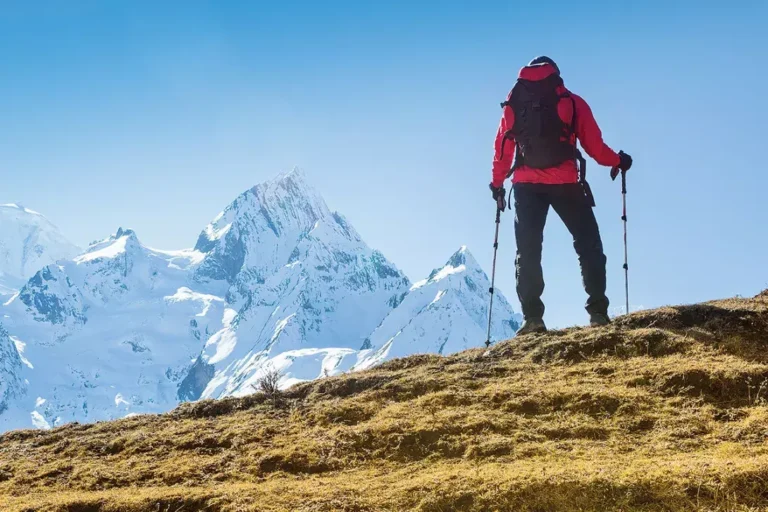
Kilimanjaro Climb For Retired Couples: Planning Your Adventure 2026-2027
Planning a Kilimanjaro climb as a retired couple is an achievable and rewarding goal. This guide offers in-depth advice on route selection, physical preparation, essential gear, and the...
View package details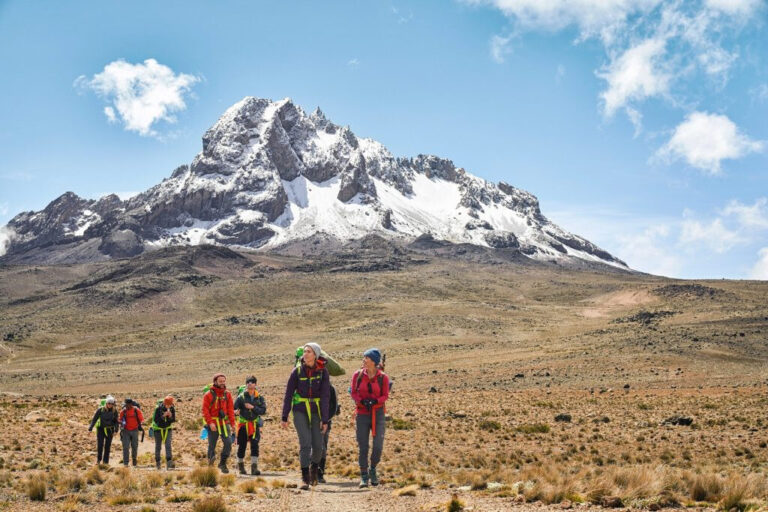
Can A 16-Year-Old Climb Kilimanjaro? Your Essential Guide 2026-2027
Discover if a 16-year-old can summit Kilimanjaro. This comprehensive guide covers age requirements, health, fitness, essential gear, and planning for younger trekkers aiming for Africa's...
View package details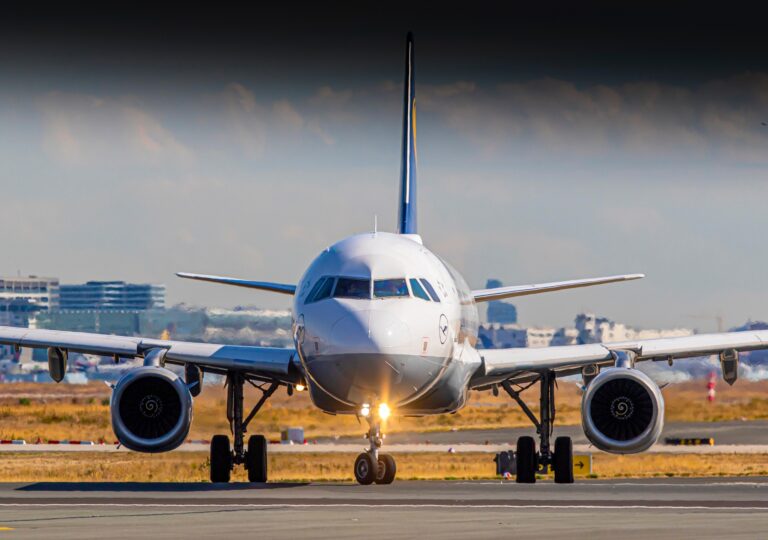
Content For Parents And Young Climbers: Conquering Kilimanjaro Safely
Planning a Kilimanjaro climb with children or as a young climber requires special attention. This guide provides comprehensive content for parents and young adventurers, covering...
View package details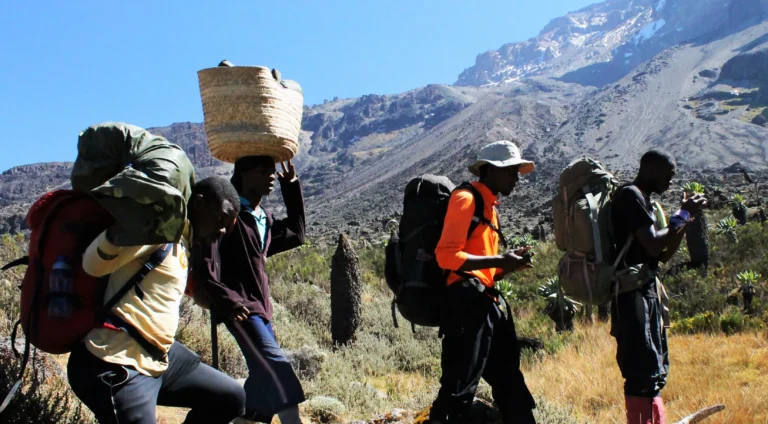
Kilimanjaro Tree-Planting Climbing Package Guide
Combine your dream Kilimanjaro climb with a meaningful conservation effort. Our Kilimanjaro Tree-Planting Climbing Package allows you to ascend Africa's highest peak while actively...
View package details
What Happens If It Rains Throughout Your Kilimanjaro Climb? 2026-2027
What Happens If It Rains throughout Your Kilimanjaro Climb? is explained with current 2026-2027 planning, price, itinerary and booking information.
View package details
Kilimanjaro Early-Bird Climbing Discounts For Adventures 2026-2027
Plan your 2026-2027 Kilimanjaro climb and take advantage of early-bird discounts. Top Guide Adventures offers savings for those who book in advance, ensuring a memorable and affordable...
View package details
Kilimanjaro Private Climb Price For One Person: Your Guide 2026-2027
Planning a solo ascent of Mount Kilimanjaro? This guide details the Kilimanjaro private climb price for one person, covering cost factors, inclusions, and essential planning for 2026-2027.
View package details
Kilimanjaro Wellness Retreat For Non-Climbers: Rejuvenate Near Africas
Experience the serene beauty and restorative power of Tanzania without the arduous climb. Our Kilimanjaro wellness retreats for non-climbers offer a unique blend of relaxation, cultural...
View package detailsNo related package matches those filters. Clear one or more filters to see the other topic-matched options.



