
A Kilimanjaro climb with a pre-trip video consultation from Top Guide Adventures ensures you are fully prepared for your 2026-2027 ascent by connecting you directly with experienced guides for personalized planning, route advice, gear recommendations, and logistical support before you travel.
Your Kilimanjaro Climb in 2026-2027 Starts with Expert Guidance
The dream of standing on the Roof of Africa, Mount Kilimanjaro, is a powerful motivator for adventurers worldwide. As you plan your 2026 or 2027 expedition, the sheer volume of information can be overwhelming. Which route is best for you? What gear is essential? How do you prepare physically and mentally? Top Guide Adventures understands these challenges and has introduced a crucial service designed to give you confidence and clarity: the Kilimanjaro climb with pre-trip video consultation. This isn’t just a phone call; it’s a dedicated session with one of our seasoned Kilimanjaro experts, tailored to your specific needs and questions, ensuring your climb is not only memorable but also as safe and successful as possible.
This in-depth guide will walk you through every aspect of planning a Kilimanjaro climb with this unique consultation service, from understanding its benefits to preparing for your actual video call. We’ll cover route options, essential gear, training advice, and what to expect on the mountain, all viewed through the lens of personalized pre-trip guidance. Whether you’re eyeing a 2026 summit or planning for 2027, this resource, combined with your personal video consultation, will equip you to tackle Kilimanjaro with informed confidence.
Why a Pre-Trip Video Consultation is Essential for Your Kilimanjaro Climb
In today’s connected world, virtual communication has revolutionized how we plan complex trips. For an undertaking as significant as climbing Mount Kilimanjaro, a video consultation offers distinct advantages over traditional email or phone calls:
- Personalized Attention: Unlike generic FAQs or online guides, a video consultation allows for a direct, face-to-face (virtually) conversation where you can ask specific questions about your fitness, experience, and concerns. Our guides can assess your situation and offer tailored advice.
- Visual Aids and Demonstrations: During a video call, guides can share their screens to show route maps, discuss terrain visually, or even demonstrate how to pack a specific piece of gear. This visual element greatly enhances understanding.
- Building Trust and Rapport: Meeting your guide virtually before your trip helps build a connection. You get a feel for their expertise and personality, which can be reassuring when entrusting them with your safety on the mountain.
- Clarifying Complexities: Kilimanjaro involves many variables – acclimatization, altitude sickness, packing lists, and daily camp life. A video consultation provides a dynamic platform to clarify these complexities in real-time.
- Informed Decision-Making: Whether it’s choosing the right route for your 2026 or 2027 climb, understanding the best time to go, or deciding on essential clothing, our consultation helps you make informed choices aligned with your goals and capabilities.
- Logistical Efficiency: We can discuss visa requirements, travel insurance, pre and post-climb accommodation, and airport transfers efficiently, ensuring all logistical aspects are covered.
This proactive approach, facilitated by a Kilimanjaro climb with pre-trip video consultation, significantly reduces pre-trip anxiety and maximizes your readiness for the challenge ahead.
Choosing Your Kilimanjaro Route: Expert Insights from Your Consultation
Selecting the right route is arguably the most critical decision you’ll make for your Kilimanjaro climb. With several options available, each offering a unique experience, duration, and success rate, your video consultation is the ideal time to discuss these with an expert. Top Guide Adventures offers guidance on all major routes, and your consultation will help determine the best fit for your 2026-2027 adventure.
The Marangu Route: The Coca-Cola Route
Often called the “Coca-Cola” route due to its popularity and relatively gentler ascent profile, Marangu is the oldest and perhaps the most straightforward route. It’s known for its hut accommodations, offering a different experience from camping on other routes.
- Duration: 5 to 6 days.
- Pros: Hut accommodation, distinct ascent and descent paths (minimizing foot traffic conflicts), arguably the most scenic route with continuous views.
- Cons: Lower acclimatization profile, leading to lower success rates compared to longer routes. Can be crowded.
- Consultation Focus: We’ll discuss if the shorter duration and hut comfort align with your goals, and importantly, the implications for acclimatization and summit success for your 2026 climb.
The Machame Route: The “Whiskey” Route
The Machame route is the most popular route, favored for its scenic beauty and excellent acclimatization profile, leading to higher success rates. It involves camping throughout the trek.
- Duration: 6 to 7 days.
- Pros: Excellent acclimatization (trekking high, sleeping low), stunning scenery, high summit success rates, diverse landscapes.
- Cons: Can be steep in places, requires camping, more challenging than Marangu.
- Consultation Focus: We’ll detail the “climb high, sleep low” strategy, show you the day-by-day itinerary, and explain why its 7-day option is highly recommended for acclimatization for your 2027 expedition.
The Lemosho Route: The Premier Scenic Route
Considered by many to be the most beautiful route, Lemosho offers a remote and wild experience, especially in its early days. It boasts excellent acclimatization and high success rates, particularly when extended to 7 or 8 days.
- Duration: 7 to 8 days.
- Pros: Exceptional scenery, remote feel, excellent acclimatization, high success rates, diverse wildlife viewing opportunities in the initial stages.
- Cons: Longer duration, higher cost due to initial park fees and remoteness.
- Consultation Focus: We can share stunning imagery of the Lemosho trail, discuss its remote starting point, and highlight how its 8-day variation maximizes your chances of reaching Uhuru Peak in 2026.
The Shira Route: An Alternative Scenic Start
Similar to Lemosho, the Shira route starts with a vehicle ascent to a higher altitude, offering immediate scenic rewards. It converges with Machame later on.
- Duration: 7 to 8 days.
- Pros: Starts at a higher altitude, good acclimatization, scenic.
- Cons: Initial high altitude start can be challenging for some, requires camping.
- Consultation Focus: Your consultation will clarify the pros and cons of starting at a higher altitude and how it compares to Lemosho for your specific fitness level in 2027.
The Rongai Route: The Arid Eastern Approach
Rongai is the only route that approaches Kilimanjaro from the north, offering a different perspective and a drier trek, making it a good option during wetter months.
- Duration: 6 to 7 days.
- Pros: Less crowded, good acclimatization, begins in a drier region, good success rates.
- Cons: Less scenic variety compared to western routes, descent is via the Marangu route.
- Consultation Focus: We’ll discuss the unique environmental conditions of the northern approach and whether its quieter trails are a priority for your 2026 climb.
The Northern Circuit: The Longest and Most Scenic
The Northern Circuit is the longest route, circling the mountain and offering the best acclimatization and highest success rates. It allows for a more relaxed pace and maximum appreciation of the diverse landscapes.
- Duration: 9 to 10 days.
- Pros: Highest success rate, best acclimatization, most scenic, least crowded, allows for a more relaxed pace.
- Cons: Longest duration, highest cost.
- Consultation Focus: If you’re seeking the ultimate Kilimanjaro experience with the highest probability of success for 2027, we’ll detail the extensive itinerary and benefits of this premium route.
The Umbwe Route: The Most Challenging
Umbwe is the shortest, steepest, and most direct route, making it the most challenging. It is generally recommended for experienced and very fit hikers.
- Duration: 6 days.
- Pros: Direct and challenging for experienced hikers.
- Cons: Steep, rapid ascent, poor acclimatization, very low success rates, not recommended for most climbers.
- Consultation Focus: We will strongly advise against this route unless you are an extremely experienced high-altitude mountaineer, explaining the significant risks associated with its rapid ascent for your 2026 trip.
During your Kilimanjaro climb with pre-trip video consultation, we will use maps and discuss your personal hiking experience, fitness level, and time availability to help you select the route that best suits your aspirations for 2026-2027.
Key Considerations for Route Selection Discussed in Your Consultation:
- Success Rate: Longer routes (7+ days) generally have higher success rates due to better acclimatization.
- Scenery: Routes like Lemosho and Northern Circuit are renowned for their impressive views.
- Crowds: Marangu and Machame are more popular and can be crowded, while Rongai and Northern Circuit are quieter.
- Accommodation: Marangu offers huts; all other routes involve camping.
- Fitness Level: Routes vary in steepness and daily mileage.
- Time: Longer routes provide more time for acclimatization and enjoyment.
Preparing Your Body and Mind: Training and Acclimatization Advice
Climbing Kilimanjaro is a significant physical and mental challenge. Your pre-trip video consultation is the perfect opportunity to discuss a personalized training plan and understand the critical importance of acclimatization.
Physical Training for Your Kilimanjaro Climb
While you don’t need to be an elite athlete, a good level of cardiovascular fitness is essential. Your guide can offer specific advice based on your current activity level:
- Cardiovascular Endurance: Focus on activities like hiking (with a backpack), running, cycling, or swimming for at least 3-4 times a week. Aim for sessions of 45-60 minutes.
- Hiking with Weight: Practice hiking on varied terrain, gradually increasing the weight in your backpack (start with 5-10 kg and build up to 15-20 kg). This simulates carrying your daypack and essentials on the mountain.
- Strength Training: Focus on leg strength (squats, lunges, calf raises) and core strength.
- Stamina Building: Incorporate longer hikes, ideally on weekends, building up to a full day’s hike with significant elevation gain. Try to mimic Kilimanjaro’s conditions as much as possible.
- Consistency is Key: Start your training at least 2-3 months before your planned 2026 or 2027 climb.
Understanding Altitude and Acclimatization
Altitude sickness (Acute Mountain Sickness – AMS) is the primary concern on Kilimanjaro. Proper acclimatization is non-negotiable. Your video consultation will emphasize:
- Pacing “Pole Pole”: This Swahili phrase means “slowly, slowly.” It’s the mantra for climbing Kilimanjaro. Ascending too quickly is the main cause of AMS.
- Hydration: Drink plenty of water (3-5 liters per day). Dehydration exacerbates altitude symptoms.
- Avoiding Alcohol and Smoking: These hinder acclimatization.
- Gradual Ascent: Longer routes (7+ days) are designed for better acclimatization. Your guide will explain how daily ascent profiles contribute to this.
- Recognizing Symptoms: Headache, nausea, dizziness, and fatigue are common early signs. Your guide will teach you how to identify and communicate these symptoms.
- Descent as Treatment: The only cure for severe AMS is to descend. Your guide’s decision on descent is final and paramount for safety.
Your Kilimanjaro climb with pre-trip video consultation will include a detailed discussion on how to prepare your body and mind, ensuring you are physically capable and mentally prepared for the altitude challenges of 2026-2027.
Essential Gear for Your Kilimanjaro Climb: A Comprehensive List
Packing correctly is vital for comfort and safety on Kilimanjaro. Your video consultation will allow us to go through a detailed gear list, helping you understand the purpose of each item and make informed purchasing or rental decisions.
Clothing: Layering is Crucial
Temperatures on Kilimanjaro can range from tropical at the base to freezing at the summit. Layering is the key to managing your body temperature.
- Base Layers: Moisture-wicking thermal tops and bottoms (merino wool or synthetic). Bring 2-3 sets.
- Mid Layers: Fleece jackets or down vests for insulation.
- Outer Layer (Shell): Waterproof and windproof jacket and trousers (Gore-Tex or similar). Essential for summit night.
- Insulated Jacket: A warm down or synthetic insulated jacket for evenings and summit night.
- Trekking Trousers: Comfortable, quick-drying hiking trousers (avoid jeans). 2 pairs.
- Trekking Shirts: Moisture-wicking short and long-sleeved shirts. 3-4 total.
Footwear: Comfort and Protection
- Hiking Boots: Broken-in, waterproof, mid-to-high ankle support boots. This is your most important piece of gear.
- Camp Shoes: Comfortable sandals or trainers for use at camp.
- Socks: Several pairs of warm, moisture-wicking hiking socks (wool or synthetic). Liner socks can help prevent blisters.
Headwear and Handwear: Essential for Warmth
- Warm Hat: A fleece or wool hat that covers your ears.
- Sun Hat: A wide-brimmed hat for sun protection during the day.
- Balaclava/Buff: For protection against wind and cold on summit night.
- Gloves: Warm, waterproof outer gloves and thinner liner gloves.
Sleeping Gear: Staying Warm at Altitude
- Sleeping Bag: A 4-season (rated to -15°C / 0°F or lower) sleeping bag is recommended.
- Sleeping Bag Liner: Adds warmth and keeps your bag clean.
- Sleeping Pad: Usually provided by the operator, but confirm during your consultation.
Trekking Poles: Reducing Strain
- Trekking Poles: Highly recommended for reducing strain on knees, especially during descents.
Other Essentials
- Backpack: A comfortable daypack (30-40 liters) for carrying essentials during the day.
- Duffel Bag: A large, waterproof duffel bag (80-100 liters) for your main gear, carried by porters.
- Headlamp: With extra batteries. Crucial for summit night and around camp.
- Water Bottles/Hydration Reservoir: At least 3 liters capacity. Insulated covers are recommended for cold weather.
- Sunscreen: High SPF.
- Lip Balm: With SPF.
- Sunglasses: UV protection.
- Personal First-Aid Kit: Include blister treatment, pain relievers, antiseptic wipes, and any personal medications.
- Toiletries: Biodegradable soap, toothbrush, toothpaste, wet wipes.
- Camera: With extra batteries and memory cards.
- Power Bank: For charging devices.
- Snacks: High-energy snacks like nuts, dried fruit, energy bars.
- Passport, Visa, and Money: Keep these secure.
Your Kilimanjaro climb with pre-trip video consultation will allow us to review this list item by item, discuss rental options for larger items like sleeping bags, and answer any questions you have about specific gear choices for your 2026-2027 trek.
What to Expect on Your Kilimanjaro Climb: A Day-by-Day Overview
Understanding the typical progression of a Kilimanjaro climb will help you mentally prepare. While itineraries vary by route, the general pattern involves ascending through distinct ecological zones and acclimatizing gradually. Your video consultation can provide a more detailed, route-specific daily breakdown.
The Ecological Zones of Kilimanjaro
Kilimanjaro boasts an incredible diversity of landscapes, moving through five distinct climate zones:
- Cultivation Zone (approx. 800m – 1800m): Lush farmlands at the base.
- Rainforest Zone (approx. 1800m – 2800m): Dense, humid forest, home to monkeys and birds.
- Heath Zone (approx. 2800m – 4000m): More open moorland with giant heathers and unique flora like giant groundsels.
- Alpine Desert Zone (approx. 4000m – 5000m): Arid, desert-like conditions with sparse vegetation, cold nights, and intense sun.
- Arctic Zone (above 5000m): The summit zone, characterized by ice, snow, and extreme cold.
A Typical Kilimanjaro Climb Structure (e.g., Machame Route – 7 Days)
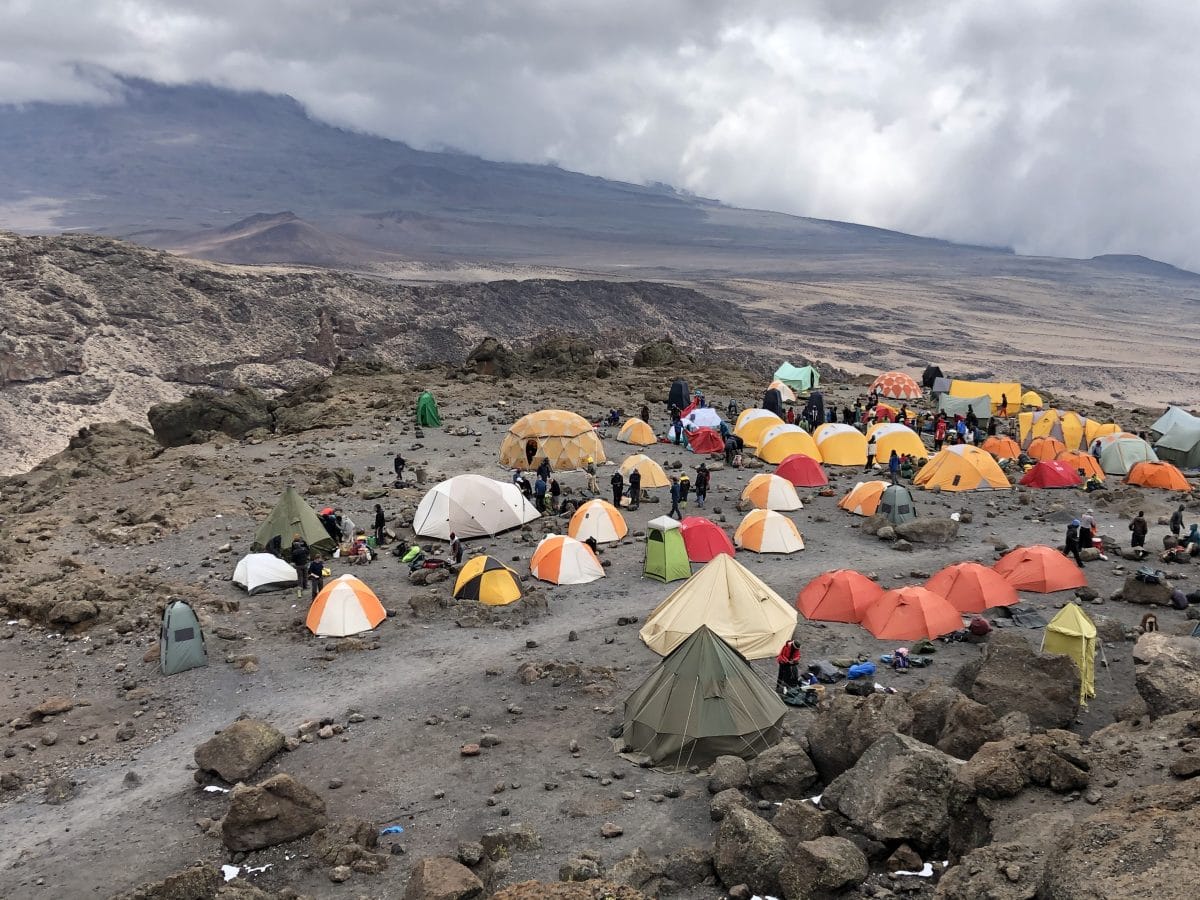
Day 1: Machame Gate (1,800m) to Machame Camp (3,000m)
Trek: 5-7 hours. A relatively gentle start through the rainforest. Porters will carry the bulk of your gear.
Day 2: Machame Camp (3,000m) to Shira 2 Camp (3,850m)
Trek: 4-6 hours. Ascend out of the forest into moorland. Enjoy stunning views of Shira Plateau.
Day 3: Shira 2 Camp (3,850m) to Barranco Camp (3,950m)
Trek: 5-7 hours. A day of acclimatization, traversing high moorland and volcanic scree. The “climb high, sleep low” principle is evident as you reach Lava Tower (4,600m) before descending to Barranco.
Day 4: Barranco Camp (3,950m) to Karanga Camp (4,000m)
Trek: 3-5 hours. Includes the famous Barranco Wall scramble, a challenging but rewarding section offering incredible vistas.
Day 5: Karanga Camp (4,000m) to Barafu Camp (4,650m)
Trek: 3-5 hours. Ascend through the alpine desert towards the scree slopes below the summit cone. This is a crucial day for acclimatization before summit night.
Day 6: Summit Day! Barafu Camp (4,650m) to Uhuru Peak (5,895m) and descend to Mweka Camp (3,100m)
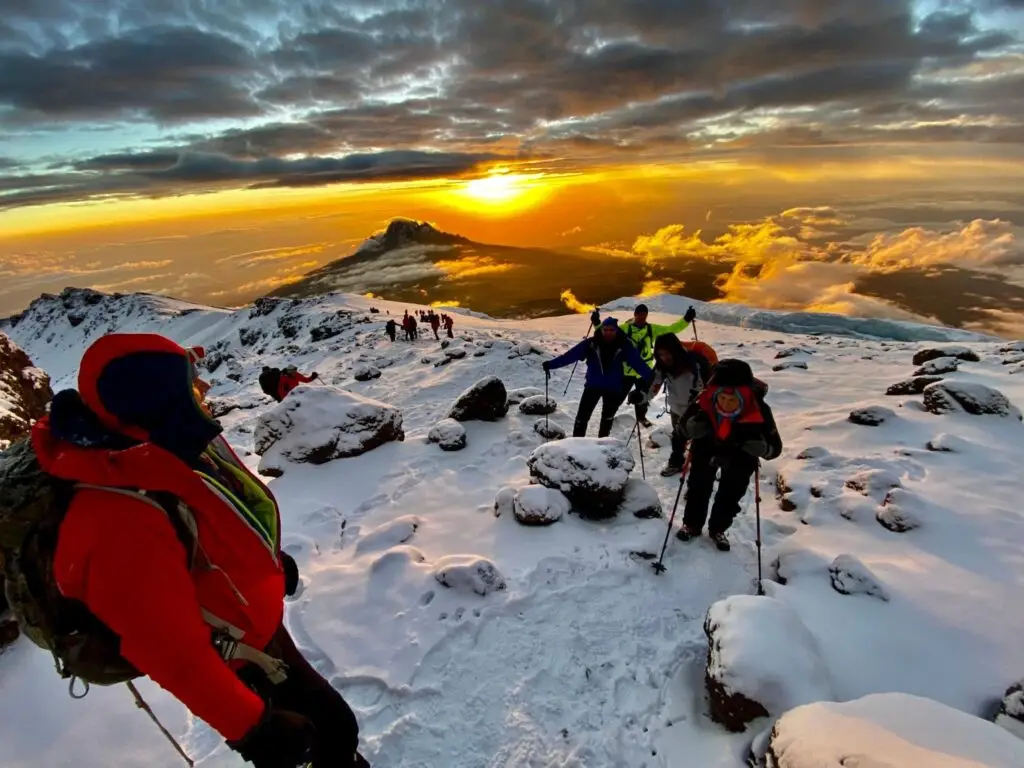
Trek: 7-10 hours to summit, then 5-7 hours descent. The most challenging day. Start around midnight, ascend through the arctic zone to Stella Point, then to Uhuru Peak. Descend to Mweka Camp, a long but triumphant day.
Day 7: Mweka Camp (3,100m) to Mweka Gate (1,650m)
Trek: 3-5 hours. Descend through the rainforest to the park gate, where you’ll receive your summit certificates and transfer back to your hotel.
Your Kilimanjaro climb with pre-trip video consultation will cover these daily stages in detail, explaining the altitude gains, trekking times, and key landmarks for your chosen route for 2026-2027.
Health and Safety on Kilimanjaro: What Your Consultation Covers
Safety is paramount on any high-altitude trek. Top Guide Adventures prioritizes your well-being, and your pre-trip video consultation will address all aspects of health and safety on Kilimanjaro.
Altitude Sickness Management
As mentioned, acclimatization is key. Your guide will explain:
- Monitoring: Regular checks of your oxygen saturation and pulse rate.
- Symptom Recognition: Educating you and your group on the signs of AMS.
- Treatment Protocols: Understanding the steps taken if AMS symptoms appear, including medication (like Diamox, if prescribed by your doctor) and the necessity of descent.
Emergency Procedures
Your guide is trained in wilderness first aid and emergency response. They will explain:
- Communication: How guides communicate with each other and with base operations.
- Evacuation: The procedures for emergency evacuation, including the use of oxygen cylinders and the role of rescue teams.
- First Aid: The comprehensive first-aid kits carried by guides.
Guide Expertise
Our guides are not just experienced trekkers; they are certified, knowledgeable about high-altitude physiology, and possess excellent leadership skills. They are trained to make critical decisions regarding your safety. Your video consultation is a chance to gauge this expertise and ask about their specific experience.
Pre-Climb Medical Check-up
We strongly recommend consulting your doctor before your Kilimanjaro climb with pre-trip video consultation. Discuss your travel plans, any pre-existing medical conditions, and inquire about altitude sickness medication. Your doctor can provide a personalized medical clearance for your 2026-2027 adventure.
Important Health Considerations:
- Pre-existing Conditions: Inform us and your doctor about heart conditions, respiratory issues, or other chronic illnesses.
- Medications: Bring sufficient supply of any personal medications.
- Travel Insurance: Ensure your insurance covers high-altitude trekking and emergency medical evacuation. This is mandatory.
Booking Your Kilimanjaro Climb with Top Guide Adventures in 2026-2027
Ready to take the first step towards your Kilimanjaro summit? Booking with Top Guide Adventures is straightforward, and our Kilimanjaro climb with pre-trip video consultation service is designed to make the process as smooth and informed as possible.
How to Book
- Initial Inquiry: Contact us via email or WhatsApp to express your interest in a Kilimanjaro climb for 2026 or 2027.
- Schedule Consultation: We will arrange a convenient time for your pre-trip video consultation.
- Personalized Planning: During the consultation, we’ll discuss routes, dates, your experience, and answer all your questions.
- Quotation and Itinerary: Based on your preferences, we’ll provide a detailed quotation and itinerary.
- Deposit and Confirmation: Once you accept the quote, a deposit is required to confirm your booking.
- Pre-Trip Support: We’ll continue to provide support, including sending your detailed gear list and training advice.
Pricing and Inclusions for 2026-2027 Climbs
Kilimanjaro climb prices can vary significantly based on the route chosen, duration, group size, and the quality of services provided. At Top Guide Adventures, we believe in transparent pricing and excellent value. While exact quotes are provided after your consultation, typical inclusions for our climbs encompass:
Standard Inclusions (Subject to specific quote for 2026-2027):
- All park entry fees, camping/hut fees, and rescue fees.
- Professional, licensed Kilimanjaro guides.
- Assistant guides (ratio typically 1:2 guides to clients).
- Porters to carry your main luggage and equipment.
- Cook and cooking equipment.
- All meals on the mountain (breakfast, lunch, dinner).
- Boiled water on the mountain.
- Accommodation in tents (or huts on Marangu).
- Portable toilet (on most routes).
- Transfer from Kilimanjaro International Airport (JRO) to your hotel.
- Transfer from your hotel to the mountain gate.
- Transfer from the mountain gate back to your hotel.
- Pre-trip video consultation and ongoing support.
Exclusions Typically Include:
- International flights.
- Visa fees.
- Travel insurance (mandatory).
- Tips for guides, porters, and cook (budget approx. $250-$350 per climber).
- Personal climbing gear (can be rented).
- Lunches and dinners in hotels before and after the climb.
- Personal expenses (e.g., souvenirs, laundry).
- Optional hot showers on the mountain (available on some routes).
- Medications and personal first-aid supplies.
We encourage you to book your 2026 or 2027 Kilimanjaro climb well in advance, especially for peak seasons, to secure your preferred dates and ensure availability.
Frequently Asked Questions Addressed in Your Consultation
While your video consultation is the best place for personalized answers, here are some common questions we address:
Q1: What is the best time of year to climb Kilimanjaro in 2026-2027?
A: The best times are generally the dry seasons: January-March and June-October. However, climbs are possible year-round. Your consultation will discuss how weather patterns might affect your chosen route and dates.
Q2: How fit do I really need to be?
A: You need good cardiovascular fitness. The most important factor is the ability to hike for 5-8 hours a day with a backpack, often on steep terrain. Mental fortitude is equally important. We’ll assess your fitness during the consultation.
Q3: What if I get altitude sickness?
A: Our guides are trained to manage altitude sickness. They will monitor you closely and make decisions based on your health. The primary treatment is descent. Your consultation will detail our safety protocols.
Q4: Can I climb Kilimanjaro solo?
A: Solo climbs are not permitted by park regulations. You must climb with a registered guide. We can arrange private climbs for individuals or small groups, and also offer join-in group departures for 2026-2027.
Q5: What are the tipping guidelines?
A: Tipping is customary and a significant part of the crew’s income. We provide detailed guidelines during your pre-climb briefing and can discuss this further in your video consultation.
Q6: How much should I budget for tips?
A: A general guideline is $250-$350 USD per climber for the entire crew (guides, porters, cook). This can be discussed in detail during your consultation.
Q7: What is the success rate of your climbs?
A: Success rates vary by route and duration. Longer routes (7+ days) with proper acclimatization typically see success rates above 85-90%. We focus on routes and paces that maximize your chances.
Your Next Step: Schedule Your Kilimanjaro Climb Video Consultation
Planning a Kilimanjaro climb with pre-trip video consultation is the most effective way to ensure you’re fully prepared for your 2026 or 2027 adventure. Top Guide Adventures is committed to providing you with expert advice, personalized service, and an unforgettable experience.
Don’t leave your dream to chance. Let our experienced guides guide you through every step of the planning process. We can discuss your specific needs, answer your most pressing questions, and help you craft the perfect Kilimanjaro expedition.
Ready to begin? Reach out to us today to schedule your complimentary pre-trip video consultation. Let’s make your Kilimanjaro dream a reality in 2026 or 2027!
Contact us:
- WhatsApp: +255616946642
- Email: topguideadventures@gmail.com
- Backup Email: info@topguideadventures.com
Visit our website for more information on our Tanzania adventures and Kilimanjaro climb options.
Check Availability for Kilimanjaro Climb With Pre-Trip Video Consultation Guide
Ready to compare dates, prices, and the best option for your group? Send the package name and travel month so the team can reply with a clear quote, availability, and what is included.
Kilimanjaro Climb With A Personal Support Assistant: Your Ultimate Guide
Climbing Mount Kilimanjaro with a personal support assistant offers unparalleled safety, comfort, and focus on your summit goals. This guide details what a personal assistant entails, its...
View package details
Kilimanjaro Hydration Mistakes Climbers Make And How To Avoid Them 2026-2027
Proper hydration is critical for a successful Kilimanjaro climb. This guide details common hydration mistakes climbers make, from under-drinking to choosing the wrong fluids, and provides...
View package details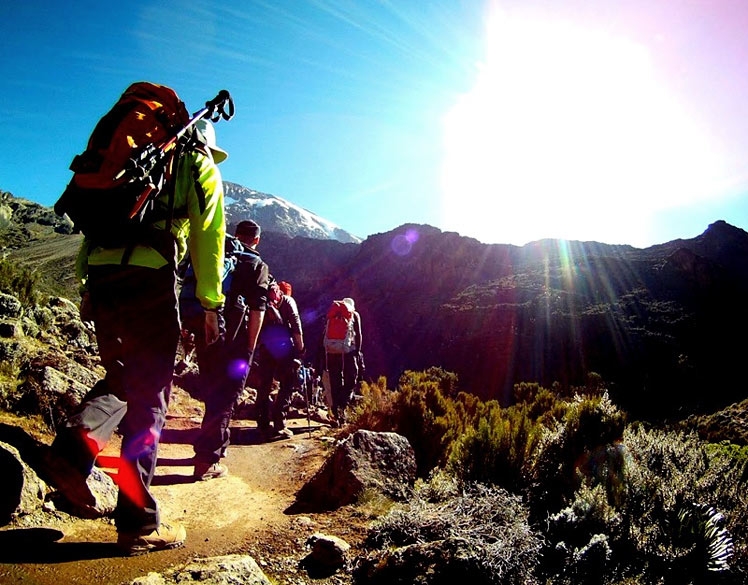
Kilimanjaro Summit-Night Mistakes To Avoid: Your Essential Guide For Climbs
Summit night on Kilimanjaro is the most challenging part of the climb. Avoiding common mistakes in acclimatization, gear, hydration, and pacing is crucial for success. This guide details...
View package details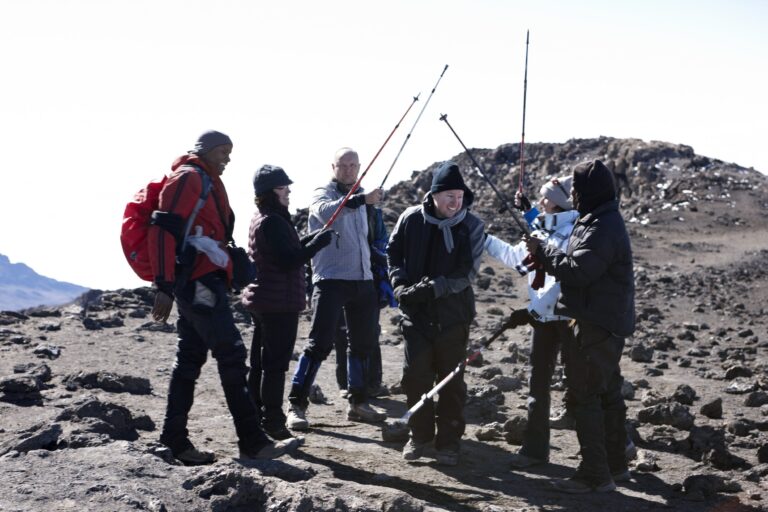
Kilimanjaro Airport Vs Arusha For Climbers: The Definitive Guide 2026-2027
A comprehensive comparison of Kilimanjaro International Airport (JRO) and Arusha Airport (ARK) for trekkers planning a Mount Kilimanjaro climb, detailing pros, cons, and booking advice for...
View package details
Kilimanjaro Climb For Retired Couples: Planning Your Adventure 2026-2027
Planning a Kilimanjaro climb as a retired couple is an achievable and rewarding goal. This guide offers in-depth advice on route selection, physical preparation, essential gear, and the...
View package details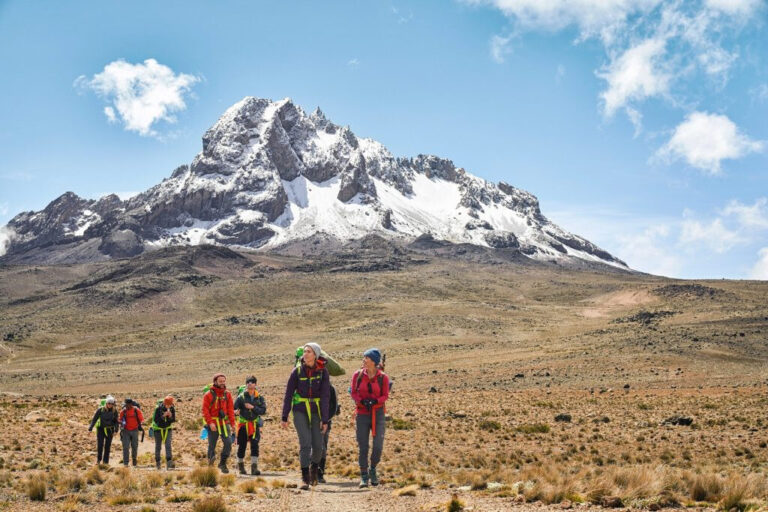
Can A 16-Year-Old Climb Kilimanjaro? Your Essential Guide 2026-2027
Discover if a 16-year-old can summit Kilimanjaro. This comprehensive guide covers age requirements, health, fitness, essential gear, and planning for younger trekkers aiming for Africa's...
View package details
Content For Parents And Young Climbers: Conquering Kilimanjaro Safely
Planning a Kilimanjaro climb with children or as a young climber requires special attention. This guide provides comprehensive content for parents and young adventurers, covering...
View package details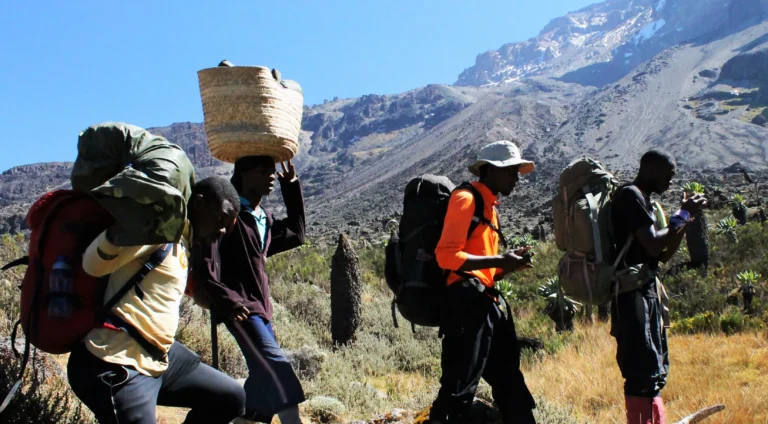
Kilimanjaro Tree-Planting Climbing Package Guide
Combine your dream Kilimanjaro climb with a meaningful conservation effort. Our Kilimanjaro Tree-Planting Climbing Package allows you to ascend Africa's highest peak while actively...
View package details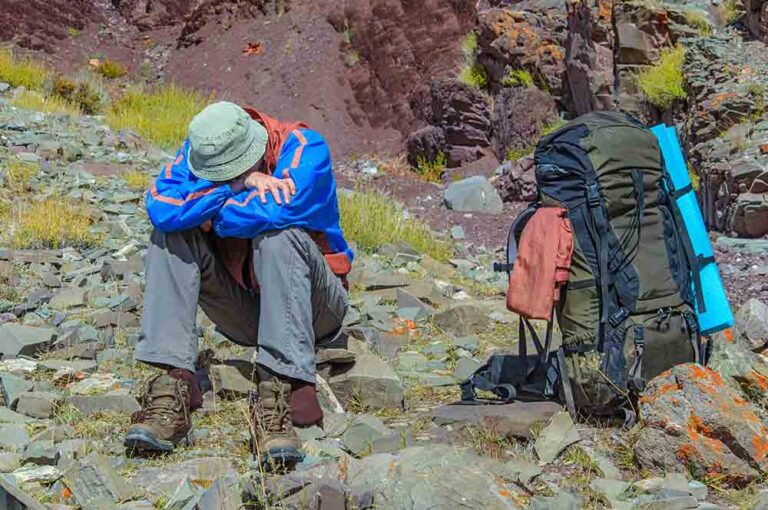
What Happens If It Rains Throughout Your Kilimanjaro Climb? 2026-2027
What Happens If It Rains throughout Your Kilimanjaro Climb? is explained with current 2026-2027 planning, price, itinerary and booking information.
View package details
Kilimanjaro Early-Bird Climbing Discounts For Adventures 2026-2027
Plan your 2026-2027 Kilimanjaro climb and take advantage of early-bird discounts. Top Guide Adventures offers savings for those who book in advance, ensuring a memorable and affordable...
View package details
Kilimanjaro Private Climb Price For One Person: Your Guide 2026-2027
Planning a solo ascent of Mount Kilimanjaro? This guide details the Kilimanjaro private climb price for one person, covering cost factors, inclusions, and essential planning for 2026-2027.
View package details
Kilimanjaro Wellness Retreat For Non-Climbers: Rejuvenate Near Africas
Experience the serene beauty and restorative power of Tanzania without the arduous climb. Our Kilimanjaro wellness retreats for non-climbers offer a unique blend of relaxation, cultural...
View package detailsNo related package matches those filters. Clear one or more filters to see the other topic-matched options.



