
Starting your Kilimanjaro climb the day after your international flight is generally not recommended due to the significant risk of altitude sickness, extreme fatigue, and inadequate acclimatization. A minimum of 1-2 full days in Moshi or Arusha is crucial for rest, hydration, final gear checks, and allowing your body to begin adjusting to the Tanzanian altitude before beginning the trek.

Understanding the Risks: Why Rushing Your Kilimanjaro Start is a Bad Idea
The allure of Kilimanjaro is undeniable. Its majestic presence, the promise of standing on the Roof of Africa, and the sheer adventure of a multi-day trek draw thousands of adventurers each year. For many, the planning involves intricate logistics, from booking flights to selecting the right route and tour operator. Amidst this detailed planning, a question sometimes arises: Can you start Kilimanjaro the day after your flight? While the desire to maximize time on the ground or simply begin the adventure as soon as possible is understandable, the answer from seasoned guides and experienced trekkers is a resounding no.
Top Guide Adventures, as one of Tanzania’s trusted tour companies, prioritizes your safety and success above all else. We’ve seen firsthand the consequences of rushing into a Kilimanjaro climb without adequate preparation. This article will thoroughly explore why such a decision is ill-advised, detailing the physiological challenges, logistical hurdles, and the undeniable benefits of a well-paced arrival and preparation period before you even set foot on the mountain trail. We will guide you through the essential steps to ensure your Kilimanjaro adventure in 2026 or 2027 is as safe and successful as possible.
The Physiology of Altitude: Your Body’s Reaction to Kilimanjaro’s Height
Kilimanjaro is not a technical climb in the mountaineering sense, but its extreme altitude is its primary challenge. Standing at 5,895 meters (19,341 feet), the mountain presents a significant physiological test. The air pressure decreases as you ascend, meaning there’s less oxygen available for your body to absorb with each breath. This is the core reason why acclimatization is paramount.
Altitude Sickness: The Primary Concern
Altitude sickness, also known as Acute Mountain Sickness (AMS), is the most common and dangerous affliction for Kilimanjaro climbers. It occurs when you ascend too quickly, and your body doesn’t have enough time to adjust to the lower oxygen levels. Symptoms can range from mild headaches and nausea to severe, life-threatening conditions like High Altitude Pulmonary Edema (HAPE) and High Altitude Cerebral Edema (HACE).
Starting your climb the day after your flight means you’ll be arriving in Tanzania, likely at Kilimanjaro International Airport (JRO), after a long, potentially tiring journey. You will then immediately expose your body to an altitude of around 900 meters (3,000 feet) in Moshi or Arusha, and then begin ascending rapidly. This rapid transition from sea level (or the altitude of your departure city) to a significant mountain environment, without any buffer, drastically increases your risk of developing AMS.
The Importance of Acclimatization
Acclimatization is the process by which your body adapts to lower oxygen levels at higher altitudes. This adaptation involves several physiological changes, including:
- Increased breathing rate.
- Increased heart rate.
- Increased production of red blood cells (over time).
- Changes in fluid balance.
These processes take time. Your body needs rest and hydration to facilitate these changes effectively. By arriving and immediately starting a strenuous physical activity like trekking Kilimanjaro, you are essentially asking your body to perform at its peak while it is still struggling to adapt to the fundamental change in oxygen availability. This is a recipe for disaster, often leading to symptoms of AMS that can force you to descend, thus ending your climb prematurely.
The Physical Toll of Travel: Fatigue and Jet Lag
Long-haul flights are inherently exhausting. Depending on your origin, you could be traveling for 10-20 hours or more, often with layovers, time zone changes, and cramped seating. This journey itself depletes your physical and mental reserves.
Jet Lag’s Impact on Performance
Jet lag disrupts your body’s natural circadian rhythm, leading to fatigue, insomnia, reduced cognitive function, and irritability. Attempting a demanding trek like Kilimanjaro while suffering from significant jet lag is not only unpleasant but also dangerous. Your reaction times may be slower, your judgment impaired, and your physical endurance significantly compromised. These factors can lead to missteps on the trail, poor decision-making regarding your health, and an overall diminished experience.
Pre-Climb Fatigue
Even without jet lag, the sheer act of traveling can leave you physically drained. You might have had stressful packing, early morning airport transfers, and the general hustle of travel. Your body needs time to recover from this stress before undertaking a physically demanding challenge. Starting Kilimanjaro the day after your flight means you’ll be starting the trek in a state of pre-existing fatigue, making the initial stages of the climb, which are still demanding, much harder and increasing the risk of exhaustion.
Logistical Necessities Before Your Kilimanjaro Ascent
Beyond the physiological aspects, there are practical, logistical reasons why a buffer day after your flight is essential. These elements are crucial for a smooth and successful climb, and rushing them can lead to significant problems.
Gear Check and Final Preparations
Even if you’ve packed meticulously, it’s vital to have a final gear check upon arrival. This involves:
- Ensuring all rented gear is present and in good condition (if applicable).
- Trying on your boots again to ensure comfort after a long flight.
- Checking essential items like headlamps, batteries, rain gear, and warm layers.
- Meeting your guide for a pre-climb briefing.
Your tour operator, like Top Guide Adventures, will schedule a briefing where you can ask last-minute questions, discuss the itinerary, and ensure you are mentally and physically prepared. This meeting is also an opportunity to confirm your group members and build initial camaraderie. Attempting this on the day you arrive, exhausted and disoriented, is highly inefficient and stressful.
Meeting Your Guide and Team
A crucial part of any Kilimanjaro climb is the relationship you build with your guides and support crew. They are responsible for your safety, well-being, and success on the mountain. A pre-climb briefing allows you to meet your lead guide, understand their experience, and discuss any personal concerns you might have. This initial interaction helps build trust and confidence, which are vital when you are pushing your limits at high altitude.
Top Guide Adventures prides itself on its experienced, certified guides who are trained in first aid and high-altitude rescue. They will explain the “pole pole” (slowly, slowly) philosophy, discuss daily routines, and provide insights into the mountain environment. You cannot effectively engage in this critical briefing if you are still recovering from jet lag and travel fatigue.
Hydration and Nutrition
Proper hydration and nutrition are fundamental to acclimatization and energy levels on the mountain. Upon arrival, you need time to:
- Rehydrate thoroughly after the dehydrating effects of flying.
- Eat well-balanced meals to build energy reserves.
- Adjust to local food if you haven’t traveled in Africa before.
Starting the climb immediately would mean trying to force down food and drink while potentially feeling unwell from travel and altitude, hindering your body’s ability to prepare for the exertion ahead.
The Recommended Approach: A Buffer Day is Essential
Based on years of experience guiding climbers on Kilimanjaro, Top Guide Adventures strongly advocates for a minimum of 1-2 full days in Moshi or Arusha before commencing your trek. This buffer period is not a luxury; it is a necessity for a safe, enjoyable, and successful climb.
Day 1 Post-Flight: Rest and Recovery
Upon arrival at Kilimanjaro International Airport (JRO), you will be met by your transfer and taken to your hotel in Moshi or Arusha. The first day should be dedicated to:
- Resting and sleeping to recover from your flight.
- Hydrating generously with water and avoiding alcohol and excessive caffeine.
- Eating light, nutritious meals.
- Light, gentle exploration of your surroundings if you feel up to it, but no strenuous activity.
This initial recovery phase allows your body to begin its adjustment to the local climate and the lower-than-sea-level altitude.
Day 2: Preparations and Briefing
The second day is critical for preparation:
- Final Gear Check: With your guide, review all your equipment. Ensure everything fits, is functional, and that you have packed all essentials. This is also the time to rent any last-minute items.
- Pre-Climb Briefing: Meet your lead guide for an in-depth discussion about the trek, safety protocols, daily schedules, and what to expect on the mountain. This is your opportunity to ask questions and address any concerns.
- Medical Check-up (Optional but Recommended): If you have any pre-existing medical conditions, this is a good time to consult with a local doctor or ensure you have your necessary medications.
- Relaxation: Enjoy a relaxed pace, perhaps a light meal in town, and get a good night’s sleep in preparation for the adventure ahead.
This structured approach ensures that when you finally meet your trekking crew at the gate to begin your Kilimanjaro climb, you are as prepared as possible, both physically and mentally.
Kilimanjaro Routes and Acclimatization Schedules
The length of your Kilimanjaro climb significantly impacts acclimatization. Longer routes are inherently safer and offer better acclimatization profiles than shorter ones. This is a key factor to consider when planning your trek for 2026 or 2027.
Longer Routes = Better Acclimatization
Routes like the Lemosho, Machame, and Northern Circuit are popular not only for their scenery but also for their superior acclimatization schedules. They typically range from 7 to 9 days.
- 7-Day Lemosho/Machame: Offers a reasonable acclimatization profile.
- 8-Day Lemosho/Machame: Provides an additional day for better acclimatization and a more relaxed pace.
- 9-Day Northern Circuit: This is the longest route and offers the best acclimatization, with a higher success rate. It circles the mountain, allowing gradual ascent and descent.
These longer durations are specifically designed to allow your body to adapt progressively to the increasing altitude. A shorter route, like the Marangu (5-day option), is generally not recommended by Top Guide Adventures due to its poor acclimatization profile and lower success rates.
The ‘Climb High, Sleep Low’ Principle
Effective acclimatization follows the principle of ‘climb high, sleep low’. This means ascending to higher altitudes during the day and then descending to a lower altitude to sleep. This strategy helps your body to adapt more efficiently. Even on longer routes, attempting to start the climb immediately after a long flight would undermine the very acclimatization strategy the route is designed for.
Comparing Travel Styles: What Affects Your Readiness?
The way you travel to Tanzania and your personal travel habits can influence how ready you are to start climbing Kilimanjaro.
Direct Flights vs. Multiple Layover Flights
If you are fortunate enough to find a direct flight to Kilimanjaro International Airport (JRO), the journey will be less taxing than one involving multiple layovers. However, even a direct flight can be long and tiring. If your flight involves several stops, the fatigue will be significantly greater, making the need for a rest day even more critical.
Budget Travel vs. Premium Travel
While your choice of travel class might influence your comfort, even first-class travel involves prolonged periods of sitting and potential disruptions to sleep patterns. The fundamental challenge of jet lag and travel fatigue remains regardless of the class you fly.
Pre-Trip Activities
If your trip to Tanzania includes other activities immediately before your planned Kilimanjaro climb, such as a safari or a visit to Zanzibar, ensure you factor in sufficient rest time between these activities and the mountain trek. A safari might involve early starts and long drives, and Zanzibar, while relaxing, is still a different climate and time zone. A day or two of rest in Moshi after your safari before starting Kilimanjaro is highly recommended.
What Top Guide Adventures Recommends for 2026-2027 Climbs
At Top Guide Adventures, we are committed to providing you with the best possible Kilimanjaro experience, prioritizing your safety and maximizing your chances of reaching Uhuru Peak. Our recommendations for 2026 and 2027 climbs are based on extensive experience and a deep understanding of the mountain and its challenges.
Recommended Arrival Schedule
We strongly advise all our clients to arrive in Tanzania at least two full days before their scheduled Kilimanjaro trek departure date. This allows for:
- Day 1: Arrival and Rest. Settle into your hotel in Moshi or Arusha, rehydrate, and recover from your journey.
- Day 2: Briefing and Preparation. Meet your guide, conduct a thorough gear check, finalize any last-minute arrangements, and enjoy a final night of rest.
- Day 3: Trek Commencement. Begin your Kilimanjaro adventure feeling refreshed and prepared.
This schedule is built into our standard Kilimanjaro packages. For example, if your climb is scheduled to start on a Monday, we recommend arriving the previous Friday, with your pre-climb briefing and gear check happening on Saturday.
Choosing the Right Route for Success
For your 2026 or 2027 climb, consider the following routes for optimal acclimatization and success:
- Northern Circuit (9 days): The best option for acclimatization and scenery.
- Lemosho (8 days): Excellent acclimatization and a beautiful route.
- Machame (7 or 8 days): Very popular, good acclimatization, and stunning views.
We can help you select the route that best suits your fitness level, time constraints, and desire for acclimatization. Visit our Machame Route information or explore group departure dates for 2026-2027 to find a suitable climb.
What if My Flight Schedule Doesn’t Allow?
In rare cases, flight schedules might make a two-day buffer challenging. If this is your situation, communicate with us immediately. We can discuss potential adjustments, but please understand that attempting to climb with only one day (or less) after your flight significantly increases risks. We might advise adjusting your flight arrival date or, in extreme cases, reconsidering the climb dates to ensure safety. Your health is our top priority.
The Cost of Rushing vs. The Value of Preparation
While the direct cost of starting a climb a day earlier might seem negligible, the potential indirect costs are substantial.
Financial Risks
- Trip Interruption: If you fall ill with altitude sickness, you may have to descend, ending your trek prematurely. This means you lose the significant investment made in the climb itself, flights, and other arrangements.
- Medical Expenses: In severe cases, medical evacuation and treatment can be extremely costly. Travel insurance is mandatory for all our clients, but it’s essential to ensure it covers high-altitude trekking and potential medical emergencies.
- Missed Opportunities: If your climb is cut short, you miss the chance to reach the summit and experience the full adventure.
The Value of Experience
A Kilimanjaro climb is a significant undertaking, often a special experience. Rushing the preparation can turn a dream trip into a stressful ordeal or, worse, a medical emergency. The extra day or two spent resting and preparing in Moshi is invaluable.
It allows you to:
- Enjoy the journey to the mountain.
- Build confidence with your guides and team.
- Arrive at the gate feeling physically and mentally ready.
- Increase your chances of success in reaching the summit.
- Fully appreciate the incredible landscapes and the unique environment of Kilimanjaro.
Investing in these extra days of rest and preparation is investing in the overall quality and success of your Kilimanjaro adventure, whether planning for 2026 or 2027.
Frequently Asked Questions About Pre-Climb Preparation
Here are some common questions we receive regarding arrival and preparation for Kilimanjaro climbs:
Q1: How many days before my climb should I arrive in Tanzania?
We strongly recommend arriving at least two full days before your trek begins. This allows for rest, acclimatization to the local altitude, final gear checks, and a comprehensive pre-climb briefing with your guide.
Q2: What is the altitude of Moshi/Arusha?
Moshi is approximately 800 meters (2,600 feet) above sea level, and Arusha is around 1,300 meters (4,300 feet). While not extremely high, it’s still significantly higher than coastal regions or many international departure points, and your body will benefit from time to adjust before ascending further.
Q3: Can I do a day trip or safari right before climbing Kilimanjaro?
While possible, it’s not ideal. A day trip or a short safari can add to your fatigue. If you choose to do so, ensure you have at least one full day of rest in Moshi before your climb briefing and departure. A longer safari should ideally conclude at least 2-3 days before your climb, with those days spent resting in Moshi.
Q4: What happens if I feel sick on arrival?
If you feel unwell upon arrival, communicate immediately with your Top Guide Adventures contact. Rest, hydrate, and postpone your climb start date if necessary. It’s better to delay the start than to risk serious altitude sickness by pushing yourself when your body is not ready.
Q5: Is it possible to acclimatize on the plane?
No, acclimatization to altitude requires the body to adapt to lower oxygen levels over time. The cabin pressure on commercial flights is usually maintained at an equivalent of 6,000-8,000 feet, but this is not the same as the physiological process of acclimatizing to much higher altitudes encountered on Kilimanjaro.
Q6: What are the main inclusions in a Top Guide Adventures Kilimanjaro package regarding pre-climb services?
Our packages typically include airport transfers upon arrival, accommodation in Moshi or Arusha for the night(s) before the climb, a pre-climb briefing, and a thorough gear check. We ensure you have the necessary support before you head to the mountain gate.
Planning Your 2026-2027 Kilimanjaro Adventure with Top Guide Adventures
Choosing the right time and approach for your Kilimanjaro climb is crucial. The decision to start the day after your flight is a common point of query, but one that carries significant risks. At Top Guide Adventures, we are dedicated to guiding you through every step of the process, ensuring your adventure is both thrilling and safe.
We encourage you to plan your 2026 and 2027 Kilimanjaro expeditions with ample time for preparation. This includes booking your preferred dates, selecting the most suitable route for your acclimatization needs, and most importantly, respecting the need for rest and adjustment upon arrival in Tanzania.
Our team is ready to assist you with every detail, from itinerary planning to logistical arrangements. We offer personalized support, ensuring that your Kilimanjaro journey is tailored to your needs and aspirations. Don’t hesitate to reach out to us for expert advice, a personalized quote, or to book your dream climb.
For any questions or to start planning your 2026-2027 Kilimanjaro climb, please contact us:
- WhatsApp: +255616946642
- Email: topguideadventures@gmail.com
- Backup Email: info@topguideadventures.com
You can also explore our website for more information on Tanzania tours and client testimonials. Let Top Guide Adventures be your trusted partner in conquering Kilimanjaro.
Check Availability for Can You Start Kilimanjaro The Day After Your Flight? Guide
Ready to compare dates, prices, and the best option for your group? Send the package name and travel month so the team can reply with a clear quote, availability, and what is included.
Kilimanjaro Flight-Booking Mistakes: Avoid These Pitfalls For Your Climb
Planning your Kilimanjaro climb for 2026 or 2027? Don't let flight booking errors derail your adventure. This guide covers critical mistakes to avoid, from choosing the right airport and...
View package detailsKilimanjaro Morning Flight Vs Evening Arrival: Which Is Better For Your Climb?
Choosing between a morning and evening flight arrival at Kilimanjaro International Airport (JRO) significantly impacts your pre-climb preparations and initial acclimatization. This guide...
View package details
What Does Kilimanjaro Rainforest Look Like? A Trekkers Visual Guide 2026-2027
The Kilimanjaro rainforest is a vibrant, humid zone of dense vegetation, towering trees, and diverse plant life found on the mountain's lower slopes. It's the first major ecosystem trekkers...
View package details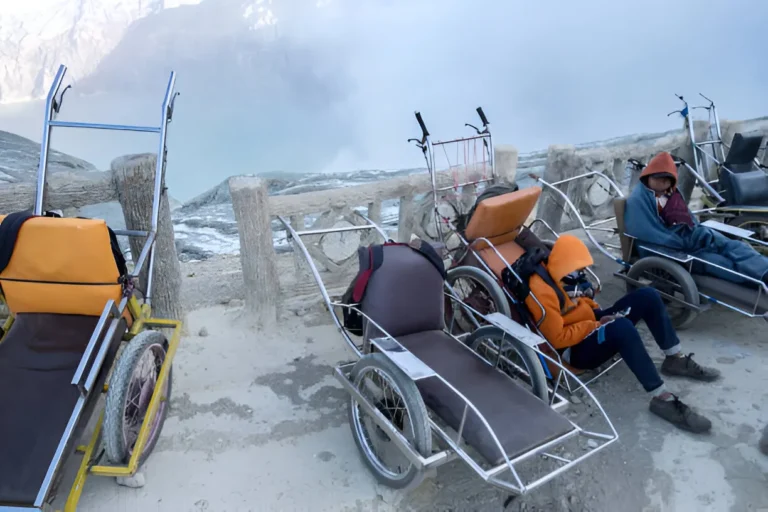
Kilimanjaro Climb With A Personal Support Assistant: Your Ultimate Guide
Climbing Mount Kilimanjaro with a personal support assistant offers unparalleled safety, comfort, and focus on your summit goals. This guide details what a personal assistant entails, its...
View package detailsHow To Know Whether You Are Ready For Kilimanjaro: A Comprehensive Guide
Climbing Mount Kilimanjaro is a significant undertaking. This guide helps you evaluate your physical, mental, and logistical readiness to ensure a safe and successful trek in 2026 or 2027...
View package detailsKilimanjaro Hydration Mistakes Climbers Make And How To Avoid Them 2026-2027
Proper hydration is critical for a successful Kilimanjaro climb. This guide details common hydration mistakes climbers make, from under-drinking to choosing the wrong fluids, and provides...
View package details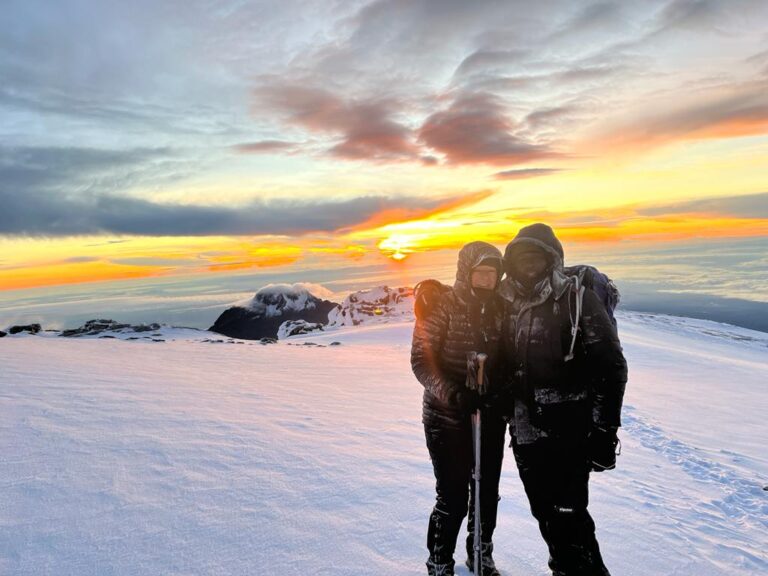
Kilimanjaro Altitude-Sickness Mistakes 2026-2027
Kilimanjaro Altitude-Sickness Mistakes is explained with current 2026-2027 planning, price, itinerary and booking information.
View package details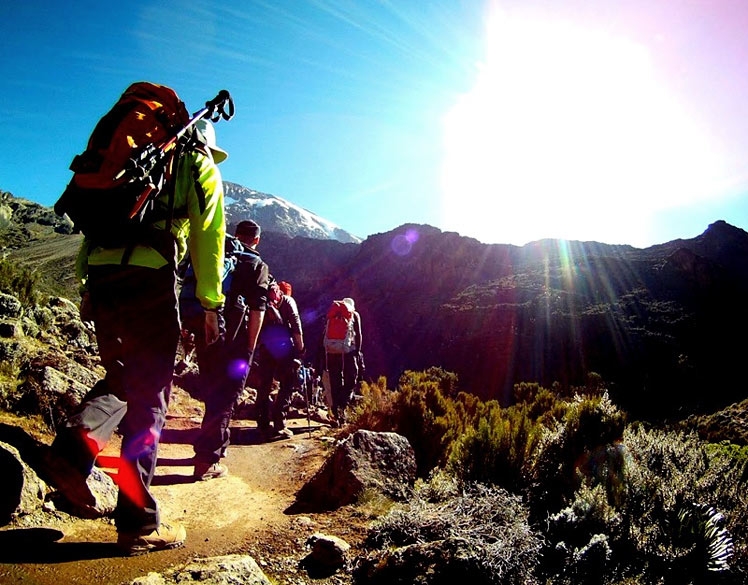
Kilimanjaro Summit-Night Mistakes To Avoid: Your Essential Guide For Climbs
Summit night on Kilimanjaro is the most challenging part of the climb. Avoiding common mistakes in acclimatization, gear, hydration, and pacing is crucial for success. This guide details...
View package details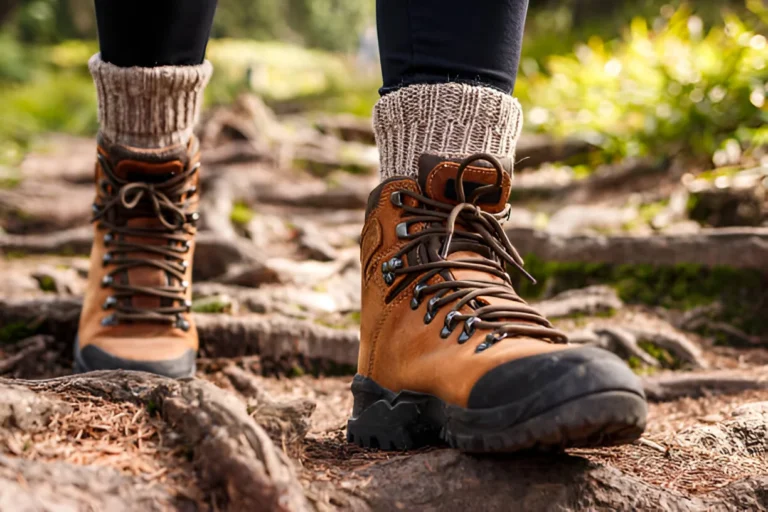
Kilimanjaro Training Mistakes That Reduce Summit Success 2026-2027
Kilimanjaro Training Mistakes that Reduce Summit Success is explained with current 2026-2027 planning, price, itinerary and booking information.
View package details
Kilimanjaro Personal Porter Vs Standard Support 2026-2027
Kilimanjaro Personal Porter vs Standard Porter Support is explained with current 2026-2027 planning, price, itinerary and booking information.
View package details
Kilimanjaro Airport Vs Arusha For Climbers: The Definitive Guide 2026-2027
A comprehensive comparison of Kilimanjaro International Airport (JRO) and Arusha Airport (ARK) for trekkers planning a Mount Kilimanjaro climb, detailing pros, cons, and booking advice for...
View package details
Kilimanjaro Climb For Retired Couples: Planning Your Adventure 2026-2027
Planning a Kilimanjaro climb as a retired couple is an achievable and rewarding goal. This guide offers in-depth advice on route selection, physical preparation, essential gear, and the...
View package detailsNo related package matches those filters. Clear one or more filters to see the other topic-matched options.



