
Yes, a Kilimanjaro climb is possible for hikers with limited mobility, provided thorough preparation, careful route selection, and dedicated support are in place. While Kilimanjaro presents significant physical challenges, specific routes like the Marangu route, or modifications on others, combined with experienced guides and a focus on acclimatization and personal pace, can make the ascent achievable for many individuals managing physical limitations. Top Guide Adventures specializes in tailoring climbs to individual needs, ensuring a safe and memorable experience for all adventurers in 2026 and 2027.
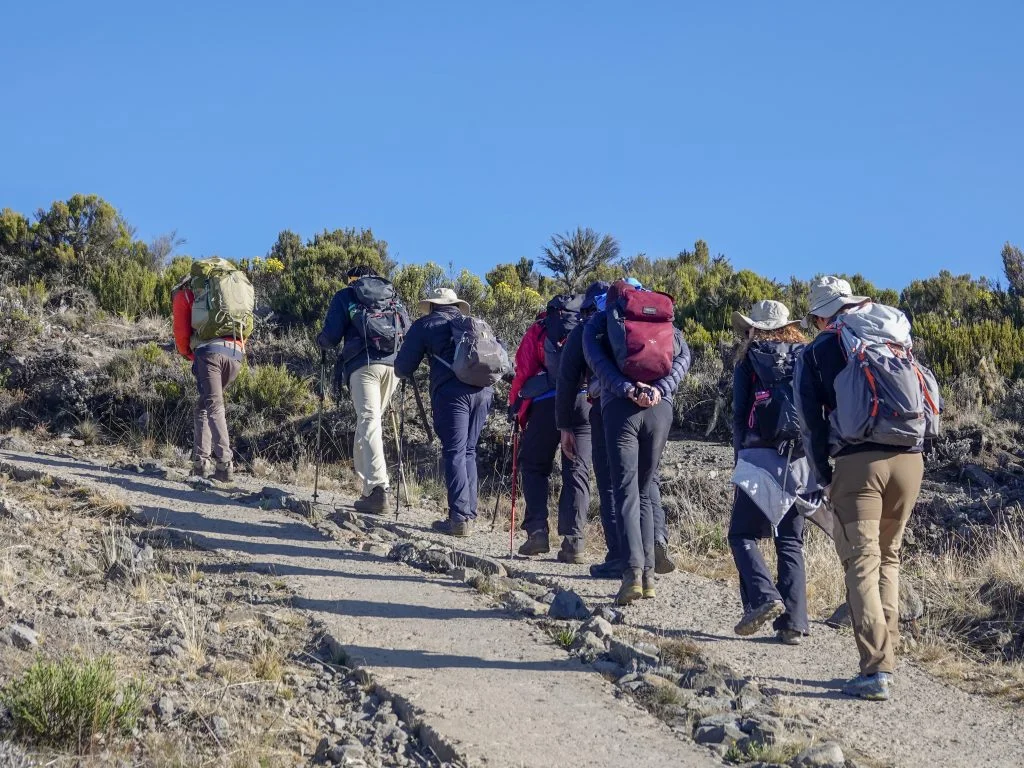
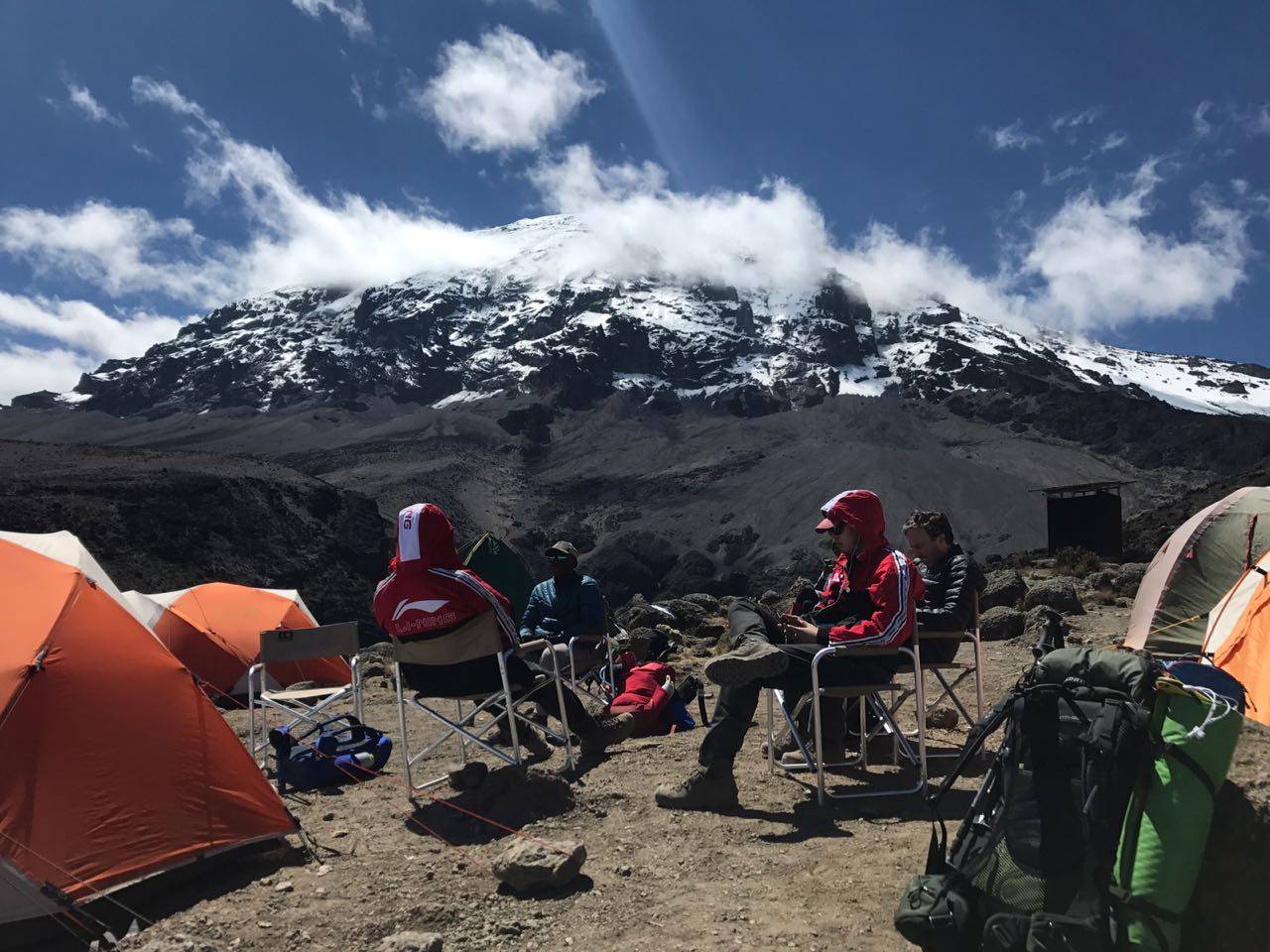
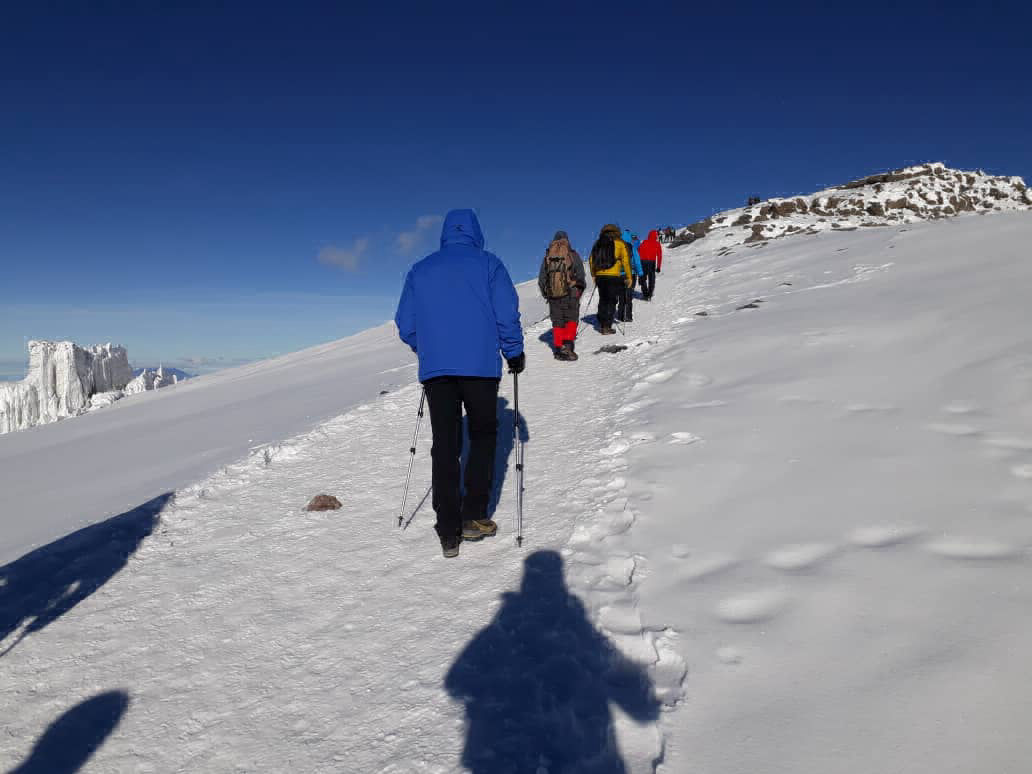
Understanding Kilimanjaro and Mobility Challenges
Mount Kilimanjaro, Africa’s highest peak at 5,895 meters (19,341 feet), is a dormant volcano in Tanzania, renowned for its accessibility to trekkers without technical climbing skills. However, its height, the steepness of its slopes, and the rapidly changing environment pose substantial challenges, even for those in peak physical condition. For hikers with limited mobility, these challenges are amplified. Limited mobility can stem from various conditions, including joint issues, muscular weakness, neurological conditions, past injuries, or chronic illnesses. These can affect balance, stamina, strength, and the ability to navigate uneven terrain for extended periods.
The key to a successful Kilimanjaro climb for individuals with mobility limitations lies in a realistic assessment of personal capabilities, choosing the right approach, and partnering with a tour operator that prioritizes safety and individual care. It’s not about whether it’s possible, but how to make it possible. This involves understanding the specific demands of the mountain and how your mobility condition might interact with them.
What Constitutes ‘Limited Mobility’ in Trekking?
The term ‘limited mobility’ is broad and encompasses a wide spectrum of physical conditions. For the context of a Kilimanjaro climb, it typically refers to:
- Reduced stamina or endurance due to chronic fatigue conditions or cardiovascular issues.
- Difficulty with balance or stability, increasing the risk of falls on uneven paths.
- Reduced leg strength or joint flexibility, impacting the ability to ascend and descend steep, rocky terrain.
- Pain or discomfort exacerbated by prolonged physical exertion.
- Conditions that require specific medical management or monitoring during strenuous activity.
- A need for more frequent rest stops or a slower overall pace.
It is crucial for potential climbers to have a candid conversation with their healthcare provider to assess their fitness for high-altitude trekking and to understand any specific risks associated with their condition. This medical clearance is a non-negotiable first step for any hiker with pre-existing health concerns.
Assessing Your Suitability for a Kilimanjaro Climb
Before even considering booking a trip, a thorough self-assessment and medical consultation are paramount. Kilimanjaro is not a walk in the park; it is a serious high-altitude expedition. The primary challenges are altitude sickness, extreme cold, and the physical exertion required to cover significant distances over several days.
The Role of Altitude
Altitude sickness (Acute Mountain Sickness – AMS) affects most people to some degree above 2,500 meters. Symptoms can include headaches, nausea, dizziness, and fatigue. As altitude increases, so does the risk of more severe conditions like High Altitude Cerebral Edema (HACE) and High Altitude Pulmonary Edema (HAPE). While acclimatization strategies are employed by all reputable operators, individual susceptibility varies. For those with certain pre-existing conditions, such as severe respiratory or cardiovascular issues, the risks associated with high altitude can be significantly higher.
Physical Demands of the Trek
A typical Kilimanjaro climb involves walking for 4-8 hours a day, with summit attempts often lasting 10-15 hours. The terrain varies from well-trodden paths to scree slopes and rocky sections. The final ascent to the summit, often done overnight, is particularly demanding. Hikers with limited mobility must consider:
- Endurance: Can you sustain moderate physical activity for several consecutive days?
- Strength: Do you have sufficient leg and core strength to navigate ascents and descents, potentially using trekking poles for support?
- Balance: How stable are you on uneven, unpredictable surfaces?
- Recovery: How quickly does your body recover from exertion?
Medical Consultation: A Critical Step
Consulting with your doctor is non-negotiable. Discuss your desire to climb Kilimanjaro, detailing the altitude, duration, and physical demands. Your doctor can:
- Evaluate how your specific condition might be affected by high altitude and strenuous exercise.
- Advise on necessary pre-trek fitness regimes.
- Prescribe medications for altitude sickness (e.g., Diamox) and advise on their use.
- Provide guidance on managing any pain or discomfort during the trek.
- Determine if your condition poses an unacceptable risk for such an expedition.
Be honest with your doctor about your fitness levels and any limitations. This conversation is crucial for your safety and well-being.
Choosing the Right Kilimanjaro Route for Limited Mobility
Kilimanjaro has several established routes, each with varying degrees of difficulty, length, and scenery. For hikers with limited mobility, the focus shifts towards routes that offer a gentler ascent profile, longer acclimatization periods, and better infrastructure (like huts on the Marangu route).
The Marangu Route: The ‘Coca-Cola’ Route
Often considered the easiest route due to its gradual incline and the availability of comfortable huts instead of camping. It is also one of the shortest routes, which can be a double-edged sword. While shorter, it has a lower success rate due to its rapid ascent profile, which doesn’t allow for optimal acclimatization.
- Pros: Huts provide comfort and shelter; less physically demanding terrain in parts; good for those who prefer not to camp.
- Cons: Lower success rate due to poor acclimatization; can be crowded; less scenic than other routes.
For hikers with limited mobility, the Marangu route’s huts offer a significant advantage in terms of comfort and rest. However, the speed of ascent is a major concern. A modified Marangu climb, perhaps extending the days, could be considered, though this is less common.
The Machame Route: The ‘Whiskey’ Route
The Machame route is one of the most popular and scenic routes. It offers excellent acclimatization due to its ‘trek high, sleep low’ profile, significantly increasing success rates. It is generally considered more challenging than Marangu in terms of daily trekking distance and steepness, and it involves camping.
- Pros: High success rate; very scenic; good acclimatization profile.
- Cons: Involves camping; steeper sections; can be physically demanding.
While camping might be a consideration, the Machame route’s superior acclimatization is a major benefit. If camping is manageable, the slower, steadier ascent and the ‘trek high, sleep low’ strategy can be very advantageous for managing energy levels and reducing altitude sickness risk for those with mobility challenges.
The Lemosho Route
Lemosho is a longer, more remote, and highly scenic route, also offering excellent acclimatization. It joins the Machame route after a few days. It requires camping.
- Pros: Excellent acclimatization; very scenic and less crowded initially; high success rate.
- Cons: Longer duration; requires camping; can be more expensive due to logistics.
The extended duration of the Lemosho route provides more time for the body to adapt to the altitude, which is a significant plus for hikers managing mobility limitations. The ‘trek high, sleep low’ principle is strongly in effect here.
The Rongai Route
Rongai approaches Kilimanjaro from the north, in Kenya. It is a good alternative during the rainy season and offers a more remote experience. It is generally considered easier than Machame and Lemosho, with a gentler slope on its approach.
- Pros: Good acclimatization; less crowded; a more remote feel; approaches from the drier northern side.
- Cons: Less scenic on the approach; requires camping.
The Rongai route’s gentler ascent profile in its initial stages can be appealing. Its drier approach can also mean better trail conditions in certain seasons.
Route Modifications and Extended Durations
For hikers with limited mobility, the most crucial factor is increasing the number of days on the mountain. A standard 6-day climb is often too fast. Opting for a 7-day, 8-day, or even 9-day itinerary on routes like Machame or Lemosho significantly improves acclimatization and reduces the daily physical strain. This allows for more rest, a slower pace, and a greater chance of reaching the summit comfortably.
Top Guide Adventures can customize itineraries to extend the duration of any chosen route. For example, a 7-day Machame climb is significantly more manageable than a 6-day version for individuals managing mobility challenges. We focus on building itineraries that prioritize acclimatization and personal pace.
Preparation is Key: Training and Gear for Limited Mobility Climbers
Preparing for Kilimanjaro when you have limited mobility requires a dedicated and tailored approach to physical training, mental preparation, and gear selection.
Physical Training Regimen
The goal of training is to build cardiovascular endurance, strengthen relevant muscle groups, and improve balance and stability. This should be done in consultation with your doctor or a physical therapist.
- Cardiovascular Fitness: Engage in activities like brisk walking, cycling, swimming, or using an elliptical machine for at least 3-4 times a week, gradually increasing duration and intensity. Aim for sessions of 45-60 minutes.
- Strength Training: Focus on lower body and core strength. Exercises like squats (modified if necessary), lunges, step-ups, calf raises, and core stabilization exercises (planks, bridges) are beneficial. If you have specific limitations, work with a therapist to find safe and effective alternatives.
- Hiking Practice: This is the most critical type of training. Find local trails with inclines and varied terrain. Start with shorter hikes and gradually increase the distance and elevation gain. Practice hiking with a backpack similar to what you’ll carry on Kilimanjaro. Crucially, practice hiking with your trekking poles.
- Balance and Stability Exercises: Incorporate exercises like standing on one leg, heel-to-toe walking, and using a balance board (if appropriate). Good balance is vital for navigating uneven trails.
- Stamina Building: Practice multi-day hikes if possible, or simulate back-to-back long days of activity to prepare your body for sustained effort.
Start your training at least 3-6 months before your climb. Consistency is more important than intensity, especially when managing mobility challenges.
Mental Preparation
Climbing Kilimanjaro is as much a mental challenge as a physical one. For hikers with limited mobility, mental fortitude is essential to push through difficult moments.
- Set Realistic Expectations: Understand that progress might be slower, and summiting is not guaranteed. Focus on the journey and the experience.
- Develop Coping Strategies: Practice mindfulness, positive self-talk, and breaking down the climb into smaller, manageable segments (e.g., ‘just to the next camp,’ ‘just to lunch’).
- Visualize Success: Imagine yourself reaching the summit and enjoying the views, while also preparing for the possibility of turning back if conditions or your health dictate.
- Build Confidence: Successful completion of training hikes and overcoming smaller challenges will build the confidence needed for the mountain.
Essential Gear for Limited Mobility Hikers
Proper gear is crucial for comfort, safety, and performance. For hikers with limited mobility, some items become even more important.
- Trekking Poles: Absolutely essential. Adjustable, sturdy trekking poles significantly reduce strain on knees and hips, improve balance, and aid propulsion on ascents.
- Footwear: Well-fitting, waterproof hiking boots with good ankle support are critical. Break them in thoroughly during training to avoid blisters and discomfort. Consider custom orthotics if you use them.
- Layering System: Kilimanjaro experiences extreme temperature variations. Pack high-quality base layers (moisture-wicking), mid-layers (fleece or down), and an outer shell (waterproof and windproof).
- Warmth: A warm sleeping bag (rated to -10°C or -20°C), insulated gloves, a warm hat, and thermal socks are vital. Consider hand warmers for summit night.
- Comfortable Clothing: Hiking pants that allow freedom of movement, comfortable shirts, and moisture-wicking underwear.
- Sun Protection: High SPF sunscreen, lip balm, sunglasses, and a wide-brimmed hat or cap.
- Hydration: Water bottles or a hydration reservoir. Insulate hoses to prevent freezing.
- Headlamp: A reliable headlamp with extra batteries is crucial for early morning starts and navigating in the dark.
- Personal First-Aid Kit: Include any personal medications, blister treatment, pain relievers, and antiseptic wipes.
- Comfort Items: Consider a lightweight, comfortable seat pad for breaks, or a small, lightweight pillow for camping.
Top Guide Adventures provides a detailed packing list tailored to Kilimanjaro. We also offer gear rental options for items like sleeping bags and jackets, which can be convenient for international travelers. Discussing your specific needs with us regarding gear is highly recommended.
On the Mountain: Support and Strategies for Success
Once on Kilimanjaro, the support system and adherence to specific strategies are critical for a successful climb, especially for those managing limited mobility.
The Role of Guides and Porters
Your guide team is your lifeline on Kilimanjaro. A good guide is not just a navigator but also a motivator, a medic, and an expert in acclimatization. For hikers with limited mobility:
- Communication is Key: Maintain open and honest communication with your lead guide about how you are feeling – any pain, fatigue, or discomfort. Don’t wait for symptoms to become severe.
- Pacing: Guides will set a slow, steady pace, often referred to as ‘pole pole’ (slowly, slowly). This is crucial for everyone, but especially for those managing mobility issues. They will ensure you take regular breaks.
- Assistance: While guides do not typically provide physical support for every step (as this can lead to dependency and hinder your own progress), they are trained to assist when needed, especially on steeper or trickier sections. Porters can also be invaluable for carrying heavier loads, reducing your burden.
- Monitoring: Guides are trained to recognize the signs of altitude sickness and other issues. They will monitor you closely.
Top Guide Adventures prides itself on its experienced, certified guides who are trained in wilderness first aid and high-altitude management. We ensure a high guide-to-client ratio to provide dedicated attention.
Acclimatization Strategies
Proper acclimatization is the most important factor in preventing altitude sickness. This involves ascending gradually.
- Ascend Slowly: This is why longer routes (7-9 days) are recommended.
- ‘Pole Pole’: Walk at a pace that allows you to hold a conversation without gasping for breath.
- Hydration: Drink plenty of water (3-4 liters per day). Dehydration can worsen altitude sickness symptoms.
- Eat Well: Consume regular, balanced meals. Appetite can decrease at altitude, so focus on easily digestible, energy-rich foods.
- Avoid Alcohol and Smoking: These can exacerbate altitude sickness.
- Ascend to a Higher Camp, Descend to Sleep: This ‘trek high, sleep low’ principle is built into routes like Machame and Lemosho and is highly effective.
For hikers with limited mobility, these strategies are even more critical. A slower pace naturally aids acclimatization, and consistent hydration and nutrition are vital for maintaining energy levels.
Managing Pain and Fatigue
Pain and fatigue are common. Managing them proactively is key.
- Listen to Your Body: Communicate any pain or excessive fatigue to your guide immediately.
- Utilize Trekking Poles: As mentioned, they are invaluable for reducing joint stress.
- Proper Foot Care: Address any hot spots or blisters immediately to prevent them from becoming debilitating.
- Rest Effectively: Use rest stops to hydrate, refuel, and stretch gently.
- Medication: Use prescribed altitude sickness medication as directed. Over-the-counter pain relievers can help manage headaches or muscle soreness, but always inform your guide.
Summit Night Strategy
Summit night is the most challenging part of the climb. It involves ascending in the dark, cold, and at high altitude, often for 6-8 hours to Stella Point (the crater rim) and then another 1-2 hours to Uhuru Peak (the true summit).
- Slow and Steady: The pace will be extremely slow, often just a few steps at a time. This is where ‘pole pole’ is paramount.
- Constant Hydration and Fueling: Take small sips of water and eat energy snacks frequently, even if you don’t feel like it.
- Focus on the Next Step: Break the immense challenge into tiny, achievable goals.
- Guide Support: Guides will stay with you, monitor your condition, and provide encouragement. They may offer physical support if necessary, but the goal is for you to maintain as much independence as possible.
For a hiker with limited mobility, summit night requires immense mental strength and careful management. It is vital to be honest with your guide about your capabilities on this night. Turning back at the crater rim (Stella Point) is a significant achievement and a wise decision if fatigue or altitude effects are too great.
Safety First: Medical Considerations and Emergency Preparedness
Safety is the absolute priority on Kilimanjaro, especially for trekkers with pre-existing conditions or mobility limitations.
Recognizing and Managing Altitude Sickness
Your guide will monitor you for AMS symptoms: headache, nausea, dizziness, fatigue, loss of appetite, and difficulty sleeping. If symptoms are mild, treatment involves resting at the current altitude, hydrating, and possibly taking medication. If symptoms worsen or are moderate to severe, the only effective treatment is immediate descent.
Top Guide Adventures guides are trained in recognizing and managing AMS. We carry a comprehensive medical kit, including oxygen, and have established protocols for emergency evacuations.
Emergency Evacuation Procedures
In case of a serious medical emergency, evacuation is the priority. Kilimanjaro has a network of emergency rescue points. Depending on the severity and location, evacuation can be by:
- Assisted Descent: Guides and porters help the individual walk down.
- Stretcher Evacuation: For more serious cases, a stretcher may be used.
- Motorbike Evacuation: On some lower sections of certain routes, motorbikes can be used for rapid evacuation.
- Helicopter Evacuation: For the most critical situations, a helicopter can be dispatched (this is very expensive and requires travel insurance that covers it).
Ensure you have comprehensive travel insurance that specifically covers high-altitude trekking and emergency medical evacuation up to at least 6,000 meters. This is non-negotiable. Top Guide Adventures can provide guidance on insurance requirements.
Pre-existing Medical Conditions and Kilimanjaro
Beyond general mobility issues, certain specific conditions require extra caution:
- Heart Conditions: High altitude puts extra strain on the cardiovascular system. Thorough medical clearance is essential.
- Respiratory Issues (e.g., Asthma, COPD): Reduced oxygen levels at altitude can be dangerous. Ensure your condition is well-managed and discuss it with your doctor.
- Diabetes: Managing blood sugar levels can be challenging due to changes in diet, activity, and altitude. Careful planning and monitoring are required.
- Neurological Conditions: Conditions affecting balance, coordination, or cognitive function may pose significant risks.
When booking with Top Guide Adventures, we encourage you to disclose any pre-existing medical conditions during the inquiry process. This allows us to have a more informed discussion and tailor our recommendations and support accordingly.
Making the Kilimanjaro Climb Accessible: Top Guide Adventures’ Approach
At Top Guide Adventures, we understand that the dream of climbing Kilimanjaro should be accessible to as many people as possible. We are committed to providing personalized support for hikers with limited mobility.
Tailored Itineraries and Route Selection
We don’t offer a one-size-fits-all approach. Based on your specific mobility challenges and fitness level, we will:
- Recommend the most suitable routes: Prioritizing those with better acclimatization profiles and gentler ascents.
- Customize the duration: Extending itineraries to ensure a slower, more comfortable pace.
- Discuss specific needs: From gear recommendations to on-mountain support, we work with you to plan every detail.
Experienced and Empathetic Crew
Our guides and porters are not only experienced mountaineers but are also trained to be patient, understanding, and supportive. They are equipped to handle various situations and are dedicated to the safety and well-being of every client.
Focus on Safety and Communication
Your safety is paramount. We maintain strict safety protocols, ensure our guides have up-to-date first-aid training, and carry essential medical equipment. We foster an environment where open communication about your physical state is encouraged and valued.
Pre-Trip Support
From your initial inquiry to the moment you arrive in Tanzania, our team is available to answer your questions, provide detailed information, and help you prepare thoroughly. We can assist with logistical planning, gear advice, and understanding the training requirements.
We are happy to discuss your specific requirements for a Kilimanjaro climb for hikers with limited mobility in 2026 or 2027. Please reach out to us to start planning your adventure.
Frequently Asked Questions about Kilimanjaro Climbs for Limited Mobility
Here are some common questions we receive regarding climbing Kilimanjaro with mobility challenges.
Can someone with a knee replacement climb Kilimanjaro?
It is possible, but requires thorough medical clearance from your doctor. Extensive pre-trip training focusing on strengthening the muscles around the knee and improving balance is essential. Using trekking poles will be critical to reduce impact. We would recommend a longer itinerary on a gentler route like Rongai or a modified Machame/Lemosho. Open communication with your guide about any discomfort is vital.
What is the minimum fitness level required for Kilimanjaro?
While no specific fitness test is required, you need to be able to walk for 4-8 hours a day for several consecutive days, carrying a light daypack, on uneven terrain. The ability to ascend and descend moderate slopes is necessary. For those with limited mobility, this translates to needing a good level of endurance and strength that can be built through consistent, tailored training. The focus is less on peak athleticism and more on sustained effort and resilience.
Can I use a wheelchair or mobility scooter on Kilimanjaro?
No. Kilimanjaro is a mountain trek, not a trail suitable for wheelchairs or mobility scooters. The terrain is too uneven, steep, and often rocky or scree-covered. All ascents require walking and self-propulsion.
How much slower can I expect to go?
This is highly individual. Some hikers with limited mobility may move at a significantly slower pace than others. The key is not to compare yourself to others but to maintain your own sustainable pace. Your guide will ensure the group accommodates your pace, or you may have a dedicated guide to support you. The ‘pole pole’ philosophy is designed to allow for this variability.
What if I need to turn back?
Turning back is a sign of good judgment and self-awareness, not failure. The mountain will always be there, and your safety is our priority. If you experience severe altitude sickness or your mobility issues make continuing unsafe or overly painful, your guide will assess the situation and recommend the best course of action, which may involve descending. Top Guide Adventures ensures that all decisions prioritize your well-being.
Can I bring my own support person?
While we provide professional guides and porters, if you have a personal support person (e.g., a family member or friend who is also climbing and can offer additional personal support), this can sometimes be arranged, provided they are also climbing the mountain. This needs to be discussed and approved by Top Guide Adventures well in advance due to logistical and safety considerations.
Planning Your Kilimanjaro Climb with Top Guide Adventures in 2026-2027
Planning a Kilimanjaro climb, especially with specific considerations for limited mobility, requires careful coordination. Top Guide Adventures is here to guide you every step of the way.
We encourage you to reach out to us as early as possible, ideally 6-12 months in advance of your desired climbing dates for 2026 or 2027. This allows ample time for:
- Detailed consultations to understand your needs and capabilities.
- Developing a personalized itinerary and selecting the best route.
- Thorough medical consultations and a well-structured training plan.
- Securing your preferred climbing dates, as permits and guide availability can be limited, especially during peak seasons.
Don’t let mobility limitations prevent you from experiencing the majesty of Kilimanjaro. With the right preparation, the right route, and the right support team, your dream is within reach.
To begin planning your Kilimanjaro climb tailored for hikers with limited mobility, or to inquire about our 2026-2027 climbing seasons, please contact us:
- WhatsApp: +255616946642
- Email: topguideadventures@gmail.com
- Backup Email: info@topguideadventures.com
You can also explore our offerings and learn more about our commitment to client care on our website: Top Guide Adventures. Follow us on Instagram @top_guide_adventures for inspiration.
Check Availability for Kilimanjaro Climb For Hikers With Limited Mobility: Your Expert Guide
Ready to compare dates, prices, and the best option for your group? Send the package name and travel month so the team can reply with a clear quote, availability, and what is included.
Kilimanjaro Climb With A Personal Support Assistant: Your Ultimate Guide
Climbing Mount Kilimanjaro with a personal support assistant offers unparalleled safety, comfort, and focus on your summit goals. This guide details what a personal assistant entails, its...
View package details
Kilimanjaro Hydration Mistakes Climbers Make And How To Avoid Them 2026-2027
Proper hydration is critical for a successful Kilimanjaro climb. This guide details common hydration mistakes climbers make, from under-drinking to choosing the wrong fluids, and provides...
View package details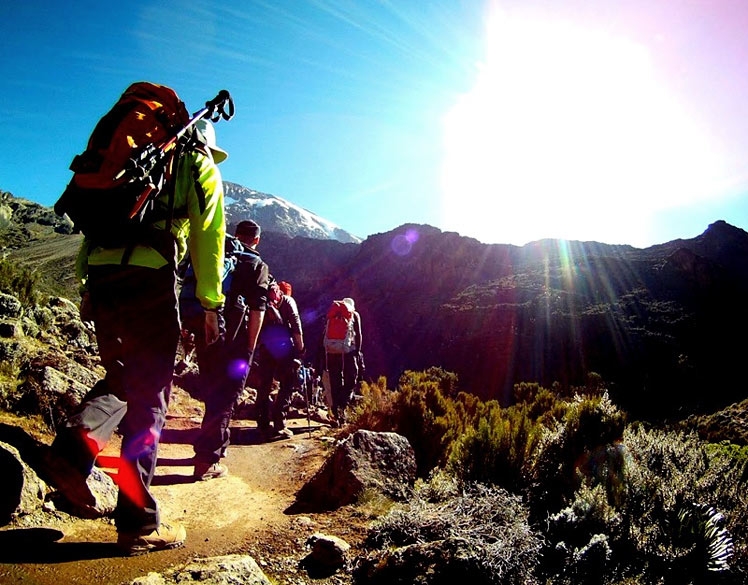
Kilimanjaro Summit-Night Mistakes To Avoid: Your Essential Guide For Climbs
Summit night on Kilimanjaro is the most challenging part of the climb. Avoiding common mistakes in acclimatization, gear, hydration, and pacing is crucial for success. This guide details...
View package details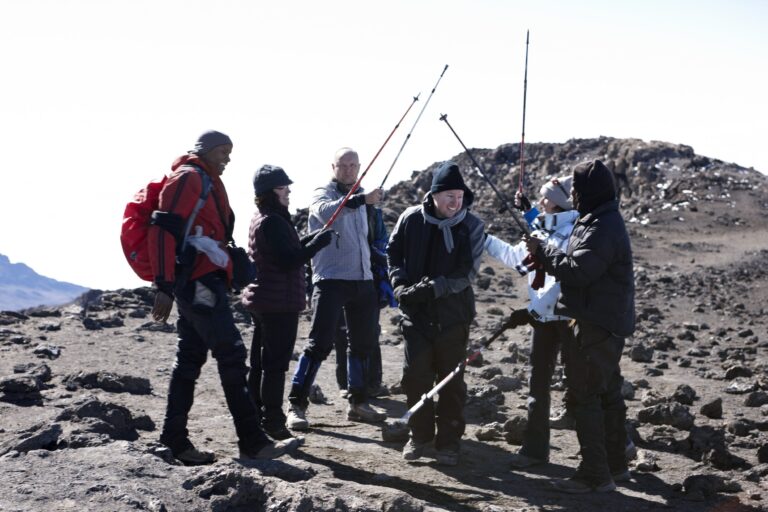
Kilimanjaro Airport Vs Arusha For Climbers: The Definitive Guide 2026-2027
A comprehensive comparison of Kilimanjaro International Airport (JRO) and Arusha Airport (ARK) for trekkers planning a Mount Kilimanjaro climb, detailing pros, cons, and booking advice for...
View package details
Kilimanjaro Climb For Retired Couples: Planning Your Adventure 2026-2027
Planning a Kilimanjaro climb as a retired couple is an achievable and rewarding goal. This guide offers in-depth advice on route selection, physical preparation, essential gear, and the...
View package details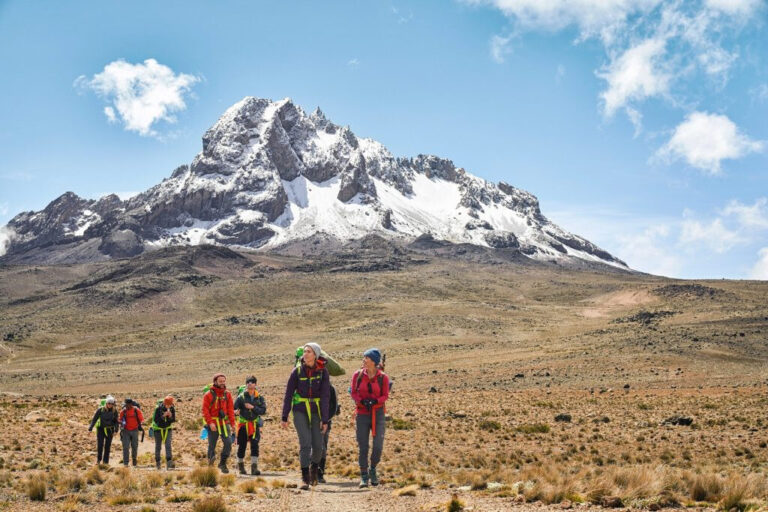
Can A 16-Year-Old Climb Kilimanjaro? Your Essential Guide 2026-2027
Discover if a 16-year-old can summit Kilimanjaro. This comprehensive guide covers age requirements, health, fitness, essential gear, and planning for younger trekkers aiming for Africa's...
View package details
Content For Parents And Young Climbers: Conquering Kilimanjaro Safely
Planning a Kilimanjaro climb with children or as a young climber requires special attention. This guide provides comprehensive content for parents and young adventurers, covering...
View package details
Kilimanjaro Tree-Planting Climbing Package Guide
Combine your dream Kilimanjaro climb with a meaningful conservation effort. Our Kilimanjaro Tree-Planting Climbing Package allows you to ascend Africa's highest peak while actively...
View package details
What Happens If It Rains Throughout Your Kilimanjaro Climb? 2026-2027
What Happens If It Rains throughout Your Kilimanjaro Climb? is explained with current 2026-2027 planning, price, itinerary and booking information.
View package details
Kilimanjaro Early-Bird Climbing Discounts For Adventures 2026-2027
Plan your 2026-2027 Kilimanjaro climb and take advantage of early-bird discounts. Top Guide Adventures offers savings for those who book in advance, ensuring a memorable and affordable...
View package details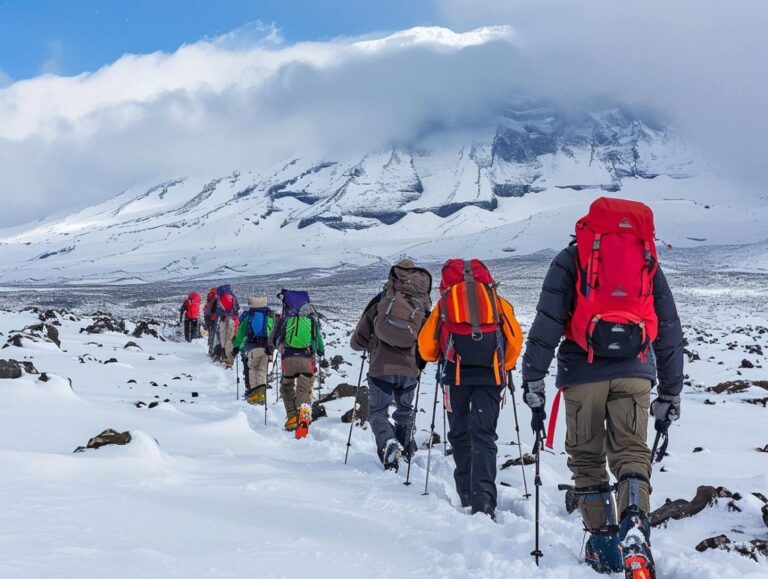
Kilimanjaro Private Climb Price For One Person: Your Guide 2026-2027
Planning a solo ascent of Mount Kilimanjaro? This guide details the Kilimanjaro private climb price for one person, covering cost factors, inclusions, and essential planning for 2026-2027.
View package details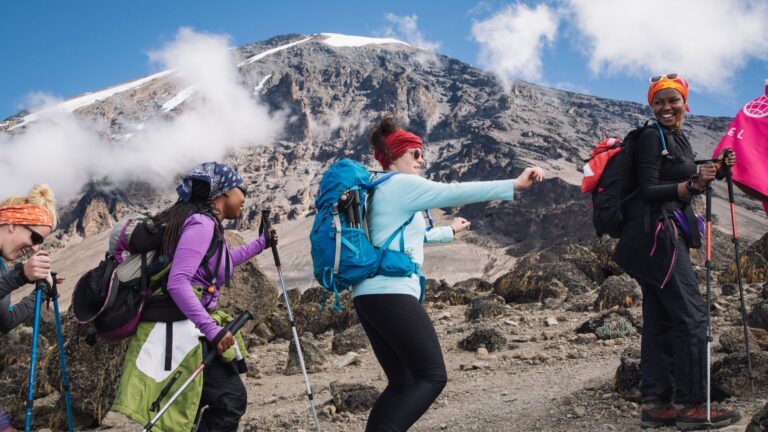
Kilimanjaro Wellness Retreat For Non-Climbers: Rejuvenate Near Africas
Experience the serene beauty and restorative power of Tanzania without the arduous climb. Our Kilimanjaro wellness retreats for non-climbers offer a unique blend of relaxation, cultural...
View package detailsNo related package matches those filters. Clear one or more filters to see the other topic-matched options.



