
A Plastic-Free Kilimanjaro climbing tour minimizes environmental impact by avoiding single-use plastics throughout the trek, from food packaging and water bottles to gear. Top Guide Adventures offers guidance and support for trekkers aiming for a zero-plastic summit experience, ensuring responsible waste management and promoting conservation on Africa’s highest peak for climbs planned in 2026 and 2027 and beyond.


Why Choose a Plastic-Free Kilimanjaro Climbing Tour?
Mount Kilimanjaro, a UNESCO World Heritage site and a bucket-list destination for adventurers worldwide, faces increasing pressure from tourism. While the mountain is majestic, the growing volume of waste, particularly non-biodegradable plastics, poses a significant threat to its fragile ecosystem. Opting for a Plastic-Free Kilimanjaro climbing tour is a conscious decision to protect this natural wonder for future generations. It aligns your adventure with principles of environmental stewardship, ensuring that your personal achievement doesn’t come at the cost of the mountain’s health.
The impact of plastic waste on Kilimanjaro is not merely aesthetic; it has tangible consequences. Plastic bags can choke wildlife, microplastics can enter the soil and water systems, and the sheer volume of discarded items detracts from the pristine beauty that draws millions. By actively seeking and participating in a plastic-free tour, you become part of the solution, setting a positive example and contributing to a more sustainable model of mountain tourism. This approach is becoming increasingly important for responsible travelers looking at climbing Kilimanjaro in 2026, 2027, and the years to come.
The Top Guide Adventures Commitment to Plastic-Free Trekking
At Top Guide Adventures, we understand the critical need for responsible tourism. We are dedicated to minimizing our ecological footprint on every Kilimanjaro climb. Our approach to a Plastic-Free Kilimanjaro climbing tour involves several key strategies:
- Waste Reduction Protocols: We work diligently with our guides, porters, and kitchen staff to reduce waste at its source. This includes encouraging the use of reusable containers and avoiding single-use plastic packaging whenever possible.
- Reusable Water Systems: We strongly advise and facilitate the use of reusable water bottles and purification systems. Our teams are trained to refill bottles with treated water at designated points, eliminating the need for disposable plastic water bottles.
- Sustainable Gear Recommendations: We provide clients with comprehensive packing lists that emphasize durable, reusable gear and advise against bringing unnecessary plastic items.
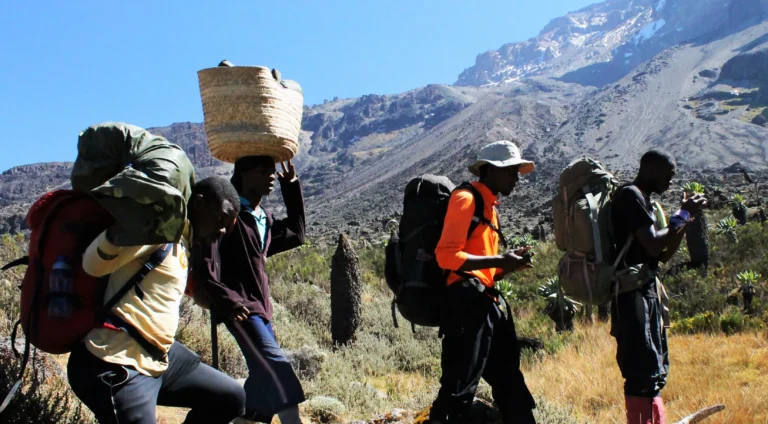
- Porter Education and Support: Our porters are vital to the Kilimanjaro climbing experience. We ensure they are educated on waste management principles and are equipped to carry out any necessary refuse responsibly.
- Community Engagement: We believe in supporting the local communities surrounding Kilimanjaro. This includes participating in or organizing local clean-up initiatives and promoting environmental awareness.
Choosing Top Guide Adventures for your Plastic-Free Kilimanjaro climbing tour means partnering with a company that genuinely cares about the mountain’s future. We are constantly refining our practices to ensure we offer the most sustainable trekking experience possible, making your 2026 or 2027 Kilimanjaro adventure not only memorable but also environmentally sound.
Planning Your Plastic-Free Kilimanjaro Climb: Key Considerations
Preparing for a Kilimanjaro climb is a significant undertaking, and incorporating a plastic-free approach adds another layer of planning. Here’s what you need to consider:
Choosing the Right Route
While all routes lead to the summit, some offer better infrastructure for waste management and are generally more organized, which can aid in a plastic-free approach. Routes like the Machame Route and Lemosho Route are popular and well-managed, with established campsites that often have waste disposal systems. The longer routes, such as the Northern Circuit, tend to have fewer climbers, potentially leading to less concentrated waste, and the extended duration allows for more mindful consumption.
When planning for 2026 or 2027, consider these route aspects:
- Duration: Longer routes (7-9 days) generally allow for a more gradual acclimatization and more time to manage waste effectively.
- Campsite Facilities: Some routes have better-managed campsites with designated waste disposal areas, making it easier to adhere to plastic-free principles.
- Climber Density: Less crowded routes can sometimes mean less immediate impact from other trekkers’ waste.
Gear and Equipment: The Reusable Advantage
Your personal gear is where you have the most control over plastic reduction. The goal is to replace disposable items with durable, reusable alternatives.
Essential Gear for a Plastic-Free Climb:
- Water Bottles/Hydration Reservoirs: Bring multiple sturdy reusable water bottles (e.g., Nalgene) or a hydration pack. Avoid single-use plastic water bottles entirely.
- Water Purification: Pack a reliable water filter, purification tablets, or a UV sterilizer. This is crucial for treating water from streams and ensures you don’t need to buy bottled water.
- Food Storage: Use reusable silicone bags, beeswax wraps, or durable containers for snacks and meals. Avoid pre-packaged, single-serving plastic-wrapped items.
- Toiletries: Opt for solid toiletries (shampoo bars, soap bars) or refillable travel-sized containers. Toothbrushes with bamboo handles are a great alternative to plastic.
- Snacks: Buy snacks in bulk and repackage them into reusable containers or bags. Consider nuts, dried fruits, energy bars with minimal plastic packaging, or homemade trail mix.
- Headlamp/Batteries: While not plastic-free, ensure your headlamp is durable and consider rechargeable batteries to reduce waste.
- Sunscreen/Insect Repellent: Look for brands offering products in metal tins or glass containers, or decant into reusable travel bottles.
- Trash Bags: While the aim is to produce minimal trash, you’ll need sturdy, reusable bags to pack out everything you pack in. Double-bagging is recommended for hygiene.
Food and Drink on the Mountain
The kitchen crew plays a vital role in a Plastic-Free Kilimanjaro climbing tour. Top Guide Adventures works with its teams to:
- Minimize Packaging: We prioritize purchasing ingredients with minimal or no plastic packaging.
- Reusable Cookware and Utensils: Our teams use durable, reusable pots, pans, plates, and cutlery.
- Bulk Ingredients: Whenever possible, food items are bought in bulk to reduce individual packaging waste.
- Water Treatment: As mentioned, we rely on robust water purification methods to provide safe drinking water, eliminating the need for bottled water.
As a climber, your role is to accept and manage the food provided, ensuring any personal wrappers or containers are properly stored and packed out. Communicate your commitment to a plastic-free climb to your guide beforehand; they will be your ally in this effort.
Waste Management: Pack It In, Pack It Out
The fundamental principle of responsible trekking on Kilimanjaro, especially for a Plastic-Free Kilimanjaro climbing tour, is “Pack It In, Pack It Out.” This means that every single item you bring onto the mountain, including all waste generated, must be carried back down to be disposed of properly.
What Constitutes ‘Waste’ on Kilimanjaro?
This includes:
- Food wrappers and packaging (even if you tried to minimize them)
- Plastic bottles, even if empty
- Sanitary items
- Used tissues or wet wipes
- Any gear that breaks or is no longer needed
- Organic waste (fruit peels, etc.) – while biodegradable, leaving them on the mountain can attract rodents and alter the natural environment. Pack them out.
How Top Guide Adventures Supports Pack It In, Pack It Out
Our guides are trained to:
- Supervise Waste Collection: They ensure all client and crew waste is collected daily.
- Provide Waste Bags: We provide sturdy bags for collecting waste. Clients are encouraged to bring their own durable bags as well for personal items.
- Educate Climbers: Guides will remind climbers about the importance of packing out all waste.
- Transport Waste: All collected waste is transported back down to Moshi or Arusha for responsible disposal or recycling.
For your 2026-2027 climb, make this principle your mantra. It’s the cornerstone of leaving no trace.
The Role of Porters and Guides in a Plastic-Free Kilimanjaro Climb
The success of any Kilimanjaro climb hinges on the incredible work of the guides and porters. For a Plastic-Free Kilimanjaro climbing tour, their role is amplified. They are not just carrying gear; they are environmental stewards.
Training and Awareness
Top Guide Adventures invests in training our crew:
- Environmental Briefings: Before each climb, the crew receives specific instructions on waste management and plastic reduction.
- Ethical Treatment: We ensure our porters are treated ethically, paid fairly, and equipped with appropriate gear. This fosters a sense of pride and responsibility towards the mountain.
- Waste Segregation: Where possible, crew members are trained to help segregate waste for better disposal at the end of the trek.
Client-Crew Collaboration
A successful plastic-free climb relies on collaboration. Climbers should:
- Communicate: Talk to your guide about your commitment to a plastic-free climb.
- Respect Instructions: Follow the crew’s guidance on waste disposal and water refills.
- Be Mindful: Even small actions, like not dropping wrappers, make a difference.
We believe that by empowering our crew and fostering a collaborative spirit with our clients, we can achieve a truly responsible Plastic-Free Kilimanjaro climbing tour experience for 2026 and beyond.
Beyond Plastic: Other Eco-Friendly Practices for Your Kilimanjaro Climb
While focusing on plastic is crucial, a truly eco-conscious climb considers all aspects of environmental impact. Top Guide Adventures integrates broader sustainability practices into our tours:
- Respecting Wildlife: Maintaining a safe distance from any wildlife encountered and never feeding animals.
- Camp Site Management: Adhering strictly to designated campsites and leaving them cleaner than we found them. Using designated toilet facilities or digging cat holes correctly when facilities are unavailable.
- Minimizing Campfire Impact: While fires are generally prohibited on Kilimanjaro, where permitted or for cooking, using established fire pits and minimizing fuel consumption. Our teams use efficient cooking stoves.
- Water Conservation: Using water judiciously, especially for washing.
- Trail Etiquette: Staying on marked trails to prevent erosion and protect vegetation.
- Supporting Local Economy: Purchasing supplies from local businesses and ensuring fair wages for all staff.
By adopting these practices alongside a Plastic-Free Kilimanjaro climbing tour approach, you contribute to the overall preservation of this magnificent mountain and support the local communities.
What to Expect on a Plastic-Free Kilimanjaro Climb in 2026-2027
Climbing Kilimanjaro is physically and mentally demanding. Adding a plastic-free commitment requires a bit more mindfulness but does not fundamentally change the core experience. Here’s what you can anticipate:
- Daily Briefings: Your guide will likely include reminders about waste management and water discipline during daily briefings.
- More Personal Responsibility: You’ll be more aware of your consumption and waste generation, actively managing your reusable items.
- Water Refills: Expect regular opportunities to refill your water bottles at designated points, often with boiled or treated water provided by the crew.
- Snack Management: You’ll be responsible for storing your snacks and any wrappers in your personal daypack until you can dispose of them properly.
- No Plastic Bottles Sold: You won’t find opportunities to buy bottled water on the mountain. Your preparedness with reusable bottles and purification is key.
- A Sense of Accomplishment: Beyond reaching the summit, you’ll have the added satisfaction of knowing you completed your climb with minimal environmental impact.
For travelers planning their Kilimanjaro adventure in 2026 or 2027, this approach is becoming the standard for responsible operators. Top Guide Adventures ensures that the transition to a plastic-free experience is as smooth and enjoyable as possible.
Comparing Plastic-Free Kilimanjaro Tour Operators
When selecting a tour operator for your Plastic-Free Kilimanjaro climbing tour, it’s essential to research their commitment to sustainability. Not all operators are created equal.
Key Questions to Ask Potential Operators:
- What is your policy on single-use plastics, especially water bottles?
- How do you manage waste generated by clients and crew on the mountain?
- Do you provide reusable water bottles or purification systems, or is this the client’s responsibility?
- What training do your guides and porters receive regarding environmental practices?
- Are you affiliated with any environmental organizations or initiatives on Kilimanjaro?
- What is your stance on “tipping” for environmental practices? (Some operators may incorporate environmental fees).
Top Guide Adventures’ Differentiators:
We pride ourselves on transparency and a genuine commitment:
- Proven Track Record: We have years of experience implementing responsible tourism practices.
- Dedicated Sustainability Focus: Environmental protection is not an afterthought; it’s integrated into our operational planning.
- Well-Trained Crew: Our guides and porters are knowledgeable about conservation and equipped to manage waste effectively.
- Client Education: We provide comprehensive pre-trip information to help clients prepare for a plastic-free climb.
Choosing Top Guide Adventures for your Plastic-Free Kilimanjaro climbing tour in 2026-2027 ensures you are partnering with a company that prioritizes the mountain’s well-being.
Cost Considerations for a Plastic-Free Kilimanjaro Climb
The cost of a Plastic-Free Kilimanjaro climbing tour might differ slightly from standard tours, but often the difference is minimal, especially when comparing reputable operators. The primary cost drivers for any Kilimanjaro climb remain:
- Park Fees: These are fixed by the Tanzanian government and are the largest component of the cost.
- Route and Duration: Longer routes and more remote routes typically cost more.
- Group Size: Private climbs are more expensive per person than group climbs.
- Quality of Service: This includes the quality of food, equipment, guide-to-client ratio, and porter welfare.
How Plastic-Free Practices Affect Cost:
- Initial Investment: While clients need to invest in reusable water bottles and purification systems, this is a one-time cost that can be reused for future trips.
- Operational Efficiency: Operators committed to plastic-free tours often streamline their logistics, which can lead to efficiencies. For instance, managing bulk food purchases and reusable containers can be more cost-effective than constantly buying pre-packaged goods.
- Reduced Waste Disposal Costs: While not a major factor, less waste generally means slightly lower disposal fees at the end of the trek.
- Ethical Porter Wages: Reputable operators who prioritize porter welfare (which often goes hand-in-hand with environmental responsibility) may have higher staffing costs, reflecting fair wages and adequate equipment. This is a crucial factor for a responsible climb.
At Top Guide Adventures, we strive to offer competitive pricing for our Plastic-Free Kilimanjaro climbing tours. Our pricing reflects the quality of service, safety standards, and our commitment to environmental and social responsibility. We believe that the value of a sustainable climb far outweighs any marginal cost difference. Contact us for a personalized quote for your 2026 or 2027 climb.
Frequently Asked Questions about Plastic-Free Kilimanjaro Climbs
What are the biggest environmental challenges on Kilimanjaro?
The primary environmental challenges include plastic waste, human waste, litter, deforestation at lower altitudes, and soil erosion. Plastic waste is particularly problematic due to its non-biodegradability.
Can I bring my own snacks on a plastic-free tour?
Yes, you can and should! However, the key is to repackage them into reusable containers or bags before you start your climb. Avoid bringing snacks that come in excessive individual plastic packaging.
What happens to the waste I generate?
All waste generated by climbers and the crew is collected and carried back down the mountain by porters. It is then transported to designated waste management facilities in Moshi or Arusha for proper disposal, recycling, or composting where possible.
Is it possible to have a completely zero-plastic climb?
Achieving absolutely zero plastic is extremely challenging given the nature of modern equipment and supplies. However, a Plastic-Free Kilimanjaro climbing tour aims to eliminate as much single-use plastic as possible, focusing on reusable alternatives and responsible waste management. The goal is significant reduction and responsible handling of unavoidable plastic.
When is the best time to climb Kilimanjaro in 2026-2027?
The best times to climb Kilimanjaro are during the dry seasons: January to March and June to October. These periods offer clearer skies and more stable weather conditions, enhancing both safety and the overall experience. Planning your Plastic-Free Kilimanjaro climbing tour during these windows is advisable.
Do I need to bring my own toilet paper?
Yes, it’s advisable to bring your own toilet paper and a small bag to pack out used paper. While some campsites may have basic facilities, carrying your own ensures you are prepared. Consider biodegradable options if available, but remember to pack them out.
Preparing for Your Sustainable Summit Adventure
Your journey to the Roof of Africa is more than just a physical challenge; it’s an opportunity to connect with nature and practice responsible tourism. By choosing a Plastic-Free Kilimanjaro climbing tour with Top Guide Adventures, you are actively contributing to the preservation of this iconic mountain.
We encourage you to:
- Educate Yourself: Understand the principles of Leave No Trace and the specific challenges Kilimanjaro faces.
- Invest in Reusables: Make the upfront investment in quality reusable water bottles, purification systems, and food containers.
- Pack Mindfully: Review our comprehensive packing list, focusing on durable, multi-use items and minimizing unnecessary packaging.
- Communicate Your Intentions: Let us know about your commitment to a plastic-free climb so we can best support you.
Top Guide Adventures is committed to providing exceptional experiences while upholding the highest standards of environmental responsibility. We are excited to help you plan your Plastic-Free Kilimanjaro climbing tour for 2026 or 2027. Let us help you make your dream of summiting Kilimanjaro a reality, sustainably.
Ready to plan your eco-conscious Kilimanjaro adventure? Get in touch with our team today for expert advice, personalized itineraries, and a quote for your Plastic-Free Kilimanjaro climbing tour. You can reach us via WhatsApp at +255616946642, email at topguideadventures@gmail.com, or our backup email info@topguideadventures.com. Let’s climb responsibly!
“,
“faq_schema”: [
{
“question”: “What are the biggest environmental challenges on Kilimanjaro?”,
“answer”: “The primary environmental challenges include plastic waste, human waste, litter, deforestation at lower altitudes, and soil erosion. Plastic waste is particularly problematic due to its non-biodegradability.”
},
{
“question”: “Can I bring my own snacks on a plastic-free tour?”,
“answer”: “Yes, you can and should! However, the key is to repackage them into reusable containers or bags before you start your climb. Avoid bringing snacks that come in excessive individual plastic packaging.”
},
{
“question”: “What happens to the waste I generate?”,
“answer”: “All waste generated by climbers and the crew is collected and carried back down the mountain by porters. It is then transported to designated waste management facilities in Moshi or Arusha for proper disposal, recycling, or composting where possible.”
},
{
“question”: “Is it possible to have a completely zero-plastic climb?”,
“answer”: “Achieving absolutely zero plastic is extremely challenging given the nature of modern equipment and supplies. However, a Plastic-Free Kilimanjaro climbing tour aims to eliminate as much single-use plastic as possible, focusing on reusable alternatives and responsible waste management. The goal is significant reduction and responsible handling of unavoidable plastic.”
},
{
“question”: “When is the best time to climb Kilimanjaro in 2026-2027?”,
“answer”: “The best times to climb Kilimanjaro are during the dry seasons: January to March and June to October. These periods offer clearer skies and more stable weather conditions, enhancing both safety and the overall experience. Planning your Plastic-Free Kilimanjaro climbing tour during these windows is advisable.”
},
{
“question”: “Do I need to bring my own toilet paper?”,
“answer”: “Yes, it’s advisable to bring your own toilet paper and a small bag to pack out used paper. While some campsites may have basic facilities, carrying your own ensures you are prepared. Consider biodegradable options if available, but remember to pack them out.”
}
]
}
“`
Check Availability for Plastic-Free Kilimanjaro Climbing Tour 2026-2027
Ready to compare dates, prices, and the best option for your group? Send the package name and travel month so the team can reply with a clear quote, availability, and what is included.
Kilimanjaro Tree-Planting Climbing Package Guide
Combine your dream Kilimanjaro climb with a meaningful conservation effort. Our Kilimanjaro Tree-Planting Climbing Package allows you to ascend Africa's highest peak while actively...
View package details
Kilimanjaro Early-Bird Climbing Discounts For Adventures 2026-2027
Plan your 2026-2027 Kilimanjaro climb and take advantage of early-bird discounts. Top Guide Adventures offers savings for those who book in advance, ensuring a memorable and affordable...
View package details
Kilimanjaro Climbing Price For Two People 2026-2027
Kilimanjaro Climbing Price for Two People is explained with current 2026-2027 planning, price, itinerary and booking information.
View package details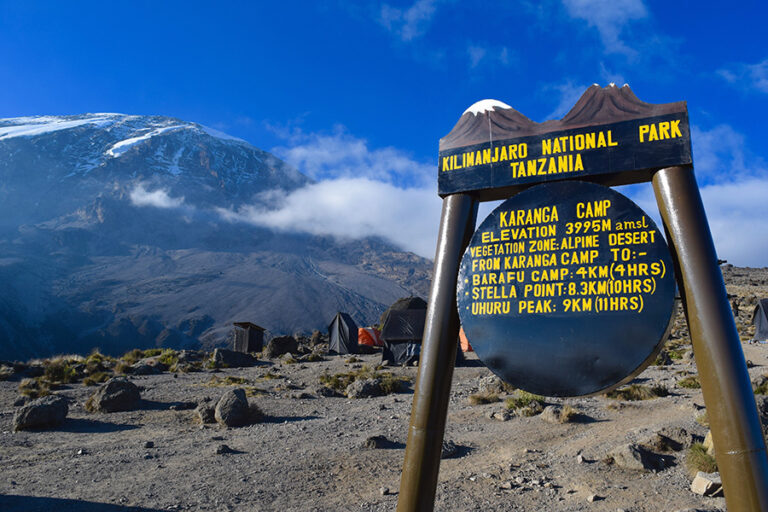
Kilimanjaro Safari Package For Non-Climbing Companions: Options & Experiences
For those accompanying climbers to Kilimanjaro but not ascending the peak, specialized safari packages offer a fantastic way to experience Tanzania's renowned wildlife and landscapes. These...
View package details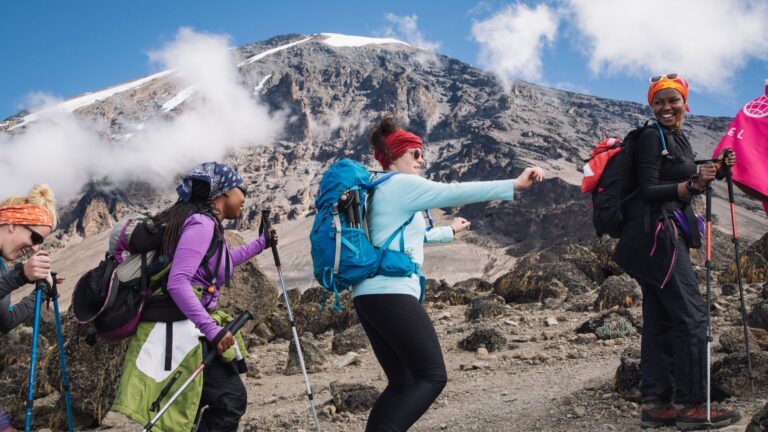
Kilimanjaro Climbing Support For Visually Impaired Travellers Guide
Climbing Kilimanjaro presents a unique challenge and reward, especially for visually impaired travellers. This guide details the specialized support, safety measures, and essential...
View package details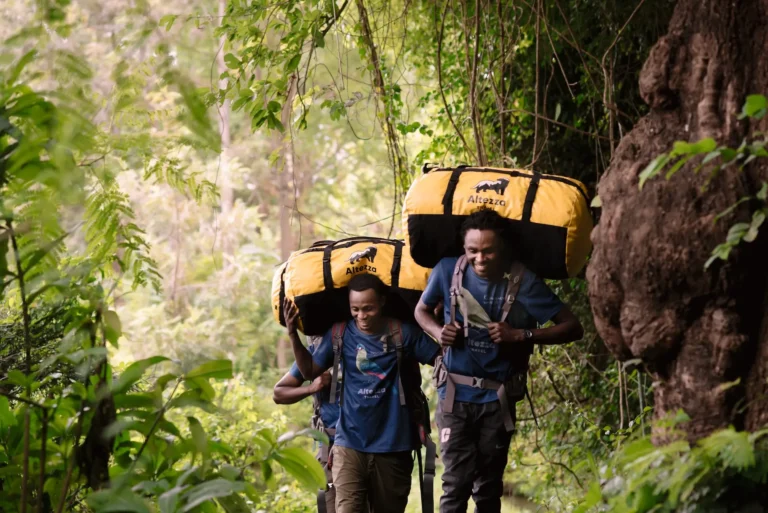
How To Read A Kilimanjaro Climbing Quote 2026-2027
How to Read a Kilimanjaro Climbing Quote is explained with current 2026-2027 planning, price, itinerary and booking information.
View package details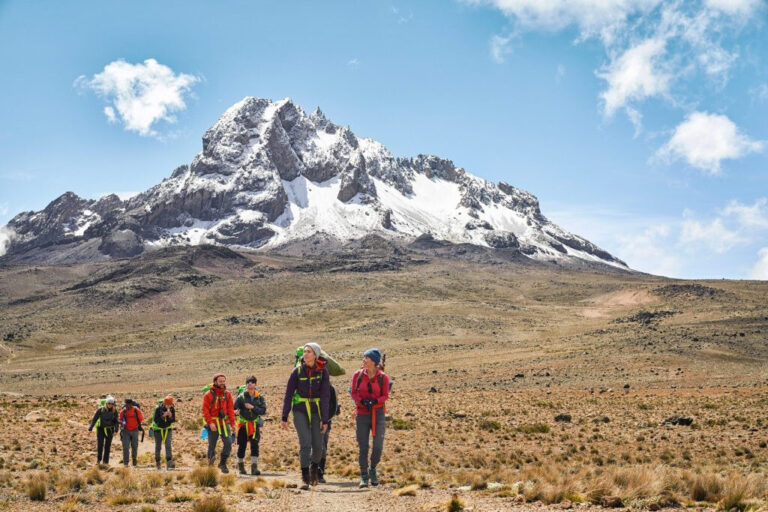
The Truth About Climbing Mount Kilimanjaro 2026-2027
The Truth about Climbing Mount Kilimanjaro is explained with current 2026-2027 planning, price, itinerary and booking information.
View package details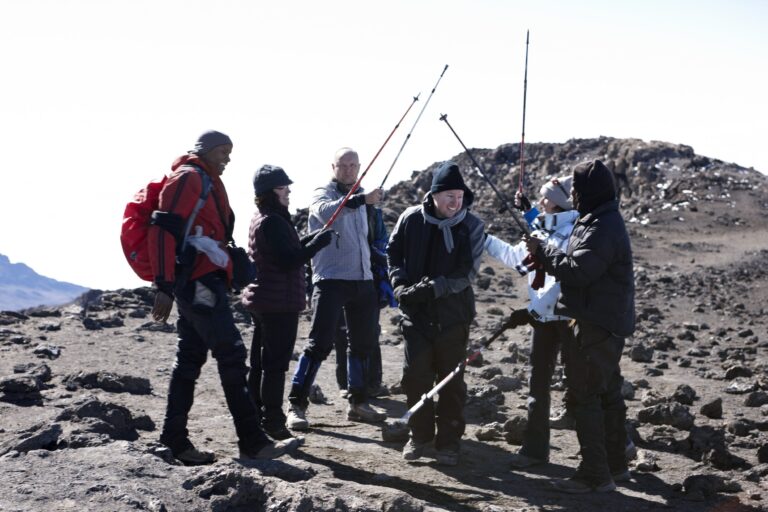
What Nobody Tells You About Climbing Kilimanjaro 2026-2027
What Nobody Tells You about Climbing Kilimanjaro is explained with current 2026-2027 planning, price, itinerary and booking information.
View package details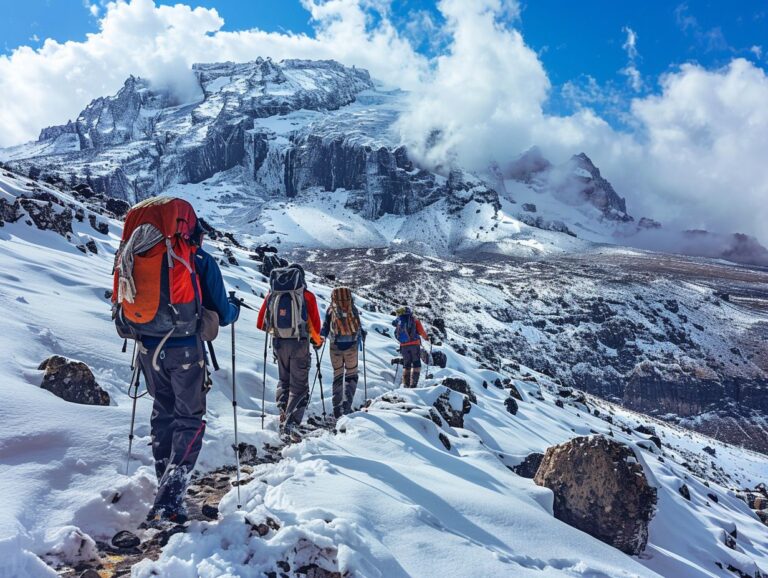
25 Kilimanjaro Climbing Mistakes First-Timers Make: Avoid Them In 2026-2027
Climbing Mount Kilimanjaro is a dream for many, but first-time trekkers can fall into common traps. This guide details 25 critical mistakes to avoid, from inadequate preparation and gear...
View package details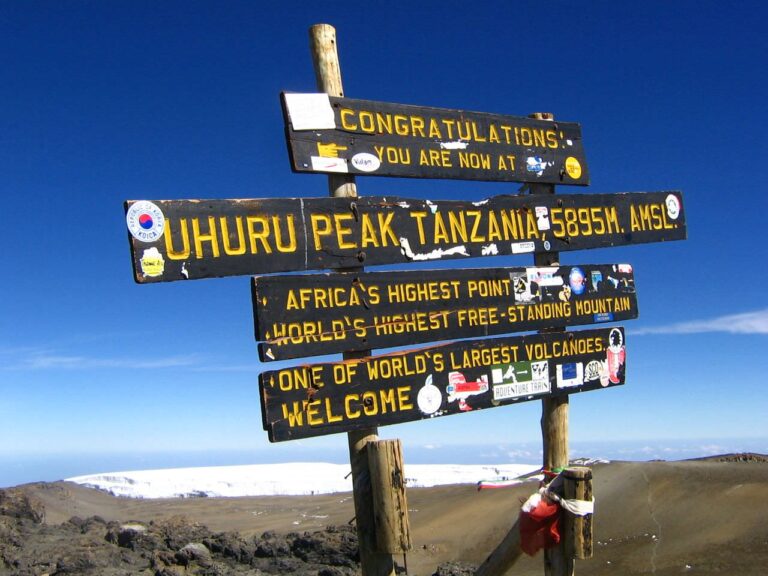
What Does Kilimanjaro Rainforest Look Like? A Trekkers Visual Guide 2026-2027
The Kilimanjaro rainforest is a vibrant, humid zone of dense vegetation, towering trees, and diverse plant life found on the mountain's lower slopes. It's the first major ecosystem trekkers...
View package details
Kilimanjaro Climb With A Personal Support Assistant: Your Ultimate Guide
Climbing Mount Kilimanjaro with a personal support assistant offers unparalleled safety, comfort, and focus on your summit goals. This guide details what a personal assistant entails, its...
View package detailsHow To Know Whether You Are Ready For Kilimanjaro: A Comprehensive Guide
Climbing Mount Kilimanjaro is a significant undertaking. This guide helps you evaluate your physical, mental, and logistical readiness to ensure a safe and successful trek in 2026 or 2027...
View package detailsNo related package matches those filters. Clear one or more filters to see the other topic-matched options.



