
Climbing Kilimanjaro in April offers significant advantages, primarily due to its position in the shoulder season, which typically provides a favorable balance of good weather, fewer trekkers compared to peak times, and lush, verdant landscapes. This makes it an attractive option for those planning their 2026 or 2027 ascent who seek a more serene experience with a good chance of clear skies and manageable temperatures.
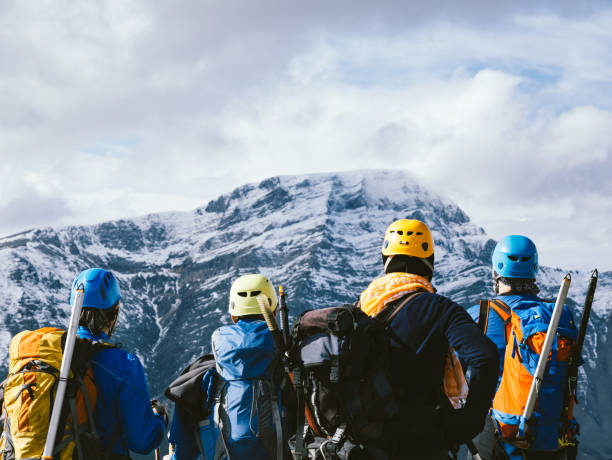
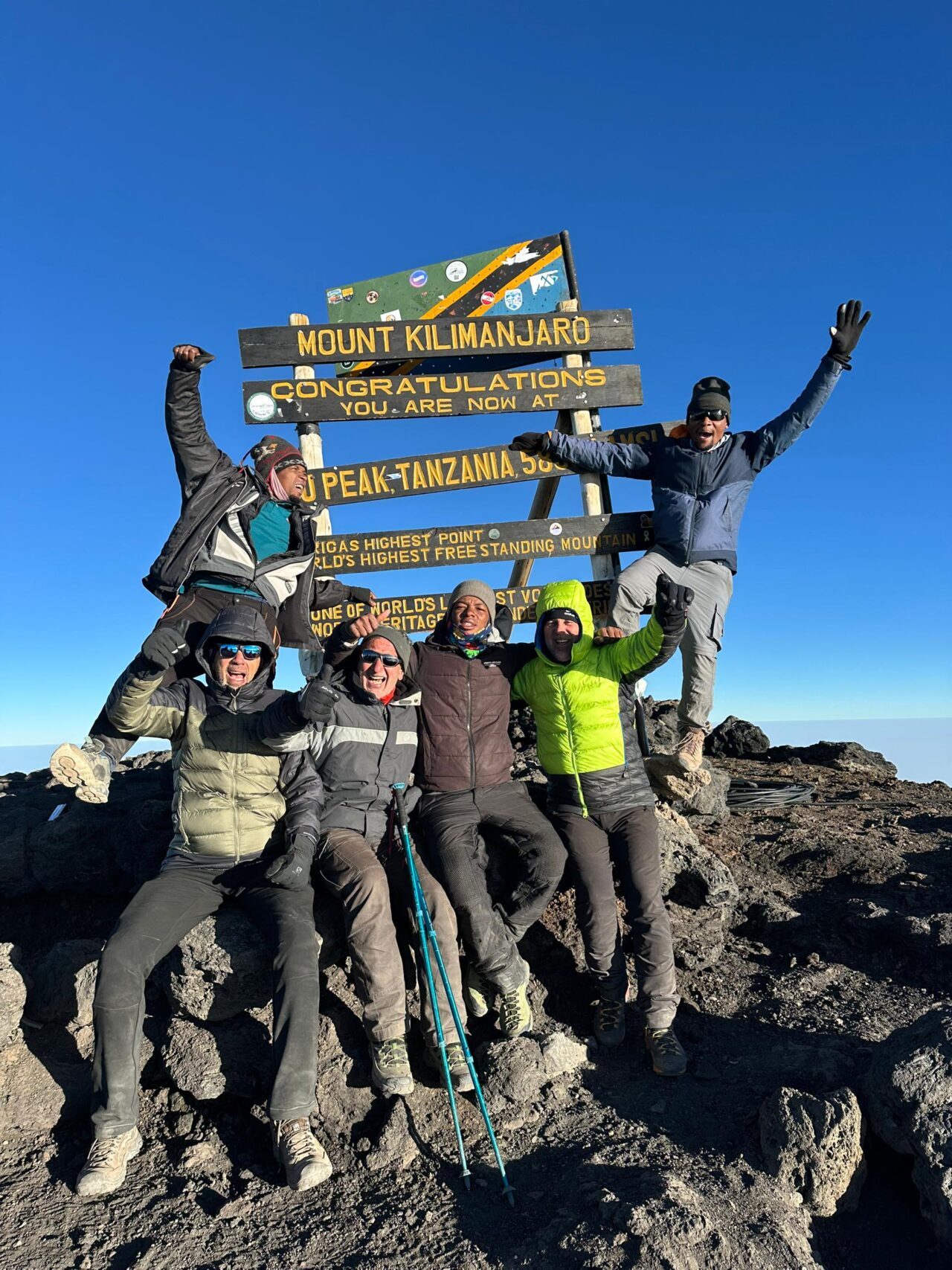
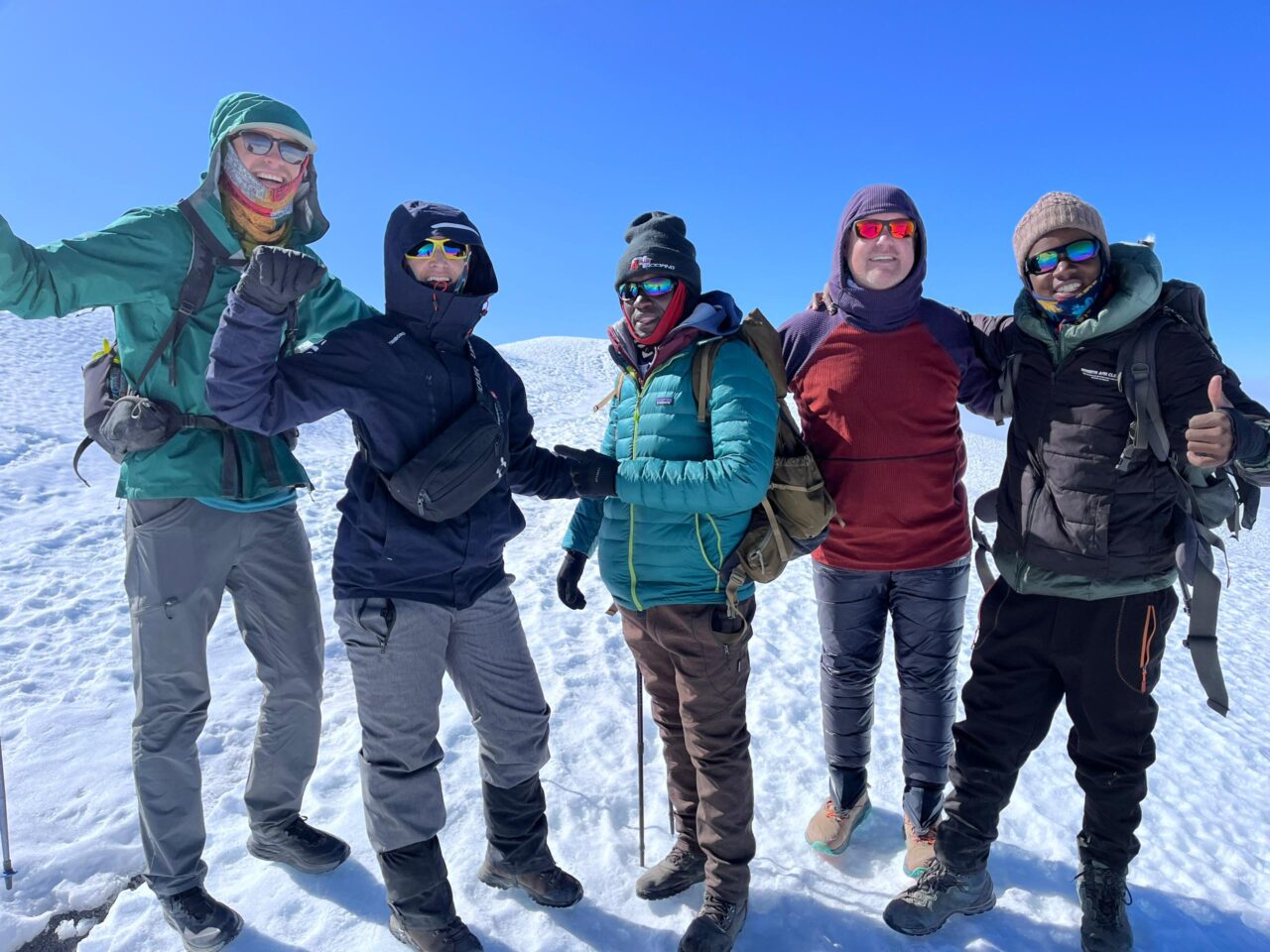
Why April is a Smart Choice for Your Kilimanjaro Climb
When planning an expedition up Africa’s highest peak, the timing of your climb is paramount. Kilimanjaro experiences distinct seasons, each with its own set of pros and cons. While the dry seasons (January-February and June-October) are often touted as the best, the shoulder months, particularly April, present a compelling case for many trekkers. For those considering a climb in 2026 or 2027, understanding the nuances of April’s trekking conditions can help you make an informed decision that aligns with your preferences for crowd levels, weather, and overall experience.
April falls within Kilimanjaro’s second rainy season, often referred to as the ‘long rains’. However, this description can be misleading. Unlike torrential, all-day downpours, the rain in April is frequently characterized by afternoon showers and thunderstorms, often followed by clear skies. Crucially, the rain is not constant, and significant periods of sunshine and clear visibility are common, especially during the morning hours. This duality means that while you must be prepared for rain, the mountain remains accessible and often stunningly beautiful.
The primary advantage of climbing Kilimanjaro in April is the reduced number of trekkers. This is a significant draw for individuals or groups who prefer a more tranquil and personal mountain experience. With fewer people on the trails and at the campsites, you’re likely to enjoy a greater sense of solitude, more interaction with your guides and porters, and a more profound connection with the natural environment. This can be particularly appealing for those seeking a reflective journey or a more intimate celebration of reaching the summit.
Furthermore, April often showcases Kilimanjaro in its most vibrant and lush state. The rains nourish the diverse ecosystems, bringing forth a riot of green across the lower slopes and rainforest. Wildflowers bloom, and the air is fresh and clean. This visual spectacle adds another layer of beauty to the already awe-inspiring ascent, offering photographers and nature enthusiasts unparalleled opportunities. The wildlife in the lower forest zones can also be more active and visible during this period.
For savvy travelers looking at 2026 and 2027, April can also present more flexible booking options and potentially more competitive pricing from reputable tour operators, although quality should always be the primary consideration. This shoulder season timing allows for a fantastic Kilimanjaro adventure without the peak-season crowds, making it a strategic choice for a memorable trek.
Understanding Kilimanjaro’s Weather Patterns in April
Kilimanjaro’s climate is famously varied, changing dramatically with altitude. The mountain boasts five distinct ecological zones, and the weather in April reflects the transitional nature of the shoulder season. While generally considered part of the ‘long rains’ season (March, April, May), April often offers a more manageable experience than the heart of the rainy season. It’s crucial to understand what ‘rainy season’ truly means on Kilimanjaro.
The ‘Long Rains’ Context
The long rains typically occur from March through May. During this period, the moisture-laden clouds from the Indian Ocean are prevalent. However, on Kilimanjaro, this doesn’t equate to continuous, miserable weather. Instead, you can often expect:
- Morning Clarity: The early parts of the day, from sunrise until mid-morning, are frequently clear and sunny, offering excellent visibility for trekking and photography.
- Afternoon Showers: The most common pattern is for clouds to build up during the day, leading to rain showers or thunderstorms in the afternoon or early evening. These are often intense but relatively short-lived.
- Evening and Night Clear Skies: After the afternoon rains, the skies often clear again, providing cool, crisp nights and stunning stargazing opportunities.
April, in particular, often sees a reduction in the intensity and frequency of rain compared to March or May. It represents a transition point, where the full force of the rains may have begun to wane, but the dry season has not yet returned. This can lead to a ‘best of both worlds’ scenario: enough moisture to keep the mountain lush, but not so much rain as to make trekking consistently difficult.
Temperature Ranges by Altitude in April
Temperatures on Kilimanjaro vary significantly with altitude and time of day. In April, you can expect:
- Base (Moshi): Pleasant, warm tropical climate, typically 20-30°C (68-86°F).
- Rainforest Zone (1,800-2,800m): Cooler and often humid, with daytime temperatures around 15-20°C (59-68°F) and dropping at night.
- Moorland Zone (2,800-4,000m): Noticeably cooler, with daytime highs of 10-15°C (50-59°F) and nighttime temperatures potentially dropping to freezing (0°C / 32°F).
- Alpine Desert Zone (4,000-5,000m): Cold, with daytime temperatures around 5-10°C (41-50°F), and nighttime temperatures frequently falling well below freezing, often -5°C to -10°C (14-23°F).
- Summit Zone (Uhuru Peak, 5,895m): Extreme cold. Expect temperatures between -10°C to -20°C (14°F to -4°F) on summit night, with wind chill making it feel even colder.
The humidity can be higher in April due to the rain, which can make the cooler temperatures feel more biting, especially at higher altitudes. Proper layering is essential.
Visibility and Cloud Cover
While April can bring rain, it doesn’t necessarily mean persistent fog or low visibility. The mornings are often exceptionally clear, offering spectacular views of Kilimanjaro’s summit and the surrounding plains. Clouds tend to build up in the afternoon, sometimes obscuring views at certain altitudes. However, the dramatic cloud formations can also add to the mountain’s mystique. If you are prepared for occasional rain, the reward is often stunning, vibrant landscapes and a less crowded trail.
For trekkers planning their 2026 or 2027 Kilimanjaro climb, embracing April’s weather means being well-prepared with waterproof gear and a flexible attitude. The potential for rain is a trade-off for fewer crowds and a greener, more alive mountain.
The Advantage of Fewer Crowds in April
One of the most significant benefits of choosing April for your Kilimanjaro expedition is the noticeable decrease in the number of trekkers on the mountain. This is a key differentiator from the peak dry seasons when popular routes can feel quite busy.
A More Personal and Serene Experience
Imagine trekking through pristine landscapes with only your team and the sounds of nature. In April, this is often the reality. The trails are less congested, meaning:
- More Solitude: You can truly connect with the environment and yourself without the constant presence of other groups. This is ideal for a reflective or spiritual journey.
- Enhanced Interaction: With fewer people, your guides and porters can offer more personalized attention. You’ll have more opportunities for meaningful conversations, learning about local culture, and receiving tailored support.
- Better Campsite Experience: Campsites are less crowded, offering a more peaceful atmosphere for resting, dining, and enjoying the evenings. You’re less likely to feel rushed or disturbed.
- Photography Opportunities: Capturing iconic Kilimanjaro vistas without crowds in the frame is much easier. You can take your time at viewpoints and enjoy unobstructed panoramas.
For many, the psychological benefit of a less crowded mountain cannot be overstated. It allows for a more profound appreciation of Kilimanjaro’s grandeur and a stronger sense of accomplishment upon reaching the summit.
Impact on Trekking Pace and Logistics
The reduced number of trekkers in April also has practical implications:
- Smoother Logistics: Campsite management and meal preparation can run more efficiently with fewer groups.
- Trail Congestion: You’re less likely to encounter bottlenecks on narrower sections of the trail, especially on popular routes like Machame or Marangu. This leads to a more consistent and enjoyable trekking pace.
- Accommodation Availability: While campsites are the norm on most routes, the less crowded environment ensures a more comfortable setup.
When considering your 2026 or 2027 Kilimanjaro climb, if a peaceful and unhurried experience is high on your priority list, April emerges as a prime candidate. It offers the chance to experience the majesty of Kilimanjaro without the hustle and bustle often associated with peak trekking seasons.
The Lush and Vibrant Landscapes of April
The rains of April, while a consideration for weather preparedness, are also the source of Kilimanjaro’s spectacular beauty during this period. The mountain transforms into a vibrant, verdant wonderland.
A Greener Mountain
The rainfall nourishes the diverse flora, resulting in:
- Lush Rainforest: The lower montane forest zone is at its most vibrant. Expect dense, green foliage, moss-covered trees, and a rich undergrowth. The air is fresh and carries the scent of damp earth and vegetation.
- Blooming Wildflowers: Various species of wildflowers often bloom in abundance, particularly in the moorland and alpine zones, adding splashes of color to the landscape.
- Thriving Ecosystems: The water supports abundant wildlife. You might spot more birds, monkeys (especially in the forest zone), and other animals that are often more active when water is plentiful.
This visual richness makes the trekking experience incredibly rewarding. The contrast between the vibrant greens, the dramatic cloud formations, and the stark beauty of the higher altitude zones is impressive. For photographers, April offers a unique palette of colors and textures.
Waterfalls and Streams
The increased rainfall often means that waterfalls and streams on and around Kilimanjaro are more active and impressive. While not always directly on the trekking routes, their presence contributes to the overall sense of a ‘living’ mountain. The sound of flowing water is a constant, soothing companion for much of the lower and middle sections of the climb.
Clearing Skies and Dramatic Views
Despite the rain, April frequently offers moments of incredible clarity. After an afternoon shower, the air is washed clean, and the sunlight can break through dramatically. This often results in:
- Rainbows: Frequent rainbows arching over the landscape are a common and beautiful sight.
- Striking Sunrises and Sunsets: When clear, the sunrises and sunsets can be particularly vivid, with dramatic cloud formations providing a stunning backdrop.
- Unobstructed Summit Views: As mentioned, mornings are often clear, offering magnificent views of Uhuru Peak and the surrounding glaciers, allowing you to appreciate the scale and majesty of the mountain before the clouds roll in.
For trekkers planning their 2026 or 2027 adventure, the visual rewards of climbing Kilimanjaro in April are substantial. The vibrant landscapes offer a unique and beautiful setting for your ascent.
Preparing for an April Kilimanjaro Climb: What to Pack
The key to a successful and enjoyable Kilimanjaro climb in April lies in thorough preparation, especially regarding your gear. While the mountain offers advantages, the potential for rain necessitates specific packing choices.
Essential Gear for April Trekkers
Your standard Kilimanjaro packing list remains crucial, but with an emphasis on waterproofing and layering:
- Waterproof Outerwear: A high-quality, breathable waterproof and windproof jacket and trousers are non-negotiable. Ensure they have taped seams.
- Waterproof Boots: Well-worn-in, waterproof hiking boots are essential to keep your feet dry and comfortable. Consider gaiters to prevent water and mud from entering the top of your boots.
- Layering System: Pack synthetic or wool base layers (tops and bottoms), insulating mid-layers (fleece or down jacket), and your waterproof outer shell. This allows you to adapt to changing temperatures and conditions.
- Warm Hat and Gloves: Even with rain, temperatures at higher altitudes and on summit night can be very cold. Pack a warm, waterproof hat and waterproof gloves, plus liner gloves for dexterity.
- Sun Protection: Despite the rain, the sun at altitude is intense. Bring high-SPF sunscreen, lip balm with SPF, sunglasses, and a wide-brimmed hat or cap for sunny periods.
- Headlamp: Essential for navigating in the dark, especially for the pre-dawn summit push. Ensure it has fresh batteries or is rechargeable.
- Water Bottles/Hydration System: Carry at least 2-3 liters of water capacity. Insulated covers can help prevent water from freezing on summit night.
- Backpack: A comfortable daypack (30-40 liters) for essentials you need during the day, and a larger duffel bag (80-100 liters) for porters to carry.
- Sleeping Bag: A 4-season sleeping bag rated to at least -10°C (14°F) or -20°C (-4°F) is recommended for comfort, especially at higher camps and on summit night.
- Trekking Poles: Highly recommended for stability on slippery descents and ascents, and to reduce strain on your knees.
Specific Considerations for April
- Waterproof Dry Bags: Use these inside your duffel bag to protect your clothing and sleeping bag from moisture.
- Quick-Drying Towel: A small, quick-drying towel is useful for managing moisture and for hygiene.
- Hand and Foot Warmers: Consider disposable hand and foot warmers for added comfort on cold summit night.
Top Guide Adventures emphasizes the importance of packing correctly. Our experienced guides can provide detailed packing lists tailored to specific routes and seasons, ensuring you are well-equipped for the challenges and beauties of an April climb. For your 2026 or 2027 Kilimanjaro trek, discuss your gear needs with us well in advance.
Choosing the Right Route for an April Climb
While April’s weather can be experienced on any route, some routes might offer slightly better protection or different scenic experiences during this transitional month.
Route Considerations
- Machame Route: Known for its scenic beauty and gradual ascent profile, Machame is a popular choice. Its ‘trek and camp’ style means you’ll be well-acclimatized, and the diverse scenery from rainforest to alpine desert is stunning in April’s lushness. The later summit start from Barafu Camp means you might encounter some rain or snow on the ascent, but the views are often clear in the early morning.
- Lemosho Route: Similar to Machame in its beauty and acclimatization profile, Lemosho offers a slightly more remote feel in its initial days. The extended duration aids acclimatization, which is always beneficial. The rainforest sections are particularly vibrant in April.
- Marangu Route: The ‘Coca-Cola’ route is the only one with hut accommodation, which can be a significant advantage in April if you prefer not to camp in potentially wet conditions. However, the ascent is steeper, and acclimatization can be less optimal than on camping routes. The views from the huts can still be spectacular.
- Northern Circuit: For those seeking the longest and most gradual acclimatization, the Northern Circuit is ideal. Its longer duration (9-10 days) significantly increases success rates. The panoramic views and fewer crowds are amplified in April.
Regardless of the route chosen for your 2026 or 2027 Kilimanjaro climb, Top Guide Adventures will guide you through the best options based on your fitness, experience, and preferences, ensuring you select a route that maximizes your enjoyment and chances of success, even during the shoulder season.
Summit Night Strategy in April
Summit night is the most challenging part of any Kilimanjaro climb, and April adds its own considerations:
- Start Early: As always, starting your summit push around midnight to 1 AM is crucial. This maximizes your chances of reaching Stella Point and Uhuru Peak before the bulk of the day’s clouds typically form.
- Be Prepared for All Conditions: Summit night in April can bring rain, snow, ice, and extreme cold. Your gear must be top-notch.
- Hydration and Nutrition: Staying hydrated and fueled is critical. The cold can suppress appetite, so focus on easily digestible, high-energy foods.
- Pacing: Maintain a slow, steady pace (‘pole pole’). Your guides will be crucial in managing your energy and ensuring you don’t overexert yourself.
The reward for enduring the cold and potential rain on summit night in April is often a sunrise witnessed from the roof of Africa, a truly unforgettable experience.
Comparing April to Other Months for Kilimanjaro Climbs
To fully appreciate the advantages of climbing Kilimanjaro in April, it’s useful to compare it with other popular months.
April vs. Peak Dry Seasons (January-February, June-October)
- Weather: Peak seasons generally offer more consistent dry weather with less chance of rain. However, they can still experience occasional showers.
- Crowds: Peak seasons are significantly more crowded. Trails, campsites, and the summit path can be busy, potentially diminishing the sense of solitude.
- Scenery: The mountain is typically drier and dustier during peak seasons. While still beautiful, it lacks the lush greenery and vibrant colors often seen in April.
- Cost/Availability: Prices might be slightly higher during peak times, and booking well in advance is essential, especially for 2026 and 2027.
April vs. Peak Rainy Season (March, May)
- Weather: March and May can experience heavier and more prolonged rainfall than April. Muddy trails and persistent cloud cover are more likely.
- Crowds: Crowds are generally lower in March and May compared to peak seasons, but April often offers a better balance of weather and fewer people.
- Scenery: The mountain is very lush and green during March and May, similar to April, but the increased rain can make trekking more challenging.
April strikes a sweet spot, offering a compelling blend of manageable weather, fewer crowds, and beautiful, verdant landscapes. It’s an excellent choice for trekkers prioritizing a more serene experience without compromising too much on weather certainty, especially when planning for 2026 or 2027.
Cost Considerations for Climbing Kilimanjaro in April
While April is a shoulder season, it doesn’t necessarily mean significantly lower prices compared to peak season, especially when choosing a reputable operator like Top Guide Adventures. The cost of climbing Kilimanjaro is influenced more by the quality of service, safety standards, and inclusions than by the month of ascent.
What Influences Kilimanjaro Trekking Costs?
The price of your Kilimanjaro climb is determined by several factors:
- Operator Reputation and Quality: Established companies with excellent safety records, well-paid guides and porters, and quality equipment will generally charge more. This is where your investment in a successful and safe climb truly lies.
- Route Choice: Longer routes (like Lemosho or Northern Circuit) and those with higher acclimatization rates (like Machame) often cost more due to more days on the mountain and higher staff-to-client ratios.
- Group Size: Private climbs are more expensive per person than group climbs. Joining a scheduled group departure can be more budget-friendly.
- Inclusions: Check what is included. High-quality operators typically include park fees, all meals on the mountain, accommodation before and after the climb, experienced guides, porters, and rescue services. Cheaper operators might exclude some of these crucial elements.
- Accommodation: Pre- and post-climb accommodation quality can vary.
April Pricing Dynamics
While demand is lower in April, reputable operators maintain consistent pricing to ensure high standards of service and safety year-round. You are unlikely to find drastic discounts specifically for April that would compromise quality. Instead, focus on finding a company that offers excellent value through comprehensive inclusions and a proven track record.
For trekkers planning for 2026 and 2027, it’s advisable to budget for a mid-range to upper-mid-range price point from a trusted operator. This ensures you receive the necessary support, safety measures, and a positive experience. Always request detailed itineraries and inclusions lists when comparing quotes.
Top Guide Adventures is committed to providing exceptional value and safety. Our pricing reflects the quality of our guides, porters, equipment, and comprehensive support. We offer transparent pricing and can help you plan your 2026 or 2027 Kilimanjaro adventure in April, ensuring you understand exactly what your investment covers.
Why Choose Top Guide Adventures for Your April Climb
Selecting the right tour operator is arguably the most critical decision you’ll make when planning your Kilimanjaro climb. At Top Guide Adventures, we pride ourselves on offering a superior trekking experience, particularly for those choosing the unique advantages of an April ascent.
Our Commitment to Safety and Quality
Your safety and success are our top priorities. We adhere to strict safety protocols, including:
- Experienced and Certified Guides: Our guides are highly trained in wilderness first aid, altitude sickness management, and mountain rescue. They possess extensive knowledge of Kilimanjaro’s routes and weather patterns.
- Adequate Porter Support: We ensure our porters are well-equipped, well-fed, and treated with respect, adhering to fair labor practices. This translates to a motivated and efficient support team for your climb.
- Quality Equipment: We provide high-quality tents, sleeping mats, and cooking equipment. We also offer equipment rental for items like sleeping bags and trekking poles.
- Emergency Procedures: We have robust emergency evacuation plans in place, including the use of oxygen cylinders and communication devices.
Personalized Service and Support
As a trusted local Tanzanian company, we offer:
- Personal Attention: From your initial inquiry to your final descent, you’ll receive dedicated support. We tailor itineraries to your needs and provide pre-climb information and advice.
- Small Group Philosophy: We often operate with smaller group sizes, enhancing the personal experience and allowing for greater flexibility and attention to individual needs.
- Local Expertise: Our deep understanding of Kilimanjaro and Tanzania allows us to offer authentic and enriching experiences beyond the climb itself.
Why April with Us?
Climbing Kilimanjaro in April with Top Guide Adventures means:
- Expert Guidance on April Conditions: We will prepare you thoroughly for the specific weather and trail conditions typical of April.
- Optimized Itineraries: We can recommend routes and itineraries that best suit an April climb, balancing acclimatization with scenic beauty.
- Peace of Mind: Knowing you are supported by a reliable, experienced, and locally-based operator allows you to focus on enjoying your incredible journey.
For your 2026 or 2027 Kilimanjaro adventure, let Top Guide Adventures be your trusted partner. We are passionate about creating unforgettable mountain experiences. Contact us today to discuss your April climb:
- WhatsApp: +255616946642
- Email: topguideadventures@gmail.com
- Backup Email: info@topguideadventures.com
We look forward to helping you achieve your dream of summiting Kilimanjaro, potentially in the beautiful shoulder season of April!
Frequently Asked Questions About Climbing Kilimanjaro in April
What is the weather typically like on Kilimanjaro in April?
April is part of Kilimanjaro’s ‘long rains’ season. While you should expect rain, it’s often in the form of afternoon showers or thunderstorms rather than constant downpours. Mornings are frequently clear and sunny, offering excellent visibility. Temperatures vary greatly with altitude, from warm at the base to well below freezing at the summit.
Is April a good time to climb Kilimanjaro if I want to avoid crowds?
Yes, April is an excellent time to climb Kilimanjaro if you wish to avoid the peak season crowds. It falls into the shoulder season, meaning significantly fewer trekkers are on the mountain compared to the dry months of January-February and June-October. This allows for a more serene and personal experience.
What are the advantages of climbing Kilimanjaro in April?
The main advantages include fewer crowds, offering a more peaceful trek; lush, vibrant landscapes due to the recent rains; potentially more flexible booking options; and a good balance of weather where significant periods of clear skies are common, especially in the mornings.
What should I pack specifically for an April climb?
You’ll need all standard Kilimanjaro gear, but with a strong emphasis on waterproofing. Essential items include a high-quality waterproof and windproof jacket and trousers, waterproof hiking boots, gaiters, quick-drying clothing, and waterproof dry bags to protect your belongings inside your duffel bag.
Are the trails muddy in April?
The trails can become muddy, especially in the rainforest zone, due to the rains. Waterproof hiking boots and gaiters are highly recommended to manage this. However, the trails are generally well-maintained, and the mud is usually manageable for experienced hikers.
What are the chances of reaching the summit in April?
Success rates in April are generally good, provided you choose a reputable operator, select an appropriate route with good acclimatization, train adequately, and are well-prepared for the weather. The main challenge is often the cold and potential rain on summit night, but clear mornings are common.
How does April compare to other months for climbing Kilimanjaro?
April offers a great balance: fewer crowds than peak dry seasons (June-Oct) and generally less intense rain than the heart of the rainy season (March, May). It provides lush scenery and a more tranquil experience, making it a strategic choice for many trekkers planning for 2026 or 2027.
Is April a good month for photography on Kilimanjaro?
Absolutely. The lush green landscapes, dramatic cloud formations, frequent rainbows, and potentially clearer mornings make April a visually stunning month. While you might need to wait for showers to pass for the best light, the vibrant scenery offers unique photographic opportunities.
Planning Your 2026-2027 Kilimanjaro Adventure
Climbing Kilimanjaro is a significant undertaking, and choosing the right time and operator is crucial for a successful and enjoyable experience. April offers a compelling combination of fewer crowds, vibrant scenery, and manageable weather, making it an excellent choice for trekkers planning their expedition in 2026 or 2027. At Top Guide Adventures, we are dedicated to providing safe, well-supported, and memorable Kilimanjaro climbs. We leverage our local expertise and commitment to quality to ensure your adventure is everything you dreamed of. If you’re considering the advantages of climbing Kilimanjaro in April, or any other time of year, please reach out to our team. We are here to answer all your questions and help you plan the perfect trek.
Contact Top Guide Adventures today:
- WhatsApp: +255616946642
- Email: topguideadventures@gmail.com
- Backup Email: info@topguideadventures.com
Let us guide you to the summit of Kilimanjaro in 2026 or 2027!
Check Availability for Advantages Of Climbing Kilimanjaro In April | Top Guide Adventures 2026-2027
Ready to compare dates, prices, and the best option for your group? Send the package name and travel month so the team can reply with a clear quote, availability, and what is included.
April Kilimanjaro Climbing Prices 2026-2027
April Kilimanjaro Climbing Prices is explained with current 2026-2027 planning, price, itinerary and booking information.
View package details
April Kilimanjaro Budget Climbing Deals For | Top Guide Adventures 2026-2027
Discover budget-friendly Kilimanjaro climbing deals for April 2026 and 2027. Top Guide Adventures offers affordable packages, focusing on value without compromising safety on your mountain...
View package details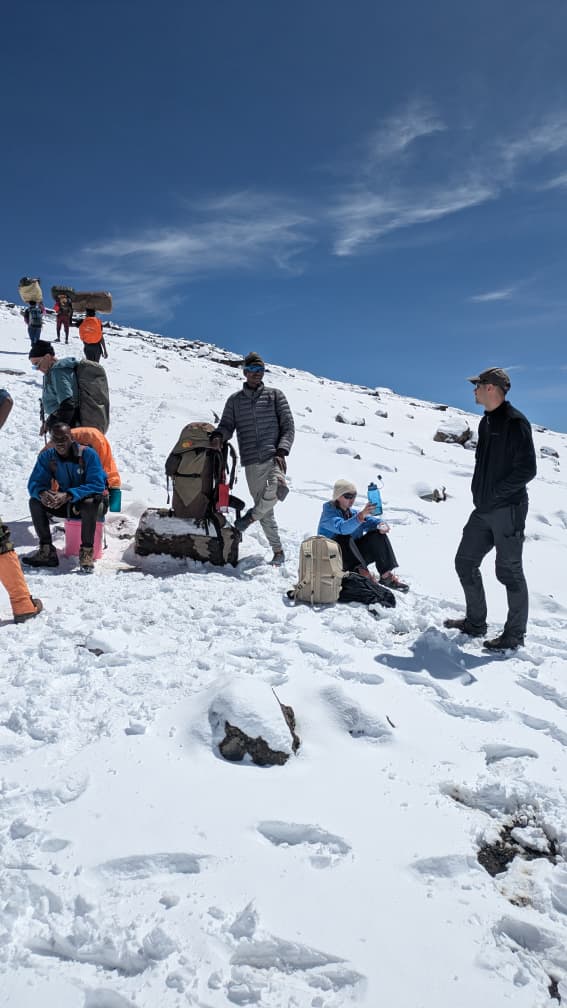
April Kilimanjaro Easter Climbing Package 2026-2027
April Kilimanjaro Easter Climbing Package is explained with current 2026-2027 planning, price, itinerary and booking information.
View package details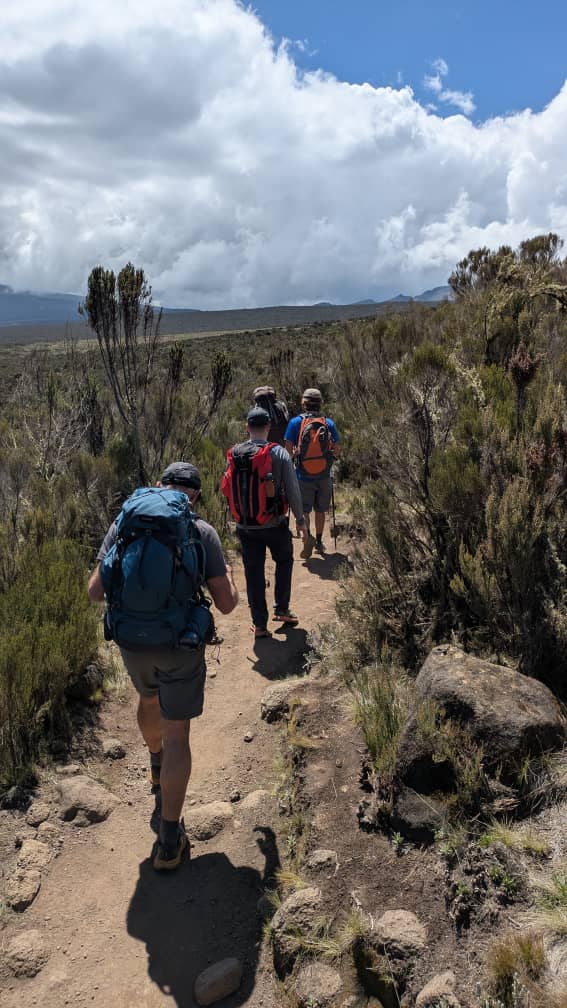
Private Kilimanjaro Climbing Packages In April | Top Guide Adventures
Planning a private Kilimanjaro climb in April 2026 or 2027? Discover the advantages of a private package, ideal routes, weather expectations, and how Top Guide Adventures can tailor your...
View package details
Kilimanjaro Climbing In April : Rainy-Season Guide 2026-2027
Kilimanjaro Climbing in April 2027: Rainy-Season Guide is explained with current 2026-2027 planning, price, itinerary and booking information.
View package detailsIs May Suitable For Climbing Kilimanjaro? Your Expert Guide 2026-2027
Climbing Kilimanjaro in May offers a compelling mix of good weather and fewer crowds, making it a highly suitable month for your adventure. While it falls just outside the peak dry season...
View package details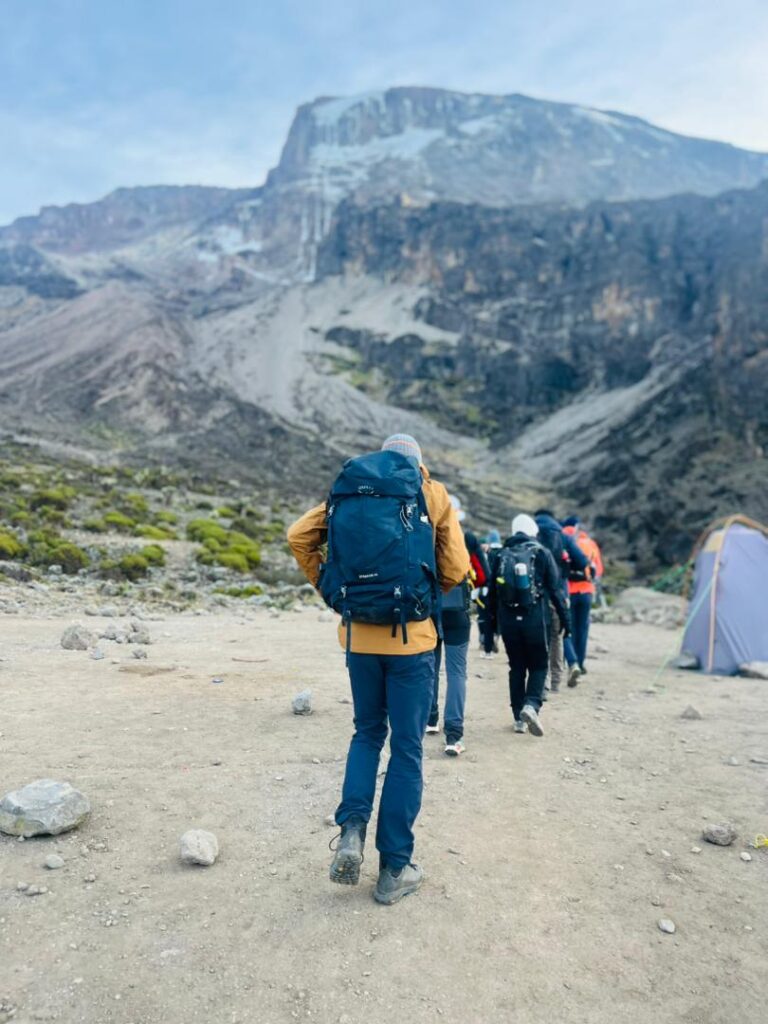
May Kilimanjaro Climbing Cost And Discounts 2026-2027
May Kilimanjaro Climbing Cost and Discounts is explained with current 2026-2027 planning, price, itinerary and booking information.
View package details
May Kilimanjaro Low-Season Climbing Package: Your Expert Guide For 2026-2027
Planning a Kilimanjaro climb in May? This guide explores low-season advantages, package details for 2026-2027, route recommendations, and essential preparation tips from Top Guide...
View package details
May Kilimanjaro Private Climbing Expedition 2026-2027
May Kilimanjaro Private Climbing Expedition is explained with current 2026-2027 planning, price, itinerary and booking information.
View package details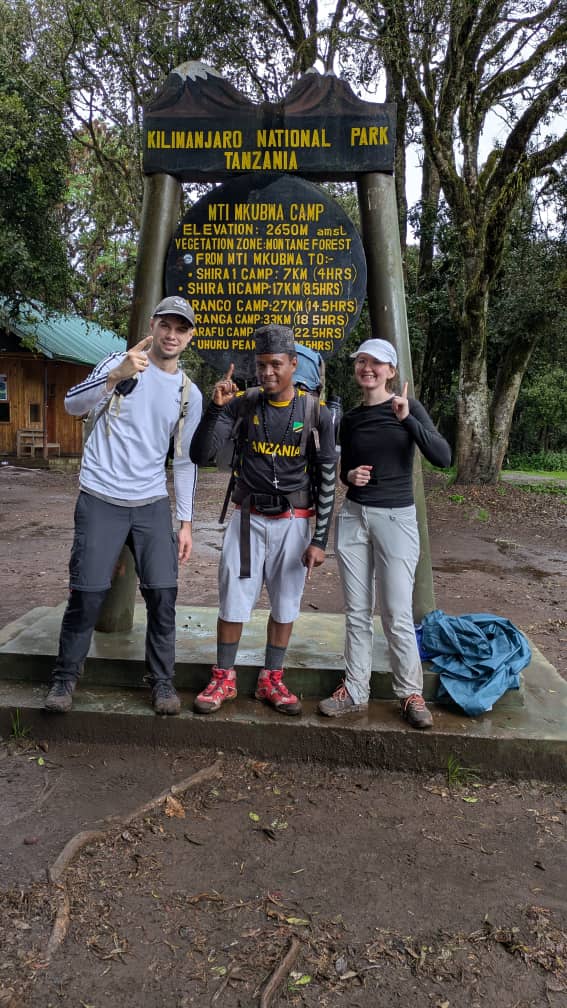
Kilimanjaro Climbing In May : Routes, Conditions, And Preparation 2026-2027
Climbing Kilimanjaro in May 2027 offers a prime window with moderate weather and fewer crowds. This guide details the most suitable routes like Machame and Lemosho, expected conditions, and...
View package details
April Kilimanjaro Flexible Departure Dates | Top Guide Adventures 2026-2027
Discover how to secure your ideal April Kilimanjaro climb with flexible departure dates for 2026 and 2027. Top Guide Adventures offers personalized scheduling to match your plans for...
View package details
April Kilimanjaro Climb With Private Toilet Tent Guide
Discover everything you need to know about climbing Kilimanjaro in April with the comfort of a private toilet tent. This guide covers the best routes for the season, essential gear...
View package detailsNo related package matches those filters. Clear one or more filters to see the other topic-matched options.



