
Photography during April on Kilimanjaro involves navigating cloudy weather, which can present unique challenges and opportunities. Expect diffused light, potential mist, and reduced visibility, but with the right approach, you can still capture compelling images. Focus on capturing the moody atmosphere, using a tripod for stability in low light, and being patient for clearer moments. Understanding your camera’s capabilities in low-light conditions and preparing for rain are crucial for successful April Kilimanjaro photography in cloudy weather.


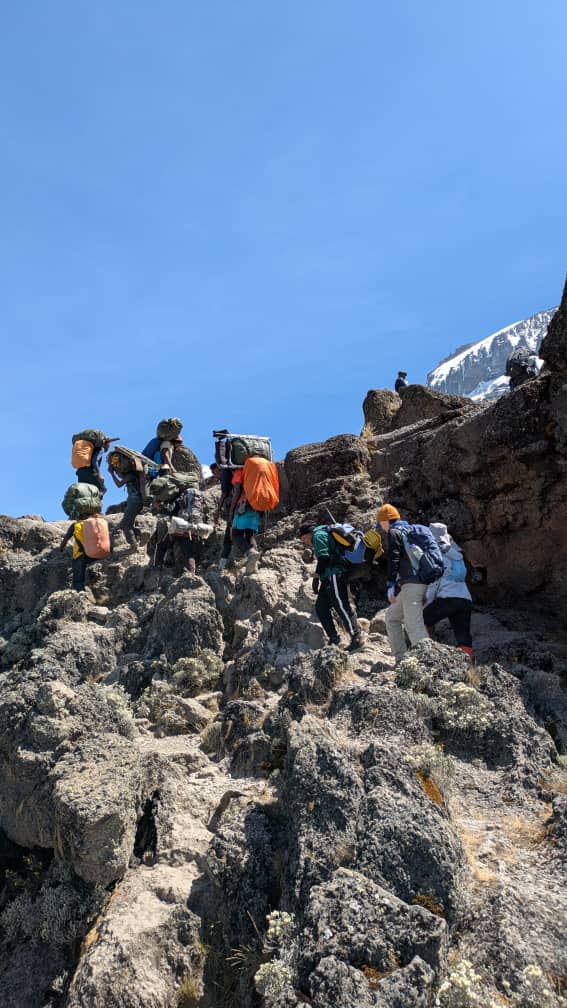
Understanding April’s Weather for Kilimanjaro Photography
April falls within Kilimanjaro’s ‘long rains’ season, meaning cloudy conditions are not just possible, but probable. This doesn’t mean your trek will be entirely shrouded in gloom, but it does necessitate a different photographic mindset compared to the drier months. For photographers, April Kilimanjaro photography in cloudy weather requires preparation and adaptability. The typical weather pattern involves morning clouds, potential afternoon showers, and clearer skies at higher altitudes, though this can vary significantly. Expect temperatures to be milder than in the dry season, but also higher humidity and persistent cloud cover, especially in the lower rainforest zones.
The diffused light from clouds can actually be a blessing for portrait photography, softening harsh shadows. However, it also means less dramatic sunrises and sunsets, and potentially less vibrant colors across the landscape. Visibility can be significantly reduced, particularly on the higher slopes, meaning iconic views of the plains below or distant peaks might be obscured. Snow on the summit crater, often present year-round, might be more prevalent and harder to capture with clarity if thick fog rolls in. For those planning a climb in 2026 or 2027, understanding these nuances is key to managing expectations and maximizing your photographic output.
Essential Photography Gear for Cloudy April Climbs
When preparing for April Kilimanjaro photography in cloudy weather, your gear choices are paramount. The goal is to be prepared for rain, low light, and varying temperatures while keeping your equipment manageable on a multi-day trek.
Camera Body and Lenses
A DSLR or mirrorless camera offers the most flexibility. Consider a model with good low-light performance and in-body image stabilization if possible. For lenses, a versatile zoom like a 24-70mm equivalent is excellent for general landscapes and group shots. A wider lens (e.g., 16-35mm equivalent) can be useful for capturing the vastness of the mountain and dramatic skies, even when they are overcast. A prime lens, such as a 50mm f/1.8, can excel in low light but might be too restrictive on a trek. Consider bringing a lens with a wider aperture (e.g., f/2.8) if possible, as it allows more light to enter the sensor, beneficial for April Kilimanjaro photography in cloudy weather.
Tripod and Support
A lightweight, sturdy tripod is highly recommended. Cloudy conditions mean longer shutter speeds are often necessary, especially in the rainforest or during dawn/dusk. A tripod ensures sharp images by preventing camera shake. Look for one that’s easy to set up and pack, and ideally has a hook to hang your backpack for added stability in windy conditions.
Protection from the Elements
Rain is a certainty in April. Invest in waterproof camera covers or a rain sleeve. Ensure your camera bag is also water-resistant or use a rain cover for it. Ziploc bags are a budget-friendly way to protect smaller accessories like extra batteries, memory cards, and filters.
Batteries and Memory Cards
Cold temperatures at altitude can drain batteries faster. Bring multiple spare batteries and keep them warm in an inside pocket. Similarly, carry plenty of high-capacity memory cards. There’s no opportunity to back up photos on the mountain, so redundancy is key.
Filters
A circular polarizer (CPL) can still be useful in April, even with clouds, to deepen any visible blue in the sky or reduce glare on wet surfaces. However, it’s less critical than in sunny conditions. A neutral density (ND) filter might be useful if you encounter moments of brighter sun breaking through, allowing for longer exposures of mist or clouds.
Camera Settings for April Kilimanjaro Photography
Optimizing your camera settings is crucial for capturing the best possible images during April Kilimanjaro photography in cloudy weather. The diffused light and potential for low visibility require adjustments from typical sunny-day settings.
Aperture and Shutter Speed
In low light, you’ll likely need to use a wider aperture (smaller f-number like f/2.8 or f/4) to let in more light, allowing for faster shutter speeds to freeze motion or hand-hold the camera. If using a tripod, you can afford to use a slower shutter speed (e.g., 1/30s or longer) to capture more light and detail, which is especially useful for landscapes or misty scenes. Experiment with your camera’s aperture priority (Av/A) or shutter priority (Tv/S) modes to find the right balance.
ISO Sensitivity
Cloudy conditions often mean a higher ISO setting is necessary. Modern cameras handle higher ISOs well, but be aware of noise. Start with your camera’s base ISO (e.g., 100 or 200) and increase it as needed. Many cameras have an auto ISO setting with a customizable maximum limit, which can be very helpful. Aim to keep ISO as low as possible while maintaining a usable shutter speed and aperture.
White Balance
Cloudy skies can render colors cool. While shooting in RAW format allows for easy white balance correction in post-processing, setting it correctly in-camera can help you visualize the final image. The ‘Cloudy’ or ‘Shade’ white balance presets can often provide a warmer, more pleasing result than ‘Auto’ in overcast conditions. Experiment with custom white balance if you have a grey card.
Focusing
Autofocus systems can struggle in low light and fog. Use your camera’s focus assist lamp if available, or switch to manual focus. Focus peaking and magnification features on mirrorless cameras are invaluable for ensuring sharp focus in challenging conditions. Aim to focus on a point of contrast or texture.
Shooting Mode: RAW vs. JPEG
Always shoot in RAW format if your camera allows. RAW files capture significantly more data, providing greater flexibility for adjusting exposure, white balance, and recovering shadow/highlight detail during editing. This is especially beneficial when dealing with the flat, low-contrast light often found in cloudy weather. JPEGs are processed in-camera and offer less editing latitude.
Creative Approaches to April Kilimanjaro Photography in Cloudy Weather
While clear skies offer dramatic vistas, cloudy weather on Kilimanjaro presents its own set of creative opportunities. Embracing the moodiness can lead to truly unique and atmospheric photographs.
Embrace the Mist and Fog
Mist and fog can add depth and mystery to your shots. Use them to create a sense of scale, obscuring parts of the landscape and drawing attention to foreground elements. Silhouettes of trekkers against a foggy backdrop can be very powerful. Look for opportunities to capture light filtering through the mist, creating ethereal scenes.
Focus on Textures and Details
When grand vistas are obscured, shift your focus to the intricate details of the mountain environment. The moss-covered trees in the rainforest, the unique rock formations, the patterns of ice on the crater rim, or even the textures of your fellow trekkers’ gear can become compelling subjects. The diffused light is excellent for revealing these textures without harsh shadows.
Capture the Mood and Atmosphere
Instead of fighting the weather, lean into it. Cloudy skies can create dramatic, moody scenes. Look for leading lines formed by the trail or rock formations that draw the eye into the scene, even if the background is unclear. The subdued light can also lend itself to more contemplative and introspective photography, capturing the feeling of being high on the mountain.
Utilize Available Light Creatively
Even on a cloudy day, light changes. Look for patches of brighter light breaking through the clouds, or the subtle shifts in color during dawn and dusk. If the sun does peek through, it can create dramatic shafts of light. Be ready to capture these fleeting moments. Consider using your camera’s high dynamic range (HDR) bracketing feature if you encounter scenes with a wide range of light and shadow, though this is less common in consistently overcast conditions.
Experiment with Composition
Cloudy weather can encourage more thoughtful composition. Use the rule of thirds, leading lines, framing, and negative space to create strong images. The lack of bright distractions can help the viewer focus on the subject. Consider minimalist compositions focusing on a single element against a muted background.
Specific Locations and Photography Opportunities in April
Kilimanjaro’s diverse ecosystems offer different photographic challenges and rewards in April.
The Rainforest Zone (Moshi to Mandara Huts)
This is often the cloudiest and wettest part of the climb. Expect dense vegetation, lush ferns, and potentially a lot of mist. April Kilimanjaro photography in cloudy weather here means focusing on macro shots of plants, fungi, and insects, capturing the damp, green atmosphere, and framing shots through the foliage. Light levels can be very low, making a tripod or a lens with a wide aperture essential. The sounds of the forest, combined with the visual moodiness, can be very atmospheric.
The Heath and Moorland Zone (Horombo Huts to Kibo Hut)
As you ascend, the vegetation thins out. You’ll encounter more open landscapes, giant heathers, and unique volcanic rock formations. Clouds can still obscure views, but clearer moments might reveal the vastness of the moorlands. Look for opportunities to photograph the distinctive flora and the dramatic, often desolate, terrain. If the clouds break, you might get glimpses of the summit or the surrounding plains.
The Arctic Zone (Above Kibo Hut to the Summit)
This is the most challenging zone, characterized by scree, rock, and ice. If April brings snow, the landscape can be dramatically transformed. The summit itself, including the Rebmann and Kibo craters, can be shrouded in mist or fog, creating an otherworldly feel. Sunrise from Stella Point or Gilman’s Point can still be spectacular, even if it’s a soft glow through the clouds rather than a fiery display. Photography at this altitude requires extreme care due to cold and thin air; keep your camera protected and easily accessible.
Practical Tips for Photographers in April
Beyond gear and settings, practical considerations are vital for successful April Kilimanjaro photography in cloudy weather.
Stay Warm and Dry
Your ability to take photos is directly linked to your comfort. Wear waterproof and insulated layers. Keep your camera gear protected within your waterproof bag. If you need to take photos in the rain, ensure your hands are warm enough to operate the camera controls.
Patience is Key
Weather on Kilimanjaro can change rapidly. Clouds might obscure a view for hours, only to dissipate suddenly. Be patient. Keep your camera ready. Sometimes the most rewarding shots come after a period of waiting for the weather to clear, even if only partially.
Manage Expectations
April is not the month for guaranteed crystal-clear summit views or vibrant, sunny landscapes. Understand that you are photographing a different kind of beauty – one of mood, atmosphere, and resilience. Your photos will tell a story of overcoming challenges and experiencing the mountain in its rawest form. For your 2026 or 2027 climb, accept that the conditions will shape your photographic narrative.
Lightweight is Right
On a multi-day trek, every ounce counts. Prioritize lightweight gear. A compact tripod, a single versatile lens, and a durable camera bag are more practical than a heavy setup. Consider if you truly need multiple camera bodies or specialized lenses.
Battery Management
Cold drains batteries quickly. Keep spares in an inside pocket, close to your body heat. Ensure all batteries are fully charged before setting off each day. Power banks can be useful for charging phones or other small devices, but remember they also perform poorly in extreme cold.
Protect Your Gear from Moisture
Condensation can be as problematic as rain. When moving from a cold, wet exterior into a warm, dry tent or hut, let your camera acclimatize inside its bag to prevent moisture buildup on the lens and sensor. Use silica gel packets inside your camera bag to absorb any residual moisture.
The Role of Your Guide and Porters
Your guides and porters are invaluable resources, not just for safety and logistics, but also for photography. They have extensive experience with Kilimanjaro’s weather patterns and can often predict when conditions might improve. Don’t hesitate to ask them about potential photo opportunities or for advice on the best vantage points.
They can also help in practical ways, such as holding an umbrella for you while you set up a tripod, or pointing out interesting details you might have missed. Their knowledge of the mountain is second to none. For your April 2026 or April 2027 expedition, rely on the expertise of your Top Guide Adventures team.
Post-Processing for Cloudy Kilimanjaro Photos
The editing stage is critical for transforming your April Kilimanjaro photography in cloudy weather images into compelling final pieces.
Adjusting Exposure and Contrast
Cloudy light is often flat. Use your editing software (like Adobe Lightroom or Photoshop) to increase exposure and contrast to bring out detail. Be careful not to overdo it, which can lead to a washed-out or artificial look.
Enhancing Colors
The subdued light might lead to muted colors. Gently boost saturation and vibrance. Focus on bringing out the greens in the rainforest or the blues in any visible sky. A slight warming of the white balance can also counteract the cool tones often present in overcast conditions.
Recovering Detail
RAW files allow you to recover shadow and highlight detail. Use the sliders in your editing software to bring back texture in darker areas or detail in brighter, overcast skies. This is where shooting in RAW truly pays off.
Sharpening and Noise Reduction
Apply sharpening carefully, focusing on edges and textures. If you had to use a high ISO, apply noise reduction judiciously to smooth out grain without losing too much detail. Luminance noise reduction is typically applied first, followed by color noise reduction.
Creative Editing
Consider black and white conversion for moody, atmospheric shots. The lack of color can emphasize form, texture, and emotion. Dodging and burning (selectively lightening and darkening areas) can also help add depth and direct the viewer’s eye.
Comparing April with Other Months for Photography
While April offers unique photographic potential, it’s helpful to compare it with other months to set expectations accurately for your 2026-2027 Kilimanjaro climb.
- January-February: Generally dry and warm, with excellent visibility. Ideal for clear, crisp landscape shots and summit panoramas. Sun can be harsh.
- March: Transition month. Can still have some rain, but often clearer than April. Good for photography, but less predictable than peak dry seasons.
- April-May: Long rains. Very cloudy, wet, and often misty. Photography focuses on atmosphere, mist, and details. Least predictable visibility.
- June: Transition month. Rain decreases, skies begin to clear. Can be cooler. Good photographic potential with increasing visibility.
- July-September: Peak dry season. Clear skies, excellent visibility, cooler temperatures. Ideal for dramatic sunrises/sunsets and panoramic views. Can be very cold at the summit.
- October: Transition month. Can still be dry but with increasing cloud cover. Good photographic opportunities.
- November-December: Short rains. Less intense than long rains but can still bring cloud and showers. Visibility can be variable.
For April Kilimanjaro photography in cloudy weather, the emphasis shifts from capturing sweeping vistas to documenting the mountain’s character under atmospheric conditions. If clear views are your absolute priority, consider the July-September window for your 2026 or 2027 trek. However, if you embrace the moody aesthetic, April can be a rewarding photographic experience.
Planning Your April Kilimanjaro Photography Expedition with Top Guide Adventures
Choosing the right tour operator is crucial for a successful Kilimanjaro climb, especially when photography is a key focus. Top Guide Adventures has extensive experience guiding clients through all seasons, including the challenging yet rewarding April weather.
We understand the specific needs of photographers, from ensuring gear is protected to maximizing opportunities even in less-than-ideal conditions. Our guides are trained to assist photographers, knowing when to pause for a shot and how to navigate the terrain safely while you focus on capturing your memories. We can discuss your photographic goals during the planning phase for your 2026 or 2027 climb.
We offer a range of itineraries and support levels designed to make your Kilimanjaro experience safe, enjoyable, and memorable. Whether you’re aiming for the summit or focusing on the journey and its photographic moments, our team is dedicated to providing personal attention and dedicated support.
For inquiries about planning your April Kilimanjaro photography expedition, or to discuss tailor-made journeys for 2026-2027, please contact us:
- WhatsApp: +255616946642
- Email: topguideadventures@gmail.com
- Backup Email: info@topguideadventures.com
We are committed to helping you achieve your Kilimanjaro dreams, capturing the essence of the mountain regardless of the weather. Let Top Guide Adventures be your trusted partner for an unforgettable adventure in 2026 and 2027.
Check Availability for April Kilimanjaro Photography In Cloudy Weather: Tips And Expectations
Ready to compare dates, prices, and the best option for your group? Send the package name and travel month so the team can reply with a clear quote, availability, and what is included.
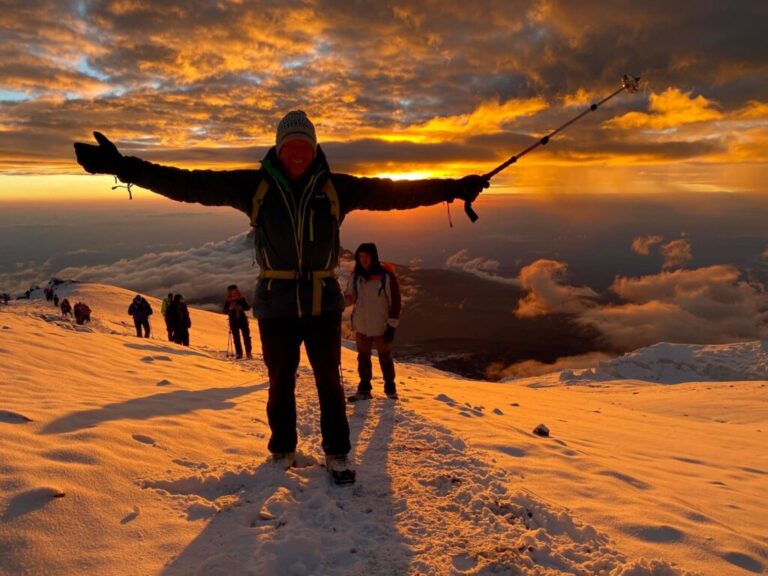
Kilimanjaro Climb With Professional Photography Support In | Top Guide
Elevate your Kilimanjaro ascent by including professional photography services. Top Guide Adventures ensures your most challenging and rewarding moments on Africa's highest peak are...
View package details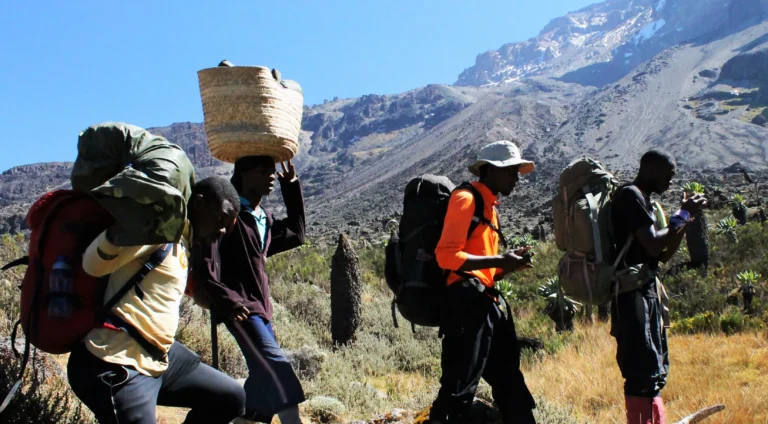
Kilimanjaro Photography Mistakes At High Altitude 2026-2027
Kilimanjaro Photography Mistakes at High Altitude is explained with current 2026-2027 planning, price, itinerary and booking information.
View package details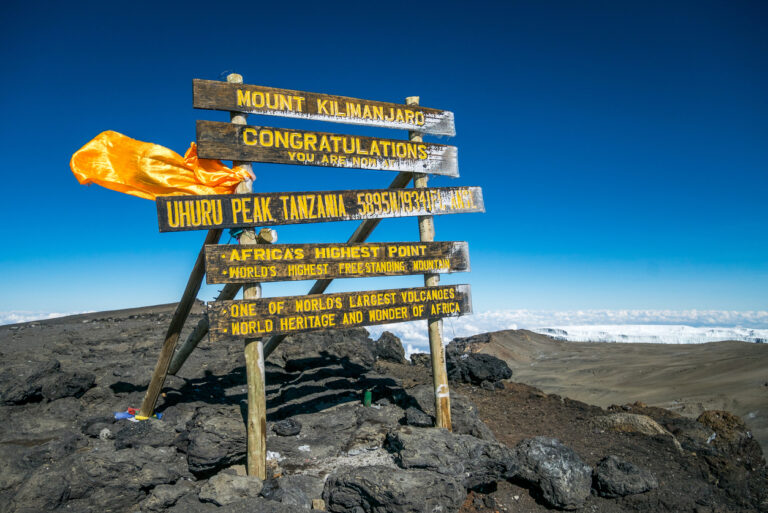
What Happens If You Miss Your Kilimanjaro Departure? Guide
If you miss your scheduled Kilimanjaro departure, your trek may be cancelled, and you could forfeit your deposit and payments. Rebooking is often possible but incurs additional costs and...
View package details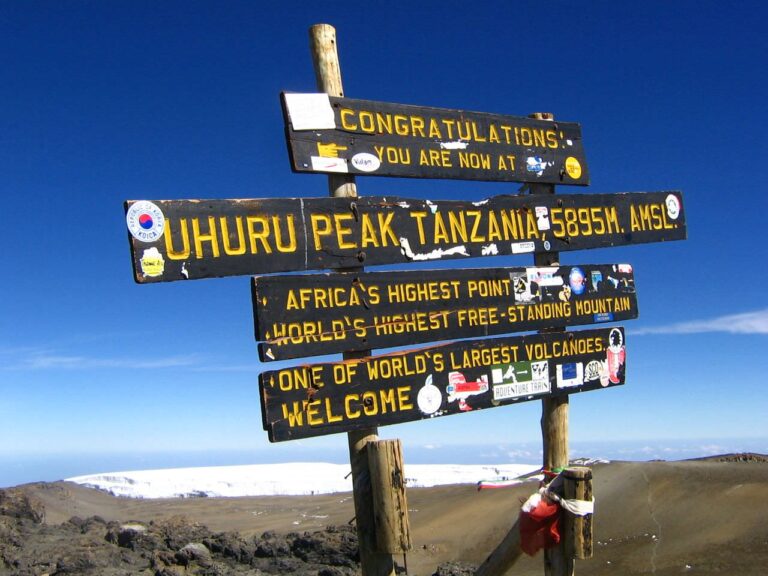
What Does Kilimanjaro Rainforest Look Like? A Trekkers Visual Guide 2026-2027
The Kilimanjaro rainforest is a vibrant, humid zone of dense vegetation, towering trees, and diverse plant life found on the mountain's lower slopes. It's the first major ecosystem trekkers...
View package details
Kilimanjaro Climb With A Personal Support Assistant: Your Ultimate Guide
Climbing Mount Kilimanjaro with a personal support assistant offers unparalleled safety, comfort, and focus on your summit goals. This guide details what a personal assistant entails, its...
View package detailsHow To Know Whether You Are Ready For Kilimanjaro: A Comprehensive Guide
Climbing Mount Kilimanjaro is a significant undertaking. This guide helps you evaluate your physical, mental, and logistical readiness to ensure a safe and successful trek in 2026 or 2027...
View package details
Kilimanjaro Hydration Mistakes Climbers Make And How To Avoid Them 2026-2027
Proper hydration is critical for a successful Kilimanjaro climb. This guide details common hydration mistakes climbers make, from under-drinking to choosing the wrong fluids, and provides...
View package details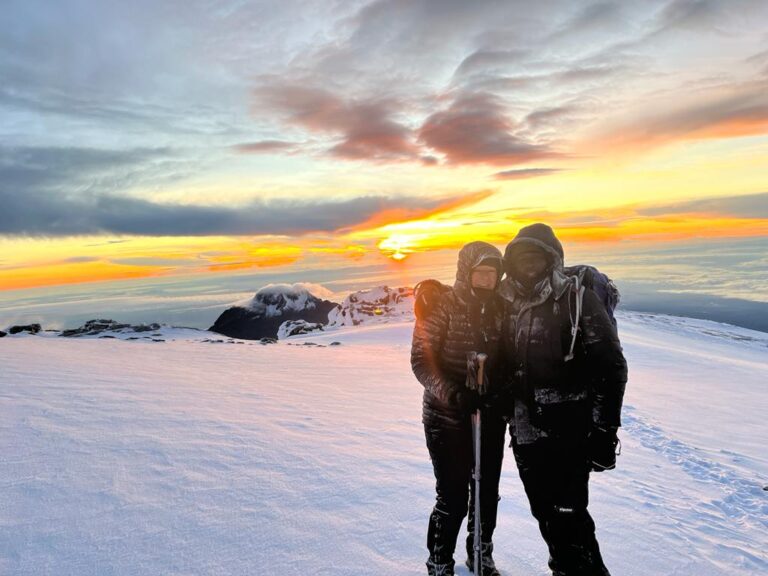
Kilimanjaro Altitude-Sickness Mistakes 2026-2027
Kilimanjaro Altitude-Sickness Mistakes is explained with current 2026-2027 planning, price, itinerary and booking information.
View package details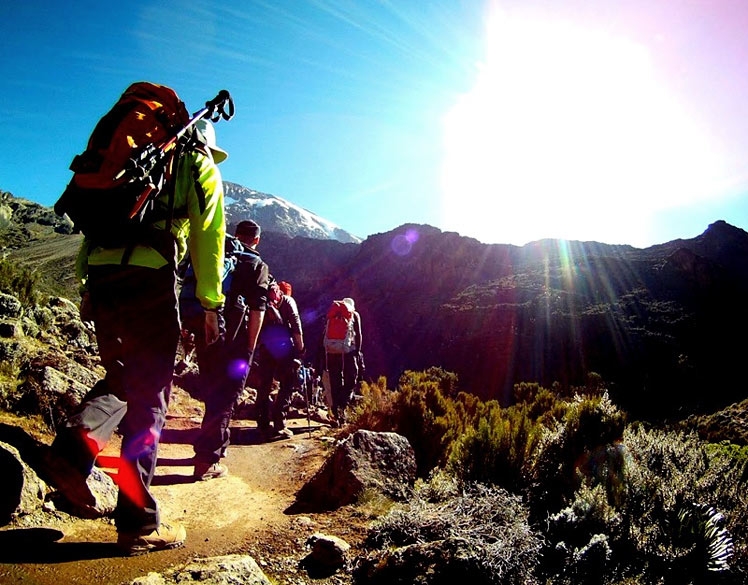
Kilimanjaro Summit-Night Mistakes To Avoid: Your Essential Guide For Climbs
Summit night on Kilimanjaro is the most challenging part of the climb. Avoiding common mistakes in acclimatization, gear, hydration, and pacing is crucial for success. This guide details...
View package details
Kilimanjaro Training Mistakes That Reduce Summit Success 2026-2027
Kilimanjaro Training Mistakes that Reduce Summit Success is explained with current 2026-2027 planning, price, itinerary and booking information.
View package details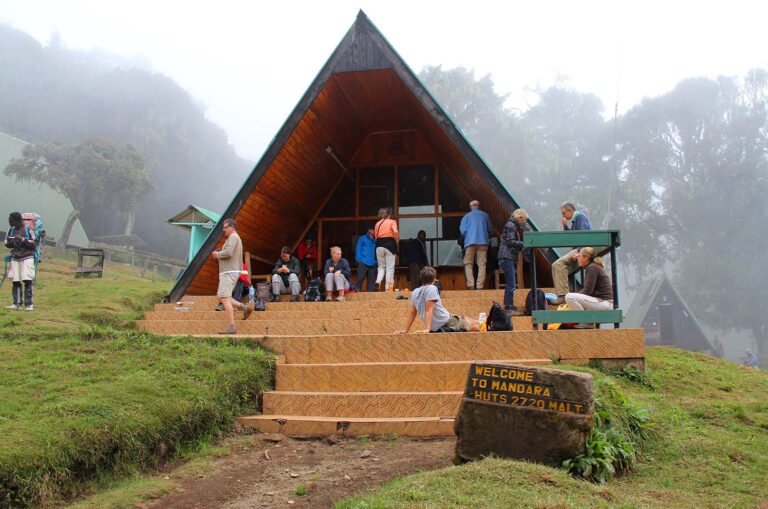
Kilimanjaro Personal Porter Vs Standard Support 2026-2027
Kilimanjaro Personal Porter vs Standard Porter Support is explained with current 2026-2027 planning, price, itinerary and booking information.
View package details
Kilimanjaro Airport Vs Arusha For Climbers: The Definitive Guide 2026-2027
A comprehensive comparison of Kilimanjaro International Airport (JRO) and Arusha Airport (ARK) for trekkers planning a Mount Kilimanjaro climb, detailing pros, cons, and booking advice for...
View package detailsNo related package matches those filters. Clear one or more filters to see the other topic-matched options.



