
August is a peak climbing season for Mount Kilimanjaro, meaning you should expect moderate to high trail crowds, especially on popular routes like the Machame and Marangu. While not as busy as the drier months of January-February or July, August sees a significant number of trekkers due to favorable weather conditions, including clear skies and cooler temperatures. Planning your trek for August 2026 or 2027 involves understanding these crowd dynamics to choose a less congested route, prepare adequately for shared camping/hut spaces, and maximize your chances of a rewarding summit experience.

Understanding Kilimanjaro’s August Climate and Its Impact on Crowds
August on Kilimanjaro falls within the mountain’s dry season, which generally spans from June to October. This period is highly sought after by climbers worldwide for several key reasons, primarily the weather. The skies are typically clear, offering spectacular panoramic views of the surrounding plains and, on summit night, the vast African sky. Temperatures are cooler, especially at higher altitudes, making the physical exertion more manageable compared to the hotter months. Rainfall is minimal, reducing the chances of muddy trails, slippery conditions, and obscured views.
However, this desirable weather inevitably attracts more people. While Kilimanjaro is a massive mountain with multiple routes, August still experiences a noticeable increase in trekkers compared to the shoulder seasons or the rainy months. The trails become busier, campsites and huts are more populated, and the overall atmosphere is one of a popular destination. For 2026 and 2027, these trends are expected to continue, making it essential for prospective climbers to be well-informed about crowd levels and how to navigate them effectively.
August Kilimanjaro Trail Crowd Levels: A Route-by-Route Breakdown
The perception of ‘crowded’ on Kilimanjaro can vary significantly depending on the route you choose. Some routes are inherently more popular due to their accessibility, scenery, or success rates, leading to higher concentrations of trekkers. Understanding these differences is crucial for managing your expectations and making an informed decision for your August Kilimanjaro climb.
Machame Route: The Popular Choice
The Machame Route is arguably the most popular route on Kilimanjaro, and August is no exception to its high traffic. Known for its scenic beauty and high acclimatization profile, it attracts a large number of climbers. In August, expect to see groups on the trail almost every day. Campsites, particularly Mweka Camp and Barafu Camp, can feel quite busy. While the route is designed for acclimatization, the sheer volume of people means you’ll likely encounter other groups during your trek. The benefit is a lively atmosphere and the camaraderie that can come from sharing the experience, but the downside is less solitude.
Lemosho Route: Balancing Scenery and Crowds
The Lemosho Route, often considered one of the most beautiful routes, also experiences significant traffic in August. It starts in the west and offers stunning views, particularly in the early days. While it might be slightly less crowded than Machame in the initial stages, it merges with the Machame route later on, meaning crowd levels will increase as you progress. August climbers on Lemosho should still anticipate encountering numerous other groups, especially around camps like Shira 2 and Barafu. Its longer duration (typically 7-8 days) can sometimes spread out the crowds a little more than shorter routes, but August’s popularity means it won’t feel deserted.
Marangu Route: The ‘Coca-Cola’ Route Experience
The Marangu Route, often called the ‘Coca-Cola’ route, is unique for its hut accommodation rather than camping. This convenience attracts many climbers, and as a result, it’s typically one of the busiest routes, especially in August. Expect to see many other groups sharing the huts and dining areas. The Mweka and Horombo huts can be quite full during peak season. While it offers a different experience to camping, the social aspect is amplified by the confined living spaces, making it feel very communal. For those seeking solitude, Marangu in August might not be the ideal choice.
Shira Route: A Scenic, Moderately Busy Option
The Shira Route is similar to Lemosho in its western start and scenic beauty. It’s a longer route, often 8 days, which aids acclimatization. In August, Shira will also see a good number of trekkers, though perhaps slightly fewer than Machame or Marangu in the very initial stages. As it also merges with the Machame route, the number of people on the trail and at campsites will increase significantly in the latter half of the trek. Expect a lively atmosphere, particularly at the popular staging points.
Northern Circuit: The Least Crowded of the Popular Routes
For those prioritizing fewer people on the mountain during August, the Northern Circuit is often recommended. As the longest route (9-10 days), it provides the best acclimatization and circumnavigates the mountain, offering diverse scenery. Because of its length and slightly higher cost, it attracts fewer climbers overall. While you will still encounter other groups, particularly near the summit push from Barafu Camp, the trails and campsites are generally less congested than on other routes. If you are climbing Kilimanjaro in August 2026 or 2027 and wish to minimize crowd interaction while still enjoying good weather, the Northern Circuit is a strong contender.
Rongai Route: A Quieter Alternative from the North
The Rongai Route approaches Kilimanjaro from the north side, which is generally drier and less frequented than the southern approaches. In August, it offers a good alternative for those seeking slightly fewer crowds. While it is less busy than Machame or Marangu, it’s still a popular route, and you will see other trekkers, especially as it merges with the Marangu route for the descent. However, the early days on Rongai tend to be quieter, offering a more serene start to your climb. It’s a solid option for August if you want a balance between good weather and a less packed trail.
Strategies for Minimizing Crowds on Your August Climb
Even during a peak month like August, there are ways to enhance your experience and reduce the feeling of being overwhelmed by crowds. Top Guide Adventures advises climbers to consider the following strategies for their August Kilimanjaro Trail Crowd Guide planning in 2026-2027:
- Choose a Longer Route: Opting for an 8-day Lemosho, 9-day Northern Circuit, or a 7-day Machame/Shira route can help spread out the trekkers more effectively. Longer itineraries naturally allow for more space between groups on the trail and at campsites.
- Select a Less Popular Route: As detailed above, Rongai and the Northern Circuit generally see fewer people than Machame or Marangu, even in August.
- Travel with a Reputable, Smaller Group Operator: Companies like Top Guide Adventures often manage their group sizes to be manageable and responsible, ensuring a more personal experience. Avoid operators who pack too many people into one group.
- Consider Private Treks: If budget allows, a private trek guarantees your group’s exclusivity on the mountain, though you will still see other trekkers on the trails and at shared facilities like Barafu Camp.
- Start Your Days Early: Requesting your guide to start your daily trek earlier than other groups can give you a head start, allowing you to enjoy stretches of the trail with more solitude.
- Be Flexible with Dates: While August is generally busy, weekdays might be marginally less crowded than weekends, though this effect is minimal on Kilimanjaro.
What to Pack for an August Kilimanjaro Trek
August’s weather is generally dry and cool to cold, especially at higher altitudes and during summit night. Proper packing is essential for comfort and safety. Top Guide Adventures recommends the following:
Clothing Layers: The Key to Comfort
- Base Layers: Moisture-wicking thermal tops and bottoms (merino wool or synthetic).
- Mid Layers: Fleece jackets or vests for insulation.
- Outer Layer: Waterproof and windproof jacket and trousers (Gore-Tex or similar).
- Insulation Layer: A warm down or synthetic insulated jacket for evenings and summit night.
Footwear: Essential for the Trek
- Hiking Boots: Waterproof, broken-in hiking boots with good ankle support.
- Camp Shoes: Comfortable shoes or sandals for wearing at the campsite.
- Socks: Several pairs of warm hiking socks (wool or synthetic).
Headwear and Handwear: Protection from the Elements
- Warm Hat: Wool or fleece hat that covers your ears.
- Sun Hat: Wide-brimmed hat for sun protection during the day.
- Gloves: Warm, waterproof gloves or mittens, plus a thinner pair for milder conditions.
Other Essentials:
- Backpack: A comfortable daypack (30-40 liters) for daily essentials.
- Duffel Bag: A waterproof duffel bag (80-100 liters) for your main gear, carried by porters.
- Sleeping Bag: A 4-season sleeping bag rated to at least -10°C (14°F).
- Headlamp: With extra batteries.
- Sunglasses: With UV protection.
- Sunscreen: High SPF.
- Lip Balm: With SPF.
- Water Bottles/Hydration Reservoir: At least 3 liters capacity.
- Trekking Poles: Highly recommended for stability and reducing knee strain.
- Personal First-Aid Kit: Including any personal medications.
- Toiletries: Including wet wipes and hand sanitizer.
- Camera: With extra batteries and memory cards.
Note: Top Guide Adventures provides a detailed packing list upon booking to ensure you are fully prepared for your August Kilimanjaro climb.
Acclimatization and Altitude Sickness on August Treks
Altitude sickness (Acute Mountain Sickness – AMS) is a risk for all Kilimanjaro climbers, regardless of the month. August’s clear weather can sometimes lead climbers to push harder, increasing the risk. The key to prevention is slow ascent and proper acclimatization. This is why longer routes (7 days or more) are strongly recommended, especially for August climbs when the trails might feel busier, encouraging a faster pace.
Symptoms of AMS:
- Headache
- Nausea and vomiting
- Dizziness
- Fatigue
- Loss of appetite
- Difficulty sleeping
Prevention and Management:
- Ascend Slowly: Follow the “pole pole” (slowly, slowly) principle.
- Hydrate: Drink plenty of water (3-4 liters per day).
- Avoid Alcohol and Caffeine: These can dehydrate you.
- Eat Well: Maintain your energy levels.
- Ascend High, Sleep Low: If possible, gain altitude during the day and descend to a lower altitude to sleep.
- Inform Your Guide: Immediately report any symptoms to your guide. They are trained to assess and manage AMS.
- Medication: Diamox (acetazolamide) can be prescribed by your doctor to help with acclimatization.
In August 2026-2027, with potentially more people on the mountain, it’s even more critical to listen to your body and your guide. Do not attempt to keep up with faster groups if you are feeling unwell.
Summit Night in August: Conditions and Expectations
Summit night is the most challenging part of the Kilimanjaro climb. It typically begins around midnight from the final camp (e.g., Barafu Camp). In August, you can expect:
- Cold Temperatures: Temperatures can drop to -10°C to -20°C (14°F to -4°F), with wind chill making it feel even colder.
- Clear Skies (Usually): The dry season often means excellent visibility, offering incredible views of the stars and the curvature of the Earth.
- Wind: It can be very windy, especially at higher elevations.
- Crowds: The trail to Stella Point and Uhuru Peak will be lined with headlamps from various groups. You will likely be climbing alongside many other trekkers.
- Slow Pace: The climb is slow and steady, especially on scree slopes.
Preparation is key: Ensure you have all your warm gear, including a down jacket, warm hat, gloves, and balaclava. Staying hydrated and energized is vital. Your guide will monitor your condition closely throughout the ascent.
Post-Climb Considerations: Descent and Recovery
The descent from Kilimanjaro is often faster than the ascent, but it can be hard on the knees, especially on routes like Machame and Lemosho which descend through rainforest. In August, the trails are generally dry, which makes the descent easier than during the rainy season. However, you’ll still be sharing the path with many other trekkers descending from their summit attempts. Most groups aim to reach their final camp by mid-afternoon, allowing for some rest before the final walk out of the park the following day.
After completing your climb, many climbers choose to relax and recover in Moshi or Arusha. This is also a great time to enjoy a well-deserved shower, a good meal, and perhaps a safari or a trip to Zanzibar, which Top Guide Adventures can expertly arrange for you in 2026-2027.
Choosing the Right Operator for Your August Climb
When planning your August Kilimanjaro climb, especially with the expectation of crowds, selecting a reputable tour operator is paramount. Top Guide Adventures is a trusted partner for climbing Kilimanjaro, known for:
- Experienced Guides: Our guides are certified, knowledgeable about altitude sickness, and dedicated to your safety and success.
- Quality Equipment: We provide high-quality tents, sleeping bags, and cooking gear.
- Safety First: We carry comprehensive first-aid kits and emergency oxygen.
- Ethical Porter Treatment: We are committed to fair wages and good treatment for our entire crew.
- Personalized Service: We offer tailored itineraries and attentive support from booking to the summit and beyond.
For your August Kilimanjaro Trail crowd guide considerations in 2026-2027, booking with an operator that prioritizes your experience, safety, and acclimatization is crucial. We can help you select the best route to minimize crowd impact while maximizing your chances of a successful summit.
Comparing August Crowds vs. Other Months
To truly appreciate the crowd levels in August, it helps to compare them with other months:
- January-February: Another peak season, often considered slightly less crowded than July-August but still very busy. Excellent weather.
- March-May: The long rainy season. Trails are wet, views are often obscured, and crowds are significantly lower. Not recommended for climbing.
- June: The start of the dry season. Crowds are moderate, increasing as the month progresses. Good weather.
- July-August: Peak dry season and peak crowd season. Consistently clear skies, cooler temperatures, and the highest number of trekkers.
- September: Still dry and popular, but crowds may start to slightly decrease towards the end of the month. Excellent weather.
- October: The end of the dry season. Weather remains good, but crowds are generally lower than in August and September.
- November-December: The short rainy season. Trails can be wet, but showers are often brief, and crowds are low. Some prefer this time for fewer people.
August sits firmly in the “busy” category. While you won’t be entirely alone, the weather benefits make it a compelling choice for many. The key is to plan with this crowd awareness in mind.
Booking Your August Kilimanjaro Climb for 2026-2027
Booking your August Kilimanjaro Trail adventure for 2026 or 2027 requires advance planning, especially if you want to secure your preferred dates and routes. Popular operators tend to fill up, and national park permits, while generally available, are part of a system that manages numbers. Top Guide Adventures recommends booking at least 6-12 months in advance for peak seasons like August.
When you contact us, be sure to mention your preferences regarding crowd levels. We can then recommend the most suitable route and itinerary for your August Kilimanjaro climb. Our team is ready to help you create an unforgettable and safe climbing experience. Don’t hesitate to reach out for a personalized quote or to discuss your plans.
For inquiries about group departures, availability for 2026-2027, and specific route information, please visit our Machame Route page or explore our group departure dates. You can also find inspiration on our Instagram page.
Contact Top Guide Adventures today:
WhatsApp: +255616946642
Email: topguideadventures@gmail.com
Backup Email: info@topguideadventures.com
Our Commitment: We are dedicated to providing exceptional service and ensuring your Kilimanjaro climb is a success. Our commitment to personal attention, care, and dedicated support means you can focus on the climb while we handle the logistics. Read our client reviews to see why climbers trust us for their adventures.
“,
“faq_schema”: [
{
“question”: “Is August a crowded month to climb Kilimanjaro?”,
“answer”: “Yes, August is considered a peak season for climbing Kilimanjaro due to favorable dry weather conditions. You should expect moderate to high trail and campsite crowds, especially on popular routes like Machame and Marangu. While not as busy as some other peak times, it’s significantly busier than the rainy seasons.”
},
{
“question”: “Which Kilimanjaro routes are less crowded in August?”,
“answer”: “The Northern Circuit (9-10 days) and Rongai Route (6-7 days) tend to be less crowded in August compared to Machame or Marangu. The Northern Circuit’s longer duration and Rongai’s northern approach contribute to fewer trekkers on these paths.”
},
{
“question”: “What is the weather like on Kilimanjaro in August?”,
“answer”: “August is in the dry season, offering clear skies, excellent visibility, and cooler temperatures. Rainfall is minimal, making it ideal for climbing. However, temperatures at higher altitudes and on summit night can be very cold, often dropping below freezing.”
},
{
“question”: “How should I prepare for crowds on Kilimanjaro in August 2026-2027?”,
“answer”: “To prepare for August crowds, consider choosing a longer route for better acclimatization and spacing, opting for a less popular trail like Rongai or Northern Circuit, booking with a reputable operator that manages group sizes well, or opting for a private climb. Starting your days early can also help you find moments of solitude.”
},
{
“question”: “What are the typical costs for an August Kilimanjaro climb?”,
“answer”: “Costs for an August Kilimanjaro climb vary significantly based on the operator, route duration, and inclusions. Expect prices to range from approximately $1,800 to $4,000+ per person for a standard package in 2026-2027. Top Guide Adventures offers competitive pricing with excellent service; contact us for a personalized quote.”
},
{
“question”: “Is summit night in August very cold and busy?”,
“answer”: “Yes, summit night in August is typically very cold, with temperatures potentially reaching -10°C to -20°C (-4°F to 14°F) with wind chill. It is also one of the busiest times on the summit trail, with many headlamps visible as climbers ascend to Uhuru Peak.”
}
]
}
“`
Check Availability for August Kilimanjaro Trail Crowd Guide 2026-2027
Ready to compare dates, prices, and the best option for your group? Send the package name and travel month so the team can reply with a clear quote, availability, and what is included.

December Kilimanjaro Trail Crowd Levels 2026-2027
December Kilimanjaro Trail Crowd Levels is explained with current 2026-2027 planning, price, itinerary and booking information.
View package details
October Kilimanjaro Climb: Fewer Crowds, Great Weather 2026-2027
Planning an October Kilimanjaro climb offers a sweet spot with fewer trekkers and ideal weather conditions. Learn why October is a fantastic month for reaching Uhuru Peak and how to make...
View package details
October Kilimanjaro Trail Conditions: Your Expert Guide For 2026-2027
Planning a Kilimanjaro climb in October? This guide details the trail conditions, weather patterns, crowds, and essential preparations for your 2026-2027 adventure.
View package details
September Kilimanjaro Crowd Levels 2026-2027
September Kilimanjaro Crowd Levels is explained with current 2026-2027 planning, price, itinerary and booking information.
View package details
August Kilimanjaro Climb With River-Crossing Safari: Your Ultimate Tanzania
Combine the challenge of climbing Mount Kilimanjaro in August with the thrill of witnessing the Great Migration river crossings on a safari. This guide covers itineraries, routes, packing...
View package details
August Kilimanjaro Charity Challenge: Plan Your Climb 2026-2027
Planning an August Kilimanjaro Charity Challenge for 2026 or 2027 involves understanding routes, preparation, and the unique benefits of climbing for a cause. Top Guide Adventures offers...
View package detailsAugust Kilimanjaro Women’s Group Climb: Expert Planning For 2026-2027
This comprehensive guide details everything you need to know for an August Kilimanjaro Women’s Group Climb, covering route selection, training, gear, safety, and what to expect during your...
View package detailsAugust Kilimanjaro Photography Expedition: Your Ultimate Guide For 2026-2027
An August Kilimanjaro Photography Expedition offers a unique opportunity to capture impressive landscapes and the iconic summit under clear skies. This guide details everything you need to...
View package details
August Kilimanjaro Luxury Summit Package: Your Ultimate Guide 2026-2027
Plan your August Kilimanjaro climb with a luxury summit package. This comprehensive guide covers the best routes for August, premium inclusions, expected costs for 2026-2027, and expert...
View package detailsHow Early Should You Book Kilimanjaro For August ? Your Expert Guide 2026-2027
Discover the optimal time to book your Kilimanjaro climb for August, crucial for securing permits, guides, and ideal dates in 2026 and 2027. Learn why early booking is essential for this...
View package details
August Kilimanjaro Packing Checklist: Essential Gear For Your Climb 2026-2027
Prepare for your August Kilimanjaro ascent with this comprehensive packing checklist. Essential gear for varied weather, altitude, and comfort, ensuring a successful climb in 2026-2027.
View package details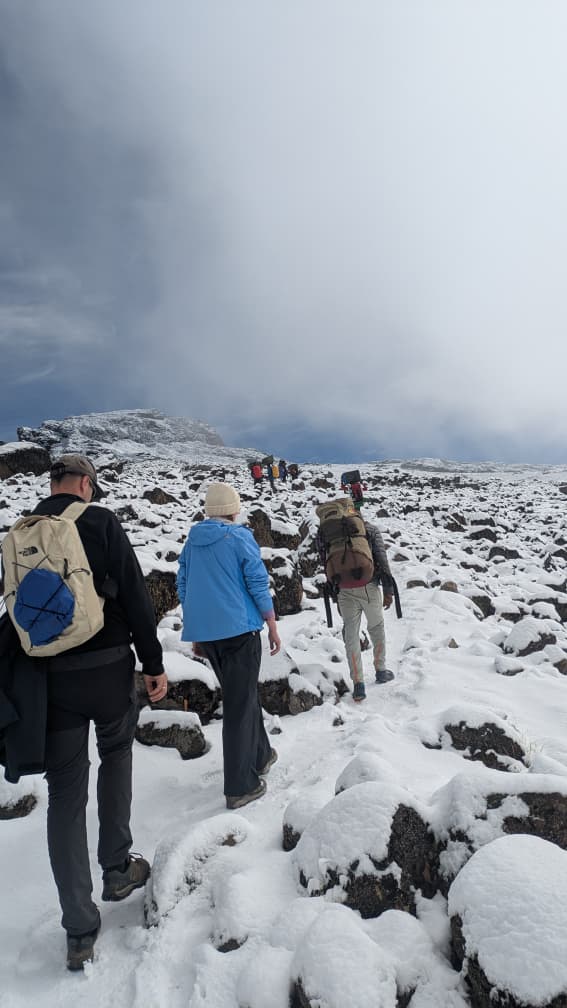
Kilimanjaro Weather And Temperature In August 2026-2027
Kilimanjaro Weather and Temperature in August is explained with current 2026-2027 planning, price, itinerary and booking information.
View package detailsNo related package matches those filters. Clear one or more filters to see the other topic-matched options.



