
A February Kilimanjaro photography climb offers a distinct advantage with clearer skies and less dust compared to the dry seasons, making it excellent for capturing stunning landscapes. You can expect cold temperatures, especially at higher altitudes, but manageable conditions for trekking. The Marangu and Machame routes are popular choices, providing diverse photographic opportunities from rainforest to alpine desert. Booking for 2026-2027 expeditions should consider this period for optimal photographic conditions and potentially fewer trekkers than peak months.

Why Choose February for Your Kilimanjaro Photography Climb?
Mount Kilimanjaro, a dormant volcano in Tanzania, is a dream destination for trekkers and photographers alike. While many associate climbing Kilimanjaro with the popular dry seasons of January-March and June-October, the shoulder month of February presents a compelling case, especially for those focused on photography. The unique atmospheric conditions and visual appeal of Kilimanjaro in February offer a different, yet equally rewarding, experience. For photographers, the subtle shifts in light, air clarity, and even the presence of snow can translate into truly remarkable images.
February falls within the second dry season of the year, which generally runs from January to March. This period is characterized by clear skies, lower humidity, and significantly less dust in the air than the preceding dry season. For photography, this means crisp, clean shots with excellent visibility. The dramatic landscapes of Kilimanjaro, from its lush lower slopes to the stark, rocky summit zone, can be captured with impressive detail and vibrant colors. While it’s still a dry season, it’s important to note that occasional brief showers can occur, adding a dynamic element to the scenery and potentially creating dramatic cloud formations.
Choosing February for your Kilimanjaro photography climb means you can often find slightly more availability on popular routes and potentially more competitive pricing for tours and services as it’s not the absolute peak season. This can lead to a more relaxed trekking experience, allowing for more time to set up shots and appreciate the surroundings without the pressure of large groups. Planning a trip for 2026 or 2027 during February leverages these benefits while ensuring you’re climbing during a favorable weather window.
Understanding Kilimanjaro’s Climate in February
Kilimanjaro’s climate is famously varied, changing dramatically with altitude. February is considered part of the warmer, drier season, but this doesn’t mean it’s consistently sunny and warm. The mountain has distinct microclimates across its five major ecological zones. Understanding these can help you prepare your gear and expectations for your photography climb.
Temperatures: Expect a wide range of temperatures. On the lower slopes, daytime temperatures can be pleasantly warm, perhaps 20-25°C (68-77°F). However, as you ascend, temperatures plummet. Above the tree line, daytime highs might reach 10-15°C (50-59°F), while nights, especially near the summit, can drop to well below freezing, often between -5°C to -15°C (23°F to 5°F). For photography, this means you need layers that can handle both mild warmth and extreme cold. Your camera gear also needs protection from the cold, as batteries drain faster and LCD screens can become sluggish.
Precipitation: February is a dry month, but it’s not immune to rain or snow. While you’re unlikely to encounter prolonged downpours, short, sharp showers can occur, particularly in the afternoons. These are often localized and can pass quickly. At higher elevations, precipitation is more likely to fall as snow, especially on the summit cone. This can create spectacular photographic opportunities, with a snow-capped Kilimanjaro offering a truly iconic view. However, heavy snowfall can also pose challenges for trekkers and potentially affect route conditions, though this is less common in February than during the peak rainy seasons.
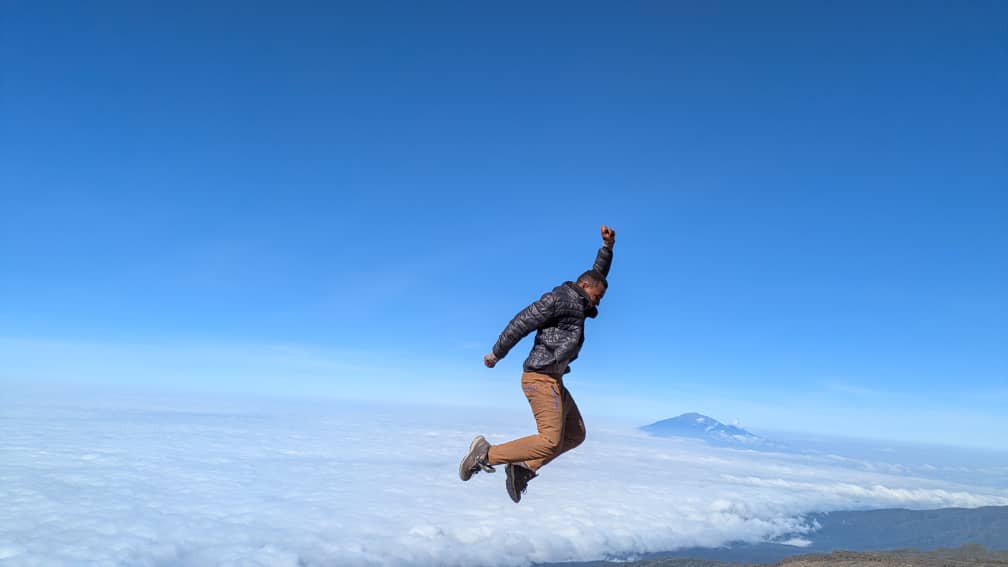
Visibility and Skies: One of the key advantages of February for photography is generally excellent visibility. The air tends to be clearer, with less atmospheric dust. This allows for sharp, detailed shots of the surrounding plains, Mount Meru, and the intricate features of Kilimanjaro itself. Sunrises and sunsets can be particularly dramatic, with vibrant colors often enhanced by the clean air. The night sky, far from light pollution, is also incredibly clear, offering fantastic opportunities for astrophotography if conditions permit.
Wind: Wind can be a significant factor, especially at higher altitudes and on the exposed summit ridge. Strong winds can make it feel much colder and can be a challenge when trying to stabilize your camera for shots. Windproof outer layers are essential, and using a tripod with a secure base or weights is advisable for long exposures or low-light photography.
Choosing the Right Route for Your February Kilimanjaro Photography Expedition
Kilimanjaro offers several routes, each with its unique scenery, difficulty, and success rates. For a photography climb in February, some routes offer better photographic potential and acclimatization profiles.
Marangu Route: The Coca-Cola Route
The Marangu route is the oldest and arguably the most well-known route. It’s often called the “Coca-Cola” route due to its popularity and relatively gentle, hut-based accommodation. It’s one of the shorter routes, typically taking 5 or 6 days.
- Pros for Photography: The Marangu route ascends through diverse ecological zones, offering views of rainforests, moorlands, and alpine deserts. The descent is along the same path, allowing you to see the landscape from a different perspective. The huts provide a comfortable base and shelter if there are brief showers.
- Cons for Photography: Its shorter duration means a steeper ascent profile, which can lead to poorer acclimatization and lower success rates. The path is often crowded, especially during peak seasons, though February can be less so. The ascent and descent on the same path limit the variety of photographic backdrops compared to some other routes.
- February Suitability: While possible, the rapid ascent might not be ideal for photographers who want to spend ample time capturing the scenery. However, if you are looking for comfort and a more direct path, it remains an option.
Machame Route: The “Whiskey” Route
The Machame route is one of the most popular routes, known for its scenic beauty and excellent acclimatization profile. It’s typically trekked over 6 or 7 days, offering a higher success rate.
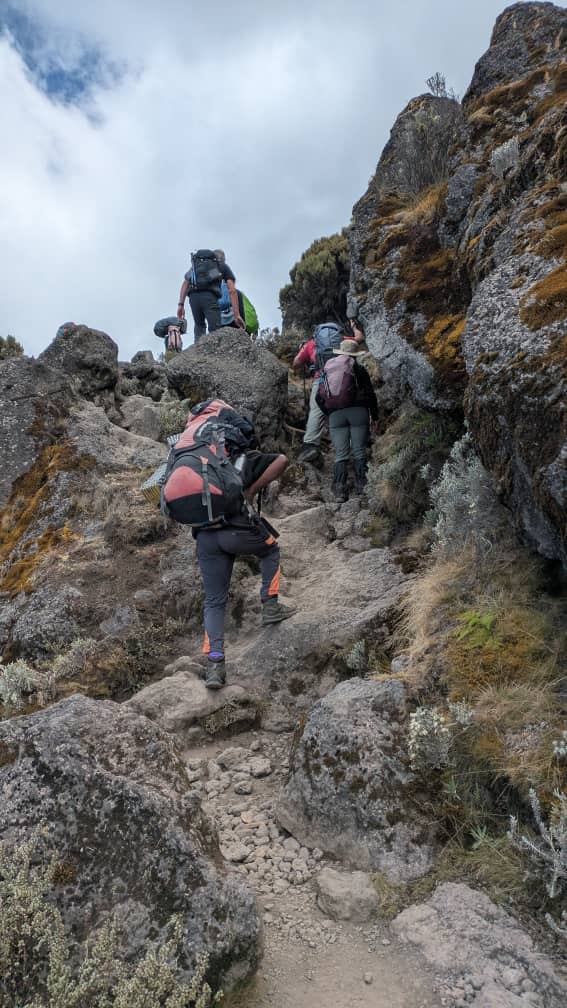
- Pros for Photography: Machame is considered one of the most beautiful routes, traversing diverse landscapes including the Shira Plateau with its stunning views, the Barranco Wall (a dramatic volcanic feature), and the Karanga Valley. The 6 or 7-day itinerary allows for better acclimatization, giving you more energy and time to focus on photography. The longer duration means more varied photographic opportunities.
- Cons for Photography: It’s a camping route, meaning you’ll be sleeping in tents. While comfortable, it’s less luxurious than the huts on Marangu. The Barranco Wall can be challenging, requiring scrambling, which might be difficult with bulky camera gear if not properly managed.
- February Suitability: This is an excellent choice for a February Kilimanjaro photography climb. The longer duration aids acclimatization, the scenery is spectacular, and February’s clearer skies enhance the views. The challenge of the Barranco Wall offers dramatic photographic moments. This is a top recommendation for 2026-2027 expeditions.
Lemosho Route: The Scenic Gem
The Lemosho route is a longer, more remote, and highly scenic option, often taking 7 to 8 days. It starts in the west and joins the Machame route. It is considered one of the most beautiful routes.
- Pros for Photography: Lemosho offers exceptional photographic opportunities from the start, with incredible views of the Shira Plateau and diverse vegetation. Its remoteness means fewer crowds, especially in the initial days, allowing for a more intimate photographic experience. The longer itinerary (7-8 days) is fantastic for acclimatization, significantly increasing success rates and allowing more time to capture the mountain’s beauty.
- Cons for Photography: It is one of the longer and more expensive routes due to the extra days and logistics involved.
- February Suitability: Lemosho is arguably the best route for a photography-focused climb in February. The extended duration, stunning scenery, and fewer crowds create an ideal environment for capturing high-quality images. The acclimatization benefits are paramount for reaching the summit and enjoying the photographic process. Highly recommended for serious photographers planning for 2026 or 2027.
Other Routes (Shira, Rongai, Northern Circuit)
- Shira Route: Similar to Lemosho but starts at a higher altitude, which can be challenging for acclimatization. Offers good views but Lemosho is generally preferred for photography due to better acclimatization.
- Rongai Route: Approaches from the north, offering a different perspective and drier conditions. It’s a good option if you are concerned about rain, but the scenery might be considered less varied than Machame or Lemosho.
- Northern Circuit: The longest route (9-10 days), offering the best acclimatization and highest success rates. It circles the mountain, providing unique views and photographic angles. This is an excellent, albeit longer and more expensive, option for dedicated photographers.
For a February Kilimanjaro photography climb, the Machame and Lemosho routes are generally the top recommendations due to their scenic beauty, excellent acclimatization profiles, and the opportunities they provide for capturing diverse landscapes. The Northern Circuit is a strong contender for those prioritizing acclimatization and unique photographic vantage points over duration and cost.
Photography Focus: Choosing Your Route
When selecting a route for your February Kilimanjaro photography climb, prioritize routes that offer:
- Longer durations (6+ days): Better acclimatization means more energy for photography and a higher chance of reaching the summit.
- Scenic variety: Routes like Lemosho and Machame traverse diverse landscapes, providing a wider range of photographic subjects.
- Fewer crowds: While February is less crowded than peak months, routes like Lemosho and Northern Circuit offer more solitude.
- Unique vantage points: Consider routes that offer panoramic views or dramatic geological features.
For 2026-2027 trips, booking a longer route like Lemosho or Northern Circuit will significantly enhance your photographic experience and overall success.
Essential Photography Gear for Your February Kilimanjaro Climb
Packing for a Kilimanjaro climb requires careful consideration, and for a photography expedition, it’s even more critical. You need to balance the need for versatile equipment with the constraints of weight and extreme weather. February’s conditions add specific challenges regarding cold and potential moisture.
Camera Body and Lenses
- Camera Body: A DSLR or mirrorless camera is ideal for image quality and control. Consider a weather-sealed body if possible, though no camera is fully waterproof. Ensure you have at least one spare battery, as cold significantly reduces battery life.
- Lenses: A versatile zoom lens is a good starting point, such as a 24-70mm or 18-135mm. For landscape photography, a wide-angle lens (e.g., 16-35mm) is excellent for capturing expansive vistas. A telephoto lens (e.g., 70-200mm) can be useful for isolating details or capturing distant wildlife or mountain features. Prime lenses can offer superior image quality but require more lens changes.
- Tripod: Essential for low-light conditions (sunrises, sunsets, starry nights) and for sharp landscape shots. Choose a lightweight but sturdy tripod. Ensure it has a secure head and consider bringing a small bag or carabiner to hang weight from the center column for added stability in windy conditions.
Protection and Accessories
- Camera Bag: A comfortable, well-padded backpack is crucial. A 40-50 liter capacity is usually sufficient to hold your camera gear, daily essentials, and extra layers. Look for one with good support and a rain cover. Alternatively, a camera insert within a larger trekking pack can work.
- Weather Protection:
- Rain Cover: A dedicated rain cover for your camera bag is essential.
- Camera Rain Sleeve: Lightweight, disposable or reusable plastic sleeves offer an extra layer of protection against rain and snow.
- Lens Hoods: Help reduce flare and protect the front element of your lens.
- Lens Wipes/Microfiber Cloths: For cleaning lenses and camera bodies. Keep these in a waterproof pouch.
- Batteries and Power:
- Spare Batteries: Bring at least 2-3 fully charged spare batteries. Keep them warm in an inside pocket close to your body to maximize their life.
- Power Bank: For recharging batteries or other devices. Ensure it’s rated for cold temperatures.
- Chargers: Don’t forget your chargers and any necessary adapters.
- Memory Cards: Bring plenty of high-capacity memory cards. It’s wise to use multiple cards rather than one very large one, as a backup strategy.
- Filters:
- Polarizing Filter (CPL): Reduces glare and enhances colors and contrast, especially useful for skies and water.
- Neutral Density (ND) Filter: Useful for long exposures during daylight to blur motion (e.g., clouds).
- Graduated Neutral Density (GND) Filter: Helps balance bright skies with darker foregrounds.
Personal Gear Considerations for Photographers
Photographers often need more frequent access to their gear, which requires a strategic packing approach. Layers are key for both comfort and camera handling.
- Gloves: Bring multiple pairs. Thin liner gloves are good for operating the camera, while thicker, insulated, waterproof mittens are essential for summit night and high altitudes. Consider photography-specific gloves that allow dexterity.
- Headlamp: Crucial for navigating at night, for early morning starts, and for astrophotography. Bring spare batteries.
- Base Layers: Moisture-wicking thermal underwear (merino wool or synthetic) is vital for comfort and warmth.
- Mid Layers: Fleece or down jackets provide insulation.
- Outer Layers: A waterproof and windproof jacket and trousers are non-negotiable.
- Footwear: Waterproof hiking boots, broken in well in advance. Bring warm, moisture-wicking socks (wool or synthetic).
- Sun Protection: High SPF sunscreen, lip balm, sunglasses, and a wide-brimmed hat or cap. The sun is intense at altitude.
- Hydration: A water bottle or hydration reservoir. Insulated sleeves for reservoirs can prevent water from freezing.
February Kilimanjaro Photography Gear Checklist Summary
- Camera: DSLR/Mirrorless, spare batteries, charger
- Lenses: Wide-angle, versatile zoom, telephoto (optional)
- Tripod: Lightweight, sturdy
- Bag: Comfortable backpack (40-50L) with rain cover
- Protection: Camera rain sleeve, lens wipes, filters (CPL, ND, GND)
- Storage: Multiple high-capacity memory cards
- Power: Power bank, warm battery storage
- Clothing: Layered system (base, mid, outer waterproof/windproof), warm gloves (liner + insulated), warm socks, broken-in boots
- Accessories: Headlamp, sun protection, hydration system
Training and Acclimatization for a Photography Climb
A Kilimanjaro climb is physically demanding, and a photography climb adds another layer of complexity. You’ll be carrying extra weight, potentially stopping frequently for shots, and possibly moving slower. Proper training and a focus on acclimatization are paramount for both success and enjoyment.
Physical Training
The key to successful Kilimanjaro training is to mimic the demands of the trek as closely as possible.
- Cardiovascular Fitness: Focus on activities that build endurance, such as hiking, running, cycling, or swimming. Aim for at least 3-4 sessions per week.
- Hiking with a Pack: This is the most crucial element. Hike regularly, ideally on varied terrain (hills, stairs), wearing the backpack you intend to use. Gradually increase the weight in your pack to simulate carrying camera gear and other essentials. Aim for at least one long hike (4-6 hours) per week in the months leading up to your climb.
- Strength Training: Focus on leg strength (squats, lunges, calf raises) and core strength. Strong legs will help you on the steep ascents and descents, while a strong core improves balance and stability, especially when carrying a camera.
- Stamina Building: Practice climbing stairs or steep inclines for extended periods. This simulates the sustained effort required on Kilimanjaro.
Acclimatization Strategy
Acclimatization is the process of allowing your body to adjust to lower oxygen levels at higher altitudes. It’s the most critical factor for summit success. The mantra is “pole pole” (slowly, slowly).
- Choose a Longer Route: As discussed, routes like Lemosho, Machame (7-day option), or the Northern Circuit are designed for better acclimatization. They ascend gradually, allowing your body more time to adapt. This is especially important for photographers who may need to stop frequently.
- “Climb High, Sleep Low”: This principle is built into the itineraries of well-designed routes. It means ascending to a higher altitude during the day for acclimatization, then descending to a lower altitude to sleep. This significantly aids the body’s adaptation process.
- Hydration: Drink plenty of water (3-4 liters per day). Dehydration can mimic symptoms of altitude sickness and hinder acclimatization.
- Pacing: Walk slowly and steadily. This conserves energy and allows your body to utilize oxygen more efficiently. For photographers, this means resisting the urge to rush between photo opportunities.
- Listen to Your Body: Pay close attention to any symptoms of altitude sickness (headache, nausea, dizziness, fatigue). Communicate these immediately to your guide. They are trained to assess the situation and make decisions regarding your safety.
- Avoid Alcohol and Smoking: These substances hinder acclimatization.
- Medication: Consult your doctor about Diamox (acetazolamide), a prescription medication that can aid acclimatization. It’s not a substitute for proper acclimatization but can help manage symptoms for some individuals.
For your February Kilimanjaro photography climb in 2026 or 2027, integrating your photography goals with a solid training and acclimatization plan will be key to a rewarding and successful expedition.
Navigating Kilimanjaro’s Weather and Challenges in February
While February is generally favorable, Kilimanjaro’s weather is unpredictable. Being prepared for various conditions is essential, particularly for photographers who need to protect their gear and maintain comfort to focus on their craft.
Summit Night: The Ultimate Challenge
Summit night is the most demanding part of the climb, typically starting around midnight. You’ll ascend from Barafu Camp (or Kibo Huts) towards Uhuru Peak.
- Conditions: Expect extreme cold, often -15°C to -25°C (-5°F to -13°F) with wind chill. The terrain is steep scree and rock. Visibility can vary greatly; clear nights offer incredible stargazing and views of the sunrise, while cloudy or snowy conditions can obscure everything.
- Photography on Summit Night: This is where your gear preparation is tested.
- Camera Handling: Operating a camera with thick gloves is nearly impossible. You’ll need to switch to liner gloves, which can get very cold very quickly. Practice this maneuver beforehand.
- Battery Life: Keep spare batteries extremely warm, perhaps in an inner pocket of your down jacket.
- Tripod Use: Using a tripod on summit night is generally impractical due to high winds, steep terrain, and the need for speed. Focus on handheld shots or using camera features like image stabilization.
- Low Light: Use a fast lens (wide aperture) and high ISO settings. Techniques like bracketing exposures can help capture detail in challenging light.
- Focusing: Autofocus can struggle in low light and extreme cold. Manual focus might be necessary.
- Safety First: Your primary focus on summit night must be reaching the summit and descending safely. Don’t let photography compromise your well-being or that of your team.
Potential Snowfall and Ice
While February is dry, snow is possible, especially at higher altitudes. The summit cone is often covered in snow or ice, and the signage at Uhuru Peak can be frosted or snow-covered.
- Impact on Photography: Snow can dramatically enhance the landscape, creating stunning winter scenes. However, it also means dealing with moisture. Ensure your camera and lenses are protected. Snow can also make paths slippery and routes more challenging.
- Gear Protection: Use rain covers and sleeves diligently. If snow gets on your lens, use a soft brush to remove it before wiping. Avoid wiping wet snow directly, as it can freeze.
Altitude Sickness (AMS)
Acute Mountain Sickness (AMS) is a risk on any Kilimanjaro climb. Symptoms include headache, nausea, dizziness, and fatigue. Proper acclimatization, hydration, and slow pacing are the best defenses.
- For Photographers: AMS can severely impact your ability to function, let alone take photos. If you feel unwell, report it immediately to your guide. You may need to descend. Don’t push yourself if you are experiencing symptoms, as this can lead to more severe forms of altitude sickness (HAPE or HACE).
- Photography and AMS: While you might want to capture every moment, your health is paramount. If you are feeling the effects of altitude, it’s best to rest, stay hydrated, and let your guide manage the situation. Sometimes, a brief rest and a few photos are all you can manage.
Wind and Cold
Wind chill is a significant factor, especially on summit night and exposed sections of the mountain. Staying warm is crucial for comfort and preventing hypothermia.
- Layering: Essential for managing body temperature.
- Protecting Gear: Batteries perform poorly in the cold. Keep them warm. Camera bodies can also become very cold, potentially affecting internal electronics.
- Hand Warmers: Disposable chemical hand warmers can be a lifesaver for your hands and can also be placed near camera batteries in your pockets.
By understanding these challenges and preparing accordingly, your February Kilimanjaro photography climb in 2026 or 2027 can be a safe and visually spectacular adventure.
Capturing Kilimanjaro: Photography Tips for February Climbs
Kilimanjaro offers a photographer’s paradise, from the lush rainforests at its base to the stark, icy summit. February’s conditions provide a unique canvas. Here are tips to help you make the most of your photographic opportunities.
Sunrise and Sunset
The golden hours around sunrise and sunset offer the most dramatic light. Depending on your route and campsite location, you’ll have opportunities to capture these magical moments.
- Sunrise: Often best viewed from camps on the eastern side of the mountain or during the summit ascent. Be prepared to wake up before dawn.
- Sunset: Spectacular views can be had from camps on the western side, like Shira Camp or Barranco Camp.
- Technique: Use a tripod for sharpness. Consider shooting panoramas to capture the vastness. Experiment with exposure bracketing to capture the full dynamic range of the scene, especially when the sun is low.
The Summit and Crater
Reaching the summit at Uhuru Peak (5,895m / 19,341ft) is the pinnacle. The views at sunrise are legendary, with the sun’s rays appearing to rise from behind clouds, illuminating the volcanic crater and the vast plains below.
- Uhuru Peak Sign: The iconic sign is a must-have shot, but often crowded. Go early or be patient.
- Glaciers: Kilimanjaro’s remaining glaciers are a poignant subject. Capture their texture and form, especially with the dramatic lighting.
- Crater Rim: The view into the main crater (Rebmann and Ratzel glaciers are on the crater rim) is impressive.
- Low Light Strategy: For sunrise shots, use a wide aperture, a high ISO, and a fast shutter speed if possible. Image stabilization is your friend.
Diverse Landscapes and Wildlife
Kilimanjaro’s ecological zones offer incredible variety.
- Rainforest: Look for details – mosses, ferns, unique trees, and the occasional wildlife sighting (monkeys, various birds). Use a wider aperture to isolate subjects.
- Moorland: Characterized by heather, giant groundsels, and lobelias. The scale and unique flora are photogenic.
- Alpine Desert: Stark, rocky, and desolate. Focus on textures, patterns, and the dramatic mountain scenery.
- Arctic Zone: The summit area, with its rocks, ice, and snow. Focus on the dramatic, harsh beauty.
- Wildlife: While not a safari, you might spot colobus monkeys, various birds, and smaller mammals on the lower slopes.
Shooting in Cold and Low Light
- Protect Your Gear: Keep your camera warm. Remove it from its bag only when needed. Use a lens hood and potentially a silica gel packet inside your camera bag to absorb moisture.
- Battery Management: Keep spares close to your body.
- Focusing: Use manual focus if autofocus struggles. Focus on a high-contrast point.
- White Balance: In cold, snowy conditions, auto white balance can sometimes produce blueish tones. Consider setting it manually or adjusting in post-processing.
- Tripod Stability: If using a tripod in windy or icy conditions, ensure it’s firmly planted. Weigh it down if necessary.
Astrophotography
Far from city lights, Kilimanjaro offers incredible night skies. If conditions are clear in February, you might get opportunities for stunning shots of the Milky Way or constellations.
- Settings: Use a wide-angle lens with a fast aperture (f/2.8 or wider), a high ISO (e.g., 1600-6400), and a long exposure time (15-30 seconds). Use manual focus set to infinity.
- Planning: Check the moon phase; a new moon is best for astrophotography.
- Safety: Always have a headlamp and be aware of your surroundings.
Post-Processing
Raw files offer the most flexibility for editing. Use software like Adobe Lightroom or Photoshop to enhance colors, contrast, and details. Adjusting exposure, highlights, shadows, and sharpening can bring your Kilimanjaro photos to life. For snowy scenes, managing white balance is key to avoiding unnatural blue casts.
Your February Kilimanjaro photography climb in 2026-2027 can yield unforgettable images with careful planning and execution.
What to Expect on a February Kilimanjaro Photography Climb with Top Guide Adventures
Choosing the right tour operator is crucial for a successful and enjoyable Kilimanjaro climb, especially when photography is a priority. Top Guide Adventures is dedicated to providing a safe, supportive, and memorable experience. Here’s what you can expect when booking your February Kilimanjaro photography climb with us for 2026 or 2027.
Personalized Support and Expert Guides
We pride ourselves on offering personal attention and dedicated support to every client. Our team of guides, porters, and cooks are highly experienced, certified, and knowledgeable about Kilimanjaro, its routes, and its environment.
- Experienced Guides: Our lead guides are trained in wilderness first aid and mountain rescue, ensuring your safety is paramount. They understand the importance of acclimatization and will manage the pace of the trek to optimize your chances of success.
- Photography Awareness: While not specialized photography guides, our team is accustomed to clients stopping for photos. They will work with you to ensure you have sufficient time to capture shots, understanding that this is a key part of your expedition. They can also point out unique viewpoints or photographic opportunities you might otherwise miss.
- Small Group Focus: We often operate with smaller group sizes, which allows for more flexibility and a more intimate trekking experience. This is ideal for photographers who may need a bit more time or space.
Comprehensive Itineraries and Safety Protocols
We design our itineraries with acclimatization and safety as top priorities, especially for our photography climbs. We recommend longer routes like Lemosho or Machame (7-day) for February expeditions.
- Route Selection: We will guide you in choosing the best route for your photography goals and fitness level, ensuring it offers the most scenic diversity and best acclimatization profile for a February climb.
- Daily Briefings: Your guide will conduct daily briefings on the day’s trek, weather conditions, and any specific challenges or opportunities, including photographic ones.
- Emergency Preparedness: We carry comprehensive first-aid kits, oxygen cylinders, and have established emergency evacuation procedures. Your safety is our absolute priority.
Quality Equipment and Services
We provide high-quality camping equipment and ensure our support crew is well-equipped and cared for.
- Camping Gear: We supply sturdy, waterproof tents, comfortable sleeping mats, and mess tents for dining.
- Food: Our cooks prepare nutritious and delicious meals throughout the climb, catering to dietary requirements. Proper nutrition is vital for energy and acclimatization.
- Porter Support: Porters carry the bulk of the gear, allowing you to focus on your trek and photography with a lighter daypack.
Booking Your 2026-2027 February Climb
Planning your Kilimanjaro adventure well in advance is recommended, especially for specific dates or specialized climbs like a photography expedition. Booking for 2026 or 2027 allows ample time for preparation.
- Tailor-Made Journeys: While we offer standard itineraries, we excel at creating tailor-made journeys. If you have specific photographic interests or needs, we can customize your climb accordingly.
- Inclusions: Our packages typically include park fees, guide and crew salaries, all meals on the mountain, camping equipment, bottled water, and transfers. We are transparent about what is included and excluded.
- Getting in Touch: For inquiries about February Kilimanjaro photography climbs for 2026-2027, custom itineraries, or to receive a personalized quote, please contact us.
Contact Top Guide Adventures for Your February Kilimanjaro Photography Climb
Ready to capture the magic of Kilimanjaro in February? Let Top Guide Adventures help you plan an unforgettable photography expedition for 2026 or 2027. We offer dedicated support, expert guidance, and meticulously planned itineraries.
WhatsApp: +255616946642
Email: topguideadventures@gmail.com
Backup Email: info@topguideadventures.com
Visit our website for more information on our services and to see client testimonials: www.topguideadventures.com
Frequently Asked Questions about February Kilimanjaro Photography Climbs
Here are some common questions about undertaking a Kilimanjaro photography climb in February, covering aspects relevant to 2026 and 2027 planning.
Is February a good month for climbing Kilimanjaro for photography?
Yes, February is an excellent month for a Kilimanjaro photography climb. It falls within a dry season, offering clearer skies and reduced atmospheric dust, which leads to crisp, vibrant images. While occasional brief showers can occur, they are usually manageable and can add dramatic elements to photos. The cold temperatures at altitude are also ideal for capturing snow-capped landscapes.
What is the weather like on Kilimanjaro in February?
February is generally considered a dry and relatively warm month for Kilimanjaro. Daytime temperatures on the lower slopes can be pleasant, but at higher altitudes, especially near the summit, temperatures will be well below freezing, often ranging from -5°C to -15°C (23°F to 5°F) at night. Skies are typically clear, offering good visibility, though occasional light rain or snow showers are possible. Wind can be a factor at higher elevations.
Which Kilimanjaro route is best for photography in February?
For a photography-focused climb in February, longer routes like the Lemosho Route (7-8 days) or the Machame Route (6-7 days) are highly recommended. These routes offer more scenic diversity, better acclimatization, and higher success rates, allowing you more time and energy to capture the stunning landscapes. The Northern Circuit (9-10 days) is also an excellent choice for its extended duration and unique photographic vantage points.
What specific photography gear is essential for a February climb?
Essential gear includes a DSLR or mirrorless camera, versatile lenses (wide-angle and zoom), spare batteries (kept warm), memory cards, a sturdy tripod, and a camera rain cover or sleeve. Given February’s cold, consider photography gloves that allow dexterity for operating the camera. Filters like a polarizing filter can enhance sky colors.
How does the cold affect camera batteries in February?
Cold temperatures significantly reduce battery life. It’s crucial to bring at least 2-3 fully charged spare batteries and keep them close to your body (e.g., in an inside pocket of your jacket) to maintain their temperature and performance. Using a power bank can also help recharge batteries during the day.
Can I expect snow on Kilimanjaro in February?
Yes, while February is a dry season, it is possible to encounter snow, particularly at higher altitudes and on the summit cone. The glaciers at the summit are a permanent feature, and snow cover can enhance the photographic appeal of the landscape. However, heavy snowfall is less common than during the main rainy seasons.
What are the main challenges for photographers on summit night in February?
Summit night is dark, extremely cold, and physically demanding. Challenges for photographers include operating camera controls with thick gloves, rapid battery drain, potential low light making focusing difficult, and the impracticality of using a tripod. Prioritizing safety and acclimatization over photography is essential during this phase.
How far in advance should I book my February 2026 or 2027 Kilimanjaro photography climb?
It is highly recommended to book your February 2026 or 2027 Kilimanjaro photography climb at least 6-12 months in advance. This allows ample time for securing your preferred route, dates, and accommodations, as well as for your physical training and gear preparation. Early booking also helps ensure availability with reputable operators like Top Guide Adventures.
What should I wear for a photography climb in February?
Layering is key. You’ll need moisture-wicking base layers, insulating mid-layers (fleece or down), and a waterproof and windproof outer shell. Crucially, you’ll need warm gloves (both liner and insulated mittens), a warm hat, and waterproof, insulated hiking boots. Protecting your hands for photography is vital, so consider photography-specific gloves.
Is it possible to do astrophotography on Kilimanjaro in February?
Yes, February can offer clear night skies with minimal light pollution, making it suitable for astrophotography. If you plan to capture the stars or Milky Way, bring a wide-angle lens with a fast aperture, a tripod, and be prepared for very cold temperatures. Checking the moon phase is also advisable, as a new moon provides the darkest skies.
Planning a February Kilimanjaro photography climb for 2026 or 2027 with Top Guide Adventures ensures you have expert support every step of the way. We are committed to making your dream expedition a reality, balancing the adventure of climbing with the passion for capturing stunning images. Contact us to start planning your journey.
Check Availability for February Kilimanjaro Photography Climb: Best Routes, Tips & Guide 2026-2027
Ready to compare dates, prices, and the best option for your group? Send the package name and travel month so the team can reply with a clear quote, availability, and what is included.
February Kilimanjaro Climb: Hotels And Transfers With Top Guide Adventures
start a Kilimanjaro adventure in February with Top Guide Adventures. This comprehensive guide covers everything you need to know about climbing Kilimanjaro in February, including the best...
View package details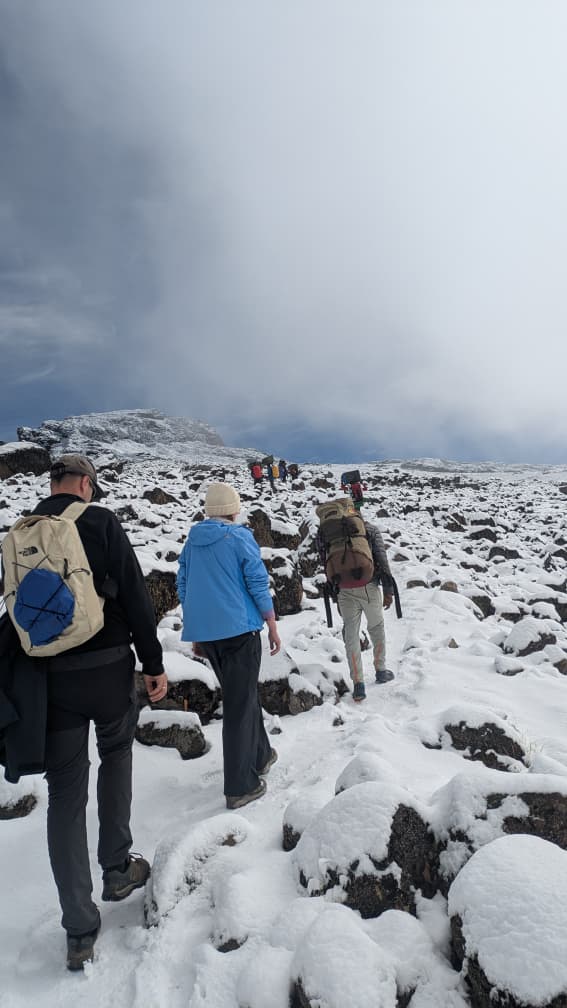
February Kilimanjaro Charity Expedition: Planning Your Climb 2026-2027
start a meaningful adventure with a February Kilimanjaro Charity Expedition. This guide covers planning for 2026-2027, route options, essential gear, and how to maximize your fundraising...
View package detailsFebruary Kilimanjaro Women-Only Group Climb: Your Ultimate Guide For 2026-2027
Planning a Kilimanjaro climb in February? Discover the advantages of joining a women-only group for your 2026-2027 adventure. This comprehensive guide covers everything from route selection...
View package details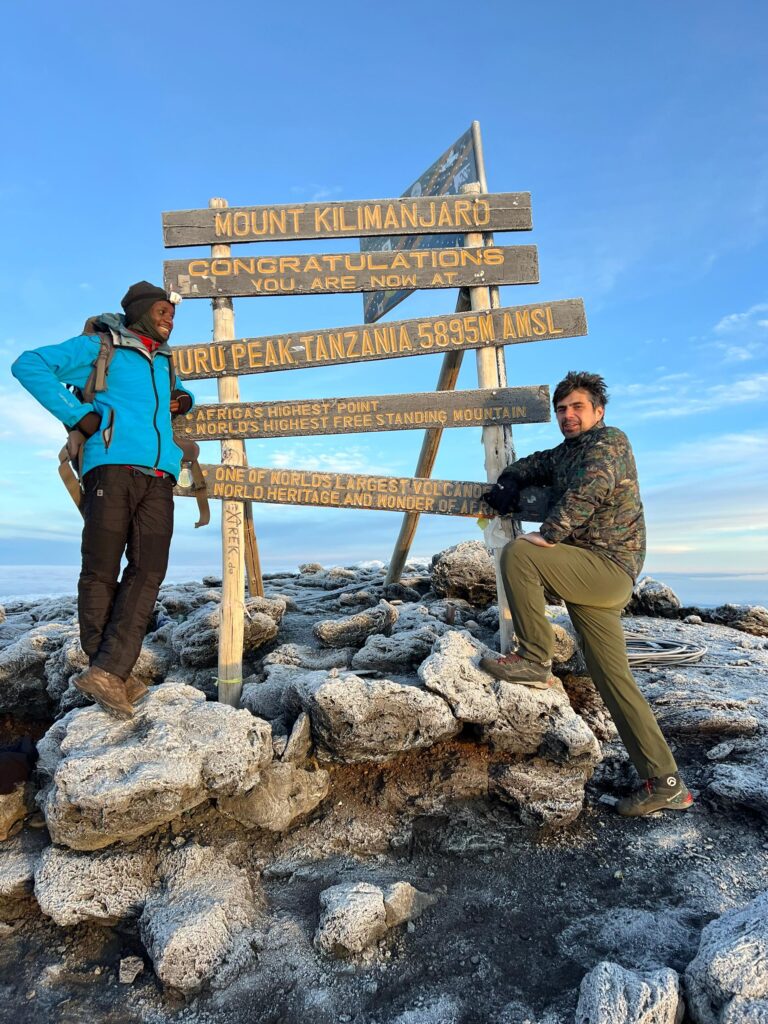
February Kilimanjaro Climbing Prices And Availability For 2026-2027
Planning a Kilimanjaro climb in February? This guide details 2026-2027 pricing, availability, weather considerations, and the best routes for this unique month. Learn what to expect and how...
View package details
February Kilimanjaro Climb For Solo Travellers: Your Ultimate Guide 2026-2027
Discover everything solo travellers need to know for a successful Kilimanjaro climb in February 2026-2027. From route selection and packing to safety and acclimatization, this guide covers...
View package details
February Kilimanjaro Full-Moon Climb: Your Expert Guide For 2026-2027
start an unforgettable Kilimanjaro adventure under the glow of the full moon this February. This guide provides comprehensive planning advice for your 2026-2027 climb, covering routes...
View package detailsJune Kilimanjaro Group Climb For Solo Travellers: Your Guide To Adventures
Planning a solo adventure to climb Kilimanjaro in June? This comprehensive guide focuses on group climbs specifically for solo travellers, covering everything from route selection and...
View package details
June Kilimanjaro Luxury Climb With Private Guide In | Top Adventures 2026-2027
Plan your ultimate June Kilimanjaro luxury climb with a private guide for 2026-2027. This comprehensive guide from Top Guide Adventures covers routes, gear, preparation, and what makes a...
View package details
June Kilimanjaro Crowd Levels: What To Expect For Climbs 2026-2027
Planning a Kilimanjaro climb in June? Understand the crowd levels for 2026-2027. While not the absolute busiest, June offers a sweet spot for trekkers seeking good weather and manageable...
View package details
Is June A Good Month To Climb Kilimanjaro? 2026-2027
Is June a Good Month to Climb Kilimanjaro? is explained with current 2026-2027 planning, price, itinerary and booking information.
View package details
June Kilimanjaro Climbing Prices And Availability | Top Guide Adventures
Planning a Kilimanjaro climb in June? This guide details the expected prices, availability, weather considerations, and best routes for your 2026-2027 adventure. Top Guide Adventures offers...
View package details
June Kilimanjaro Full-Moon Climb: Your Ultimate Guide For 2026-2027
Discover the magic of a June Kilimanjaro full-moon climb. This comprehensive guide covers everything you need to know for 2026-2027, from route selection and optimal timing to essential...
View package detailsNo related package matches those filters. Clear one or more filters to see the other topic-matched options.



