
A February Kilimanjaro climb for solo travellers is an excellent choice, offering good weather conditions, fewer crowds than peak seasons, and a high success rate when choosing a reputable operator like Top Guide Adventures. Solo travellers can expect generally dry weather with cooler temperatures, making it ideal for trekking. The best routes for solo climbers in February include the Machame, Lemosho, and Marangu routes, each offering different scenic beauty and acclimatization profiles. Expect to join a group of like-minded individuals, ensuring companionship and shared experiences throughout the trek, with costs typically ranging from $1,500 to $3,000+ per person depending on the route, duration, and inclusions for 2026 and 2027 departures.

Why Choose February for Your Kilimanjaro Ascent as a Solo Traveller?
February falls within Kilimanjaro’s second dry season, a period renowned for its stable weather patterns, clear skies, and moderate temperatures. For solo travellers, this timing offers a unique blend of advantages that can significantly enhance the overall trekking experience. While Kilimanjaro is a year-round destination, certain months present distinct benefits, and February stands out for several compelling reasons, particularly for those venturing alone.
The primary draw of February is its favourable climate. Following the main dry season (June to October), February offers a continuation of generally clear, dry conditions. This means less rain, reduced mud on the trails, and significantly higher chances of unobstructed summit views. The average temperatures on the mountain slopes are cooler than in the hotter months, which can be more comfortable for strenuous hiking, especially during the initial ascent stages. While summit nights are always cold, the daytime trekking is often pleasant.
Another significant advantage for solo travellers is the relative scarcity of crowds. Unlike the absolute peak months of January, July, and August, February typically sees fewer trekkers on the mountain. This creates a more serene and personal experience. For someone climbing Kilimanjaro alone, this can be a blessing. You’re more likely to find quiet moments for reflection, enjoy the solitude of nature without constant passing of other groups, and form deeper connections with your guide and fellow group members without the feeling of being in a constant procession.
The logistical aspects also favour February. With fewer groups, there’s often more flexibility in terms of campsite allocation and a more intimate atmosphere at the communal areas. This can be particularly reassuring for solo trekkers who might otherwise feel lost in a large crowd. Furthermore, tour operators often have established group departures during this period, making it easy for solo travellers to join an existing group, fostering a sense of camaraderie and shared purpose from the outset. This is a key consideration for many who choose to climb Kilimanjaro solo – they seek the challenge but also the social aspect of a shared adventure.
Considering the 2026 and 2027 climbing seasons, February continues to be a strategically sound choice. Booking in advance for these years is recommended, especially if you have specific dates in mind. Early planning allows you to secure your preferred route and operator, and potentially benefit from any early bird offers, though these are less common for Kilimanjaro due to fixed operational costs. Top Guide Adventures, for instance, organizes regular departures throughout the year, and February is consistently a popular month for their solo traveller groups.
Understanding Kilimanjaro Routes for Solo February Climbers
Choosing the right route is paramount for any Kilimanjaro climb, but for solo travellers in February, it requires careful consideration of acclimatization, scenery, and group dynamics. While all routes ascend the same summit, their paths, durations, and difficulty levels vary significantly. For a February climb, focusing on routes that offer good acclimatization profiles is crucial, as this directly impacts success rates and overall enjoyment.
Machame Route: The Popular Choice for Solo Trekkers
The Machame Route, often called the “Whiskey Route,” is one of the most popular choices for climbers, including solo travellers, and for good reason. It’s known for its scenic beauty and excellent acclimatization profile, offering a higher success rate compared to shorter routes. Typically lasting 6 or 7 days, the 7-day Machame route is highly recommended for solo travellers to allow for better acclimatization.
- Duration: 6 or 7 days (7 days recommended for solo travellers).
- Acclimatization: Excellent, especially on the 7-day itinerary, with a “climb high, sleep low” strategy.
- Scenery: Diverse and stunning, passing through rainforest, moorland, desert, and arctic zones.
- Scenery: Diverse and stunning, passing through rainforest, moorland, desert, and arctic zones.
- Accommodation: Camping.
- Crowds in February: Moderate. While popular, it’s less crowded than in July/August.
For solo travellers, the Machame route offers a fantastic opportunity to bond with a group. The communal camping experience fosters a strong sense of camaraderie. The challenges of the trek, shared over several days, naturally encourage conversation and mutual support among climbers, making it easier for individuals to integrate and feel part of a team.
Lemosho Route: The Scenic and Rewarding Option
The Lemosho Route is often praised for its impressive scenery and remote feel, especially in its initial stages. It’s a longer route, typically 7 or 8 days, which significantly improves acclimatization and, consequently, success rates. This makes it a superb choice for solo travellers prioritizing a more comfortable and successful ascent.
- Duration: 7 or 8 days (8 days are ideal for acclimatization).
- Acclimatization: Very good, due to its longer duration and the “climb high, sleep low” principle.
- Scenery: Arguably the most beautiful, starting in the lush rainforest and offering panoramic views.
- Crowds in February: Lower than Machame, especially in the early days.
- Accommodation: Camping.
The Lemosho route’s longer duration means more time on the mountain, allowing for a slower, more deliberate pace. This is beneficial for solo travellers who may prefer a less rushed experience or who want to maximize their chances of reaching the summit. The fewer people on the initial sections also contribute to a more intimate connection with the mountain’s environment, which can be deeply rewarding for a solo adventurer.
Marangu Route: The “Coca-Cola” Trail with Hut Accommodation
The Marangu Route is unique for its hut accommodation, which appeals to those who prefer not to camp. It’s also the shortest route, typically 5 or 6 days. While often called the “Coca-Cola” route due to its popularity and accessibility, its shorter duration makes it less ideal for acclimatization, especially for solo travellers who may be less experienced with high-altitude trekking.
- Duration: 5 or 6 days (6 days are recommended for better acclimatization).
- Acclimatization: Moderate to poor on the 5-day option; better on the 6-day but still less ideal than longer routes.
- Scenery: Offers varied scenery, but some sections are less visually dramatic than Machame or Lemosho.
- Accommodation: Huts.
- Crowds in February: Can be moderate to high, especially the 5-day option.
While Marangu offers comfort with its huts, the 5-day itinerary poses a significant risk of altitude sickness for any climber, and potentially more so for a solo traveller who might feel more pressure to keep up or less inclined to voice discomfort early on. The 6-day option improves this, but the overall acclimatization remains less robust than Machame or Lemosho. For a February climb, if seeking comfort, the 6-day Marangu is feasible, but Top Guide Adventures strongly advises the longer, camping-based routes for optimal success and safety for solo trekkers.
Other Routes (Shira, Rongai, Northern Circuit)
Shira Route: Similar to Lemosho but starts at a higher altitude, leading to a quicker initial ascent and potentially poorer acclimatization. Generally not recommended for solo travellers aiming for success.
Rongai Route: Approaches from the north, drier in the rainy season. It’s a good option, but less scenic than Machame or Lemosho. It can be a good alternative for February if seeking a drier path, though February is already a dry month on the southern side.
Northern Circuit: The longest route (9-10 days), offering the best acclimatization and highest success rates. It circumnavigates the mountain, providing unique views. For a solo traveller prioritizing success and a more leisurely pace, this is an excellent, albeit more expensive, choice for 2026 or 2027.
Recommendation for Solo February Climbers: For a February Kilimanjaro climb, the 7-day Machame Route or the 8-day Lemosho Route are the top recommendations from Top Guide Adventures. They provide the best balance of scenery, acclimatization, and group dynamics, significantly increasing your chances of a successful and enjoyable summit bid in 2026-2027.
Key Consideration for Solo Climbers: Group Size and Dynamics
When you book a February Kilimanjaro climb as a solo traveller with Top Guide Adventures, you will typically join a pre-arranged group departure. This is ideal for solo travellers as it provides immediate companionship. Our groups are usually composed of individuals from various countries, all sharing the common goal of reaching Uhuru Peak. The average group size ranges from 6 to 12 people, ensuring personal attention from guides while maintaining a friendly, communal atmosphere. This setup is perfect for solo travellers looking for social interaction and support during their challenging trek.
Preparing for Your February Kilimanjaro Climb: Gear and Packing
Proper preparation, especially regarding gear, is critical for any Kilimanjaro climb, and February offers specific considerations. While the month is generally dry, temperatures can vary drastically from the base to the summit, and you must be ready for all conditions. As a solo traveller, ensuring you have the right equipment can boost confidence and comfort, allowing you to focus on the climb itself.
Essential Clothing Layers
The key to dressing for Kilimanjaro is layering. This allows you to adapt to changing temperatures and exertion levels throughout the day and across different altitudes.
- Base Layers: Moisture-wicking thermal tops and bottoms (merino wool or synthetic). You’ll need at least two sets.
- Mid Layers: Fleece jackets or pullovers. A medium-weight fleece is essential for warmth.
- Insulation Layer: A warm down or synthetic insulated jacket. This is crucial for cold evenings and summit night.
- Outer Shell (Waterproof/Windproof): A breathable waterproof and windproof jacket and trousers. Essential for protection against rain, wind, and snow, especially at higher altitudes.
Trekking Essentials
- Hiking Boots: Waterproof, sturdy, and well broken-in. Mid-calf height is recommended for ankle support.
- Socks: Several pairs of warm, moisture-wicking hiking socks (wool or synthetic). Avoid cotton.
- Trekking Poles: Highly recommended for reducing strain on knees and improving balance, especially on descents.
- Backpack: A comfortable daypack (30-40 litres) for carrying water, snacks, extra layers, and camera. A larger duffel bag (80-100 litres) will be carried by porters.
- Headlamp: With extra batteries. Essential for navigating in the dark, especially during the pre-dawn summit push.
- Sunglasses: High UV protection, essential for snow glare at higher altitudes.
- Sun Hat/Cap: Wide-brimmed for sun protection during the day.
- Warm Hat/Beanie: Covers ears, essential for cold nights and summit.
- Gloves: A pair of warm waterproof/windproof outer gloves and a pair of thinner liner gloves.
Sleeping Gear and Comfort
- Sleeping Bag: A 4-season (-15°C to -20°C comfort rating) sleeping bag is essential. Top Guide Adventures can provide rentals if needed.
- Sleeping Bag Liner: Adds warmth and keeps your sleeping bag cleaner.
- Water Bottles/Hydration Reservoir: At least 3 litres capacity. Insulated covers are recommended to prevent freezing.
- Toiletries: Biodegradable soap, toothbrush, toothpaste, wet wipes, hand sanitiser.
- Sunscreen: High SPF (30-50+).
- Lip Balm: With SPF.
Health and Safety
- Personal First-Aid Kit: Include blister treatment, pain relievers, antiseptic wipes, and any personal medications.
- Prescription Medications: Enough for the trip plus a few extra days.
- Diamox (Acetazolamide): Consult your doctor about altitude sickness medication.
- Insect Repellent: Primarily for the rainforest section.
Important Notes for February
While February is dry, snow is possible at higher altitudes, especially near the summit. Ensure your outer layers are waterproof and windproof. The nights are cold, so a warm sleeping bag and insulated jacket are non-negotiable. For solo travellers, having reliable gear significantly reduces potential stress and discomfort, allowing for a more positive mental state during the challenging ascent.
Top 5 Gear Recommendations for Solo Climbers in February
- High-Quality 4-Season Sleeping Bag: Crucial for warmth at altitude.
- Waterproof & Windproof Outer Shell: Essential for unpredictable summit conditions.
- Well-Broken-In Hiking Boots: Prevent blisters and ensure comfort.
- Warm Insulated Jacket: For summit night and cold evenings.
- Trekking Poles: Aid stability and reduce joint impact.
Altitude Sickness: Prevention and Management for Solo Trekkers
Altitude sickness, or Acute Mountain Sickness (AMS), is the most significant risk on Kilimanjaro. As a solo traveller, being well-informed and proactive about preventing and managing AMS is paramount for your safety and success. Kilimanjaro’s summit, Uhuru Peak, sits at 5,895 meters (19,341 feet), a significant altitude that can affect anyone, regardless of fitness level.
Understanding Altitude Sickness
AMS occurs when your body doesn’t have enough time to adjust to the lower oxygen levels at higher altitudes. Symptoms can range from mild headaches and nausea to severe, life-threatening conditions like High Altitude Pulmonary Edema (HAPE) and High Altitude Cerebral Edema (HACE).
Symptoms to Watch For:
- Headache
- Nausea and vomiting
- Dizziness
- Fatigue
- Loss of appetite
- Difficulty sleeping
- Shortness of breath
As a solo traveller, it’s vital to be acutely aware of your own symptoms and also to communicate openly with your guide. Guides are trained to recognize AMS symptoms in themselves and others, and they will monitor you closely. However, you must be your own best advocate. If you feel unwell, report it immediately, even if you think it might be minor.
Prevention Strategies
- Ascend Slowly (Pole Pole): This is the most crucial factor. Choosing a longer route (7-8 days) like Machame or Lemosho significantly increases your acclimatization potential. The principle of “pole pole” (slowly, slowly) is not just a saying; it’s a vital safety protocol.
- Stay Hydrated: Drink plenty of water (3-4 litres per day). Dehydration can exacerbate AMS symptoms. Avoid alcohol and caffeine, which can contribute to dehydration.
- Eat Well: Maintain a good intake of carbohydrates. Your appetite may decrease at altitude, but try to eat regularly.
- Avoid Overexertion: Move at a steady, unhurried pace. Listen to your body and rest when needed.
- Consider Medication: Consult your doctor about Diamox (Acetazolamide). It can help speed up acclimatization and reduce AMS symptoms. It is not a cure but a preventative aid.
Management of Altitude Sickness
If symptoms of AMS appear, the primary rule is: do not ascend further. If symptoms are mild and do not worsen, you might be able to continue climbing slowly after resting. However, if symptoms persist or worsen, descent is the only safe course of action. Your guide will make this decision based on your condition.
- Mild AMS: Rest, hydrate, consider mild pain relievers. Monitor symptoms closely.
- Moderate AMS: Rest. If symptoms don’t improve or worsen, descend at least 300-500 meters.
- Severe AMS: Immediate descent is required. This is a medical emergency.
As a solo traveller, you are responsible for being honest about your condition. Don’t downplay symptoms to avoid slowing the group or disappointing yourself. Your life is more important than reaching the summit on a specific day. Top Guide Adventures prioritizes client safety above all else, and our guides are experienced in managing altitude sickness on Kilimanjaro.
Solo Traveller’s AMS Checklist
- Communicate: Inform your guide immediately if you feel unwell.
- Hydrate: Carry and drink at least 3-4 litres of water daily.
- Pace Yourself: Walk “pole pole” – slowly, slowly.
- Listen to Your Body: Don’t push through severe symptoms.
- Consider Diamox: Discuss with your doctor pre-trip.
The Role of Guides and Porters on Your Kilimanjaro Climb
The crew supporting your Kilimanjaro climb is fundamental to your experience, safety, and success. For solo travellers, understanding their roles and how they contribute is essential. Top Guide Adventures employs highly trained, experienced, and dedicated local guides and porters who are the backbone of every successful expedition.
Your Expert Guides
Kilimanjaro guides are not just trail leaders; they are experienced professionals trained in first aid, altitude sickness management, and mountain rescue. They possess intimate knowledge of the mountain, its routes, weather patterns, and flora and fauna.
- Safety First: Guides are responsible for monitoring your health and the group’s condition, making critical decisions regarding pace and descent if necessary.
- Navigation: They ensure you stay on the correct path, especially in challenging visibility.
- Acclimatization Management: They implement the “pole pole” principle and advise on hydration and rest.
- Information and Support: They provide insights into the mountain’s environment, culture, and history, making the trek more engaging.
- Motivation: Especially on summit night, their encouragement is invaluable.
For a solo traveller, your guide is your primary point of contact and support. Building a good rapport with your guide from the start can enhance your confidence and enjoyment. They are there to ensure your safety and help you achieve your goal.
The Indispensable Porters
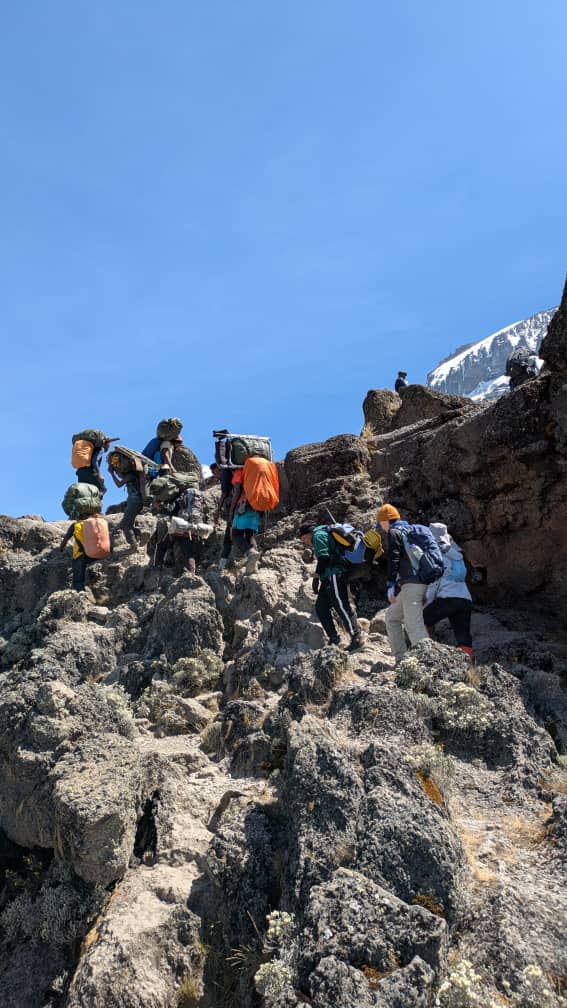
Porters are the unsung heroes of Kilimanjaro climbs. They carry the vast majority of the equipment, including tents, food, cooking gear, and your personal duffel bag. Their strength and efficiency allow you to focus solely on walking and acclimatizing.
- Logistics: They set up camp, prepare meals, and ensure all necessary equipment is transported safely.
- Efficiency: They move ahead of the climbing groups to prepare the next campsite, ensuring a warm welcome upon arrival.
- Support: They often assist climbers who are struggling, offering a helping hand or a word of encouragement.
Top Guide Adventures is committed to ethical treatment of our crew. We adhere to the guidelines set by the Kilimanjaro Porters Assistance Project (KPAP), ensuring fair wages, adequate food, and proper gear for our porters. This ethical approach not only supports the local community but also ensures a more motivated and professional trekking crew for your climb.
As a solo traveller, the presence of such a dedicated and professional team provides immense peace of mind. You are not truly alone on the mountain; you are part of a well-coordinated expedition where every member plays a vital role in your journey.
Diet and Nutrition on the Mountain
Proper nutrition is key to maintaining energy levels and aiding acclimatization during a strenuous Kilimanjaro climb. Top Guide Adventures provides hearty, nutritious meals prepared by experienced camp cooks. Understanding the type of food you’ll receive and how to complement it can help solo travellers stay fuelled and healthy throughout their 2026-2027 trek.
What to Expect from Camp Meals
Meals are designed to be high in carbohydrates for energy and balanced with protein and vegetables. Typical meals include:
- Breakfast: Porridge, eggs, toast, pancakes, fruit.
- Lunch: Often packed lunches (sandwiches, boiled eggs, fruit, biscuits) for during the trek, or hot meals at camp if arriving early.
- Dinner: Soups, rice dishes, pasta, stews, chicken, fish, with vegetables.
- Desserts: Fruit, cake, or pudding.
- Hot Drinks: Tea, coffee, hot chocolate are provided.
The food is generally safe, well-cooked, and varied enough to cater to most tastes. However, as a solo traveller, you might have specific dietary needs or preferences.
Dietary Requirements and Preferences
Top Guide Adventures can cater to most dietary requirements, including vegetarian, vegan, gluten-free, and allergies. It is crucial to inform us of any specific dietary needs well in advance, preferably at the time of booking for your 2026 or 2027 climb. This allows our cooks to prepare accordingly.
Vegetarian/Vegan: These diets are easily accommodated and are common on Kilimanjaro. Expect plenty of vegetable curries, lentil dishes, rice, and pasta.
Allergies/Intolerances: Please be very specific when communicating these. While our cooks are skilled, cross-contamination can be a risk. It’s wise to bring some of your own safe snacks.
Snacks: Your Personal Energy Boost
While the provided meals are substantial, carrying your own snacks is highly recommended, especially for solo travellers who might want quick energy boosts during challenging sections or simply prefer certain tastes.
- Energy Bars/Gels: Quick and easy energy.
- Nuts and Dried Fruit: A good source of energy and nutrients.
- Chocolate: A morale booster and quick energy source.
- Sweets/Candies: For a quick sugar hit, especially useful on summit night.
- Electrolyte Tablets/Powder: To add to your water for rehydration and mineral replenishment.
Bring snacks that you enjoy and that are easy to consume while hiking. These personal supplies can make a big difference to your comfort and energy levels, particularly when climbing alone and relying solely on your own resilience.
Safety and Health Considerations for Solo Travellers
Safety is paramount on any mountain expedition, and for solo travellers, it requires extra diligence and awareness. Top Guide Adventures places the highest priority on the safety and well-being of all our clients. Here are key safety aspects relevant to your February Kilimanjaro climb:
Pre-Trip Medical Check-up
Before embarking on your climb, especially for a 2026 or 2027 adventure, it’s essential to consult your doctor. Discuss your plans, get advice on vaccinations (e.g., Yellow Fever if coming from an endemic area), malaria prophylaxis (though risk is low on the mountain, it’s relevant for lower altitudes), and altitude sickness medication (like Diamox). Ensure you are physically fit for the demands of a multi-day trek at high altitude.
Communication and Emergency Procedures
While mobile phone signal is non-existent on most of the mountain, our guides carry satellite phones for emergencies. Top Guide Adventures maintains a 24/7 operations centre that can be contacted in case of serious issues. It’s important for solo travellers to:
- Share Itinerary: Leave a copy of your itinerary and contact details with someone at home.
- Know Emergency Contacts: Have the contact details for Top Guide Adventures readily accessible.
- Listen to Your Guide: They are trained to handle emergencies and are your lifeline on the mountain.
Hydration and Hygiene
As mentioned, staying hydrated is critical for altitude acclimatization and preventing headaches. In terms of hygiene, regular hand washing or using hand sanitiser before eating and after using the toilet is vital to prevent gastrointestinal issues, which can be particularly debilitating when you are alone and far from amenities.
Mental Preparedness for Solo Climbers
Climbing Kilimanjaro solo can be a profound personal journey, but it also presents unique mental challenges. You need to be self-reliant, resilient, and able to manage moments of doubt or fatigue on your own. The camaraderie with your group and the support of your guides are invaluable, but ultimately, the final push often comes down to individual willpower.
- Manage Expectations: Understand that summiting is not guaranteed. Focus on the journey and the experience.
- Embrace Solitude: Use quiet moments for reflection, but also actively engage with your group.
- Stay Positive: A positive attitude is a powerful tool at altitude.
- Trust Your Guide: Follow their advice and instructions implicitly.
Top Guide Adventures ensures that all our solo travellers are integrated into supportive group dynamics, mitigating the potential isolation of climbing alone. Our guides are trained to provide encouragement and manage group morale, ensuring a safe and positive environment for everyone.
Costs and Booking Your February Kilimanjaro Climb in 2026-2027
Understanding the costs involved is a crucial step in planning your February Kilimanjaro climb. Prices can vary significantly based on the operator, route, duration, and inclusions. Top Guide Adventures offers competitive pricing for a high-quality, safe, and ethical climbing experience.
Factors Influencing Cost
- Route Length: Longer routes (like Lemosho 8-day or Northern Circuit 9-day) are more expensive due to more days of service.
- Operator Quality: Reputable companies with experienced guides, good equipment, and ethical porter treatment tend to cost more but offer better value and safety.
- Inclusions: What is included (e.g., park fees, accommodation before/after, gear rental, oxygen, transfers) varies greatly.
- Group Size: While you are a solo traveller, joining a group departure is usually more economical than a private climb.
- Time of Year: February is a shoulder season, generally offering good value.
Typical Price Range for a February Climb
For a standard 7-day Machame or 8-day Lemosho route climb in February 2026 or 2027 with a reputable company like Top Guide Adventures, you can expect costs to range from approximately $1,500 to $3,000+ per person. This typically includes:
- Park entrance fees
- Camping fees
- Guide and porter salaries and fees
- All meals on the mountain
- Tents and cooking equipment
- A pre-climb briefing
- Transfers to/from Kilimanjaro Airport (JRO) and the mountain
Exclusions often include:
- Flights to Tanzania
- Visa fees
- Travel insurance (mandatory)
- Personal gear (sleeping bag, warm clothing, etc. – rentals available)
- Tips for guides and porters (a significant part of the cost for the crew)
- Personal expenses (e.g., souvenirs, extra drinks)
- Accommodation before and after the climb (can be arranged by Top Guide Adventures)
Estimated Costs for a 7-Day Machame Climb (February 2026-2027)
Estimated Range: $1,700 – $2,500 per person
Includes: Park Fees, Guides, Porters, Cooks, All Meals on Mountain, Tents, Camping Equipment, Transfers, Pre-Climb Briefing.
Excludes: Flights, Visa, Insurance, Gear Rental, Tips, Personal Expenses, Pre/Post Climb Accommodation.
Note: Prices are indicative and subject to change. Contact us for a precise quote for your 2026/2027 dates.
Booking with Top Guide Adventures
To book your February Kilimanjaro climb for 2026 or 2027 as a solo traveller, the process is straightforward:
- Contact Us: Reach out via email at topguideadventures@gmail.com or info@topguideadventures.com, or WhatsApp us at +255616946642.
- Discuss Your Preferences: Let us know your preferred dates in February, the route you are interested in (e.g., Machame, Lemosho), and any specific requirements.
- Receive a Custom Quote: We will provide a detailed itinerary and a transparent quote based on your selections.
- Deposit and Confirmation: A deposit is required to confirm your booking.
- Pre-Trip Information: You will receive comprehensive pre-trip documentation, including packing lists and preparation advice.
We recommend booking at least 3-6 months in advance for 2026 and 2027 departures to secure your spot, especially if you wish to join a specific group departure date. Early booking ensures the best availability and allows ample time for your preparation.
Life on the Mountain: Daily Routine and Experience
Understanding the daily rhythm of a Kilimanjaro climb can help solo travellers mentally prepare for the experience. While each day presents unique challenges and scenery, the general routine provides structure and comfort.
A Typical Day on Kilimanjaro
- Morning Wake-up: You’ll be woken early, typically around 6:30-7:00 AM, with a cup of hot tea or coffee brought to your tent.
- Breakfast: A hearty breakfast follows, often including porridge, eggs, or pancakes, providing fuel for the day’s trek.
- Packing Up: Porters will pack up the tents and all communal gear while you prepare your daypack and get ready to hike.
- The Hike: You’ll set off, usually by 8:00-9:00 AM, walking at a slow and steady pace (“pole pole”). Your guide will lead the way, and another guide may stay at the back to ensure no one is left behind.
- Lunch: A packed lunch is usually enjoyed en route, or a hot meal might be served at a scenic spot if the camp is close.
- Afternoon Arrival: You’ll reach the next campsite by mid-afternoon (around 3:00-4:00 PM).
- Camp Life: While porters set up camp, you can rest, hydrate, and perhaps explore the immediate surroundings.
- Evening Meal: A nutritious dinner is served, followed by a briefing from your guide about the next day’s trek.
- Bedtime: Most climbers retire to their tents by 8:00-9:00 PM to rest for the following day.
Summit Night: The Ultimate Challenge
Summit night is significantly different. You’ll typically wake up around midnight to 1:00 AM. After a quick, light breakfast, you’ll begin the ascent in the dark, wearing your headlamp. The pace is extremely slow, and you’ll stop frequently for brief rests. The cold is intense, and the altitude makes every step a significant effort. Reaching Stella Point on the crater rim by sunrise is a common goal, followed by the final push to Uhuru Peak.
The descent from the summit is long and can be taxing. You’ll usually descend past the previous night’s campsite to a lower altitude, where the air is warmer and easier to breathe. This helps in recovering from the effects of high altitude.
Social Dynamics for Solo Travellers
Even as a solo traveller, you are part of a group. Shared meals, camp briefings, and the common goal create natural opportunities for interaction. Don’t hesitate to strike up conversations with fellow climbers and guides. Many solo travellers form strong bonds during their trek and stay in touch long after.
Your guides and crew are also a vital part of the social fabric on the mountain. They are friendly, experienced, and happy to share their knowledge and stories. Engaging with them respectfully can enrich your experience immensely.
Why Choose Top Guide Adventures for Your Solo Kilimanjaro Climb?
Choosing the right tour operator is arguably the most critical decision for a solo traveller planning a Kilimanjaro climb. Top Guide Adventures distinguishes itself through a commitment to safety, quality, ethical practices, and personalized service.
Safety and Experience
Our guides are highly trained, certified in wilderness first aid, and possess extensive experience on Kilimanjaro. We prioritize safety protocols, including meticulous health monitoring and emergency preparedness, ensuring that solo travellers have the highest level of support.
Ethical Trekking Practices
We are proud partners with organizations like the Kilimanjaro Porters Assistance Project (KPAP). This means we adhere to strict ethical guidelines for porter welfare, ensuring fair wages, proper food, and adequate gear for our crew. When you climb with us, you support a responsible and sustainable tourism model.
Personalized Attention
Although you join a group as a solo traveller, we ensure you receive personal attention. Our group sizes are manageable, and our guides are skilled at fostering an inclusive and supportive environment. We also offer tailor-made itineraries for those seeking a truly private experience.
Comprehensive Support
From the moment you inquire to your safe return from the mountain, Top Guide Adventures provides dedicated support. We offer detailed pre-trip information, assist with logistical arrangements, and are available to answer all your questions. Our goal is to make your solo Kilimanjaro climb a smooth and unforgettable adventure for 2026 and 2027.
Proven Success Rates
By focusing on longer routes, proper acclimatization, and experienced guides, we help maximize our clients’ chances of reaching Uhuru Peak. Our success rates are among the highest, a testament to our meticulous planning and operational excellence.
For your February Kilimanjaro climb in 2026 or 2027, choosing Top Guide Adventures means partnering with a trusted local expert dedicated to providing an exceptional and safe mountain experience. Contact us today to start planning your adventure!
Ready to plan your February Kilimanjaro climb? Reach out to Top Guide Adventures for a personalized quote and expert advice. WhatsApp: +255616946642 | Email: topguideadventures@gmail.com or info@topguideadventures.com.
Check Availability for February Kilimanjaro Climb For Solo Travellers: Your Ultimate Guide…
Ready to compare dates, prices, and the best option for your group? Send the package name and travel month so the team can reply with a clear quote, availability, and what is included.
Kilimanjaro Climb For Neurodivergent Travellers: A Comprehensive Guide
This guide offers in-depth information for neurodivergent individuals planning a Kilimanjaro climb, focusing on preparation, route selection, and specialized support available from Top...
View package details
Kilimanjaro Climb For Deaf And Hard-Of-Hearing Travellers | Top Guide
Climbing Mount Kilimanjaro is an achievable dream for deaf and hard-of-hearing individuals. Top Guide Adventures specializes in providing comprehensive support, ensuring clear communication...
View package details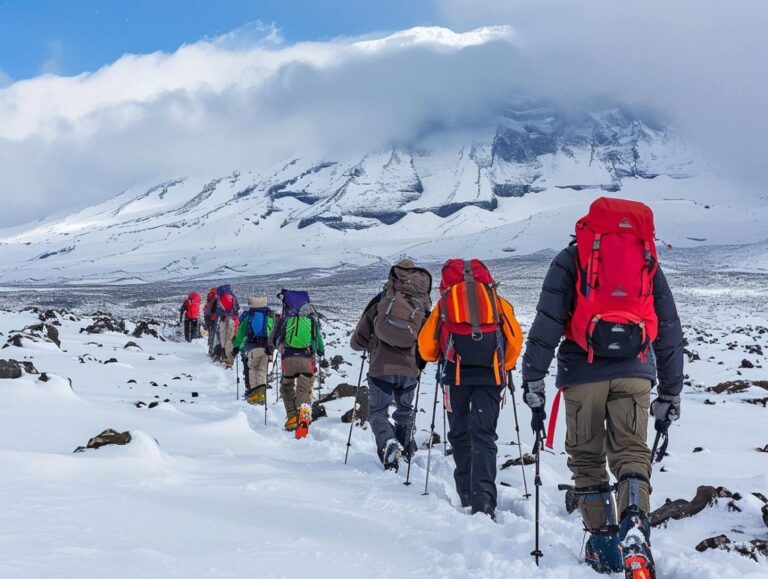
Kilimanjaro Private Climb Price For One Person: Your Guide 2026-2027
Planning a solo ascent of Mount Kilimanjaro? This guide details the Kilimanjaro private climb price for one person, covering cost factors, inclusions, and essential planning for 2026-2027.
View package details
Kilimanjaro Climb With A Personal Support Assistant: Your Ultimate Guide
Climbing Mount Kilimanjaro with a personal support assistant offers unparalleled safety, comfort, and focus on your summit goals. This guide details what a personal assistant entails, its...
View package details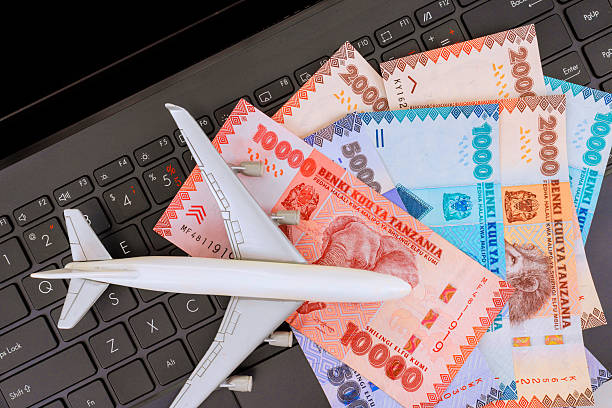
Kilimanjaro Hydration Mistakes Climbers Make And How To Avoid Them 2026-2027
Proper hydration is critical for a successful Kilimanjaro climb. This guide details common hydration mistakes climbers make, from under-drinking to choosing the wrong fluids, and provides...
View package details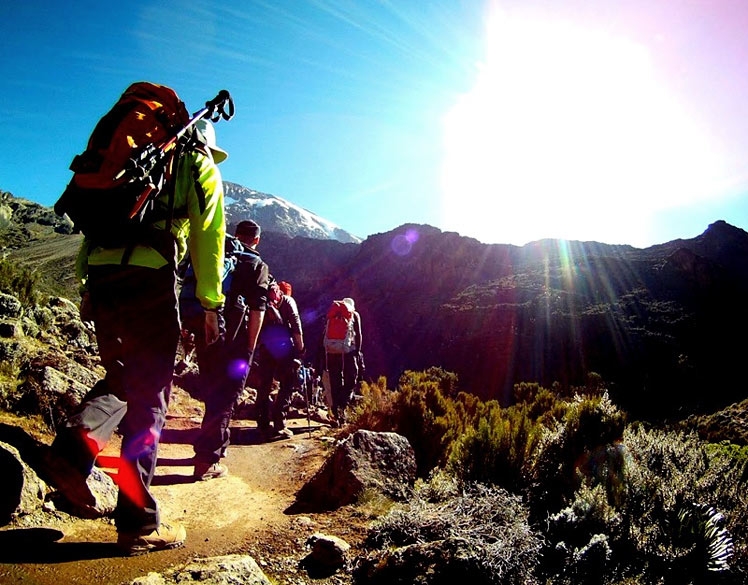
Kilimanjaro Summit-Night Mistakes To Avoid: Your Essential Guide For Climbs
Summit night on Kilimanjaro is the most challenging part of the climb. Avoiding common mistakes in acclimatization, gear, hydration, and pacing is crucial for success. This guide details...
View package details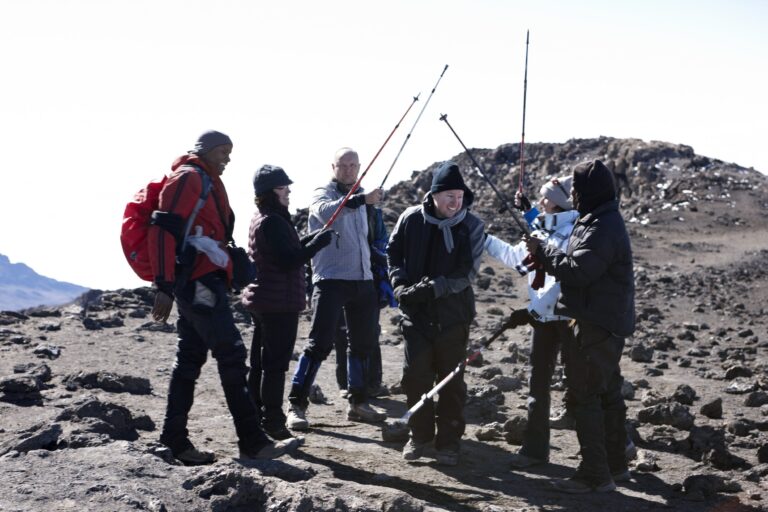
Kilimanjaro Airport Vs Arusha For Climbers: The Definitive Guide 2026-2027
A comprehensive comparison of Kilimanjaro International Airport (JRO) and Arusha Airport (ARK) for trekkers planning a Mount Kilimanjaro climb, detailing pros, cons, and booking advice for...
View package details
Kilimanjaro Climb For Retired Couples: Planning Your Adventure 2026-2027
Planning a Kilimanjaro climb as a retired couple is an achievable and rewarding goal. This guide offers in-depth advice on route selection, physical preparation, essential gear, and the...
View package details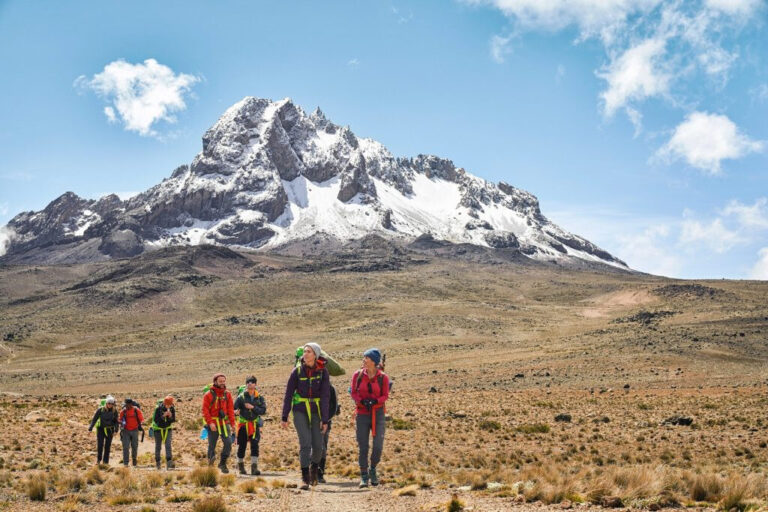
Can A 16-Year-Old Climb Kilimanjaro? Your Essential Guide 2026-2027
Discover if a 16-year-old can summit Kilimanjaro. This comprehensive guide covers age requirements, health, fitness, essential gear, and planning for younger trekkers aiming for Africa's...
View package details
Content For Parents And Young Climbers: Conquering Kilimanjaro Safely
Planning a Kilimanjaro climb with children or as a young climber requires special attention. This guide provides comprehensive content for parents and young adventurers, covering...
View package details
Kilimanjaro Tree-Planting Climbing Package Guide
Combine your dream Kilimanjaro climb with a meaningful conservation effort. Our Kilimanjaro Tree-Planting Climbing Package allows you to ascend Africa's highest peak while actively...
View package details
What Happens If It Rains Throughout Your Kilimanjaro Climb? 2026-2027
What Happens If It Rains throughout Your Kilimanjaro Climb? is explained with current 2026-2027 planning, price, itinerary and booking information.
View package detailsNo related package matches those filters. Clear one or more filters to see the other topic-matched options.



