
June is an excellent month to climb Kilimanjaro, marking the start of the main dry season. Trekkers typically experience clear skies, good visibility, and moderate temperatures, making it a highly favorable time for reaching Uhuru Peak. While it can be cooler at higher altitudes, the dry conditions significantly enhance the overall climbing experience, with fewer rainy days and less muddy terrain compared to other times of the year. Planning your climb for June 2026 or June 2027 positions you for some of the most stable weather patterns on the mountain.

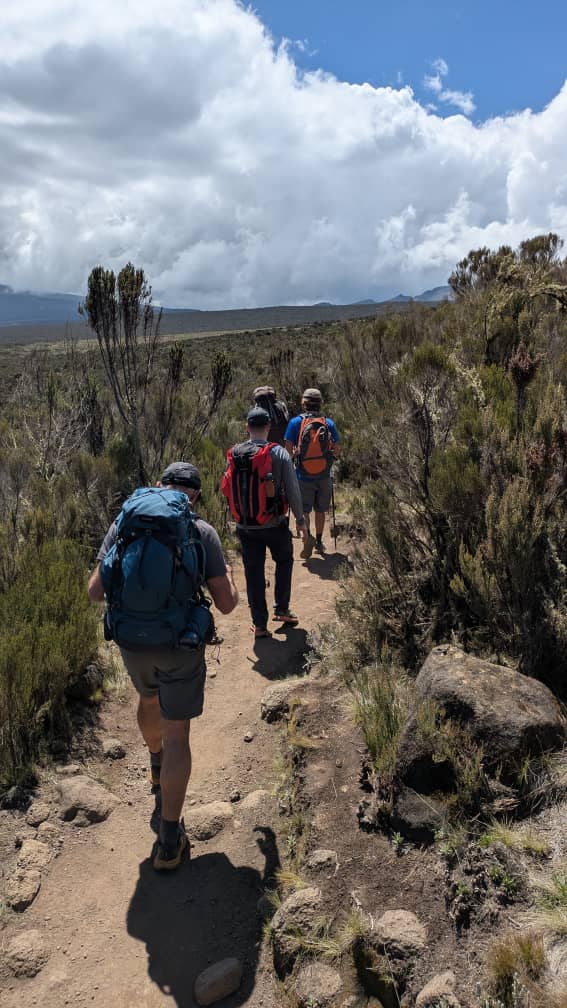
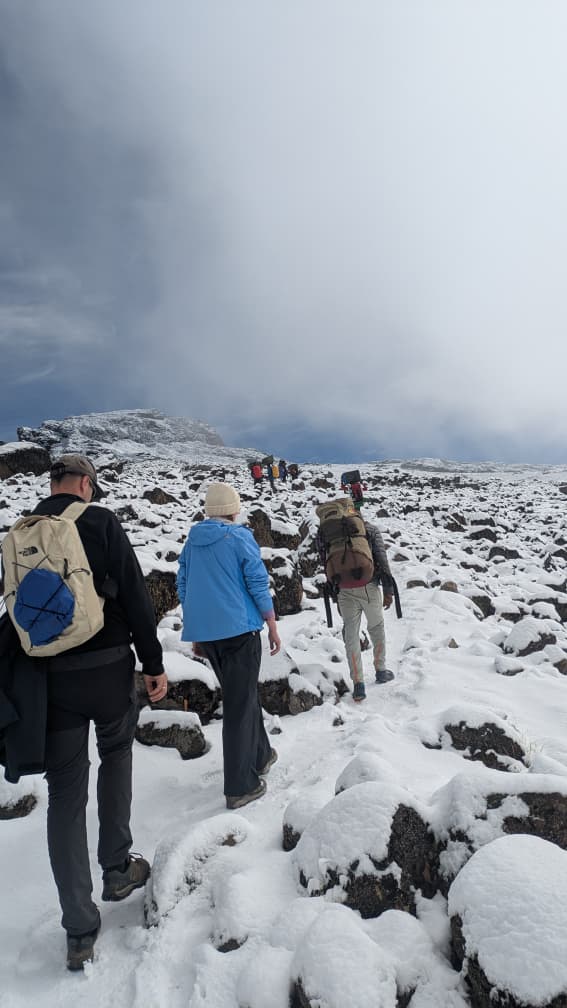
Understanding Kilimanjaro’s Weather Patterns for Your June Climb
Mount Kilimanjaro, standing at 5,895 meters (19,341 feet), boasts a unique microclimate that changes dramatically with altitude and season. Understanding these patterns is crucial for any climber, especially when deciding on the best time to ascend. For those considering a trek in June 2026 or June 2027, the key takeaway is that this month falls squarely within Kilimanjaro’s two major dry seasons, offering a significant advantage for a successful summit attempt.
Kilimanjaro experiences two primary dry seasons and two shorter rainy seasons. The longest and most popular dry season runs from late June to October. The second, shorter dry season occurs from January to March. The rainy seasons are typically from April to early June (the long rains) and November to December (the short rains). Therefore, June signifies the transition into the more stable, drier conditions that climbers seek.
The weather in June is generally characterized by:
- Reduced Rainfall: Precipitation significantly decreases, leading to drier trails and a lower chance of encountering prolonged rain, which can make trekking more challenging and uncomfortable.
- Clear Skies and Visibility: Expect clearer skies, offering spectacular panoramic views of the surrounding plains and, on exceptionally clear days, Mount Meru. This improved visibility is a major plus for appreciating the diverse ecosystems as you ascend and for enjoying summit views.
- Moderate Temperatures: While the equatorial sun can be strong during the day, temperatures at the base camps and lower altitudes are generally pleasant. As you gain altitude, temperatures drop considerably, especially at night and on summit day. June offers a balance – it’s not as intensely hot as the lower months, nor as bitingly cold as the peak dry season of July-August, although higher elevations will still be very cold.
- Lower Humidity: Lower humidity levels contribute to a more comfortable trekking experience, reducing the feeling of being overly warm or stifled.
For planning purposes in 2026 and 2027, June’s weather profile aligns perfectly with the desire for stable conditions, making it a top choice for many trekkers aiming for a successful and enjoyable Kilimanjaro expedition.
Comparing June to Other Months for Climbing Kilimanjaro
To truly appreciate why June is a good month to climb Kilimanjaro, it helps to compare it with other periods throughout the year. Each month presents its own set of advantages and disadvantages, primarily dictated by weather and crowd levels.
The Peak Dry Season (July – October)
This is often considered the absolute best time to climb Kilimanjaro due to consistently dry weather, clear skies, and excellent visibility. Temperatures are cool, especially at higher altitudes, which some prefer for strenuous activity. However, this period is also the busiest, meaning more trekkers on the trails and at the campsites. The higher demand can also translate to slightly higher prices for tours and accommodation in gateway towns like Moshi.
The Shoulder Months (Late June, Early January, Late October, Early November)
These months represent a transition between peak and off-peak seasons. Late June is particularly appealing because it offers the benefits of the dry season (less rain, clearer views) but with fewer crowds than the peak months of July and August. Similarly, early January can provide good weather before the crowds of the main dry season build up. Late October and early November can see the tail end of the dry season or the start of the short rains, making them a bit more unpredictable.
The Rainy Seasons (April – May, November – Early December)
These are generally the least favorable times to climb Kilimanjaro. The long rains from April to May can bring heavy downpours, leading to muddy trails, reduced visibility, and increased risk of landslides. The short rains in November and early December are less intense but can still cause disruptions. While these months offer the fewest crowds and potentially lower prices, the challenging weather conditions make summiting more difficult and less enjoyable for most trekkers. The vegetation is lush and beautiful, but this is often outweighed by the weather.
The Second Dry Season (January – March)
This period offers good weather, similar to the main dry season, with clear skies and dry trails. It’s a popular time, especially for those seeking to climb after the New Year holidays. The main difference from the July-October dry season is that it’s generally warmer, especially at lower altitudes. However, March can start to see a slight increase in cloud cover as the long rains approach.
June’s Position: The Sweet Spot
When you compare, June emerges as a standout month. It captures the beginning of the most stable dry season, offering excellent weather conditions akin to the peak months, but with a distinct advantage: fewer people on the mountain. This means a more serene and personal trekking experience. For climbers planning for 2026 or 2027, choosing June provides a fantastic balance of favorable weather and a less crowded environment, making it a strategic choice for a memorable Kilimanjaro climb.
Advantages of Climbing Kilimanjaro in June
The decision to climb Kilimanjaro in June offers several compelling advantages that contribute to a safer, more enjoyable, and potentially more successful trek. These benefits are directly linked to the prevailing weather conditions and the mountain’s crowd dynamics during this period.
1. Favorable Weather Conditions
As mentioned, June marks the commencement of Kilimanjaro’s primary dry season. This translates into:
- Dry Trails: The most significant benefit is the dry ground. Muddy, slippery trails are minimized, making the ascent and descent easier and reducing the risk of slips and falls. This is especially important on steeper sections and scree slopes.
- Clear Skies and Views: June typically offers excellent visibility. You’ll be treated to stunning vistas of Kilimanjaro’s diverse ecological zones, from the rainforest to the alpine desert. The views from the summit, looking out over the African plains, are often impressive during this time.
- Reduced Cloud Cover: While clouds can form at any time, June generally sees less persistent cloud cover compared to the rainy seasons. This means more sunshine during the day and clearer conditions for stargazing at night.
- Manageable Temperatures: Days are often sunny and pleasant, though always cool at higher altitudes. Nights and summit attempts will be cold, requiring appropriate gear, but the lack of rain makes the cold more bearable than damp, freezing conditions. The temperature is generally cooler than in the January-March dry season, which can be beneficial for physical exertion.
2. Fewer Crowds Than Peak Season
While July and August are the busiest months on Kilimanjaro, June offers a welcome respite. As the dry season begins, the trails are not yet at their maximum capacity. This means:
- More Serene Experience: You’ll encounter fewer fellow trekkers on the trails and at campsites. This allows for a more peaceful and personal connection with the mountain environment.
- Better Campsite Availability: While campsites are managed by park authorities, fewer people mean less congestion at popular resting spots and water sources.
- Enhanced Photography Opportunities: Without large groups constantly in the background, capturing stunning photos of the landscape and your group becomes much easier.
- More Interaction with Guides and Porters: A less crowded mountain can sometimes lead to more relaxed interactions and opportunities for deeper conversations with your support crew.
3. Good Acclimatization Conditions
The dry weather and clear visibility contribute to a better trekking experience, which indirectly aids acclimatization. When you’re not battling rain, wind, or mud, you can focus more on your pacing, hydration, and overall well-being, all critical factors for successful acclimatization. The moderate temperatures, while requiring warm layers, are generally less taxing on the body than extreme heat or prolonged cold combined with wetness.
4. Excellent Value (Potentially)
While June is part of the dry season, it’s at the very beginning. Tour operators may offer competitive pricing compared to the absolute peak months of July and August, as demand starts to build. This can be a good time to secure a quality Kilimanjaro climb for 2026 or 2027 without paying the highest premiums.
In summary, climbing Kilimanjaro in June provides a compelling combination of excellent weather and a less crowded mountain, making it a smart and rewarding choice for trekkers.
Potential Challenges of Climbing in June
While June is undoubtedly a favorable month, it’s important to be aware of any potential challenges to ensure you are fully prepared. Even in the dry season, Kilimanjaro presents unique conditions that require careful consideration.
1. Cooler Temperatures at Altitude
As June is the start of the dry season, temperatures at higher elevations can be quite cold. The summit night and early morning hours are particularly frigid. While this is expected on Kilimanjaro, trekkers need to be exceptionally well-prepared with high-quality, layered clothing. Temperatures can drop well below freezing, especially at the summit (Uhuru Peak), which sits at 5,895 meters.
What this means for you: Investing in or renting top-tier cold-weather gear is essential. This includes a warm sleeping bag, thermal base layers, fleece mid-layers, a waterproof and windproof outer shell, insulated gloves and mittens, a warm hat, and insulated hiking boots. Do not underestimate the cold; proper preparation is key to comfort and safety.
2. Increased Sunlight Intensity
Despite the cooler temperatures, the equatorial sun can be very intense during the day, especially at higher altitudes where the atmosphere is thinner. This can lead to sunburn if adequate sun protection is not used.
What this means for you: Always wear sunscreen with a high SPF, a wide-brimmed hat, sunglasses, and consider long-sleeved, breathable clothing to protect your skin. Staying hydrated also helps mitigate the effects of the sun.
3. Potential for Variable Weather
While June is dry, mountain weather is inherently unpredictable. There’s always a small chance of encountering unexpected showers, particularly in the lower rainforest zone, or sudden changes in conditions as you ascend. The transition into the dry season means that residual moisture from the previous rainy period might still be present early in the month.
What this means for you: Pack for all conditions. Even though it’s the dry season, waterproof outer layers (jacket and trousers) are a must. Be prepared for sunny spells, wind, and potentially light rain or mist. Flexibility and a positive attitude are crucial.
4. Higher Demand Compared to Rainy Seasons
While June has fewer crowds than the absolute peak months of July and August, it is significantly busier than the rainy seasons (April-May, November). This means you’ll still encounter other trekkers on the trails, and popular routes can feel moderately busy.
What this means for you: Book your trek well in advance, especially if you are planning for 2026 or 2027. Popular routes like Machame and Lemosho can fill up, and securing your preferred dates and guides is important. Early booking also allows more time for physical preparation and gear acquisition.
5. Altitude Sickness is Always a Risk
This is not specific to June, but it’s a critical consideration for any Kilimanjaro climb. Altitude sickness (Acute Mountain Sickness – AMS) can affect anyone, regardless of fitness level or the time of year. The dry weather in June doesn’t prevent AMS; it simply offers a more comfortable trekking environment.
What this means for you: Choose a longer route (7+ days) for better acclimatization, ascend slowly (“pole pole”), stay well-hydrated, avoid alcohol and caffeine, and communicate any symptoms immediately to your guide. Medical kits with Diamox (consult your doctor) can also be beneficial.
By being aware of these potential challenges and preparing accordingly, you can ensure that your June Kilimanjaro climb is a safe, successful, and memorable adventure.
Choosing the Right Route for Your June Climb
The route you choose significantly impacts your Kilimanjaro experience, influencing acclimatization, scenery, difficulty, and crowd levels. For a June climb, all routes are technically open, but some offer distinct advantages due to the weather and potential for fewer people.
Here’s a look at popular routes and how they fare in June:
1. Machame Route (Whiskey Route)
- Duration: Typically 6-7 days.
- Pros for June: Excellent acclimatization profile due to its “climb high, sleep low” strategy. Offers stunning scenery, passing through all ecological zones. It’s a popular route, so you’ll have company, but June’s slightly lower crowds mean it won’t feel overwhelmingly busy. The 7-day option is highly recommended for acclimatization.
- Cons for June: Can be steep and challenging in parts. Being a popular route, it will have more trekkers than less common options.
- Top Guide Adventures Tip: The 7-day Machame route is a fantastic choice for a June 2026 or June 2027 climb, balancing acclimatization, scenery, and a manageable number of trekkers. Check Machame route departure dates.
2. Lemosho Route
- Duration: Typically 7-8 days.
- Pros for June: Considered one of the most scenic routes, starting in the west and traversing the Shira Plateau. It offers excellent acclimatization over its longer duration and passes through pristine wilderness with fewer people initially. June provides clear views as you traverse the plateau.
- Cons for June: Generally more expensive due to longer duration and logistics. Can be crowded on the final ascent to Stella Point and Uhuru Peak, as it merges with the Machame route.
3. Marangu Route (Coca-Cola Route)
- Duration: Typically 5-6 days.
- Pros for June: The only route with dormitory-style accommodation in huts, offering a different experience. It’s the shortest and cheapest option, but this comes at a cost to acclimatization. June’s dry weather makes the trek more pleasant than during the rainy seasons.
- Cons for June: Poorest acclimatization profile due to its direct ascent and lack of “climb high, sleep low.” The 5-day option has a very low success rate. Less scenic compared to western routes. Can feel very busy.
- Top Guide Adventures Recommendation: We generally advise against the 5-day Marangu for acclimatization reasons, especially for first-time climbers. The 6-day option is better but still compromises on acclimatization compared to longer routes.
4. Rongai Route
- Duration: Typically 6-7 days.
- Pros for June: Approaches Kilimanjaro from the drier northern side, making it a good option if there’s a chance of lingering showers early in June. It’s generally less crowded than Machame or Lemosho. Offers a different perspective and typically good wildlife viewing opportunities in the lower reaches.
- Cons for June: Scenery is considered less varied than western routes. The descent is via the Marangu route.
5. Shira Route
- Duration: Typically 7-8 days.
- Pros for June: Similar to Lemosho but starts at a higher altitude, meaning you trek through the Shira Plateau earlier. Offers dramatic landscapes.
- Cons for June: Starts at a very high altitude (3,650m), which can be challenging for acclimatization for some climbers. Generally more expensive.
6. Northern Circuit & Western Breach
- Duration: 9+ days for Northern Circuit, 8+ days for Western Breach.
- Pros for June: The Northern Circuit is the longest route, offering the best acclimatization and highest success rates. It circles the mountain, providing unique views. The Western Breach offers a more challenging and adventurous route, typically with fewer people. Both are excellent for June’s clear skies.
- Cons for June: Require more time and are significantly more expensive. The Western Breach can be steep and demanding.
For a June 2026 or June 2027 climb, the 7-day Machame Route or the 7-8 day Lemosho Route are often the top recommendations. They provide an excellent balance of acclimatization, stunning scenery, and a manageable number of fellow trekkers. If you prefer a less crowded experience and don’t mind a different approach, the Rongai route is also a solid choice.
Packing Essentials for a June Kilimanjaro Climb
Proper packing is paramount for any Kilimanjaro climb, but especially crucial for June due to the cooler temperatures at altitude and potential for intense sun. Your gear needs to protect you from the elements while allowing for comfortable trekking. Remember, you’ll be carrying layers, and the key is to have the right ones.
Clothing Layers: The Foundation of Your Gear
Layering is essential for managing your body temperature. Aim for three main layers:
- Base Layers: Moisture-wicking materials like merino wool or synthetics. Include long-sleeved tops and thermal leggings. Pack 2-3 sets.
- Mid Layers: Provide insulation. Fleece jackets (e.g., Polartec 100, 200, or 300 weight) are ideal. A down or synthetic insulated jacket is crucial for evenings and summit night.
- Outer Shell (Waterproof & Windproof): A high-quality, breathable waterproof jacket (Gore-Tex or similar) and waterproof trousers are non-negotiable. This protects you from wind and any potential rain or snow.
Headwear and Handwear
- Warm Hat: A fleece or wool hat that covers your ears.
- Sun Hat: A wide-brimmed hat for sun protection during the day.
- Balaclava or Neck Gaiter: Essential for protecting your face and neck from cold wind, especially on summit day.
- Gloves: A pair of thin liner gloves (wool or synthetic) and a pair of warm, waterproof insulated gloves or mittens. Mittens are generally warmer than gloves.
Footwear
- Hiking Boots: Sturdy, waterproof, and well broken-in mid-to-high cut hiking boots are essential. They should provide good ankle support.
- Camp Shoes: Comfortable shoes or sandals for wearing at camp (e.g., Crocs, trainers).
- Socks: Several pairs of warm wool or synthetic hiking socks. Avoid cotton. Pack liner socks if prone to blisters.
Sleeping Gear
- Sleeping Bag: A 4-season sleeping bag rated to at least -10°C (15°F), preferably lower, is recommended for June. Ensure it’s a good quality down or synthetic bag.
- Sleeping Bag Liner: Adds warmth and keeps your sleeping bag cleaner. Silk or fleece liners are popular.
Trekking Equipment
- Backpack: A comfortable daypack (30-40 liters) for carrying essentials like water, snacks, extra layers, and camera during the day.
- Trekking Poles: Highly recommended for reducing strain on knees, especially during descents.
- Water Bottles/Hydration Reservoir: At least 3 liters capacity. Insulated bottles or covers are useful to prevent water from freezing at higher altitudes.
- Headlamp: Essential for navigating in the dark, especially on summit night. Bring spare batteries.
Personal Items & Health
- Sunscreen: High SPF (30-50+), broad-spectrum.
- Lip Balm: With SPF protection.
- Sunglasses: UV protection is crucial.
- Toiletries: Biodegradable soap, toothbrush, toothpaste, wet wipes, hand sanitizer.
- Personal First-Aid Kit: Include blister treatment, pain relievers, antiseptic wipes, personal medications.
- Snacks: High-energy snacks like nuts, dried fruit, energy bars.
- Camera & Power Bank: To capture the stunning scenery. Ensure power banks are kept warm.
- Passport & Visa: Keep copies separate.
- Travel Insurance Details: Ensure it covers high-altitude trekking and emergency evacuation.
Top Guide Adventures Note: While you carry your daypack, your main duffel bag will be carried by porters. Pack essentials for the day in your daypack. We can provide a detailed packing list upon booking your 2026 or 2027 Kilimanjaro adventure.
Acclimatization Strategies for a June Climb
Altitude sickness is the primary reason for failed Kilimanjaro summits, irrespective of the month. Effective acclimatization is crucial, and June’s weather provides a good canvas for implementing these strategies.
1. Choose a Longer Route
Routes of 7 days or more are significantly better for acclimatization than shorter ones. The extra day allows your body more time to adjust to the decreasing oxygen levels.
- Recommended for June: 7-day Machame, 7-8 day Lemosho, 7-day Rongai, or the 9-day Northern Circuit. These routes incorporate gradual ascent profiles.
2. Ascend Slowly (“Pole Pole”)
This Swahili phrase means “slowly, slowly.” It’s the golden rule of Kilimanjaro. Maintain a slow, steady pace throughout the trek, especially on longer ascent days. Your guide will set the pace, but it’s important to stick to it.
3. Hydrate, Hydrate, Hydrate
Drink plenty of fluids – at least 3-4 liters per day. Water is best, but herbal teas and clear broths also contribute. Avoid alcohol and excessive caffeine, as they can dehydrate you and interfere with acclimatization.
4. Eat Well
Consume balanced meals and snacks, even if your appetite is reduced at altitude. Carbohydrates are generally easier to digest and provide energy. Your guides will ensure you receive nutritious meals.
5. “Climb High, Sleep Low”
This principle is built into routes like Machame and Lemosho. It involves ascending to a higher altitude during the day and then descending to a lower altitude to sleep. This process helps your body acclimatize more effectively.
6. Monitor Symptoms
Be aware of the symptoms of Acute Mountain Sickness (AMS): headache, nausea, dizziness, fatigue, and loss of appetite. Communicate any symptoms to your guide immediately. Do not ascend further if symptoms are moderate to severe. Your guide is trained to assess the situation and make the best decision, which may include resting or descending.
7. Consider Acetazolamide (Diamox)
Consult your doctor about taking Diamox. It can help speed up acclimatization but is not a substitute for proper ascent profiles and pacing. It works best when combined with other acclimatization strategies.
By prioritizing these acclimatization strategies, trekkers choosing June for their 2026 or 2027 climb can significantly increase their chances of a safe and successful summit experience.
Summit Night in June: What to Expect
Summit night is the most challenging part of any Kilimanjaro climb, and June presents its own specific conditions for this crucial ascent. Typically, your summit attempt will begin around midnight after a few hours of rest. You’ll start from the last camp (e.g., Barafu Camp at ~4,600m or Kibo Huts at ~4,700m) and ascend towards Uhuru Peak (5,895m).
Weather Conditions on Summit Night
- Extreme Cold: June is the start of the dry season, meaning temperatures will be well below freezing. Expect temperatures ranging from -5°C to -20°C (23°F to -4°F), potentially colder with wind chill.
- Wind: While generally dry, wind can be a significant factor, making the cold feel much more intense.
- Clear Skies (Usually): The advantage of June is the high probability of clear skies. This offers incredible stargazing opportunities and, as dawn approaches, spectacular views as the sun rises over the horizon.
- Ice and Snow: While not guaranteed, there can be patches of ice or snow, especially near the crater rim and on the final ascent, even in June. This requires careful footing.
- Low Oxygen: The primary challenge remains the low oxygen levels (about half that at sea level), which exacerbate the effects of cold and fatigue.
What to Do to Prepare
- Layer Up: Wear all your warm layers. This includes thermal base layers, fleece mid-layers, a down jacket, and your waterproof outer shell.
- Protect Extremities: Ensure your head, hands, and feet are extremely well-protected. Wear a warm hat, balaclava, liner gloves, and insulated waterproof mittens.
- Stay Hydrated and Fueled: Drink water and eat energy-rich snacks right up until you start. Keep water in an insulated bottle or hydration pack to prevent freezing.
- Use Your Headlamp: A reliable headlamp with fresh batteries is essential for navigating the dark, rocky terrain.
- Pace Yourself: Move slowly and steadily (“pole pole”). Take short breaks to catch your breath and drink.
- Communicate: Inform your guide immediately if you feel unwell or experience any symptoms of altitude sickness.
Reaching Uhuru Peak in the early morning light during June’s dry season is an unforgettable experience. The clear skies provide unparalleled views of the glaciers and the curvature of the Earth. Despite the physical and mental challenges, the reward is immense.
Post-Climb Considerations: Kilimanjaro in June
After successfully summiting and descending Kilimanjaro in June, you’ll likely want to relax and reflect on your incredible achievement. The surrounding areas offer opportunities for recovery and further exploration.
Recovery in Moshi or Arusha
Most climbers descend to Moshi or Arusha for post-climb relaxation. These towns offer comfortable lodges and hotels, good food, and opportunities to rest your weary legs.
- June Climate: Both Moshi and Arusha enjoy pleasant weather in June. Temperatures are mild, with sunny days and cooler evenings. It’s a comfortable time to explore the towns, visit local markets, or simply relax by a pool.
- Activities: Consider a visit to a local coffee plantation, a guided tour of Moshi town, or simply enjoying delicious Tanzanian cuisine.
Optional Safari Add-on
Many climbers combine their Kilimanjaro trek with a safari in Tanzania’s world-renowned national parks. June is an excellent month for safaris as well.
- Northern Circuit Safaris: Parks like the Serengeti, Ngorongoro Crater, Tarangire, and Lake Manyara are spectacular in June. The landscape is green from the receding rains, and wildlife viewing is excellent. The Great Migration is typically in the western or central Serengeti during this time.
- Southern Circuit Safaris: Parks like Ruaha and Selous (Nyerere National Park) are also good in June, entering their dry season. They offer a more wild and less crowded safari experience.
- Top Guide Adventures Packages: We specialize in combining Kilimanjaro climbs with safaris, offering tailor-made itineraries for 2026 and 2027. Explore our safari options.
Zanzibar Holidays
For those seeking a tropical escape after their mountain adventure, Zanzibar is a perfect destination. June falls within Zanzibar’s dry season, offering warm temperatures and pleasant conditions for beach relaxation and exploring the island’s rich history and culture.
- Weather: Expect sunny days, low humidity, and comfortable temperatures, ideal for swimming, snorkeling, diving, or simply lounging on the white sandy beaches.
- Activities: Explore Stone Town’s UNESCO World Heritage sites, visit spice farms, or relax on beaches like Nungwi, Kendwa, or Paje.
A Kilimanjaro climb in June provides the perfect opportunity to experience the best of Tanzania, from the Roof of Africa to its stunning wildlife and idyllic islands. The favorable weather extends to these post-climb activities, making June a truly versatile month for a comprehensive Tanzanian adventure.
Booking Your June Kilimanjaro Climb for 2026-2027
Choosing to climb Kilimanjaro in June for your 2026 or 2027 adventure means you are opting for a time with excellent weather and manageable crowds. To ensure a smooth and successful booking process, consider the following:
Why Book with Top Guide Adventures?
As one of Tanzania’s most trusted tour companies, Top Guide Adventures is dedicated to providing complete travel experiences with personal attention, care, and dedicated support. When you book your Kilimanjaro climb with us, you benefit from:
- Experienced Local Guides: Our guides are highly trained, certified, and possess extensive knowledge of Kilimanjaro, safety protocols, and acclimatization techniques.
- Quality Equipment: We provide high-quality tents, cooking equipment, and ensure our porters and guides are well-equipped and cared for.
- Safety First Approach: Your safety is our top priority. We carry comprehensive first-aid kits, including emergency oxygen, and our guides are trained in wilderness first aid.
- Ethical Porter Practices: We are committed to the fair treatment and ethical treatment of our porters, ensuring they are well-fed, clothed, and paid appropriately.
- Tailor-Made Itineraries: While we offer standard packages, we excel at creating custom itineraries to meet your specific needs, preferences, and budget for 2026 and 2027.
- All-Inclusive Packages: Our climbs typically include park fees, accommodation before and after the climb, meals on the mountain, guide and porter salaries, and transport. We aim for transparency in our pricing.
Booking Process
1. Inquire: Reach out to us with your desired climbing dates for June 2026 or 2027, preferred route, and group size.
Contact Us
Ready to plan your unforgettable Kilimanjaro adventure in June 2026 or 2027? Get in touch with the experts at Top Guide Adventures:
- WhatsApp: +255616946642
- Email: topguideadventures@gmail.com
- Backup Email: info@topguideadventures.com
We look forward to helping you reach the Roof of Africa!
Quick Summary: Is June Good for Kilimanjaro?
Yes, June is an excellent month to climb Kilimanjaro. It marks the beginning of the primary dry season, offering clear skies, dry trails, and moderate temperatures. While cooler than some other months at altitude, the stable weather significantly increases the chances of a successful and enjoyable trek. For trekkers planning their climb for 2026 or 2027, June provides a fantastic balance of favorable conditions and fewer crowds compared to the peak months of July and August.
Choosing June for your Kilimanjaro climb means you’re setting yourself up for a memorable experience with some of the most reliable weather conditions the mountain offers. With proper preparation and the right guide service like Top Guide Adventures, your journey to Uhuru Peak will be a highlight of your travels.
“,
“faq_schema”: [
{
“question”: “What is the weather like on Kilimanjaro in June?”,
“answer”: “June marks the beginning of Kilimanjaro’s main dry season. You can expect clear skies, good visibility, and dry trails with significantly reduced rainfall. Temperatures are moderate during the day but become very cold at higher altitudes, especially on summit night, often dropping below freezing.”
},
{
“question”: “Is June a crowded month to climb Kilimanjaro?”,
“answer”: “June is generally less crowded than the peak dry season months of July and August. While it’s part of the dry season and therefore busier than the rainy months, you’ll likely experience a more serene trek with fewer fellow climbers on the trails and at campsites.”
},
{
“question”: “What are the advantages of climbing Kilimanjaro in June?”,
“answer”: “The main advantages include excellent dry weather, clear views, and fewer crowds. These conditions contribute to a more comfortable and potentially safer trek, improving chances of acclimatization and summit success compared to the rainy seasons.”
},
{
“question”: “What are the potential challenges of climbing Kilimanjaro in June?”,
“answer”: “The primary challenge is the cold temperatures at higher altitudes and on summit night, requiring extensive warm gear. While dry, mountain weather can still be unpredictable, and altitude sickness remains a risk regardless of the month. Ensure you book well in advance for 2026-2027.”
},
{
“question”: “Which Kilimanjaro route is best for June?”,
“answer”: “For June, longer routes like the 7-day Machame or 7-8 day Lemosho are highly recommended for their superior acclimatization profiles and scenic beauty. The Rongai route is also a good option, especially if there’s a chance of early June showers.”
},
{
“question”: “What gear is essential for a June Kilimanjaro climb?”,
“answer”: “Essential gear includes multiple layers of thermal and fleece clothing, a waterproof and windproof outer shell, warm insulated gloves and mittens, a warm hat, insulated hiking boots, and a 4-season sleeping bag rated to at least -10°C (15°F). Sun protection is also crucial.”
},
{
“question”: “Is June a good month for a Kilimanjaro safari or Zanzibar trip?”,
“answer”: “Yes, June is also an excellent month for safari in Tanzania’s northern parks like the Serengeti and Ngorongoro, and for a beach holiday in Zanzibar. The weather is generally dry and pleasant across these regions, making it ideal for combining with your Kilimanjaro climb.”
}
]
}
“`
Check Availability for Is June A Good Month To Climb Kilimanjaro? 2026-2027
Ready to compare dates, prices, and the best option for your group? Send the package name and travel month so the team can reply with a clear quote, availability, and what is included.
Is July A Good Month To Climb Kilimanjaro? Your Guide 2026-2027
Discover why July is an excellent time for your Kilimanjaro climb, with detailed insights into weather, crowds, and what to expect for your 2026-2027 adventure.
View package details
Is August The Best Month To Climb Kilimanjaro? 2026-2027
Is August the Best Month to Climb Kilimanjaro? is explained with current 2026-2027 planning, price, itinerary and booking information.
View package details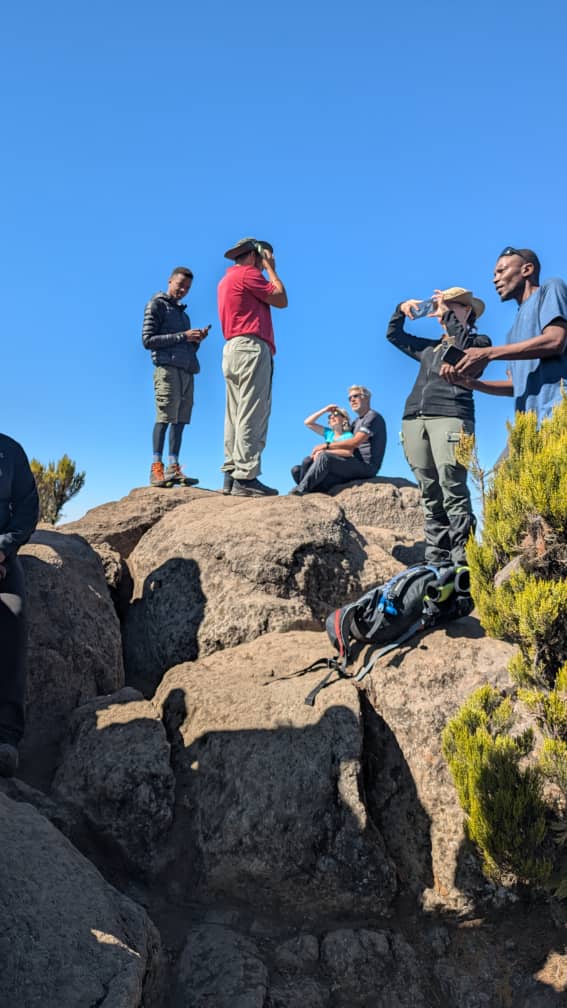
June Kilimanjaro Climb After A Safari: Your Ultimate Guide 2026-2027
Combining a Tanzania safari with a Kilimanjaro climb in June is an unforgettable adventure. This guide covers everything you need to know for a successful 2026-2027 trip, from weather...
View package details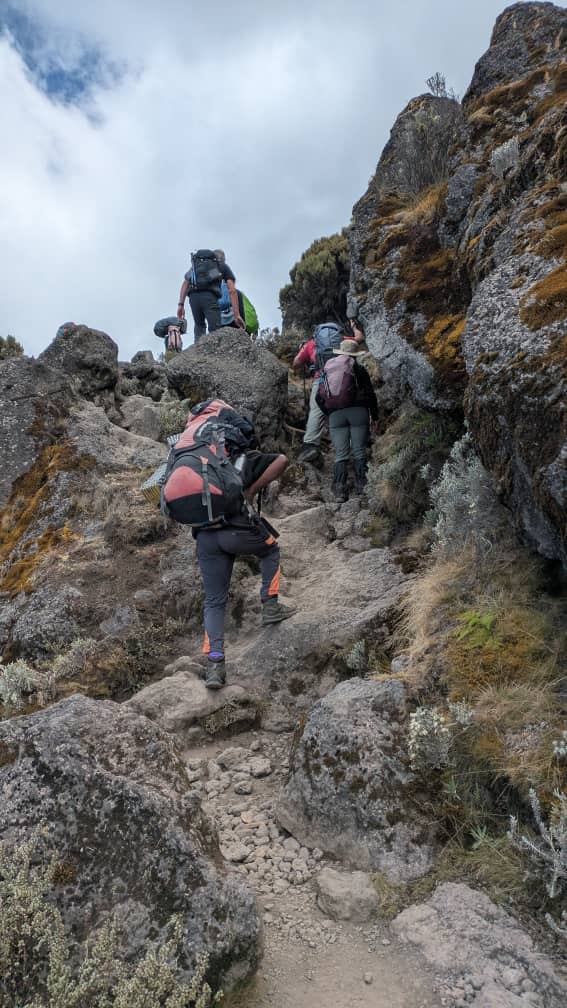
June Kilimanjaro Climb Before A Tanzania Safari In 2026-2027
Combining a Mount Kilimanjaro climb with a Tanzania safari is a dream for many adventurers. June offers excellent conditions for both, making it a prime month to experience these iconic...
View package detailsJune Kilimanjaro Group Climb For Solo Travellers: Your Guide To Adventures
Planning a solo adventure to climb Kilimanjaro in June? This comprehensive guide focuses on group climbs specifically for solo travellers, covering everything from route selection and...
View package detailsJune Kilimanjaro Luxury Climb With Private Guide In | Top Adventures 2026-2027
Plan your ultimate June Kilimanjaro luxury climb with a private guide for 2026-2027. This comprehensive guide from Top Guide Adventures covers routes, gear, preparation, and what makes a...
View package details
June Kilimanjaro Crowd Levels: What To Expect For Climbs 2026-2027
Planning a Kilimanjaro climb in June? Understand the crowd levels for 2026-2027. While not the absolute busiest, June offers a sweet spot for trekkers seeking good weather and manageable...
View package details
June Kilimanjaro Climbing Prices And Availability | Top Guide Adventures
Planning a Kilimanjaro climb in June? This guide details the expected prices, availability, weather considerations, and best routes for your 2026-2027 adventure. Top Guide Adventures offers...
View package details
June Kilimanjaro Full-Moon Climb: Your Ultimate Guide For 2026-2027
Discover the magic of a June Kilimanjaro full-moon climb. This comprehensive guide covers everything you need to know for 2026-2027, from route selection and optimal timing to essential...
View package details8-Day Lemosho Route Kilimanjaro Climb In June | Top Guide Adventures 2026-2027
The 8-day Lemosho Route offers a balanced approach to climbing Kilimanjaro in June, providing excellent acclimatization and stunning scenery. This guide details the itinerary, challenges...
View package details
7-Day Machame Route Kilimanjaro Climb In June : Your Expert Guide 2026-2027
A comprehensive guide to undertaking a 7-day Machame Route Kilimanjaro climb in June, detailing itinerary, weather, gear, and preparation for 2026-2027.
View package details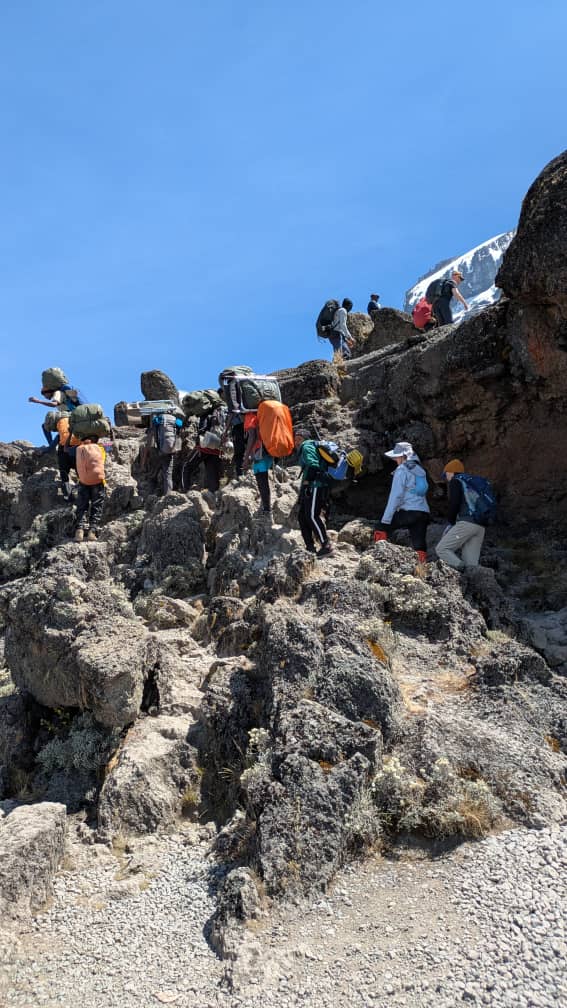
Early June Kilimanjaro Climbing Packages: Your Guide To Summiting In 2026-2027
Planning an early June Kilimanjaro climb in 2026 or 2027? This comprehensive guide from Top Guide Adventures covers everything you need to know, from ideal routes and weather patterns to...
View package detailsNo related package matches those filters. Clear one or more filters to see the other topic-matched options.



