
The start of the dry season on Kilimanjaro, typically from June through July, offers some of the most favorable climbing conditions with generally clear skies, lower humidity, and moderate temperatures, making it an excellent choice for trekkers aiming for 2026 or 2027 ascents.

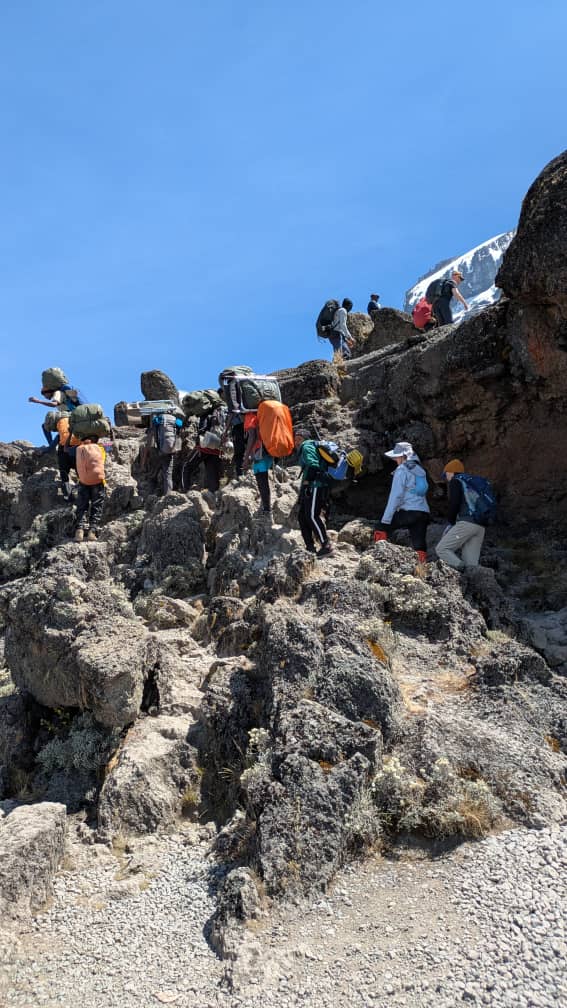
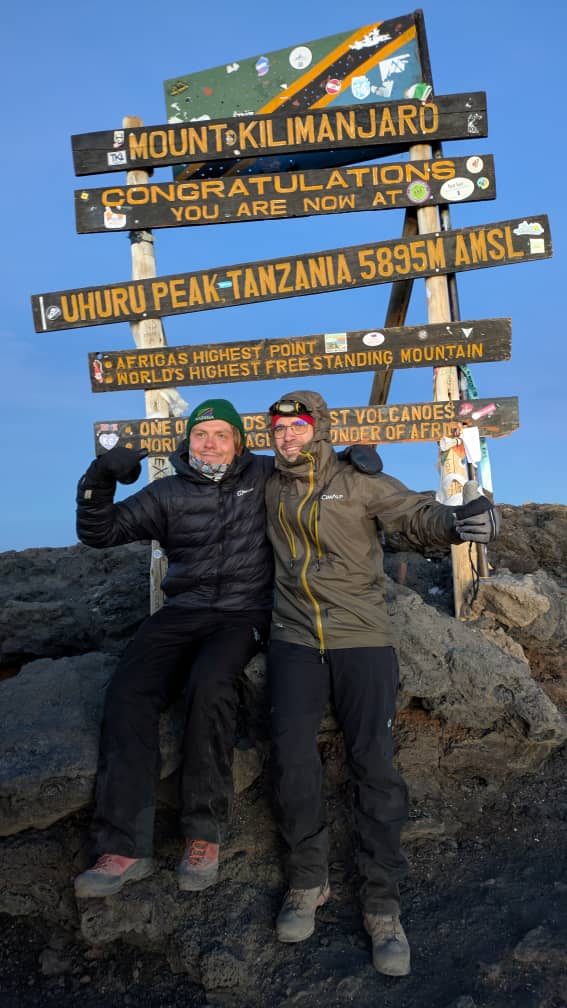
Kilimanjaro Weather: June and July – The Dawn of the Dry Season
Mount Kilimanjaro, a dormant volcano and Africa’s highest peak, presents a unique microclimate that changes dramatically with altitude and season. For many aspiring climbers, understanding the Kilimanjaro weather at the start of the dry season is paramount to successful planning and preparation. This period, primarily encompassing June and July, marks the transition from the longer rainy season into a more stable, drier climate, making it a popular window for treks. As you plan your Kilimanjaro adventure for 2026 or 2027, this guide will detail what you can realistically expect regarding temperatures, precipitation, visibility, and overall conditions on the mountain.
The start of the dry season is often characterized by a noticeable decrease in rainfall, especially at lower and middle elevations. While higher altitudes can still experience occasional snow or frost, the persistent cloud cover and heavy downpours of the preceding months subside. This makes trekking more comfortable, with less mud on the trails and clearer views of the surrounding landscapes and the summit itself. For those looking to book their climb, understanding these nuances can help in selecting the best route and packing appropriately for the diverse climatic zones you’ll traverse.
Understanding Kilimanjaro’s Climatic Zones
Before diving into the specifics of the dry season, it’s crucial to appreciate Kilimanjaro’s distinct climatic zones. As you ascend, you’ll pass through five major ecological zones, each with its own temperature, precipitation, and vegetation profile. The weather at the start of the dry season affects each of these zones differently.
- Cultivation Zone (approx. 800m – 1,800m): This is the most populated zone, characterized by farmland and forests. During June and July, this area is typically warm and pleasant, with occasional light showers possible, though less frequent than in other seasons.
- Rainforest Zone (approx. 1,800m – 2,800m): Expect lush, dense forests here. While it’s the dry season, this zone can still receive some moisture, often in the form of mist or light rain, especially in the mornings. Temperatures are cooler than the cultivation zone.
- Heath and Moorland Zone (approx. 2,800m – 4,000m): As you climb higher, the vegetation thins out, becoming more scrub-like. This zone experiences more significant temperature fluctuations between day and night. The start of the dry season means fewer cloudy days, offering glimpses of the mountain’s higher reaches.
- Alpine Desert Zone (approx. 4,000m – 4,700m): Above the treeline, this zone is arid and harsh, with very little vegetation. Days can be sunny and surprisingly warm, but nights are extremely cold. Reduced cloud cover during June and July is a significant advantage here.
- Arctic Zone (above 4,700m): The summit zone, characterized by glaciers and ice. This is where extreme cold, strong winds, and potentially snow are most common, regardless of the season. The start of the dry season offers a better chance of clear summit views but does not eliminate the need for robust cold-weather gear.
Kilimanjaro Weather Patterns: June in Focus
June marks the official beginning of Kilimanjaro’s long dry season. After the heavier rains of April and May, the skies begin to clear, and the humidity drops. This transition brings a welcome change for trekkers, offering a more predictable and comfortable environment for the ascent. For those planning a climb in June 2026 or June 2027, here’s what to anticipate:
Temperature Ranges in June
Temperatures on Kilimanjaro are dictated by altitude and time of day. In June, you can expect:
- Base Camp/Moshi (approx. 900m): Daytime temperatures typically range from 20°C to 25°C (68°F to 77°F). Nights are pleasantly warm.
- Rainforest Zone (1,800m – 2,800m): Daytime temperatures usually fall between 15°C to 20°C (59°F to 68°F). Nights can be cool, around 8°C to 12°C (46°F to 54°F).
- Heath/Moorland Zone (2,800m – 4,000m): Daytime highs are often around 10°C to 15°C (50°F to 59°F). Nights become significantly colder, dropping to 0°C to 5°C (32°F to 41°F).
- Alpine Desert Zone (4,000m – 4,700m): Days are sunny and can feel warm, perhaps 5°C to 10°C (41°F to 50°F). However, nights are harsh, plummeting to -5°C to 0°C (23°F to 32°F).
- Summit Zone (above 4,700m): Temperatures at Uhuru Peak will be well below freezing, typically ranging from -10°C to -20°C (14°F to -4°F), and can feel even colder with wind chill.
Precipitation in June
June is part of the dry season, meaning significantly less rainfall compared to the preceding months. You can expect:
- Low Rainfall: Rainfall is minimal, especially at higher altitudes. If it does rain, it’s usually light and brief.
- Clear Skies: June offers a high probability of clear skies, particularly during daylight hours. This means excellent visibility for stunning panoramic views.
- Occasional Mist: The rainforest zone might still experience morning mist or light drizzle, but it’s generally not enough to impede trekking significantly.
Wind and Visibility in June
Winds on Kilimanjaro can be unpredictable, but during June, they tend to be less fierce than during the rainy seasons or the peak dry season (July-September). Visibility is generally excellent, offering unparalleled views of Mount Meru and the vast plains of Tanzania from the higher slopes. Clear nights also provide spectacular stargazing opportunities.
Kilimanjaro Weather Patterns: July in Focus
July is firmly within Kilimanjaro’s long dry season and is often considered one of the absolute best months for climbing. Building on the conditions of June, July typically offers even more stable weather, drier trails, and exceptional visibility. For your July 2026 or July 2027 expedition, this means:
Temperature Ranges in July
Temperatures in July are very similar to June, with the primary driver still being altitude and time of day. The overall trend remains:
- Base Camp/Moshi: Daytime 20°C – 25°C (68°F – 77°F).
- Rainforest Zone: Daytime 15°C – 20°C (59°F – 68°F); nights 8°C – 12°C (46°F – 54°F).
- Heath/Moorland Zone: Daytime 10°C – 15°C (50°F – 59°F); nights 0°C – 5°C (32°F – 41°F).
- Alpine Desert Zone: Daytime 5°C – 10°C (41°F – 50°F); nights -5°C – 0°C (23°F – 32°F).
- Summit Zone: Consistently -10°C to -20°C (14°F to -4°F), with wind chill making it feel much colder.
The key difference might be a slightly sharper drop in temperature at night as the dry season fully establishes itself, making warm sleeping bags and layers essential.
Precipitation in July
July is renowned for its dryness. Rainfall is at its minimum during this month:
- Minimal Rain: It is highly unlikely to experience significant rainfall in July. Any precipitation is typically very light and infrequent.
- Exceptional Clarity: Expect very clear skies, offering some of the best photographic opportunities and views of the Kilimanjaro summit and its glaciers.
- Dry Trails: Trails are generally dry and firm underfoot, which can make walking more comfortable and less demanding.
Wind and Visibility in July
While winds can still pick up, especially near the summit, July generally offers more stable wind conditions than during the shoulder seasons. Visibility is usually outstanding, providing impressive vistas across the African plains and neighboring peaks. The clear air and lack of cloud cover make it an ideal time for appreciating the sheer scale and beauty of Kilimanjaro.
Comparing June and July: Which is Better for Your Climb?
Both June and July are excellent months for climbing Kilimanjaro, falling within the start of the dry season. However, there are subtle differences that might influence your decision for a 2026 or 2027 trek.
June:
- Pros: Still considered the beginning of the dry season, meaning slightly fewer crowds than the peak months of July and August. Temperatures can be a little milder overall, especially during the day. Offers a good balance of dry weather and fewer trekkers.
- Cons: There’s a slightly higher chance of lingering showers, particularly in the lower rainforest zone, compared to July.
July:
- Pros: Typically offers the most stable and driest weather of the year. Excellent visibility and very dry trails. Peak dry season conditions are established.
- Cons: Can be slightly more crowded as it’s a prime climbing month. Nighttime temperatures might be marginally colder than in June.
Recommendation: If you prioritize the absolute driest conditions and clearest views, July might have a slight edge. If you prefer to avoid the highest concentration of climbers while still enjoying very good weather, June is an excellent choice. Both months provide fantastic opportunities for a successful summit bid in 2026 or 2027.
Impact of Altitude on Weather at the Start of the Dry Season
The weather on Kilimanjaro is inextricably linked to altitude. Even within the start of the dry season, conditions vary dramatically as you ascend through the distinct climatic zones. This variability is a critical factor to consider when preparing for your climb.
- Lower Slopes (Cultivation & Rainforest): These zones benefit most from the reduced rainfall. Expect milder temperatures, fewer muddy sections, and clearer forest trails. While the rainforest might still hold some moisture and mist, it’s far less intrusive than during the wet months.
- Middle Slopes (Heath & Moorland): As you climb into these higher, more exposed areas, the effects of altitude become more pronounced. Days are sunny but can feel cooler due to increased wind exposure. Nights are where the significant temperature drop occurs, transitioning from cool to freezing. The clear skies of the dry season mean you can see further, but the elements are more directly felt.
- Upper Slopes (Alpine Desert & Arctic): These are the harshest environments, and the start of the dry season offers relief primarily in the form of reduced precipitation and cloud cover. The air is thin and dry. Daytime sun can be intense due to the lack of atmospheric moisture and higher altitude, but it offers little warmth. Nights are intensely cold, with temperatures consistently below freezing. Frost and ice are common. The summit itself, in the Arctic zone, is always an extreme environment, with temperatures around -10°C to -20°C and the potential for snow and strong winds even in June or July.
Understanding this altitudinal gradient is key. A pleasant day on the lower slopes can transition into a freezing, windswept night on the upper reaches. Proper layering and acclimatization are therefore essential, regardless of the season.
What to Pack for Kilimanjaro Weather at the Start of the Dry Season
Packing strategically is crucial for comfort and safety, especially given the dramatic temperature shifts and varying conditions you’ll encounter on Kilimanjaro, even during the drier months. For a climb in June 2026 or July 2027, focus on layering and quality gear.
Essential Clothing Layers:
- Base Layers: Moisture-wicking thermal tops and bottoms (merino wool or synthetic). These are critical for managing sweat and retaining body heat.
- Mid Layers: Fleece jackets or vests, and a warm puffer jacket (down or synthetic). These provide insulation. You’ll likely use these extensively during evenings and on summit night.
- Outer Layer (Shell): Waterproof and windproof jacket and trousers. Essential for protection against any rain, wind, or snow, especially at higher altitudes. Ensure they are breathable.
Headwear and Handwear:
- Warm Hat: A fleece or wool hat that covers your ears.
- Sun Hat: A wide-brimmed hat for sun protection during the day.
- Balaclava or Buff: Crucial for protecting your face and neck from wind and cold, especially on summit night.
- Gloves: A pair of thin liner gloves and a pair of warm, waterproof outer gloves or mittens. Mittens are generally warmer than gloves.
Footwear:
- Hiking Boots: Sturdy, waterproof, broken-in hiking boots with good ankle support.
- Camp Shoes: Comfortable shoes or sandals for wearing at the campsite.
- Socks: Several pairs of warm, moisture-wicking hiking socks (wool or synthetic). Avoid cotton.
Other Key Items:
- Sleeping Bag: A 4-season sleeping bag rated to at least -10°C to -20°C (14°F to -4°F) is highly recommended, especially for the start of the dry season when nights get very cold.
- Duffel Bag: A large, waterproof duffel bag (80-100 liters) for your main gear, which will be carried by porters.
- Daypack: A comfortable daypack (30-40 liters) for essentials you need during the trekking day (water, snacks, camera, rain gear, extra layer).
- Trekking Poles: Highly recommended for reducing strain on knees and improving stability, especially on descents.
- Headlamp: With extra batteries. Essential for navigating in the dark and for summit night.
- Sunglasses: High UV protection.
- Sunscreen and Lip Balm: High SPF. The sun is intense at altitude.
- Water Bottles/Hydration Reservoir: At least 2-3 liters capacity. Insulated reservoirs prevent freezing.
- Water Purification: Tablets or a filter, though boiled water is usually provided.
- Personal First-Aid Kit: Include any personal medications.
- Toiletries: Biodegradable soap, toothbrush, toothpaste, wet wipes.
- Snacks: Energy bars, nuts, dried fruit – personal favorites for energy boosts.
Remember, your tour operator will provide a detailed packing list, but this covers the essentials for the Kilimanjaro weather at the start of the dry season.
Choosing a Route for the Start of the Dry Season
While most routes are viable during June and July, some offer particular advantages due to their profile and weather patterns. The start of the dry season is generally excellent for all routes, but consider these points:
- Machame Route: This popular route offers a good acclimatization profile, making it a strong choice for the dry season. Its “climb high, sleep low” strategy is effective, and the scenery is varied. It’s suitable for trekkers seeking a challenging yet rewarding experience. See Machame Route group departures for planning your 2026-2027 climb.
- Lemosho Route: Known for its scenic beauty and excellent acclimatization, Lemosho is another excellent option. It’s longer, offering more time to adapt to the altitude, which is beneficial even in good weather.
- Marangu Route: While often called the “Coca-Cola route” due to its huts and easier pace, the weather advantage of the dry season is still significant. However, its direct ascent means less optimal acclimatization compared to Machame or Lemosho.
- Rongai Route: This route approaches Kilimanjaro from the north, near the Kenyan border. It tends to be drier than routes approaching from the south, making it a particularly good choice for the dry season, especially if you want to minimize any chance of rain.
- Northern Circuit: The longest route, offering the best acclimatization. While it requires more time, it provides incredible views and a high success rate. It’s an excellent choice for those who want the best chance of summiting in comfortable conditions.
For climbs planned in 2026 or 2027, booking a route that balances scenic beauty, acclimatization, and your desired level of challenge is key. The start of the dry season generally makes all well-managed routes feasible and enjoyable.
Crowds and Popularity in June and July
The start of the dry season, particularly July, is a peak climbing period on Kilimanjaro. This means you can expect more trekkers on the mountain compared to the shoulder seasons or rainy periods.
- June: Generally sees fewer climbers than July and August, offering a slightly less crowded experience. This can be appealing if you prefer a quieter trek.
- July: This month is one of the busiest. Popular routes like Machame will have many groups on the mountain. This doesn’t detract from the experience significantly, as the trails are well-established, and the park facilities can handle the numbers. However, campsites might feel busier.
If avoiding crowds is a high priority for your 2026 or 2027 climb, June might be slightly preferable. However, even in July, the mountain is vast, and you will still have moments of solitude, especially on less popular routes or during the trekking day.
Summit Success Rates in the Early Dry Season
Summit success rates on Kilimanjaro are influenced by many factors, including the route chosen, the operator’s quality, individual fitness, and acclimatization. However, weather plays a significant role. The start of the dry season, with its clearer skies and generally more stable conditions, is conducive to higher success rates.
- Clearer Summit Push: The pre-dawn summit attempt is less likely to be hampered by rain, snow, or dense fog. This allows climbers to focus on the ascent and maintain a steady pace.
- Better Visibility: Clear conditions mean guides can better assess the trail and any potential hazards.
- Reduced Risk of Hypothermia: While still a risk, the reduced chance of prolonged exposure to wet and windy conditions can help mitigate hypothermia risks.
While no operator can guarantee a summit, choosing a reputable company like Top Guide Adventures for your June 2026 or July 2027 climb, combined with the favorable weather of the early dry season, significantly enhances your chances of reaching Uhuru Peak.
Potential Challenges and Considerations
Despite the favorable conditions, climbing Kilimanjaro in the early dry season still presents challenges:
- Altitude Sickness: This is the primary challenge on any Kilimanjaro climb, regardless of the season. Proper acclimatization is non-negotiable.
- Cold Temperatures: While not the extreme cold of winter, temperatures at higher altitudes, especially during summit night, will be well below freezing. Proper gear is essential.
- Wind: Even in the dry season, winds can be strong, particularly at higher elevations, increasing the risk of cold exposure.
- Crowds: As mentioned, July can be busy, which might affect the atmosphere at campsites or on popular trails.
- Sunburn: The sun at high altitudes is intense, and clear skies offer little protection. Sunscreen, hats, and sunglasses are vital.
Preparing for Your 2026-2027 Kilimanjaro Climb
Successful preparation is key to enjoying your trek and maximizing your chances of reaching the summit. For a climb during the Kilimanjaro weather at the start of the dry season:
Physical Fitness:
Focus on cardiovascular endurance (hiking, running, cycling) and strength training, particularly for your legs and core. Practice hiking with a weighted backpack.
Acclimatization Strategy:
Choose a longer route (7-8 days) for better acclimatization. Follow the principle of “pole pole” (slowly, slowly) during the trek. Stay well-hydrated.
Mental Preparation:
Understand the challenges, including altitude sickness and extreme cold. Maintain a positive attitude and be prepared for a physically and mentally demanding journey.
Booking Your Expedition:
Book well in advance, especially for 2026 and 2027 climbs, as June and July are popular months. Choose a reputable operator like Top Guide Adventures, which prioritizes safety, quality guides, and good equipment. Contact us for personalized advice: WhatsApp +255616946642 or Email topguideadventures@gmail.com.
The Role of Guides and Crew
Your guides and support crew are indispensable, especially when navigating the Kilimanjaro weather at the start of the dry season. Experienced guides:
- Monitor weather changes and adjust plans as needed.
- Advise on appropriate clothing and hydration.
- Recognize the signs of altitude sickness and manage it effectively.
- Ensure you maintain a safe and steady pace (“pole pole”).
- Provide encouragement and support throughout the trek.
Top Guide Adventures prides itself on highly trained, experienced guides who are passionate about safety and ensuring you have the best possible experience on Kilimanjaro. Their expertise is invaluable, particularly when dealing with the mountain’s unpredictable elements, even during the drier months.
Beyond the Climb: Tanzania in June and July
While Kilimanjaro is the primary focus, the start of the dry season also offers excellent opportunities for exploring other parts of Tanzania. If your 2026 or 2027 trip includes a safari or visit to Zanzibar:
- Tanzania Safaris: June and July are fantastic months for safaris in parks like the Serengeti and Tarangire. The dry weather means wildlife congregates around water sources, making sightings easier. The Great Migration is often in the Serengeti during this period, moving west and north. Clear skies provide excellent photographic conditions. Explore our Tanzania safari group departures.
- Zanzibar: The coastlines of Zanzibar also experience drier weather in June and July, with less humidity and pleasant temperatures, ideal for beach holidays.
Combining a Kilimanjaro climb with a safari or beach holiday is a popular choice, and the early dry season provides ideal conditions for all these experiences.
Summary: Kilimanjaro Weather at the Start of the Dry Season
In summary, the Kilimanjaro weather at the start of the dry season (June and July) presents trekkers with:
- Reduced Rainfall: Significantly less precipitation than the wet seasons.
- Clear Skies: High probability of clear days and nights, offering excellent visibility and stargazing.
- Moderate Temperatures: Pleasant conditions at lower altitudes, but cold to freezing temperatures at higher elevations, especially at night and on summit day.
- Dry Trails: Easier trekking with less mud and better footing.
- Increased Crowds: Especially in July, as it’s a peak climbing period.
For your planned 2026 or 2027 Kilimanjaro adventure, June and July are highly recommended months. They offer a compelling balance of good weather, manageable temperatures (with proper gear), and stunning views, significantly contributing to a higher chance of a successful and memorable summit experience. Ensure you book with a trusted operator like Top Guide Adventures to benefit from expert guidance and support throughout your journey.
Ready to plan your Kilimanjaro climb for 2026 or 2027? Contact us for tailored advice and to secure your spot during the best climbing windows. Reach us via WhatsApp +255616946642, Email topguideadventures@gmail.com, or our backup Email info@topguideadventures.com.
“,
“faq_schema”: [
{
“question”: “What are the typical temperatures on Kilimanjaro at the start of the dry season (June/July)?”,
“answer”: “Temperatures vary greatly with altitude. At base camp (around 900m), expect 20-25°C (68-77°F) during the day. In the rainforest zone (1800-2800m), days are 15-20°C (59-68°F) and nights 8-12°C (46-54°F). Higher up, in the alpine desert zone (4000-4700m), days can be 5-10°C (41-50°F) but nights plummet to -5-0°C (23-32°F). The summit is consistently -10°C to -20°C (-4°F to 14°F) or colder with wind chill.”
},
{
“question”: “How much rain can I expect in June and July on Kilimanjaro?”,
“answer”: “June and July mark the beginning of Kilimanjaro’s long dry season. Rainfall is minimal, especially at higher altitudes. You can expect mostly clear skies with very little precipitation. Any rain is typically light and brief, and trails are generally dry.”
},
{
“question”: “Is June or July a better month for climbing Kilimanjaro?”,
“answer”: “Both June and July offer excellent climbing conditions. July is typically drier and has more stable weather, making it slightly more popular. June sees fewer crowds and still offers very good weather, making it a great alternative if you prefer a quieter trek. For 2026-2027, both are prime months.”
},
{
“question”: “What is the visibility like on Kilimanjaro in early dry season?”,
“answer”: “Visibility is generally excellent during June and July. Clear skies provide stunning panoramic views of the surrounding landscape, including Mount Meru and the African plains, as well as clear views of the summit and its glaciers.”
},
{
“question”: “Will it snow on Kilimanjaro in June or July?”,
“answer”: “While June and July are dry seasons, snow can still fall at the highest altitudes, particularly on the summit zone (above 4700m) and around the glaciers. Frost is common at these elevations during the nights. Lower down, snow is highly unlikely.”
},
{
“question”: “Are there many crowds on Kilimanjaro in June and July?”,
“answer”: “July is a peak climbing season, so you can expect more trekkers on popular routes. June is slightly less crowded but still sees a good number of climbers. Campsites might feel busier in July, but the mountain is large enough that you can still find moments of solitude.”
},
{
“question”: “What gear is essential for Kilimanjaro in June/July?”,
“answer”: “Essential gear includes a 4-season sleeping bag, waterproof and windproof outer layers, warm mid-layers (fleece, down jacket), thermal base layers, sturdy hiking boots, warm hat, gloves, and sun protection (hat, sunglasses, sunscreen). Layering is key to managing the temperature fluctuations.”
},
{
“question”: “What are the chances of summit success in June/July?”,
“answer”: “Summit success rates are generally high during the early dry season due to favorable weather conditions like clear skies and less precipitation. However, success also depends on choosing a good route, a reputable operator like Top Guide Adventures, proper acclimatization, and personal fitness.”
},
{
“question”: “Can I combine a Kilimanjaro climb with a safari in June/July?”,
“answer”: “Yes, June and July are excellent months for safaris in Tanzania, including the Serengeti, as it’s the dry season and wildlife is often concentrated around water sources. It’s a popular time to combine a Kilimanjaro trek with a safari or a beach holiday in Zanzibar.”
},
{
“question”: “When should I book my 2026-2027 Kilimanjaro climb for the early dry season?”,
“answer”: “Due to the popularity of June and July, it is highly recommended to book your 2026 or 2027 Kilimanjaro climb well in advance, ideally 6-12 months prior, to secure your preferred dates and routes.”
}
]
}
“`
Check Availability for Kilimanjaro Weather At The Start Of Dry Season 2026-2027
Ready to compare dates, prices, and the best option for your group? Send the package name and travel month so the team can reply with a clear quote, availability, and what is included.
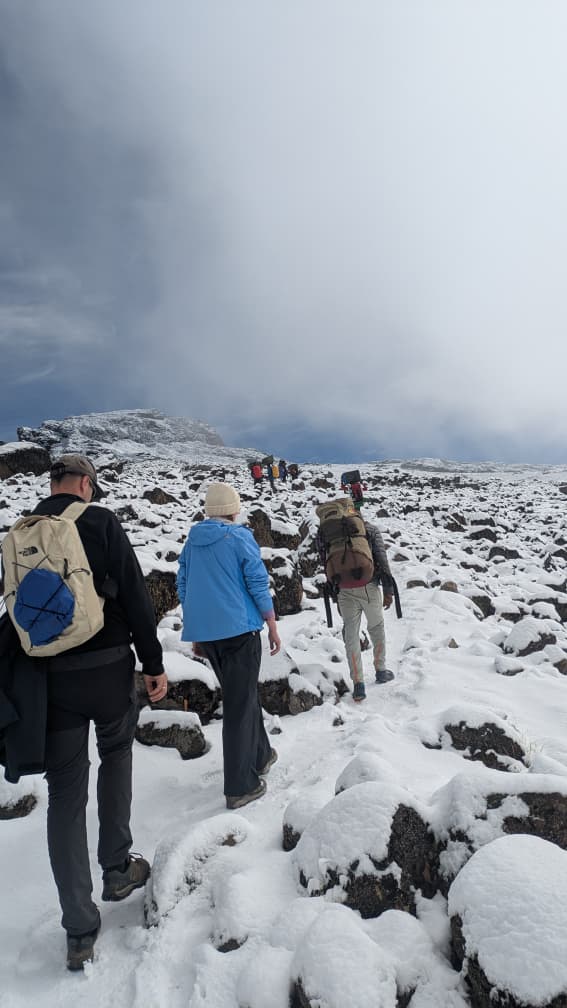
Kilimanjaro Weather And Temperature In August 2026-2027
Kilimanjaro Weather and Temperature in August is explained with current 2026-2027 planning, price, itinerary and booking information.
View package details
August Kilimanjaro Peak-Season Prices: Understanding Costs And Planning
Planning a Kilimanjaro climb in August? This peak season means higher demand and potentially higher prices. This guide breaks down what you can expect for August Kilimanjaro peak-season...
View package details
July Kilimanjaro Climbing Prices And Peak-Season Availability 2026-2027
Planning a Kilimanjaro climb in July? This guide breaks down typical pricing for 2026-2027, discusses peak season availability, and offers insights from Top Guide Adventures to help you...
View package detailsKilimanjaro Climbing In July : Routes, Prices, And Weather | Top Guide
Planning a Kilimanjaro climb in July 2027? This comprehensive guide details the most suitable routes, provides realistic price expectations, and explains the weather patterns you can expect...
View package detailsBest Kilimanjaro Routes For September 2026-2027
Best Kilimanjaro Routes for September is explained with current 2026-2027 planning, price, itinerary and booking information.
View package detailsSeptember Kilimanjaro Group Departures : Your Ultimate Guide With Top
Secure your spot on a September Kilimanjaro group trek in 2027 with Top Guide Adventures. This guide details available dates, popular routes like Machame and Lemosho, what's included...
View package details
Kilimanjaro Climbing In September : Your Complete Planning Guide 2026-2027
This comprehensive guide covers everything you need to know for climbing Mount Kilimanjaro in September 2027, including the best routes, crucial preparation, weather expectations, essential...
View package details
August Kilimanjaro Climb With River-Crossing Safari: Your Ultimate Tanzania
Combine the challenge of climbing Mount Kilimanjaro in August with the thrill of witnessing the Great Migration river crossings on a safari. This guide covers itineraries, routes, packing...
View package details
August Kilimanjaro Charity Challenge: Plan Your Climb 2026-2027
Planning an August Kilimanjaro Charity Challenge for 2026 or 2027 involves understanding routes, preparation, and the unique benefits of climbing for a cause. Top Guide Adventures offers...
View package detailsAugust Kilimanjaro Women’s Group Climb: Expert Planning For 2026-2027
This comprehensive guide details everything you need to know for an August Kilimanjaro Women’s Group Climb, covering route selection, training, gear, safety, and what to expect during your...
View package details
August Kilimanjaro Photography Expedition: Your Ultimate Guide For 2026-2027
An August Kilimanjaro Photography Expedition offers a unique opportunity to capture impressive landscapes and the iconic summit under clear skies. This guide details everything you need to...
View package details
August Kilimanjaro Luxury Summit Package: Your Ultimate Guide 2026-2027
Plan your August Kilimanjaro climb with a luxury summit package. This comprehensive guide covers the best routes for August, premium inclusions, expected costs for 2026-2027, and expert...
View package detailsNo related package matches those filters. Clear one or more filters to see the other topic-matched options.



